Root canal treatment in Vietnam costs approximately 70% to 80% less than equivalent private specialist care in the United Kingdom, without compromising on clinical quality or material standards. For patients suffering from acute pulpitis, Ho Chi Minh City offers immediate access to board-certified endodontists utilizing advanced microscopic techniques.
Clinical Summary:
For patients comparing root canal cost Vietnam vs UK, the financial and clinical advantages of seeking treatment in Ho Chi Minh City are substantial. The UK currently experiences severe public dental shortages, forcing many patients to endure prolonged pain or pay exorbitant private fees for endodontic therapy. In contrast, specialized facilities like HCMC Dental Clinic provide immediate access to international-standard care. Utilizing dental operating microscopes, 3D CBCT imaging, and rotary endodontics, Vietnamese specialists perform complex molar and premolar treatments at a fraction of London prices. Beyond the cost savings, patients benefit from comprehensive care that includes custom zirconia crowns and rigorous infection control protocols, making dental tourism a highly viable, evidence-based solution for complex endodontic needs.
Key Takeaways:
- Private endodontic fees in the UK are significantly higher than equivalent specialist treatments in Vietnam.
- Prolonged wait times for public dental care often exacerbate infections, increasing the risk of irreversible bone loss and tooth extraction.
- Modern clinics in Ho Chi Minh City utilize global standards, including Zeiss microscopes, rubber dam isolation, and CBCT imaging.
- Combining multiple root canals and crowns in Vietnam often covers the entire cost of international travel and accommodation.
- Comprehensive treatment plans include dedicated patient coordinators to manage logistics, ensuring a seamless clinical journey for international visitors.
The UK Dental Crisis: NHS Shortages and Expensive Private Fees
The current UK dental landscape forces patients to choose between severely delayed public healthcare and prohibitively expensive private treatments, often exacerbating endodontic infections.
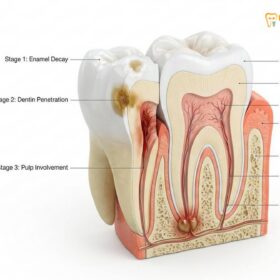
The landscape of dental care in the United Kingdom has undergone significant strain, creating a challenging environment for patients requiring urgent endodontic intervention. When a tooth’s internal pulp tissue becomes inflamed or infected—a condition known clinically as irreversible pulpitis—immediate treatment is necessary to alleviate severe pain and prevent the infection from spreading into the surrounding alveolar bone. Unfortunately, accessing this critical care has become increasingly difficult.
Patients relying on public healthcare frequently encounter a prolonged NHS dentist waitlist. Endodontic therapy, particularly for multi-rooted posterior teeth, is a time-intensive procedure that requires specialized equipment and expertise. Due to systemic pressures and funding limitations, many public clinics are overwhelmed, resulting in wait times that can stretch for months. During this waiting period, the bacterial infection within the root canal system continues to proliferate. What begins as localized pulpitis can rapidly progress to apical periodontitis, where the infection breaches the apex of the tooth root and begins destroying the supporting jawbone. This delay not only prolongs patient suffering but also significantly reduces the long-term prognosis of the tooth once treatment is finally initiated [1].
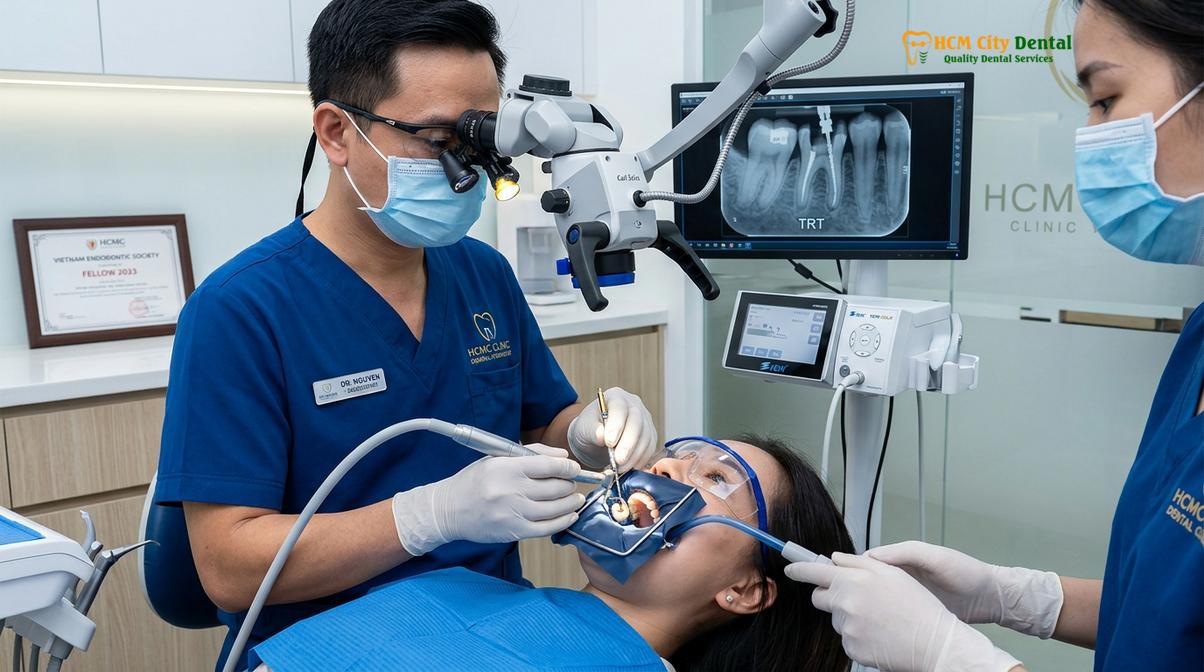
Faced with unacceptable delays, many patients are forced to seek care in the private sector. However, the private dental fee London and other major UK cities demand is often prohibitively high. Private endodontic specialists (endodontists) must account for high operational overheads, expensive continuing education, and the cost of maintaining advanced technology such as dental operating microscopes. Consequently, a single root canal treatment in a private UK clinic can become a major financial burden, especially when the necessary post-endodontic restoration (such as a core build-up and a ceramic crown) is factored into the total cost. This stark reality has driven a growing number of UK residents to explore cross-border healthcare options, seeking high-quality specialized endodontic care in internationally accredited destinations.
Molar and Premolar Treatment Costs: London Private Clinics vs. HCMC Dental (GBP)
Treating multi-rooted molars requires specialized equipment and expertise, driving up UK prices, whereas Vietnamese clinics offer transparent, highly competitive flat-rate fees.
To understand the vast disparity in pricing, it is essential to examine the clinical complexities of different types of teeth. Root canal therapy is not a uniform procedure; the difficulty, time required, and necessary expertise vary drastically depending on the tooth’s anatomical position and internal morphology.
Anterior teeth (incisors and canines) typically possess a single, relatively straight root canal. Accessing and disinfecting these canals is generally straightforward, often requiring only a single appointment. Premolars, located behind the canines, usually have one or two roots and can present more complex internal anatomy. However, it is the molars—the large chewing teeth at the back of the mouth—that present the greatest endodontic challenge. Maxillary (upper) molars frequently have three or four canals, including the notoriously difficult-to-locate MB2 (mesiobuccal 2) canal. Mandibular (lower) molars also typically feature complex canal networks with severe curvatures and narrow calcifications. Successfully navigating, cleaning, and sealing these intricate spaces requires advanced rotary instruments, copious chemical irrigation, and high-powered magnification [2].
Because of this complexity, the molar root canal cost UK specialists charge is substantially higher than the fee for an anterior tooth. In contrast, clinics in Ho Chi Minh City benefit from structurally lower operational costs—including facility leasing, staffing, and administrative overhead—allowing them to offer the exact same standard of care at a fraction of the price.
| Treatment Type | Average UK Private Clinic (£) | HCMC Dental Clinic (£) | Estimated Savings |
|---|---|---|---|
| Anterior Tooth (Incisor/Canine) | £450 – £700 | £100 – £150 | Up to 75% |
| Premolar Tooth | £600 – £850 | £120 – £180 | Up to 75% |
| Molar Tooth (Complex) | £800 – £1,200+ | £150 – £250 | Up to 80% |
| Post-Endodontic Zirconia Crown | £650 – £950 | £200 – £350 | Up to 70% |
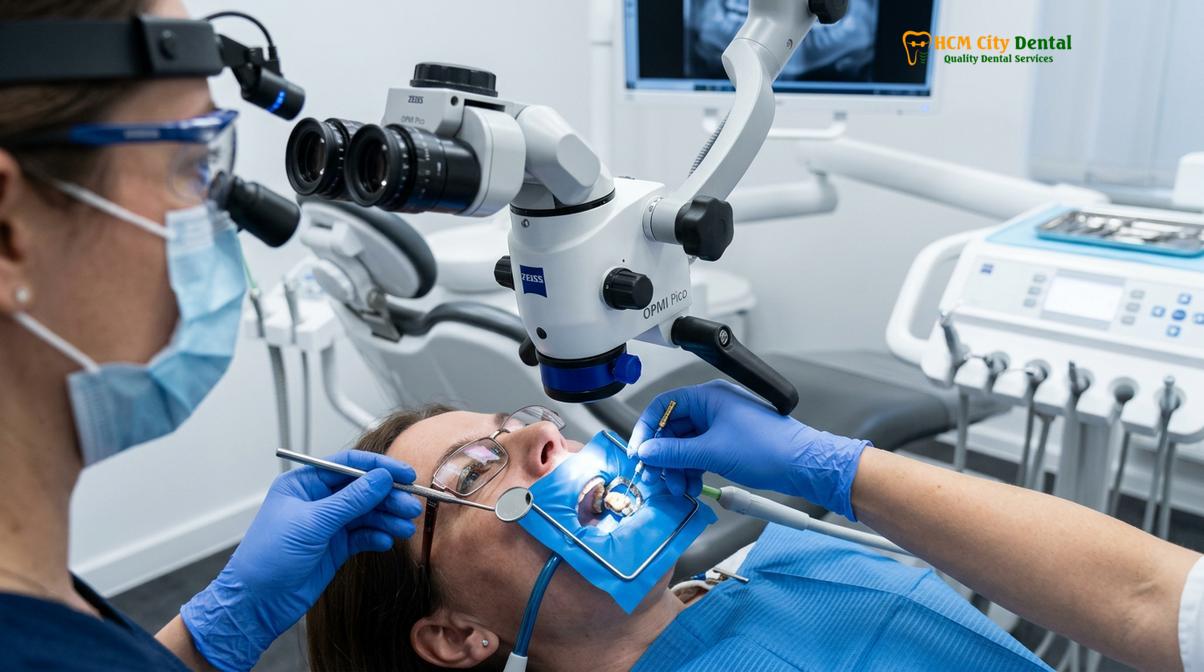
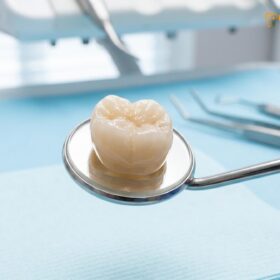
The financial advantage becomes even more pronounced when considering the necessity of a dental crown. A molar that has undergone root canal therapy loses its blood supply, rendering the remaining dentin brittle and highly susceptible to fracture under the immense forces of mastication. Therefore, a full-coverage crown is clinically mandatory to protect the tooth and ensure long-term functional survival. When combining the cost of the endodontic procedure and the subsequent crown, the total expense in the UK can easily exceed £2,000 per tooth.
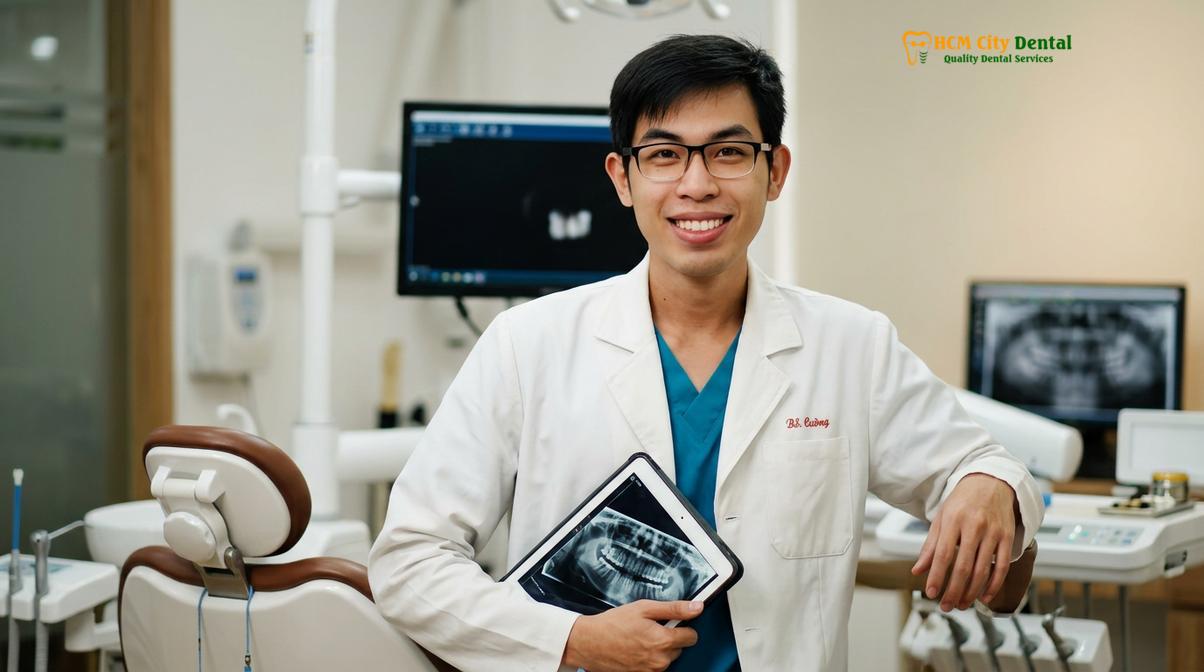
“The anatomical complexity of molar teeth demands precision that can only be achieved through microscopic visualization. Our goal is to provide this elite level of endodontic therapy without the prohibitive financial barriers often found in Western healthcare systems, ensuring that patients do not have to choose between their financial stability and saving their natural dentition.”
— Dr. Nguyen Van Cuong, Lead Specialist
Combining Dental Treatment with a Vacation in Vietnam: Cost-Benefit Analysis
For patients requiring multiple endodontic procedures and crowns, the total savings in Vietnam easily offset the costs of flights and accommodation.
The concept of traveling thousands of miles for dental care may initially seem daunting, but a rigorous cost-benefit analysis reveals why dental tourism to Vietnam has grown exponentially. The primary driver is the sheer magnitude of the savings, particularly for patients requiring extensive restorative work. If a patient requires a single anterior root canal, the cost of flights and accommodation might negate the dental savings. However, for patients needing multiple root canals, complex molar treatments, or a combination of endodontics and prosthodontics (crowns and bridges), the financial mathematics shift dramatically in favor of traveling [3].
Beyond the financial metrics, the logistical efficiency of receiving care in Ho Chi Minh City is a major advantage. In the UK, a patient might wait weeks for an initial consultation, followed by multiple separate appointments spread over months for the root canal, core build-up, and final crown placement. This fragmented approach not only prolongs discomfort but also increases the risk of the temporary filling failing and the root canal system becoming re-infected. In Vietnam, clinics catering to international patients are structured for maximum clinical efficiency. A comprehensive treatment plan—encompassing diagnostics, endodontic therapy, and final crown cementation—can typically be completed within a 7 to 10-day window.
Clinical Case Study: International Patient Journey
Patient Profile: A 45-year-old patient from Manchester, UK, presented with severe pain in two lower molars and one upper premolar, requiring immediate endodontic intervention and subsequent crowning.
UK Quote: The estimated cost for three specialist root canals and three porcelain-fused-to-metal crowns at a private London clinic was approximately £5,200.
HCMC Dental Clinic Outcome: The patient traveled to Ho Chi Minh City. The total cost for three microscopic root canals and three premium monolithic zirconia crowns was £1,350. Even after factoring in £800 for return flights and £400 for a 10-night stay in a boutique hotel, the patient saved over £2,600 while enjoying a culturally enriching vacation in Vietnam.
This streamlined approach does not imply rushed or compromised care. Rather, it reflects a dedicated scheduling model where specialists block out significant portions of their day specifically for an international patient, allowing for thorough, unhurried advanced root canal procedures. During the days between the endodontic treatment and the final crown fitting, patients are free to recover and explore the vibrant culture, culinary excellence, and historical landmarks of Saigon.
Clinic Accreditation and International Standards in Ho Chi Minh City
Leading dental centers in Vietnam adhere to strict international protocols, utilizing rubber dams, rotary instruments, and bioceramic sealers to ensure optimal clinical outcomes.
A common, yet increasingly outdated, misconception regarding medical tourism is the assumption that lower costs equate to inferior clinical standards. In reality, top-tier facilities like HCMC Dental Clinic operate at a level that meets or exceeds the standards found in many Western private practices. The globalization of medical education and the accessibility of advanced dental technology mean that the protocols used to save a tooth in London are the exact same protocols employed in Ho Chi Minh City.
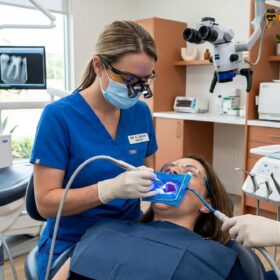
The cornerstone of modern endodontics is the dental operating microscope (DOM). Root canal systems are microscopic, dark, and highly complex. Attempting to clean these spaces using only the naked eye or basic magnifying loupes significantly increases the risk of missing accessory canals, which harbor bacteria and lead to treatment failure. The use of a DOM provides intense coaxial illumination and high magnification, allowing the endodontist to visualize the entire canal system down to the apex, ensuring complete debridement and disinfection [4].
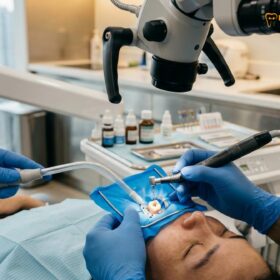
Furthermore, strict infection control protocols are non-negotiable. The use of a dental rubber dam is mandatory for all endodontic procedures. This latex or nitrile sheet isolates the target tooth from the rest of the oral cavity. It serves two critical functions: first, it prevents the bacteria naturally present in saliva from contaminating the sterile root canal system during treatment; second, it protects the patient’s airway and digestive tract from the strong chemical irrigants (such as sodium hypochlorite) used to dissolve necrotic pulp tissue.
Important Clinical Warning
Never undergo root canal therapy at a clinic that does not routinely use a rubber dam. Failure to isolate the tooth drastically increases the risk of bacterial contamination, leading to persistent infection, periapical abscess formation, and the eventual need for surgical extraction or complex retreatment.
Following thorough biomechanical preparation using flexible nickel-titanium rotary files, the canals must be hermetically sealed to prevent future bacterial ingress. Modern clinics utilize advanced obturation techniques, often employing warm vertical condensation of gutta-percha combined with state-of-the-art bioceramic sealers. These biocompatible materials not only provide a superior seal but also promote the healing of the surrounding periapical tissues and bone [5]. Dr. Nguyen Van Cuong emphasizes that the integration of these advanced materials is fundamental to achieving the high success rates expected in contemporary endodontic treatment protocols.
The Crown and Root Canal Process: Booking and Logistics from the UK
International patients benefit from streamlined booking processes, virtual consultations, and dedicated coordinators who manage the entire clinical workflow from arrival to final restoration.
Navigating healthcare in a foreign country requires clear communication and meticulous planning. Recognizing this, premier clinics in Vietnam have developed dedicated international patient departments to facilitate a seamless experience from the initial inquiry to the final post-operative review.
The process typically begins with a comprehensive virtual consultation. Patients in the UK are encouraged to send their recent dental X-rays (preferably a panoramic OPG or periapical radiographs) and a description of their symptoms via secure digital channels. The clinical team reviews these diagnostics to provide a preliminary treatment plan and a transparent, itemized cost estimate. This ensures that patients have a clear understanding of the clinical requirements and financial commitments before booking their flights.
Upon arrival in Ho Chi Minh City, the clinical workflow is highly structured:
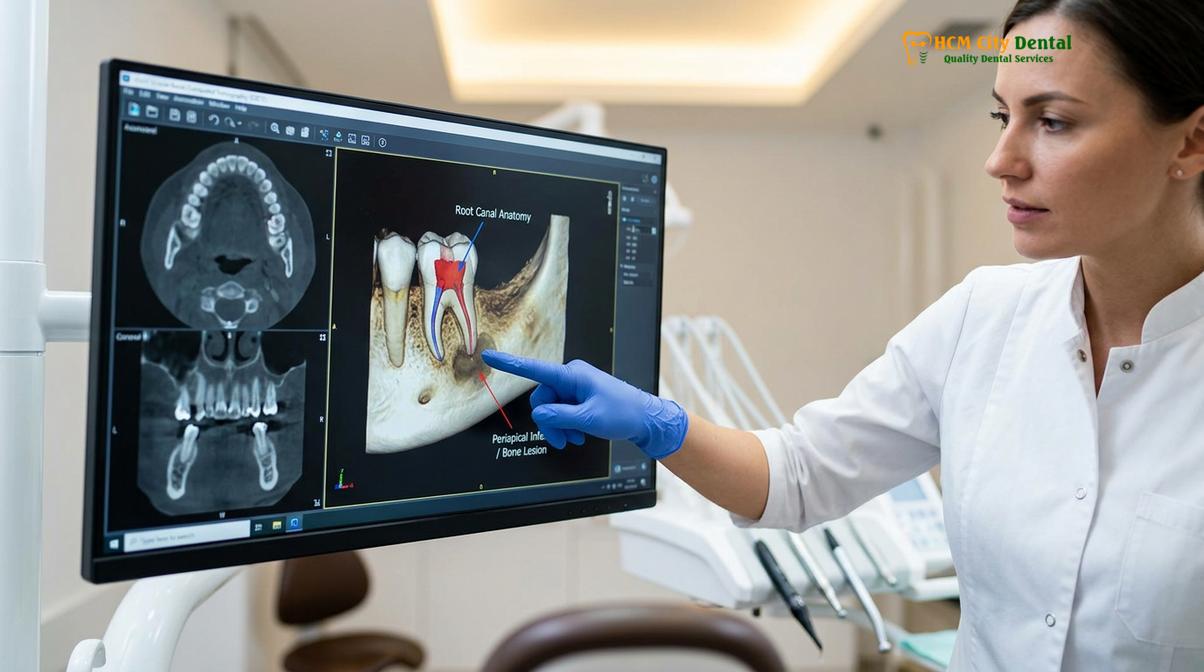
- Day 1: Diagnostics and Extirpation. The patient undergoes a physical examination and a high-resolution 3D CBCT (Cone Beam Computed Tomography) scan. This scan provides a three-dimensional map of the tooth, revealing hidden canals and the exact extent of any bone infection. Under profound local anesthesia, the endodontist accesses the tooth, removes the infected pulp (extirpation), and begins cleaning the canals.
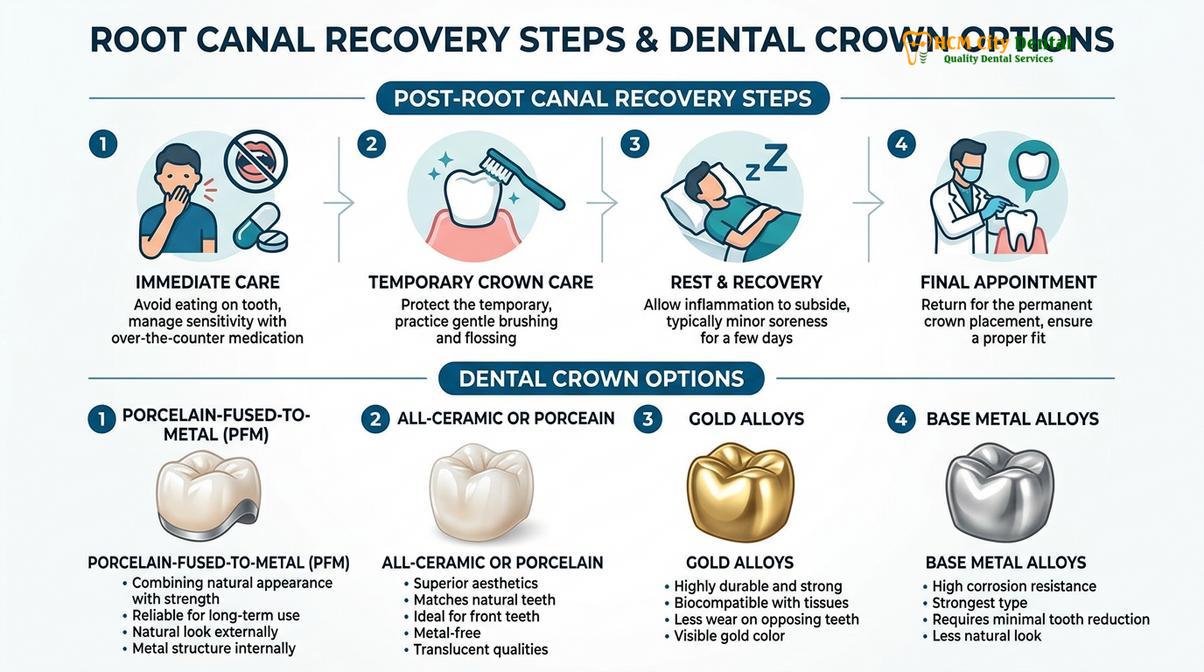
- Day 2-3: Obturation and Crown Preparation. Once the canals are thoroughly disinfected and shaped, they are permanently sealed (obturation). The tooth is then prepared (reshaped) to receive a crown. A highly accurate digital impression is taken using an intraoral scanner and sent to the in-house or partnered dental laboratory. A temporary crown is placed to protect the tooth.
- Day 5-7: Final Restoration. The custom-milled zirconia or E.max ceramic crown is meticulously checked for marginal fit, proximal contacts, and occlusal harmony (bite alignment) before being permanently cemented with high-strength resin cement.
“The integration of digital dentistry, from CBCT diagnostics to CAD/CAM crown milling, allows us to compress a treatment timeline that would take months in the UK into a single, highly efficient week in Vietnam, without ever compromising the biological principles of endodontic healing.”
— Clinical Protocol Guidelines, HCMC Dental
Throughout this journey, a dedicated patient coordinator assists with appointment scheduling, translation (though most specialists are highly fluent in English), and providing post-operative care instructions, ensuring the patient feels supported at every step of their saving your natural tooth journey.
When to See a Doctor for Endodontic Evaluation
Dental pain should never be ignored, as it is the body’s primary indicator of tissue damage or active infection. While mild, transient sensitivity to cold can sometimes indicate a minor issue like enamel wear or a small cavity, other symptoms strongly suggest that the internal pulp tissue is irreversibly damaged and requires immediate endodontic evaluation.
You should seek prompt clinical assessment if you experience any of the following symptoms:
- Spontaneous Pain: A throbbing or aching pain that occurs without any external stimulus, often waking you up from sleep.
- Prolonged Thermal Sensitivity: Severe pain triggered by hot or cold foods that lingers for several minutes after the stimulus is removed.
- Pain on Biting: Sharp pain when applying pressure to the tooth, which may indicate an infection at the root apex or a cracked tooth.
- Gingival Swelling: A localized swelling or a pimple-like bump (fistula) on the gums near the affected tooth, often accompanied by a bad taste or odor due to pus drainage.
- Tooth Discoloration: A sudden darkening of a single tooth, indicating that the internal pulp tissue has necrotized (died).
Delaying treatment for these symptoms not only prolongs severe discomfort but also allows the bacterial infection to spread into the jawbone, potentially leading to a systemic infection or necessitating the complete extraction of the tooth. Early intervention through an endodontic consultation is the most predictable way to preserve your natural dentition and restore oral health.
Frequently Asked Questions
How long is the wait for a private root canal in the UK vs. HCMC?
While UK patients often face weeks of waiting for private specialist appointments, clinics in HCMC typically accommodate international patients within days. This rapid access is crucial for managing acute dental infections and preventing further structural deterioration of the affected tooth. The streamlined booking process in Vietnam is specifically designed to cater to the time constraints of medical tourists.
How much does a molar root canal and crown cost in London vs. Saigon?
A molar root canal and premium crown in London typically costs between £1,200 and £2,500, whereas the same comprehensive treatment in Saigon ranges from £300 to £600. This significant price difference reflects lower operational overheads in Vietnam, not a reduction in clinical quality or material standards. Patients receive care using the same global brands of equipment and materials.
Can I use my UK dental insurance reimbursement in Vietnam?
Many UK private dental insurance policies offer partial reimbursement for emergency or planned treatments received abroad, provided the clinic is fully accredited. Patients should request detailed, itemized receipts and clinical X-rays from their Vietnamese provider to submit alongside their insurance claim forms. It is highly advisable to confirm international coverage limits with your provider prior to travel.
Is it safe to fly immediately after receiving endodontic treatment?
It is generally safe to fly 24 to 48 hours after a root canal procedure, provided there are no severe complications or active swelling. However, changes in cabin pressure can occasionally cause mild discomfort, so consulting with your endodontist before booking flights is highly recommended. Your doctor may prescribe specific anti-inflammatory medications to ensure a comfortable journey home.
What happens if my tooth is too damaged for a root canal?
If a tooth lacks sufficient healthy structure to support a crown or has a vertical root fracture, extraction followed by a dental implant is usually the recommended alternative. A thorough clinical evaluation using 3D imaging will determine the most predictable and long-lasting treatment option. Attempting to save a structurally compromised tooth often leads to premature failure and wasted financial resources.
References
- International Endodontic Journal. Impact of delayed endodontic treatment on periapical healing. (2021).
- Journal of Endodontics. Anatomical complexities of maxillary molars and treatment outcomes. (2020).
- British Dental Journal. Health economics and dental tourism: A cost-benefit analysis. (2019).
- Journal of the American Dental Association. Efficacy of dental operating microscopes in endodontics. (2022).
- Clinical Oral Investigations. Biocompatibility and sealing ability of bioceramic root canal sealers. (2023).