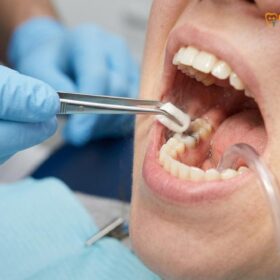
Comparing the root canal cost Vietnam vs Canada reveals significant financial advantages for North American patients seeking endodontic care. While a standard molar root canal and crown in Canada can exceed $2,500 CAD, the identical clinical procedure at a premium clinic in Vietnam typically costs between $400 and $600 CAD, maintaining strict international standards.
Clinical Summary:
Endodontic therapy, commonly known as a root canal, is a critical procedure designed to salvage a tooth suffering from irreversible pulpitis or pulpal necrosis. In Canada, the escalating costs of dental overhead, specialized equipment, and laboratory fees have pushed the price of comprehensive endodontic care beyond the reach of many uninsured or underinsured patients. Consequently, a growing demographic is exploring cross-border healthcare solutions. Vietnam has emerged as a premier destination for dental care, offering a compelling synthesis of advanced clinical technology, highly credentialed specialists, and highly favorable economic exchange rates. By utilizing state-of-the-art diagnostic tools such as Cone Beam Computed Tomography (CBCT), dental operating microscopes, and nickel-titanium (NiTi) rotary file systems, top-tier clinics in Ho Chi Minh City deliver clinical outcomes that are statistically and functionally equivalent to North American standards. For patients requiring multiple endodontic treatments or complex full-mouth restorations, the financial savings often completely offset the associated travel and accommodation expenses, resulting in a net positive return on investment while securing world-class oral health care.
Key Takeaways:
- Canadian patients can save between 65% and 75% on comprehensive root canal and crown treatments by traveling to Vietnam.
- Top clinics in Ho Chi Minh City utilize the exact same imported materials, including bioceramic sealers and monolithic zirconia, as Canadian practices.
- Advanced diagnostic imaging, such as 3D CBCT scans, is standard protocol in Vietnam for complex molar endodontics, ensuring precise canal mapping.
- A complete treatment cycle, from initial extirpation of the infected pulp to the final cementation of a custom crown, typically requires only 5 to 7 days.
- Detailed medical records and English-translated invoices are provided to facilitate potential reimbursement from Canadian private health insurance providers.
Rising Dental Expenses in Canada: Why Patients Seek Options Abroad
Canadian dental fees have surged due to high operational overhead and material costs, prompting patients to seek high-quality, cost-effective endodontic alternatives internationally.
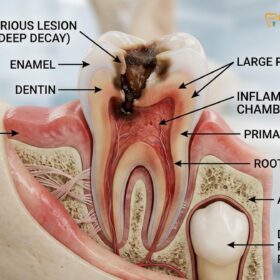
The landscape of dental healthcare in Canada presents a complex financial challenge for many citizens. Unlike standard medical care, which is largely covered under the universal healthcare system, dental procedures—particularly specialized treatments like endodontics and prosthodontics—are predominantly privatized. This structural reality means that patients bear the brunt of the costs, either through high out-of-pocket payments or expensive private insurance premiums. When a patient is diagnosed with irreversible pulpitis (severe inflammation of the inner tooth nerve) or pulpal necrosis (death of the nerve tissue), immediate clinical intervention is required to prevent systemic infection and tooth loss. However, the financial barrier often forces patients to delay necessary care, leading to exacerbated pathology, periapical abscesses, and ultimately, the need for extraction and more costly implant therapy [1].
The provincial dental fee guides, published annually by associations in Ontario, British Columbia, and Alberta, set the baseline for what practitioners charge. These fees reflect the immense overhead costs of running a clinic in Canada, including commercial real estate leases, staff salaries, stringent regulatory compliance, and the high cost of importing dental materials. For example, analyzing the root canal cost Toronto Vancouver reveals that urban centers command premium pricing, often exceeding the suggested fee guides due to local market demand and higher operational expenses. A patient requiring a multi-canal molar root canal, a composite core build-up, and a protective porcelain-fused-to-metal or zirconia crown can easily face an invoice ranging from $2,000 to $3,000 CAD per tooth.
Faced with these prohibitive costs, the concept of the Canadian dental tourist HCMC has transitioned from a niche trend to a mainstream healthcare strategy. Patients are increasingly recognizing that geographical borders do not dictate clinical competence. By traveling to Southeast Asia, specifically Ho Chi Minh City (Saigon), patients can access a tier of dental care that mirrors the technological and clinical sophistication of their home country, but at a fraction of the cost. This migration is driven not merely by the desire for a vacation, but by a pragmatic economic calculation: the preservation of natural dentition should not lead to financial ruin [3].
“The globalization of healthcare has empowered patients to seek out centers of excellence worldwide. When the cost of preserving a tooth locally becomes equivalent to a month’s salary, international dental care transitions from an alternative option to a clinical necessity for many families.”
Furthermore, the psychological burden of dental pain cannot be understated. Chronic toothache affects sleep, nutrition, and overall quality of life. When Canadian patients discover that they can receive immediate, pain-free endodontic therapy in Vietnam without the months-long waitlists sometimes experienced for specialists in rural Canadian provinces, the decision becomes clear. The integration of comprehensive care—where the endodontist and the prosthodontist collaborate under one roof—streamlines the patient experience, ensuring that the transition from root canal therapy to final crown placement is seamless and biologically sound.
Cost Matrix: Canadian Fee Guides vs. HCMC Dental Pricing (CAD)
Patients can save up to 75% on endodontic therapy and restorative crowns in Vietnam compared to standard Canadian provincial fee guides, without compromising clinical outcomes.
To truly understand the financial dynamics of cross-border dental care, a granular examination of the specific procedure costs is essential. Endodontic therapy is not a monolithic procedure; the complexity, duration, and cost vary significantly depending on the anatomical location of the tooth. Anterior teeth (incisors and canines) typically possess a single, relatively straight canal, making the procedure straightforward. Premolars may have one or two canals. Molars, however, are anatomically complex, often harboring three, four, or even five tortuous canals (such as the elusive MB2 canal in maxillary first molars). Consequently, molar endodontics requires advanced magnification, specialized flexible files, and significantly more clinical time, which is reflected in the pricing structure.
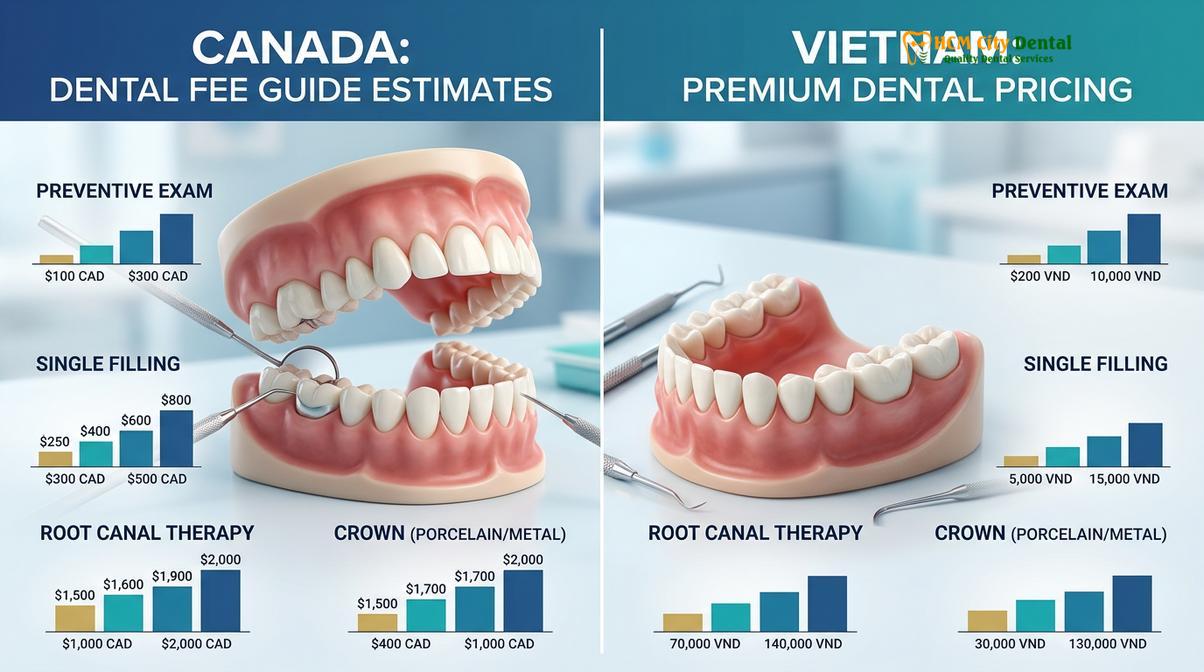
The following table provides a comparative analysis of the estimated costs for endodontic and restorative procedures, contrasting the average Canadian provincial fee guides with the premium pricing at leading facilities like HCMC Dental Clinic. All figures are presented in Canadian Dollars (CAD) for direct comparison.
| Clinical Procedure | Average Cost in Canada (CAD) | Estimated Cost in Vietnam (CAD) | Financial Savings (%) |
|---|---|---|---|
| Anterior Root Canal (1 Canal) | $600 – $850 | $150 – $200 | ~75% |
| Premolar Root Canal (2 Canals) | $800 – $1,100 | $200 – $250 | ~75% |
| Molar Root Canal (3-4 Canals) | $1,100 – $1,500 | $250 – $350 | ~75% |
| Post and Core Build-up | $350 – $500 | $80 – $120 | ~75% |
| Premium Zirconia Crown (CAD/CAM) | $1,200 – $1,800 | $350 – $500 | ~70% |
| Total Molar Restoration Package | $2,650 – $3,800 | $680 – $970 | ~73% Savings |
When analyzing this cost matrix, several critical factors emerge. First, the savings are not achieved by utilizing inferior materials. The global dental supply chain is highly standardized. The gutta-percha used to obturate the canals, the bioceramic sealers used to ensure a hermetic seal, and the monolithic zirconia blocks milled for the final crown are sourced from the exact same multinational corporations (such as Dentsply Sirona, Ivoclar Vivadent, and Vita) whether the clinic is located in Toronto or Ho Chi Minh City. The price differential is almost entirely attributable to the lower cost of living, reduced commercial real estate overhead, and different labor economics in Vietnam.
After a tooth undergoes endodontic therapy, it becomes non-vital. The blood supply is removed, which over time can cause the dentin to become more brittle and susceptible to fracture under the heavy occlusal forces of chewing. Therefore, standard clinical protocol mandates that posterior teeth (premolars and molars) receive full-coverage restorations—typically a dental crown—to protect the remaining tooth structure and ensure long-term functional survival [4]. In Canada, the combined cost of the root canal, the core build-up (to replace lost dentin), and the crown often forces patients to choose extraction. By seeking comprehensive root canal therapy in Vietnam, patients can afford the complete, biologically appropriate treatment plan, preserving their natural smile and avoiding the cascading negative effects of tooth loss, such as bone resorption and shifting of adjacent teeth.
Planning Your Travel: Best Time to Visit Saigon for Dental Care
Scheduling your dental treatment during Vietnam’s dry season ensures optimal comfort, allowing ample time for clinical recovery and follow-up appointments.
Embarking on a dental holiday HCMC requires strategic logistical planning to ensure that the clinical timeline aligns seamlessly with travel itineraries. Unlike a simple filling or routine prophylaxis, endodontic therapy combined with prosthodontic restoration is a multi-step process that demands a specific biological and mechanical workflow. Understanding this timeline is crucial for Canadian patients booking flights and accommodations.
The ideal duration for a trip focused on a root canal and crown is approximately 7 to 10 days. This window provides a comfortable buffer for all necessary clinical phases without rushing the biological healing process. The workflow typically unfolds as follows:
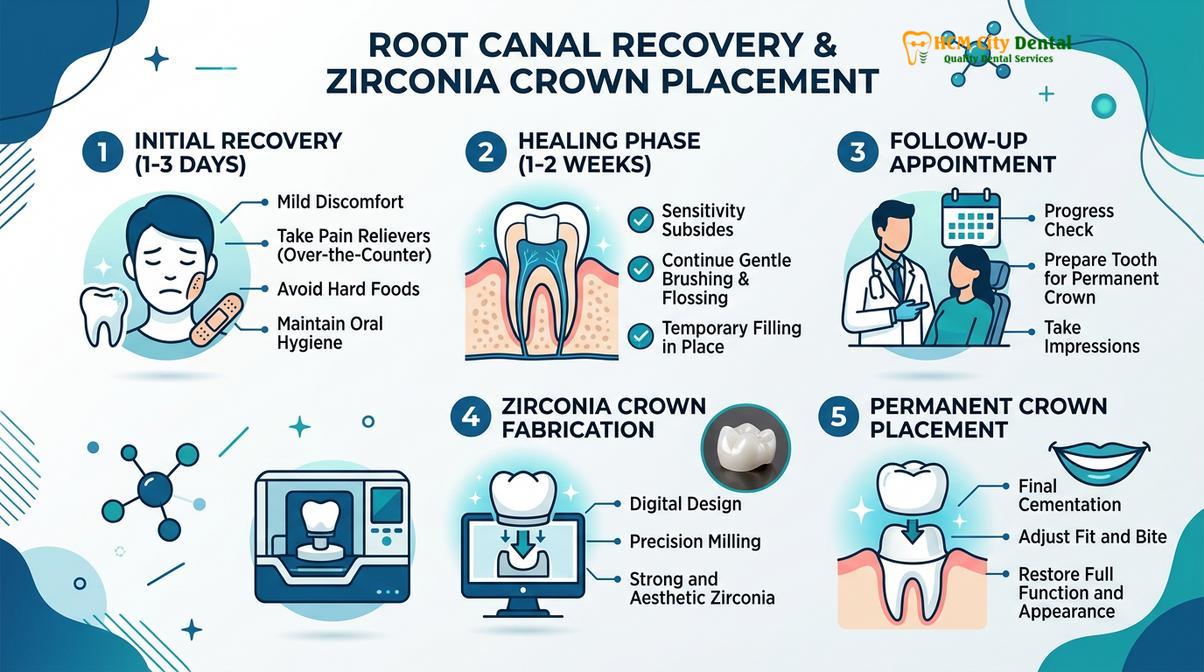
- Day 1: Comprehensive Diagnostics. Upon arrival, the patient undergoes a thorough clinical examination, vitality testing, and a 3D CBCT scan. The endodontist evaluates the root morphology, identifies the extent of the periapical infection, and formulates a precise treatment plan.
- Day 2: Endodontic Therapy. The root canal procedure is performed under profound local anesthesia. The infected pulp is extirpated, the canals are shaped using NiTi rotary files, disinfected with ultrasonic irrigation, and obturated. A temporary filling is placed.
- Day 4: Core Build-up and Crown Preparation. After a brief observation period to ensure the tooth is asymptomatic and the infection is resolving, the dentist removes the temporary filling, places a post if necessary, builds up the core, and prepares the tooth for the final crown. Digital impressions (using an intraoral scanner) are taken and sent to the in-house CAD/CAM laboratory.
- Day 6-7: Crown Delivery and Equilibration. The custom-milled zirconia crown is tried in, the margins are verified, the occlusion (bite) is meticulously adjusted, and the crown is permanently cemented.
From a meteorological perspective, the best time to visit Ho Chi Minh City is during the dry season, which runs from December to April. During these months, the humidity is lower, and the likelihood of torrential downpours disrupting travel plans is minimal. This climate is particularly conducive to recovery, allowing patients to comfortably explore the city’s rich culinary and cultural offerings between dental appointments. However, premium dental facilities are fully climate-controlled and operate year-round, meaning clinical excellence is not seasonal.
When planning the journey, patients should also factor in the physiological effects of long-haul travel. Flights from Vancouver or Toronto to Ho Chi Minh City typically involve at least one layover and cross multiple time zones. It is highly recommended to schedule the initial dental consultation at least 24 to 48 hours after arrival. This allows the body to acclimatize, reduces travel-induced inflammation, and ensures the patient is well-rested for the diagnostic phase. Dr. Nguyen Van Cuong frequently advises international patients to prioritize rest upon arrival, noting that a relaxed patient experiences lower anxiety and responds better to local anesthesia during complex endodontic procedures.
Technology Comparison: Matching CAD/CAM and Digital Diagnostics
Top-tier clinics in Vietnam utilize the exact same CBCT imaging, operating microscopes, and NiTi rotary systems found in advanced Canadian endodontic practices.
The hallmark of modern endodontics is the shift from tactile, “blind” procedures to visually guided, precision micro-surgery. The success rate of root canal therapy is directly correlated with the clinician’s ability to locate, clean, and seal the entire root canal system. Any missed anatomy—such as an accessory canal harboring necrotic tissue—will inevitably lead to treatment failure and recurrent infection. To mitigate this risk, the technological infrastructure of a dental clinic is paramount. When evaluating the root canal cost Vietnam vs Canada, patients must understand that the lower price point in Vietnam does not equate to a technological downgrade. In fact, leading clinics in Ho Chi Minh City are often equipped with newer, more advanced digital ecosystems than many older, established practices in North America [2].
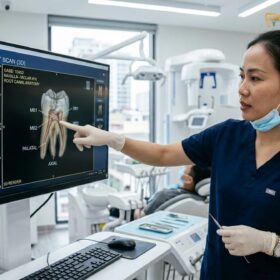
The foundation of complex endodontic diagnosis is Cone Beam Computed Tomography (CBCT). Unlike traditional 2D periapical X-rays, which compress complex three-dimensional anatomy into a flat image (often obscuring roots behind dense cortical bone or the zygomatic arch), CBCT provides a high-resolution, 3D volumetric reconstruction of the maxillofacial region. This allows the endodontist to virtually slice through the tooth in any plane, identifying hidden canals, assessing root curvatures, and measuring the exact dimensions of periapical lesions prior to ever lifting a drill. This diagnostic precision is non-negotiable for molar endodontics and retreatments.
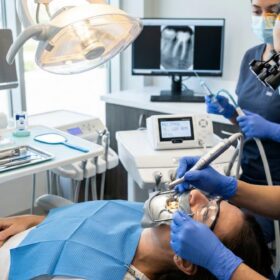
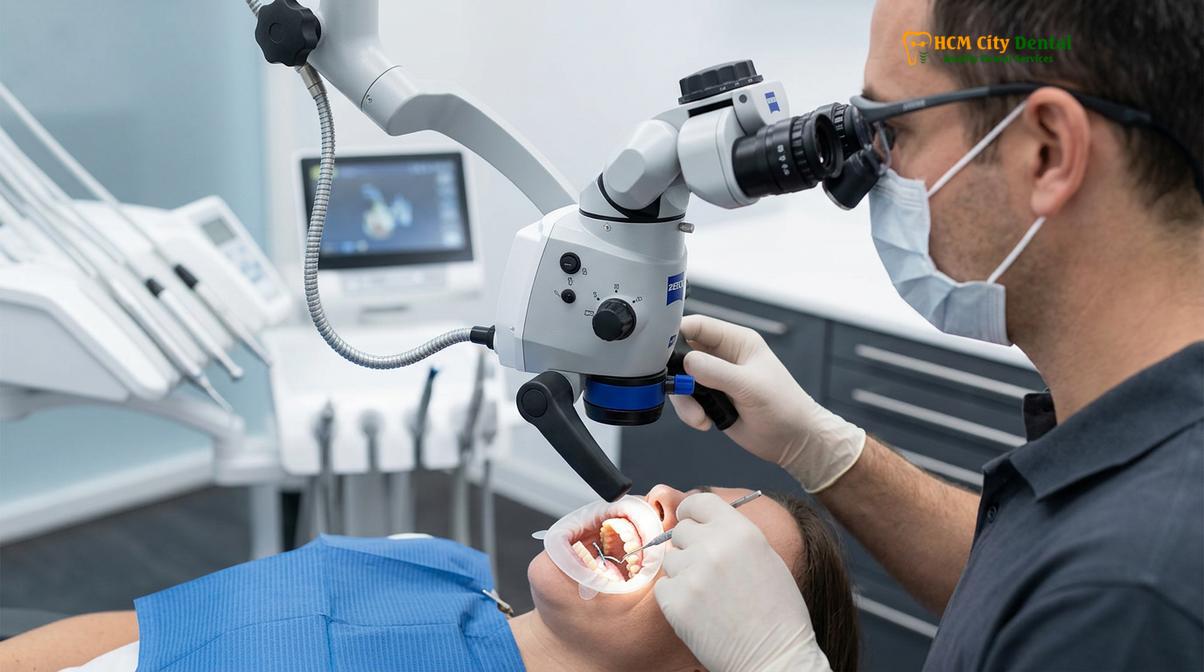
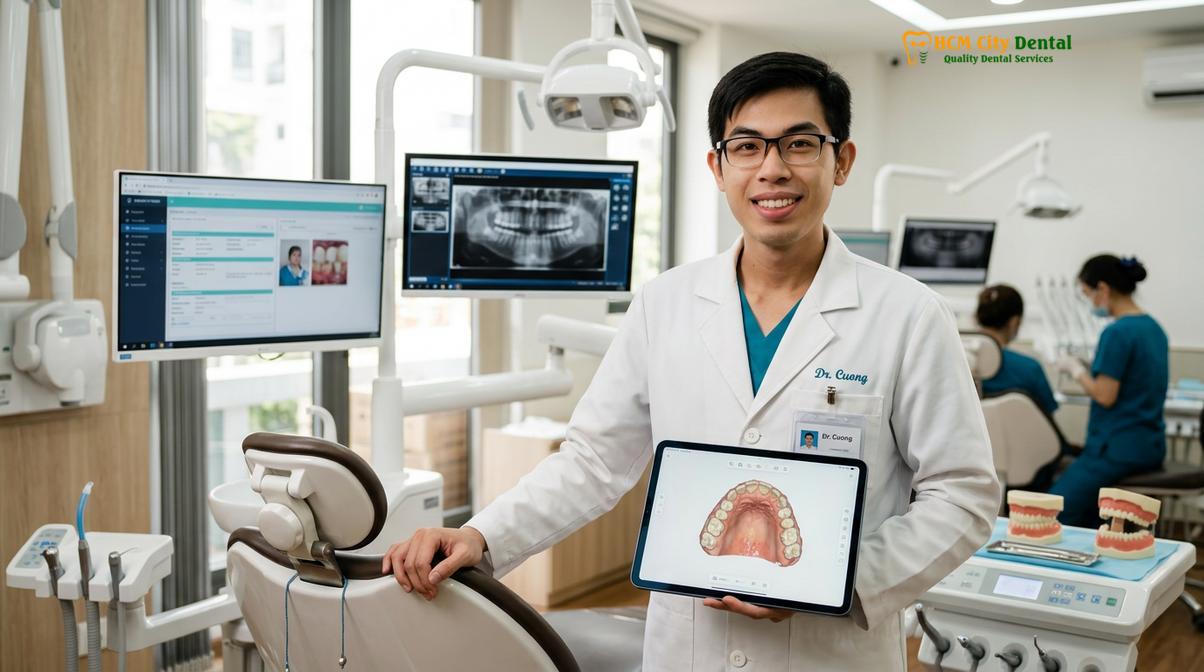
During the procedure itself, the Dental Operating Microscope (DOM) is the most critical piece of equipment. Operating at magnifications up to 25x, the microscope illuminates the dark, narrow pulp chamber, allowing the specialist to visually identify calcified canals, micro-fractures, and anatomical anomalies that are invisible to the naked eye. Dr. Nguyen Van Cuong emphasizes that microscope-assisted endodontics is the gold standard for achieving long-term clinical success, particularly when navigating the complex, ribbon-shaped canals often found in mandibular molars or the highly variable anatomy of maxillary premolars.
“The integration of high-resolution CBCT imaging and dental operating microscopes has fundamentally transformed endodontic predictability. We are no longer guessing where the canal ends; we are visually confirming the complete debridement and hermetic seal of the entire root system.”
Furthermore, the mechanical shaping of the canals has evolved significantly. Traditional stainless-steel hand files have been largely superseded by Nickel-Titanium (NiTi) rotary and reciprocating file systems. NiTi alloys possess super-elasticity and shape-memory properties, allowing them to navigate severely curved canals without creating ledges, transporting the apex, or perforating the root. Coupled with electronic apex locators—devices that use electrical impedance to pinpoint the exact terminus of the root canal with sub-millimeter accuracy—these systems ensure that the cleaning and obturation processes are confined strictly within the biological boundaries of the tooth.
Finally, the restorative phase benefits immensely from CAD/CAM (Computer-Aided Design and Computer-Aided Manufacturing) technology. Instead of messy, uncomfortable traditional putty impressions, the prepared tooth is scanned using a digital intraoral scanner. This highly accurate digital file is sent to an in-house milling unit, which carves a custom crown from a solid block of monolithic zirconia in a matter of hours. This technology not only expedites the treatment timeline—crucial for international travelers—but also ensures marginal adaptation and occlusal precision that rivals or exceeds traditional laboratory-fabricated restorations.
Financial Recovery: How Much Can You Save After Travel Expenses?
Even after factoring in flights and accommodations, patients requiring multiple root canals or complex restorations yield a net positive financial return by traveling to Vietnam.
The primary hesitation for many prospective dental tourists is the perceived complexity and cost of the travel itself. It is a valid question: do the flight and hotel expenses negate the savings achieved on the dental procedures? To answer this, one must conduct a comprehensive Return on Investment (ROI) analysis. The financial viability of cross-border dental care operates on an economy of scale. If a patient requires a single, simple anterior filling, the cost of a trans-Pacific flight cannot be justified economically. However, when the treatment plan involves high-value procedures such as endodontic therapy, custom crowns, or dental implants, the financial calculus shifts dramatically in favor of traveling to Ho Chi Minh City.
Patient Case Study: The Economics of Endodontics
Consider the case of a patient from Vancouver diagnosed with irreversible pulpitis in two adjacent mandibular molars (teeth 36 and 37). The treatment plan requires two complex root canals, two core build-ups, and two premium zirconia crowns.
- Estimated Cost in Vancouver: $3,200 per tooth = $6,400 CAD Total
- Estimated Cost at HCMC Dental Clinic: $850 per tooth = $1,700 CAD Total
Travel Expenses:
- Round-trip Flight (YVR to SGN): ~$1,200 CAD
- Premium Hotel (7 nights): ~$600 CAD
- Food and Local Transport: ~$300 CAD
- Total Travel Cost: $2,100 CAD
Financial Outcome: The total cost of the trip plus the world-class dental treatment in Vietnam is approximately $3,800 CAD. Compared to the $6,400 CAD quote in Canada, the patient achieves a net savings of $2,600 CAD, while simultaneously enjoying a week-long experience in a vibrant international city.
This case study illustrates that the financial recovery is not merely theoretical; it is a tangible reality for thousands of North Americans. Furthermore, the savings compound exponentially for patients requiring more extensive rehabilitation. For individuals needing full-mouth reconstruction, multiple root canals, or implant-supported prostheses, the net savings can easily exceed $10,000 to $20,000 CAD. This capital preservation allows patients to allocate funds toward other vital life expenses, retirement savings, or further travel.
It is also important to consider the hidden costs of delayed treatment in Canada. When a patient postpones a necessary root canal due to financial constraints, the infection inevitably progresses. A localized pulpal infection can spread into the alveolar bone, creating a large periapical cyst or abscess. At this stage, the tooth may become unsalvageable, necessitating an extraction followed by a bone graft and a dental implant—a sequence of procedures that is significantly more invasive, time-consuming, and expensive than the initial root canal would have been. By proactively managing their oral health through cost-effective international care, patients avoid these escalating clinical and financial complications [5].
When to See a Doctor (Clinical Considerations)
Recognizing the early signs of pulpal inflammation is critical; prompt clinical evaluation can save the natural tooth and prevent the spread of severe bacterial infection.
Endodontic pathology rarely resolves without professional intervention. The dental pulp is encased within rigid dentinal walls; when it becomes inflamed due to bacterial ingress (from deep decay or a fracture), the resulting swelling increases internal pressure, leading to excruciating pain and eventual tissue necrosis. Patients must be vigilant in recognizing the symptoms that necessitate immediate endodontic evaluation.
Important Clinical Warning Signs:
Seek immediate dental assessment if you experience any of the following symptoms, as they strongly indicate irreversible pulpal damage or an active periapical infection:
- Spontaneous Pain: A throbbing toothache that occurs without any external stimulus, often waking you up from sleep.
- Prolonged Thermal Sensitivity: Severe pain triggered by hot or cold foods that lingers for more than 10-15 seconds after the stimulus is removed.
- Pain on Mastication: Sharp, localized pain when biting down or applying pressure to a specific tooth.
- Gingival Swelling: A raised, pimple-like bump (fistula) on the gums near the root of the tooth, which may occasionally discharge pus and leave a bad taste in the mouth.
- Facial Swelling: Any visible swelling of the face, jaw, or neck, particularly if accompanied by a fever, constitutes a medical emergency requiring immediate antibiotic therapy and clinical intervention.
While international dental travel is an excellent solution for planned endodontic therapy, acute, life-threatening infections (such as cellulitis spreading to the fascial spaces of the neck) must be addressed immediately at a local emergency facility. For patients experiencing chronic, manageable symptoms or those who have been diagnosed with the need for a root canal and are stable, scheduling a consultation with the specialists at HCMC Dental Clinic provides a pathway to expert care. A thorough clinical examination, vitality testing, and radiographic analysis will determine the exact scope of treatment required to restore your oral health.
Frequently Asked Questions
Is root canal therapy in Vietnam equivalent in safety to Canadian dentistry?
Yes, top-tier clinics in Vietnam adhere to the same stringent international safety and sterilization protocols as Canadian dental practices. Facilities utilize advanced Class-B autoclaves, single-use endodontic files, and strict barrier techniques to prevent cross-contamination. The clinical outcomes, driven by evidence-based protocols and advanced technology, match North American standards.
How long does a crown and root canal package take in Saigon?
A complete root canal and custom crown restoration typically requires 5 to 7 days in Saigon. This timeframe allows for the initial endodontic therapy, a brief healing observation period to ensure the infection is resolving, digital intraoral impressions, and the final CAD/CAM fabrication and cementation of the permanent crown.
Can I get reimbursement documents in English for Canadian insurers?
Yes, reputable international dental clinics provide comprehensive medical documentation, itemized invoices, and treatment records fully translated into English. These documents include standard international dental billing codes, pre- and post-operative X-rays, and diagnostic reports, which are required by Canadian private health insurance providers for out-of-country reimbursement claims.
What happens if I experience pain after returning to Canada?
Mild discomfort for a few days post-treatment is normal, but severe pain requires evaluation. Premium clinics provide comprehensive digital records and CBCT scans that you can share with your local Canadian dentist. This ensures seamless continuity of care and rapid diagnosis if any rare post-operative complications, such as a flare-up, arise after your return.
Are the materials used for crowns in Vietnam the same quality?
Absolutely, leading clinics in Vietnam import their dental materials directly from global manufacturers in Germany, Switzerland, and the USA. Patients receive the exact same high-grade monolithic zirconia, lithium disilicate (Emax), biocompatible endodontic sealers, and bonding agents utilized by top prosthodontists and endodontists in Canada.
References
- Journal of Endodontics. Economic analysis of endodontic therapy and restorative alternatives. (2022).
- International Endodontic Journal. Global adoption of CBCT and NiTi rotary instruments in endodontics. (2023).
- Journal of the Canadian Dental Association. Out-of-pocket dental expenditures and barriers to care. (2021).
- Clinical Oral Investigations. Long-term survival rates of endodontically treated molars with zirconia crowns. (2022).
- British Dental Journal. Medical tourism in dentistry: Patient motivations and clinical outcomes. (2020).