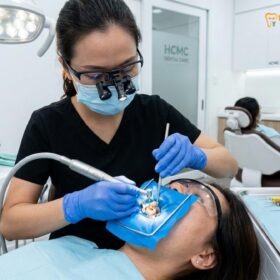
Biological root canal alternatives focus on preserving tooth vitality or safely managing severe dental infections using highly biocompatible materials and advanced sterilization protocols. These clinical approaches prioritize systemic health, utilizing techniques like ozone therapy, vital pulp preservation, or complete holistic extraction followed by ceramic implant placement.
Clinical Summary:
Biological dentistry evaluates endodontic treatment through a comprehensive systemic health lens. When a tooth’s pulp becomes irreversibly inflamed or necrotic, conventional root canals are not the only viable pathway. Biological root canal alternatives encompass a spectrum of care, including vital pulp therapy for reversible pulpitis, advanced ozone and laser sterilization for endodontic preservation, and holistic extraction with periodontal ligament removal for non-restorable teeth. By utilizing biocompatible sealers such as bioceramics and avoiding harsh chemical irrigants, these protocols aim to eliminate hidden pathogens within the dentinal tubules while actively supporting the body’s natural immune response and long-term systemic wellness.
Key Takeaways:
- Biological endodontics prioritizes systemic health, viewing the tooth as an organ connected to the entire body.
- Medical-grade ozone and laser therapy provide profound disinfection of microscopic dentinal tubules without toxic chemicals.
- Bioceramic sealers replace traditional resin-based materials, offering superior biocompatibility and preventing microleakage.
- For severely compromised teeth, a holistic extraction combined with Platelet-Rich Fibrin (PRF) and a zirconia implant is a premier alternative.
- Biocompatibility testing ensures that all dental materials used are perfectly matched to the patient’s unique immune profile.
What is Biological Dentistry? Holistic Views on Root Canals
Biological dentistry integrates oral health with systemic wellness, viewing teeth as vital organs connected to the body’s immune system. Holistic approaches to root canals emphasize maximum disinfection, biocompatible materials, and the avoidance of toxic chemical sealers.
The philosophy of biological dentistry represents a paradigm shift from traditional mechanical dentistry to a more comprehensive, systemic approach. In conventional endodontics, the primary goal has historically been to retain the physical structure of the tooth at almost any cost, often focusing solely on the localized mechanics of cleaning and shaping the root canal system. However, biological dentistry recognizes that the oral cavity is not an isolated environment. Every tooth is a living organ, intricately connected to the body’s circulatory, lymphatic, and nervous systems through the apical foramen—the opening at the tip of the root.
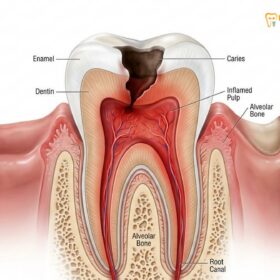
When the dental pulp (the nerve and blood supply inside the tooth) becomes infected due to deep decay or trauma, the resulting necrotic tissue can become a breeding ground for anaerobic bacteria. Biological dentists are acutely aware that if a root canal is not sterilized profoundly, these pathogens and their highly toxic byproducts (endotoxins) can seep into the surrounding alveolar bone and systemic circulation[1]. This chronic, low-grade infection can place a continuous burden on the patient’s immune system.
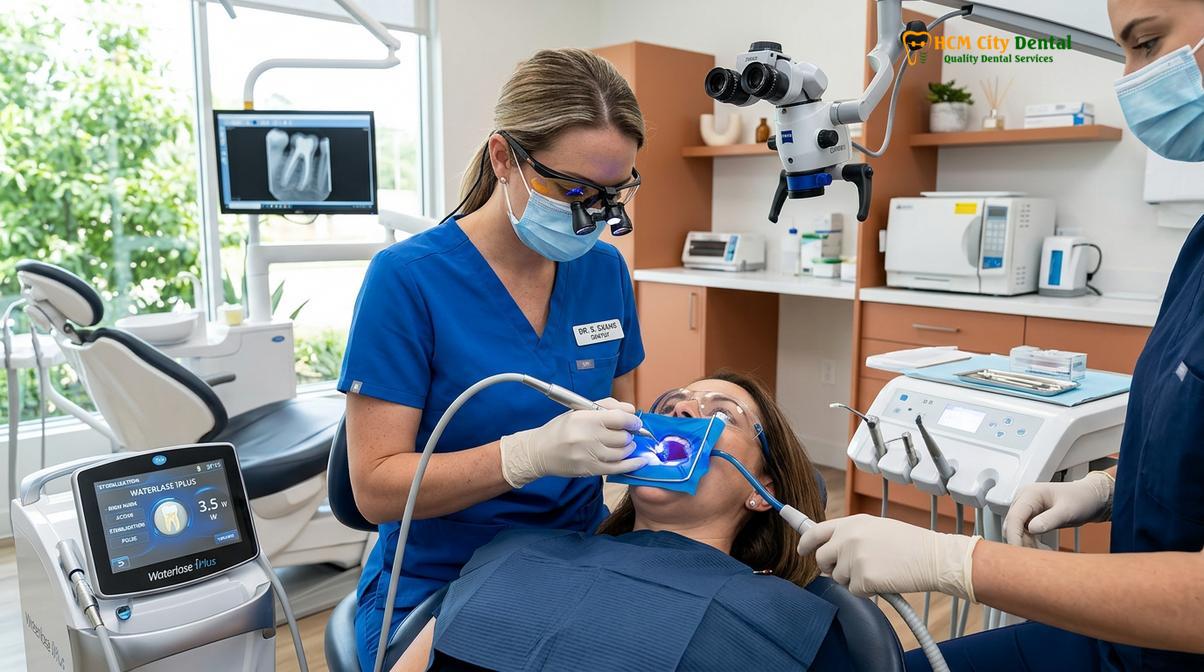
Therefore, the holistic view on endodontic therapy is not necessarily to condemn all root canals, but rather to elevate the standard of care. If a tooth is to be saved, it must be treated using protocols that respect the body’s biological terrain. This involves utilizing advanced technologies to achieve a level of sterility that traditional liquid irrigants cannot accomplish alone. Furthermore, it requires the use of obturation (filling) materials that are non-toxic, non-inflammatory, and actively promote the healing of the surrounding periapical tissues.
According to Dr. Nguyen Van Cuong, a leading expert in advanced restorative techniques, the decision to perform a biological root canal versus an alternative treatment must be highly individualized. It requires a meticulous assessment of the tooth’s structural integrity, the specific strains of bacteria present, and, most importantly, the patient’s overall systemic health and immune capacity. For patients with robust immune systems, a biologically performed root canal can be highly successful; for those dealing with chronic autoimmune or inflammatory conditions, alternative pathways may be medically prudent.
Debunking the Focal Infection Theory: Science vs. Weston Price Myths
The focal infection theory, popularized by Dr. Weston Price, suggested that all root-canaled teeth harbor dangerous bacteria causing systemic disease. Modern endodontic science debunks this absolute claim, proving that advanced sterilization techniques effectively neutralize pathogens.
To fully understand the landscape of biological root canal alternatives, it is essential to address the historical controversy surrounding endodontic treatment. In the 1920s, Dr. Weston A. Price conducted research that led to the “Focal Infection Theory.” He postulated that teeth treated with root canals inherently retained trapped bacteria within the microscopic dentinal tubules. According to his studies, these bacteria would inevitably mutate into highly virulent anaerobic strains, releasing toxins that caused a myriad of systemic diseases, from arthritis to heart disease.
For decades, this theory caused significant fear, leading to the unnecessary extraction of millions of salvageable teeth. However, modern endodontic science and rigorous peer-reviewed research have thoroughly re-evaluated and largely debunked the absolute nature of Price’s claims. The primary flaw in Price’s original research was the lack of modern sterilization protocols, the absence of proper control groups, and the rudimentary nature of the sealing materials available a century ago.
“While poorly executed endodontic treatments can indeed fail and harbor pathogenic biofilms, modern biological protocols utilizing laser activation and bioceramics have fundamentally altered the predictability and systemic safety of tooth preservation.”
Today, organizations such as the American Association of Endodontists (AAE) and numerous independent immunological studies have demonstrated that a properly performed root canal does not inherently cause systemic illness[2]. The human immune system is highly capable of managing minor transient bacteremia, which occurs even during routine chewing or brushing. The critical distinction lies in the quality of the endodontic procedure. A conventional root canal that leaves behind necrotic tissue or fails to seal the apex completely will indeed become a focal point of chronic infection.
Biological dentists acknowledge the valid concerns raised by the focal infection theory but apply modern technological solutions to mitigate the risks. By acknowledging that dentinal tubules are porous and can harbor bacteria, biological practitioners do not rely solely on mechanical filing and basic chemical rinses. Instead, they employ advanced, multi-modal disinfection strategies to ensure that the tooth is rendered as biologically inert and sterile as scientifically possible before it is sealed.
Biological Root Canal Protocol: Ozone Disinfection and Laser Sterilization
A biological root canal protocol replaces harsh chemical irrigants with medical-grade ozone gas and laser energy to eradicate bacteria deep within dentinal tubules. This minimally invasive approach ensures profound sterilization without compromising surrounding healthy tissues.
The cornerstone of a biological root canal is the disinfection protocol. A human tooth is not a solid block of enamel and dentin; the dentin layer is composed of miles of microscopic channels called dentinal tubules. When a tooth becomes infected, bacteria migrate deep into these tubules. Traditional endodontic irrigation relies heavily on Sodium Hypochlorite (NaOCl), essentially dental bleach. While effective at dissolving organic tissue, NaOCl has high surface tension, preventing it from penetrating deeply into the lateral canals and microscopic tubules. Furthermore, it is highly toxic if extruded past the root apex into the surrounding bone.
To overcome these limitations, biological endodontics employs a synergistic approach utilizing medical-grade ozone and laser-activated irrigation. Ozone (O3) is a highly unstable, energized form of oxygen. When introduced into the root canal system as a gas or ozonated water, it acts as a powerful, broad-spectrum antimicrobial agent. Ozone works via an oxidative burst, instantly destroying the cell walls of bacteria, viruses, and fungi upon contact[3]. Because it is a gas, it effortlessly permeates the entire porous structure of the tooth, reaching areas that liquid irrigants simply cannot access.
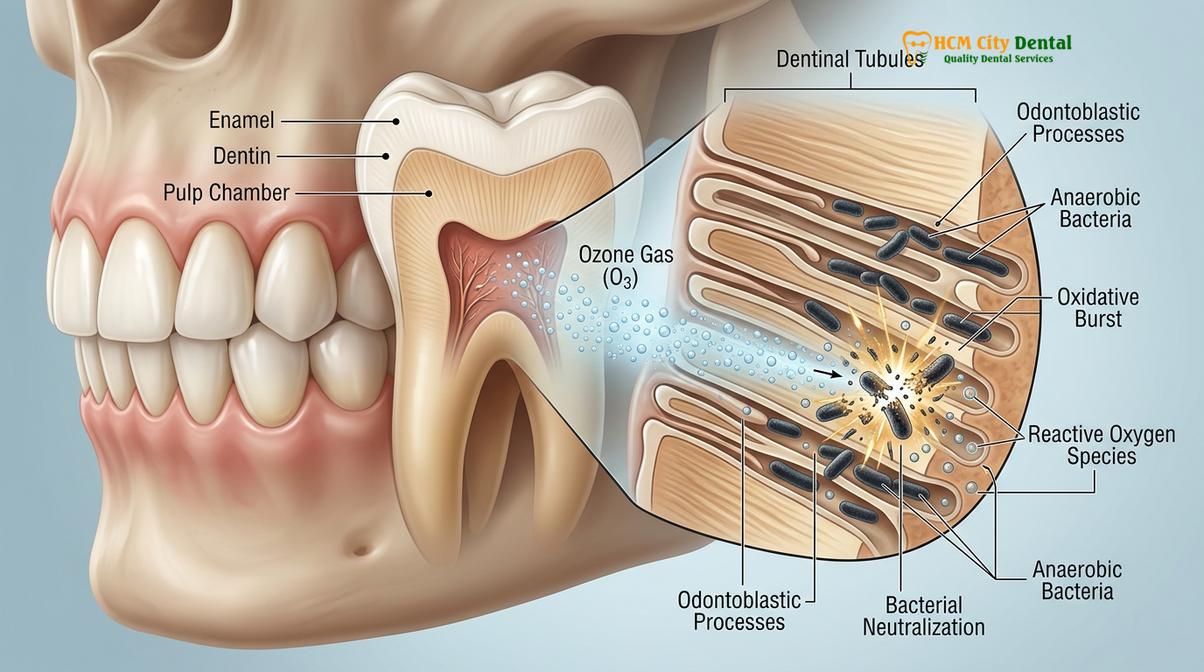
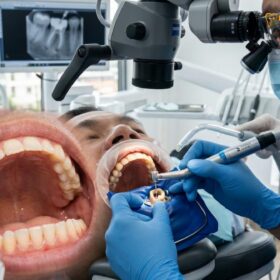
Following ozone therapy, advanced laser systems (such as Er:YAG lasers utilizing SWEEPS or PIPS technology) are employed. The laser energy is directed into the irrigating solution within the canal, creating a phenomenon known as acoustic microstreaming and cavitation. This generates microscopic shockwaves that forcefully propel the biocompatible irrigants deep into the dentinal tubules, physically disrupting and flushing out the complex bacterial biofilms that cling to the canal walls.
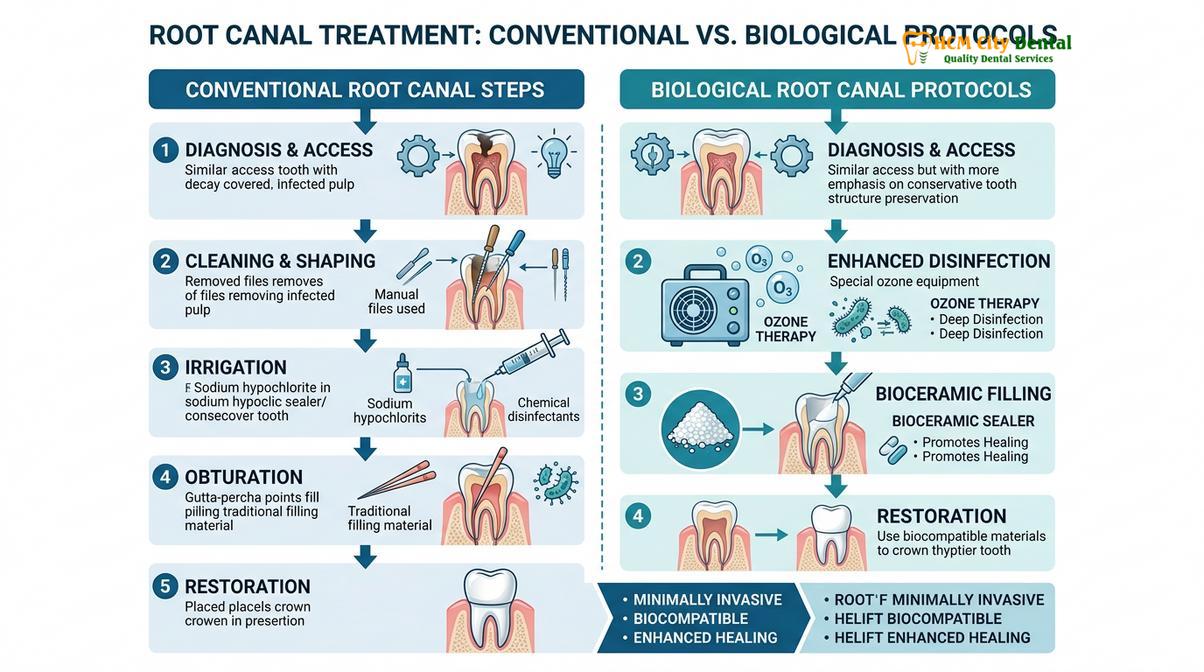
| Feature | Conventional Root Canal | Biological Root Canal Protocol |
|---|---|---|
| Primary Irrigant | Sodium Hypochlorite (Bleach) | Biocompatible solutions, Ozonated Water |
| Deep Sterilization | Limited penetration due to surface tension | Ozone gas penetrates microscopic dentinal tubules |
| Biofilm Disruption | Mechanical filing and chemical soaking | Laser-activated acoustic microstreaming (cavitation) |
| Systemic Toxicity Risk | Moderate (if irrigant extrudes past apex) | Extremely Low (Ozone reverts to pure oxygen) |
This dual approach of ozone and laser sterilization ensures that the tooth is not merely “cleaned” mechanically, but profoundly sterilized on a biological level. By eliminating the bacterial load without the use of harsh, tissue-damaging chemicals, the biological protocol significantly reduces post-operative inflammation and creates an optimal environment for the surrounding periapical bone to heal naturally.
Biocompatible Sealing: MTA and Bioceramic Cements vs. Chemical Sealers
Instead of traditional resin or eugenol-based sealers that may cause inflammation, biological endodontics utilizes Mineral Trioxide Aggregate (MTA) and bioceramic cements. These advanced materials are highly biocompatible, hydrophilic, and actively promote bone healing.
Once the root canal system has been thoroughly sterilized, it must be completely sealed to prevent any future bacterial ingress (microleakage). The choice of obturation material is a critical differentiator between conventional and biological root canal therapies. Historically, dentists have used gutta-percha (a natural rubber) combined with various chemical sealers containing zinc oxide eugenol, epoxy resins, or even formaldehyde derivatives. These traditional sealers can be cytotoxic (toxic to cells), prone to shrinkage over time, and can provoke chronic inflammatory responses if they come into contact with the periapical tissues.
In contrast, biological dentistry utilizes state-of-the-art bioceramic sealers and Mineral Trioxide Aggregate (MTA). Bioceramics are composed of calcium silicates, calcium phosphates, and zirconium oxide. These materials are inherently biocompatible because their chemical composition closely mimics the natural hydroxyapatite structure of human bone and tooth dentin[4].
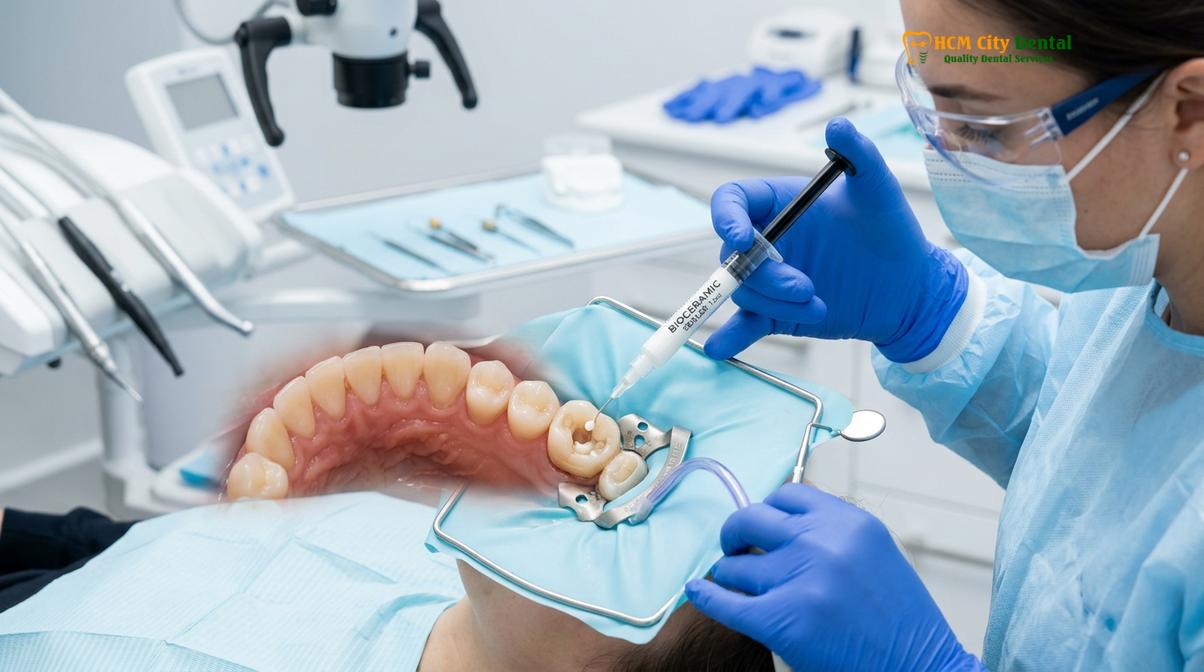
One of the most remarkable properties of bioceramic sealers is that they are hydrophilic—they actually require the natural moisture present within the dentinal tubules to initiate their setting reaction. As they set, they expand slightly (rather than shrinking like resin sealers), creating an absolute, hermetic seal that locks out bacteria. Furthermore, during the hydration process, bioceramics release calcium hydroxide, maintaining a highly alkaline environment (pH > 12) within the canal. This sustained alkalinity is profoundly antibacterial, ensuring that any microscopic remnants of bacteria cannot survive or multiply.
Moreover, bioceramics are highly osteoconductive. If a small amount of the sealer inadvertently extrudes through the root apex during the filling process, the body does not treat it as a foreign invader. Instead, the surrounding bone cells (osteoblasts) readily attach to the bioceramic material, actively promoting the regeneration of the alveolar bone and the healing of any pre-existing periapical lesions. This seamless integration between the dental material and the patient’s biology is the ultimate goal of holistic endodontic care.
Holistic Alternatives: Complete Surgical Extraction, Curettage, and Zirconia Implants
When a tooth is severely necrotic or a patient declines endodontic therapy, the primary biological alternative is a complete surgical extraction. This involves thorough curettage of the socket, removal of the periodontal ligament, and replacement with a metal-free ceramic implant.
Despite the advancements in biological root canal protocols, not every tooth can or should be saved. Teeth with vertical root fractures, massive structural decay, or those associated with massive, long-standing cystic lesions may be deemed non-restorable. Additionally, patients with severe systemic health challenges (such as advanced autoimmune diseases or chronic fatigue syndromes) may elect to remove any potential source of oral burden. In these scenarios, the premier biological root canal alternative is a holistic dental extraction Saigon followed by biocompatible tooth replacement.
A holistic extraction differs significantly from a standard tooth pulling. In conventional extractions, the tooth is removed, and the patient is sent home to heal. However, biological dentists understand that the periodontal ligament (PDL)—the fibrous tissue that attaches the tooth to the bone—must also be meticulously removed. If the infected PDL is left behind in the socket, the surrounding bone may heal over the top, trapping necrotic tissue and bacteria inside. This can lead to a chronic, hidden bone infection known as a cavitation or NICO (Neuralgia-Inducing Cavitational Osteonecrosis).
Clinical Case Example:
A 45-year-old patient visited HCMC Dental Clinic presenting with chronic sinus inflammation and a failing, previously root-canaled upper molar. Dr. Nguyen Van Cuong conducted a 3D CBCT scan, revealing a hidden periapical abscess and a micro-fracture in the root. Recognizing that retreatment would likely fail, the clinical team performed a holistic surgical extraction. The socket was thoroughly debrided, disinfected with ozone gas, and grafted with the patient’s own Platelet-Rich Fibrin (PRF). After a period of healthy bone regeneration, a biocompatible zirconia implant was successfully placed, resolving both the oral infection and the patient’s chronic sinus symptoms.
To prevent cavitations, the biological extraction protocol involves atraumatic tooth removal to preserve the surrounding bone, followed by thorough surgical curettage (scraping) of the socket walls to remove the entire PDL and any cystic tissue. The surgical site is then heavily irrigated with ozonated water and ozone gas to ensure complete sterilization. To accelerate healing, biological dentists often utilize Platelet-Rich Fibrin (PRF). PRF is created by drawing a small amount of the patient’s own blood and centrifuging it to isolate a concentrated matrix of white blood cells, platelets, and growth factors. This PRF membrane is placed into the clean socket, acting as a biological scaffold that dramatically accelerates bone regeneration and minimizes post-operative pain.
Once the extraction site has healed, the optimal holistic replacement is a zirconia dental implant HCMC. Unlike traditional titanium implants, which are metallic and can occasionally cause galvanic reactions or low-grade sensitivities in susceptible individuals, zirconia (yttria-stabilized tetragonal zirconia polycrystal) is a highly biocompatible, metal-free ceramic. Zirconia implants exhibit exceptional soft-tissue integration, meaning the gums adhere to them beautifully, preventing the peri-implant inflammation sometimes seen with metal implants. They provide a strong, aesthetic, and immunologically neutral solution for replacing a lost tooth.
Biocompatibility Testing (Clifford Test) for Dental Materials
Biocompatibility testing, such as the Clifford Materials Reactivity Testing (CMRT), evaluates a patient’s systemic immune response to various dental compounds. This ensures that any sealers, cements, or implants used are perfectly matched to the individual’s unique biology.
A fundamental principle of biological dentistry is the recognition of biochemical individuality. Just as patients have different blood types and food allergies, they also have unique immunological responses to the thousands of different chemical compounds used in modern dentistry. What is perfectly safe and inert for one patient may trigger a systemic inflammatory response or an allergic reaction in another. This is particularly crucial when placing materials that will remain in the body permanently, such as root canal sealers, composite resins, or dental implants.
To eliminate the guesswork, biological dentists often recommend dental biocompatibility testing prior to undertaking major restorative or endodontic work. The most recognized method is the Clifford Materials Reactivity Testing (CMRT). This is a specialized blood test that screens the patient’s systemic antibodies against over 17,000 different trade-named dental products and chemical families.
“Personalized dental medicine requires us to look beyond the mechanical properties of a material and deeply analyze its immunological compatibility with the individual patient. True healing occurs when the body accepts, rather than fights, the restoration.”
The results of the biocompatibility test provide the dentist with a comprehensive, individualized manual of which materials are safe to use and which should be strictly avoided. For example, if a patient requires a biological root canal, the test will confirm whether a specific brand of bioceramic sealer is immunologically safe for them. If a patient is opting for an extraction and replacement, the test can verify their tolerance to zirconia or the specific bonding cements used for the final crown[5].
By utilizing biocompatibility testing, clinics in Ho Chi Minh City can tailor their treatments to align perfectly with the patient’s biological terrain. This proactive approach minimizes the risk of post-operative sensitivities, chronic inflammation, and material rejection, ensuring that the chosen root canal alternative truly supports the patient’s journey toward optimal systemic health.
When to See a Doctor (Important Clinical Considerations)
Patients experiencing persistent tooth pain, chronic sinus issues, or unexplained systemic fatigue should seek immediate evaluation by a qualified dental professional. A comprehensive clinical assessment is necessary to determine if a failing tooth requires biological intervention.
While biological root canal alternatives offer advanced pathways for preserving health, timely diagnosis is critical. Dental infections are progressive; they do not resolve on their own. If you are experiencing symptoms such as lingering sensitivity to hot or cold, spontaneous throbbing pain, swelling in the gums or face, or a persistent bad taste in your mouth, it is imperative to seek professional clinical evaluation immediately.
Furthermore, patients who have previously undergone conventional root canals and are now experiencing chronic, unexplained systemic symptoms—such as persistent fatigue, joint pain, or recurrent sinus infections on the same side as the treated tooth—should consult a biological dentist. These can be subtle signs of a hidden, low-grade focal infection stemming from a failing endodontic treatment.
Clinical Contraindications:
Not all teeth are candidates for biological root canal therapy. Teeth presenting with vertical root fractures extending below the bone line, severe periodontal disease with massive bone loss, or internal root resorption are generally considered non-restorable. In these specific cases, attempting to save the tooth may prolong infection and compromise the surrounding bone. A holistic extraction is often the most medically sound recommendation.
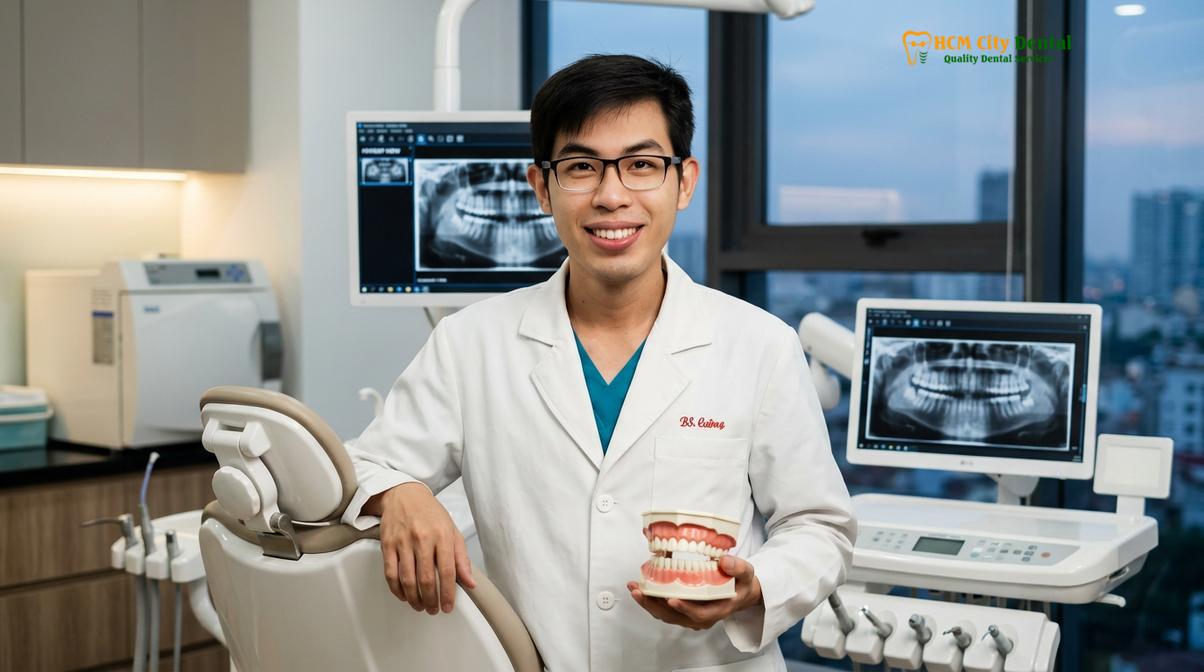
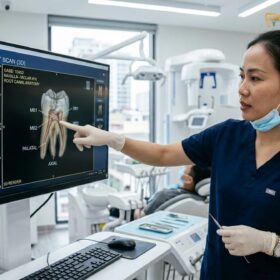
At HCMC Dental Clinic, our clinical team utilizes advanced 3D Cone Beam Computed Tomography (CBCT) imaging to accurately diagnose the extent of dental infections and evaluate the microscopic anatomy of the root canal system. Based on these precise diagnostics, Dr. Nguyen Van Cuong and the team will discuss all viable biological alternatives, ensuring you are empowered to make an educated decision that aligns with your long-term health goals. We encourage you to schedule a comprehensive consultation to explore the safest, most effective treatment pathways for your unique clinical needs.
Frequently Asked Questions
Can a dead tooth left in the bone affect systemic health?
Yes, a necrotic or chronically infected tooth left untreated can serve as a reservoir for anaerobic bacteria, potentially impacting systemic health. These pathogens and their highly toxic byproducts can enter the bloodstream through the surrounding bone vasculature. Over time, this constant bacterial load can trigger chronic inflammatory responses, which may exacerbate cardiovascular conditions, joint inflammation, or autoimmune disorders in susceptible individuals. Prompt biological treatment or extraction is necessary to eliminate this systemic burden.
What makes a root canal biological or holistic?
A biological root canal utilizes advanced, minimally invasive protocols such as ozone gas disinfection, laser sterilization, and biocompatible bioceramic sealers. Unlike conventional methods that rely heavily on harsh chemical irrigants like sodium hypochlorite and resin-based sealers, the biological approach focuses on maximizing the eradication of pathogens deep within the dentinal tubules while actively supporting the body’s natural immune and periapical healing responses.
Is it healthier to extract a tooth and get an implant rather than get a root canal?
The healthiest choice depends entirely on the tooth’s structural integrity, the extent of the infection, and the patient’s systemic immune status. While biological root canals successfully preserve many teeth by utilizing advanced sterilization, severely compromised teeth (e.g., those with vertical fractures or massive cysts) may be better treated with a holistic extraction. In such cases, removing the infected periodontal ligament and placing a biocompatible zirconia implant is often the most predictable pathway to health.
Does ozone therapy replace the need for a root canal?
Ozone therapy does not replace the structural need for endodontic treatment if the dental pulp is irreversibly necrotic or dead. However, it acts as a powerful, indispensable adjunct during the procedure. Ozone gas penetrates deep into microscopic dentinal tubules to eradicate anaerobic bacteria that traditional liquid irrigants cannot reach. If the pulp is only mildly inflamed (reversible pulpitis), ozone therapy combined with vital pulp capping may sometimes prevent the need for a full root canal.
Are bioceramic sealers permanent?
Bioceramic sealers are designed to be a permanent, highly stable obturation material within the root canal system. They are hydrophilic, meaning they utilize the natural moisture within the tooth to set, forming a tight, biocompatible seal that resists shrinkage. Furthermore, their chemical composition closely mimics natural bone, allowing them to integrate seamlessly with surrounding tissues and actively prevent bacterial microleakage over the lifetime of the restored tooth.
References
- Journal of Endodontics. Systemic health and endodontic infections: A comprehensive review. (2021).
- International Endodontic Journal. The efficacy of ozone therapy in root canal disinfection. (2020).
- Journal of the American Dental Association. Biocompatibility and clinical outcomes of bioceramic sealers. (2022).
- Clinical Oral Investigations. Healing outcomes following atraumatic extraction and PRF grafting. (2019).
- British Dental Journal. Zirconia vs Titanium implants: Soft tissue integration and immunology. (2023).