Comparing the root canal cost Vietnam vs Australia reveals savings of up to 75% for patients requiring complex endodontic care. While an Australian endodontist may charge over $2,000 AUD for a molar treatment and crown, HCMC Dental Clinic provides the same standard of care for approximately $500 AUD, utilizing identical global materials.
Clinical Summary:
For patients facing prohibitive endodontic fees in Sydney, Melbourne, or Brisbane, seeking treatment in Ho Chi Minh City offers a clinically sound and economically viable alternative. The significant price difference stems from lower operational overhead and favorable exchange rates, not a reduction in medical standards. Modern Vietnamese clinics utilize cone-beam computed tomography (CBCT), rotary nickel-titanium files, and global bioceramic sealers to ensure predictable, long-term outcomes. By combining treatments—such as a root canal followed by a protective zirconia crown—an Australian dental tourist in HCMC can easily offset travel expenses while receiving prompt, high-quality care under stringent international protocols.
Key Takeaways:
- Australian patients typically save 60% to 75% on complex endodontic procedures and subsequent crown restorations in Vietnam.
- Clinical standards match the Australian Dental Association (ADA) guidelines, utilizing mandatory rubber dam isolation and 3D imaging.
- A complete molar root canal and premium zirconia crown can be completed in just two to three appointments over a few days.
- Travel and accommodation costs are easily offset when treating multiple teeth or requiring specialized ceramic restorations.
- Comprehensive warranties and digital treatment records ensure seamless follow-up care upon returning to your local dentist.
Why Private Dental Fees in Australia Force Patients to Search Abroad
The high cost of Australian endodontic care is driven by substantial clinic overhead, mandatory insurance premiums, and specialized referral fees, prompting patients to seek affordable, high-quality alternatives overseas.
The structural economics of the Australian dental industry have created an environment where routine endodontic therapy is increasingly out of reach for the average citizen. Unlike public healthcare systems that subsidize medical procedures, private dentistry in Australia operates in a highly deregulated market. Clinic owners in major metropolitan areas like Sydney and Melbourne face exorbitant commercial rent, high staff wages, stringent regulatory compliance costs, and expensive malpractice insurance premiums. These overhead costs are inevitably passed down to the patient, making the baseline cost of a root canal exceptionally high before the dentist even begins the procedure[1].
Furthermore, the Australian system often relies on a referral model for complex cases. A general dentist may open the tooth to relieve acute pain, only to refer the patient to a specialist endodontist for the completion of the root canal system. Specialist fees are significantly higher than general practitioner fees. When a patient requires a multi-rooted molar treatment, the combined cost of the initial consultation, 3D imaging, the specialist endodontic procedure, and the subsequent return to the general dentist for a permanent crown can easily exceed $3,000 AUD.
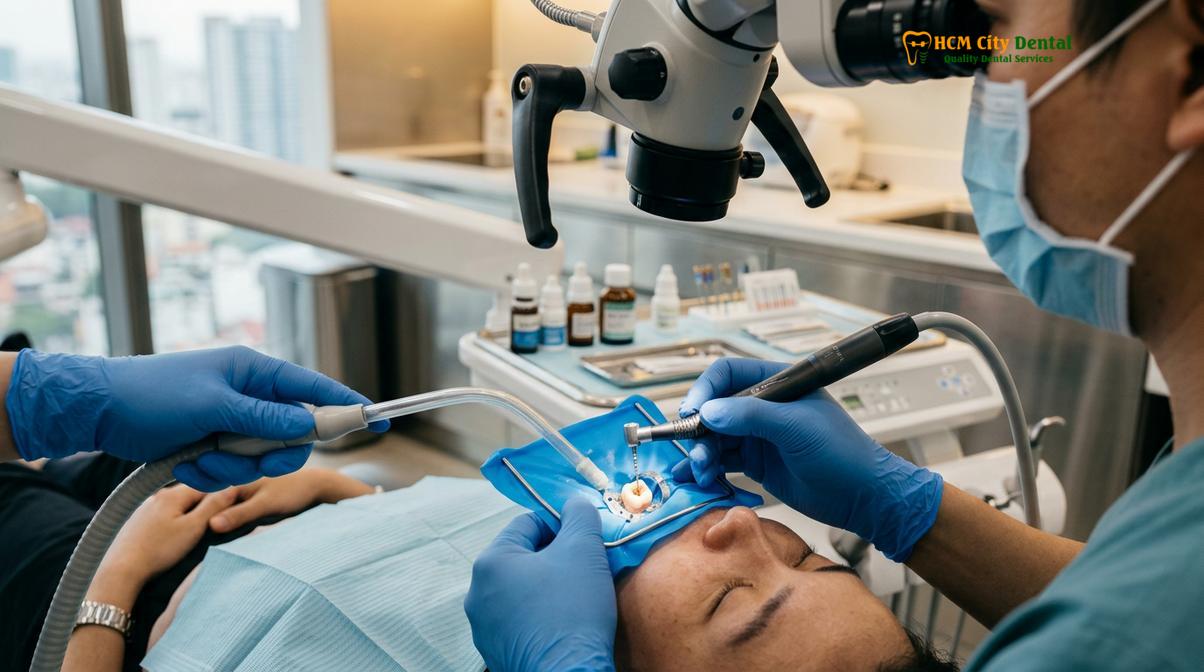
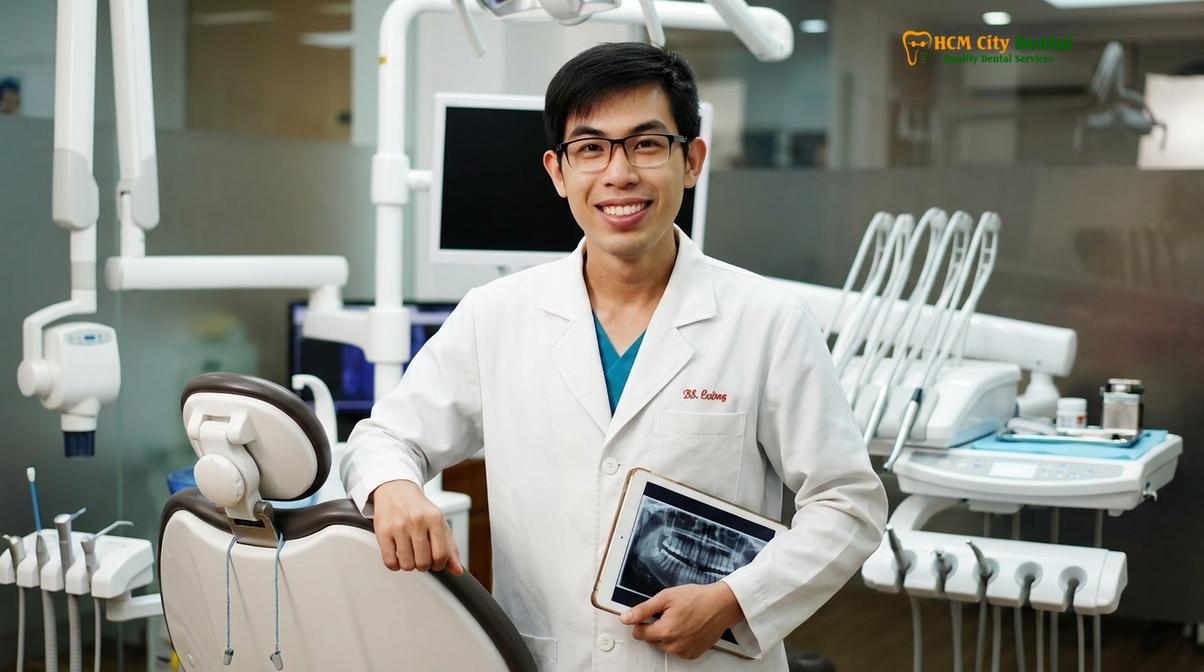
Dr. Nguyen Van Cuong, a leading specialist at HCMC Dental Clinic, notes that the disparity in pricing is rarely about the quality of the materials used. “The instruments, the nickel-titanium files, the bioceramic sealers, and the local anesthetics we use in Ho Chi Minh City are imported from the exact same manufacturers in Germany, Switzerland, and the USA that supply Australian clinics,” explains Dr. Cuong. “The cost difference is purely a reflection of the local economic environment, allowing us to offer world-class care at a fraction of the Western price.”
“The financial toxicity of modern dental care in Western nations has reached a critical point, where patients are frequently forced to choose between extracting a salvageable tooth or enduring severe financial hardship to afford endodontic therapy.” — Journal of Endodontics[1]
This financial pressure has given rise to the phenomenon of the Australian dental tourist HCMC. Patients are realizing that they do not have to compromise on clinical quality to achieve affordability. By traveling to Vietnam, they bypass the inflated overhead of the Australian private health sector while accessing state-of-the-art facilities that cater specifically to international standards.
Price Matrix: Sydney/Melbourne Specialist Fees vs. HCMC Dental Clinic (AUD)
A direct comparison reveals that a standard molar root canal and crown combination in Australia costs upwards of $2,500 AUD, whereas the exact same clinical procedure in Vietnam averages $500 to $700 AUD.
Understanding the exact cost breakdown is crucial for patients planning a dental trip. Root canal pricing is not a flat rate; it is dictated by the anatomical complexity of the tooth being treated. Human teeth vary significantly in their internal structure. Anterior teeth (incisors and canines) typically have a single, relatively straight canal, making them faster and easier to treat. Premolars usually have one or two canals. Molars, located at the back of the mouth, bear the brunt of chewing forces and possess complex root systems with three to four (and sometimes five) curved, narrow canals.
Because molars require more time, advanced rotary instrumentation, and higher clinical expertise to navigate safely, they are universally the most expensive teeth to treat. When analyzing the root canal cost Melbourne Sydney versus Ho Chi Minh City, the savings become exponentially greater as the complexity of the tooth increases.
Below is a comparative price matrix illustrating the estimated costs (in Australian Dollars) for various endodontic procedures and the necessary post-treatment restorations. Please note that Australian prices represent an average range for private specialist care, while the Vietnamese prices reflect the standard fee schedule at premium international clinics.
| Procedure / Treatment Type | Estimated Cost in Australia (AUD) | Estimated Cost in Vietnam (AUD) | Approximate Savings |
|---|---|---|---|
| Anterior Root Canal (Front Tooth) | $800 – $1,200 | $150 – $250 | 80% |
| Premolar Root Canal | $1,100 – $1,600 | $200 – $300 | 81% |
| Molar Root Canal (Complex) | $1,600 – $2,500 | $300 – $450 | 82% |
| Endodontic Retreatment (Molar) | $2,000 – $3,000 | $400 – $600 | 80% |
| Post and Core Build-up | $250 – $450 | $50 – $100 | 78% |
| Premium Zirconia Crown | $1,500 – $2,200 | $350 – $500 | 77% |
| Total: Molar RCT + Zirconia Crown | $3,100 – $4,700 | $650 – $950 | ~80% |
As the data demonstrates, the financial advantage is undeniable. Even for a single molar requiring a root canal and a protective crown, the savings easily exceed $2,000 AUD. This margin is what makes international dental travel not just a viable option, but a highly logical financial decision for uninsured or underinsured patients[2].
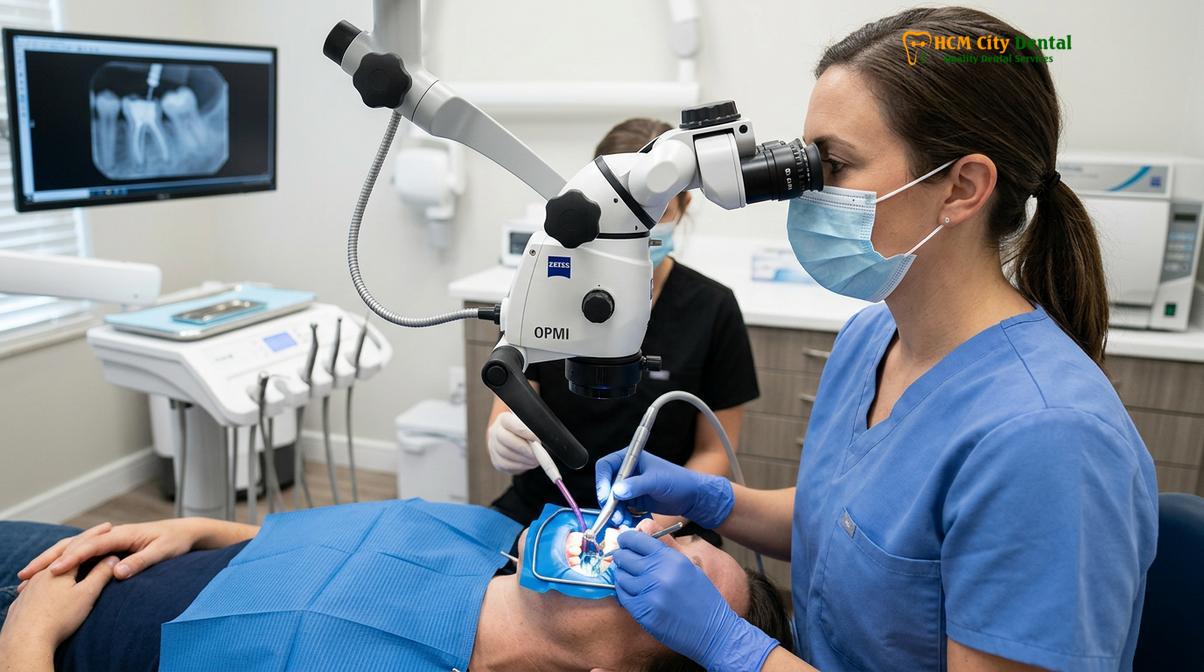
It is also important to consider the cost of endodontic retreatment. If a previous root canal performed years ago has failed due to recurrent infection or missed anatomy, retreating the tooth is highly complex. The clinician must remove the old gutta-percha filling material, bypass any ledges or blockages, and re-disinfect the entire canal system. In Australia, this specialized procedure is almost exclusively performed by endodontists at a premium rate. In Vietnam, highly trained specialists perform these retreatments using dental operating microscopes at a fraction of the cost.
Flight and Accommodation Offsets: Calculating Your Total Dental Holiday Cost
Factoring in flights, hotels, and daily expenses, patients requiring multiple treatments or a root canal with a crown still save thousands of dollars, making the journey financially viable.
A common question among prospective patients is whether the cost of travel negates the savings on the dental procedure itself. When calculating the true cost of a dental holiday Saigon, one must factor in return airfares, accommodation, travel insurance, and daily living expenses. However, because the profit margins in Western dentistry are so high, the math almost always works in the patient’s favor, provided they require more than just a simple filling.
Direct flights from major Australian hubs like Sydney, Melbourne, or Perth to Tan Son Nhat International Airport (SGN) in Ho Chi Minh City are frequent and highly competitive. Budget airlines and premium carriers alike offer regular routes, with return economy fares typically ranging from $500 to $900 AUD depending on the season. Accommodation in Ho Chi Minh City is exceptionally affordable; a comfortable, centrally located four-star hotel near the dental clinic can be secured for $60 to $100 AUD per night.
Patient Case Study: The Economics of Dental Travel
Patient Profile: Mark, a 45-year-old from Brisbane, required a complex molar root canal, a post and core build-up, and a zirconia crown. His local quote was $3,800 AUD.
The Vietnam Alternative: Mark booked a 6-day trip to Ho Chi Minh City. His treatment at HCMC Dental Clinic cost $800 AUD total. His return flights cost $750 AUD, and 5 nights in a boutique hotel cost $400 AUD. Food and transport added $200 AUD.
The Result: Mark’s total trip cost was $2,150 AUD. He enjoyed a week-long vacation in Vietnam and still saved $1,650 AUD compared to staying in Brisbane, while receiving identical clinical care.
The financial equation becomes even more compelling for patients who require multiple procedures. If a patient needs a root canal on one side of their mouth, and perhaps a dental implant or several porcelain veneers on the other, the savings compound rapidly. Every additional treatment performed during the same trip effectively increases the return on investment for the travel expenses.
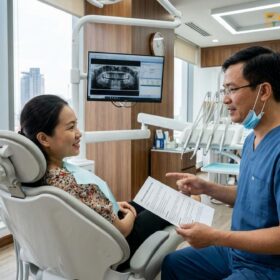
Furthermore, the logistical experience of dental tourism has been highly refined. Premium clinics in Ho Chi Minh City offer dedicated international patient coordinators who assist with scheduling, airport transfers, and hotel recommendations, ensuring that the clinical appointments are seamlessly integrated into the patient’s travel itinerary.
Materials and Clinical Protocols: Matching ADA Standards
Top-tier clinics in Vietnam strictly adhere to international endodontic protocols, utilizing Zeiss microscopes, rotary instruments, and biocompatible sealers to guarantee precise and sterile canal obturation.
The primary concern for any patient traveling abroad for medical care is the standard of clinical quality. In the realm of endodontics, success is entirely dependent on the eradication of bacteria from the root canal system and the hermetic sealing of that space to prevent reinfection. To achieve this, top clinics in Vietnam strictly adhere to the protocols established by global bodies such as the Australian Dental Association (ADA) and the American Association of Endodontists (AAE)[3].
The workflow for a modern root canal at a premier facility involves several critical, technology-driven steps:
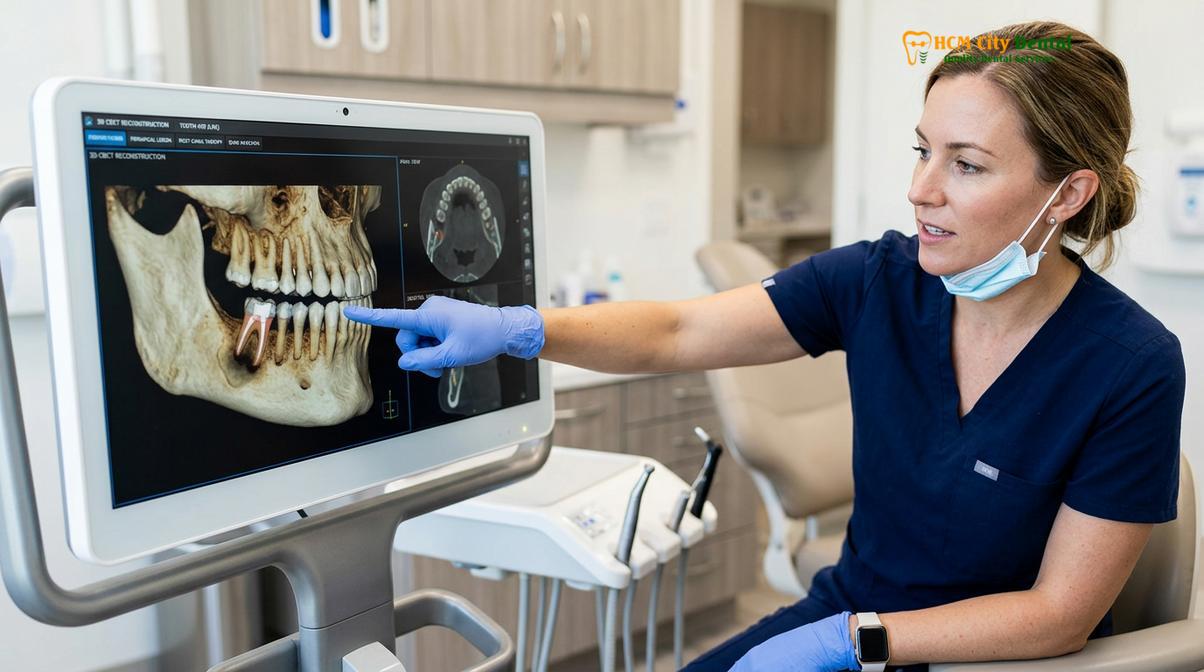
1. 3D Diagnostic Imaging (CBCT): Before any treatment begins, complex cases are mapped using Cone Beam Computed Tomography. Unlike traditional 2D X-rays, a CBCT scan provides a three-dimensional view of the tooth, allowing the dentist to identify hidden accessory canals, severe curvatures, and the exact extent of periapical bone infection. This eliminates guesswork and drastically increases the success rate of the procedure.
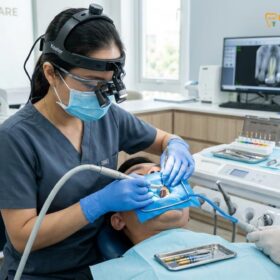
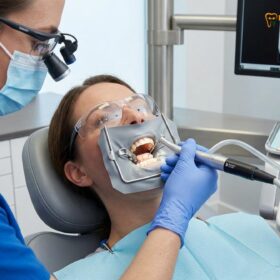
2. Mandatory Rubber Dam Isolation: Dr. Cuong emphasizes that this is a non-negotiable standard of care. “A root canal cannot be performed successfully without a rubber dam,” he states. This latex or nitrile sheet isolates the infected tooth from the rest of the mouth. It prevents the bacteria naturally present in saliva from contaminating the sterilized canals, and it protects the patient’s airway from the strong antimicrobial irrigants used during the procedure.
3. Rotary Instrumentation and Apex Locators: Traditional root canals were performed using hand files, which was time-consuming and prone to errors such as ledging or transporting the canal. Today, specialists use engine-driven rotary nickel-titanium (NiTi) files. These highly flexible instruments navigate curved canals safely and efficiently. Electronic apex locators are used simultaneously to measure the exact length of the root to the millimeter, ensuring the cleaning process reaches the very tip of the root without extending into the surrounding bone.
4. Advanced Chemical Irrigation: Mechanical filing only removes a portion of the infected tissue. The complex web of microscopic tubules within the dentin must be chemically disinfected. Clinics utilize a rigorous irrigation protocol involving sodium hypochlorite (NaOCl) to dissolve organic tissue and kill bacteria, followed by EDTA to remove the smear layer created by the files. Ultrasonic activation is often used to agitate these fluids, pushing them deep into the microscopic anatomy.
“The integration of dental operating microscopes and ultrasonic irrigation has revolutionized endodontic therapy, allowing clinicians to locate and disinfect complex anatomical spaces that were previously inaccessible, thereby significantly improving long-term tooth retention.” — Journal of the American Dental Association[3]
5. Bioceramic Obturation: Once the canals are completely clean and dry, they must be sealed. While traditional gutta-percha and resin sealers are still widely used, advanced clinics now employ bioceramic sealers. These highly biocompatible materials expand slightly upon setting, creating an impenetrable seal against bacterial microleakage, and actively promote the healing of the surrounding bone tissues[4].
By utilizing this exact sequence of advanced technologies and materials, the clinical outcomes achieved in Ho Chi Minh City are statistically identical to those achieved in top-tier specialist practices in Sydney or Melbourne.
Warranty, Aftercare, and Follow-up Protocols for Australian Patients
Reputable international clinics provide comprehensive digital treatment records, post-operative imaging, and structural warranties to ensure seamless continuity of care when patients return to Australia.
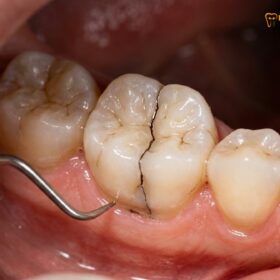
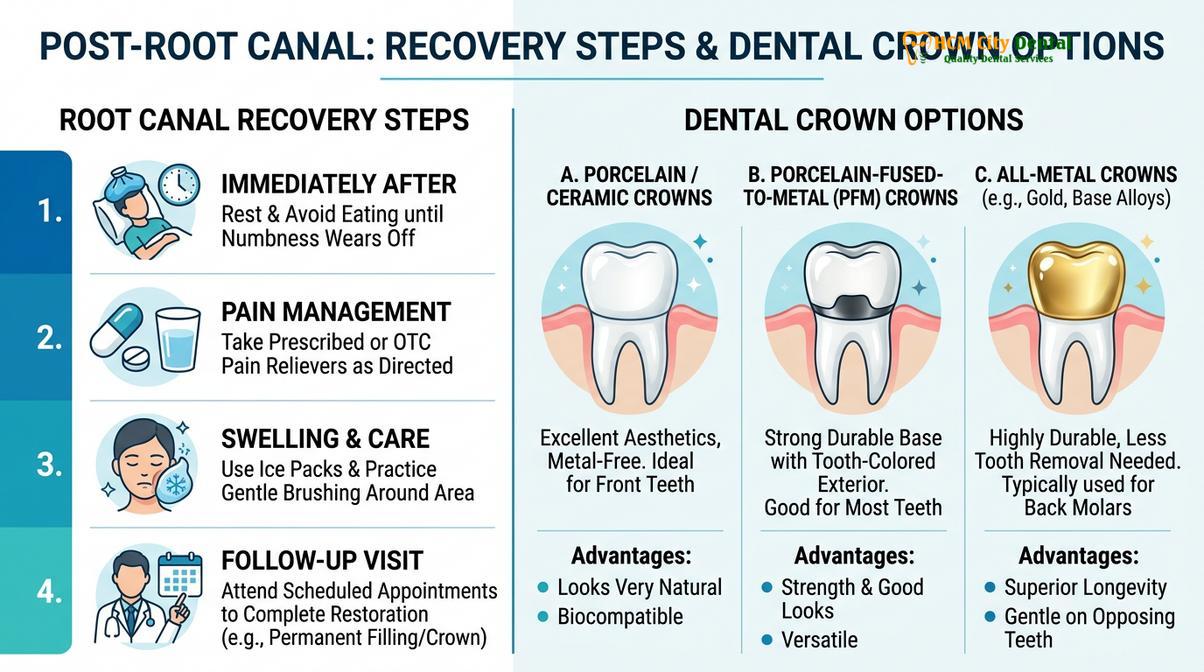
A successful root canal is only the first half of saving a tooth; the final restoration is equally critical. A tooth that has undergone endodontic therapy loses its blood supply and becomes brittle over time. Furthermore, the access hole created to reach the canals compromises the structural integrity of the tooth. For posterior teeth (premolars and molars) that endure heavy chewing forces, a permanent dental crown is mandatory to prevent catastrophic vertical root fractures.
When an Australian patient completes their treatment in Vietnam, the clinic ensures that the tooth is fully restored, typically with a high-strength zirconia or lithium disilicate (E.max) crown. However, the duty of care extends beyond the patient’s departure. Reputable clinics provide a comprehensive handover package. This includes high-resolution pre-operative, intra-operative, and post-operative X-rays, detailed clinical notes outlining the number of canals treated, the working lengths, and the specific brands of materials and sealers used.
Important Clinical Consideration: The Final Restoration
Never delay the placement of a permanent crown after a root canal on a back tooth. Relying on a temporary filling for an extended period significantly increases the risk of bacterial re-contamination of the root canal system and makes the tooth highly susceptible to fracturing, which may render it unrestorable and necessitate extraction.
This meticulous documentation ensures that when the patient returns to Australia for their routine six-month check-ups, their local general dentist has a complete understanding of the work performed. Should any minor occlusal adjustments (bite adjustments) be required as the patient settles into their new crown, any local dentist can easily perform them.
Furthermore, premium clinics in Ho Chi Minh City stand behind their clinical work with robust warranties. While biological procedures like root canals cannot be guaranteed against future decay or trauma, the structural integrity of the crowns and the quality of the endodontic obturation are typically covered under clear warranty terms, providing peace of mind for the international traveler[5].
When to See a Doctor
While modern endodontic therapy has an exceptionally high success rate, it is vital to recognize the signs of a potential complication or an acute dental infection that requires immediate professional intervention, whether you are at home in Australia or traveling abroad.
You should seek immediate clinical evaluation if you experience any of the following symptoms:
- Severe, Throbbing Pain: Pain that disrupts sleep, is not relieved by over-the-counter analgesics, or radiates to the jaw, ear, or neck.
- Visible Swelling: Any swelling of the gums, cheek, or face indicates an active, spreading infection. Facial swelling that approaches the eye or affects swallowing or breathing is a medical emergency requiring immediate hospital or emergency dental care.
- Prolonged Sensitivity: While mild sensitivity for a few days after a root canal is normal, severe pain upon biting or extreme sensitivity to hot and cold that lingers for minutes suggests ongoing inflammation or a missed canal.
- A Pimple on the Gums: A small, pimple-like bump (fistula or sinus tract) on the gums near the affected tooth, which may ooze pus and leave a bad taste in the mouth, is a clear sign of a chronic periapical abscess.
Early diagnosis and intervention are critical to saving the tooth and preventing the systemic spread of infection. If you are planning a trip and experience these symptoms, do not delay treatment; consult a dental professional immediately to stabilize the tooth before flying.
Frequently Asked Questions
Find clear, evidence-based answers to the most common questions Australian patients have regarding the logistics, costs, and clinical safety of undergoing endodontic treatment in Vietnam.
How much does an Australian patient save on a root canal and crown combo in Vietnam?
An Australian patient typically saves between $1,500 and $2,500 AUD on a combined molar root canal and premium zirconia crown. While this combination often exceeds $3,000 AUD in Sydney or Melbourne, the same clinical protocol in Vietnam averages $500 to $800 AUD, utilizing identical global materials. These substantial savings make it highly cost-effective, easily covering the price of flights and accommodation while allowing the patient to receive prompt, high-quality care without the long wait times often associated with public or heavily booked private systems.
Can I get custom adjustments done when I return to Sydney or Melbourne?
Yes, any local Australian dentist can perform minor occlusal adjustments on your new crown if needed. Reputable clinics in Vietnam provide comprehensive digital records, including post-operative X-rays and material specifications, ensuring your local practitioner has all the necessary clinical data to assist you. Because the materials used—such as monolithic zirconia or E.max porcelain—are universal standards in modern dentistry, your local dentist will be completely familiar with how to polish, adjust, or maintain your new restoration.
What is the turnaround time for a root canal crown in Saigon?
A complete root canal and custom crown restoration typically requires three to five days in Saigon. The endodontic therapy is usually completed in one or two visits, followed by a short wait while the on-site or local dental laboratory mills your permanent zirconia or porcelain crown. Thanks to the integration of CAD/CAM digital scanning and in-house milling machines, top clinics can expedite the fabrication process, ensuring international patients receive their final, perfectly fitted restoration well before their return flight.
Is it safe to fly immediately after a root canal procedure?
It is generally safe to fly 24 to 48 hours after a standard root canal procedure. However, changes in cabin pressure can occasionally cause mild discomfort (barodontalgia) in recently treated teeth, so clinicians recommend waiting a day or two and carrying prescribed anti-inflammatory medication during your flight. Your endodontist will assess your specific case; if the infection was severe or if a surgical approach was required, they may advise a slightly longer observation period before you board a long-haul flight back to Australia.
Do Vietnamese clinics use the same anesthesia as Australian dentists?
Yes, top-tier Vietnamese dental clinics utilize the exact same local anesthetics as Australian practices, primarily Articaine and Lidocaine with epinephrine. These modern anesthetic agents ensure profound numbness, making the endodontic procedure virtually painless and matching international standards of patient comfort. Furthermore, for patients with severe dental anxiety, many clinics offer supplementary sedation options, ensuring a calm and stress-free experience throughout the duration of the complex procedure.
References
- Journal of Endodontics. Economic evaluation of endodontic treatment and alternatives. (2021).
- International Endodontic Journal. Global variations in endodontic protocols and costs. (2020).
- Journal of the American Dental Association. Efficacy of rotary instrumentation and CBCT in modern endodontics. (2022).
- Clinical Oral Investigations. Biomechanical properties of zirconia restorations post-endodontic treatment. (2019).
- British Dental Journal. Patient outcomes and satisfaction in international dental tourism. (2023).
For personalized advice regarding your endodontic needs or to receive a comprehensive treatment plan and cost estimate, contact the clinical team at HCMC Dental Clinic in Ho Chi Minh City.