Root canal myths often prevent patients from seeking necessary, tooth-saving care. In reality, modern endodontic therapy is a safe, highly effective, and virtually painless procedure designed to eliminate infection, preserve your natural dentition, and restore oral health without causing systemic illness.
Clinical Summary:
Endodontic therapy is frequently surrounded by outdated misconceptions that induce unnecessary patient anxiety. Contemporary root canal treatments utilize advanced local anesthesia, rotary instrumentation, and high-powered operating microscopes to ensure patient comfort and precise disinfection. Extensive scientific evidence thoroughly debunks the focal infection theory, proving that root canals do not cause systemic diseases. Preserving the natural tooth through endodontic care remains the clinical gold standard over extraction, as it maintains proper jawbone density, proprioception, and natural bite alignment. Understanding the clinical realities of this procedure empowers patients to make informed, evidence-based decisions regarding their oral health.
Key Takeaways:
- Modern anesthesia protocols make root canal therapy as comfortable as receiving a routine dental filling.
- Decades of rigorous scientific research disprove the myth that endodontic therapy causes systemic illness or cancer.
- Saving a natural tooth is clinically superior to extraction and implant placement in preserving jawbone health.
- Advanced endodontic technology allows many treatments to be completed efficiently in a single clinical visit.
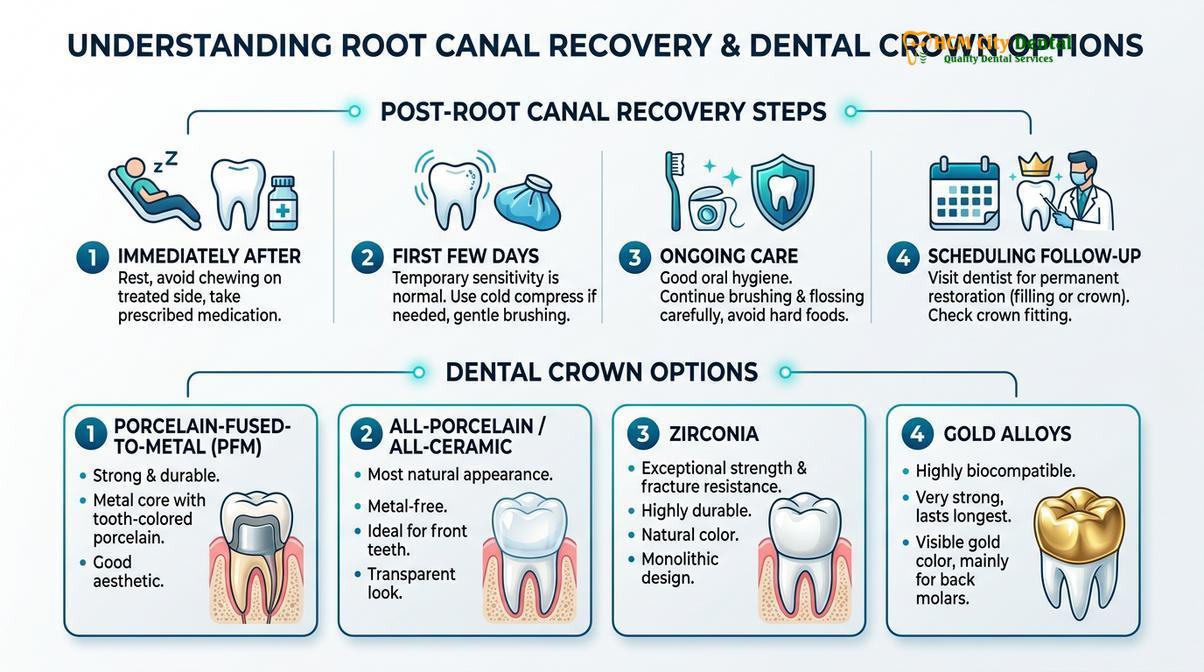
- A treated tooth still requires proper oral hygiene and typically a protective crown to prevent future structural failure.
Myth 1: “Root Canals Are Extremely Painful” (Modern Anesthetic Reality)
Modern local anesthetics and advanced endodontic techniques ensure that root canal therapy relieves severe dental pain rather than causing it.
The painful treatment misconception is perhaps the most pervasive barrier preventing patients from seeking timely endodontic care. Historically, before the advent of profound local anesthesia and refined clinical protocols, dental procedures could be uncomfortable. However, in contemporary practice, the pain a patient associates with a root canal actually stems from the acute infection and inflammation of the dental pulp—a condition known as irreversible pulpitis—not the treatment itself.
When bacteria breach the protective enamel and dentin layers, they infiltrate the pulp chamber. This triggers an inflammatory response. Because the pulp is encased in rigid tooth structure, the swelling increases intrapulpal pressure, compressing the delicate C-fibers and A-delta nerve fibers. This compression results in excruciating, spontaneous pain. Root canal therapy physically removes this inflamed, necrotic tissue, thereby eliminating the source of the pain entirely[1].
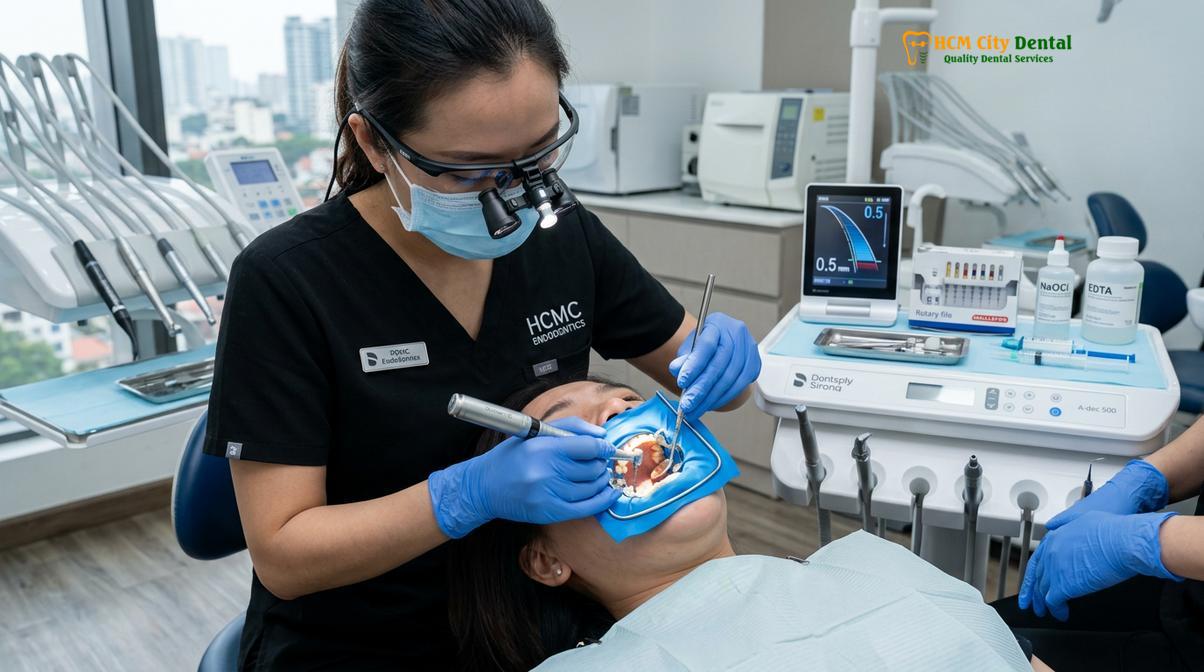
Today, endodontists utilize highly effective local anesthetics, such as articaine and lidocaine, delivered via precise techniques including nerve blocks and intraligamentary injections. These protocols ensure the tooth is completely numb before any instrumentation begins. Patients experiencing modern painless dentistry Saigon frequently report that the procedure feels no different than having a standard cavity filled. Following the procedure, mild tissue tenderness is normal and easily managed with over-the-counter anti-inflammatory medications, as detailed in our Comprehensive Root Canal Recovery Guide | HCMC Dental.
Myth 2: “Root Canals Cause Cancer and Systemic Illness” (The Science)
Extensive medical research has thoroughly debunked the century-old focal infection theory, confirming that root canals do not cause cancer or systemic diseases.
The root canals cause illness myth is a persistent piece of misinformation that continues to circulate on the internet. This fallacy traces its origins back to the early twentieth century, specifically to the poorly designed and highly flawed research of Dr. Weston Price. He hypothesized that bacteria trapped in endodontically treated teeth could leak into the bloodstream and cause systemic diseases, ranging from arthritis to cancer. This concept, known as the “focal infection theory,” led to decades of unnecessary tooth extractions.
Modern medical and dental science has unequivocally discredited this theory. Contemporary research demonstrates that the presence of bacteria in the oral cavity is normal, and the immune system is highly adept at managing transient bacteremia (the temporary presence of bacteria in the blood), which occurs even during routine activities like chewing or brushing teeth[2]. Endodontic therapy is specifically designed to eradicate the bacterial biofilm within the root canal system, sealing the space to prevent reinfection.
“There is no valid, scientific evidence linking endodontically treated teeth with the development of systemic diseases. Root canal therapy is a predictable, safe procedure that eliminates localized infection and prevents the spread of pathogens to surrounding tissues.”
Major health organizations, including the American Association of Endodontists and the American Dental Association, have repeatedly affirmed the safety of root canal treatments. Studies utilizing advanced genomic sequencing have shown that a properly disinfected and sealed root canal does not serve as a reservoir for systemic pathogens[3]. Patients should base their healthcare decisions on peer-reviewed, contemporary science rather than debunked historical anecdotes.
Myth 3: “It is Always Better to Pull the Tooth and Get an Implant”
Preserving your natural tooth through endodontic therapy maintains proprioception, jawbone volume, and natural bite alignment far better than extraction.
When faced with a severely infected tooth, some patients assume that extracting the tooth and replacing it with a dental implant is a quicker, more definitive solution. While dental implants are an excellent restorative option for teeth that are unsalvageable, nothing completely replicates the biomechanical function of a natural tooth. The primary goal of dentistry is always the preservation of natural dentition whenever clinically viable.
A natural tooth is anchored to the jawbone by the periodontal ligament (PDL). This specialized connective tissue acts as a shock absorber during chewing and provides vital proprioceptive feedback to the brain, regulating bite force. When a tooth is extracted, the PDL is lost, and the surrounding alveolar bone begins to resorb (shrink) due to the lack of mechanical stimulation. Saving the tooth via a Root Canal maintains this critical ligament and preserves the natural bone architecture.
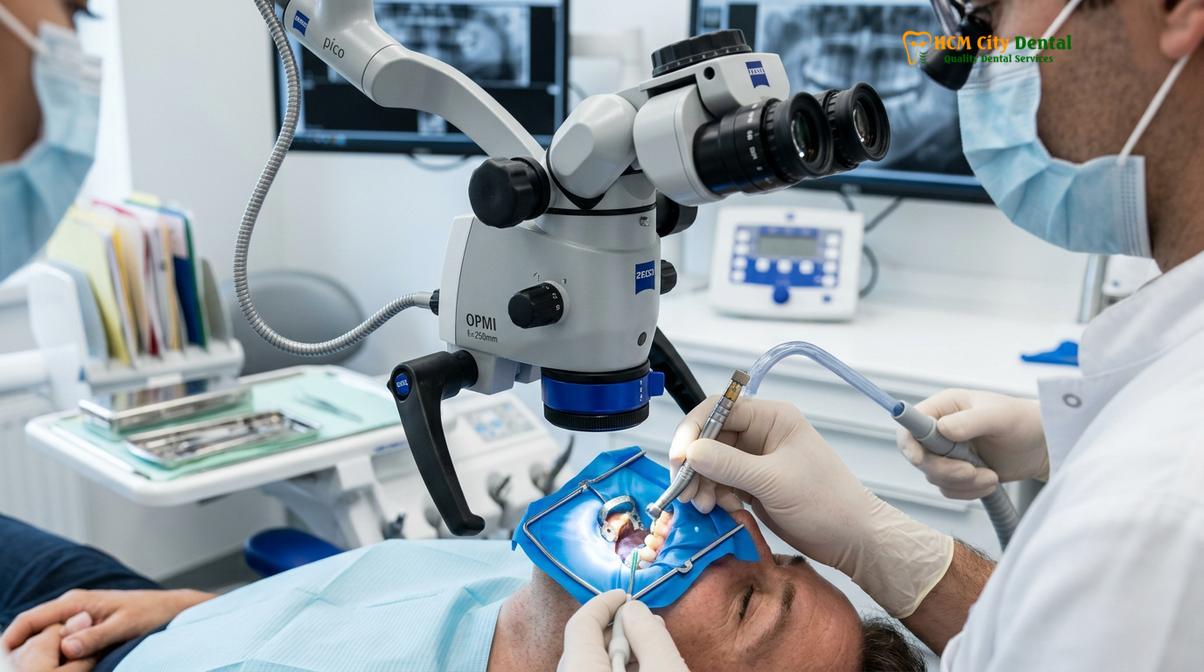
Furthermore, tooth extraction and subsequent implant placement generally require multiple surgical procedures, extended healing periods (often several months for osseointegration), and significantly higher financial investment. By contrast, endodontic therapy allows the patient to retain their natural root structure, providing immediate relief from infection and a faster return to normal function. For patients weighing their options, understanding the long-term value of natural tooth preservation is crucial, a topic often discussed during consultations regarding Root Canal Cost Vietnam vs Korea: Expat Guide | HCMC Dental.
| Clinical Factor | Root Canal Therapy | Tooth Extraction & Implant |
|---|---|---|
| Proprioception | Maintained (Periodontal ligament remains intact) | Lost (No natural ligament feedback) |
| Bone Preservation | Prevents alveolar bone resorption | Bone loss occurs post-extraction; may require grafting |
| Treatment Timeline | Typically 1-2 visits (1-2 weeks total) | Multiple surgeries (3-6 months total healing) |
| Invasiveness | Minimally invasive (preserves natural root) | Surgical extraction and surgical implant placement |
Myth 4: “Root Canals Require Multiple Long Visits to the Dentist”
Utilizing rotary endodontics and dental microscopes, clinicians can now complete most root canal treatments efficiently in a single appointment.
Historically, root canal therapy was a tedious process requiring multiple lengthy appointments. Dentists relied on manual stainless-steel files to slowly clean and shape the intricate canal systems. However, the landscape of endodontics has been revolutionized by technological advancements, making the procedure significantly faster and more comfortable for the patient.
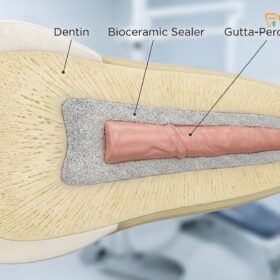
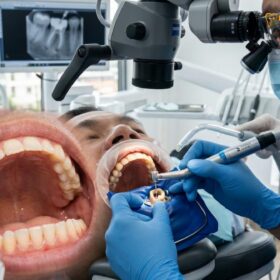
Today, clinicians utilize nickel-titanium (NiTi) rotary instruments. These highly flexible, engine-driven files navigate curved canals with exceptional precision and speed. Coupled with the use of dental operating microscopes, which provide intense illumination and high magnification, dentists can locate hidden accessory canals and ensure thorough debridement. The integration of advanced irrigation protocols (using sodium hypochlorite and EDTA activated by ultrasonics) and biocompatible bioceramic sealers allows for optimal 3D obturation of the canal space[4].
Clinical Case Study: Single-Visit Efficiency
A patient presented to HCMC Dental Clinic in Ho Chi Minh City experiencing acute spontaneous pain in a lower molar. Diagnostic testing by Dr. Nguyen Van Cuong confirmed irreversible pulpitis. Utilizing a Zeiss dental microscope and modern rotary instrumentation, Dr. Cuong was able to completely clean, shape, and seal the complex four-canal system in a single 90-minute session. The patient left the clinic pain-free, demonstrating the efficiency of contemporary endodontic protocols.
While many cases can be completed in a single visit, it is important to note that clinical discretion is paramount. If a tooth presents with a severe periapical abscess, active drainage, or highly complex anatomy, the clinician may elect to place an intracanal medicament (such as calcium hydroxide) and complete the treatment in a second visit to ensure the infection is fully eradicated before final sealing.
Myth 5: “Once a Root Canal is Complete, the Tooth Can Never Decay”
While the internal nerve is removed, the exterior enamel and dentin remain susceptible to bacterial plaque and structural decay if neglected.
A common misunderstanding is that an endodontically treated tooth is completely immune to future dental issues. While it is true that the tooth is no longer “vital” in the sense that it lacks an internal nerve and blood supply—meaning it will no longer feel hot or cold sensations—the exterior structure of the tooth remains vulnerable to the oral environment.
The enamel and dentin can still be demineralized by the acidic byproducts of plaque bacteria, leading to secondary caries (decay). Because the tooth lacks a nerve, a new cavity will not cause pain, allowing the decay to progress unnoticed until it causes catastrophic structural failure or reinfects the root canal system. Therefore, maintaining meticulous daily oral hygiene—brushing twice daily and flossing—is just as critical for a treated tooth as it is for a vital one.
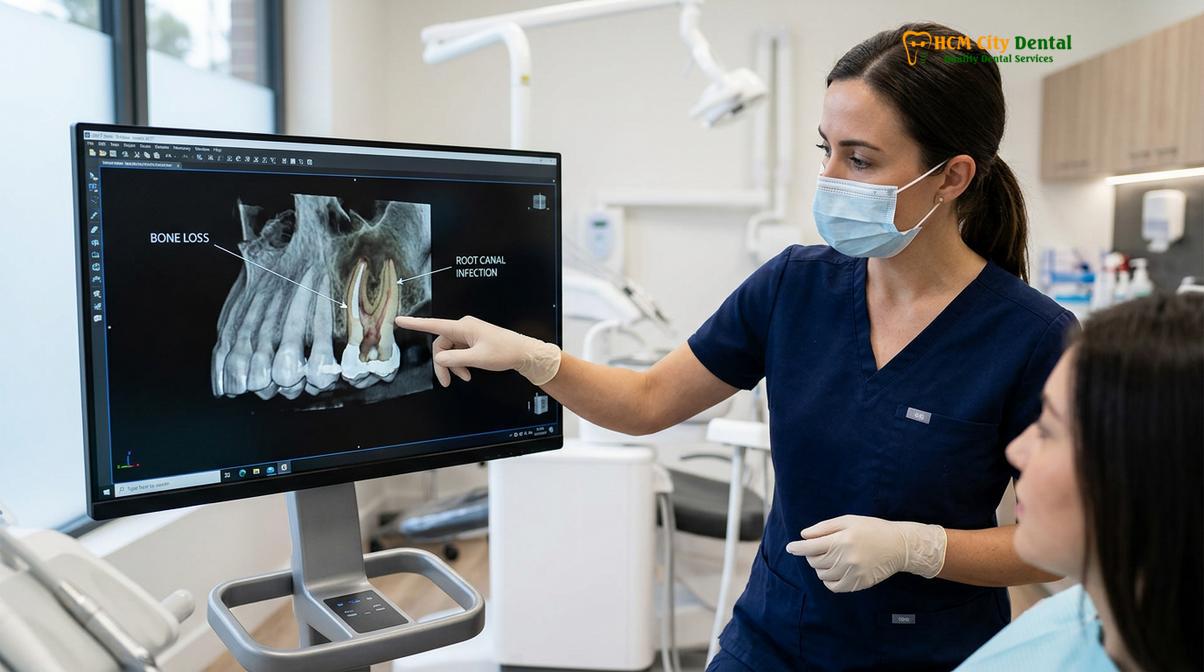
Furthermore, the removal of the internal blood supply causes the dentin to lose moisture over time, making the tooth more brittle and susceptible to fracture under heavy masticatory (chewing) forces. To mitigate this risk, it is highly recommended to restore the tooth with a full-coverage restoration. You can explore the clinical necessity of this step in our guide on Crown After Root Canal: Clinical Guide | HCMC Dental. Selecting the appropriate material, such as those discussed in Zirconia vs Emax Crown Root Canal | HCMC Dental, ensures the long-term biomechanical stability of the treated tooth[5].
Myth 6: “The Root Canal Infection Will Just Cure Itself with Antibiotics”
Antibiotics only temporarily suppress bacterial spread in surrounding tissues but cannot penetrate the necrotic tooth pulp to cure the source infection.
When experiencing a severe toothache or facial swelling, patients often request a prescription for antibiotics, assuming the medication will cure the infection. This is a fundamental misunderstanding of dental anatomy and the pathology of pulpal necrosis. Unlike infections in other parts of the body, a root canal infection occurs within the hollow chamber of the tooth.
When the dental pulp dies (necrosis), the blood supply to the inside of the tooth is severed. Because systemic antibiotics are delivered via the bloodstream, they physically cannot reach the bacteria thriving inside the necrotic root canal system. The bacteria remain safely harbored within the tooth, continuously multiplying and leaking toxins into the surrounding jawbone, creating a periapical abscess.
Clinical Warning: Antibiotic Misuse
Relying solely on antibiotics for an infected tooth is dangerous. While medication may temporarily reduce facial swelling by addressing the bacteria that have escaped into the soft tissues, the source infection inside the tooth remains active. Overuse of antibiotics contributes to antimicrobial resistance and allows the underlying dental abscess to expand, potentially leading to severe, life-threatening fascial space infections.
The only definitive way to cure a root canal infection is through mechanical debridement—physically entering the tooth, cleaning out the necrotic tissue, disinfecting the canal walls, and sealing the space to prevent bacterial reentry. Antibiotics are only prescribed as an adjunct to mechanical treatment in cases where the infection has spread systemically (e.g., fever, lymphadenopathy, or severe cellulitis).
“Pharmacological intervention can never replace mechanical disinfection in endodontics. The source of the pathology lies within the avascular space of the root canal system, necessitating precise physical debridement to achieve clinical success.”
When to See a Doctor
Recognizing the early signs of pulpal distress can save your tooth and prevent the spread of infection. You should schedule a clinical evaluation immediately if you experience spontaneous, throbbing tooth pain that awakens you at night, or if you notice prolonged sensitivity to hot or cold temperatures that lingers long after the stimulus is removed. These are classic indicators of irreversible pulpitis.
Additionally, physical signs such as localized swelling of the gums, a persistent pimple-like bump on the gum tissue (a fistula or sinus tract), or pain when chewing or applying pressure to the tooth warrant prompt professional attention. Dr. Cuong emphasizes that early intervention not only increases the success rate of endodontic therapy but also minimizes patient discomfort. If you are planning travel, it is crucial to address these symptoms beforehand; you can read more about post-treatment travel in our guide on Flying After a Root Canal: Safety & Timeline | HCMC Dental.
Frequently Asked Questions
Why is the myth about root canals causing illness still popular?
This myth persists largely due to internet echo chambers amplifying flawed, century-old research. Modern scientific evidence conclusively proves that endodontic therapy eliminates localized dental infections and does not contribute to systemic diseases or cancer. The focal infection theory proposed in the 1920s has been thoroughly debunked by modern microbiology and genomic sequencing, yet sensationalized articles continue to misinform patients.
Do root canals involve removing the actual root of the tooth?
No, the physical roots of your tooth remain firmly anchored in your jawbone. Endodontic treatment only removes the infected or inflamed soft tissue (pulp) from inside the hollow canals within those roots. The exterior structure, including the cementum and the periodontal ligament that attaches the tooth to the bone, remains intact and functional.
Can a root canal be performed in one visit?
Yes, utilizing modern rotary instruments and dental microscopes, many uncomplicated root canals can be completed in a single visit. However, severe infections or complex anatomies may require a second appointment for optimal disinfection. The clinician will assess the level of infection, the presence of exudate (drainage), and the anatomical complexity to determine the safest and most effective treatment timeline.
Will my tooth become brittle and break after a root canal?
A treated tooth loses its internal blood supply, which can reduce its structural moisture and make it more susceptible to fracture under heavy bite forces. This is why placing a protective dental crown is highly recommended. A custom-fabricated crown encapsulates the remaining tooth structure, distributing occlusal forces evenly and preventing catastrophic vertical root fractures.
How long does a root canal treated tooth last?
With precise clinical execution, a high-quality final restoration, and excellent daily oral hygiene, a tooth treated with root canal therapy can function healthily for a lifetime. Clinical studies show exceptionally high long-term survival rates for endodontically treated teeth, provided the patient maintains regular dental check-ups and prevents secondary decay from compromising the coronal seal.
References
- British Dental Journal. Pain management and dental anxiety in endodontics. (2018).
- International Endodontic Journal. Biofilms in endodontics and disinfection strategies. (2021).
- Journal of the American Dental Association. Systemic health and endodontic outcomes. (2019).
- Clinical Oral Investigations. Biocompatibility of bioceramic root canal sealers. (2022).
- Journal of Endodontics. Outcomes of root canal treatment and restoration longevity. (2020).