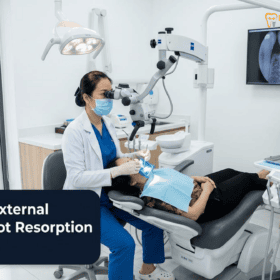
For decades, the standard protocol in restorative dentistry dictated that any carious lesion breaching the pulp chamber automatically necessitated a complete pulpectomy—the complete removal of the dental nerve. However, the landscape of modern endodontics has undergone a profound biological revolution. Today, the clinical debate surrounding vital pulp therapy, Biodentine, MTA, direct pulp capping vs. root canal treatment represents one of the most significant advancements in tooth preservation. By leveraging high-powered surgical magnification, strict aseptic isolation, and bioactive calcium silicate cements, endodontic specialists can now predictably heal inflamed pulp tissue, stimulate the formation of a tertiary dentin bridge, and maintain the tooth’s natural vitality, proprioception, and structural resilience.
At HCMC Dental Clinic in District 1, Ho Chi Minh City, the integration of biomimetic restorative principles with microscopic endodontic microsurgery allows international patients and dental travelers to benefit from minimally invasive nerve preservation. Under the clinical direction of Dr. Nguyen Van Cuong, DDS (Clinical Director — MOH License 0003265/BL-CCHN), the clinic employs a strict protocol utilizing the 25x Carl Zeiss Extaro 300 microscope and premium bioceramic materials like Septodont Biodentine and Dentsply ProRoot MTA. This evidence-based approach ensures that when evaluating alternatives to root canal treatment for a deep cavity, patients receive the highest standard of biological care, maximizing the lifespan of their natural dentition while minimizing the need for invasive endodontic therapy.
Clinical Summary:
Vital Pulp Therapy (VPT) encompasses a spectrum of minimally invasive procedures—including indirect pulp therapy, direct pulp capping, and partial or full pulpotomy—designed to preserve the vitality of the dental pulp following carious exposure or mechanical trauma. Utilizing advanced bioceramic materials such as Septodont Biodentine and ProRoot MTA, VPT induces the formation of a reparative dentin bridge, effectively sealing the pulp from bacterial microleakage. The success of VPT hinges on strict aseptic protocols, including 100% latex-free nitrile rubber dam isolation, and precise hemostasis evaluation using 2.5% NaOCl under 25x Carl Zeiss magnification. When performed correctly on carefully selected mature permanent teeth, bioceramic VPT offers a 92–96% long-term success rate, serving as a highly predictable alternative to traditional root canal therapy.
Key Takeaways:
- Microscopic Precision: The use of a 25x Carl Zeiss Extaro 300 microscope is mandatory for assessing pulp tissue health, identifying micro-exposures, and ensuring complete caries removal without unnecessary pulpal trauma.
- Hemostasis as a Diagnostic Tool: The ability to achieve hemostasis within 5 minutes using 2.5% NaOCl is the definitive clinical marker differentiating reversible pulpitis (savable via VPT) from irreversible pulpitis (requiring a full root canal).
- Bioceramic Superiority: Septodont Biodentine and ProRoot MTA have entirely replaced legacy calcium hydroxide (Dycal) due to their superior sealing ability, biocompatibility, and capacity to induce robust, defect-free tertiary dentin bridges.
- Aesthetic Considerations: Biodentine utilizes zirconium oxide instead of bismuth oxide, eliminating the risk of grey tooth discoloration commonly associated with older MTA formulations, making it ideal for anterior teeth.
- Biomimetic Restoration: Following VPT, immediate sealing of the dentin using Pascal Magne’s Immediate Dentin Sealing (IDS) protocol and a biomimetic biobase is critical to prevent bacterial microleakage and ensure long-term pulpal survival.
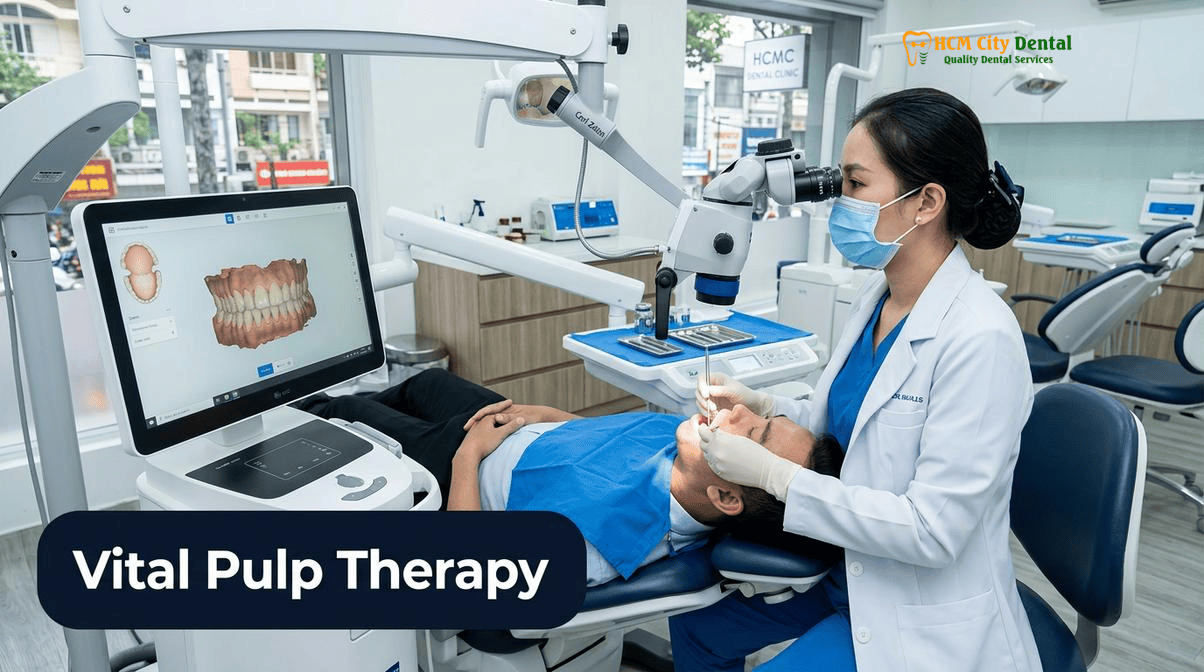
Can a Deeply Decayed Adult Tooth Avoid a Full Root Canal? The Paradigm Shift in Microscopic Vital Pulp Therapy (VPT)
Historically, the presence of a carious exposure in a mature permanent tooth was considered an absolute indication for complete endodontic therapy. The rationale was rooted in the belief that the pulp tissue, once exposed to the heavily contaminated oral environment, lacked the immunological capacity to heal, inevitably leading to necrosis and periapical pathology. However, contemporary histological research and the advent of microscopic endodontics for vital pulp preservation in HCMC have fundamentally dismantled this dogma. The dental pulp is a highly vascularized, immunocompetent connective tissue capable of profound regeneration when provided with a sterile environment and a bioactive scaffold.
The paradigm shift towards Vital Pulp Therapy (VPT) in adult dentition is driven by the understanding that pulpal inflammation (pulpitis) is compartmentalized. In cases of deep caries, the inflammatory infiltrate is often localized to the coronal portion of the pulp adjacent to the lesion, while the radicular pulp (the nerve tissue inside the roots) remains healthy and uninflamed. By meticulously excising the diseased coronal tissue and capping the healthy underlying pulp with a biocompatible material, the tooth can maintain its vitality. This biological approach is one of the most sought-after alternatives to root canal treatment for a deep cavity, as it preserves the tooth’s proprioceptive feedback mechanism, maintains dentin moisture, and significantly enhances the tooth’s resistance to vertical root fractures.
Furthermore, the success of VPT is inextricably linked to the subsequent restorative phase. At HCMC Dental Clinic, the integration of biomimetic dentistry ensures that the capped pulp is hermetically sealed. Utilizing Pascal Magne’s Immediate Dentin Sealing (IDS) protocol, freshly cut dentin is immediately coated with a dentin bonding agent and a low-viscosity flowable resin biobase under a 100% latex-free nitrile rubber dam. This technique increases microtensile dentin bond strength by up to 400% (reaching 45–55 MPa), effectively preventing bacterial microleakage—the primary cause of VPT failure. In cases involving deep subgingival decay, Deep Margin Elevation (DME / Cervical Margin Relocation) is performed, strictly respecting the ≥2.0mm supracrestal tissue attachment on bitewing X-rays, allowing for the precise delivery of hand-layered refractory Feldspathic porcelain (90–110 MPa) or pressed IPS E.max lithium disilicate (450–500 MPa) restorations.
“The goal of modern endodontics is no longer simply the extirpation of the nerve, but the biological preservation of the pulp-dentin complex. By combining 25x Carl Zeiss magnification with bioactive tricalcium silicates, we can now predictably save teeth that would have been condemned to a root canal just a decade ago.”
— Dr. Nguyen Van Cuong, DDS (Clinical Director, HCMC Dental Clinic)
Evaluating Pulp Vitality Under 25x Carl Zeiss Magnification: Hemostasis Within 5 Minutes with 2.5% NaOCl
The critical determinant of success in any vital pulp therapy procedure is the accurate assessment of the pulp’s inflammatory status. Unlike traditional dentistry, where pulp vitality is often guessed based on subjective patient symptoms or crude thermal tests, microscopic endodontics relies on direct, real-time visual and chemical evaluation of the pulp tissue. At HCMC Dental Clinic, this evaluation is performed exclusively under the 25x magnification of a Carl Zeiss Extaro 300 operating microscope.
Once the carious lesion is excavated and the pulp is exposed, the clinician must differentiate between reversible pulpitis (which can be saved) and irreversible pulpitis (which requires a full root canal). The definitive clinical test is the assessment of hemostasis. A sterile cotton pellet saturated with 2.5% sodium hypochlorite (NaOCl) is placed directly over the exposed pulp tissue with gentle pressure. NaOCl serves a dual purpose: it provides profound disinfection of the exposure site and acts as a hemostatic agent by dissolving the fibrin clot and clearing away necrotic debris.
The strict clinical protocol dictates that hemostasis must be achieved within 5 minutes. If the bleeding stops within this timeframe, it indicates that the underlying pulp tissue is healthy, uninflamed, and capable of healing. In this scenario, the clinician can confidently proceed with vital pulp therapy, direct pulp capping in adults, or a partial pulpotomy. Conversely, if profuse, bright red bleeding persists beyond the 5-minute mark, it is a definitive sign of severe, irreversible inflammation (hyperemia) extending deep into the radicular pulp. In such cases, VPT is contraindicated, and the clinician must transition to a full Microscopic Endodontic Root Canal Therapy at HCMC Dental Clinic to prevent subsequent necrosis and abscess formation.
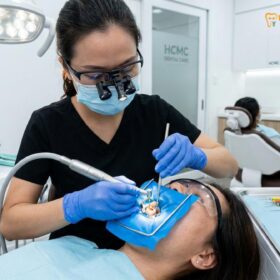
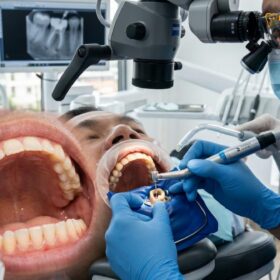
It is imperative to note that this delicate assessment can only be performed under absolute isolation. The application of a Rubber Dam Isolation in Biomimetic Dentistry & Root Canal Therapy: Safety & Clinical Protocol in Vietnam is non-negotiable. A 100% latex-free nitrile rubber dam prevents the ingress of salivary bacteria into the pulp chamber during the hemostasis evaluation. Without this barrier, the pulp would be instantly contaminated by oral flora, rendering any attempt at vital pulp preservation futile.
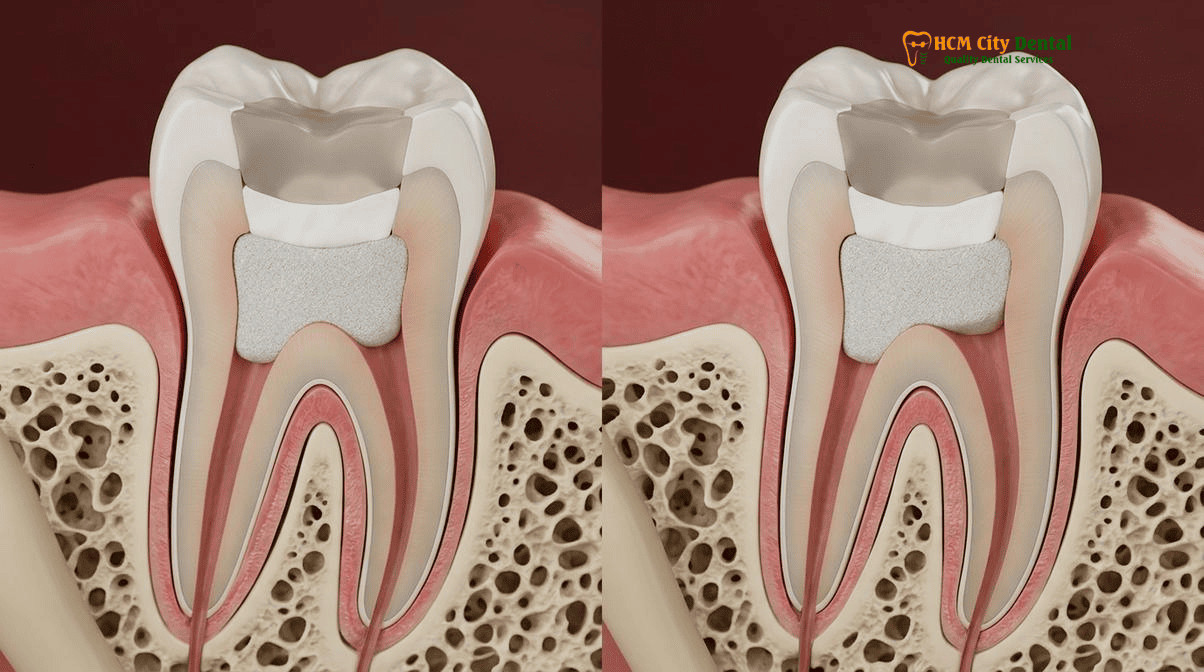
Clinical Hierarchy: Indirect Pulp Therapy, Direct Pulp Capping, Cvek Partial Pulpotomy, and Full Coronal Pulpotomy
Vital Pulp Therapy is not a single procedure but a hierarchical spectrum of clinical interventions tailored to the depth of the carious lesion and the extent of pulpal inflammation. Understanding this hierarchy is essential for selecting the appropriate treatment modality for a mature permanent tooth.
1. Indirect Pulp Therapy (IPT) and Selective Caries Removal
Indirect Pulp Therapy is the most conservative approach, indicated for deep carious lesions that approach, but do not physically breach, the pulp chamber. The modern protocol involves selective caries removal for deep decay to save the nerve. The clinician meticulously removes the heavily infected, soft, and necrotic outer layer of dentin (infected dentin) while intentionally leaving a thin layer of demineralized, leathery, but uninfected dentin (affected dentin) directly over the pulp. A bioactive liner, such as Biodentine or a resin-modified glass ionomer, is placed over this affected dentin to seal out bacteria and promote remineralization. By avoiding mechanical exposure of the pulp, IPT boasts exceptionally high success rates and is the preferred initial strategy for deep cavities.
2. Direct Pulp Capping (DPC)
Direct Pulp Capping is indicated when a pinpoint mechanical or carious exposure of the pulp occurs during excavation. The exposure must be small (typically less than 1mm), and the surrounding dentin must be sound and caries-free. Following the achievement of hemostasis with 2.5% NaOCl, a bioceramic material (Biodentine or MTA) is placed directly in contact with the exposed pulp tissue. The material acts as a biological seal, stimulating the underlying odontoblasts to form a reparative tertiary dentin bridge, effectively closing the exposure site.
3. Cvek Partial Pulpotomy
When a carious exposure is larger, or if the superficial layer of the pulp exhibits signs of localized inflammation (e.g., bleeding that takes slightly longer to control but still stops within the 5-minute window), a Cvek partial pulpotomy is indicated. This procedure involves the surgical amputation of the top 1 to 3 millimeters of the inflamed coronal pulp tissue using a sterile, high-speed diamond bur under copious water coolant. By excising the diseased tissue, the clinician reaches the healthy, uninflamed pulp beneath. Hemostasis is then achieved, and the bioceramic capping agent is applied. This technique is highly predictable for both traumatic exposures and deep carious lesions in adult teeth.
4. Full Coronal Pulpotomy
A full coronal pulpotomy involves the complete removal of all pulp tissue within the anatomical crown of the tooth, down to the level of the canal orifices (the cervical line). This procedure is indicated when the entire coronal pulp is irreversibly inflamed, but the radicular pulp (inside the roots) remains vital and healthy. After amputating the coronal pulp and achieving hemostasis at the canal orifices, a thick layer of Biodentine or MTA is placed over the radicular stumps. While historically reserved for primary teeth or immature permanent teeth (to allow for apexogenesis), modern evidence supports the use of partial pulpotomy and full pulpotomy in a mature permanent tooth as a definitive alternative to a full root canal, provided the radicular pulp is accurately diagnosed as vital.
Bioactive Calcium Silicate Cements: Why Septodont Biodentine and ProRoot MTA Induce Tertiary Dentin Bridge Formation
The cornerstone of modern vital pulp therapy is the utilization of bioactive calcium silicate cements, primarily Mineral Trioxide Aggregate (MTA) and Biodentine. These materials have revolutionized endodontics due to their unique physicochemical properties and their profound ability to interact with living pulpal tissue.
When comparing Biodentine vs. ProRoot MTA for pulp capping, it is essential to understand their shared biological mechanism. Both materials are primarily composed of tricalcium silicate. Upon hydration (mixing the powder with liquid), a chemical reaction occurs, producing a calcium silicate hydrate gel and calcium hydroxide. The continuous release of calcium hydroxide results in a highly alkaline environment (pH 12.5), which provides potent antimicrobial properties, effectively sterilizing the exposure site.
More importantly, this alkaline environment induces a mild, controlled superficial necrosis (coagulation necrosis) of the adjacent pulp tissue. This localized irritation triggers a cascade of biological healing responses. Pulpal stem cells and progenitor cells are recruited to the site, where they differentiate into odontoblast-like cells. These newly formed cells then begin to secrete a matrix of reparative tertiary dentin, eventually forming a solid, mineralized dentin bridge that hermetically seals the pulp from the restorative material above. [1]
While both materials are highly effective, there are critical clinical differences between them:
- Setting Time: ProRoot MTA has a notoriously long setting time, often requiring 2 to 4 hours to fully crystallize. This historically necessitated a two-visit protocol, where the MTA was placed and covered with a temporary filling, and the patient returned later for the final restoration. Septodont Biodentine, however, features a modified powder composition and a calcium chloride accelerator in its liquid, reducing the initial setting time to just 10–12 minutes. This allows the clinician to perform the pulp cap and place the definitive biomimetic composite restoration in a single visit.
- Aesthetics and Discoloration: Older generations of MTA (including gray and some white formulations) utilized bismuth oxide as a radiopacifier (to make the material visible on X-rays). Bismuth oxide has been shown to interact with dentin collagen and sodium hypochlorite, leading to severe, progressive dark grey or black discoloration of the tooth structure. Biodentine eliminates this risk by utilizing zirconium oxide as its radiopacifier, which is highly color-stable. Therefore, Biodentine is the absolute material of choice for vital pulp therapy in aesthetic zones (anterior teeth and premolars). [2]
- Mechanical Strength: Biodentine exhibits compressive and flexural strengths comparable to natural human dentin, allowing it to be used not only as a pulp capping agent but also as a bulk dentin substitute (biobase) beneath the final restoration.
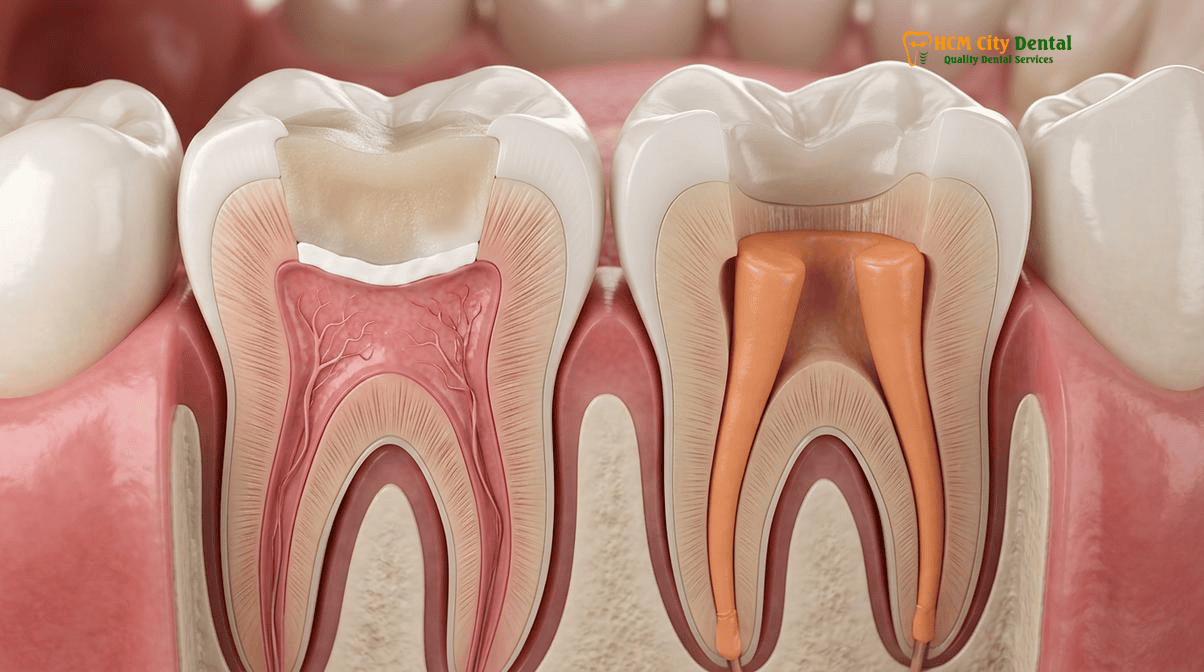
Why Old Calcium Hydroxide (Dycal) Pulp Caps Failed vs. 92–96% 5-Year Success Rates of Bioceramic VPT
For decades, calcium hydroxide formulations, most notably Dycal, were the gold standard for direct pulp capping. However, long-term clinical studies consistently demonstrated high failure rates associated with these legacy materials. The failure of Dycal was primarily due to three inherent flaws:
- High Solubility: Dycal is highly soluble in oral fluids and dentinal fluid. Over time, the material dissolves and washes out from beneath the restoration, leaving a void that serves as a reservoir for bacterial proliferation.
- Poor Sealing Ability: Calcium hydroxide cements do not chemically bond to dentin. They provide a poor marginal seal, allowing for significant bacterial microleakage from the oral cavity into the pulp chamber.
- Tunnel Defects in the Dentin Bridge: While Dycal does stimulate the formation of a dentin bridge, histological analysis reveals that this bridge is often porous, containing multiple “tunnel defects.” These microscopic tunnels allow bacteria to bypass the dentin bridge and infect the underlying pulp, leading to delayed pulpal necrosis months or even years after the initial procedure. [3]
In stark contrast, modern bioceramic materials like Biodentine and MTA address all these shortcomings. They are virtually insoluble once set, provide an exceptional hermetic seal by chemically bonding to the dentinal walls, and induce the formation of a dense, continuous, and defect-free tertiary dentin bridge. [4]
Clinical literature and systematic reviews confirm the superiority of bioceramics. When performed under strict microscopic and rubber dam isolation protocols, vital pulp therapy using Biodentine or MTA demonstrates 5-year success rates ranging from 92% to 96% in mature permanent teeth. This level of predictability establishes bioceramic VPT not merely as an experimental alternative, but as a primary, evidence-based treatment modality for deep carious lesions.
It is important to note that while VPT is highly successful, it is part of a broader spectrum of advanced endodontic microsurgery. In cases where the pulp is fully necrotic, or if previous root canal treatments have failed, HCMC Dental Clinic offers comprehensive solutions, including Microscopic Endodontic Retreatment, bypassing separated files, and Microscopic Apicoectomy (involving a 0-degree 3mm root-end resection, methylene blue staining, 3mm Satelec ultrasonic retro-prep, and a bioceramic root-end plug). For immature necrotic teeth, Regenerative Endodontic Pulp Revascularization (utilizing 1.5% NaOCl, 17% EDTA, and SCAP stem-cell evoked bleeding) is employed to stimulate continued root development.
Clinical Case Study: Avoiding a Root Canal in an Australian Expat
Patient Profile: A 34-year-old Australian expatriate presented to HCMC Dental Clinic with deep, asymptomatic decay on the lower right first molar (Tooth 46). The patient was anxious about requiring a full root canal and sought a second opinion.
Clinical Assessment: 3D CBCT imaging revealed a deep carious lesion encroaching on the mesial pulp horn. Cold testing confirmed the tooth was vital with a normal, non-lingering response. No periapical radiolucency was present.
Treatment Protocol: Under 100% latex-free nitrile rubber dam isolation and 25x Carl Zeiss magnification, Dr. Nguyen Van Cuong performed selective caries removal. A pinpoint carious exposure occurred. Hemostasis was achieved within 3 minutes using 2.5% NaOCl, confirming reversible pulpitis. A direct pulp cap was performed using Septodont Biodentine. The tooth was immediately sealed using Pascal Magne’s Immediate Dentin Sealing (IDS) protocol and restored with a biomimetic composite biobase and an IPS E.max onlay.
Outcome: At the 12-month follow-up, the tooth remained completely asymptomatic, responded normally to vitality testing, and radiographic evaluation confirmed the formation of a robust tertiary dentin bridge beneath the Biodentine layer. The patient successfully avoided a full root canal.
2026 Vital Pulp Therapy vs. Microscopic Root Canal Fee Schedule at HCMC Dental Clinic (District 1)
For international patients and dental travelers seeking world-class endodontic care, transparency in pricing is paramount. HCMC Dental Clinic offers an Official 2026 Dental Price List & -40% Online Booking Fee Schedule, providing exceptional value compared to Western dental markets without compromising on clinical protocols, material quality, or specialist expertise.
The following table outlines the 2026 fee schedule for vital pulp therapy, microscopic root canal treatments, and the necessary biomimetic restorations required to seal the tooth.
| Endodontic & Restorative Procedure (25x Carl Zeiss + Nitrile Dam) | 2026 Online Booking Fee (-40% USD) | Walk-In / Standard List Price (USD) | Equivalent Cost in Australia / US (Est.) |
|---|---|---|---|
| Bioactive ProRoot MTA / Septodont Biodentine Pulp Capping (VPT) | $58 – $96 USD (1,500,000 – 2,500,000 VND) | $96 – $160 USD | $300 – $500 USD |
| Microscopic Endodontic Root Canal Therapy (Anterior/Premolar) | $77 – $115 USD / tooth (2,000,000 – 3,000,000 VND) | $128 – $192 USD | $800 – $1,200 USD |
| Microscopic Endodontic Root Canal Therapy (Complex Molar) | $115 – $154 USD / tooth (3,000,000 – 4,000,000 VND) | $192 – $256 USD | $1,200 – $1,800 USD |
| Microscopic Endodontic Retreatment / Separated File Bypass | $154 – $231 USD / tooth (4,000,000 – 6,000,000 VND) | $256 – $385 USD | $1,500 – $2,200 USD |
| Biomimetic Quartz/Glass Fiber Post & Core Buildup | $38 – $58 USD / tooth (1,000,000 – 1,500,000 VND) | $63 – $96 USD | $250 – $400 USD |
| IPS E.max All-Ceramic Crown / Inlay / Onlay / Overlay | $231 USD / tooth (6,000,000 VND) | $385 USD | $1,200 – $1,800 USD |
| Full Zirconia Crown (Cercon Standard / HT Multilayer) | $154 – $192 USD / tooth (4,000,000 – 5,000,000 VND) | $256 – $321 USD | $1,000 – $1,500 USD |
When comparing the Root Canal Cost Vietnam vs Korea: Expat Guide | HCMC Dental or the Root Canal Cost Vietnam vs New Zealand | HCMC Dental, the financial advantages of seeking specialist care in Ho Chi Minh City are evident. However, the true value lies in the biological preservation of the tooth. By successfully executing a Biodentine vital pulp therapy procedure, patients not only save on the immediate cost of a full root canal but also preserve the structural integrity of their natural tooth, potentially avoiding the need for future extractions and dental implants.
Clinical Contraindications: When is Vital Pulp Therapy Not Possible?
While VPT is highly successful, it is not a universal solution for all deep cavities. Dr. Nguyen Van Cuong will strictly contraindicate vital pulp therapy and recommend a full microscopic root canal or extraction under the following conditions:
- Irreversible Pulpitis: If hemostasis cannot be achieved within 5 minutes using 2.5% NaOCl, the pulp is irreversibly inflamed.
- Pulpal Necrosis: If the tooth does not respond to cold testing and the pulp chamber contains necrotic (dead) tissue or pus.
- Periapical Pathology: The presence of a radiolucency (dark spot) at the root apex on a 3D CBCT scan indicates that infection has already spread beyond the tooth.
- Vertical Root Fracture (VRF): The presence of a J-shaped halo lesion on radiography and a narrow, isolated periodontal probing defect indicates a catastrophic root fracture, necessitating extraction.
“Transparency in diagnosis is our core philosophy. We do not perform vital pulp therapy on teeth that are clearly necrotic, nor do we rush to perform root canals on teeth that can be biologically saved. The microscope and the hemostasis test dictate the treatment plan, ensuring our patients receive the most ethical and evidence-based care possible.”
— Dr. Nguyen Van Cuong, DDS
Frequently Asked Questions
How does Dr. Nguyen Van Cuong tell under the 25x microscope if my tooth nerve is still savable with Vital Pulp Therapy?
Under 25x Carl Zeiss magnification, Dr. Nguyen Van Cuong, DDS assesses the color, consistency, and bleeding pattern of the exposed pulp tissue. The definitive diagnostic test is achieving hemostasis (stopping the bleeding) within 5 minutes using a sterile cotton pellet soaked in 2.5% NaOCl. If the bleeding stops, the pulp is deemed reversibly inflamed and savable. If profuse bleeding continues beyond 5 minutes, it indicates irreversible pulpitis, necessitating a full microscopic root canal.
Why does Septodont Biodentine not stain front teeth grey like older bismuth-oxide MTA formulas?
Older generations of Mineral Trioxide Aggregate (MTA) utilized bismuth oxide as a radiopacifier, which interacts with dentin collagen and sodium hypochlorite to cause a dark grey or black discoloration over time. Septodont Biodentine replaces bismuth oxide with zirconium oxide, which is highly color-stable and does not induce tooth discoloration, making it the preferred bioceramic material for vital pulp therapy in aesthetic anterior teeth and premolars.
What is the clinical success rate of Direct Pulp Capping and Partial Pulpotomy in adult permanent molars?
When performed under a 100% latex-free nitrile rubber dam and high-powered surgical magnification, modern bioceramic vital pulp therapy boasts exceptional success rates. Clinical studies demonstrate that direct pulp capping and Cvek partial pulpotomies using Biodentine or ProRoot MTA achieve 92% to 96% success rates over a 5-year period in mature permanent teeth, significantly outperforming older calcium hydroxide (Dycal) materials.
Why is 100% latex-free nitrile rubber dam isolation mandatory before exposing or capping a dental pulp?
The dental pulp is highly susceptible to bacterial contamination from saliva and oral flora. A 100% latex-free nitrile rubber dam provides an absolute aseptic surgical field, preventing bacterial microleakage during caries excavation and pulp capping. Without strict rubber dam isolation, the introduction of salivary bacteria into the pulp chamber guarantees the failure of vital pulp therapy and subsequent pulpal necrosis [5].
How much does Vital Pulp Therapy with Biodentine/MTA cost compared to a full root canal and crown in Ho Chi Minh City?
At HCMC Dental Clinic, Bioactive ProRoot MTA or Septodont Biodentine pulp capping costs $58 – $96 USD online. If a full Microscopic Endodontic Root Canal Therapy is required, the fee is $77 – $115 USD for anteriors/premolars and $115 – $154 USD for complex molars. Following either procedure, a definitive biomimetic restoration, such as an IPS E.max All-Ceramic Crown ($231 USD online) or a Full Zirconia Crown ($154 – $192 USD online), is required to seal the tooth.
References
- Journal of Endodontics. Clinical Evaluation of Mineral Trioxide Aggregate and Biodentine as Direct Pulp Capping Agents in Carious Teeth: A Randomized Controlled Trial. (2023).
- International Endodontic Journal. Outcome of Vital Pulp Therapy Using MTA and Biodentine in Permanent First Molars with or without Pulpitis. (2024).
- Journal of Clinical Pediatric Dentistry. Evaluation of Vital Pulp Therapy with Biodentine in Young Permanent Teeth: A Systematic Review and Meta-Analysis. (2025).
- American Association of Endodontists (AAE). Position Statement on Vital Pulp Therapy and the Use of Calcium Silicate Cements in Mature Permanent Teeth. (2022). [5]
- Vietnam Ministry of Health (BYT) & Vietnam Odonto-Stomatology Association (VOSA). National Clinical Guidelines on Specialist Dental Care, Biomaterial Traceability & EN 13060 Class B Infection Control. (2024).