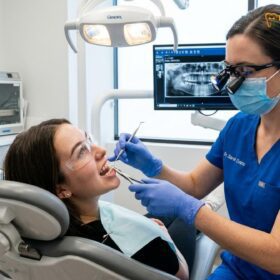
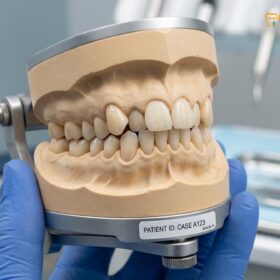
Invisalign clear aligner tracking apps are sophisticated mobile applications designed to monitor orthodontic tooth movement remotely. By utilizing smartphone cameras and artificial intelligence, these platforms allow orthodontists to evaluate aligner fit, track daily wear time, and ensure treatment progresses according to the digital plan without requiring constant in-office visits.
Clinical Summary:
The integration of artificial intelligence and remote photogrammetry into clear aligner therapy represents a significant advancement in modern orthodontics. Aligner tracking applications bridge the critical gap between patient compliance and clinical oversight. By requiring patients to submit weekly intraoral scans via their smartphones, orthodontists can continuously monitor the biomechanical response of the periodontal ligament to the applied forces. These platforms detect microscopic tracking errors—such as aligner unseating or “halos”—long before they compound into major clinical deviations. This continuous feedback loop not only optimizes the predictability of tooth movement but also drastically reduces the need for routine physical appointments, making it an ideal solution for busy professionals and international patients seeking high-quality orthodontic care.
Key Takeaways:
- Tracking apps utilize AI to analyze smartphone photos, ensuring clear aligners fit precisely against the teeth and attachments.
- Remote monitoring allows orthodontists to adjust wear schedules dynamically based on actual biological tooth movement rather than fixed timelines.
- Built-in timers help patients maintain the strict 20-22 hours of daily wear required for successful clear aligner therapy.
- The technology significantly reduces the frequency of in-office visits, offering unparalleled convenience for expatriates and frequent travelers.
- Early detection of tracking failures prevents prolonged treatment times and reduces the need for mid-course clinical refinements.
The Rise of Digital Dental Monitoring
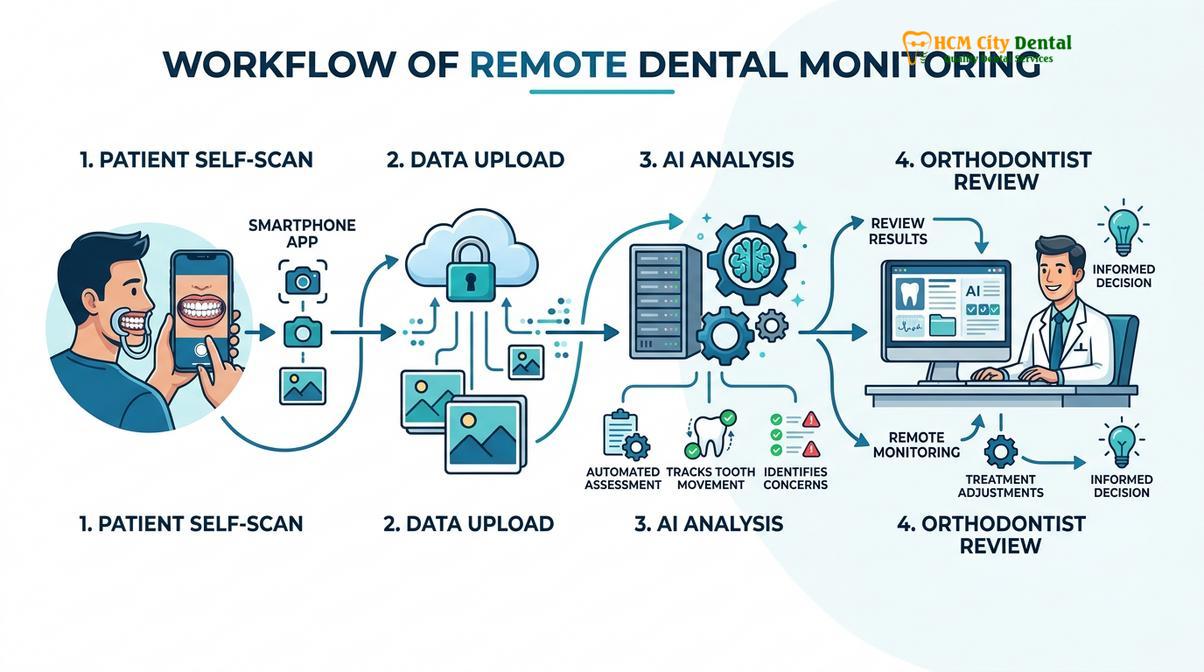
Digital dental monitoring has transformed orthodontics by shifting from traditional monthly in-office checkups to continuous, AI-driven remote oversight, enhancing both treatment efficiency and patient convenience.
Historically, orthodontic treatment relied heavily on frequent, physical appointments. Patients wearing traditional brackets and wires, or early generations of clear aligners, were required to visit the clinic every four to six weeks. During these visits, the orthodontist would manually assess tooth movement, check for compliance, and make necessary adjustments. However, this traditional model presented several clinical inefficiencies. Between appointments, patients were essentially left unmonitored. If an aligner stopped tracking properly in week two, the error would not be discovered until the scheduled visit in week six, resulting in a month of lost treatment time and potentially requiring a costly mid-course correction or refinement scan.
The introduction of the modern dental monitoring app has fundamentally shifted this paradigm. By leveraging the high-resolution cameras built into modern smartphones, combined with sophisticated machine learning algorithms, orthodontists can now maintain a continuous, virtual presence in their patients’ treatment journeys. This technology allows for weekly, or even bi-weekly, assessments of the patient’s dentition. The software analyzes the precise fit of the aligner against the gingival margins and composite attachments, ensuring that the prescribed orthodontic forces are being applied correctly to the crowns of the teeth.[1]
From a biomechanical perspective, orthodontic tooth movement (OTM) relies on a delicate balance of bone resorption and deposition within the periodontal ligament (PDL) space. When an aligner applies continuous, light force, osteoclasts break down bone on the pressure side, while osteoblasts build new bone on the tension side. If an aligner is not fully seated, the force vector is altered. Instead of bodily translation (moving the entire tooth and root), the tooth may experience unwanted tipping. Continuous digital monitoring ensures that these force vectors remain accurate throughout the entire sequence of trays.
“The true value of remote monitoring lies in its ability to provide real-time clinical data. We are no longer guessing what happens between appointments; we can see the biological response of the teeth week by week, allowing us to intervene immediately if a tooth becomes stubborn or an aligner loses its grip.” – Dr. Nguyen Van Cuong
Furthermore, these applications address the most significant variable in clear aligner therapy: patient compliance. Unlike fixed braces, removable aligners require the patient to commit to 20 to 22 hours of daily wear. Many tracking platforms include integrated timers and calendar reminders, empowering patients to take an active role in their treatment. By gamifying the process and providing visual progress timelines, patient motivation is significantly enhanced, leading to more predictable and successful clinical outcomes.
How Photo-Scanning Apps Map Your Teeth Movement
Photo-scanning apps map tooth movement by using AI algorithms to analyze intraoral images, detecting microscopic gaps between the aligner plastic and the tooth surface to verify precise tracking.
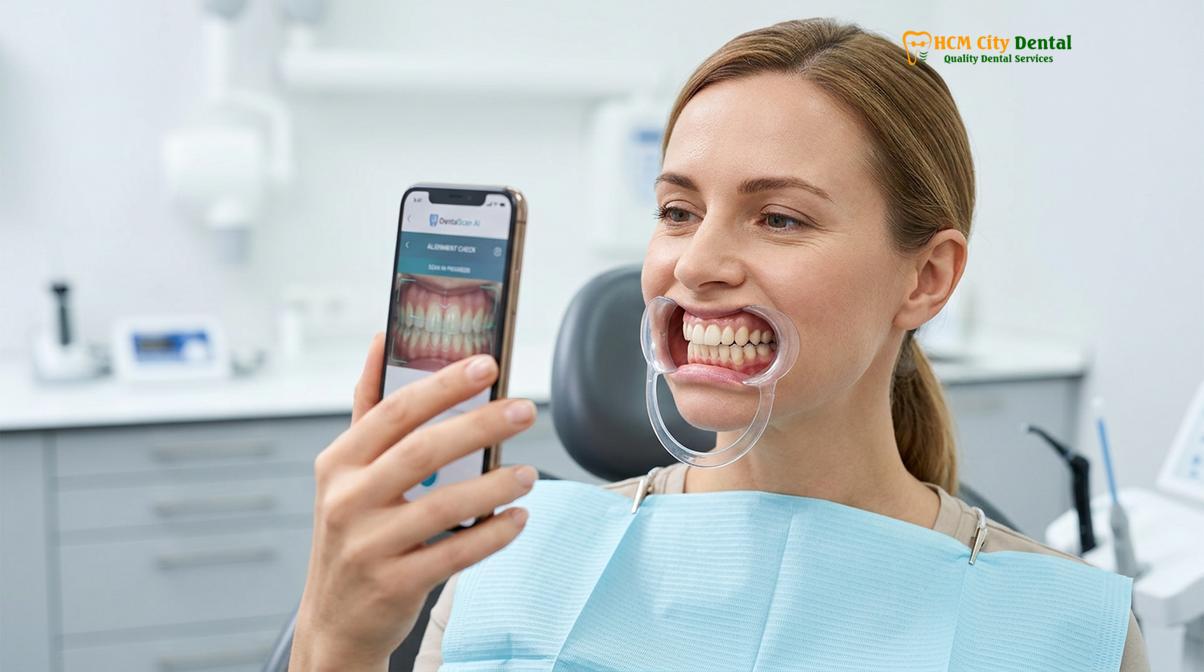
The core functionality of any aligner tracking technology relies on advanced photogrammetry and artificial intelligence. When a patient uses their smartphone to take a series of intraoral photographs—usually aided by a specialized cheek retractor—the images are uploaded to a secure, cloud-based server. Here, proprietary AI algorithms dissect the images, comparing the current clinical reality against the projected digital treatment plan (such as the ClinCheck software used in Orthodontics).
The software is specifically trained to look for “halos.” In clinical orthodontics, a halo refers to the visible empty space or air gap between the incisal edge (the biting edge) of the tooth and the corresponding plastic of the clear aligner. A perfectly tracking aligner will sit flush against the tooth, indicating that the plastic is actively engaging the tooth structure and applying the necessary force. If a halo is present, it signifies that the tooth has not moved as anticipated, and the aligner is essentially floating above it. The AI can detect these gaps with sub-millimeter precision, often catching discrepancies that might be missed by the naked eye during a quick visual inspection.[2]
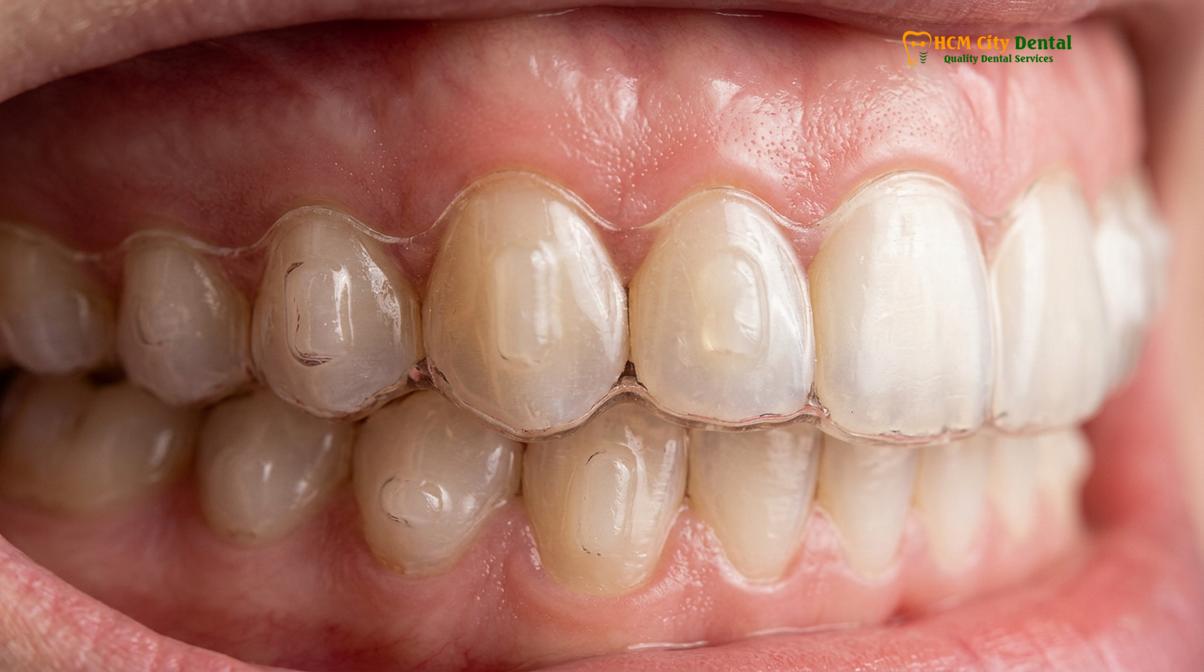
Beyond detecting halos, the software also evaluates the integrity of the composite attachments. Attachments are small, tooth-colored bumps bonded to the enamel that act as anchors, allowing the aligner to execute complex movements like extrusions or severe rotations. If an attachment is worn down, debonded, or if the aligner is not snapping over it correctly, the prescribed movement will fail. The AI maps the location of these attachments in the photographs and verifies their engagement with the aligner’s corresponding “bubbles” or dimples.
| Clinical Parameter | Traditional In-Office Monitoring | App-Based Remote Monitoring |
|---|---|---|
| Assessment Frequency | Every 4 to 8 weeks | Weekly or bi-weekly |
| Error Detection | Delayed (discovered at next visit) | Immediate (flagged by AI upon scan) |
| Wear Time Tracking | Self-reported by patient (often inaccurate) | Digitally logged via app timers |
| Treatment Adjustments | Rigid schedule based on calendar days | Dynamic schedule based on biological movement |
| Patient Convenience | Requires travel and time off work | Completed at home in under 3 minutes |
This level of detailed mapping allows the orthodontist to make dynamic treatment decisions. Instead of blindly instructing a patient to change their aligners every 7 or 10 days, the doctor can use the app’s data to authorize an aligner change only when the current tray has fully expressed its movement. If the teeth are moving faster than expected, the doctor might accelerate the schedule. Conversely, if a tooth is lagging, the patient will be instructed to wear the current tray for a few additional days, preventing the tracking error from compounding in subsequent trays. This dynamic approach is highly effective in reducing the overall treatment time and minimizing the need for mid-course corrections.
Virtual Checkups: Reducing In-Office Appointments for Expats
Virtual checkups drastically reduce the need for physical clinic visits, offering a seamless and flexible orthodontic solution for expatriates and frequent travelers managing their treatment abroad.
For the modern expatriate community, committing to a lengthy orthodontic treatment plan has historically been challenging. The transient nature of expat life, characterized by frequent international travel, extended business trips, and relocations, often conflicts with the rigid scheduling demands of traditional orthodontics. Missing a single adjustment appointment can delay treatment by months. However, the advent of the virtual orthodontist scan has completely revolutionized how dental care is delivered to this demographic, making continuous treatment highly accessible regardless of geographic location.
At HCMC Dental Clinic in Ho Chi Minh City, we frequently treat expatriates who travel extensively across Southeast Asia and beyond. By integrating expat dental monitoring protocols into our clear aligner therapies, we can effectively decouple the patient’s physical location from their clinical progress. Once the initial comprehensive examination, 3D intraoral scanning, and attachment placement are completed in our Saigon clinic, the patient is equipped with their series of aligners and a digital scanning kit. From that point forward, the majority of their clinical oversight is conducted virtually.[3]
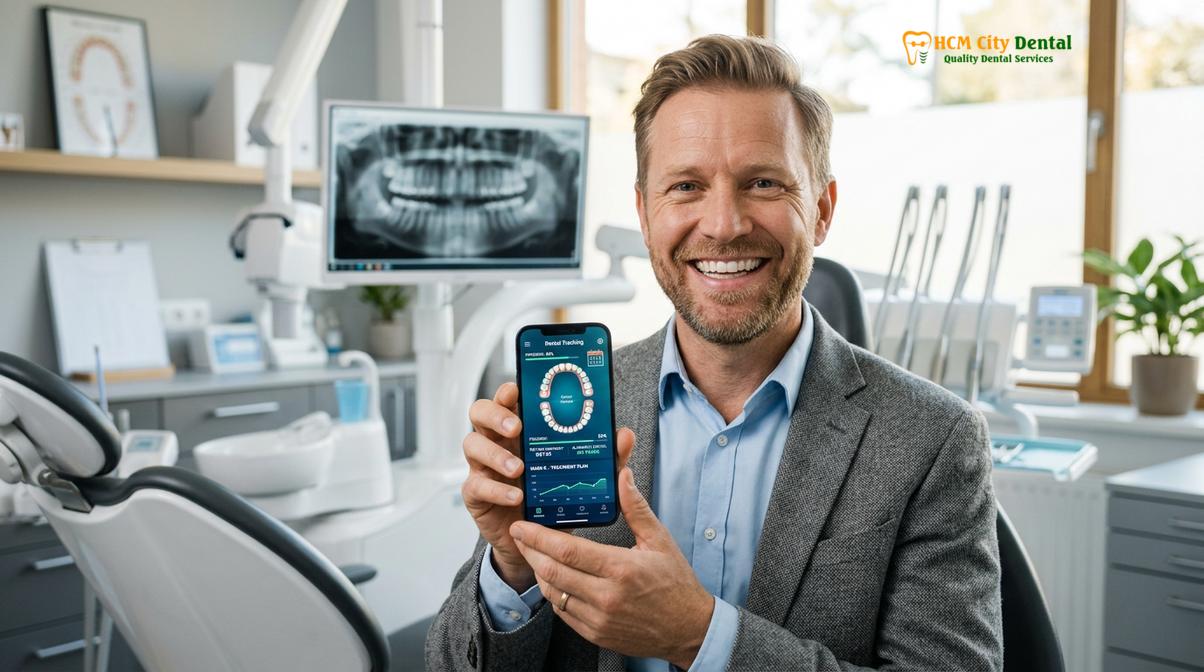
Clinical Case Study: Managing Orthodontics Across Borders
A 34-year-old expatriate patient presented at HCMC Dental Clinic seeking correction for moderate anterior crowding. Due to her role as a regional sales director, she traveled between Ho Chi Minh City, Singapore, and Tokyo monthly. Traditional braces were contraindicated due to her inability to attend regular adjustment visits. She was prescribed a clear aligner system paired with a remote monitoring application. By submitting weekly intraoral scans from her hotel rooms, our clinical team could verify aligner tracking and authorize tray changes remotely. Over the 11-month treatment period, she only required three physical visits to our clinic for planned interproximal reduction (IPR) and final retainer delivery. The treatment concluded successfully without any delays caused by her travel schedule.
This remote capability does not compromise the quality of care; in fact, it often enhances it. Because the orthodontist is receiving high-resolution data weekly, they have a tighter grip on the case’s progression than they would with a patient who only visits the clinic every two months. If a patient loses an aligner while traveling, they can immediately message their doctor through the app’s secure communication portal. The doctor can review the most recent scan and advise whether the patient should fall back to the previous tray or advance to the next one, preventing the teeth from relapsing while the patient is abroad.
Furthermore, this technology is highly beneficial for patients who eventually relocate permanently before their treatment is finished. The comprehensive digital record of their tooth movement, captured week by week through the app, can be easily transferred to a new provider in their destination country, ensuring a smooth transition of care. For patients interested in understanding the long-term maintenance of their smiles across borders, we often discuss international retainer cost comparisons to help them plan for the retention phase of their treatment.
AI-Powered Detection: Spotting Bad Alignment Early
AI-powered detection systems instantly identify tracking failures, unseated aligners, and gingival inflammation, allowing orthodontists to intervene before minor issues compromise the entire treatment plan.
One of the most critical advantages of utilizing smart aligner software is its ability to act as an early warning system. In clear aligner therapy, a phenomenon known as “compounding errors” is a primary cause of treatment failure. If tray number 5 does not fully achieve its programmed movement, tray number 6 will fit even less accurately. By the time the patient reaches tray number 10, the aligner may not fit at all, requiring the orthodontist to halt treatment, take new digital impressions, and order a refinement phase—a process that can add months to the overall timeline.
The AI algorithms embedded in these tracking apps are designed to prevent this exact scenario. When a patient submits their weekly scan, the AI evaluates dozens of clinical parameters simultaneously. It checks for the presence and integrity of attachments, the seating of the aligner on every individual tooth, and even the health of the gingival tissues. If the software detects that a specific tooth—often a lateral incisor or a rotated canine, which are notoriously difficult to move—is lagging behind the digital plan, it immediately flags the scan for the orthodontist’s review.[4]
“Artificial intelligence in orthodontics does not replace the doctor’s clinical judgment; rather, it acts as a highly precise diagnostic assistant. It filters out the noise and highlights the exact millimeter of discrepancy, allowing us to make targeted, evidence-based interventions precisely when they are needed.” – Dr. Nguyen Van Cuong
Upon receiving an alert, the orthodontist can take immediate corrective action through the app’s messaging system. The most common intervention is instructing the patient to extend the wear time of their current aligner for an additional 3 to 5 days. The doctor will also typically emphasize the use of “chewies”—small, cylindrical polyurethane devices that the patient bites down on to help seat the aligner more firmly against the teeth, thereby fully engaging the attachments and applying the necessary force.
Clinical Warning: Do Not Ignore App Alerts
If your tracking application flags an error or instructs you not to proceed to the next aligner, it is imperative that you follow these instructions. Forcing a new, tight aligner onto teeth that have not properly tracked can cause severe discomfort, damage the roots of the teeth, and lead to significant clinical complications that will derail your treatment progress.
In addition to tracking tooth movement, advanced Saigon digital orthodontics platforms can also monitor oral hygiene. The AI can detect signs of gingival inflammation, plaque accumulation, or early signs of decalcification (white spot lesions) around the attachments. If poor oral hygiene is detected, the clinical team can proactively reach out to the patient with targeted brushing and flossing instructions, preventing the development of periodontal issues or dental caries during the course of the orthodontic treatment.
Setting Up Your Smart Monitoring Device at HCMC Dental
Setting up your monitoring device involves a straightforward clinical onboarding process where patients learn to use cheek retractors and smartphone cameras to capture accurate intraoral scans.
The success of remote dental monitoring relies heavily on the quality of the data submitted by the patient. Therefore, proper onboarding and training are essential components of the treatment workflow. At HCMC Dental Clinic, we ensure that every patient is fully confident in using their tracking hardware and software before they leave the office with their first set of aligners.
The standard monitoring kit typically consists of a specialized cheek retractor and a smartphone mounting device (often referred to as a scan box). The cheek retractor is a crucial piece of equipment; it comfortably pulls the lips and cheeks away from the teeth, ensuring that the smartphone camera has an unobstructed view of the entire dental arch, including the posterior molars and the gingival margins. Without proper retraction, the AI algorithms cannot accurately assess the fit of the aligners or the health of the gums.[5]
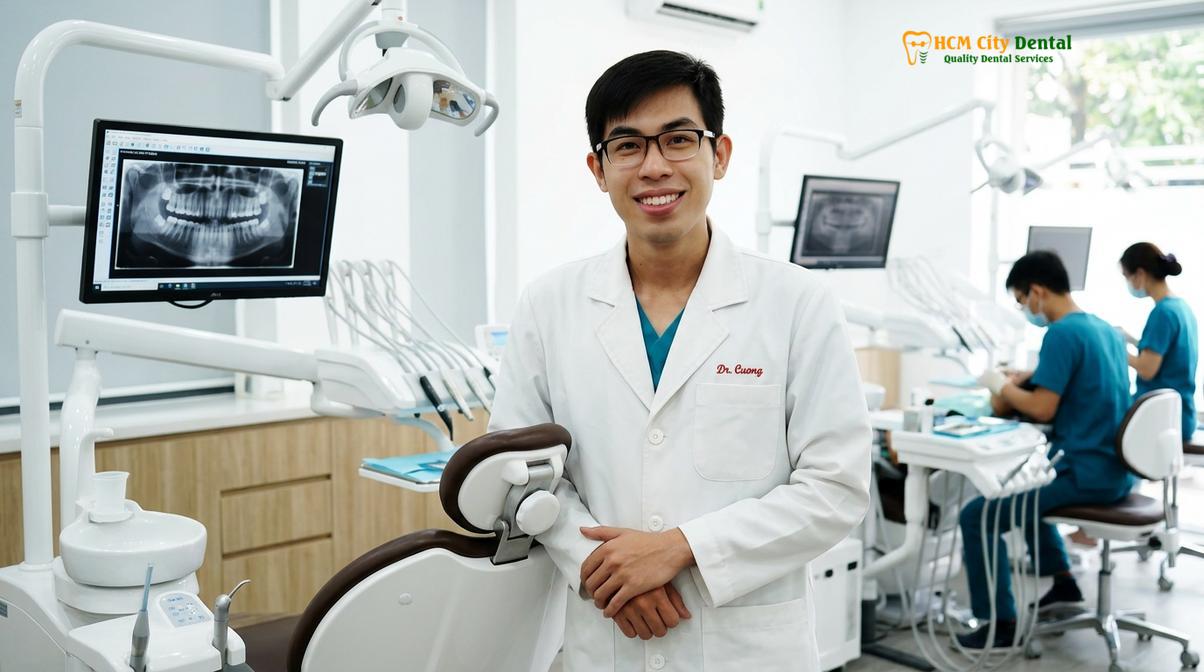
During the initial setup appointment, Dr. Nguyen Van Cuong or a trained clinical assistant will guide the patient through their first scan. The process involves downloading the specific application (such as Dental Monitoring, My Invisalign, or TrayMinder) and logging in with secure patient credentials. The patient is then taught how to insert the cheek retractor correctly to avoid discomfort. Lighting is a critical factor; patients are instructed to perform their scans in a well-lit environment, preferably facing a window with natural light or standing in a brightly lit bathroom, to ensure the camera captures high-resolution, shadow-free images.
The scanning process itself usually takes less than three minutes. The app provides audible and visual cues, guiding the patient to move the camera slowly from one side of the mouth to the other, capturing video or burst photos of the teeth with the aligners in, and then repeating the process with the aligners out. Once the scan is complete, the data is encrypted and uploaded to the clinic’s portal. We also take this time to educate patients on what to do if they experience hardware issues, such as repairing broken fixed retainers later in their retention phase, or understanding lost retainer replacement protocols if they misplace their appliances while traveling.
When to See a Doctor (Clinical Considerations)
While clear aligner tracking apps are highly effective at managing routine orthodontic progress, they are not a substitute for professional clinical intervention when acute issues arise. Patients must understand the distinction between minor tracking delays, which can be managed remotely, and significant clinical complications that require an immediate in-office examination.
You should schedule an immediate physical appointment with your orthodontist if you experience severe, unyielding pain that does not subside within a few days of switching to a new aligner. While mild tenderness is a normal biological response to orthodontic forces, sharp or radiating pain may indicate an underlying endodontic issue or excessive force being applied to a specific tooth. Additionally, if you notice that multiple composite attachments have debonded or fallen off, you must visit the clinic to have them replaced. The aligners cannot execute complex movements without these crucial anchor points, and continuing to wear the trays without attachments will lead to treatment failure.
Furthermore, if your tracking app repeatedly flags your scans for poor tracking despite your strict adherence to the 22-hour wear rule and diligent use of aligner chewies, a physical intervention is necessary. In these cases, the orthodontist may need to perform interproximal reduction (IPR) to create microscopic spaces between crowded teeth, allowing them the necessary room to move. Finally, if you experience any signs of severe gingival recession, mobility of the teeth beyond normal orthodontic looseness, or if you require complementary appliances like protective nightguards due to heavy bruxism, a comprehensive clinical evaluation is mandatory.
Frequently Asked Questions
Find clear, evidence-based answers to the most common questions regarding the use of digital tracking applications in clear aligner therapy.
Do I still need to visit the dentist if I use a tracking app?
Yes, periodic in-office visits are still clinically necessary. While tracking apps significantly reduce the frequency of routine checkups by allowing remote monitoring, your orthodontist must still perform physical examinations, perform interproximal reduction (IPR), and place or remove composite attachments at specific treatment milestones. These physical interventions cannot be executed remotely, making occasional clinic visits an essential part of your comprehensive care plan.
How often do I need to scan my teeth using the app?
Most clinical protocols require patients to perform a digital scan every one to two weeks, typically right before switching to the next aligner tray. Your specific scanning frequency will be determined by your orthodontist based on your individual treatment complexity and tooth movement predictability. Adhering strictly to this scanning schedule ensures that your doctor receives a continuous stream of data to monitor your progress accurately.
Are monitoring apps compatible with all smartphone models?
Most modern aligner tracking applications are compatible with recent iOS and Android smartphones. The primary requirement is a high-resolution rear-facing camera and a stable internet connection to ensure the artificial intelligence algorithms can accurately process the intraoral photographs. If your device is exceptionally old or has a damaged camera lens, it may struggle to capture the detailed images required for precise clinical evaluation.
What happens if the app detects that my teeth are not tracking?
If the software detects a tracking issue, it will alert your orthodontist and typically instruct you to continue wearing your current aligner for a few extra days. You may also be advised to use aligner chewies to improve seating, or you may be called into the clinic for a physical adjustment. Following these instructions is critical to prevent the tracking error from compounding and delaying your overall treatment timeline.
Can these apps track my daily aligner wear time?
Yes, many comprehensive tracking applications feature built-in timers that allow you to log when you remove and replace your aligners. This helps ensure you meet the clinically recommended 20 to 22 hours of daily continuous wear required for optimal orthodontic tooth movement. Consistent wear time is the single most important patient-controlled variable in achieving a successful and timely clear aligner outcome.
References
- American Journal of Orthodontics and Dentofacial Orthopedics. Artificial intelligence in remote monitoring of clear aligner therapy. (2022).
- Journal of Clinical Orthodontics. Efficacy of smartphone-based remote monitoring in reducing orthodontic appointment frequency. (2021).
- European Journal of Orthodontics. Patient compliance and wear-time tracking in removable orthodontic appliances. (2020).
- Angle Orthodontist. Biomechanical considerations in clear aligner therapy and the role of digital tracking. (2019).
- International Journal of Computerized Dentistry. Photogrammetry and machine learning algorithms in modern dental monitoring. (2023).
For personalized advice on clear aligner therapy and to learn more about our remote monitoring capabilities, schedule a comprehensive consultation with our orthodontic team at HCMC Dental Clinic. We are dedicated to providing advanced, convenient, and highly effective dental care tailored to your lifestyle. If you are considering the long-term maintenance of your smile, you can also explore our resources on orthodontic maintenance costs compared to Japan to understand the value of continuing your care in Vietnam.