Comparing dentures cost Vietnam vs Canada reveals a significant financial advantage for North American patients seeking high-quality oral rehabilitation. While Canadian clinics often charge premium fees for prosthodontics, traveling to Ho Chi Minh City allows patients to access international-standard removable dentures at a fraction of the cost, without compromising clinical quality or material integrity.
Clinical Summary:
The high cost of removable prosthodontics in Canada frequently presents a barrier to comprehensive oral rehabilitation, prompting many patients to seek evidence-based treatment abroad. Dentures fabricated in Vietnam offer a clinically viable and economically sound alternative, utilizing the exact same imported European and Japanese dental materials found in top-tier North American clinics. By leveraging advanced digital workflows, highly trained prosthodontists, and efficient in-house dental laboratories, facilities in Ho Chi Minh City provide precise, biofunctional dentures at substantially reduced out-of-pocket expenses. This approach not only restores masticatory function, phonetics, and facial aesthetics but also integrates seamlessly with medical tourism itineraries, allowing patients to achieve optimal oral health while enjoying a tropical climate.
Key Takeaways:
- Patients can save significantly on full and partial removable prosthetics compared to standard Canadian provincial dental fee guides.
- Vietnamese dental facilities utilize globally recognized materials, including premium cross-linked acrylics and biocompatible titanium frameworks.
- In-house dental laboratories in Saigon expedite the fabrication process, making it ideal for international travelers on a tight schedule.
- Strict cross-infection control protocols in top Vietnamese clinics mirror or exceed North American clinical safety standards.
- Comprehensive treatment plans often include detailed clinical documentation to assist with potential private insurance reimbursement claims.
Out-of-Pocket Dental Crisis: Why Canadian Seniors Look Abroad
The lack of comprehensive public funding for prosthodontics in Canada forces many seniors to bear the full financial burden of tooth replacement, making international dental care an attractive, evidence-based alternative.
The landscape of removable prosthodontics in North America presents a complex challenge for aging populations. Despite having a robust general healthcare system, Canada seniors dental care is largely privatized when it comes to advanced restorative and prosthodontic treatments. Because provincial healthcare plans typically exclude routine dental care and tooth replacement for the general adult population, patients are left to navigate a fragmented system of private insurance and out-of-pocket expenses. This financial barrier often leads to delayed treatment, which carries significant clinical consequences.
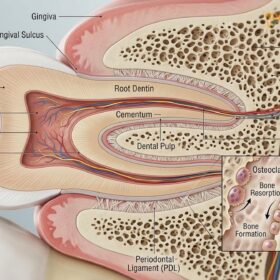
When missing teeth are not replaced promptly, the underlying alveolar bone begins to resorb due to the lack of mechanical stimulation from the tooth roots. This residual ridge resorption alters the facial vertical dimension, leading to a collapsed facial appearance, compromised masticatory efficiency, and potential temporomandibular joint (TMJ) disorders[1]. Furthermore, the inability to chew fibrous foods and proteins adequately can lead to systemic nutritional deficiencies, exacerbating other age-related medical conditions. The psychological impact of edentulism—ranging from social withdrawal to diminished self-esteem—further underscores the medical necessity of timely prosthodontic intervention.
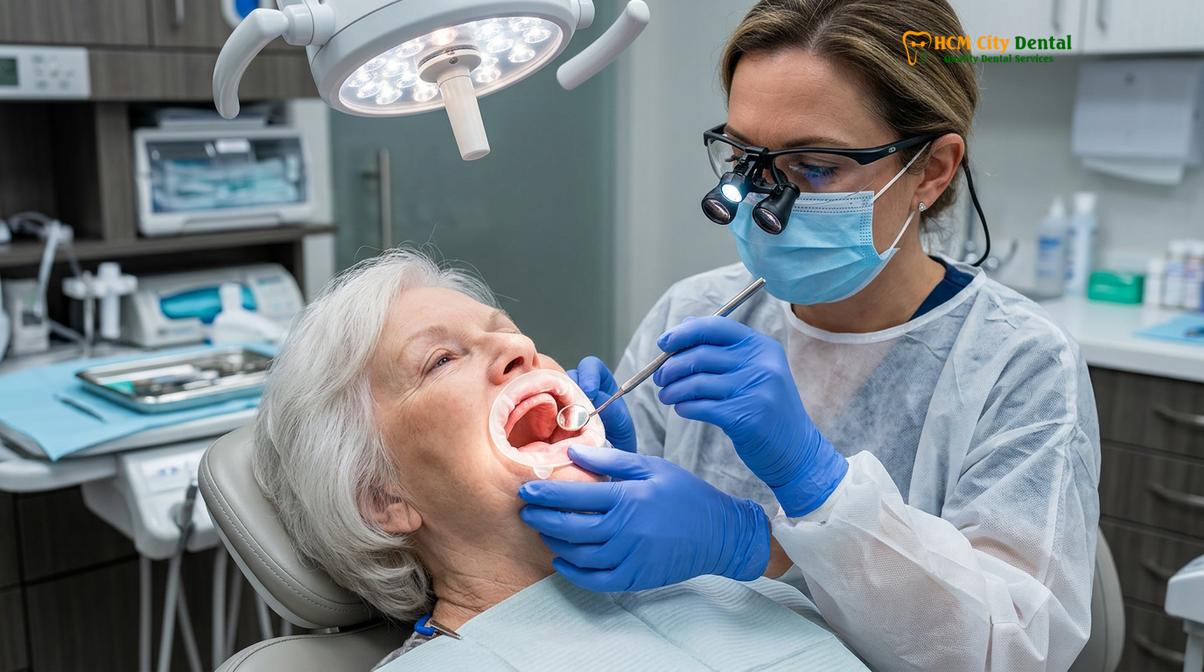
Faced with these clinical realities and prohibitive local costs, a growing demographic is exploring international options. Canadian dental plan coverage, even when available through private employers or retirement benefits, frequently imposes strict annual maximums and high copayments that barely cover the cost of a single arch prosthesis. Consequently, the concept of traveling to Southeast Asia for dental rehabilitation has transitioned from a niche trend to a mainstream healthcare strategy. Patients are discovering that the economic barriers to prosthodontic care can be effectively bypassed without sacrificing the quality of the final medical device[2].
“The physiological consequences of prolonged edentulism extend far beyond aesthetics. Rapid alveolar bone loss complicates future prosthetic rehabilitation. By providing accessible, high-quality dentures, we restore not just the smile, but the patient’s fundamental ability to maintain proper nutrition and systemic health.”
Cost Comparison Table: Canadian Provinces vs. Ho Chi Minh City
Prosthodontic fees in major Canadian cities significantly exceed those in Vietnam due to higher operational overhead and laboratory costs, despite utilizing identical clinical materials.
Understanding the stark contrast in pricing requires a detailed examination of the economic factors driving dental fees. In Canada, the cost of a denture is not merely the cost of the acrylic or metal; it encompasses exorbitant commercial rent, high staff wages, stringent regulatory compliance costs, and expensive third-party laboratory fees. When analyzing Vancouver or Toronto dental fees, patients often find that a standard complete upper and lower denture set can consume a significant portion of their retirement savings. Similarly, the denture cost Montreal clinics quote reflects the high cost of living and operating a medical facility in a major metropolitan area.
In contrast, Vietnam benefits from a lower cost of living and reduced operational overhead. However, it is crucial to understand that this reduction in cost does not equate to a reduction in material quality. Reputable clinics in Ho Chi Minh City import their dental materials—such as polymethyl methacrylate (PMMA) resins, cobalt-chromium alloys, and highly aesthetic artificial teeth—directly from industry-leading manufacturers in Germany, Switzerland, Japan, and the United States. The savings are generated purely through economic efficiency and the integration of in-house dental laboratories, which eliminate the middleman markup.
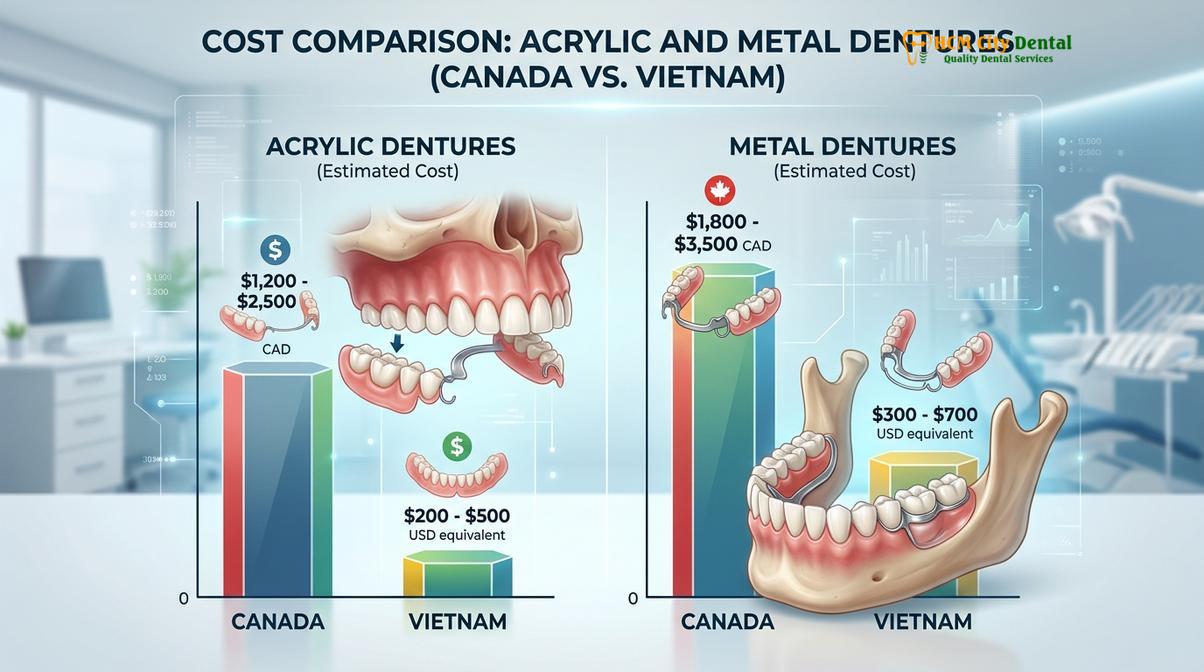
To provide a clear perspective on the financial advantages, the following table outlines the estimated out-of-pocket expenses for various removable prosthodontic solutions. These figures highlight the substantial savings available to international patients seeking comprehensive care abroad.
| Prosthodontic Treatment Type | Estimated Cost in Canada (CAD) | Estimated Cost in Vietnam (CAD) | Clinical Indication |
|---|---|---|---|
| Standard Acrylic Complete Denture (Per Arch) | $1,500 – $2,500 | $300 – $600 | Complete edentulism with adequate ridge anatomy. |
| Premium Biofunctional Denture (BPS) | $3,000 – $4,500 | $800 – $1,200 | Patients requiring enhanced aesthetics and superior masticatory function. |
| Cast Metal Framework Partial Denture | $1,800 – $3,000 | $400 – $700 | Partial edentulism requiring rigid, durable support and minimal tissue coverage. |
| Flexible Thermoplastic Partial (e.g., Valplast) | $1,200 – $2,200 | $350 – $600 | Aesthetic replacement of missing teeth without visible metal clasps. |
| Implant-Supported Overdenture (2 Implants + Locator) | $6,000 – $10,000+ | $2,500 – $4,500 | Severe mandibular ridge resorption requiring mechanical retention. |
This dramatic price differential allows patients to not only afford the necessary treatment but often to upgrade to superior materials. Recent clinical evaluations comparing thermoplastic materials to conventional acrylic partial dentures highlight that modern flexible options provide excellent aesthetics and acceptable durability for specific partial edentulism cases[4]. A patient who could only afford a basic acrylic partial in Toronto might easily afford a highly durable, precision-cast titanium framework or a premium flexible partial in Saigon, resulting in better long-term oral health outcomes.
Clinical Workflows: The Prosthodontic Journey in Ho Chi Minh City
Fabricating high-quality dentures requires a meticulous clinical workflow, from preliminary anatomical impressions to precise bite registration and final occlusal adjustments.
The creation of a successful removable prosthesis is a complex blend of art, biomechanics, and precise clinical execution. When visiting a skilled Saigon prosthodontist, international patients undergo a rigorous, multi-step workflow designed to ensure optimal fit, function, and aesthetics. The process begins with a comprehensive clinical and radiographic examination to assess the health of the oral mucosa, the volume of the residual alveolar ridge, and the presence of any pathology or undercuts that might interfere with denture insertion.
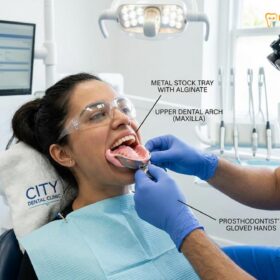
The first active clinical step involves taking preliminary impressions using alginate or a highly accurate polyvinyl siloxane (PVS) material. From these impressions, the in-house laboratory fabricates custom impression trays tailored specifically to the patient’s unique anatomy. During the subsequent visit, the dentist performs border molding—a critical technique using thermoplastic green stick compound to capture the dynamic movements of the facial muscles, frenal attachments, and the floor of the mouth. This step is paramount for achieving the peripheral seal necessary for the suction and retention of a complete denture.
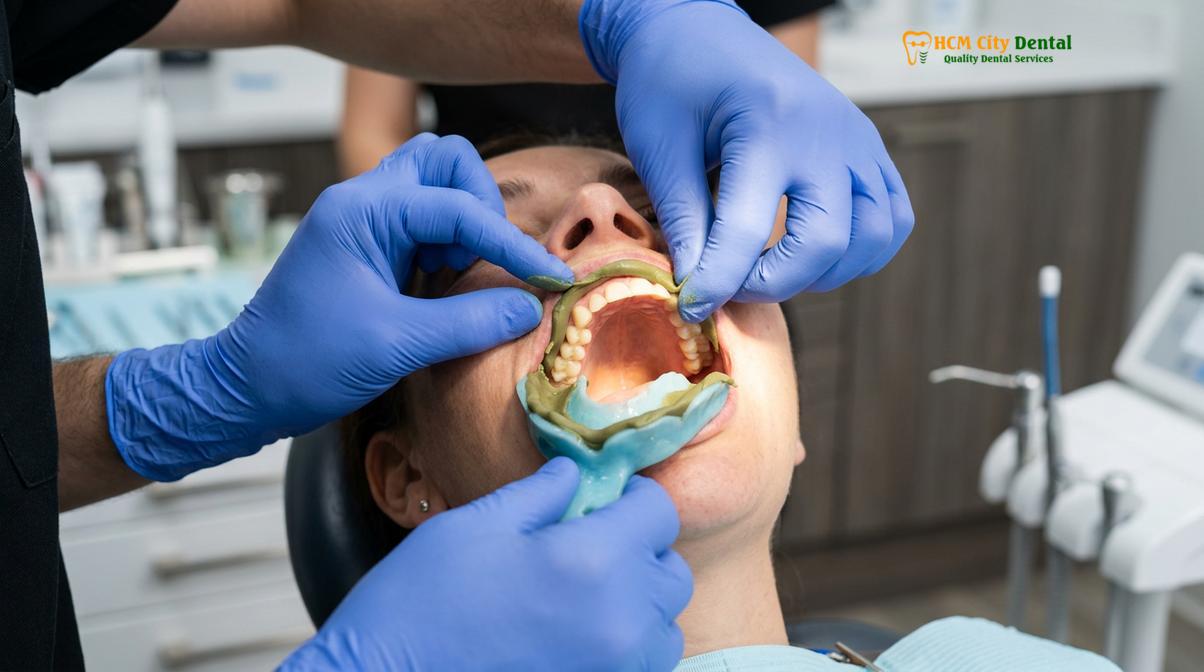
Following the master impression, the clinician records the patient’s maxillomandibular relationship. This involves determining the correct vertical dimension of occlusion (VDO) and guiding the patient’s jaw into centric relation (CR). A facebow transfer may be utilized to mount the maxillary cast on a semi-adjustable articulator, replicating the patient’s exact jaw movements. The selection of artificial teeth is then performed collaboratively, considering the patient’s facial shape, age, complexion, and personal aesthetic preferences to ensure a natural-looking smile.
Clinical Case Review: Restoring Function and Confidence
A 68-year-old patient from Calgary presented to HCMC Dental Clinic in Ho Chi Minh City with severely worn, ill-fitting complete dentures that caused chronic mucosal ulceration and difficulty chewing. Clinical examination revealed moderate mandibular ridge resorption. The treatment plan involved fabricating new premium biofunctional dentures utilizing a closed-mouth impression technique to capture functional tissue dynamics. Following a meticulous try-in phase to verify phonetics and aesthetics, the final prostheses were delivered. The patient reported an immediate improvement in retention, masticatory efficiency, and facial profile, highlighting the efficacy of precise clinical protocols combined with high-quality materials.
Before the final processing of the denture, a wax try-in appointment is mandatory. During this visit, the teeth are set in wax, allowing both the dentist and the patient to evaluate the aesthetics, phonetics (speech), and occlusal relationship. Any necessary adjustments are made chairside. Once approved, the denture is processed in the laboratory using heat-cured or injection-molded acrylic resins under high pressure to minimize porosity and maximize strength. Furthermore, many patients opt to use their new conventional dentures as a transitional prosthesis before eventually upgrading to an implant-supported overdenture system, a pathway well-supported by modern clinical protocols[5].
Sterilization and Clinical Safety Standards in Vietnam vs. Canada
Top-tier dental facilities in Vietnam adhere strictly to international cross-infection control protocols, utilizing Class B autoclaves and rigorous sterilization tracking comparable to Canadian regulatory standards.
A primary concern for any patient considering medical treatment abroad is the standard of clinical safety and hygiene. It is a common misconception that lower treatment costs equate to compromised safety protocols. In reality, leading facilities catering to international patients in Vietnam operate under stringent cross-infection control measures that are heavily scrutinized and often accredited by international bodies. These clinics strictly adhere to guidelines set by the Vietnam Ministry of Health (BYT) and the World Health Organization (WHO VN), ensuring a sterile surgical and restorative environment.
At the core of these safety protocols is the central sterilization room, equipped with advanced Class B fractionated vacuum autoclaves. Unlike standard sterilizers, Class B autoclaves utilize multiple vacuum pulses to remove all air from the chamber, ensuring that pressurized steam penetrates even the most complex, hollow instruments, such as dental handpieces. Every instrument used in custom dental prosthetics and general treatments is meticulously cleaned in an ultrasonic bath, individually pouched with chemical indicator strips, and sterilized. These pouches remain sealed until they are opened in front of the patient immediately prior to treatment, effectively mitigating cross-infection risks in international dental tourism facilities[3].
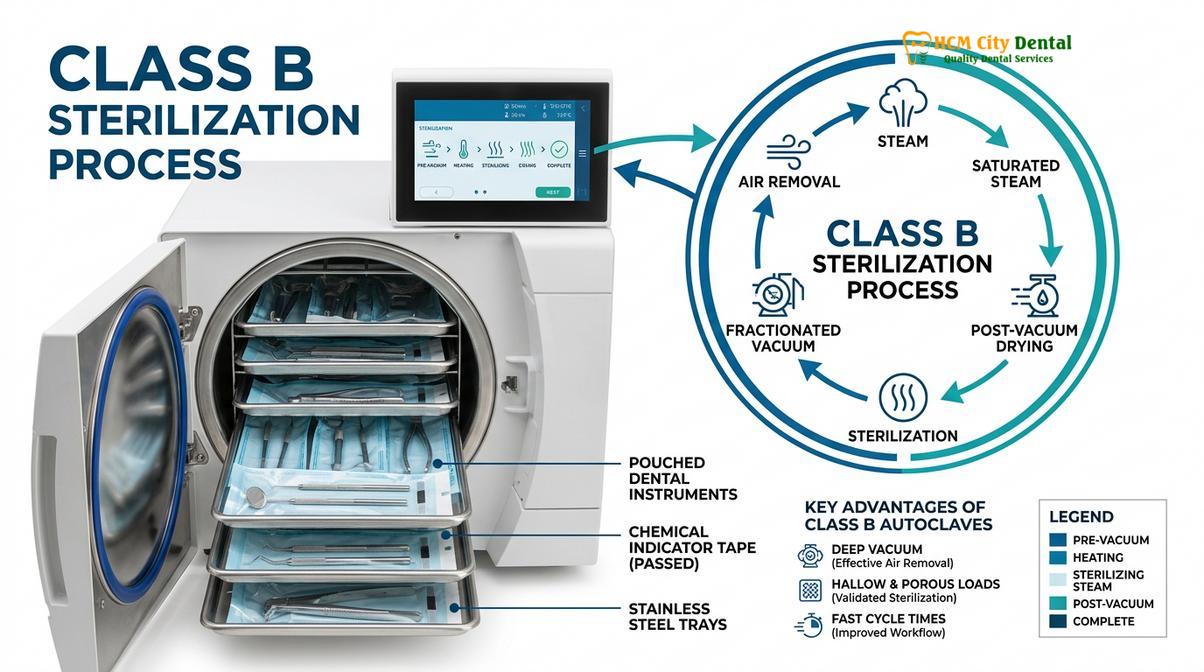
Furthermore, surface disinfection protocols utilize hospital-grade virucidal and bactericidal agents between every patient visit. Disposable barriers are applied to high-touch areas, such as light handles, chair controls, and suction units. The clinical staff, including dentists, assistants, and hygienists, strictly adhere to personal protective equipment (PPE) guidelines, utilizing fresh gloves, masks, and protective eyewear for every procedure.
Expat Medical Insurance: Submitting Claims for Canadian Patients
While provincial healthcare rarely covers international dental work, patients with private Canadian insurance may be eligible for partial reimbursement by submitting properly translated clinical documentation.
A critical aspect of planning a dental trip to Vietnam involves understanding how to navigate private insurance claims. Many Canadian expatriates and medical tourists carry private dental insurance policies that offer out-of-network or international coverage. However, successfully claiming reimbursement for prosthodontic work performed abroad requires meticulous preparation and specific documentation from the treating clinic.
Before traveling, patients should contact their insurance provider to request a detailed breakdown of their international coverage limits, specifically asking for the required documentation formats. Reputable clinics in Ho Chi Minh City are well-versed in assisting international patients with these administrative tasks. They can provide comprehensive treatment plans, itemized invoices with corresponding international dental codes, and pre- and post-operative radiographs. All documentation should be requested in English to facilitate a smooth claims process upon returning to Canada.
“Navigating cross-border healthcare requires meticulous documentation. Patients who proactively secure detailed, translated clinical records significantly improve their chances of partial reimbursement from private North American insurance carriers.”
When to Seek Clinical Adjustments for New Dentures
Adapting to new removable prosthetics requires time, but certain clinical signs indicate the need for immediate professional adjustment to prevent tissue damage.
Even with the most precise fabrication techniques, new dentures require an adaptation period. The oral mucosa must adjust to the pressure of the new acrylic base, and the neuromuscular system must adapt to the new occlusal scheme. However, patients should not endure severe pain. It is critical to know when to return to the clinic for adjustments.
Important Patient Advisory: When to See a Doctor
Seek immediate clinical evaluation if you experience persistent mucosal ulcerations, bleeding, or sore spots that do not improve after a few days of wear. These localized pressure points can quickly lead to painful abrasions if left unadjusted. Additionally, if you experience significant difficulty speaking or swallowing after the initial adjustment phase, or if there is a noticeable lack of retention causing the prosthesis to dislodge during normal mastication, a clinical reline or occlusal adjustment is necessary.
Top clinics in Ho Chi Minh City factor these follow-up adjustment appointments into the overall treatment timeline, ensuring patients leave with a comfortable, fully functional prosthesis before returning to North America.
Winter Escape: Scheduling Your Denture Work During a Vietnam Holiday
Combining prosthodontic rehabilitation with a tropical vacation allows Canadian patients to escape harsh winters while receiving premium dental care in a relaxed environment.
The timeline for fabricating custom dentures aligns perfectly with a standard two-to-three-week vacation itinerary. Many Canadian seniors choose to schedule their dental appointments in Saigon during the North American winter months. This strategy not only provides a respite from freezing temperatures but also allows ample time for the necessary clinical appointments, laboratory fabrication, and crucial follow-up adjustments.
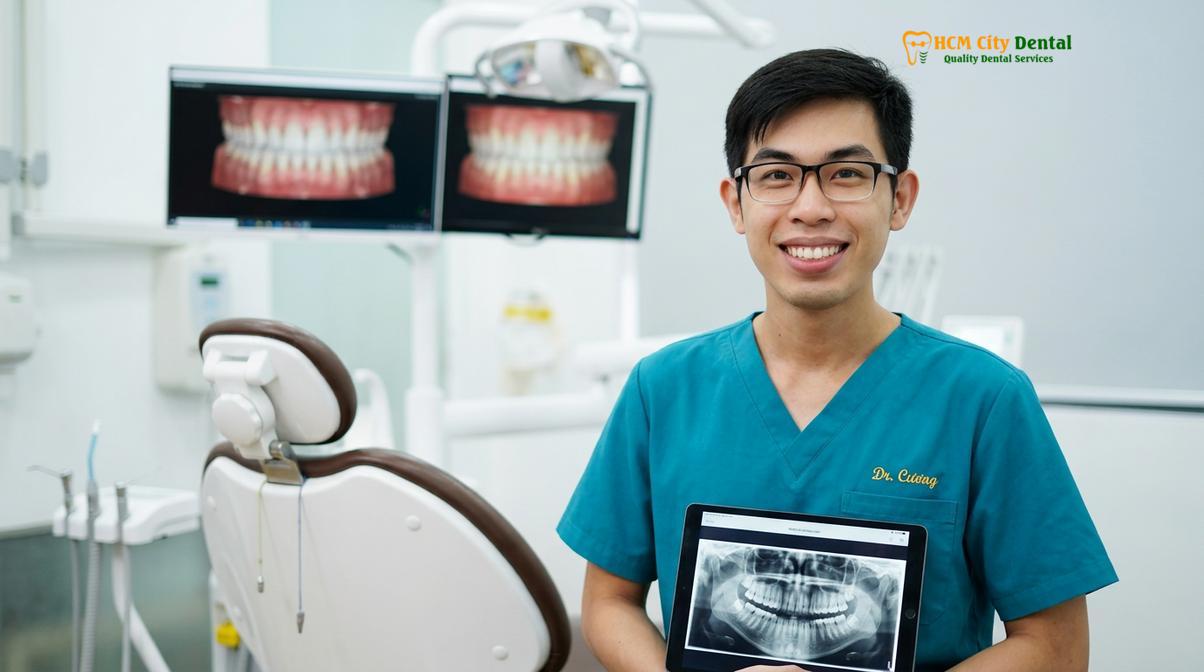
Dr. Nguyen Van Cuong, a leading specialist at HCMC Dental Clinic, frequently observes the transformative impact of accessible care on international patients. He and his clinical team emphasize that comprehensive General Dentistry protocols are essential for long-term prosthodontic success. By utilizing advanced impression techniques and premium biofunctional materials, Dr. Cuong ensures optimal retention and stability for every patient, guiding them through a seamless treatment journey.
Between clinical visits, patients can explore the rich cultural heritage, culinary delights, and historical landmarks of Ho Chi Minh City. The city offers a wide range of accommodations, from budget-friendly boutique hotels to luxury international resorts, catering to all preferences. By planning ahead and communicating clearly with the chosen dental facility, patients can transform a necessary medical procedure into a rejuvenating and financially rewarding international experience.
If you are a Canadian resident struggling with the high costs of tooth replacement, exploring international options can provide a viable path to restoring your smile and oral health. Contact the international patient coordination team at HCMC Dental Clinic in Ho Chi Minh City today to request a preliminary consultation and discover how premium prosthodontic care can fit within your budget.
References
- Journal of Prosthetic Dentistry. Residual ridge resorption and the biomechanics of removable complete dentures. (2021).
- International Journal of Prosthodontics. Economic barriers to prosthodontic care among North American seniors. (2020).
- British Dental Journal. Cross-infection control protocols in international dental tourism facilities. (2019).
- Journal of the American Dental Association. Clinical outcomes of thermoplastic vs. conventional acrylic partial dentures. (2022).
- Clinical Oral Implants Research. Transitioning from removable prosthetics to implant-supported overdentures. (2018).
For pricing, booking, and a free clinical assessment, visit our Dentures & Removable Prosthetics service page at HCMC Dental Clinic in Ho Chi Minh City.