Patients comparing dentures cost Vietnam vs Australia typically discover they can save up to 70% on premium prosthetics. While a full set of biofunctional dentures in Sydney or Melbourne can exceed thousands of dollars, traveling to HCMC Dental Clinic in Ho Chi Minh City offers world-class, custom-milled frameworks at a fraction of the price without compromising on clinical quality.
Clinical Summary:
The comparative analysis of prosthodontic rehabilitation reveals a profound financial disparity between the Australian and Vietnamese dental sectors. Edentulous patients facing prohibitive out-of-pocket expenses for removable prosthetics in Australia are increasingly turning to international alternatives. Clinical workflows in premier Vietnamese dental institutions utilize identical TGA-compliant materials—such as high-impact PMMA, cross-linked acrylic teeth, and Cobalt-Chrome alloys—ensuring that structural integrity, biocompatibility, and aesthetic outcomes meet stringent global standards. By leveraging lower operational overheads and integrated in-house dental laboratories, clinics in Ho Chi Minh City deliver comprehensive denture fabrication, including complex border molding and precise jaw relation registrations, at highly accessible price points. This paradigm shift allows patients to achieve optimal masticatory function and facial support without the financial burden typically associated with advanced prosthodontic care in Western nations.
Key Takeaways:
- Cost savings on complete and partial dentures in Vietnam frequently range from 60% to 80% compared to Australian private clinic fees.
- Vietnamese prosthodontists utilize globally recognized materials, including premium European acrylics and biofunctional prosthetic systems.
- The clinical fabrication timeline typically requires a 7 to 10-day stay to ensure accurate impressions, wax try-ins, and necessary adjustments.
- Logistical expenses, including flights and accommodation, are easily absorbed by the substantial reduction in clinical and laboratory fees.
- Comprehensive post-delivery care and structural warranties provide peace of mind for international patients seeking long-term dental rehabilitation.
The Dental Crisis in Australia: Long Waiting Lists and High Private Fees
Australia’s dental sector is characterized by extensive public waiting lists and prohibitive private fees, driving edentulous patients to seek timely, affordable prosthodontic care overseas.
The landscape of oral healthcare in Australia presents a complex challenge for patients suffering from partial or complete edentulism. The public dental system, while designed to provide a safety net, is frequently overwhelmed, resulting in waiting lists that can stretch for years. For a patient requiring immediate functional rehabilitation to restore basic masticatory ability and nutritional intake, these delays are clinically unacceptable. Prolonged edentulism accelerates alveolar bone resorption, alters facial morphology, and can lead to severe temporomandibular joint (TMJ) dysfunction [1]. Consequently, patients are forced into the private sector, where the financial barriers are often insurmountable.
In the private sector, the fabrication of removable prosthetics involves significant clinical chair time and high domestic laboratory fees. Australian dental technicians operate under high cost-of-living and wage structures, which are inevitably passed on to the patient. A standard set of complete upper and lower dentures can consume a vast portion of a patient’s savings, while premium options, such as implant-retained overdentures or biofunctional prosthetic systems, are priced as luxury medical services. This economic reality has catalyzed the rise of Australia dental travel, transforming it from a niche concept into a mainstream healthcare strategy.
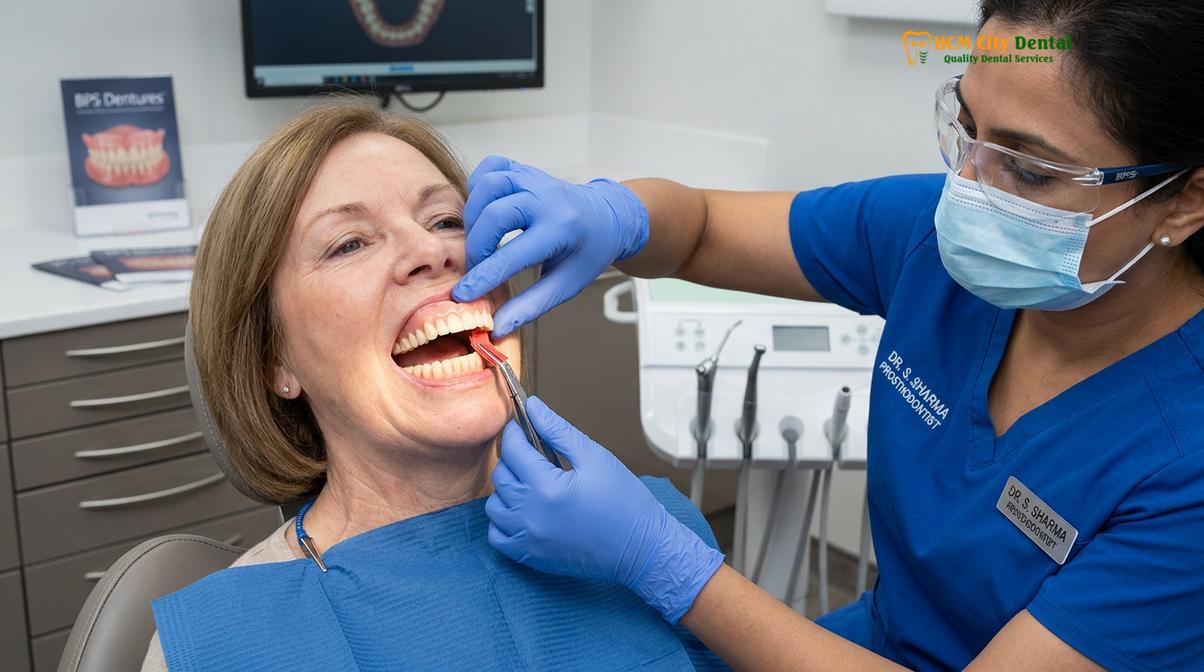
The psychological impact of tooth loss, compounded by the inability to afford timely replacement, profoundly affects a patient’s quality of life. Social isolation, dietary restrictions leading to systemic health issues, and a decline in self-esteem are common sequelae. By seeking treatment internationally, patients bypass the systemic bottlenecks of their home country, accessing immediate, high-quality care that restores both physiological function and psychological well-being.
Cost Breakdown: Sydney/Melbourne Pricing vs. District 1 Saigon
Patients traveling to Saigon can expect to pay a fraction of the cost for dentures compared to major Australian cities, primarily due to reduced laboratory and operational overheads.
A granular examination of prosthodontic fees reveals the stark contrast between the two nations. When evaluating the BPS cost Sydney Melbourne clinics charge, patients often encounter estimates that reflect the premium nature of the Biofunctional Prosthetic System. This system, renowned for its precise physiological registration and high-end Ivoclar materials, commands top-tier pricing in Australia. Similarly, the standard dentures price Brisbane practitioners quote for conventional acrylic or cast-metal partials remains significantly elevated due to the aforementioned domestic economic factors.
In contrast, the financial ecosystem of dental tourism Saigon offers a highly favorable alternative. The reduction in cost is not a reflection of compromised clinical standards or inferior materials, but rather the result of distinct macroeconomic variables. Lower commercial real estate costs, reduced administrative overheads, and highly efficient, often in-house, dental laboratories allow Vietnamese clinics to offer the exact same prosthetic solutions at a substantially reduced rate [2].
| Prosthodontic Treatment Type | Estimated Cost in Australia (AUD) | Estimated Cost in Vietnam (AUD) | Clinical Savings (%) |
|---|---|---|---|
| Standard Acrylic Full Denture (Per Arch) | $1,200 – $2,000 | $300 – $600 | Up to 75% |
| Premium BPS Denture (Per Arch) | $2,500 – $4,000 | $800 – $1,200 | Up to 70% |
| Cobalt-Chrome Cast Partial Denture | $1,500 – $2,500 | $400 – $700 | Up to 72% |
| Flexible Thermoplastic Partial (Valplast) | $1,100 – $1,800 | $350 – $550 | Up to 69% |
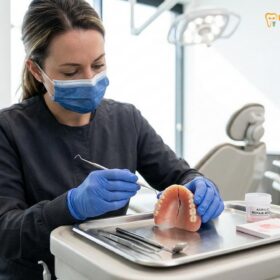
The clinical workflow remains rigorous regardless of the geographic location. A comprehensive denture fabrication process involves primary alginate impressions, the creation of custom trays, secondary impressions using elastomeric materials or zinc oxide eugenol for precise border molding, jaw relation registration using wax occlusal rims, and a critical wax try-in phase. In Australia, the cumulative cost of these clinical appointments, combined with the laboratory phases, creates the high final fee. In Vietnam, the efficiency of having master technicians working in tandem with the prosthodontist streamlines the process, reducing both time and cost without sacrificing the meticulous attention to detail required for a successful prosthetic outcome.
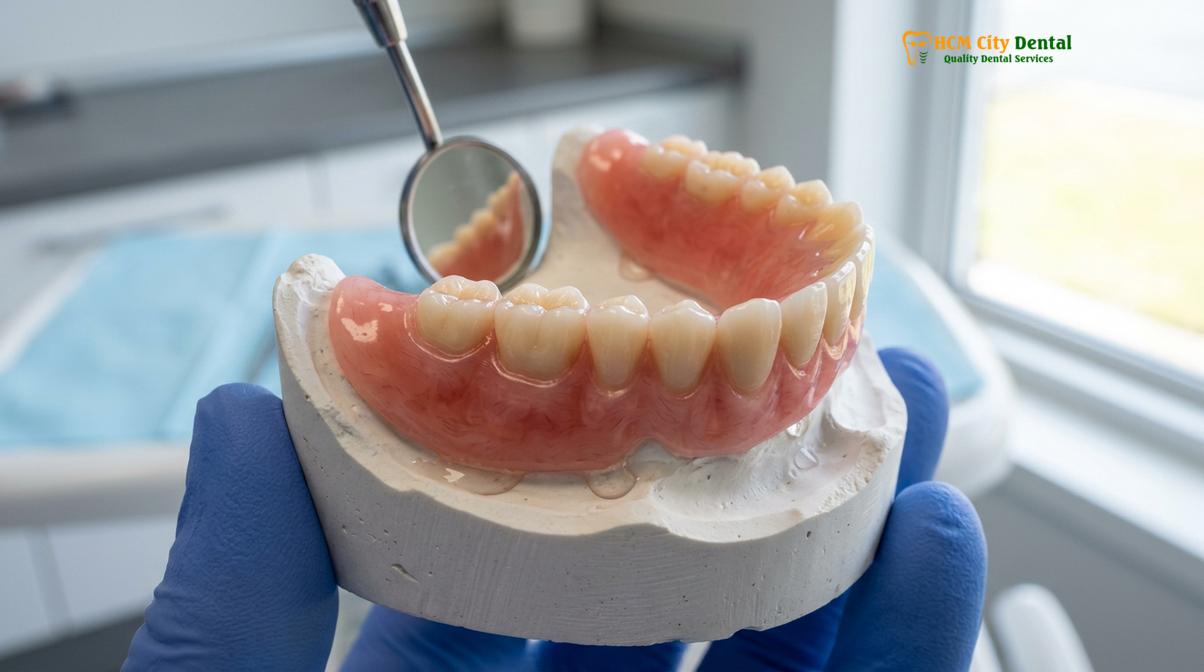
Furthermore, the integration of digital dentistry in Vietnamese clinics has optimized the fabrication process. Intraoral scanning, CAD/CAM design of metal frameworks, and 3D printing of custom trays enhance precision while minimizing material waste and labor hours. This technological parity ensures that patients receive state-of-the-art comprehensive dental care that rivals, and sometimes exceeds, the standard of care available in their home country.
Australian Standards: Compliance with TGA-like Materials in Vietnam
Premier dental institutions in Vietnam strictly utilize globally certified, biocompatible materials that mirror the stringent regulatory standards enforced by the Australian Therapeutic Goods Administration.
A primary concern for international patients is the quality and safety of the materials used in their prostheses. The Australian Therapeutic Goods Administration (TGA) mandates rigorous testing for biocompatibility, toxicity, and structural durability for all dental materials. Reputable clinics in Vietnam, catering to an international demographic, proactively adopt these identical standards, sourcing their materials from the same global manufacturers utilized by Australian laboratories.
For conventional and premium dentures, the base material is typically a high-impact polymethyl methacrylate (PMMA). Clinics in Vietnam import premium PMMA from industry leaders such as Ivoclar Vivadent (Liechtenstein) and GC Corporation (Japan). These materials offer superior flexural strength, reduced residual monomer content (minimizing the risk of allergic tissue reactions), and excellent color stability [3]. The prosthetic teeth themselves are crafted from highly cross-linked acrylic resins or composite materials, designed to resist wear and maintain their anatomical morphology under the stress of mastication.
“The longevity and functional success of a removable prosthesis are inextricably linked to the physical properties of the chosen materials. Utilizing high-impact, cross-linked polymers ensures that the denture base can withstand dynamic occlusal forces while maintaining intimate tissue adaptation.”
When fabricating partial dentures, the choice of framework material is critical. Cobalt-Chromium (Co-Cr) alloys are the gold standard for cast partials due to their high modulus of elasticity, allowing for thin, lightweight, yet incredibly rigid frameworks. Vietnamese dental laboratories utilize biocompatible, nickel-free Co-Cr alloys imported from Europe, ensuring compliance with international safety directives. For patients requiring metal-free alternatives, flexible thermoplastic resins are employed, providing excellent aesthetics by eliminating visible metal clasps and utilizing tissue-colored extensions for retention [5].
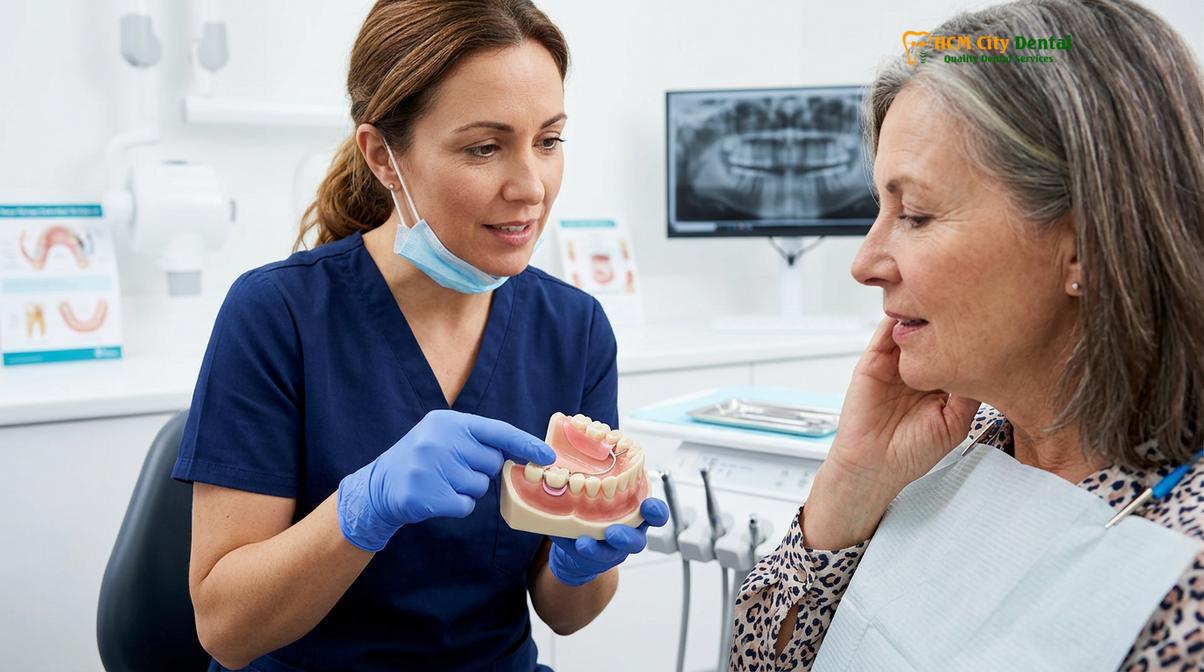
The commitment to international standards extends beyond materials to encompass stringent infection control protocols. Sterilization procedures adhere to guidelines established by the World Health Organization (WHO) and the Vietnam Ministry of Health (MOH), ensuring a clinical environment that is as safe as any top-tier practice globally [6]. Class B autoclaves, strict single-use policies for disposable items, and rigorous surface decontamination provide patients with the confidence that their health and safety are never compromised in the pursuit of affordability.
Flight and Accommodation Budgets: Maximizing Your Savings
Strategic logistical planning allows patients to easily offset the costs of flights and accommodation against the substantial savings achieved on their dental treatment.
The financial viability of traveling for dental care relies on a holistic assessment of all associated costs. When calculating the total expenditure, patients must factor in flights, accommodation, and daily living expenses. However, due to favorable Australian dollar conversions and the low cost of living in Vietnam, these logistical expenses represent a minor fraction of the overall budget, preserving the vast majority of the clinical savings.
Direct flights from major Australian cities to Tan Son Nhat International Airport in Ho Chi Minh City are frequent and competitively priced. Budget airlines frequently offer promotional fares, making the initial transit highly economical. Upon arrival, the accommodation options in District 1 and surrounding areas cater to all budgets, ranging from affordable boutique hotels to luxury serviced apartments. Many patients find that a 10-day stay in a comfortable hotel, inclusive of meals and local transport, costs less than a single minor dental procedure in Australia.
The clinical timeline for custom denture fabrication dictates the length of stay. A standard protocol requires approximately 7 to 10 days. This period is not merely for laboratory fabrication; it is essential for the iterative clinical steps that ensure a successful outcome. The workflow typically involves comprehensive clinical examinations, secondary impressions using custom trays, jaw relation registrations, and a critical wax try-in phase where the patient evaluates the tooth arrangement before final processing [4].
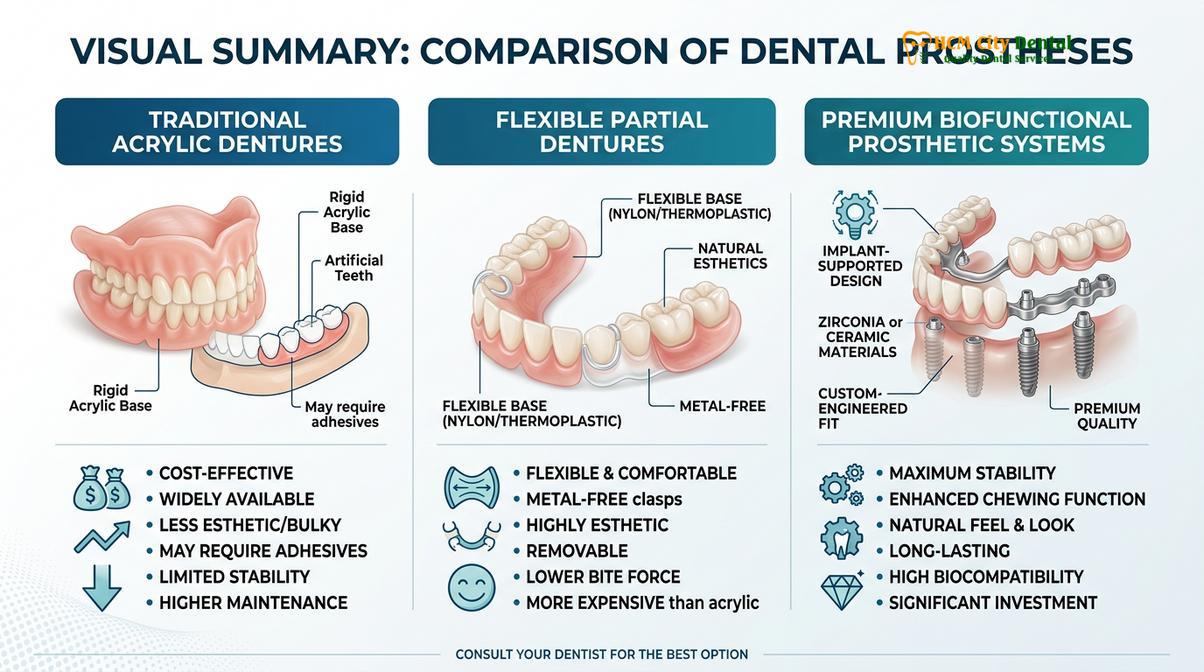
This structured timeline ensures that the prosthodontist has ample opportunity to refine the prosthesis. Patients are encouraged to use the intervening days to rest, explore the city, and recover. The integration of a holiday experience with essential medical care is the cornerstone of the dental tourism Saigon model, transforming a traditionally stressful medical intervention into a positive, rehabilitative journey.
Real Patient Stories: Australian Expats Who Refitted Gums in Saigon
Documented clinical outcomes and patient testimonials highlight the functional restoration and aesthetic success achieved by international patients receiving prosthodontic care in Vietnam.
The true measure of any medical intervention lies in the clinical outcomes and the subsequent improvement in the patient’s quality of life. For many Australians, the decision to seek treatment abroad is validated by the profound success of their prosthodontic rehabilitation. The expatriate community in Vietnam frequently shares their experiences, providing a wealth of anecdotal and documented evidence supporting the efficacy of local dental care.
Clinical Case Study: Maxillary and Mandibular Rehabilitation
Patient Profile: A 68-year-old male from Melbourne visited HCMC Dental Clinic in Ho Chi Minh City presenting with severely worn, ill-fitting complete dentures fabricated over a decade prior. Clinical examination revealed significant mandibular ridge resorption and epulis fissuratum (hyperplastic tissue) in the maxillary anterior vestibule due to chronic trauma from the unstable prosthesis.
Clinical Intervention: Following a period of tissue conditioning using a soft reline material to resolve the mucosal inflammation, a new set of premium BPS dentures was fabricated. The mandibular impression utilized a closed-mouth, functional border molding technique to achieve a suction-effective seal, maximizing retention despite the compromised anatomy.
Outcome: The patient reported an immediate restoration of masticatory efficiency, allowing for a return to a normal diet. The precise establishment of the vertical dimension of occlusion (VDO) resolved his chronic TMJ discomfort and restored optimal facial aesthetics, eliminating the collapsed appearance of the lower third of the face.
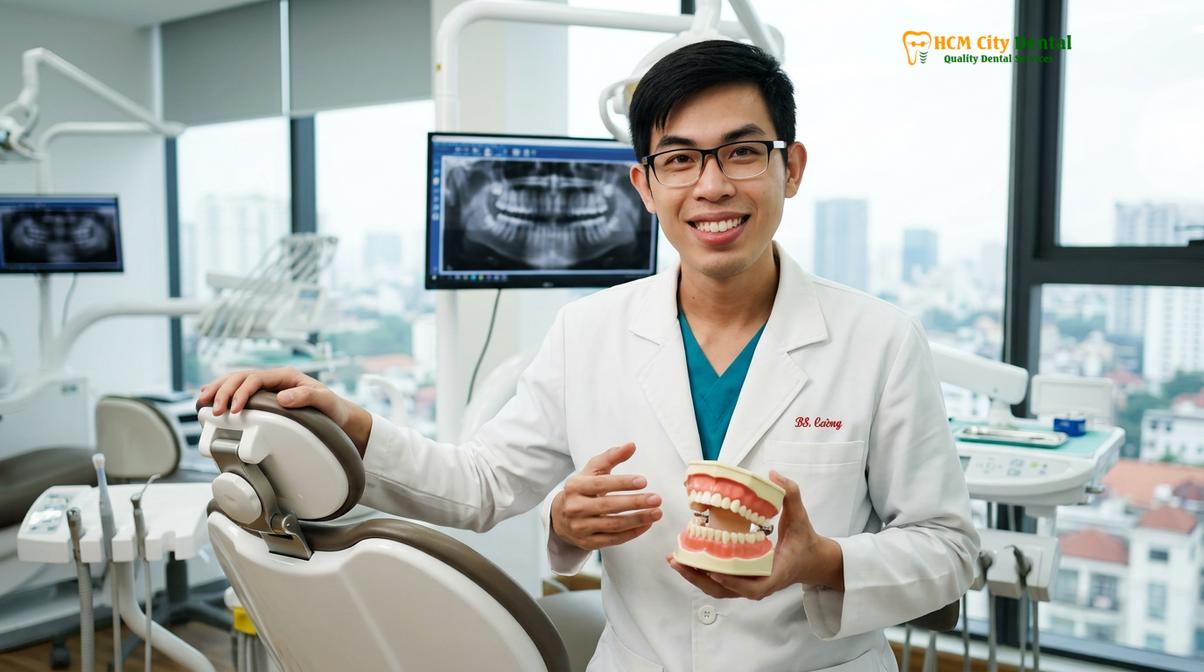
Dr. Nguyen Van Cuong, a leading specialist in prosthodontics, emphasizes the importance of personalized care in these complex cases. He notes that every edentulous ridge is anatomically unique, requiring meticulous evaluation to achieve optimal stability and retention. Under his guidance, the clinical team ensures that each prosthesis restores both masticatory function and facial aesthetics, providing patients with a renewed sense of confidence.
“Every edentulous ridge is anatomically unique. Achieving stability, particularly in the lower arch, requires a deep understanding of the myodynamic forces exerted by the tongue, lips, and cheeks. By meticulously capturing these functional parameters during the impression phase, we can deliver a prosthesis that truly integrates with the patient’s oral environment.”
When to Consult a Prosthodontist: Important Clinical Considerations
Recognizing the clinical signs of a failing prosthesis is crucial for preventing long-term soft tissue damage and accelerated bone loss.
Patients currently wearing removable prosthetics should be vigilant regarding changes in fit and function. Dentures are not permanent fixtures; the underlying alveolar bone continuously remodels and resorbs over time, altering the foundation upon which the denture rests. It is generally recommended to consult a prosthodontist if you experience chronic sore spots, difficulty chewing certain foods, or if the dentures require excessive amounts of adhesive to remain stable. Furthermore, audible clicking during speech or a noticeable change in facial profile (such as a deepening of the nasolabial folds) are strong indicators that the vertical dimension of occlusion has been lost and a new prosthesis is required.
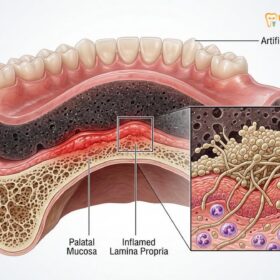
Delaying treatment when these symptoms arise can lead to hyperplastic tissue reactions, fungal infections (such as denture stomatitis), and severe ridge atrophy that complicates future prosthetic rehabilitation. Regular clinical evaluations ensure that the prosthesis continues to function harmoniously with the oral tissues, maintaining both oral health and overall well-being.
References
- Journal of Oral and Maxillofacial Surgery. Biomechanical principles and tissue response in complete dentures.
- International Journal of Oral and Maxillofacial Surgery. Suction-effective lower dentures and border molding outcomes.
- British Dental Journal. Patient satisfaction and chewing efficacy with premium BPS dentures.
- Journal of the American Dental Association. Implant-supported overdentures vs. conventional removable prosthetics.
- Clinical Oral Investigations. Thermoplastic flexible partial dentures: clinical suitability and aesthetics.
- Vietnam Ministry of Health (MOH). National guidelines on infection control and material safety in odonto-stomatology.
Are you considering traveling from Australia for affordable, high-quality removable prosthetics? Contact HCMC Dental Clinic, Ho Chi Minh City today to schedule a comprehensive consultation. Explore our full range of General Dentistry services and discover how our expert clinical team can restore your smile and masticatory function with precision-crafted dentures.
For pricing, booking, and a free clinical assessment, visit our Dentures & Removable Prosthetics service page at HCMC Dental Clinic in Ho Chi Minh City.