Finding a highly qualified prosthodontist in Ho Chi Minh City ensures complex dental restorations, such as full-mouth rehabilitation and advanced implant prosthetics, are executed with precision. Specialized training allows these experts to restore optimal oral function, aesthetics, and structural integrity for both local and international patients seeking advanced reconstructive care.
Clinical Summary:
A prosthodontist specializes in the aesthetic and functional restoration of teeth, managing complex cases that exceed routine dental scopes. In Ho Chi Minh City, seeking a board-certified specialist ensures access to advanced diagnostic protocols, precise laboratory synchronization, and evidence-based restorative materials. Fluent communication and rigorous credentialing are paramount for safe, predictable outcomes in these high-stakes clinical procedures.
Key Takeaways:
- Prosthodontists undergo extensive post-graduate training focused exclusively on complex dental restorations and full-mouth rehabilitation.
- Direct communication with an English-speaking specialist prevents critical misunderstandings during complex treatment planning.
- In-house dental laboratories significantly reduce treatment timelines and improve the precision of custom prosthetics.
- Verifying international credentials and local medical board registrations is essential for patient safety.
- Comprehensive consultations should include 3D imaging and a detailed review of all restorative options.
Why You Need a Prosthodontist vs. a General Dentist for Gums Restoration
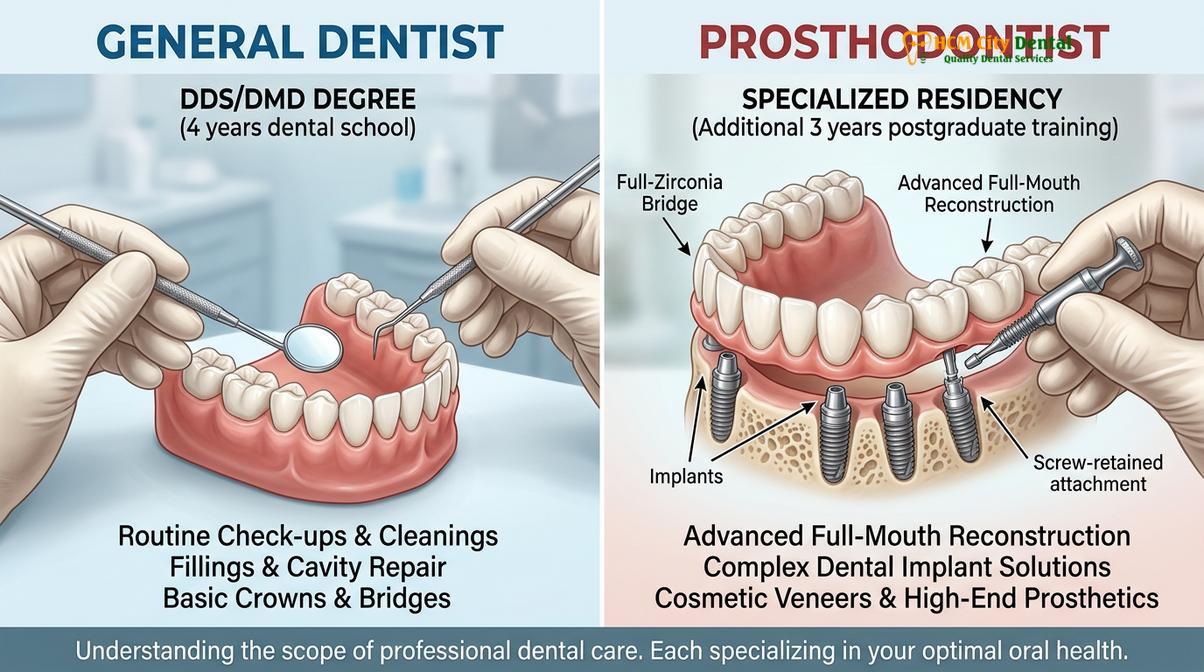
While general dentists handle routine care, a prosthodontist possesses specialized training to manage severe structural damage, complex bite alignments, and advanced gum and bone restorations.
The distinction between routine dental care and advanced reconstructive dentistry is critical when addressing severe oral health degradation. While foundational general dentistry is essential for maintaining oral hygiene, treating minor caries, and performing standard extractions, it often falls short when a patient presents with a collapsed bite, severe periodontal bone loss, or the need for a full-arch reconstruction. A prosthodontist is a recognized dental specialist who has completed several additional years of rigorous, full-time postdoctoral residency training. This specialized education focuses intensely on the biomechanics of the stomatognathic system, the science of dental materials, and the intricate management of complex restorative cases.
When a patient requires extensive gum restoration or the replacement of multiple missing teeth, the clinical challenges multiply exponentially. The vertical dimension of occlusion (VDO)—the distance between the upper and lower jaws when the teeth are in contact—must be meticulously calculated and often re-established. If a general practitioner attempts a full-mouth rehabilitation without a profound understanding of centric relation and occlusal dynamics, the resulting restorations may suffer from premature failure, porcelain fractures, or the induction of temporomandibular joint (TMJ) disorders[1]. A prosthodontics specialist is trained to foresee these biomechanical pitfalls and engineer a treatment plan that aims to ensure long-term stability.
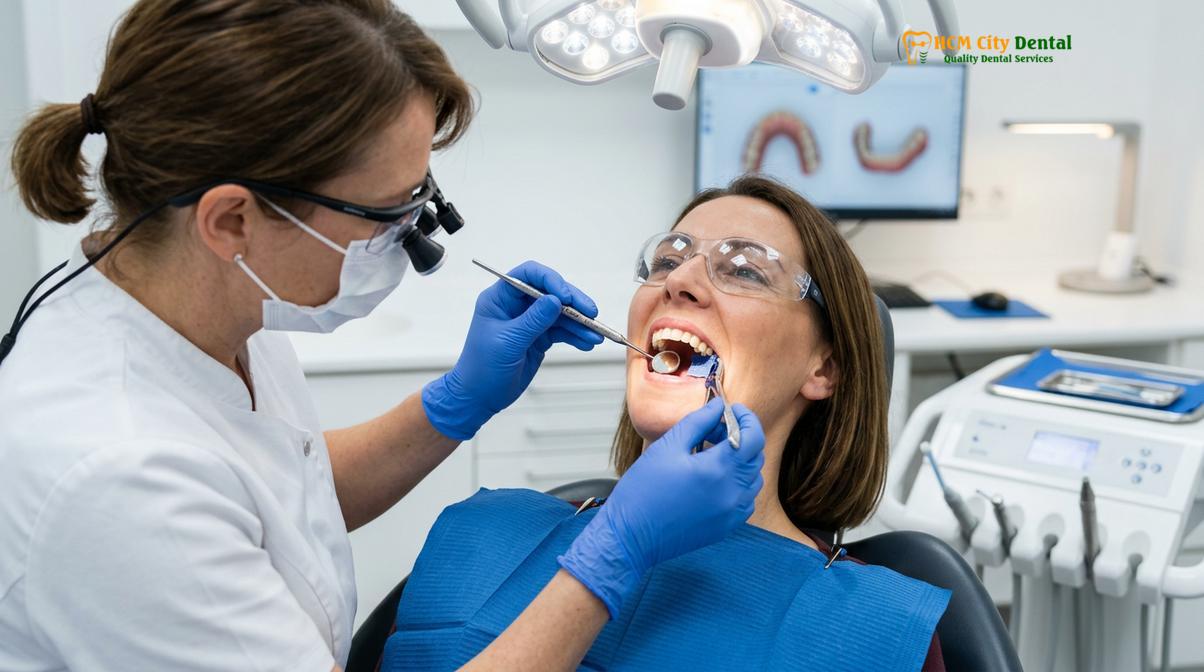
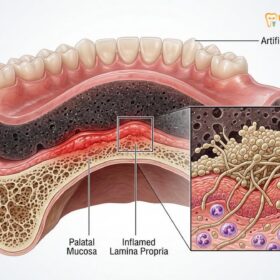
Furthermore, the aesthetic integration of restorations with the surrounding gingival architecture is a hallmark of prosthodontic expertise. The contour, color, and health of the gums are just as vital as the appearance of the teeth. Prosthodontists are adept at managing the emergence profile, which is the contour of a tooth or implant restoration as it emerges from the gum tissue. By utilizing advanced provisionalization techniques, they can sculpt the soft tissue to mimic natural gingival papillae, aiming to prevent aesthetic complications and ensuring that custom removable prosthetics or fixed implant bridges look entirely natural.
Evaluating Credentials: Board Registrations and International Accreditation
Verifying a specialist’s background involves checking local medical board registrations, international fellowships, and continuous education certifications to ensure adherence to global clinical standards.
When traveling for medical care, particularly for high-stakes, irreversible procedures like dental implants or full-mouth crowns, evaluating the clinician’s credentials is the most crucial step in mitigating risk. The landscape of dental tourism can sometimes blur the lines between a general dentist with a short course in cosmetic dentistry and a formally trained specialist. Therefore, patients must exercise due diligence in verifying both local compliance and international recognition.
First and foremost, any practicing dentist in Vietnam must hold a valid medical board registration issued by the Vietnamese Ministry of Health (MOH). This license confirms that the practitioner has graduated from an accredited dental university and has met the national standards for clinical practice. However, for complex prosthodontic work, a basic license is merely the baseline. Patients should look for specific postgraduate degrees, such as a Master of Science (MSc) in Prosthodontics or a specialized clinical certificate from a recognized university hospital. International affiliations further validate a clinician’s expertise, as these organizations require rigorous peer-reviewed case presentations and a commitment to continuous education[2].
Additionally, adherence to the clinical guidelines set forth by the Vietnam Odonto-Stomatology Association (VOSA) and the Ministry of Health ensures that the clinic operates under strict infection control and quality assurance protocols[3]. Reputable specialists will transparently display their credentials and readily discuss their adherence to these national and international standards.
| Clinical Aspect | General Dentist | Prosthodontist |
|---|---|---|
| Postgraduate Training | None required beyond basic dental degree (DDS/DMD) | Extensive specialized, full-time residency |
| Primary Focus | Preventative care, basic fillings, single crowns, extractions | Complex reconstructive dentistry, full-mouth rehabilitation |
| Occlusal Management | Basic bite adjustments | Advanced management of VDO, TMJ, and centric relation |
| Implant Prosthetics | Single units or straightforward bridges | Complex All-on-X, zygomatic restorations, severe bone loss cases |
| Aesthetic Integration | Standard shade matching | Custom chairside shading, advanced soft tissue emergence profiles |
The Importance of Fluent English Communication in YMYL Dental Work
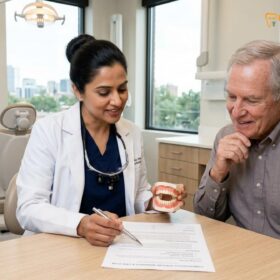
Clear, nuanced communication with an English-speaking specialist is critical for obtaining informed consent and accurately conveying complex medical histories and treatment expectations.
Dental procedures, particularly those involving surgery and permanent alterations to the body, fall strictly under the category of “Your Money or Your Life” (YMYL). In these high-stakes scenarios, the margin for error is virtually nonexistent. Consequently, the ability to communicate flawlessly with your healthcare provider is not merely a matter of convenience; it is a fundamental pillar of patient safety and clinical success.
Seeking an English-speaking dentist in Ho Chi Minh City is imperative for international patients to ensure that their comprehensive medical history is accurately understood. Conditions such as osteoporosis, diabetes, autoimmune disorders, or the use of bisphosphonate medications can drastically alter a treatment plan and affect the healing process. A mistranslation or a misunderstood medical term could lead to severe complications, such as implant failure or osteonecrosis of the jaw. Fluent communication ensures that the prosthodontist can conduct a thorough risk assessment and tailor the surgical and restorative protocols accordingly.
“Effective patient-clinician communication is the bedrock of successful prosthodontic rehabilitation. When a patient fully understands the biomechanical limitations and the required maintenance of their restorations, their long-term clinical outcomes improve significantly.”
Furthermore, informed consent is a cornerstone of ethical medical practice. Patients must fully comprehend the proposed treatment, the alternative options, the associated risks, and the expected outcomes before any irreversible procedure begins. A prosthodontist must be able to explain complex biomechanical concepts—such as the difference between a screw-retained and cement-retained implant crown, or the rationale for a sinus lift—in clear, accessible English[4]. If a patient feels rushed or confused due to a language barrier, they cannot provide truly informed consent.
In-House Dental Laboratories: Why Direct Doctor-Technician Sync Matters
Clinics equipped with in-house laboratories allow the prosthodontist and master ceramist to collaborate directly, ensuring precise shade matching and immediate structural adjustments.
The traditional model of dentistry involves taking physical impressions of a patient’s mouth and mailing them to an off-site commercial dental laboratory. While this model is functional for routine single crowns, it introduces significant logistical and clinical challenges for complex prosthodontic cases. The modern standard of care, particularly for high-end reconstructive dentistry, heavily favors clinics equipped with advanced in-house dental laboratories.
The primary advantage of an in-house lab is the direct, real-time synchronization between the prosthodontist and the master dental technician. When fabricating complex restorations like full-arch zirconia bridges or highly aesthetic anterior veneers, the technician is no longer working blindly from a plaster model. Instead, the ceramist can physically step into the clinical operatory to evaluate the patient’s facial features, lip dynamics, and the subtle optical properties of the adjacent natural teeth. This chairside collaboration allows for custom shade matching, incorporating intricate details like mamelons, enamel translucency, and surface texture that are impossible to communicate via a written lab prescription.
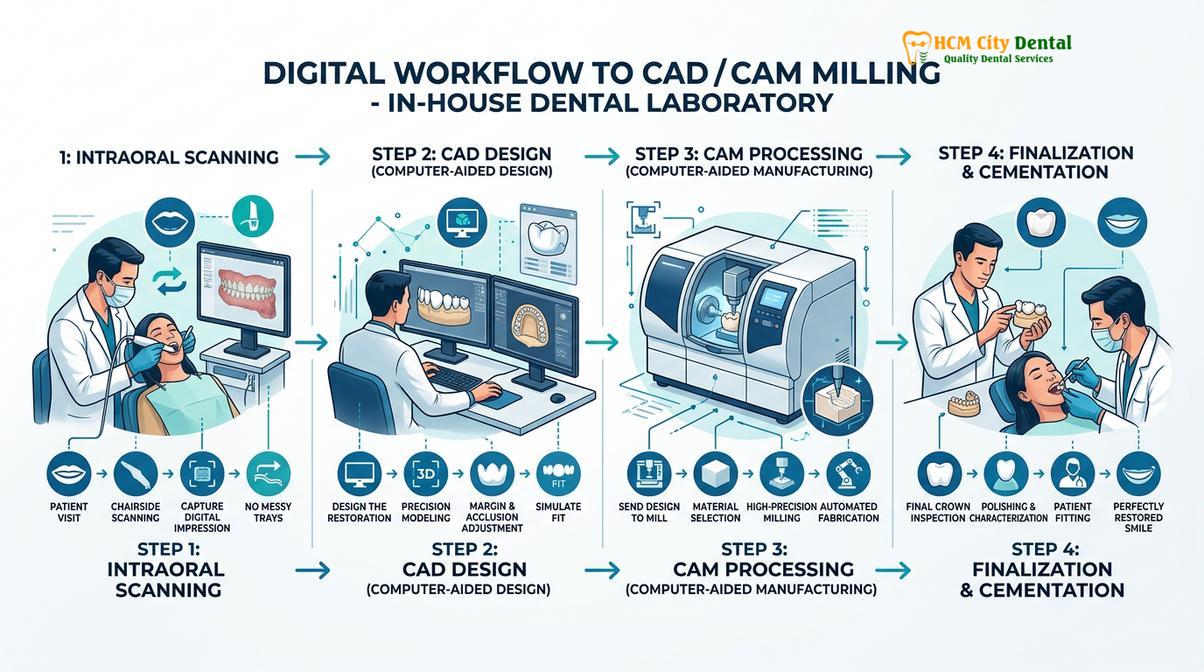
Furthermore, an in-house laboratory drastically reduces treatment timelines, a crucial factor for international patients visiting Ho Chi Minh City on a tight schedule. Utilizing digital dentistry workflows, the prosthodontist can capture a highly accurate 3D intraoral scan, which is immediately transmitted to the lab’s CAD software. The technician designs the restoration digitally, and it is then milled from a solid block of ceramic or titanium using precision CAM milling machines[5]. This seamless digital integration minimizes the dimensional distortions associated with traditional impression materials and stone models.
When to Consult a Prosthodontist: Important Clinical Indicators
Recognizing the signs of severe dental degradation early can prevent further structural collapse and guide patients toward the appropriate specialist for comprehensive intervention.
Many patients are unsure when their dental needs surpass the scope of a general practitioner. It is crucial to recognize specific clinical indicators that warrant the expertise of a prosthodontist. If you experience chronic jaw pain, frequent headaches, or a clicking sensation in the temporomandibular joint (TMJ), these may be signs of a collapsed bite or severe occlusal disharmony. A prosthodontist is uniquely trained to diagnose and manage these complex functional issues, often utilizing orthotic devices to stabilize the joint before proceeding with permanent restorations.
Important Clinical Note: Delaying treatment for severe occlusal wear or missing teeth can lead to progressive bone loss and temporomandibular joint (TMJ) complications. Early evaluation by a qualified specialist aims to preserve remaining healthy structures and simplify future reconstructive efforts.
Another critical indicator is the presence of extensive tooth wear, often caused by severe bruxism (teeth grinding) or acid erosion. When teeth are worn down significantly, the vertical dimension of the face decreases, leading to a prematurely aged appearance and compromised chewing efficiency. Restoring this lost vertical dimension requires precise biomechanical calculations to ensure the new restorations do not overload the supporting bone or musculature.
“Patients presenting with multiple failing restorations, severe generalized wear, or the need for full-arch implant rehabilitation should seek a prosthodontic consultation to ensure the foundational biomechanics are correctly established before aesthetic work begins.”
Additionally, patients who have suffered traumatic dental injuries, undergone oral cancer resections, or possess congenital anomalies like cleft palate or amelogenesis imperfecta require highly specialized reconstructive care. In these complex scenarios, a prosthodontist acts as the lead architect of the treatment plan, coordinating with oral surgeons and periodontists to rebuild both the hard and soft tissues systematically.
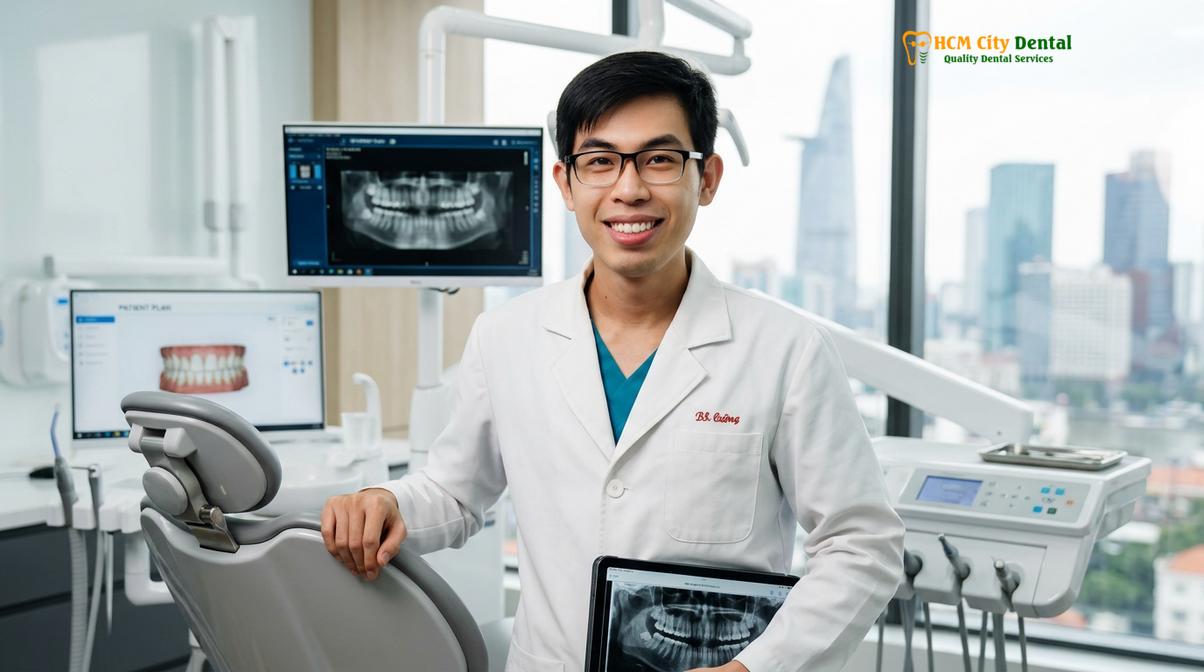
Dr. Nguyen Van Cuong: Sourcing 8+ Years of Premium Clinical Prosthodontics
Expert clinical leadership is essential for navigating complex full-mouth rehabilitations, ensuring that every phase of treatment is grounded in evidence-based protocols.
At HCMC Dental Clinic, Dr. Nguyen Van Cuong provides expert prosthodontic care, focusing on complex full-mouth rehabilitations and advanced implant prosthetics. Dr. Cuong utilizes evidence-based protocols to deliver highly aesthetic and functionally stable dental restorations for international patients. His extensive clinical background ensures that every treatment plan is meticulously tailored to the individual’s unique anatomical needs, prioritizing long-term biological integration and structural durability.
Clinical Case Review: Full-Mouth Rehabilitation
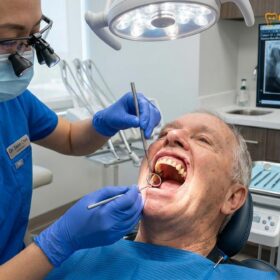
A 58-year-old international patient visiting HCMC Dental Clinic in Ho Chi Minh City presented with severe occlusal wear, multiple missing posterior teeth, and a collapsed vertical dimension, leading to chronic TMJ discomfort. The clinical team initiated a comprehensive diagnostic protocol, including CBCT imaging and digital articulation. The treatment plan involved a phased approach: first, stabilizing the bite with a custom orthotic device; second, placing strategic dental implants in the posterior regions; and finally, restoring the entire dentition with highly aesthetic, monolithic zirconia crowns. The patient reported a complete resolution of joint pain and a dramatic improvement in chewing efficiency and facial aesthetics.
For international patients, the assurance of being treated by a highly skilled specialist who understands the nuances of cross-cultural communication is invaluable. The ability to articulate complex medical concepts in clear English fosters an environment of trust and transparency. Ample time is dedicated during the initial consultation to listen to the patient’s concerns, thoroughly explain the biomechanical rationale behind the recommendations, and outline a realistic, phased treatment timeline.
Consultation Etiquette: Asking the Right Questions on Your First Visit
A productive initial consultation requires patients to ask specific questions regarding diagnostic protocols, material choices, and the long-term maintenance of their proposed restorations.
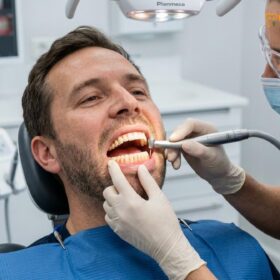
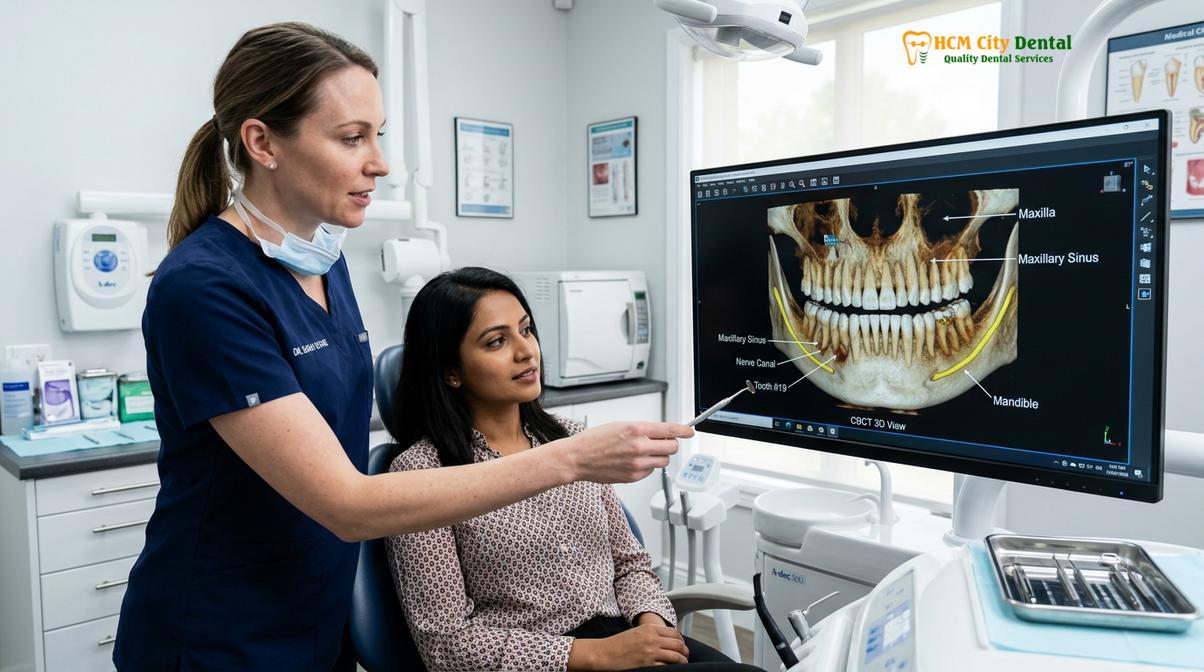
To maximize the value of an initial prosthodontic consultation, patients should arrive prepared with specific, clinically relevant questions. First, inquire about the diagnostic process. A comprehensive evaluation should always include a 3D CBCT scan to assess bone volume and nerve positioning, especially if implants are being considered[6]. Ask the specialist how they plan to evaluate your bite and whether they use digital articulation tools to simulate the final outcome.
Second, discuss the materials that will be used for your restorations. The choice between monolithic zirconia, lithium disilicate (E-max), or porcelain-fused-to-metal (PFM) depends heavily on the location of the restoration and your specific functional needs. A qualified prosthodontist will explain the pros and cons of each material, guiding you toward the option that offers the best balance of aesthetics and durability.
Finally, ask about the long-term maintenance protocol. Complex restorations require diligent home care and regular professional maintenance to ensure their longevity. Understanding the warranty policies, the frequency of required follow-up visits, and the specific oral hygiene tools needed to clean around implant bridges or custom prosthetics will help you protect your investment and maintain optimal oral health.
If you are experiencing severe dental issues or require complex reconstructive work, scheduling a consultation with a specialist at HCMC Dental Clinic in Ho Chi Minh City is the first step toward restoring your smile. Our team is equipped to handle the most challenging cases, providing comprehensive general dentistry and advanced prosthodontic solutions tailored to your unique clinical needs.
Frequently Asked Questions
What is the difference between a cosmetic dentist and a prosthodontist?
A prosthodontist is a recognized dental specialist who has completed several years of formal postgraduate residency training focused on complex restorative and reconstructive dentistry. While general practitioners may focus on cosmetic procedures, prosthodontists possess advanced clinical expertise in biomechanics, full-mouth rehabilitation, and the management of severe structural dental deficiencies.
How do I verify a Vietnamese dentist’s clinical background?
You can verify a dentist’s background by requesting their official medical board registration number issued by the Vietnamese Ministry of Health and checking for internationally recognized fellowships. Reputable clinics will transparently display their specialists’ university degrees, continuous education certificates, and affiliations with global dental organizations upon request.
Are consultations with a prosthodontist suitable for international tourists?
Yes, initial clinical assessments are often structured to be highly accessible for international patients visiting for dental tourism. A comprehensive evaluation typically includes a 3D CBCT scan and a detailed treatment plan discussion, ensuring patients fully understand their clinical needs and timelines before committing to procedures.
How long does a full-mouth rehabilitation typically take?
The timeline for full-mouth rehabilitation varies significantly depending on the complexity of the case, the need for bone grafting, and the healing response of the patient. While some digital workflows and in-house laboratories can expedite the fabrication of prosthetics, comprehensive reconstructive treatments often require multiple phases spread over several months to ensure optimal biological integration.
Can a prosthodontist help with severe jaw joint (TMJ) pain?
Prosthodontists are highly trained in occlusal dynamics and the relationship between the teeth and the temporomandibular joint (TMJ). If TMJ discomfort is related to a collapsed bite, severe tooth wear, or misaligned dental restorations, a prosthodontist can design a treatment plan to stabilize the bite and potentially alleviate the associated joint stress.
References
- Journal of Prosthodontic Research. Biomechanical considerations in full-mouth rehabilitation. (2021).
- International Journal of Prosthodontics. The impact of board certification on clinical outcomes in restorative dentistry. (2020).
- Vietnam Ministry of Health (MOH) & Vietnam Odonto-Stomatology Association (VOSA). National guidelines on prosthodontic clinical standards. (2022).
- British Dental Journal. Patient-clinician communication and informed consent in complex dental procedures. (2019).
- Journal of Dentistry. Digital workflows and in-house laboratory integration for immediate loading. (2022).
- Clinical Oral Implants Research. Diagnostic protocols and risk assessment in advanced prosthodontics. (2018).
For pricing, booking, and a free clinical assessment, visit our Dentures & Removable Prosthetics service page at HCMC Dental Clinic in Ho Chi Minh City.