Losing or breaking your denture while traveling in Vietnam is a highly stressful medical event, but rapid clinical solutions are readily available. Immediate intervention involves stabilizing oral tissues, utilizing digital intraoral scanning, and fabricating a temporary or definitive replacement prosthesis to restore your smile and masticatory function swiftly.
Clinical Summary:
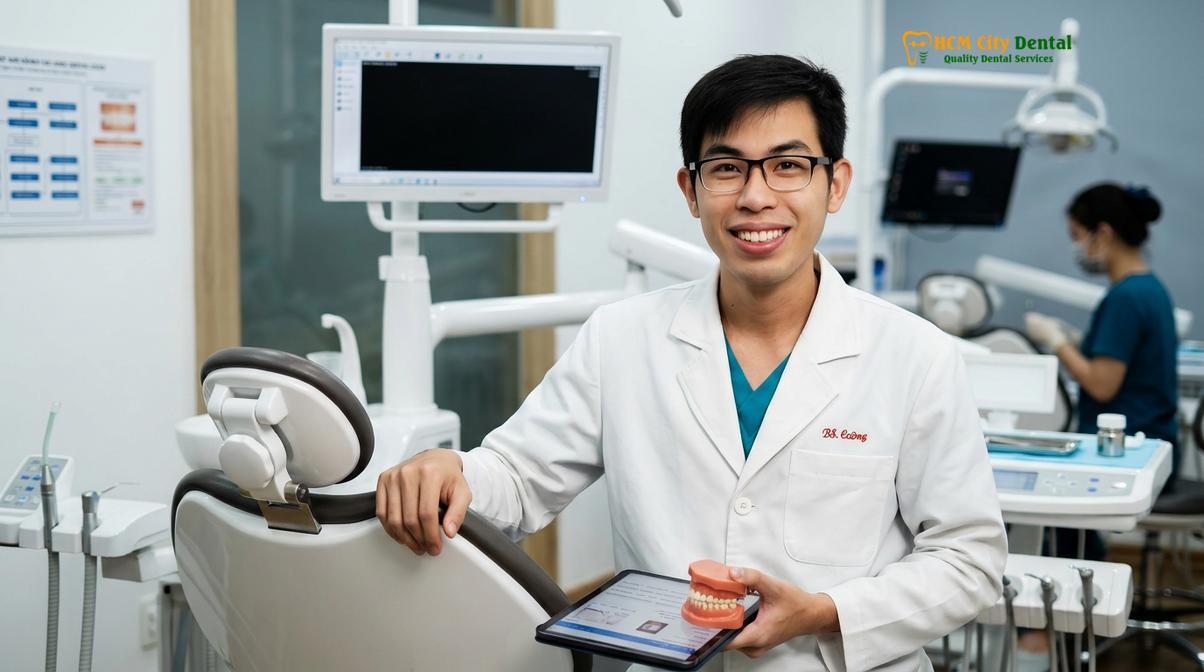
A lost denture emergency in Vietnam requires prompt prosthodontic intervention to prevent soft tissue collapse, temporomandibular joint strain, and severe disruption to a patient’s quality of life. Modern clinical workflows in Ho Chi Minh City utilize advanced digital dentistry, including intraoral scanning and CAD/CAM technology, to bypass traditional, time-consuming impression methods. Dr. Nguyen Van Cuong emphasizes that immediate digital data acquisition allows for the rapid milling or 3D printing of emergency dental plates. This fast-track protocol ensures that international visitors can receive high-quality interim or definitive prostheses within days, allowing them to continue their travels with restored phonetic ability, aesthetic confidence, and proper functional occlusion.
Key Takeaways:
- Immediate clinical assessment is crucial to prevent temporomandibular joint (TMJ) discomfort and soft tissue shifting following the sudden loss of a prosthesis.
- Same-day diagnostic scanning eliminates the need for messy traditional putty impressions, significantly accelerating the fabrication timeline.
- Temporary same-day plates can often be manufactured within 24 to 48 hours using rapid lab turnaround protocols and advanced PMMA materials.
- Travel insurance frequently covers emergency prosthetic replacements when provided with proper clinical documentation, diagnostic codes, and itemized receipts.
- Seeking an experienced English dentist District 1 ensures clear communication regarding material choices, functional limitations, and precise treatment timelines.
Vacation Crisis: What to Do If Your Dentures are Lost or Snapped
Experiencing a fractured or misplaced prosthesis requires immediate clinical assessment to prevent soft tissue trauma and joint strain. Secure any broken fragments and seek urgent prosthodontic care to initiate the replacement protocol.
The sudden loss or catastrophic fracture of a removable dental prosthesis while traveling is more than a mere inconvenience; it is a genuine medical crisis that severely impacts a patient’s ability to eat, speak, and interact socially. When a tourist dental emergency of this nature occurs, the immediate cessation of normal masticatory function can lead to nutritional deficits and severe psychological distress. Furthermore, the sudden absence of a prosthesis alters the vertical dimension of occlusion (VDO), which can rapidly induce strain on the temporomandibular joint (TMJ) and surrounding masticatory musculature [1].
If your denture has snapped in half or sustained significant structural damage, the first and most critical rule is to avoid any DIY repairs. The application of cyanoacrylate (superglue) or over-the-counter household adhesives is highly toxic to the oral mucosa and permanently ruins the acrylic margins, making professional laboratory repair impossible. Instead, carefully collect all fragments, keep them moist in a sealed container with a damp paper towel, and contact a clinic providing urgent prosthodontic care immediately.
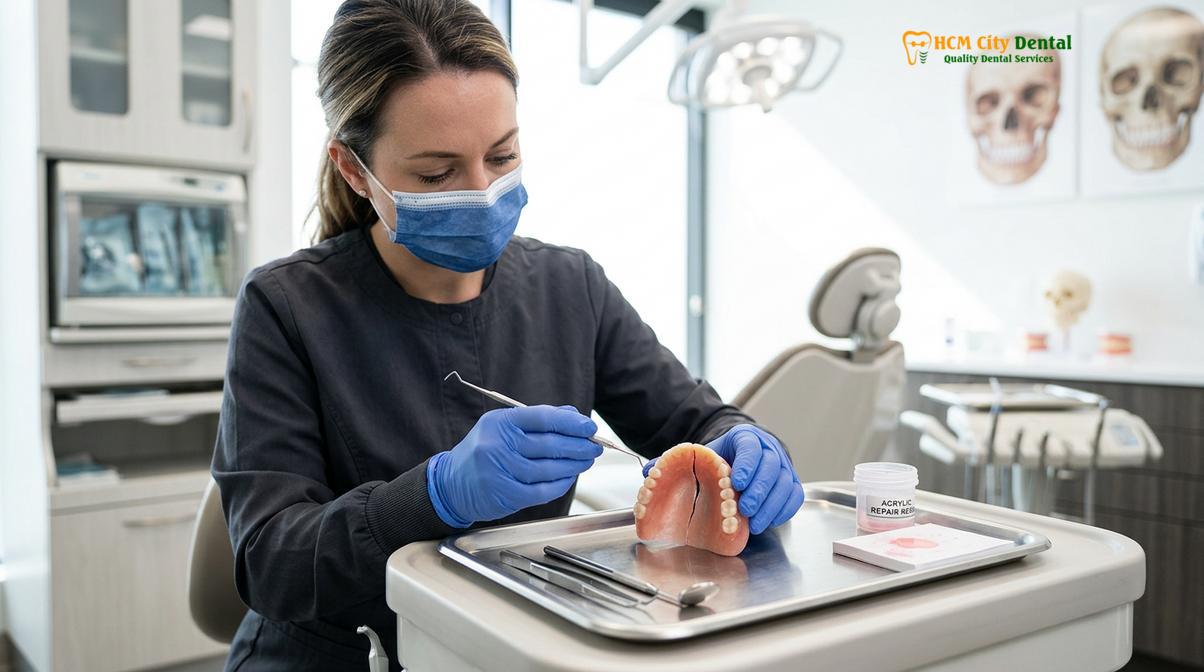
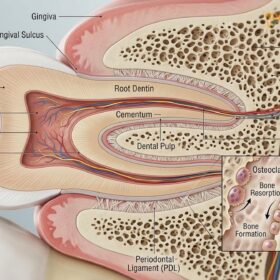
In cases where the prosthesis is entirely lost—perhaps left in a hotel room, lost during a transit flight, or misplaced during a tour—the clinical objective shifts from repair to rapid replacement. The edentulous alveolar ridge, when left unsupported, undergoes subtle but continuous micro-changes. Prolonged periods without a prosthesis can lead to a loss of muscle tone in the cheeks and lips, resulting in a collapsed facial profile and an increased risk of angular cheilitis (inflammation at the corners of the mouth) due to over-closure of the jaw [2].
Clinical Warning: Never attempt to wear a partially broken denture or a prosthesis that has been glued back together at home. The microscopic misalignment will cause severe uneven pressure on the alveolar bone, leading to rapid tissue ulceration, localized bone resorption, and potential secondary infections.
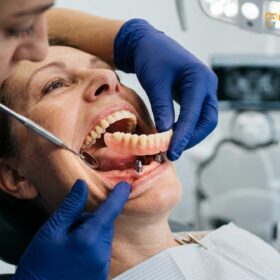
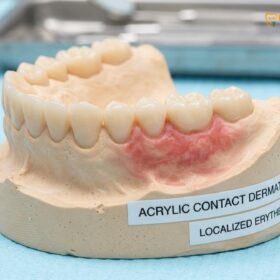
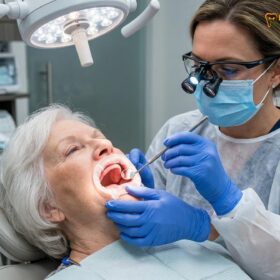
Upon arriving at a specialized facility like HCMC Dental Clinic in Ho Chi Minh City, the initial consultation focuses on assessing the health of the underlying mucosal tissues. If the previous denture was ill-fitting prior to its loss, the tissue might exhibit signs of hyperplasia or inflammation. The clinician must evaluate whether the tissue requires conditioning before a new impression can be taken, ensuring that the new definitive denture replacement will fit accurately against healthy, stable gums.
Fast-Track Clinical Protocols: Getting Digital impressions Within Hours
Modern emergency prosthodontics relies on intraoral scanners to capture precise 3D tissue topography instantly. This eliminates traditional impression delays and allows immediate data transfer to the dental laboratory.
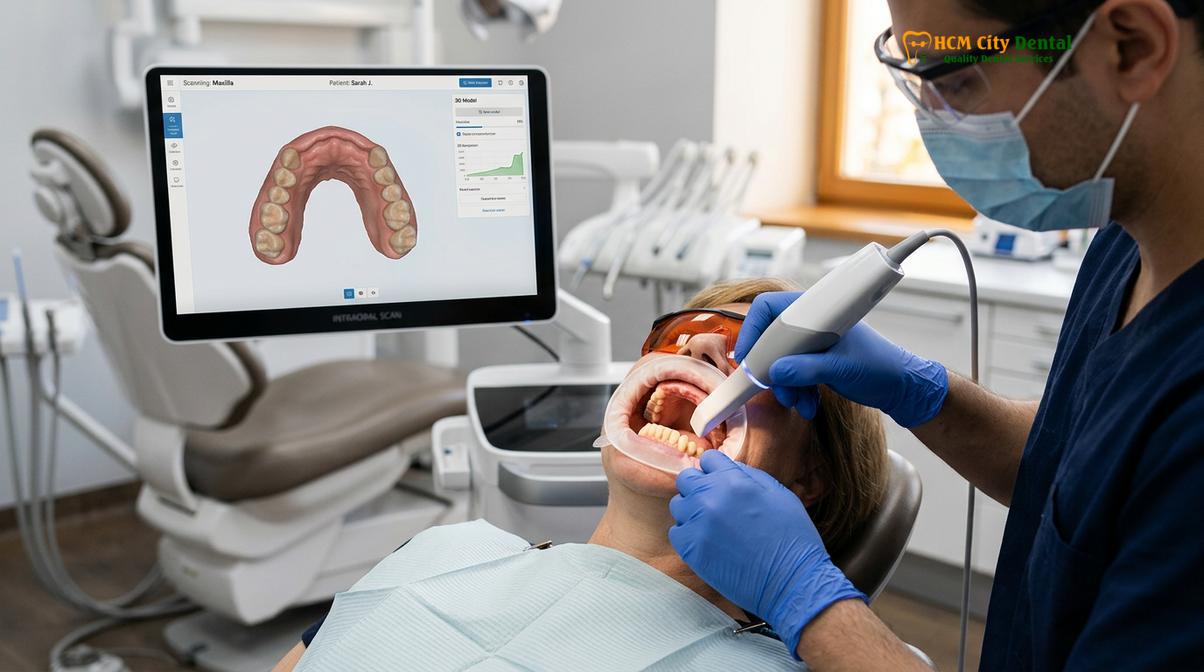
Historically, replacing a lost denture required multiple lengthy appointments involving messy alginate or polyvinyl siloxane (PVS) impressions, custom tray fabrication, and manual border molding. In a travel emergency, this timeline is unacceptable. Today, the integration of same-day diagnostic scanning has revolutionized the management of edentulous emergencies. By utilizing advanced intraoral scanners (IOS), clinicians can capture a highly accurate, full-color 3D topographical map of the maxillary and mandibular arches in a matter of minutes [3].
The digital workflow begins with tissue management. The oral mucosa must be clean and relatively dry to ensure the optical sensors capture the precise contours of the residual ridge, the palatal vault, and critical anatomical landmarks such as the retromolar pads and the incisive papilla. Dr. Nguyen Van Cuong frequently notes that digital scanning is particularly advantageous for patients with a severe gag reflex, as it eliminates the need for bulky impression trays filled with setting material.
“The transition from analog impressions to digital intraoral scanning in emergency prosthodontics not only drastically reduces chair time but also provides a level of mucosal detail that minimizes the need for post-delivery adjustments. For a traveling patient, saving 48 hours in the laboratory phase is the difference between a ruined vacation and a minor detour.”
Once the arches are scanned, the next critical step is establishing the maxillomandibular relationship, commonly known as the bite registration. Without the old denture to reference, the clinician must determine the correct vertical dimension of occlusion (VDO) and centric relation (CR) from scratch. This is achieved using specialized digital bite gauges or rapidly fabricated wax rims. The goal is to ensure that the new emergency dental plate replacement allows the muscles of mastication to rest at their optimal physiological length, preventing TMJ spasms and ensuring phonetic adaptation is as seamless as possible.
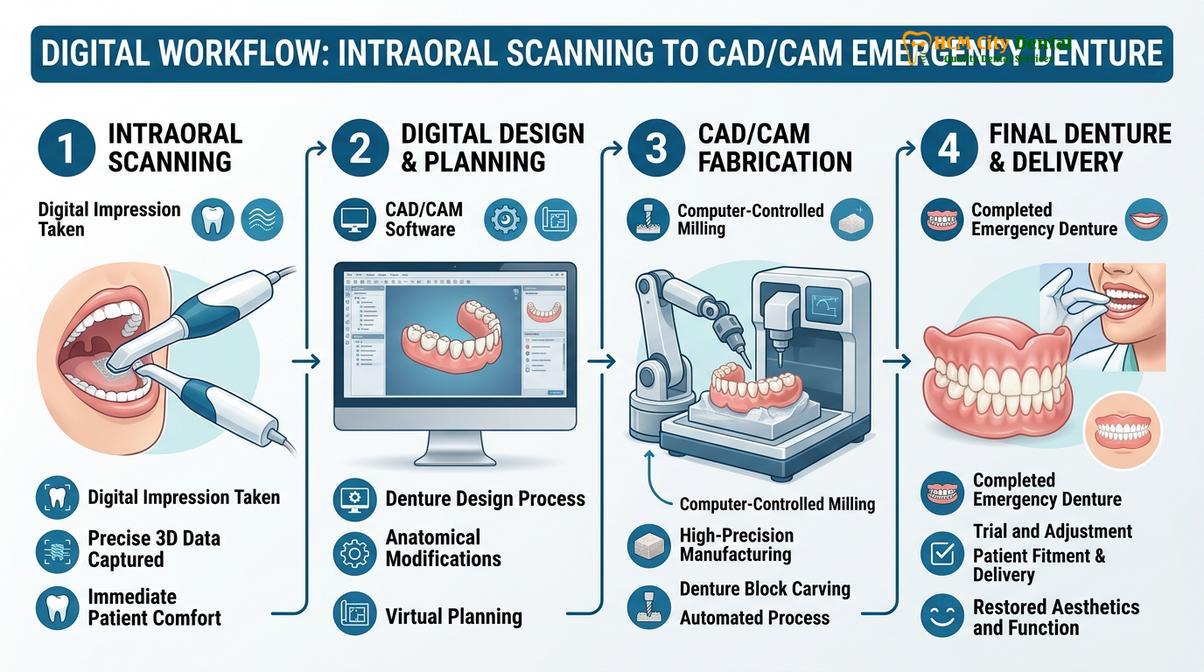
The digital files (typically STL or PLY formats) are then instantly transmitted via a secure cloud network to the in-house or partnered dental laboratory. This instantaneous transfer bypasses the need for physical courier services, allowing the CAD (Computer-Aided Design) technicians to begin designing the prosthesis while the patient is still completing their paperwork at the front desk.
Temporary Same-Day Plates: Keeping You Presentable While Healing
Interim prostheses are rapidly fabricated using cold-cure acrylics or milled PMMA to restore immediate aesthetics and basic phonetic function. These temporary plates serve as a functional bandage while the definitive denture is crafted.
When a patient is facing a week or more of travel without teeth, the immediate fabrication of an interim prosthesis—often referred to as a temporary plate or “flipper” for partial cases—is the primary clinical objective. Temp dentures HCMC protocols are designed to prioritize speed and acceptable aesthetics over long-term durability. These prostheses act as a functional bandage, restoring the patient’s smile, supporting the facial musculature, and allowing for the consumption of a soft diet.
Temporary plates are typically fabricated from either cold-cure (auto-polymerizing) acrylic resins or, increasingly, milled Polymethyl Methacrylate (PMMA) blocks. Cold-cure acrylics can be processed very quickly in a pressure pot, making them ideal for ultra-fast turnarounds. However, they are generally more porous and less fracture-resistant than heat-cured or milled alternatives [4]. Therefore, patients are strictly advised to adhere to a soft-food diet and avoid high-stress mastication, such as biting into hard crusts or tough meats, to prevent fracturing the interim plate.
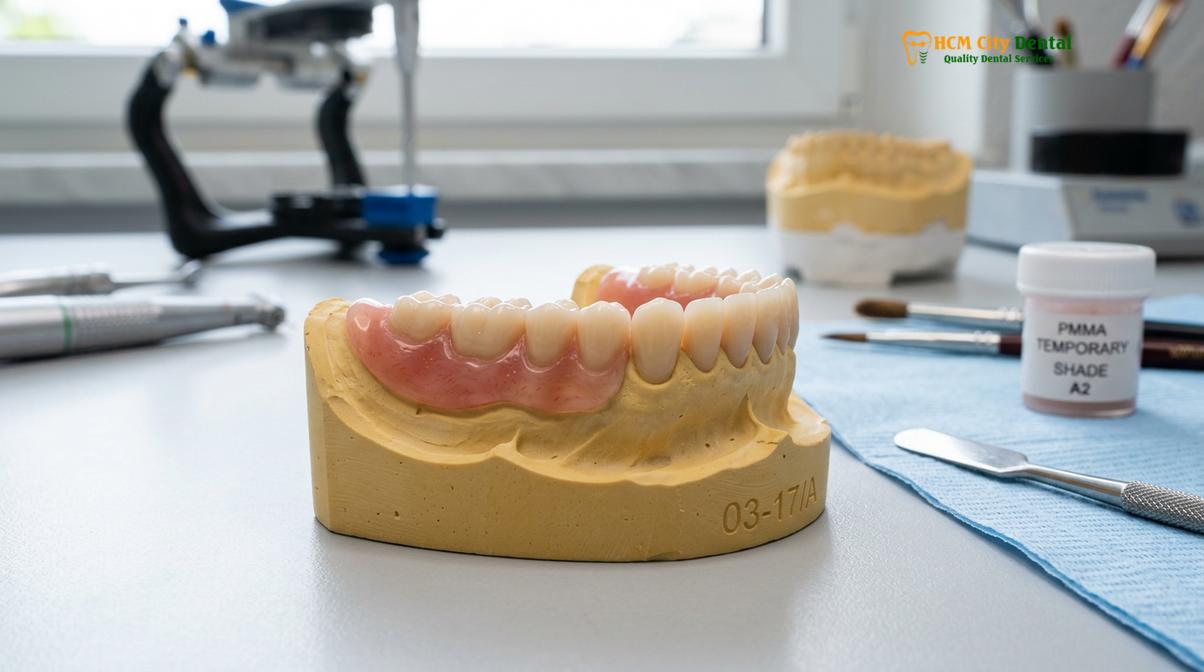
Clinical Case Example: A 62-year-old tourist visiting Ho Chi Minh City lost his upper complete denture during a boat tour. Presenting at HCMC Dental Clinic in severe distress, the clinical team immediately performed an intraoral scan. Utilizing rapid CAD/CAM protocols, a milled PMMA temporary denture was designed and delivered within 36 hours. The patient regained his aesthetic appearance and phonetic ability, allowing him to complete his vacation comfortably while a definitive, highly characterized prosthesis was planned for his return home.
While temporary plates are a lifesaver, they have inherent clinical limitations. Because they are fabricated rapidly, they may not possess the intricate border molding required for maximum suction and retention. Consequently, the temporary use of denture adhesive protocols is often recommended to enhance stability during the interim period. The clinician will instruct the patient on the precise application of adhesives to avoid altering the bite or causing tissue irritation.
Furthermore, the aesthetic customization of a same-day plate is somewhat limited compared to a premium definitive denture. While the tooth shade and basic arrangement will be matched to the patient’s face and age, the intricate gingival characterization (stippling and varied pink hues) is usually reserved for the final prosthesis. The primary goal is to ensure the patient is presentable, confident, and functionally stable.
Saigon Lab Integrations: How We Print or Mill Emergency Restorations
Advanced in-house laboratories utilize CAD/CAM technology and 3D printing to drastically reduce prosthesis fabrication times. This digital integration ensures high-precision fit and rapid delivery for urgent cases.
The secret behind rapid lab turnaround in modern Vietnamese dental clinics lies in the seamless integration of clinical diagnostics with advanced laboratory manufacturing. Once the digital impression and bite registration are received by the lab, specialized CAD software (such as Exocad or 3Shape) is used to virtually design the denture base and arrange the artificial teeth. This digital setup allows the technician to analyze the occlusion dynamically and ensure proper force distribution across the alveolar ridge.
Following the design phase, the prosthesis is manufactured using one of two primary digital pathways: Subtractive Manufacturing (Milling) or Additive Manufacturing (3D Printing). Both methods offer significant advantages over traditional analog flasking and packing techniques, particularly in an emergency scenario [5].
| Manufacturing Method | Material Used | Clinical Advantages for Emergencies | Turnaround Time |
|---|---|---|---|
| CAD/CAM Milling | Pre-polymerized PMMA Pucks | Exceptional strength, zero polymerization shrinkage, highly dense and non-porous material. | 24 – 48 Hours |
| 3D Printing (Additive) | Biocompatible Photopolymer Resins | Extremely rapid fabrication, highly accurate tissue adaptation, cost-effective for temporary use. | 12 – 24 Hours |
| Traditional Flasking | Heat-Cured Acrylic Resin | High aesthetic customization, proven long-term durability for definitive prostheses. | 3 – 7 Days |
Milled PMMA is highly regarded by prosthodontists for emergency replacements because the material is pre-polymerized under immense industrial pressure. This means there is no residual monomer to cause allergic reactions, and the material exhibits zero shrinkage during fabrication, resulting in an exceptionally accurate fit against the mucosal tissues. 3D printing, while slightly less durable than milled PMMA, is advancing rapidly and offers the fastest possible turnaround for a temporary plate.
Regardless of the manufacturing method, the final prosthesis must undergo meticulous hand-finishing. The lab technician will polish the borders to ensure they are smooth and atraumatic to the delicate oral frenums. Upon delivery, the dentist will perform a clinical try-in, utilizing articulating paper to identify and adjust any premature occlusal contacts. Proper masticatory rehabilitation instructions are then provided to help the patient adapt to the new appliance safely.
Payment and Travel Insurance Documentation for Emergency Loss
Navigating international dental costs requires meticulous clinical documentation, including standardized diagnostic codes and itemized receipts, to ensure seamless travel insurance reimbursement.
Dealing with the financial aspect of a medical emergency in a foreign country can be daunting. Fortunately, the cost of high-quality prosthodontic care in Vietnam is highly competitive compared to Western nations, making out-of-pocket payments manageable for many travelers. However, if you possess comprehensive travel insurance, the replacement of a lost or accidentally destroyed denture is frequently covered under the emergency dental or medical provisions of your policy.
To ensure a smooth reimbursement process upon returning to your home country, meticulous clinical documentation is mandatory. Insurance companies require more than just a credit card receipt; they demand proof of medical necessity. Finding an experienced English dentist District 1 is highly beneficial in this regard, as the administrative team will be familiar with international insurance requirements and can provide the necessary paperwork in clear, standardized English.
The required documentation typically includes:
- Comprehensive Clinical Narrative: A detailed report from the treating dentist explaining the circumstances of the emergency, the diagnosis (e.g., complete edentulism due to lost prosthesis), and the immediate medical necessity of the replacement to restore function and prevent TMJ pathology.
- Standardized Dental Codes: Inclusion of internationally recognized CDT (Current Dental Terminology) or ICD (International Classification of Diseases) codes corresponding to the procedures performed (e.g., intraoral scanning, interim complete maxillary denture).
- Diagnostic Imaging: If applicable, panoramic radiographs or clinical photographs documenting the edentulous state prior to treatment.
- Itemized Invoice: A line-by-line breakdown of the costs incurred, clearly separating the clinical fees from the laboratory fabrication costs.
“Patients must proactively communicate with their travel insurance provider as soon as the emergency occurs. Some insurers require pre-authorization before definitive laboratory work begins. Providing the clinic with your insurance details immediately allows the administrative team to prepare the exact documentation your specific carrier demands.”
It is important to note that most clinics in Vietnam operate on a pay-and-claim basis for international tourists. This means the patient is responsible for settling the invoice at the time of service and will subsequently file the claim with their insurer for reimbursement. The clinic will provide all necessary physical and digital copies of the records to facilitate this process.
When to Seek Immediate Medical Attention
While a lost denture is a prosthodontic emergency, certain scenarios elevate the situation to an acute medical crisis requiring immediate hospital or specialized clinical intervention. You must seek urgent medical attention if the loss or breakage of the denture was accompanied by facial trauma, resulting in severe lacerations to the lips, tongue, or oral mucosa. Deep lacerations may require suturing to control hemorrhage and prevent infection.
Furthermore, if a denture fractures while in the mouth and you suspect that a fragment or a metal clasp has been swallowed or aspirated into the airway, this is a life-threatening emergency. Symptoms of aspiration include violent coughing, wheezing, shortness of breath, or chest pain. Immediate presentation to a hospital emergency department for chest and abdominal radiographs is mandatory.
Lastly, if the denture was lost or broken because it no longer fit due to sudden, severe swelling of the gums or jawbone, this could indicate an underlying acute infection, abscess, or systemic condition. Swelling that extends to the neck, causes difficulty swallowing (dysphagia), or is accompanied by a high fever requires immediate antibiotic therapy and diagnostic imaging before any clinical reline procedures or replacements can be considered. Always prioritize the health of the biological tissues over the immediate replacement of the prosthesis.
If you are experiencing a prosthodontic crisis in Ho Chi Minh City, do not delay treatment. Contact the specialized team at HCMC Dental Clinic for immediate diagnostic assessment and rapid digital replacement protocols to save your smile and your vacation.
Frequently Asked Questions
How many hours does it take to get a temporary denture in Saigon?
A temporary emergency denture can typically be fabricated within 24 to 48 hours in Saigon. Utilizing digital intraoral scanning and in-house 3D printing or milling, clinical teams can expedite the process to restore your smile and basic chewing function rapidly. The exact timeline depends on the complexity of the arch and the specific materials chosen during the consultation.
Does HCMC Dental open on weekends for emergency tourists?
Yes, HCMC Dental Clinic operates with flexible scheduling to accommodate urgent tourist cases, including weekend availability for severe emergencies. It is highly recommended to contact the clinic’s emergency hotline immediately to secure a priority diagnostic appointment, ensuring that laboratory workflows can be initiated without delay.
What is the cost of an emergency single-arch plate?
The cost of an emergency single-arch temporary plate varies based on the material used, typically ranging from affordable cold-cure acrylics to premium milled PMMA. A precise clinical estimate is provided during your initial consultation before any laboratory fabrication begins, ensuring complete financial transparency for international patients.
Can a snapped denture be repaired instead of replaced?
Yes, a cleanly snapped denture can often be repaired in the laboratory within a few hours using specialized acrylic resins. However, if the prosthesis is shattered into multiple pieces, missing fragments, or has been previously repaired with household glues, a complete replacement is clinically required to ensure proper fit and structural integrity.
Will my travel insurance cover a lost denture?
Many comprehensive travel insurance policies cover emergency dental prosthetics if the loss or breakage occurred due to an accident during your trip. You must review your specific policy details and submit itemized clinical receipts, diagnostic reports, and a clinical narrative from the treating dentist for reimbursement.
References
- Journal of Prosthetic Dentistry. Digital workflows in emergency removable prosthodontics. (2021).
- International Journal of Prosthodontics. Biomechanical impact of sudden edentulism on the temporomandibular joint. (2020).
- Dental Materials. Comparative analysis of milled PMMA versus conventional acrylic resins. (2019).
- Journal of Oral Rehabilitation. Psychological and functional outcomes of immediate interim prostheses. (2022).
- Clinical Oral Investigations. Accuracy of intraoral scanners in completely edentulous arches. (2018).