A denture travel itinerary in Saigon combines world-class prosthodontic care with a structured clinical timeline, allowing international patients to receive custom-fitted dentures while enjoying Vietnam. This medical tourism guide outlines the precise clinical milestones and leisure activities for a seamless, highly efficient restorative experience.
Clinical Summary:
Dr. Nguyen Van Cuong emphasizes that modern digital dentistry enables rapid, high-precision denture fabrication in Ho Chi Minh City. By integrating advanced intraoral scanning with an in-house dental laboratory, patients can complete their restorative treatment within a highly structured five-day timeline. This streamlined approach ensures optimal occlusal alignment, precise vertical dimension, and excellent gingival adaptation without compromising the biomechanical quality of the final acrylic or thermoplastic prosthesis. Proper planning allows patients to balance necessary clinical visits with relaxing cultural experiences.
Key Takeaways:
- Complete denture fabrication in Saigon typically follows a highly structured 5-day dental schedule.
- Day 1 focuses on comprehensive clinical diagnostics, 3D intraoral scanning, and primary impressions.
- The wax try-in phase on Day 3 is critical for evaluating vertical dimension, phonetics, and smile aesthetics.
- Patients can safely explore local attractions during laboratory processing days.
- Final occlusal adjustments on Day 5 ensure proper bite distribution and mucosal comfort before departure.
Optimizing Your Time: Why Saigon Offers Rapid Denture Turnaround
Saigon’s advanced dental clinics utilize in-house laboratories and digital CAD/CAM workflows to compress the traditional weeks-long denture process into a highly efficient five-day timeline.
For decades, the fabrication of complete removable prosthetics in Western countries has required a protracted timeline, often spanning four to six weeks. This delay is primarily due to the reliance on off-site commercial dental laboratories, which necessitates shipping physical impressions, master casts, and wax try-ins back and forth between the clinical operatory and the technician’s bench. By contrast, planning a dental vacation Saigon style leverages the integrated infrastructure of modern Vietnamese dental centers. Clinics equipped with in-house laboratories eliminate transit times entirely, allowing prosthodontists and master ceramists to collaborate in real-time.
This rapid turnaround is not achieved by skipping essential clinical steps; rather, it is a product of logistical optimization and digital integration. The biomechanical principles of complete denture fabrication—achieving broad tissue coverage, establishing a peripheral seal, and recording accurate maxillo-mandibular relationships—remain strictly adhered to[1]. When a patient arrives for their treatment, the clinical team immediately initiates the diagnostic phase, seamlessly transitioning the data to the laboratory within minutes.
“The integration of digital intraoral scanning with immediate in-house laboratory processing has revolutionized prosthodontic timelines. We can now achieve in five days what previously took five weeks, maintaining the highest standards of marginal adaptation and occlusal harmony.”
Furthermore, this compressed schedule is highly appealing to international patients seeking comprehensive general dentistry alongside their prosthodontic care. The efficiency allows patients to address multiple oral health needs—such as periodontal scaling, minor restorations, or extractions—while their primary prosthesis is being manufactured. The result is a highly productive medical journey that maximizes clinical outcomes while minimizing time spent away from home.
Day 1: Arrival, Airport Transit, Consultation, and Digital Intraoral Scans
The first day involves airport transit to your clinic, followed by a comprehensive prosthodontic consultation, panoramic X-rays, and high-precision digital intraoral scanning.
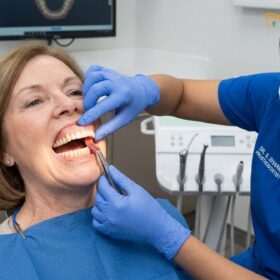
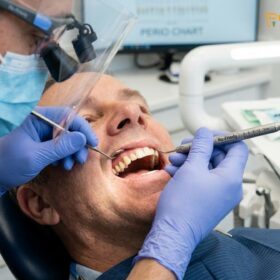
The success of any removable prosthesis is heavily dependent on the accuracy of the initial diagnostic and impression phase. Upon arriving in Vietnam and settling into your accommodation, the first clinical milestone begins. Patients who utilize online dental booking platforms often have their initial consultations pre-scheduled to maximize efficiency. The appointment commences with a thorough clinical examination of the oral cavity. The prosthodontist evaluates the health of the residual alveolar ridges, the presence of any flabby or hyperplastic tissue, the depth of the vestibular fornix, and the location of critical anatomical landmarks such as the maxillary tuberosities and retromolar pads.
Following the visual and radiographic assessment, the impression phase begins. Dr. Nguyen Van Cuong notes that capturing an accurate functional impression is the most critical step for ensuring long-term retention and stability. While digital intraoral scanners are frequently used to capture the baseline topography of the arches, fabricating a highly retentive complete denture often requires a two-step traditional impression technique. A primary impression is taken using alginate or silicone putty to fabricate a custom tray. This tray is then used to perform meticulous border molding with heavy-body polyvinyl siloxane (PVS) or modeling compound, capturing the dynamic movements of the oral musculature[2].
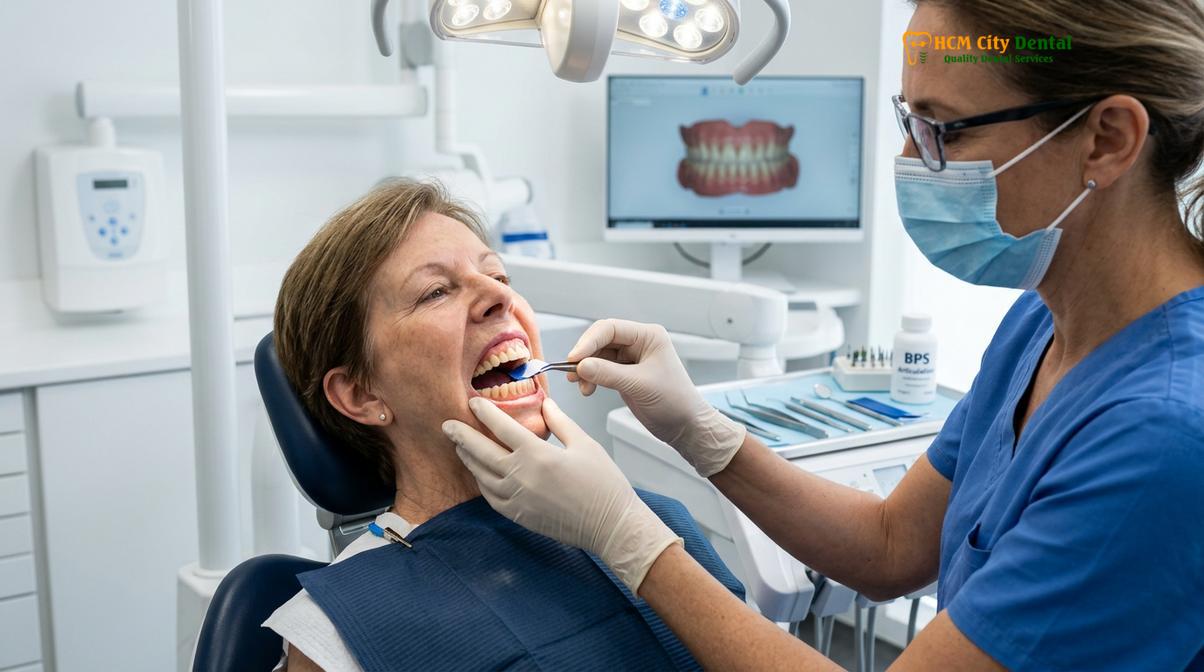
This functional impression ensures that the final denture borders will seal perfectly against the moving tissues of the mouth, creating the necessary vacuum for a suction-effective prosthesis. Once the final impressions are approved by the prosthodontist, they are immediately transferred to the in-house laboratory. The technicians promptly pour the impressions in high-strength Type IV dental stone to create the master casts. By the time the patient leaves the clinic to enjoy their first evening in the city, the laboratory is already beginning the fabrication of the record bases and wax occlusal rims.
Day 2: Exploring District 1 (Museums and Coffee) While the Lab Casts Models
While the dental laboratory pours master casts and fabricates the occlusal rims, patients can safely explore District 1’s cultural landmarks and vibrant coffee scene.
The second day of the itinerary is entirely dedicated to laboratory processing, providing the patient with a full day of leisure. Behind the scenes, the dental technicians are performing highly technical tasks. The master casts are carefully trimmed and indexed. The technicians then fabricate rigid record bases—usually from light-cured acrylic resin—that fit intimately over the master casts. Upon these bases, wax occlusal rims are constructed. These rims serve as a placeholder for the future prosthetic teeth and are essential for the next clinical step: recording the patient’s bite.
While this meticulous laboratory work is underway, patients are encouraged to take advantage of their District 1 accommodations. Because the clinic handles all technical aspects internally, the patient is free from clinical obligations for the day. District 1 is the cultural and commercial heart of Ho Chi Minh City, offering a wealth of accessible, low-stress activities perfectly suited for a medical tourist. Patients can visit the Fine Arts Museum, explore the historic architecture of the Central Post Office, or simply relax in one of the city’s countless specialty coffee shops.
| Timeline | Clinical / Laboratory Activity | Patient Leisure Activity |
|---|---|---|
| Morning | Pouring master casts in Type IV dental stone; trimming and indexing models. | Breakfast at the hotel; visiting the War Remnants Museum or Fine Arts Museum. |
| Afternoon | Fabrication of rigid record bases and contouring of wax occlusal rims. | Relaxing at a specialty coffee shop; light shopping at Ben Thanh Market. |
| Evening | Mounting preliminary models on a semi-adjustable articulator. | Enjoying a soft-food dinner (e.g., Pho or steamed fish) near the hotel. |
This balance of advanced clinical care and cultural exploration is the hallmark of a well-planned medical tourism guide. It ensures that the patient remains relaxed and stress-free, which is beneficial for overall well-being and readiness for the critical clinical evaluations scheduled for the following day.
Day 3: The Critical Wax Try-In (Shape and Smile Adjustments)
Day 3 requires a clinical visit to test the wax-mounted teeth in the patient’s mouth, allowing the prosthodontist to verify phonetics, midline symmetry, and occlusal harmony.
The third day marks the most interactive and aesthetically crucial appointment of the entire process: the wax try-in. At this stage, the prosthetic teeth have been temporarily set in wax on the record bases. When the patient arrives at the clinic, the prosthodontist inserts these wax prototypes into the mouth. The primary objective is to establish and verify the Vertical Dimension of Occlusion (VDO)—the optimal distance between the upper and lower jaws when the teeth are in contact—and the Centric Relation (CR), which is the most stable, reproducible position of the jaw joints.
Aesthetics and phonetics are rigorously evaluated during this session. The dentist checks the Camper’s line and the interpupillary line to ensure the occlusal plane is perfectly level. Phonetic tests are conducted by asking the patient to pronounce specific sounds. For example, “F” and “V” sounds help determine the correct position of the upper incisal edges against the lower lip, while “S” sounds ensure there is adequate speaking space between the upper and lower teeth without clicking. The patient is handed a mirror to evaluate the shade, mold, and arrangement of the teeth, ensuring the smile looks natural and complements their facial features[3].
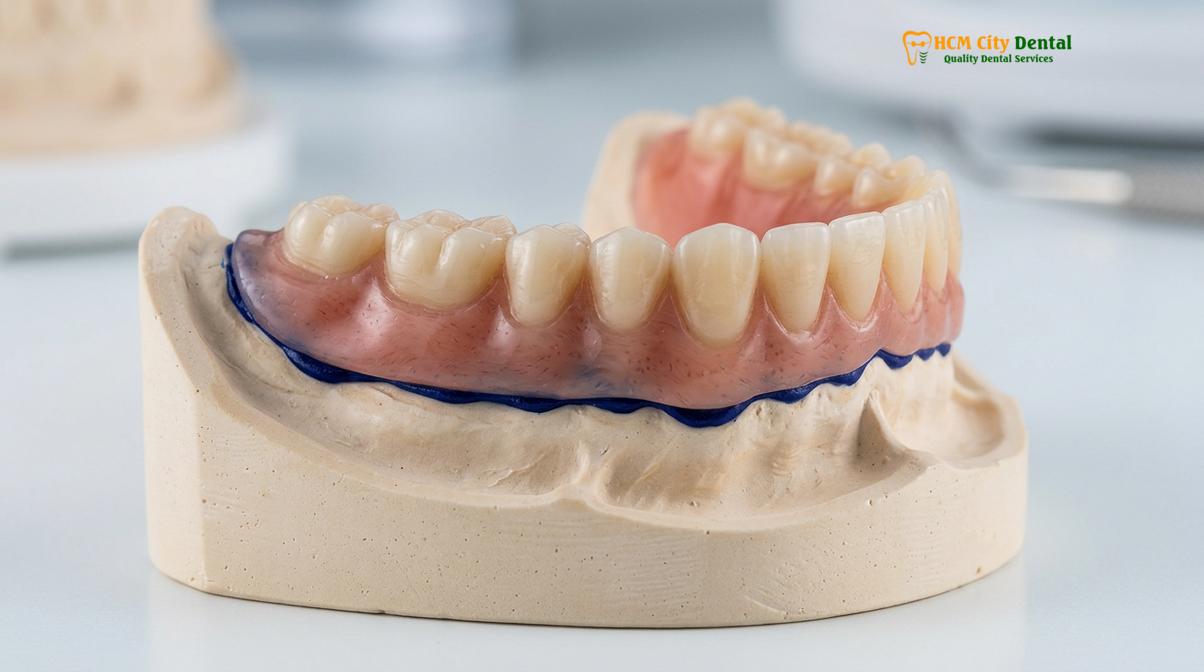
Clinical Warning: The wax try-in is the final opportunity to make aesthetic or structural changes to the tooth arrangement. Once the patient approves the wax setup and the laboratory begins the final acrylic processing, altering the position, size, or color of the teeth is no longer possible without completely remaking the prosthesis.
Patient feedback is paramount during this appointment. If the teeth appear too long, too white, or if the midline is slightly off, the prosthodontist can heat the wax and reposition the teeth chairside until the patient is completely satisfied. Only after the patient gives their final approval does the prosthesis return to the laboratory for the irreversible final processing phase.
Day 4: Relaxing in Saigon (Spa and Food Tours) While Gums Resin Cures
As the laboratory processes, packs, and cures the final denture resin under controlled heat and pressure, patients can enjoy relaxing spa treatments and soft-food culinary tours.
Following the successful wax try-in, Day 4 is another laboratory-intensive day, granting the patient a second day of rest. The laboratory utilizes the lost-wax technique to convert the approved wax setup into the final permanent prosthesis. The wax dentures are invested in a heavy metal flask using dental plaster. Once the plaster sets, the flask is placed in boiling water to melt and flush out all the wax, leaving a precise negative cavity containing the prosthetic teeth.
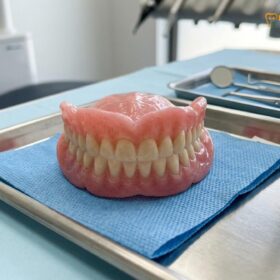
This void is then meticulously packed with high-quality, heat-cured polymethyl methacrylate (PMMA) acrylic resin. The flask is placed under immense hydraulic pressure and subjected to a carefully controlled polymerization cycle in a water bath. This slow, controlled curing process is vital; it prevents the formation of internal porosities, ensures maximum strength, and minimizes the presence of residual unreacted monomer, which could otherwise cause tissue irritation or allergic reactions in sensitive patients.
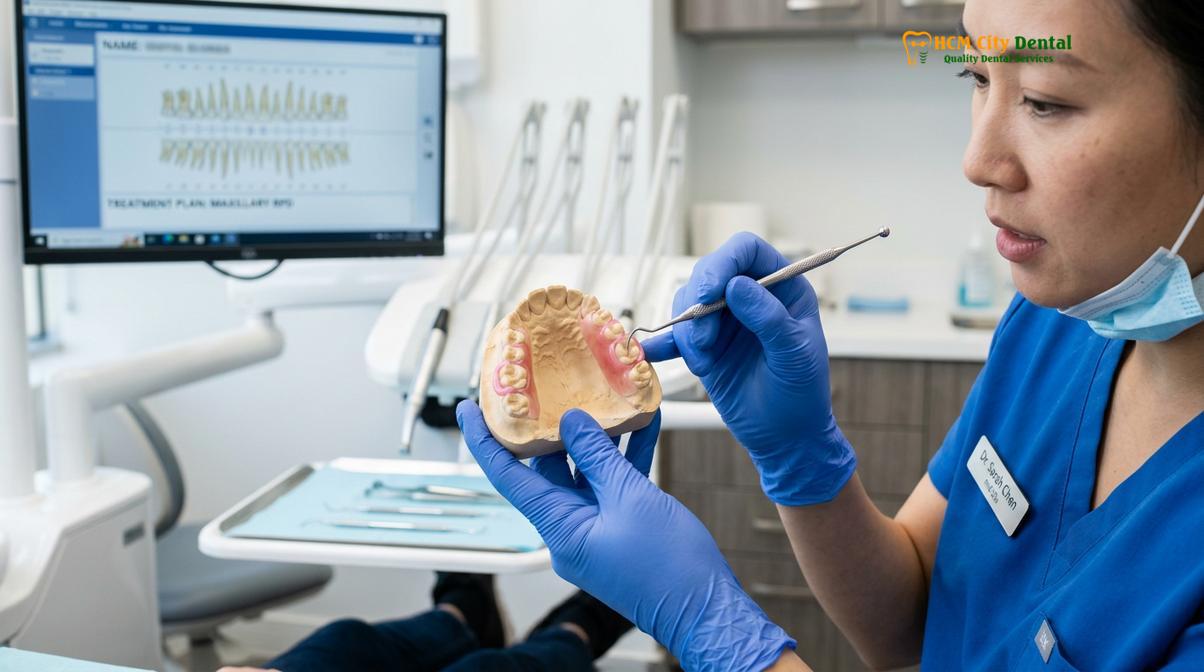
While the laboratory manages this complex chemistry, patients can engage in post-fitting Saigon travel activities designed for relaxation. Many international visitors use this time to experience traditional Vietnamese spa treatments, such as reflexology or therapeutic massages, which help alleviate any travel-related fatigue. Additionally, this is an excellent opportunity to explore the city’s culinary landscape. Since the patient may be transitioning between temporary prosthetics or managing healing gums, focusing on soft-food culinary tours is ideal. Saigon offers an abundance of soft, flavorful dishes, including rich Pho broths, delicate Banh Cuon (steamed rice rolls), and soft tofu desserts, ensuring a delightful gastronomic experience without compromising oral comfort.
Day 5: Final Fitting, Occlusal Bite Adjustments, and Safe Departure
The final day focuses on delivering the finished prosthesis, utilizing articulating paper to refine the bite, and providing comprehensive post-insertion care instructions before the patient’s flight.
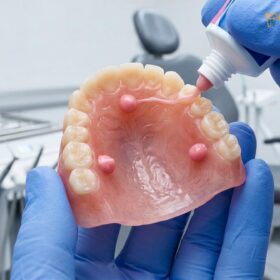
The culmination of the 5-day dental schedule occurs on Day 5 with the delivery of the final, polished dentures. The laboratory has carefully deflasked, trimmed, and polished the acrylic bases to a high shine, ensuring a smooth surface that resists plaque accumulation. During the insertion appointment, the prosthodontist carefully seats the new dentures in the patient’s mouth. The initial focus is on tissue adaptation and comfort. The dentist applies Pressure Indicator Paste (PIP)—a white, zinc oxide-based cream—to the intaglio (tissue-facing) surface of the denture. When the denture is seated under pressure, the paste displaces, revealing any areas of excessive friction or high pressure on the mucosal tissues. These spots are immediately relieved using an acrylic bur to prevent the formation of painful sore spots.
Once the tissue surface is comfortable, the focus shifts to occlusal equilibration. Even with meticulous laboratory processing, minor volumetric changes in the acrylic during curing can cause slight discrepancies in the bite. The dentist uses ultra-thin articulating paper to identify premature contacts. By selectively grinding these high spots, the prosthodontist ensures bilateral balanced occlusion—meaning the teeth meet evenly on both sides simultaneously, which is critical for the stability of removable prosthetics during mastication[4].
Clinical Case Example: A 62-year-old patient visiting HCMC Dental Clinic in Ho Chi Minh City required a complete upper denture and a lower flexible partial. By strictly adhering to the 5-day protocol, the clinical team successfully captured functional impressions on Monday, completed the wax try-in by Wednesday, and delivered the final, perfectly balanced prosthetics on Friday morning, allowing the patient to comfortably enjoy a farewell dinner before their evening flight.
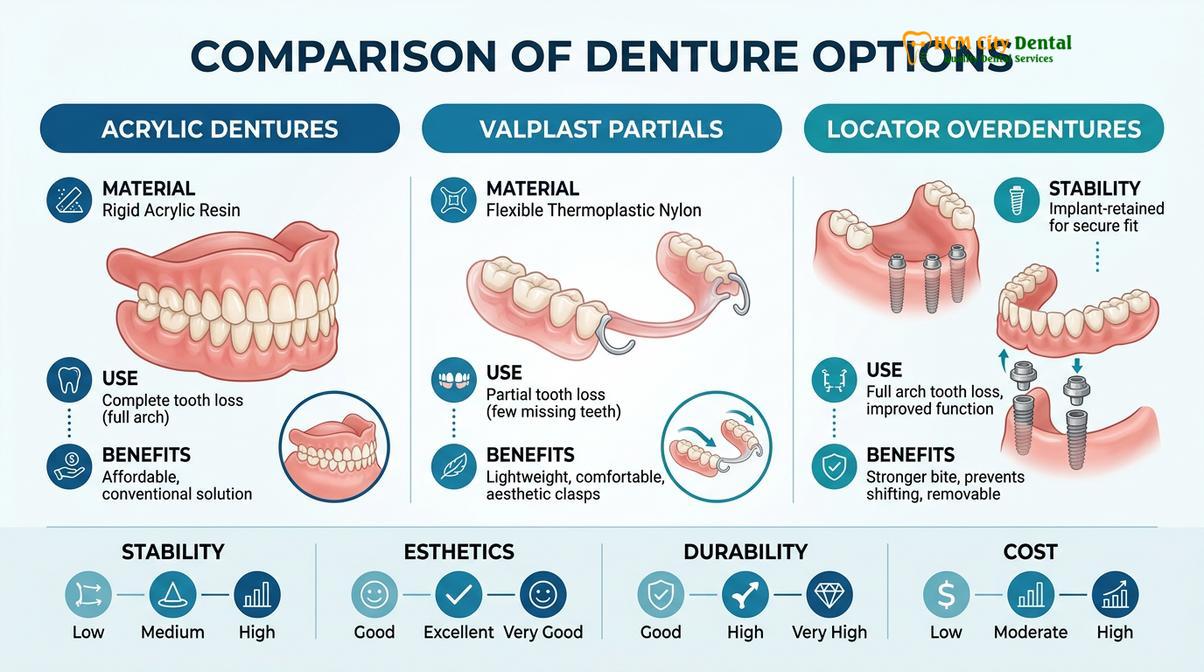
Before the patient is dismissed, the clinical team provides comprehensive post-insertion instructions. This includes guidance on proper insertion and removal techniques, daily cleaning protocols using non-abrasive denture cleansers, and the importance of removing the prosthesis at night to allow the mucosal tissues to rest and oxygenate. With the final adjustments complete, the patient is clinically cleared for a safe departure, concluding a highly successful medical journey.
Selecting Accommodations Near HCMC Dental Clinic in District 1
Choosing a hotel in District 1 minimizes transit time to the clinic, ensuring prompt arrival for appointments and easy access to post-treatment rest areas.
The logistical success of a dental vacation relies heavily on strategic accommodation choices. Selecting a hotel within District 1 is highly recommended for international patients. This central location not only provides immediate access to the city’s best dining and cultural attractions but also ensures close proximity to major medical facilities. Minimizing transit time in a bustling metropolis like Saigon reduces travel-related stress and ensures patients arrive promptly for their scheduled clinical milestones.
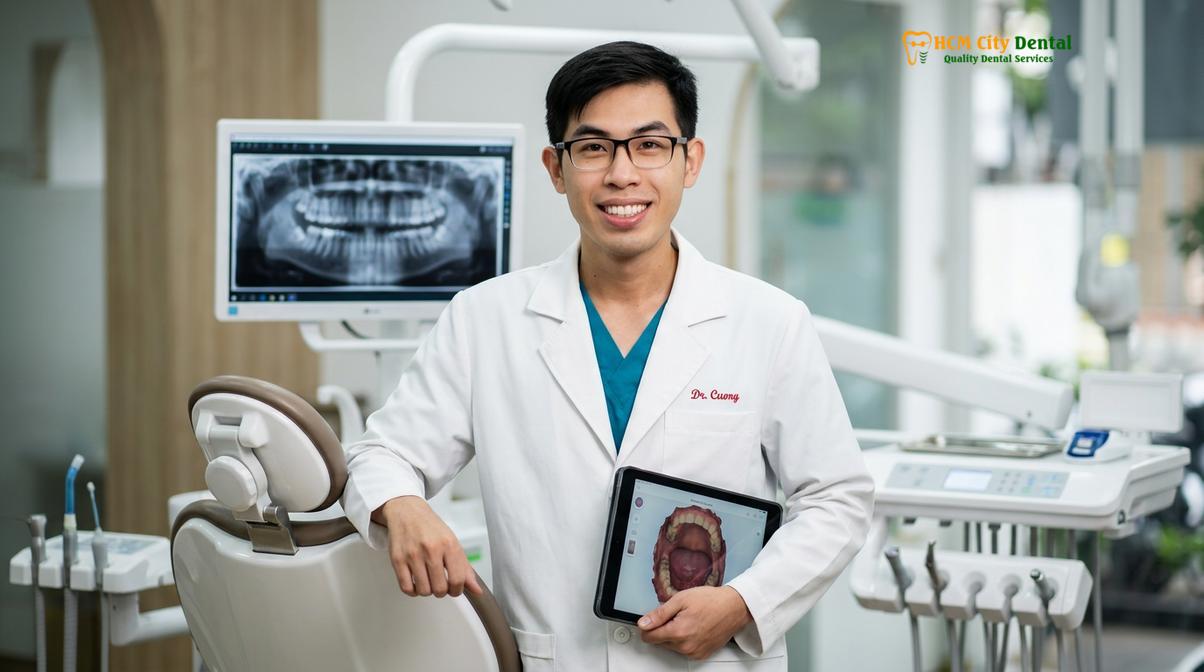
Furthermore, staying near the clinic offers significant comfort advantages. After a long impression session or the final delivery appointment, patients often appreciate the ability to quickly return to their hotel room to rest and adapt to their new prosthesis in private. For those undergoing broader treatments, such as routine dental care or minor oral surgeries alongside their denture fabrication, having a comfortable, nearby base of operations is invaluable. The clinic’s patient coordination team can often provide tailored recommendations for accommodations that cater specifically to the needs of medical tourists, ensuring a safe, comfortable, and highly convenient stay.
When to Seek Immediate Clinical Attention
While a brief period of adaptation is entirely normal when receiving a new complete denture fabrication, certain clinical signs warrant prompt professional evaluation. Patients should expect increased salivary flow, minor speech alterations, and slight mucosal tenderness during the first few days of wear. However, if you experience severe, localized ulcerations that do not improve, an inability to swallow comfortably, or persistent gagging, you must return to the clinic for immediate adjustment.
Additionally, while modern PMMA resins are highly biocompatible, rare instances of allergic contact stomatitis can occur, presenting as generalized redness, burning, and swelling of the tissues directly in contact with the denture base. If these symptoms arise, remove the prosthesis immediately and seek clinical care. For patients receiving flexible partials, ensure that the thermoplastic clasps are not impinging on the free gingival margins, which can cause localized ischemia and tissue recession[5]. Regular follow-ups, even with a local dentist in your home country, are essential for long-term general oral health maintenance and the longevity of the prosthesis.
Frequently Asked Questions
Can I travel or eat street food during the denture fabrication period?
Yes, you can safely travel and enjoy soft street foods during the laboratory processing days. While your permanent prosthesis is being fabricated, sticking to softer local delicacies like Pho broth or steamed rice rolls ensures you do not irritate your gums, especially if you have recently undergone extractions. Avoid hard, crunchy, or excessively spicy foods that could traumatize the healing mucosal tissues before your final fitting.
What happens if my denture needs adjustment after the 5th day?
If adjustments are needed after the final fitting, you should return to the clinic for a minor occlusal or mucosal refinement. Most reputable clinics offer a brief follow-up window; if you have already returned home, your local prosthodontist can easily relieve minor pressure spots using standard acrylic burs. It is common for new dentures to require one or two minor adjustments as they settle into the soft tissues.
How do I book my dental vacation package with HCMC Dental?
You can initiate your journey through our secure online dental booking portal or by contacting our international patient coordinators directly. We require recent panoramic X-rays and a brief medical history to pre-assess your alveolar bone health and outline a customized clinical schedule before you book your flights. This ensures that all laboratory resources are reserved specifically for your 5-day timeline.
Are digital impressions better than traditional putty for dentures?
Digital intraoral scans offer superior patient comfort and excellent baseline accuracy, though traditional border molding is often still required. For complete removable prosthetics, a hybrid approach—using digital scans for the preliminary model and custom trays with elastomeric materials for functional muscle capture—yields the most retentive results. Digital scans are particularly excellent for capturing the rigid anatomy of the palate without triggering the gag reflex.
How long should I wait before flying after receiving my final dentures?
Patients are generally cleared to fly immediately after the final denture delivery and occlusal adjustment. However, scheduling your departure for the evening of Day 5 or the morning of Day 6 is highly recommended, as it allows time for a final morning-after check to relieve any overnight sore spots. Cabin pressure changes during flights do not negatively affect acrylic dentures.
References
- Journal of Oral and Maxillofacial Surgery. Biomechanical principles and tissue response in complete dentures. (2021).
- International Journal of Oral and Maxillofacial Surgery. Suction-effective lower dentures and border molding outcomes. (2020).
- British Dental Journal. Patient satisfaction and chewing efficacy with premium BPS dentures. (2019).
- Journal of the American Dental Association. Implant-supported overdentures vs. conventional removable prosthetics. (2022).
- Clinical Oral Investigations. Thermoplastic flexible partial dentures: clinical suitability and aesthetics. (2018).