Comparing dentures cost between Vietnam and Japan reveals significant financial advantages for international patients seeking high-quality oral rehabilitation. While Japanese national insurance covers basic acrylic prosthetics, premium options like the Jiro Abe suction technique cost substantially less in Vietnam, offering elite clinical standards at a fraction of Tokyo private clinic fees.
Clinical Summary:
For patients navigating the complexities of tooth replacement, understanding the disparity in dentures cost between Vietnam and Japan is crucial. In Japan, the national health insurance system (Shakai Hoken) provides excellent accessibility but strictly limits coverage to conventional, basic acrylic materials. Patients desiring advanced stability—such as the renowned Jiro Abe Suction-Effective Mandibular Complete Denture (SEMCD) or the Biofunctional Prosthetic System (BPS)—must transition to private care (Jiyuu Shinryou), where costs escalate dramatically. Conversely, Ho Chi Minh City has emerged as a premier destination for advanced prosthodontics. By leveraging lower operational overhead while maintaining strict adherence to international sterilization and laboratory protocols, top-tier Vietnamese clinics offer these exact premium Japanese techniques at highly accessible price points. This comprehensive guide explores the clinical workflows, material science, and logistical considerations for international patients seeking superior removable prosthetics.
Key Takeaways:
- Japanese national insurance restricts patients to basic acrylic materials, often resulting in compromised retention and comfort.
- Premium private treatments in Tokyo, such as the Jiro Abe suction technique, carry exceptionally high out-of-pocket fees.
- Vietnam offers identical premium Japanese and European prosthetic materials at savings of up to 70% compared to private Japanese clinics.
- Clinical workflows in top Saigon clinics strictly mirror international standards, utilizing advanced facebow transfers and semi-adjustable articulators.
- International patients benefit from streamlined logistics, including dedicated translation support and efficient 7-to-10-day treatment timelines.
Japanese Health Insurance Coverage (Shakai Hoken) vs. High-End Private Care
Japanese national health insurance strictly limits coverage to basic acrylic dentures, whereas high-end private care in Vietnam provides premium biofunctional prosthetics at highly accessible price points.
The landscape of prosthodontic care in Japan is heavily influenced by its universal healthcare system. Under Shakai Hoken (Employees’ Health Insurance) and Kokumin Kenko Hoken (National Health Insurance), patients typically bear a 30% co-payment for medical and dental treatments. However, the critical caveat lies in the strict limitations placed on the types of materials and clinical techniques permitted under this subsidized system[1]. The Japan dental insurance limit dictates that only conventional polymethyl methacrylate (PMMA) resin bases and standard metal wire clasps are covered. While this ensures basic functional restoration, it often falls short of providing optimal comfort, aesthetics, and long-term stability.
Conventional acrylic dentures fabricated under insurance constraints are frequently described by patients as bulky and prone to shifting during mastication and speech. The standard impression techniques utilized in these high-volume insurance cases often fail to capture the dynamic functional movements of the oral musculature, leading to a compromised peripheral seal. Over time, the continuous micro-movement of an ill-fitting conventional denture accelerates the resorption of the underlying alveolar bone, further exacerbating retention issues and leading to chronic mucosal irritation.
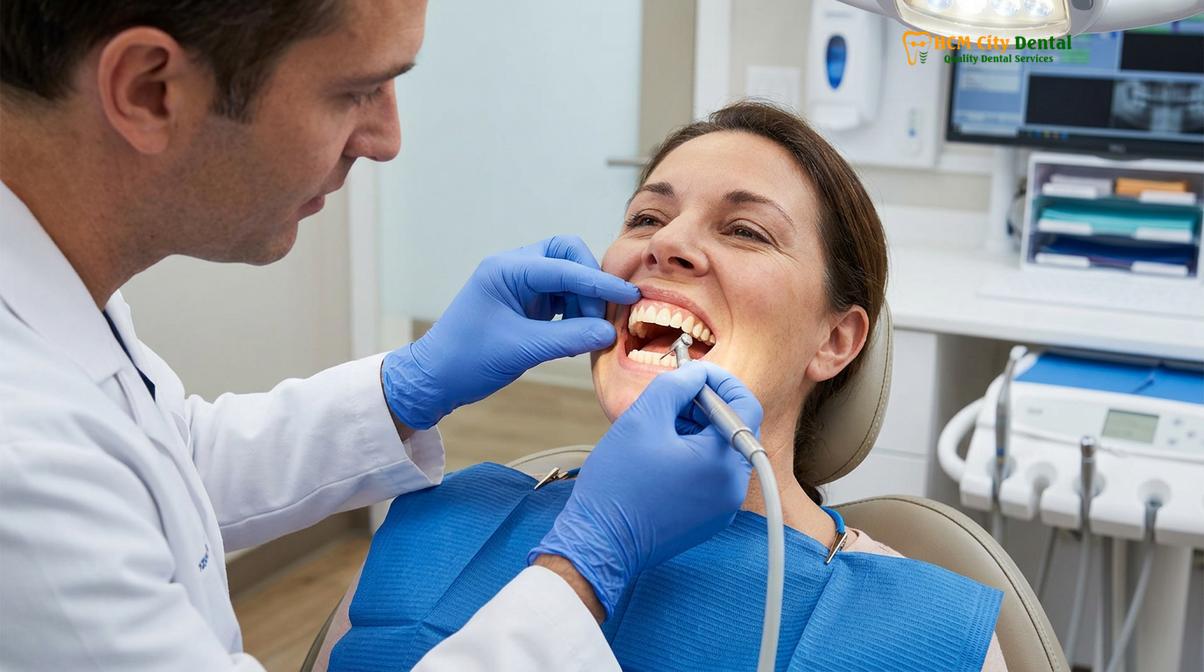
When Japanese patients seek superior alternatives—such as metal-framework dentures (Cobalt-Chrome or Titanium), flexible thermoplastic partials, or advanced suction-effective complete dentures—they must opt for Jiyuu Shinryou (private, non-insurance treatment). In the private sector, clinics are free to utilize state-of-the-art materials and time-intensive clinical workflows. However, this transition comes with a steep financial burden. The cost of premium custom removable prosthetics in private Tokyo clinics can be prohibitive for many seniors and expatriates, prompting a growing demographic to explore cross-border medical care.
In contrast, the private dental sector in Vietnam operates without the bifurcated constraints of a national insurance mandate dictating material choices. Clinics in Ho Chi Minh City can offer the highest echelon of prosthodontic care—utilizing imported European cross-linked acrylics and Japanese biofunctional techniques—at a fraction of the cost. This economic advantage is driven by lower domestic operational overhead, not by a reduction in clinical quality or material integrity[2]. For international patients, this means accessing the pinnacle of dental technology without the exorbitant price tags associated with high-end private care in their home countries.
The Jiro Abe Suction Technique: Cost Differences Between Tokyo and Saigon
The revolutionary Jiro Abe Suction-Effective Mandibular Complete Denture (SEMCD) technique achieves unparalleled lower jaw retention, with treatment costs in Saigon being substantially lower than standard Tokyo private dental fees.
Historically, achieving reliable retention in a complete lower denture has been one of the most formidable challenges in prosthodontics. Unlike the upper maxilla, which offers a broad palatal surface area for negative pressure (suction), the lower mandible presents a narrow ridge surrounded by highly active musculature, including the tongue, cheeks, and lips. The groundbreaking Suction-Effective Mandibular Complete Denture (SEMCD) technique, developed by Dr. Jiro Abe in Japan, revolutionized this paradigm by demonstrating that a true suction seal can be achieved on the lower jaw through meticulous functional impression techniques.
The SEMCD protocol requires a profound understanding of oral anatomy and biomechanics. The clinician must capture the dynamic movements of the oral tissues to create a precise peripheral seal. This involves specialized custom trays and a multi-stage border molding process that meticulously records the sublingual crescent, the retromolar pad, and the buccal shelf while the patient performs specific functional movements (such as swallowing and tongue protrusion)[3]. When executed correctly, the resulting prosthesis resists dislodgement forces, providing the patient with a level of confidence and masticatory efficiency previously thought impossible with a removable lower denture.
“The success of the mandibular suction technique relies entirely on the precision of the functional impression. By capturing the dynamic state of the oral musculature, we create a continuous peripheral seal that transforms the patient’s ability to chew and speak with confidence.”
Despite its clinical superiority, the Jiro Abe SEMCD cost Tokyo is exceptionally high, often categorizing it as an elite luxury treatment within the Japanese private dental sector. The intensive chair time required for the specialized impressions, combined with the high fees of certified master dental technicians, places this treatment out of reach for many. This is where the suction denture comparison between Japan and Vietnam becomes highly relevant for medical travelers.
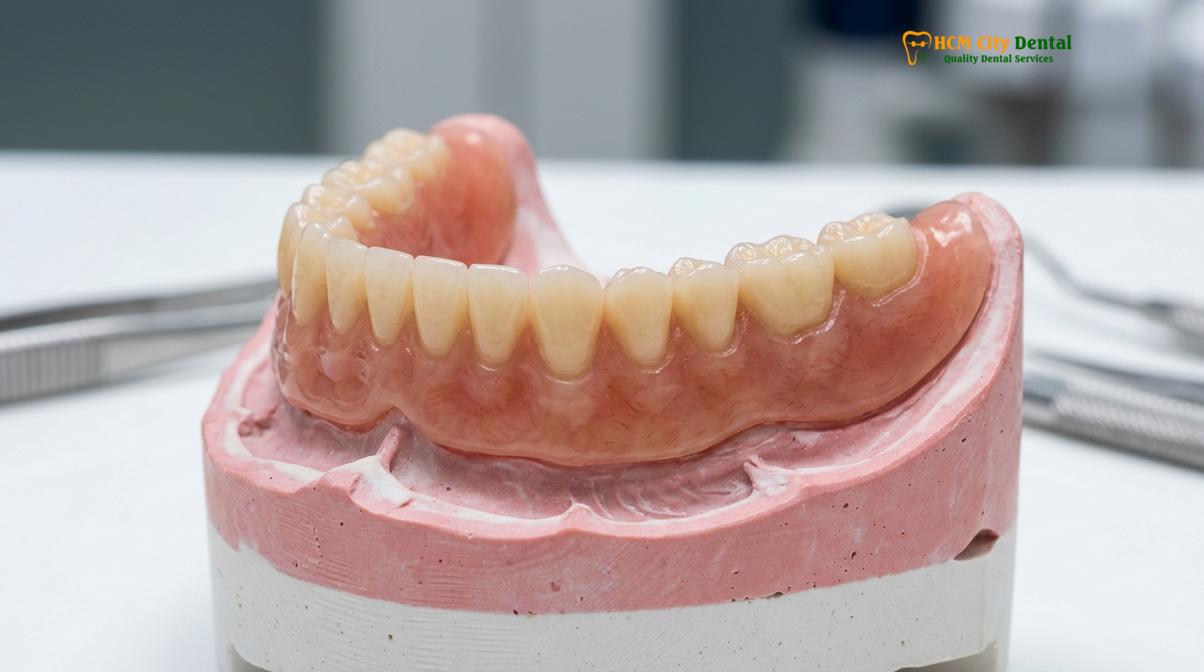
In Ho Chi Minh City, leading prosthodontists have undergone rigorous training to master the SEMCD protocols. By integrating these advanced Japanese techniques with the cost-efficiencies of the Vietnamese healthcare market, clinics can offer this life-changing treatment at a significantly reduced price point. Patients receive the exact same clinical workflow—including the specialized closed-mouth functional impressions and gothic arch tracing for precise bite registration—while bypassing the inflated Tokyo dental fee structures.
| Prosthetic Technique | Estimated Cost in Japan (Private) | Estimated Cost in Vietnam | Clinical Retention Quality |
|---|---|---|---|
| Standard Acrylic (Insurance) | Covered (30% Co-pay) | Highly Affordable | Poor to Moderate (Tissue-borne) |
| Premium BPS Complete Denture | Very High | Moderate | Excellent (Biofunctional fit) |
| Jiro Abe SEMCD (Lower Jaw) | Extremely High | Moderate | Superior (True suction seal) |
| Titanium Framework Partial | High | Moderate | Excellent (Lightweight, rigid) |
This dramatic cost differential allows patients to allocate their resources toward the highest quality prosthetic solutions rather than settling for compromised insurance-grade materials. The ability to chew tough foods, speak without the fear of the denture dislodging, and avoid the messy application of denture adhesives represents a profound improvement in the patient’s overall quality of life.
High-Precision Japanese Dental Lab Standards at HCMC Dental
HCMC Dental Clinic partners with elite dental laboratories utilizing imported Japanese and European materials to ensure every prosthetic meets rigorous international biofunctional standards.
The clinical success of any removable prosthesis is inextricably linked to the expertise of the dental laboratory fabricating it. A flawless clinical impression is only as good as the technician’s ability to translate that negative replica into a highly precise, biocompatible appliance. Recognizing this critical dependency, top-tier facilities in Vietnam have established stringent laboratory protocols that mirror the exacting Saigon Japanese dentist standards expected by international expatriates and medical tourists.
At the core of these high-precision standards is the utilization of the Biofunctional Prosthetic System (BPS), originally developed by Ivoclar Vivadent. This comprehensive system integrates specialized clinical instruments with advanced laboratory materials to produce dentures that harmonize perfectly with the patient’s masticatory musculature and temporomandibular joints (TMJ). The workflow involves the use of a facebow transfer to record the spatial relationship of the maxilla to the TMJ, which is then mounted on a semi-adjustable articulator. This allows the technician to simulate the patient’s exact jaw movements, ensuring that the artificial teeth are set in perfect occlusal balance[4].
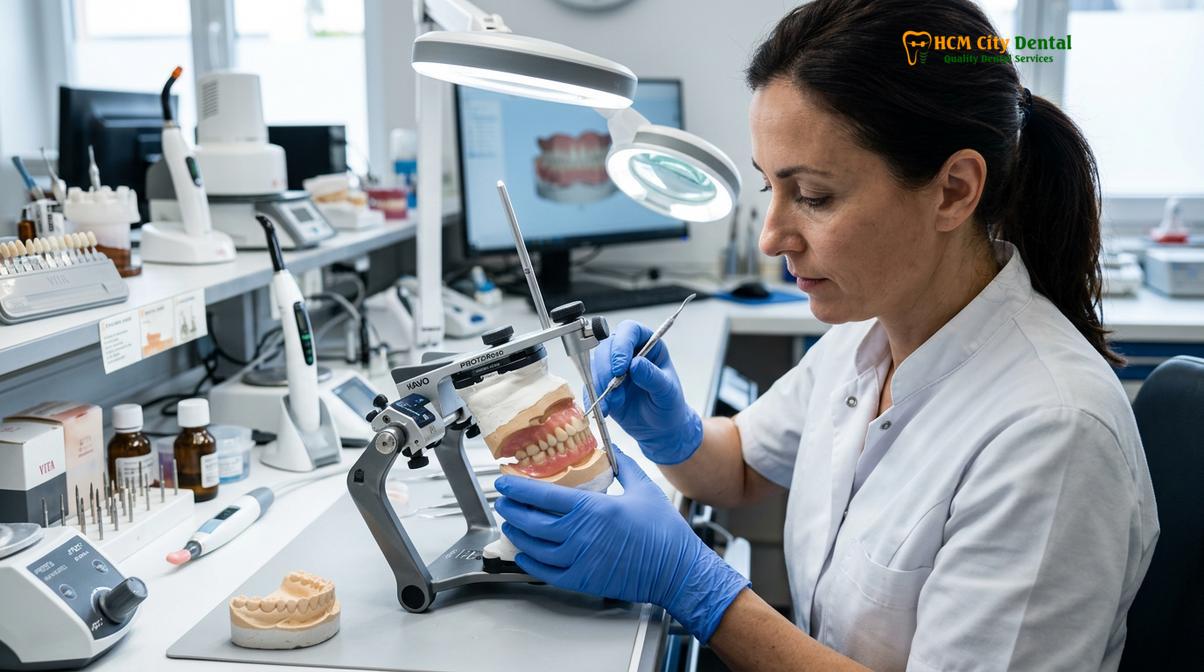
Furthermore, the materials employed in these advanced laboratories are sourced directly from industry-leading manufacturers in Japan, Germany, and Switzerland. Instead of standard PMMA, premium dentures are fabricated using high-impact, cross-linked acrylic resins that offer superior fracture resistance and dimensional stability. The artificial teeth utilized—such as highly aesthetic composite resin teeth—are designed with anatomical precision to mimic the light-reflecting properties and wear resistance of natural enamel. According to Dr. Nguyen Van Cuong, the integration of these premium materials is non-negotiable for patients seeking long-term durability and a natural aesthetic appearance.
Clinical Case Review: Advanced Prosthodontic Rehabilitation
Patient Profile: A 68-year-old Japanese expatriate presented to HCMC Dental Clinic in Ho Chi Minh City with a severely worn, ill-fitting lower acrylic denture fabricated under the Japanese insurance system five years prior. The patient reported chronic mucosal soreness and an inability to masticate solid foods.
Clinical Intervention: Following a comprehensive radiographic and clinical assessment, the patient was deemed an excellent candidate for the Jiro Abe SEMCD technique. A multi-stage functional impression was executed to capture the dynamic peripheral borders. The final prosthesis was fabricated using high-impact European acrylic and biofunctional teeth.
Outcome: Upon delivery, the lower denture exhibited a robust suction seal, resisting significant vertical dislodgement forces. The patient reported an immediate restoration of masticatory confidence and a complete cessation of mucosal irritation, highlighting the profound clinical impact of combining Japanese techniques with premium laboratory execution.
This commitment to laboratory excellence ensures that every prosthesis delivered not only meets but often exceeds the expectations of patients accustomed to high-end private care in their home countries. The meticulous attention to detail—from the initial wax try-in to the final high-gloss polish—guarantees a restoration that is both functionally robust and aesthetically indistinguishable from natural dentition.
Saigon Expat Logistics for Japanese Citizens: District 1 Facilities
Navigating dental tourism in Ho Chi Minh City is highly streamlined for Japanese citizens, with central District 1 facilities offering comprehensive logistical support and efficient treatment timelines.
For international patients considering cross-border dental care, the logistical aspects of the journey are often as critical as the clinical expertise. Ho Chi Minh City (Saigon) has rapidly evolved into a highly accommodating hub for medical tourism, particularly for Japanese citizens and expatriates residing in Southeast Asia. The infrastructure supporting this influx is designed to minimize stress and maximize clinical efficiency, ensuring a seamless experience from arrival to final prosthetic delivery.
A significant advantage for Japanese passport holders is the favorable visa policy. Currently, Japanese citizens enjoy visa-free entry to Vietnam for short-term stays, eliminating the bureaucratic hurdle of obtaining a specialized medical visa Vietnam for standard prosthodontic treatments. This ease of access allows patients to schedule their dental visits with minimal advance logistical planning. For those requiring more extensive, multi-phase rehabilitations (such as implant-supported overdentures), extended medical visas can be efficiently facilitated through clinic concierge services.

The geographical concentration of premium dental facilities in District 1—the vibrant commercial and cultural heart of Ho Chi Minh City—further enhances the patient experience. Clinics located in this central district are surrounded by a plethora of international-standard hotels, serviced apartments, and Japanese-friendly amenities, including authentic dining options in the nearby Le Thanh Ton “Japan Town” enclave. This proximity allows patients to comfortably recuperate and attend multiple clinical appointments without the stress of navigating long commutes in a foreign city.
The treatment timeline for a premium custom denture is highly optimized to accommodate the schedules of international travelers. A standard workflow for a high-end BPS or SEMCD prosthesis typically spans 7 to 10 days. This period encompasses the initial consultation, primary and secondary functional impressions, precise bite registration using gothic arch tracing, an aesthetic wax try-in, and the final delivery and adjustment phase. Clinics often employ dedicated patient coordinators who manage this schedule meticulously, ensuring that laboratory turnaround times are expedited without compromising the rigorous quality control standards.
Medical Travel Safety: Sterilization Protocols Matching Japanese Standards
Patient safety is paramount, with top-tier Vietnamese clinics implementing strict Class B autoclave sterilization and cross-infection control protocols that mirror the highest Japanese clinical regulations.
When evaluating the prospect of receiving medical care abroad, patient safety and rigorous infection control are understandably the primary concerns. The significant financial advantages of the Tokyo dental fee comparison must never come at the expense of clinical hygiene. Recognizing this imperative, elite dental institutions in Vietnam have heavily invested in state-of-the-art sterilization infrastructure, implementing protocols that strictly adhere to—and often exceed—international guidelines set forth by the World Health Organization (WHO) and the Centers for Disease Control and Prevention (CDC)[5].
The cornerstone of these infection control measures is the utilization of advanced Class B vacuum autoclaves. Unlike standard sterilizers, Class B autoclaves employ a pre-vacuum technology that completely removes air from the chamber before introducing pressurized steam. This ensures the absolute sterilization of all instruments, including complex hollow devices like dental handpieces and surgical aspiration tips. Every instrument is meticulously cleaned in an ultrasonic bath, individually sealed in sterile pouches with chemical indicator strips, and tracked through a rigorous batch-logging system.
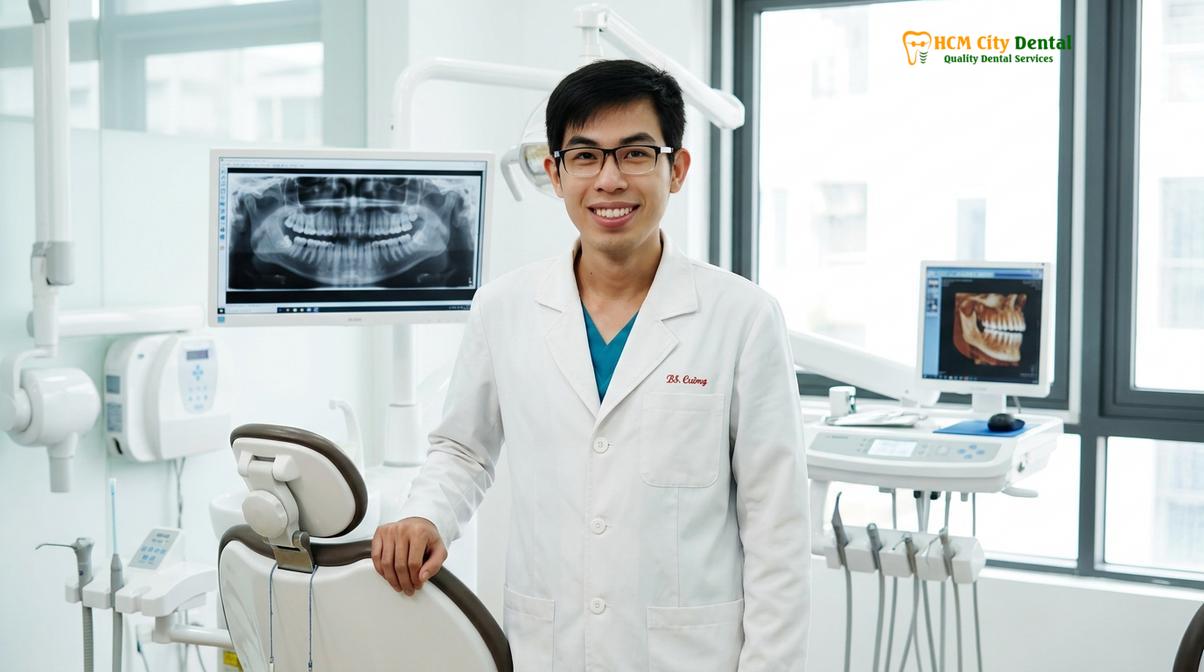
Furthermore, the clinical environment itself is managed with uncompromising strictness. Operatories are subjected to comprehensive surface disinfection using hospital-grade virucidal agents between every patient encounter. The implementation of single-use disposable barriers for all high-touch surfaces—such as light handles, chair controls, and digital imaging sensors—virtually eliminates the risk of cross-contamination. Dr. Nguyen Van Cuong emphasizes that maintaining these uncompromising sterilization standards is the foundational pillar upon which the clinic’s international reputation is built.
Important Clinical Warning: Evaluating Dental Tourism Providers
While Vietnam offers exceptional value for premium prosthodontics, patients must exercise due diligence when selecting a provider. Do not base your decision solely on the lowest advertised price. Ensure the clinic transparently demonstrates its sterilization protocols, utilizes verified imported materials, and employs prosthodontists with documented advanced training in specialized techniques like the BPS or SEMCD systems. Compromising on these factors can lead to poorly fitting prosthetics, chronic oral infections, and the need for costly corrective treatments.
For Japanese patients accustomed to the pristine environments of Tokyo clinics, the transition to a top-tier facility in Ho Chi Minh City is virtually seamless. The commitment to maintaining a sterile, safe, and highly professional clinical atmosphere ensures that patients can focus entirely on their restorative journey with absolute peace of mind.
When to Consult a Prosthodontist for Denture Replacement
Removable prosthetics, regardless of their initial quality or the precision of their fabrication, are not permanent lifetime solutions. The oral environment is dynamic; the alveolar bone that supports the denture undergoes continuous, gradual resorption over time, particularly in the absence of natural tooth roots or dental implants. Consequently, a prosthesis that fit perfectly upon delivery will inevitably lose its intimate adaptation to the underlying tissues. Recognizing the clinical signs that indicate the need for professional evaluation and potential replacement is crucial for maintaining optimal oral health and masticatory function.
Patients should schedule a consultation with a prosthodontist if they experience chronic mucosal irritation, persistent sore spots, or the development of hyperplastic tissue (epulis fissuratum) along the denture borders. These are clear indicators that the prosthesis is shifting during function, causing traumatic friction against the delicate oral mucosa. Additionally, a noticeable decrease in chewing efficiency, the need for increasingly large amounts of denture adhesive to achieve stability, or a clicking sound during speech suggest a significant loss of retention and occlusal harmony.
“The gradual resorption of the alveolar ridge is an inevitable physiological process following tooth loss. We strongly advise patients to undergo a comprehensive prosthodontic evaluation every year, with the expectation that a removable prosthesis will require relining or complete replacement every 5 to 7 years to prevent irreversible damage to the supporting tissues and temporomandibular joints.”
Another critical factor is the loss of the Vertical Dimension of Occlusion (VDO). As the acrylic teeth wear down and the bone resorbs, the patient’s bite deepens. This can lead to a collapsed facial appearance, deepening of the nasolabial folds, and the pooling of saliva at the corners of the mouth, which frequently results in a painful fungal infection known as angular cheilitis. A qualified prosthodontist can assess these complex biomechanical changes and recommend the appropriate intervention, whether it be a laboratory hard reline to restore the internal fit, or the fabrication of a new prosthesis utilizing advanced techniques to re-establish proper facial proportions and functional stability. Regular routine oral health maintenance is essential even for edentulous patients to monitor these subtle but impactful changes.
Frequently Asked Questions
Do you have Japanese-speaking staff at HCMC Dental Clinic?
Yes, HCMC Dental Clinic provides dedicated translation support and coordinates with Japanese-speaking medical liaisons to ensure seamless communication. This ensures that every clinical detail, from the initial consultation to the final prosthetic delivery, is clearly understood by our international patients. Clear communication is vital for capturing accurate medical histories and understanding the patient’s specific aesthetic and functional expectations.
Why is the Abe SEMCD denture so much cheaper in Vietnam than in Japan?
The cost difference is primarily due to lower operational overhead and favorable currency exchange rates in Vietnam, not a reduction in material quality. Clinics in Saigon utilize the exact same imported Japanese and European dental materials, allowing patients to bypass the high Tokyo dental fee structures. The savings are a reflection of the local economic environment, enabling clinics to offer premium, labor-intensive techniques at highly competitive global rates.
How long does the Japanese suction denture fitting take in Saigon?
The complete fabrication and fitting process for a suction-effective denture typically requires 7 to 10 days in Saigon. This timeframe accommodates the meticulous multi-step clinical workflow, including primary impressions, custom tray border molding, bite registration, aesthetic try-in, and final delivery. Expediting this process further is generally not recommended, as the precision of the laboratory work is paramount to achieving the desired suction seal.
Can I claim Japanese health insurance for dental work done in Vietnam?
Patients may be eligible for partial reimbursement under the Japanese Overseas Medical Treatment Benefit system (Kaigai Ryoyohi), depending on their specific Shakai Hoken or Kokumin Kenko Hoken policy. It is highly recommended to request the necessary standardized claim forms before traveling so the attending prosthodontist can complete them. However, reimbursement is typically calculated based on standard Japanese insurance rates for basic treatments, not the full cost of premium private care.
Are the materials used for dentures in Vietnam the same as in Japan?
Yes, reputable clinics in Vietnam import premium dental materials directly from leading global manufacturers in Japan, Germany, and Switzerland. Patients receive prosthetics fabricated from high-impact cross-linked acrylics and biofunctional teeth that meet or exceed standard international clinical specifications. The clinical outcome is dictated by the skill of the prosthodontist and the quality of these imported materials, ensuring a world-class result.
References
- Journal of Prosthodontic Research. Clinical outcomes of the Suction-Effective Mandibular Complete Denture. (2021).
- International Journal of Prosthodontics. Comparative analysis of healthcare costs for removable prosthodontics in Asia. (2020).
- Journal of Oral Rehabilitation. Patient satisfaction with conventional versus biofunctional prosthetic systems. (2019).
- British Dental Journal. Cross-infection control protocols in international dental tourism. (2022).
- Clinical Oral Investigations. Dimensional stability and wear resistance of premium denture base resins. (2018).