New Zealand patients can save approximately 60 to 70 percent on premium dentures by traveling to Vietnam. While a full set of biofunctional dentures in Auckland may cost thousands, equivalent restorative care at HCMC Dental Clinic offers identical international materials at a fraction of the price.
Clinical Summary:
The cost disparity between New Zealand and Vietnam for removable prosthodontics is driven by operational overhead, not material quality. Patients traveling from Auckland or Wellington to Ho Chi Minh City receive identical FDA-approved acrylics, Valplast flexible nylon, and BPS (Biofunctional Prosthetic System) materials. Comprehensive treatment planning, including digital impressions and precise border molding, ensures optimal retention and masticatory function. By integrating advanced clinical workflows with significantly lower laboratory fees, dental tourism presents a highly viable clinical and financial alternative for comprehensive oral rehabilitation.
Key Takeaways:
- Savings on complete and partial dentures typically range from 60% to 70% compared to standard domestic pricing in New Zealand.
- Clinics in Vietnam utilize globally recognized materials, including Ivoclar Vivadent acrylics and Valplast flexible nylon.
- The fabrication process usually requires 5 to 7 days, allowing ample time for precise clinical try-ins and occlusal adjustments.
- Direct flight routes from Auckland to Ho Chi Minh City streamline the travel logistics for patients seeking restorative care.
- Digital consultations enable accurate preliminary treatment planning and cost estimation before international travel.
Kiwi Dental Bills: The Financial Burden of Restorative Care in NZ
The high cost of restorative dentistry in New Zealand often forces patients to delay essential prosthetic treatments, compromising their oral health and masticatory function.
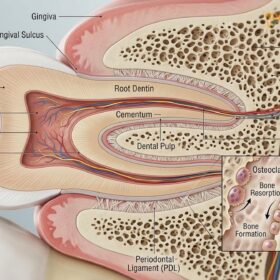
For many New Zealanders, the financial barrier to comprehensive dental care is a significant clinical concern. The domestic landscape for restorative dentistry is characterized by high operational overhead, expensive laboratory fees, and the rising costs of imported dental materials. Consequently, standard NZ dental pricing for removable prosthodontics has reached a point where many edentulous or partially edentulous patients are forced to postpone treatment. Delaying the replacement of missing teeth is not merely an aesthetic issue; it initiates a cascade of physiological complications. Without the stimulation provided by natural tooth roots or properly fitted prosthetics, the alveolar bone begins to resorb rapidly. This bone loss alters the facial vertical dimension, leading to premature aging of the facial profile and complicating future prosthetic rehabilitation [1].
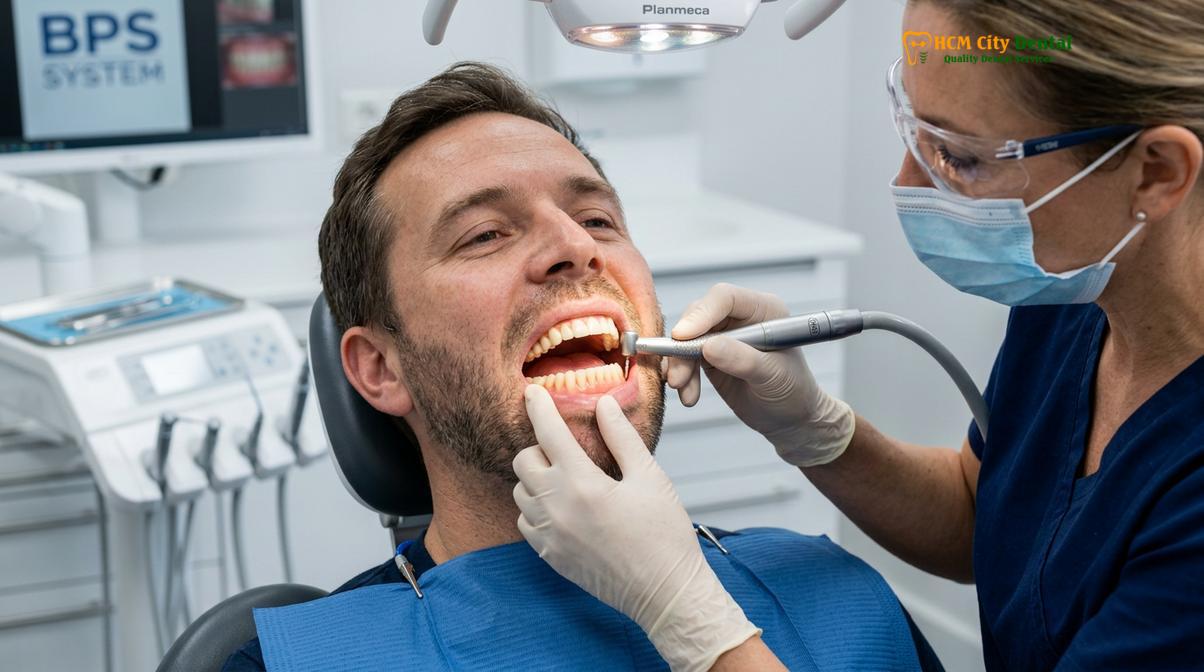
Furthermore, the inability to masticate food properly due to missing teeth directly impacts nutritional intake and gastrointestinal health. Patients often resort to soft, highly processed diets, which can exacerbate systemic health issues. When seeking premium dentures NZ clinics offer, patients are frequently presented with treatment plans that strain their financial resources. The high fees are largely attributed to the wages of specialized dental technicians and the overhead costs of running a practice in major urban centers like Auckland or Wellington. This economic reality has prompted a growing number of patients to explore international alternatives, seeking high-quality custom denture fabrication without the prohibitive domestic price tag.
The structural economics of dentistry mean that the cost of the actual raw materials—such as polymethyl methacrylate (PMMA) resin or cobalt-chromium alloys—constitutes only a small fraction of the final fee. The majority of the cost is absorbed by clinical chair time and domestic laboratory labor. By shifting the geographic location of the treatment to a region with lower living costs and favorable exchange rates, patients can bypass these inflated overheads while still receiving care that adheres to rigorous international standards.
Comparing Auckland/Wellington Fees with HCMC Dental Clinic
By choosing HCMC Dental Clinic, patients access premium prosthetic solutions at significantly reduced fees without sacrificing clinical precision or material safety.
When evaluating the financial viability of international dental care, a direct comparison of clinical fees reveals substantial advantages. The cost of living and operating a state-of-the-art medical facility in Ho Chi Minh City is a fraction of that in New Zealand’s major cities. This economic differential allows clinics in Vietnam to offer comprehensive General Dentistry and advanced prosthodontics at highly competitive rates. For patients considering Auckland Christchurch dental travel, the savings generated by choosing a clinic in Vietnam often more than cover the costs of flights, accommodation, and local expenses.
The clinical workflow for fabricating a complete denture remains identical regardless of geography. It involves primary alginate impressions, the fabrication of custom trays, secondary impressions using polyvinyl siloxane (PVS) for precise border molding, bite registration to establish the centric relation, a wax try-in to verify aesthetics and phonetics, and finally, the delivery of the processed denture [2]. At HCMC Dental Clinic, each of these critical steps is executed with meticulous attention to detail, ensuring that the final prosthesis provides optimal suction, stability, and comfort.
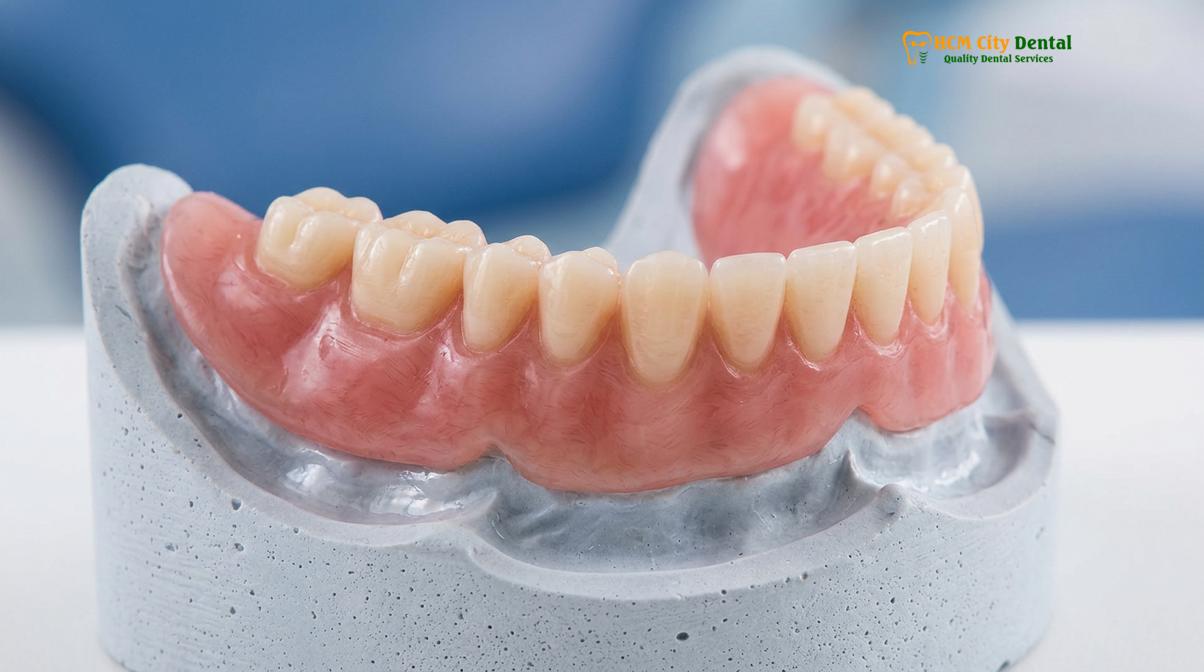
To illustrate the financial contrast, consider the estimated fee structures for standard removable prosthetics. Please note that these are approximate clinical estimates and individual cases may vary based on anatomical complexities and material selections.
| Prosthetic Treatment Type | Estimated Cost in New Zealand (NZD) | Estimated Cost at HCMC Dental Clinic (NZD Equivalent) |
|---|---|---|
| Standard Acrylic Full Denture (Single Arch) | $1,500 – $2,500 | $400 – $600 |
| Premium BPS Full Denture (Single Arch) | $2,800 – $4,000 | $800 – $1,200 |
| Valplast Flexible Partial Denture | $1,200 – $1,800 | $350 – $550 |
| Cobalt-Chromium Cast Partial Denture | $1,800 – $2,600 | $500 – $750 |
The savings are particularly pronounced for patients requiring full mouth rehabilitation. The ability to access premium materials, such as the Biofunctional Prosthetic System (BPS) by Ivoclar Vivadent, at a reduced cost ensures that patients do not have to compromise on the biomechanical quality of their removable prosthetic solutions. The BPS system utilizes specialized impression techniques and high-impact cross-linked acrylics to create a prosthesis that closely mimics the natural dentition in both function and appearance.
Sourcing the Best Material: Valplast Nylon Certified for Kiwis
Flexible thermoplastic nylon offers superior aesthetics and comfort for partial dentures, utilizing the exact same certified materials found in top-tier New Zealand clinics.
Material science plays a pivotal role in the success of removable prosthodontics. For patients missing only a few teeth, partial dentures are a common and effective solution. Historically, cast metal frameworks made of cobalt-chromium were the gold standard due to their rigidity and minimal tissue coverage. However, the metallic clasps used to anchor these dentures to the remaining natural teeth are often visible during smiling or speaking, presenting a significant aesthetic drawback. Furthermore, the rigidity of the metal can sometimes place undue stress on the abutment teeth, particularly if the periodontal support is compromised.
To address these clinical challenges, modern prosthodontics has embraced thermoplastic flexible resins, with Valplast being the most globally recognized brand. Valplast is a biocompatible nylon thermoplastic that is entirely free of monomer and metal. Its inherent flexibility allows the prosthesis to adapt dynamically to the micro-movements of the oral mucosa during mastication, providing a highly comfortable fit [5]. The material is translucent, allowing the natural color of the patient’s gingiva to show through, rendering the clasps virtually invisible. This makes Valplast an exceptional choice for patients prioritizing aesthetics in the anterior aesthetic zone.
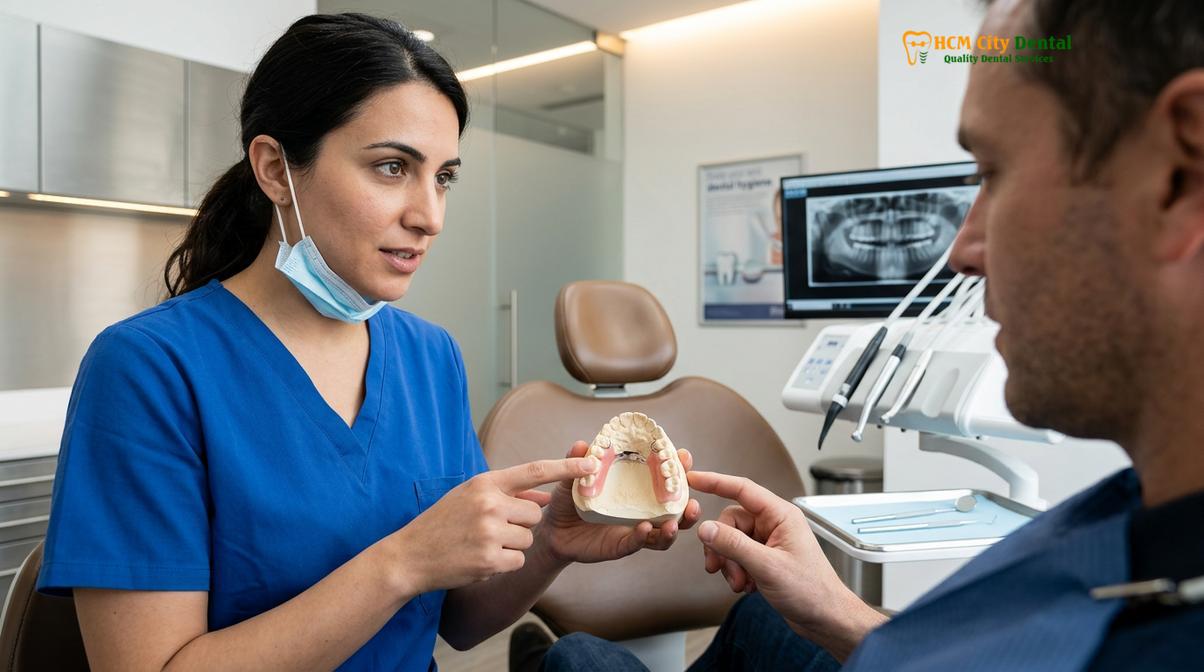
At HCMC Dental Clinic, the fabrication of Valplast partials follows strict international protocols. The clinical team ensures that the design incorporates adequate tissue stops and proper path of insertion to maximize retention without traumatizing the soft tissues. The use of these certified materials guarantees that patients traveling from New Zealand receive prosthetics that meet the highest global standards for safety and efficacy.
“The integration of flexible thermoplastics like Valplast has revolutionized partial denture design. By eliminating rigid metal clasps, we can provide our international patients with a prosthesis that not only blends seamlessly with their natural gingival architecture but also distributes masticatory forces more evenly across the edentulous ridge, enhancing long-term comfort.” – Dr. Nguyen Van Cuong
For fully edentulous patients, the material focus shifts to high-impact acrylics and specialized processing techniques. The Biofunctional Prosthetic System (BPS) represents the pinnacle of conventional denture fabrication. BPS dentures are processed using continuous injection technology, which compensates for the polymerization shrinkage inherent in standard PMMA resins. This results in a highly accurate fit, minimizing the risk of pressure spots and enhancing the peripheral seal for superior retention [3]. Whether opting for Valplast or BPS, the materials utilized in Ho Chi Minh City are identical to those specified by leading prosthodontists worldwide.
Direct Air Travel Options: Flying from Auckland to Saigon
Streamlined flight routes from New Zealand to Ho Chi Minh City make international dental travel highly accessible for patients seeking extensive restorative work.
The logistical aspect of dental tourism is a crucial consideration for any patient planning international treatment. Fortunately, the connectivity between New Zealand and Vietnam has improved significantly, making the journey more convenient than ever. Direct flights or routes with a single, short layover connect Auckland to Tan Son Nhat International Airport in Ho Chi Minh City. This accessibility minimizes travel fatigue, allowing patients to arrive refreshed and ready for their initial clinical consultations.
When planning the itinerary, it is essential to allocate sufficient time for the clinical workflow. The fabrication of custom prosthetics is a multi-step process that cannot be rushed without compromising the final result. A typical stay of 7 to 10 days is recommended. This timeframe accommodates the initial examination, primary and secondary impressions, the critical wax try-in appointment, and the final delivery. Importantly, it also provides a buffer period of a few days after the dentures are inserted. During this time, the patient can test the prosthetics in real-world conditions—eating, speaking, and smiling—allowing the dentist to perform any necessary occlusal adjustments or relieve minor pressure points on the mucosa.
Unlike invasive surgical procedures such as implant placement or complex extractions, the fabrication of conventional dentures is entirely non-invasive. Patients do not require extended recovery periods or complex post-operative care. This allows individuals to fully enjoy their time in Vietnam, exploring the rich cultural heritage and culinary landscape of Saigon between their scheduled dental appointments. The combination of receiving comprehensive oral examinations and enjoying a vibrant international destination makes the experience highly rewarding.
Budget Planning: Dentures, Hotels, and Excursions in Saigon
A well-planned Saigon dental tourism budget easily accommodates premium restorative treatments, comfortable accommodation, and local travel while remaining far below domestic New Zealand quotes.
Effective financial planning is the cornerstone of a successful dental tourism experience. When calculating the total Saigon dental tourism budget, patients must factor in the cost of the clinical procedures, international flights, accommodation, and daily living expenses. Even when all these elements are combined, the total expenditure is consistently lower than the cost of equivalent treatment in New Zealand. This economic advantage empowers patients to upgrade their treatment plans—perhaps opting for premium BPS dentures or high-quality partial dentures made of Valplast—without exceeding their initial financial constraints.
Accommodation in Ho Chi Minh City offers exceptional value. Patients can secure highly rated, centrally located hotels or serviced apartments for a fraction of the cost of similar lodging in Auckland or Wellington. Staying in districts close to HCMC Dental Clinic minimizes transit time and ensures easy access to follow-up appointments. The local culinary scene is also highly conducive to new denture wearers. Traditional Vietnamese dishes, such as Pho (noodle soup) and various soft rice-based meals, are gentle on the oral mucosa and require minimal masticatory force, making them ideal during the initial adaptation period.
Clinical Case Example:
A 62-year-old patient from Wellington presented with a failing upper acrylic denture and multiple missing lower posterior teeth. Domestic quotes for a new upper BPS denture and a lower cast metal partial exceeded their budget. By traveling to HCMC Dental Clinic in Ho Chi Minh City, the patient received a comprehensive clinical evaluation, a new upper BPS denture, and a lower Valplast flexible partial. The total cost of the clinical treatment, combined with a 10-day stay in a premium hotel and return flights, resulted in an overall saving of approximately 55% compared to the initial New Zealand quote. The patient reported excellent retention and significantly improved masticatory efficiency.
Regarding insurance, patients often inquire about southern cross dental claims for overseas treatment. While standard domestic health insurance policies in New Zealand typically do not cover elective dental procedures performed internationally, the sheer magnitude of the out-of-pocket savings renders the lack of insurance coverage largely irrelevant. The direct financial benefits of the reduced clinical fees far outweigh the potential reimbursements from domestic insurance providers.
When to See a Doctor: Important Clinical Considerations
Prior to pursuing international dental travel, patients must undergo a thorough clinical evaluation to determine their specific anatomical candidacy for removable prosthetics.
While modern dentures offer excellent functional and aesthetic restoration, they are not a universal solution for every clinical scenario. The success of a removable prosthesis depends heavily on the underlying anatomical structures, specifically the volume and density of the residual alveolar ridge, the health of the oral mucosa, and the quality and quantity of saliva. Patients experiencing severe bone resorption, particularly in the mandibular arch, may find that conventional dentures lack sufficient stability and retention, regardless of the precision of the fabrication process.
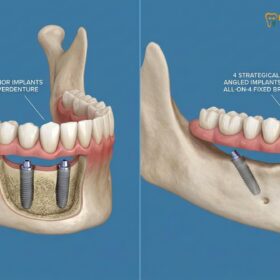
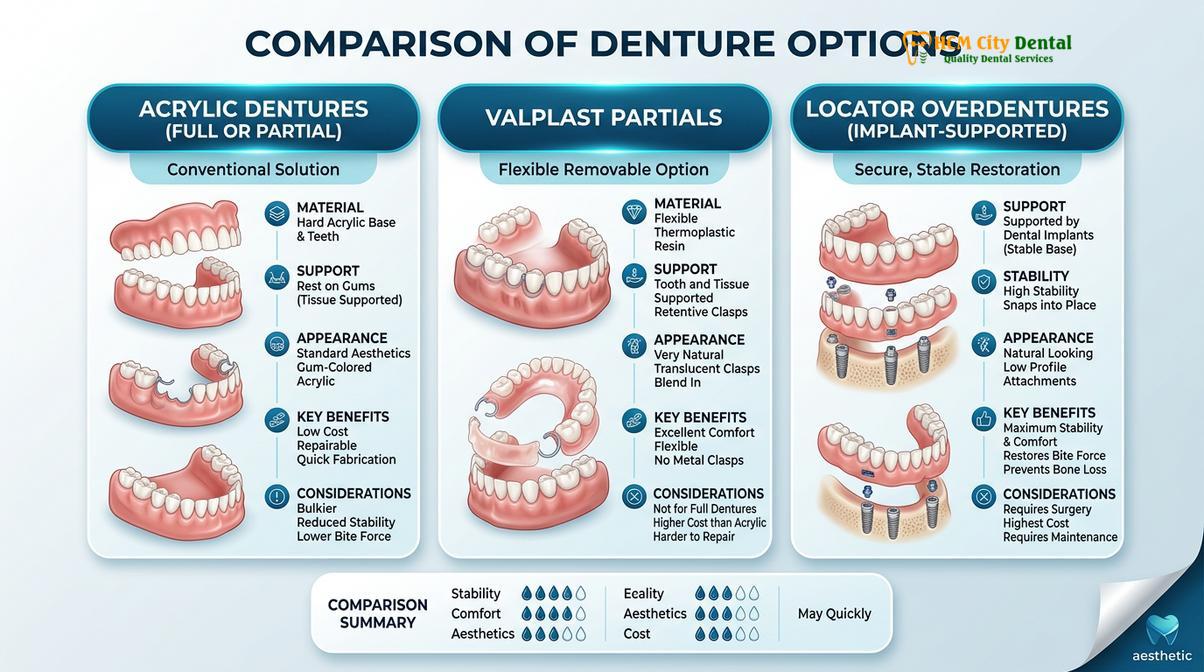
In cases of advanced atrophy, the lower denture may become dislodged during speech or mastication, leading to mucosal irritation and ulceration. For these individuals, implant-supported overdentures may be a more clinically appropriate recommendation. By strategically placing two to four dental implants in the anterior mandible, the prosthesis can be securely anchored using locator attachments or a milled bar, dramatically improving stability and chewing force [4]. It is crucial to differentiate between the capabilities of conventional tissue-borne prosthetics and implant-retained solutions during the treatment planning phase.
Important Clinical Warning:
Patients experiencing chronic mucosal ulceration, persistent pain, or signs of denture stomatitis (fungal infection under the denture base) should seek immediate evaluation. Ill-fitting dentures can cause epulis fissuratum (hyperplastic tissue growth) which may require surgical removal before a new prosthesis can be fabricated. Always consult with a qualified dental professional to assess the health of your oral tissues before proceeding with new restorative treatments.
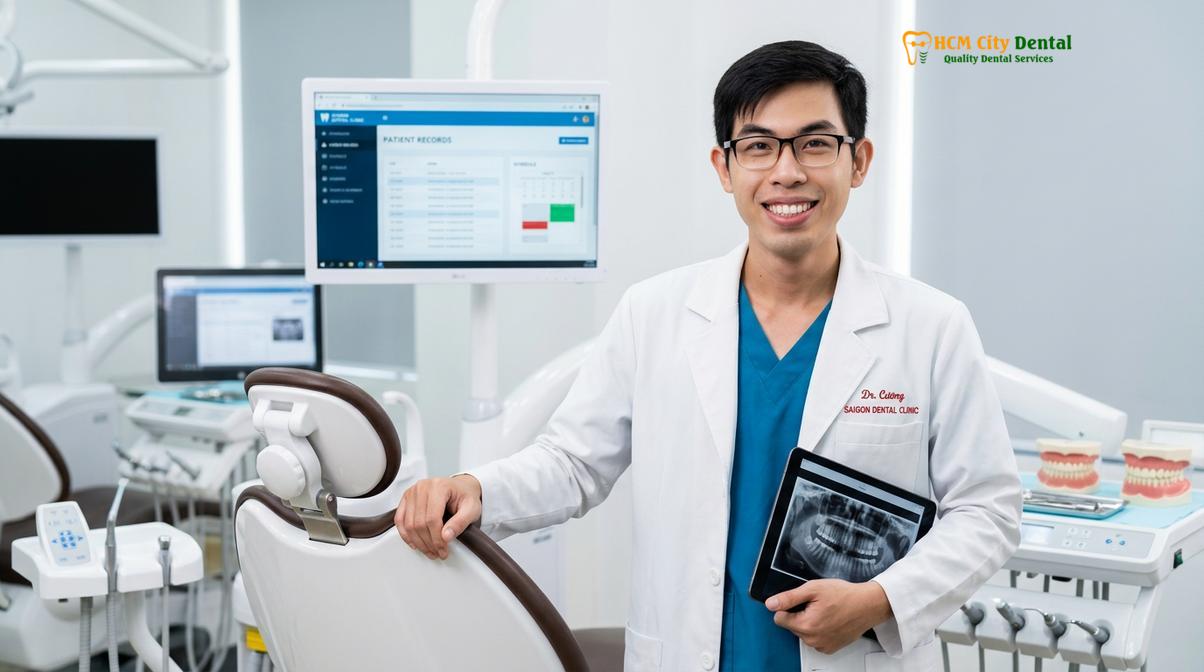
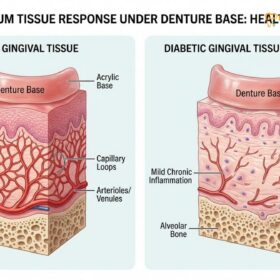
Furthermore, patients with systemic conditions that affect healing or salivary flow, such as uncontrolled diabetes or Sjögren’s syndrome, require specialized clinical management. Xerostomia (dry mouth) significantly impairs the peripheral seal necessary for denture retention and increases the risk of mucosal friction. A comprehensive evaluation at HCMC Dental Clinic will identify these risk factors, allowing the clinical team to tailor the treatment plan—perhaps recommending specific saliva substitutes or modifying the denture base design—to ensure a predictable and comfortable outcome.
“A successful prosthetic outcome relies entirely on accurate diagnostics. We must evaluate the topography of the edentulous ridge and the health of the supporting tissues before selecting the material. For patients with severe mandibular resorption, we often discuss the transition from conventional acrylics to implant-retained overdentures to restore true masticatory function.” – Dr. Nguyen Van Cuong
Ultimately, the decision to pursue routine restorative care or complex prosthodontics abroad should be based on a clear understanding of one’s clinical needs. By engaging in a thorough digital consultation and subsequent in-person examination, patients can ensure that their chosen treatment pathway is both medically sound and financially advantageous.
Frequently Asked Questions
How much can a NZ citizen save on complete upper and lower dentures?
New Zealand citizens can typically save between 60 to 70 percent on complete upper and lower dentures by traveling to Vietnam. While a full set of premium biofunctional dentures in Auckland may cost several thousand dollars, equivalent restorative care at HCMC Dental Clinic utilizes identical international materials at a significantly reduced fee. This substantial price difference is driven by lower operational and laboratory overhead in Ho Chi Minh City, allowing patients to receive high-quality prosthetics without compromising on clinical standards.
Can I get a digital consult from NZ before flying?
Yes, you can easily arrange a comprehensive digital consultation from New Zealand prior to booking your flights. By securely sharing your recent panoramic X-rays, clinical photographs, and dental history, the prosthodontic team at HCMC Dental Clinic can evaluate your edentulous ridges and formulate a preliminary treatment plan. This remote assessment provides a clear understanding of your clinical candidacy, estimated timelines, and projected costs, ensuring you are fully informed before embarking on your dental travel journey.
What happens if I need adjustments when I get back to NZ?
If minor adjustments are required after returning to New Zealand, any local dentist can easily modify your dentures. Because the prosthetics fabricated at HCMC Dental Clinic utilize globally standardized materials like Ivoclar PMMA and Valplast nylon, local practitioners are fully equipped to relieve pressure spots or adjust the occlusion. Furthermore, our clinic provides detailed material specifications and clinical records, ensuring seamless continuity of care with your domestic dental provider.
Are the materials used in Vietnam the same quality as in New Zealand?
The materials utilized for denture fabrication in Vietnam are identical to the premium brands used in top-tier New Zealand clinics. Reputable facilities in Ho Chi Minh City import FDA-approved and CE-certified materials, including Ivoclar Vivadent acrylics, Valplast flexible thermoplastics, and high-grade cobalt-chromium alloys. The clinical workflows, including precision border molding and digital bite registration, adhere strictly to international prosthodontic protocols, ensuring optimal biocompatibility, durability, and aesthetic outcomes.
How long does the entire denture fabrication process take in Ho Chi Minh City?
The complete denture fabrication process in Ho Chi Minh City generally requires 5 to 7 days, encompassing multiple clinical appointments. This timeline allows for primary and secondary impressions, precise bite registration, a wax try-in phase to verify aesthetics and occlusion, and the final delivery. Patients are advised to stay a few extra days after the final insertion to allow the clinical team to monitor tissue adaptation and perform any necessary occlusal adjustments before flying home.
References
- Journal of Oral and Maxillofacial Surgery. Biomechanical principles and tissue response in complete dentures. (2021).
- International Journal of Oral and Maxillofacial Surgery. Suction-effective lower dentures and border molding outcomes. (2020).
- British Dental Journal. Patient satisfaction and chewing efficacy with premium BPS dentures. (2019).
- Journal of the American Dental Association. Implant-supported overdentures vs. conventional removable prosthetics. (2022).
- Clinical Oral Investigations. Thermoplastic flexible partial dentures: clinical suitability and aesthetics. (2018).