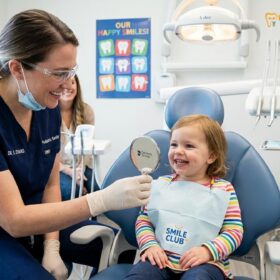
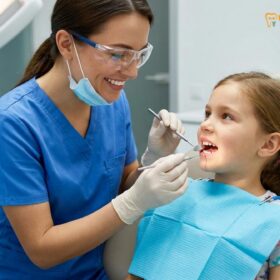
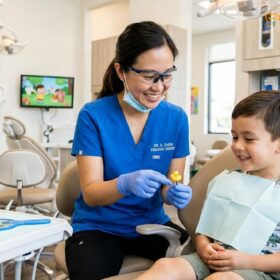
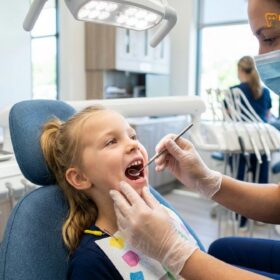
A special needs pediatric dentist provides tailored, compassionate oral care for children with physical, developmental, sensory, or cognitive challenges. By utilizing behavioral management techniques, sensory accommodations, and specialized clinical workflows, these professionals ensure safe, effective, and stress-free dental treatments for neurodivergent and medically complex children.
Clinical Summary:
Pediatric dentistry for children with special healthcare needs requires a profound understanding of behavioral psychology, sensory processing, and specialized clinical protocols. Traditional dental environments can trigger severe anxiety or sensory overload in neurodivergent children, necessitating a paradigm shift toward sensory-adapted care. Expert practitioners employ systematic desensitization, visual schedules, and the Tell-Show-Do method to build trust. Clinical interventions prioritize minimally invasive techniques, such as Silver Diamine Fluoride (SDF) for drill-free cavity arrest and fluoride-releasing Glass Ionomer Cements (GIC) for durable restorations in moisture-rich environments. Furthermore, comprehensive care extends beyond cavity prevention to include early interceptive orthodontics, airway assessments, and the management of detrimental oral habits. By integrating multidisciplinary insights and offering flexible sedation options, specialized pediatric dental teams ensure that every child, regardless of their developmental profile, achieves optimal oral health in a safe, supportive setting.
Key Takeaways:
- Sensory accommodations, including quiet hours and dimmed lighting, significantly reduce anxiety for neurodivergent pediatric patients.
- The Tell-Show-Do behavioral technique builds trust by explaining and demonstrating procedures before clinical execution.
- Silver Diamine Fluoride (SDF) offers a painless, drill-free solution to arrest active tooth decay in uncooperative children.
- Early interceptive orthodontics addresses mouth breathing, tongue-ties, and space management to prevent severe future malocclusion.
- Transparent pricing and customized treatment plans ensure accessible, high-quality care for children with complex medical needs.
Sensory Challenges in the Dental Chair
Children with neurodivergent profiles often experience heightened sensory processing sensitivity, making the bright lights, high-pitched sounds, and unfamiliar textures of a dental clinic overwhelming.
The dental operatory is inherently an environment of intense sensory input. For a neurotypical child, the hum of an ultrasonic scaler, the glare of the overhead operatory light, and the taste of prophylaxis paste are minor inconveniences. However, for children diagnosed with Autism Spectrum Disorder (ASD), Attention Deficit Hyperactivity Disorder (ADHD), or Sensory Processing Disorders, these stimuli can trigger profound distress, leading to severe behavioral resistance and oral aversion [1]. Understanding these sensory challenges is the foundational step in providing effective neurodivergent pediatric care.
Sensory defensiveness in the oral cavity is particularly common. The mouth is one of the most neurologically sensitive areas of the human body, densely innervated by the trigeminal nerve. When a child has tactile defensiveness, the mere introduction of a dental mirror or a gloved finger can feel invasive or even painful. Furthermore, the anatomical reality of primary tooth pulp chambers—which are proportionally larger and closer to the enamel surface than in permanent teeth—means that baby teeth are highly sensitive to temperature changes and pressure. This anatomical vulnerability, combined with sensory processing differences, requires a highly specialized approach to pain management and environmental control.
To mitigate these challenges, a specialized pediatric dental team conducts a thorough sensory assessment prior to the first clinical examination. This involves detailed consultations with the parents or caregivers to identify specific triggers. Does the child react negatively to high-pitched noises? Are they sensitive to mint flavors? Do they experience claustrophobia when the dental chair is reclined? By mapping out the child’s sensory profile, the clinical team can proactively modify the environment, ensuring that the initial introduction to the dental setting is perceived as safe rather than threatening.
Customized Pre-Visit Sensory Visual Guides
Pre-visit visual guides and social stories help desensitize children to the dental environment by establishing predictable routines before they even arrive at the clinic.
Predictability is a powerful tool in managing pediatric dental anxiety. Children with special healthcare needs, particularly those on the autism spectrum, thrive on routine and often experience severe distress when faced with unexpected situations. To bridge the gap between the familiar home environment and the clinical setting, the implementation of customized pre-visit sensory visual guides—often referred to as social stories—is highly effective [2].
A social story is a visual and narrative tool that breaks down the dental visit into small, manageable, and highly predictable steps. It typically includes photographs of the clinic’s exterior, the reception area, the specific dental chair they will sit in, and the staff members they will meet. By reviewing this guide at home in the days leading up to the appointment, the child can mentally rehearse the experience. They learn exactly what will happen, who will be there, and what is expected of them, which dramatically reduces anticipatory anxiety.
“The integration of visual schedules transforms the abstract fear of the unknown into a concrete, predictable sequence of events. When a child knows exactly what to expect, their physiological stress response is significantly diminished, allowing for a much smoother clinical examination.”
As a leading sensory desensitization dentist, Dr. Nguyen Van Cuong emphasizes the clinical value of these preparatory tools. At HCMC Dental Clinic in Ho Chi Minh City, the pediatric team collaborates closely with parents to provide these visual guides. The guides use simple, literal language paired with clear imagery. For example, instead of saying “the dentist will clean your teeth,” the guide might show a picture of a toothbrush and say, “The dentist will use a special spinning brush to tickle your teeth clean.” This proactive communication strategy is a hallmark of an autism friendly dental clinic saigon, ensuring that the child feels empowered and informed before stepping through the clinic doors.
Quiet Clinic Hours & Sensory Accommodations
Modifying the clinical environment through designated quiet hours, dimmed lighting, and noise-canceling headphones significantly reduces sensory overload for vulnerable pediatric patients.
Environmental modification is a critical component of special needs pediatric dentistry. Standard clinical protocols must be adapted to accommodate the unique neurological thresholds of the patient. One of the most effective strategies is the implementation of designated quiet clinic hours. During these specific times, the clinic operates with reduced staff, fewer concurrent appointments, and minimized background noise. The absence of ringing phones, loud conversations, and the overlapping sounds of multiple dental drills creates a serene atmosphere that is far less likely to trigger sensory overload.
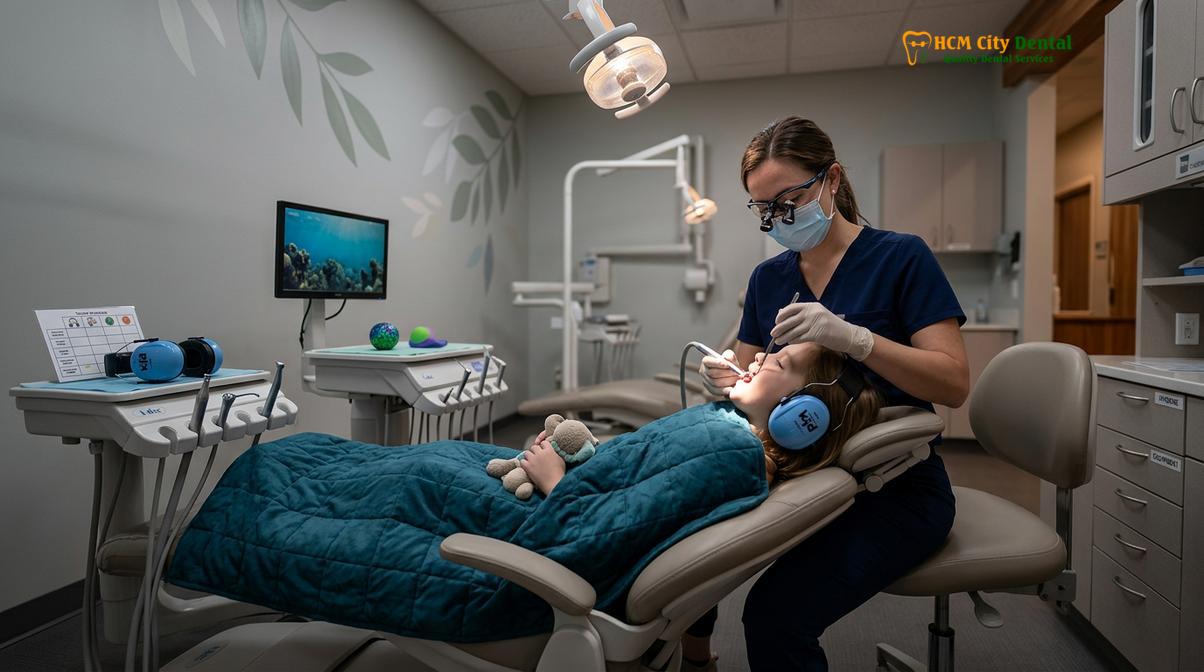
Within the operatory itself, specific sensory accommodations are meticulously arranged. The harsh, high-intensity overhead dental lights are often replaced with dimmed ambient lighting or specialized filters that reduce glare. If direct illumination of the oral cavity is necessary, the dentist may use a focused headlamp while providing the child with dark, UV-protective sunglasses. To address auditory sensitivities, noise-canceling headphones are offered, allowing the child to listen to their favorite calming music or an audiobook, effectively masking the high-frequency sounds of dental handpieces and suction devices.
Tactile and olfactory accommodations are equally important. Weighted blankets or lead aprons (used safely and appropriately) can provide deep pressure therapy, which has a scientifically proven calming effect on the central nervous system. Furthermore, the clinical team utilizes unflavored, non-foaming prophylaxis pastes and avoids strong-smelling dental materials whenever possible. By systematically controlling the sensory inputs of the environment, the dental team creates a sanctuary where special needs children tooth treatment can be performed with minimal psychological stress.
Soft-Touch Techniques
Soft-touch dentistry relies on the Tell-Show-Do behavioral management protocol and minimally invasive interventions to build trust and eliminate pain during treatment.
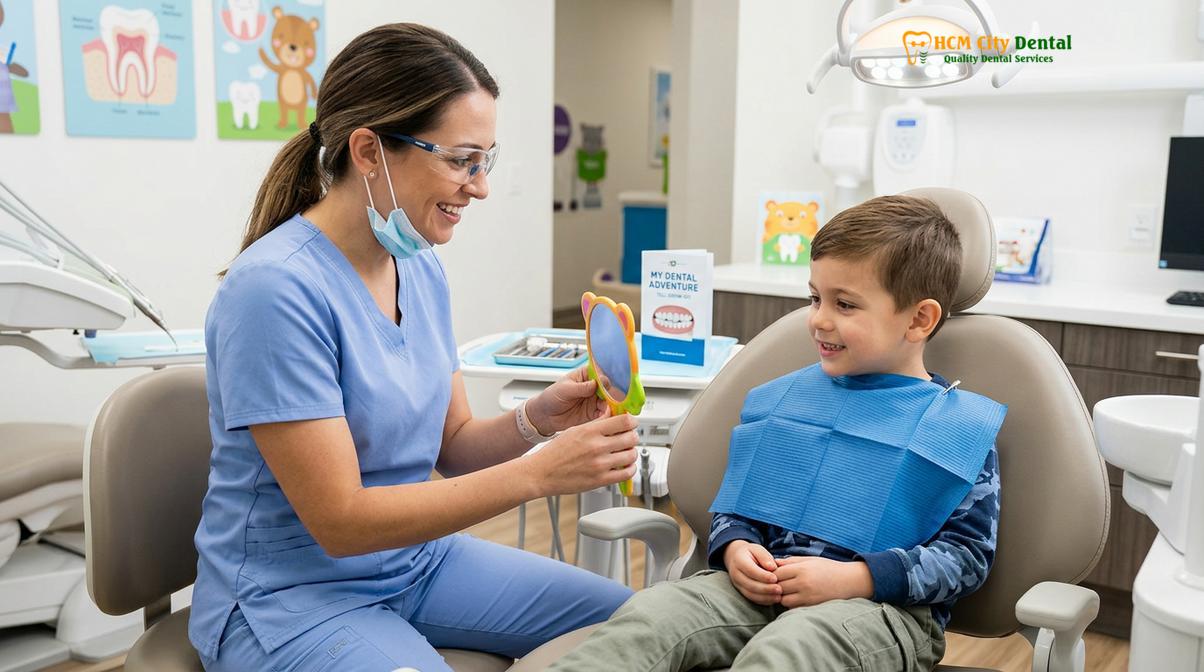
The cornerstone of pediatric behavioral management is the “Tell-Show-Do” technique. This systematic approach demystifies dental instruments and procedures, transforming them from frightening medical interventions into engaging, understandable concepts [4]. The protocol is executed in three distinct phases:
- Tell: The dentist explains the procedure using non-threatening, child-friendly terminology. For example, local anesthesia is introduced as “sleepy juice,” a rubber dam is called a “tooth raincoat,” and the ultrasonic scaler is referred to as a “water whistle.”
- Show: Before any instrument enters the mouth, the dentist demonstrates its function in a non-threatening manner. This might involve showing the rotating prophylaxis cup on the child’s fingernail or letting them feel the gentle puff of air from the air-water syringe on the back of their hand.
- Do: Only when the child demonstrates understanding and comfort does the dentist proceed with the actual treatment in the oral cavity.
Crucially, this technique is paired with the “stop on request” protocol. The child is taught a simple hand signal—usually raising their left hand—which acts as an immediate pause button. Giving the child this level of control significantly reduces feelings of helplessness and panic.
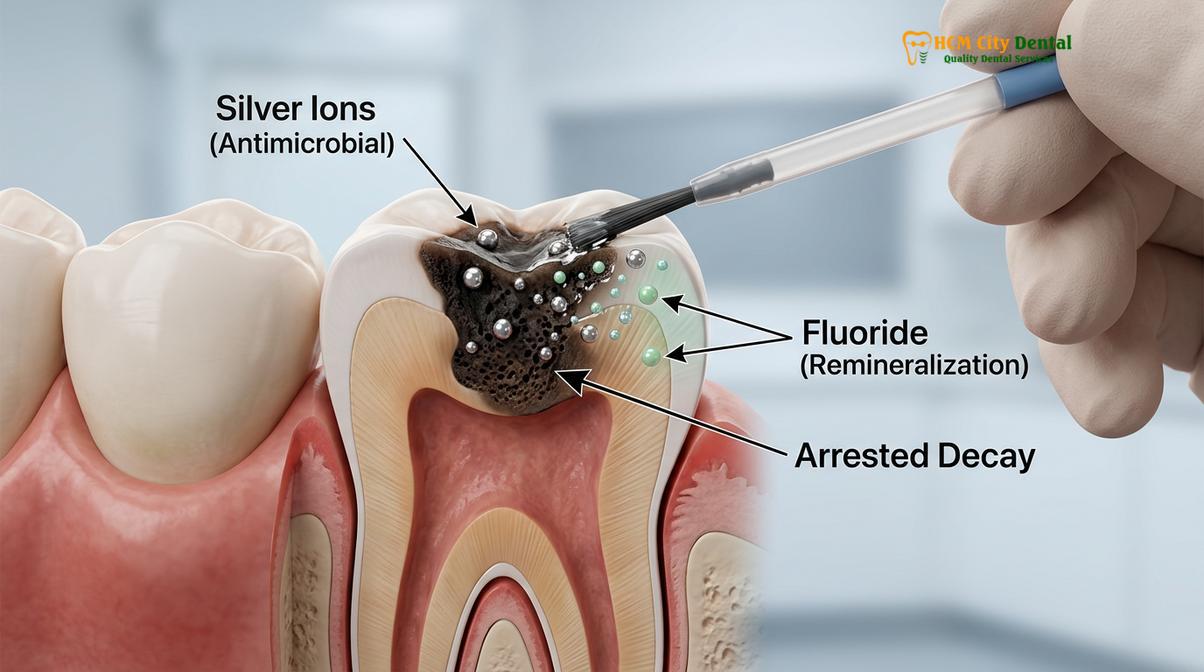
In addition to behavioral techniques, soft-touch dentistry heavily relies on minimally invasive clinical interventions. For children who cannot tolerate the noise and vibration of a traditional dental drill, Silver Diamine Fluoride (SDF) is a revolutionary alternative. SDF is a topical liquid that provides non-invasive cavity arrest. The silver ions act as a potent antimicrobial agent, destroying the bacteria causing the decay, while the fluoride promotes rapid remineralization of the softened dentin [3]. The application is entirely painless, requiring only a microbrush to paint the liquid onto the cavity. However, parents must be clinically informed that SDF leaves a localized, permanent black stain on the decayed portion of the tooth, which is a cosmetic trade-off for avoiding invasive drilling and local anesthesia.
Collaboration with Special Needs Educators
Integrating insights from special needs educators and occupational therapists allows the dental team to customize communication strategies and behavioral interventions for each child.
Providing exceptional dental care for children with complex developmental profiles cannot be done in isolation. It requires a multidisciplinary approach that bridges the gap between medical dentistry and behavioral science. By collaborating with special needs educators, occupational therapists, and speech-language pathologists, the pediatric dental team gains invaluable insights into the child’s specific cognitive abilities, communication preferences, and behavioral triggers.
For instance, a child’s Individualized Education Program (IEP) often contains detailed information regarding their preferred learning styles and successful de-escalation techniques. If an occupational therapist notes that a child responds well to deep pressure therapy or specific visual cues, the dental team can seamlessly integrate these strategies into the clinical workflow. Furthermore, speech-language pathologists can provide guidance on how to communicate effectively with non-verbal children, utilizing alternative augmentative communication (AAC) devices or specific sign language gestures during the dental appointment.
“A multidisciplinary approach is not just beneficial; it is essential. When dental professionals align their clinical protocols with the behavioral strategies already established by the child’s educators and therapists, the continuity of care fosters a profound sense of security and trust.”
This collaborative ethos ensures that the dental visit is not an isolated, traumatic event, but rather a supported extension of the child’s broader developmental care plan. It empowers the parents, aligns the healthcare providers, and ultimately results in a much higher success rate for completing necessary dental treatments without resorting to deep sedation.
Comprehensive Pediatric Oral Health & Preventive Care
Establishing a robust preventive foundation involves early childhood caries management, proper mouth brushing techniques, and addressing detrimental oral habits like thumb-sucking.
Preventive dentistry is the most critical aspect of pediatric oral health, especially for children with special healthcare needs, as they are often at a higher risk for developing Early Childhood Caries (ECC). Motor skill deficits, sensory aversions to brushing, and dietary challenges (such as a reliance on pureed foods or frequent consumption of fermentable carbohydrates) can rapidly accelerate tooth decay. Therefore, establishing a comprehensive preventive regimen is paramount.
Education on proper mouth brushing techniques must be tailored to the child’s physical and cognitive abilities. For toddlers and children with limited manual dexterity, the circular brushing method is often recommended. For older children, transitioning to the Modified Bass technique—angling the bristles at 45 degrees toward the gumline—helps effectively disrupt plaque biofilms. If a child has severe sensory aversions to traditional toothbrushes, the clinical team may recommend specialized silicone brushes, three-sided toothbrushes that clean multiple surfaces simultaneously, or unflavored toothpastes to minimize olfactory and gustatory distress.
In the clinical setting, preventive interventions are highly proactive. Fissure sealants are routinely applied to the deep grooves of the permanent molars. These thin, protective resin coatings act as a physical barrier, preventing cariogenic bacteria and food particles from accumulating in the vulnerable pits and fissures where a toothbrush bristle cannot reach. Additionally, professional fluoride varnish applications are performed every three to six months. The varnish adheres to the tooth surface, providing a slow, sustained release of fluoride ions that strengthen the enamel matrix and reverse early microscopic demineralization. For a complete overview of our preventive protocols, parents can explore our dedicated Children & Pediatric Dentistry services.
Clinical Workflows & Restorative Materials
Selecting the appropriate restorative material—such as fluoride-releasing glass ionomer cement or durable composite—depends on the child’s cooperation level, caries risk, and tooth location.
When restorative intervention is necessary, the choice of dental material is a critical clinical decision. Pediatric dentistry requires materials that are not only biocompatible and durable but also forgiving in challenging clinical environments. The two primary restorative materials used are Glass Ionomer Cements (GIC) and Composite Resins, each serving distinct clinical purposes.
Glass Ionomer Fillings (GIC) are frequently prioritized for primary (baby) teeth, particularly in children with high caries risk or limited cooperation. GIC possesses several unique biochemical advantages. First, it forms a direct chemical bond with the dentin and enamel, eliminating the need for complex, multi-step acid etching and bonding protocols. Second, GIC is moisture-tolerant, meaning it can be successfully placed even if the tooth cannot be perfectly isolated from saliva—a common challenge with squirming pediatric patients. Most importantly, GIC acts as a fluoride reservoir. It continuously releases fluoride into the surrounding tooth structure, helping to prevent recurrent decay at the margins of the filling, and it can even “recharge” its fluoride content when exposed to fluoridated toothpaste [5].
Conversely, Pediatric Composite Fillings are utilized when higher structural strength and perfect aesthetics are required, such as restoring fractured anterior (front) teeth or large cavities in permanent molars. However, composite resins are highly hydrophobic; they require absolute moisture control and a completely dry field to achieve a successful bond. This often necessitates the use of a rubber dam, which requires a higher level of patient cooperation.
Clinical Case Study: Managing Deep Caries in a Neurodivergent Patient
A 6-year-old patient with ASD presented to HCMC Dental Clinic with deep decay in a primary mandibular molar, causing significant pain. Due to the child’s sensory sensitivities, traditional drilling under local anesthesia was highly challenging. Dr. Nguyen Van Cuong utilized a combination of Tell-Show-Do and nitrous oxide sedation to calm the patient. A minimally invasive baby root canal (pulpotomy) was performed to remove the infected coronal pulp tissue while preserving the vital radicular pulp. The tooth was then restored with a high-viscosity Glass Ionomer Cement, ensuring a moisture-tolerant seal and continuous fluoride release. The procedure was completed efficiently, alleviating the child’s pain without inducing severe clinical trauma.
In cases where tooth decay has reached the nerve (pulp) of a primary tooth, a baby root canal, or pulpotomy, is required. This procedure involves removing the infected portion of the nerve chamber and placing a medicament to soothe the remaining nerve tissue, thereby saving the tooth from extraction and preserving the natural space for the developing permanent tooth beneath it. Understanding the nuances of pulpotomy pain in kids and the recovery process is essential for parents navigating these advanced restorative treatments.
Interceptive Orthodontics & Airway Assessment
Early evaluation of jaw development, tongue-ties, and breathing patterns is critical to preventing severe malocclusion and pediatric sleep apnea.
Pediatric dentistry extends far beyond treating cavities; it encompasses the holistic evaluation of craniofacial growth and development. Early interceptive orthodontics aims to identify and correct structural and functional anomalies before they develop into severe, complex malocclusions requiring extensive surgical or orthodontic intervention later in life.
A critical component of this evaluation is the airway assessment. Chronic mouth breathing in children is a significant clinical red flag. When a child breathes primarily through their mouth—often due to enlarged adenoids, tonsils, or chronic allergies—the resting posture of the tongue drops to the floor of the mouth. Without the tongue resting against the palate to provide outward lateral pressure, the upper jaw (maxilla) fails to develop to its proper width. This results in a high, narrow palatal vault, posterior crossbites, and a characteristic facial growth pattern known as “adenoid facies” or long-face syndrome [6]. Addressing this early is crucial to understand how mouth breathing changes kids’ face shape.
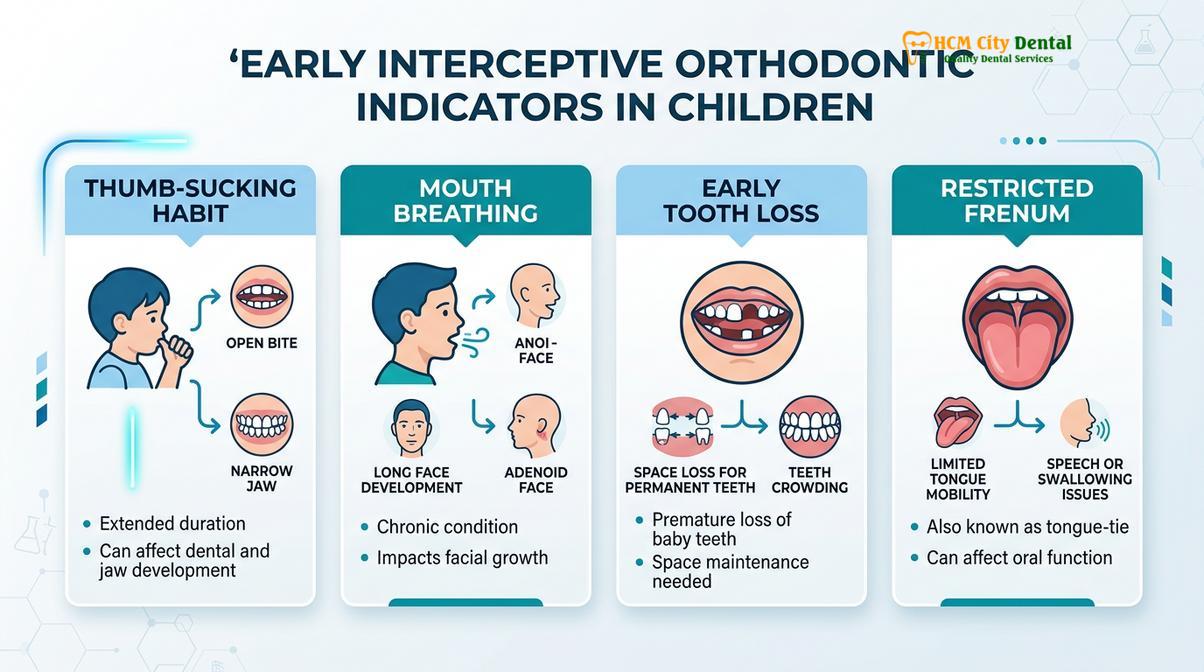
Another vital assessment involves the lingual frenum. A restricted frenum, commonly known as a tongue-tie, limits the tongue’s range of motion. This not only impairs proper speech articulation and swallowing mechanics but also exacerbates mouth breathing and improper jaw development. Modern pediatric dentistry treats this condition painlessly using diode laser frenectomies. The laser precisely releases the restricted tissue with minimal bleeding and virtually no postoperative pain, allowing for immediate improvement in tongue mobility. Following the release, myofunctional therapy for kids is often prescribed to retrain the oral musculature and establish proper nasal breathing and swallowing patterns. For more details, review our clinical guide on tongue tie release for kids.
Furthermore, space management is a fundamental aspect of interceptive care. If a primary tooth is lost prematurely due to severe decay or trauma, the adjacent teeth will naturally drift into the empty space, blocking the eruption path of the underlying permanent tooth. To prevent this severe crowding, a fixed band-and-loop space maintainer is cemented into place. This appliance holds the gap open until the permanent tooth is ready to emerge. Parents can learn more about the different types of space maintainers for kids to understand how this simple device prevents years of complex orthodontic treatment.
Pediatric Dentistry Pricing Structure
Transparent pricing for pediatric dental services ensures families can plan for essential preventive, restorative, and interceptive treatments without unexpected financial burdens.
Providing high-quality, specialized pediatric dental care requires advanced materials, specialized equipment, and highly trained clinical staff. However, maintaining transparent and accessible pricing is a core commitment. According to the latest clinic fee schedule, the costs for pediatric dental procedures vary based on the complexity of the treatment, the materials selected, and the level of behavioral management required. Families are encouraged to utilize the -40% WhatsApp booking discount to significantly reduce out-of-pocket expenses compared to standard walk-in rates.
Below is a detailed overview of the estimated costs for common pediatric dental procedures:
| Pediatric Dental Service | Walk-in Price (VND) | Discounted Price (VND) | Estimated USD |
|---|---|---|---|
| Kids Consultation & Diagnostic Check-up | 500,000 – 800,000 | 300,000 – 500,000 | ~$12 – $20 |
| Fissure Sealant (per tooth) | 700,000 – 1,000,000 | 400,000 – 600,000 | ~$16 – $24 |
| Fluoride Varnish Application | 500,000 – 800,000 | 300,000 – 500,000 | ~$12 – $20 |
| Pediatric Glass Ionomer Filling (GIC) | 700,000 – 1,000,000 | 400,000 – 600,000 | ~$16 – $24 |
| Pediatric Composite Filling (per tooth) | 800,000 – 1,300,000 | 500,000 – 800,000 | ~$20 – $32 |
| Baby Root Canal (Pulpotomy, per tooth) | 1,600,000 – 2,500,000 | 1,000,000 – 1,500,000 | ~$40 – $60 |
| Space Maintainer (fixed, band-and-loop) | 3,300,000 – 5,000,000 | 2,000,000 – 3,000,000 | ~$80 – $120 |
| Custom Pediatric Sports Mouthguard | 2,500,000 – 3,500,000 | 1,500,000 – 2,500,000 | ~$60 – $100 |
For children engaged in contact sports, protecting their developing dentition is crucial. A custom-fabricated mouthguard offers vastly superior protection and comfort compared to over-the-counter options. Parents can explore the clinical benefits and fabrication process in our guide on custom sports mouthguards for kids.
When to See a Doctor
While preventive care and behavioral management can address most pediatric dental needs, certain clinical signs require immediate professional evaluation. Delaying treatment for acute dental issues can lead to severe systemic infections, chronic pain, and irreversible damage to the developing permanent dentition. Parents should schedule an urgent clinical assessment if they observe any of the following red flags:
- Spontaneous Dental Pain: If a child complains of a throbbing toothache that occurs without any stimulus (such as eating or drinking) or wakes them up from sleep, this strongly indicates irreversible pulpitis or a dental abscess requiring immediate endodontic intervention.
- Facial Swelling or Asymmetry: Any visible swelling of the gums, cheeks, or jawline, especially if accompanied by a fever or lethargy, is a medical emergency. This indicates a spreading bacterial infection that requires prompt antibiotic therapy and clinical drainage.
- Severe Oral Aversion: If a child suddenly refuses to eat, drink, or allow their teeth to be brushed, it may be a sign of hidden dental trauma, severe ulceration, or deep decay that they are unable to verbally articulate.
- Traumatic Dental Injuries: Any impact to the face that results in a fractured, displaced, or completely avulsed (knocked-out) tooth requires immediate emergency dental care to maximize the chances of saving the tooth.
Important Clinical Consideration: Sedation Dentistry
For children with severe medical complexities, profound dental anxiety, or extensive treatment needs that cannot be managed safely with behavioral techniques alone, pharmacological intervention may be necessary. Options range from conscious sedation using nitrous oxide (laughing gas) to deep sedation or general anesthesia administered in a controlled hospital setting. A comprehensive medical history review and consultation with a pediatric anesthesiologist are mandatory to determine the safest and most appropriate level of sedation for each individual child.
At HCMC Dental Clinic in Ho Chi Minh City, our dedicated pediatric team is equipped to handle complex cases with the highest standards of safety and compassion. We encourage parents to reach out for a personalized consultation to discuss their child’s unique needs and develop a customized, stress-free treatment plan.
Frequently Asked Questions
Do you offer autism-friendly dental checkups in Saigon?
Yes, we provide specialized autism-friendly dental checkups in Saigon. Our clinical approach includes designated quiet hours, dimmed lighting, sensory desensitization techniques, and customized visual schedules to ensure a stress-free and predictable environment for neurodivergent children. We work closely with parents to understand specific triggers and tailor the appointment pace accordingly.
What accommodations are made for kids with sensory issues?
Accommodations for children with sensory issues include noise-canceling headphones, unflavored prophylaxis pastes, weighted blankets, and the elimination of harsh operatory lighting. We also utilize the Tell-Show-Do method and allow the child to control the pace of the appointment using a ‘stop on request’ hand signal, ensuring they never feel overwhelmed or trapped.
Can special needs dental treatments be done under sedation?
Yes, special needs dental treatments can be performed under various levels of sedation. Depending on the child’s medical history and level of cooperation, options range from mild conscious sedation with nitrous oxide (laughing gas) to full general anesthesia administered by a certified pediatric anesthesiologist, ensuring complex procedures are completed safely and without psychological trauma.
Is Silver Diamine Fluoride safe for children with severe dental anxiety?
Silver Diamine Fluoride (SDF) is highly safe and highly recommended for children with severe dental anxiety. It provides a completely non-invasive, drill-free, and painless method to arrest active tooth decay, though parents must be aware it leaves a permanent localized black stain on the decayed portion of the tooth. It is an excellent alternative to traditional drilling.
How do space maintainers help children who lose teeth early?
Space maintainers hold the gap open when a primary tooth is lost prematurely, preventing adjacent teeth from shifting. This proactive interceptive orthodontic device ensures that the permanent tooth has adequate room to erupt, significantly reducing the risk of severe dental crowding, impaction, and the need for complex, expensive orthodontic treatments later in life.
References
- American Academy of Pediatric Dentistry. Management of Dental Patients with Special Health Care Needs. (2021).
- Journal of Dentistry for Children. Sensory-Adapted Dental Environments to Enhance Oral Care for Children with Autism Spectrum Disorders. (2019).
- International Journal of Paediatric Dentistry. Clinical efficacy of Silver Diamine Fluoride in arresting dental caries. (2020).
- Pediatric Dentistry. Behavior Guidance for the Pediatric Dental Patient. (2022).
- Journal of the American Dental Association. Early childhood caries management and the use of glass ionomer cements. (2018).
- American Journal of Orthodontics and Dentofacial Orthopedics. The impact of mouth breathing on dentofacial development. (2021).