Australian patients can save 60% to 75% on temporomandibular joint therapies by seeking care in Vietnam. While a comprehensive TMJ treatment plan in Australia often exceeds several thousand dollars, equivalent clinical protocols in Ho Chi Minh City provide world-class diagnostics and custom splints at a fraction of the cost.
Clinical Summary:
Temporomandibular joint (TMJ) disorders require precise diagnostics, including CBCT imaging and occlusal analysis, followed by phased interventions ranging from custom stabilization splints to masseter Botox or arthrocentesis. The cost disparity between Australian private dental fees and Vietnamese specialized clinics is substantial. By leveraging advanced CAD/CAM technology and internationally trained specialists, patients traveling to Vietnam receive identical or superior clinical materials, comprehensive bite equilibration, and structured follow-up care, making cross-border dental therapy a highly viable and medically sound alternative for chronic jaw pain management.
Key Takeaways:
- Australian TMJ specialist consultations and custom splints typically cost three to four times more than equivalent treatments in Vietnam.
- Advanced diagnostics, including 3D CBCT scans and computerized bite mapping, are standard protocols in top-tier Vietnamese clinics.
- Conservative therapies like hard acrylic night guards and masseter muscle relaxant injections form the first line of defense.
- Travel and accommodation expenses are easily offset by the sheer volume of savings on complex neuromuscular dentistry.
- International patients receive structured warranties and remote follow-up protocols to ensure long-term occlusal stability.
Private Dental Fees in Australia: Why TMJ Specialists Cost Thousands
Australian TMJ treatments carry premium price tags due to high clinical overhead, specialized neuromuscular training requirements, and expensive domestic dental laboratory fees.
The financial landscape of specialized dental care in Australia presents a significant barrier for patients suffering from chronic orofacial pain. Temporomandibular joint disorders (TMD) are complex, multifactorial conditions that rarely respond to a single, simple intervention. Instead, they require a comprehensive, phased approach that involves extensive diagnostic imaging, meticulous occlusal analysis, and the fabrication of highly customized intraoral appliances. In major Australian cities, the cumulative cost of these necessary steps can quickly escalate into the thousands of dollars, leaving many patients struggling to afford the relief they desperately need.
To understand why jaw pain treatments can be so exorbitant, one must examine the underlying economics of the Australian private dental sector. The initial consultation with a prosthodontist or a dentist specializing in neuromuscular dentistry often commands a premium fee, simply to assess the patient’s jaw range of motion, palpate the muscles of mastication, and review medical history. Following this, diagnostic imaging is mandatory. While a standard panoramic radiograph (OPG) provides a baseline, accurate TMJ diagnosis frequently requires a 3D Cone Beam Computed Tomography (CBCT) scan or even a Magnetic Resonance Imaging (MRI) referral to evaluate the articular disc position. In Australia, these imaging modalities alone can cost several hundred dollars out-of-pocket, as they are often only partially subsidized by Medicare or private health insurance[1].
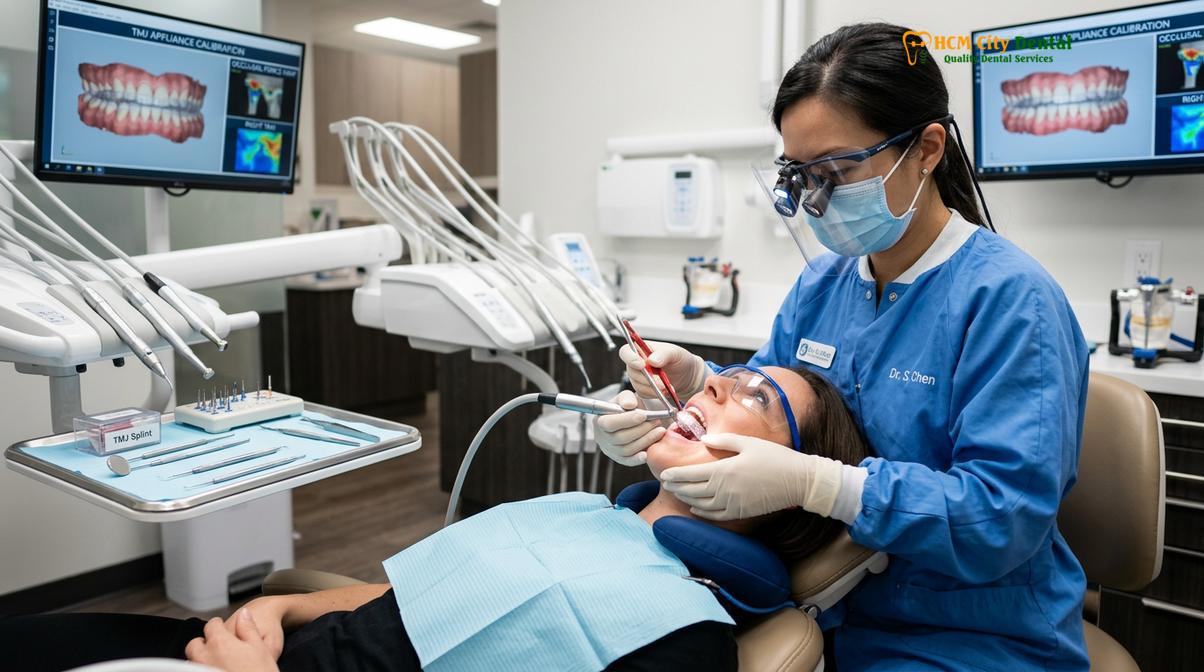
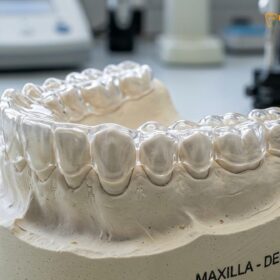
The most significant expense in conservative TMD management is the fabrication of a therapeutic occlusal splint. Unlike over-the-counter boil-and-bite guards, a true stabilization splint must be custom-made to exact specifications. In Australia, dentists rely on domestic dental laboratories where labor costs, commercial rent, and material expenses are exceptionally high. The laboratory fee is passed directly to the patient, resulting in custom splints that frequently cost between $800 and $1,500 AUD. Furthermore, the treatment does not end with the delivery of the appliance. TMJ splints require ongoing calibration. As the patient’s hyperactive jaw muscles begin to relax and the condyle seats itself more favorably in the glenoid fossa, the bite will shift. This necessitates multiple follow-up appointments for precise occlusal equilibration, with each adjustment session incurring additional clinical fees.
“The economic burden of chronic temporomandibular disorders extends far beyond the initial clinical fees; the cumulative cost of specialized imaging, custom laboratory fabrication, and mandatory ongoing occlusal adjustments frequently places optimal neuromuscular care out of reach for the average patient relying solely on domestic private dental sectors.”
Beyond splint therapy, patients with severe muscular TMD (myalgia) often require adjunctive treatments such as Botulinum toxin injections. In Australia, the cost of administering neurotoxins into the masseter and temporalis muscles is calculated per unit, and because these are large, powerful muscles, a significant dosage is required. This can add another $600 to $1,200 to the treatment plan every few months. When surgical interventions like arthrocentesis (joint washing) or arthroscopy are deemed necessary, the costs skyrocket into the tens of thousands, involving hospital facility fees, anesthetist charges, and the surgeon’s premium.
Cost Comparison Table: Melbourne/Sydney Dental Fees vs. HCMC Dental
Comparing specific procedural fees reveals that patients can expect a 60% to 75% reduction in out-of-pocket expenses when choosing Vietnamese clinics over Australian providers.
When evaluating the financial viability of cross-border dental care, a direct, line-by-line comparison of procedural costs is essential. The price disparity is not a reflection of compromised quality, but rather the result of vastly different macroeconomic factors. Vietnam benefits from lower commercial real estate costs, reduced administrative overhead, and highly efficient, centralized in-house dental laboratories. Furthermore, the Vietnamese government has heavily incentivized the development of medical tourism infrastructure, allowing top-tier clinics to import the exact same premium dental materials—such as German PMMA and Swiss milling blocks—without passing exorbitant markups onto the patient.
For an Australian patient seeking an affordable splint, domestic options often force a compromise between cost and quality. Conversely, traveling to Ho Chi Minh City allows patients to access the highest echelon of digital dentistry at a fraction of the domestic price. The following table illustrates the stark contrast in estimated fees for standard TMJ management protocols.
| TMJ Diagnostic & Treatment Procedure | Estimated Cost in Australia (AUD) | Estimated Cost at HCMC Dental Clinic (AUD) |
|---|---|---|
| Comprehensive TMJ Specialist Consultation | $150 – $350 | Free – $50 |
| 3D CBCT Scan (Bilateral TMJ View) | $200 – $400 | $30 – $60 |
| Custom Hard Acrylic Stabilization Splint | $800 – $1,500 | $150 – $300 |
| Masseter Muscle Relaxant Injections (Botox) | $600 – $1,200 | $200 – $450 |
| Computerized Occlusal Analysis (T-Scan) | $150 – $300 | $50 – $100 |
| Arthrocentesis (Minimally Invasive Joint Wash) | $2,500 – $4,500 | $600 – $1,200 |
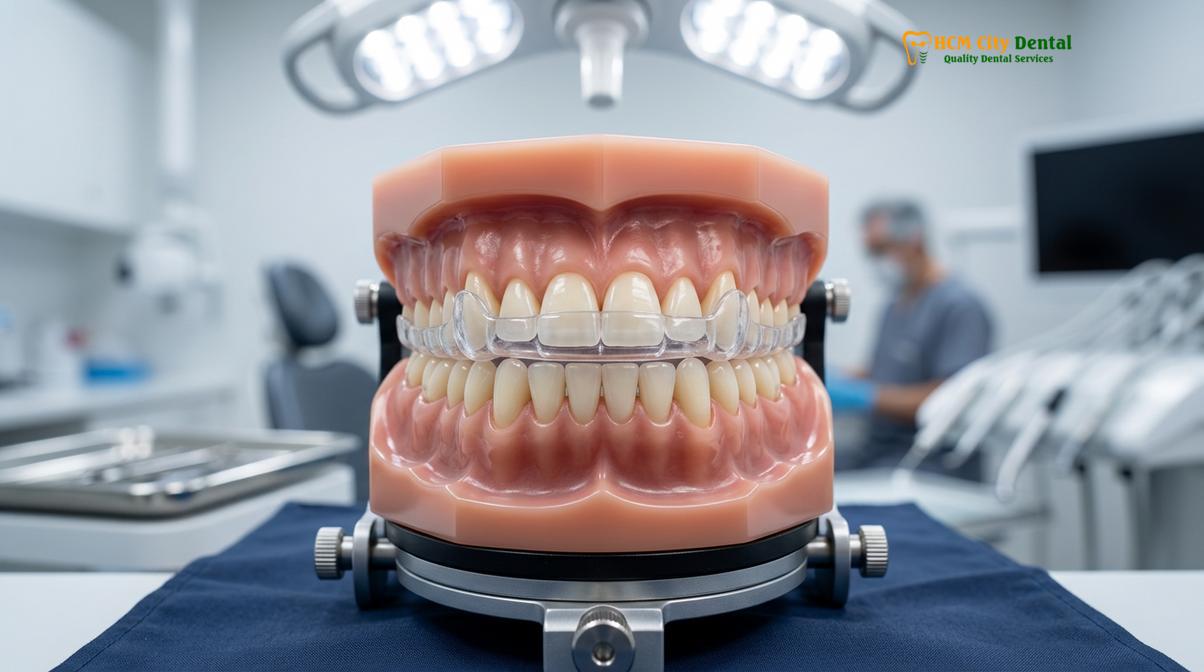
As the data demonstrates, the savings are comprehensive across every phase of treatment. A patient requiring a full diagnostic workup, a custom-milled stabilization splint, and a round of therapeutic muscle relaxant injections could easily face a bill exceeding $2,500 AUD in Sydney or Melbourne. In Ho Chi Minh City, that exact same clinical protocol, utilizing identical imported materials and guided by internationally trained specialists, would typically cost under $700 AUD. This profound price difference fundamentally alters the accessibility of chronic pain management, allowing patients to pursue optimal, multi-disciplinary care rather than settling for piecemeal, budget-constrained treatments at home[2].
Flight and Accommodation Cost Offsets: The Math of TMJ Dental Holidays
The financial logistics of cross-border dental care demonstrate that even after factoring in premium flights and luxury accommodations, the net savings remain overwhelmingly positive.
A common hesitation among prospective international patients is the assumption that travel expenses will negate any clinical savings. However, when dealing with high-value neuromuscular dentistry, the mathematics of dental travel savings are highly favorable. The key to maximizing this financial advantage lies in understanding the rapid turnaround times facilitated by modern digital dentistry. Unlike complex implant surgeries that may require multiple trips over several months, conservative TMJ therapy can typically be completed within a single, short visit to Vietnam.
Consider the logistical breakdown for a typical patient traveling from the Australian east coast. A direct return flight from Sydney or Melbourne to Ho Chi Minh City generally ranges from $600 to $900 AUD, depending on the season and airline. Accommodation in the central districts of Ho Chi Minh City is exceptionally affordable. A comfortable, modern four-star hotel typically costs between $60 and $100 AUD per night. Because the fabrication of a custom CAD/CAM splint requires only 48 to 72 hours, a patient needs to budget for a stay of approximately five to seven days to allow for the initial consultation, appliance delivery, and a follow-up adjustment appointment.
Clinical Case Study: The Economics of Cross-Border TMJ Care
A 34-year-old patient from Brisbane presented with chronic bilateral masseter hypertrophy, severe morning headaches, and limited jaw opening (trismus). Her local Australian specialist quoted $3,200 AUD for a comprehensive treatment plan including a CBCT scan, a custom Michigan splint, and bilateral Botox injections. Seeking an alternative, she traveled to HCMC Dental Clinic in Ho Chi Minh City. Her total clinical fees amounted to $650 AUD. Her return flight cost $750 AUD, and five nights in a boutique hotel cost $400 AUD. Her total expenditure, including a brief holiday, was $1,800 AUD—resulting in a net saving of $1,400 AUD while receiving identical, evidence-based clinical care.
This financial model proves that dental tourism for TMJ disorders is not merely a budget alternative, but a strategic reallocation of healthcare funds. Patients are effectively able to fund a Southeast Asian vacation using the savings generated by bypassing the inflated Australian private dental market. Furthermore, the stress reduction associated with a relaxing holiday environment can actually have a therapeutic effect on stress-induced bruxism and muscular TMD, complementing the clinical interventions provided by the dental team.
Clinical Workflows for Temporomandibular Joint Disorders
Effective TMJ management relies on a phased clinical workflow, beginning with conservative occlusal splint therapy and progressing to minimally invasive interventions if symptoms persist.
The successful management of temporomandibular joint disorders requires a deep understanding of the complex interplay between the teeth, the muscles of mastication, and the temporomandibular joints themselves. At leading institutions, the clinical workflow is strictly evidence-based, prioritizing conservative, reversible therapies before considering any permanent alterations to the dentition or surgical interventions. This phased approach ensures patient safety and maximizes the predictability of clinical outcomes.
Phase 1: Advanced Diagnostics and Bite Mapping
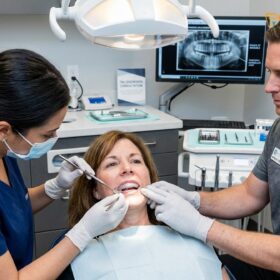
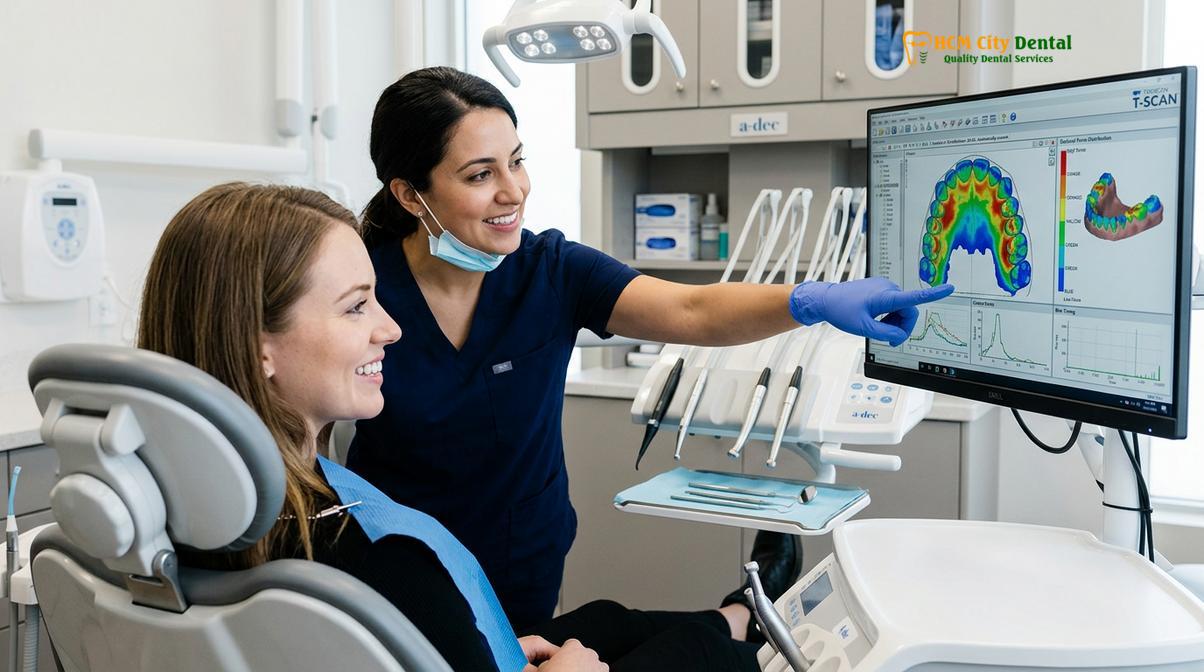
The foundation of any successful comprehensive temporomandibular joint therapy is accurate diagnosis. Upon arrival, patients undergo a thorough clinical examination, which includes palpation of the masseter, temporalis, and pterygoid muscles to identify trigger points and areas of hypertonicity. The dentist will measure the maximum incisal opening and evaluate the joint for clicking, popping, or crepitus (grinding sounds). Following the physical exam, a 3D CBCT scan is utilized to visualize the bony architecture of the condyle and the glenoid fossa, ruling out degenerative joint diseases such as osteoarthritis or condylar resorption. In advanced clinics, computerized occlusal analysis is employed to dynamically map the patient’s bite forces, identifying premature contacts and occlusal interferences that may be triggering muscle spasms[3].
Phase 2: Custom Intraoral Appliance Therapy
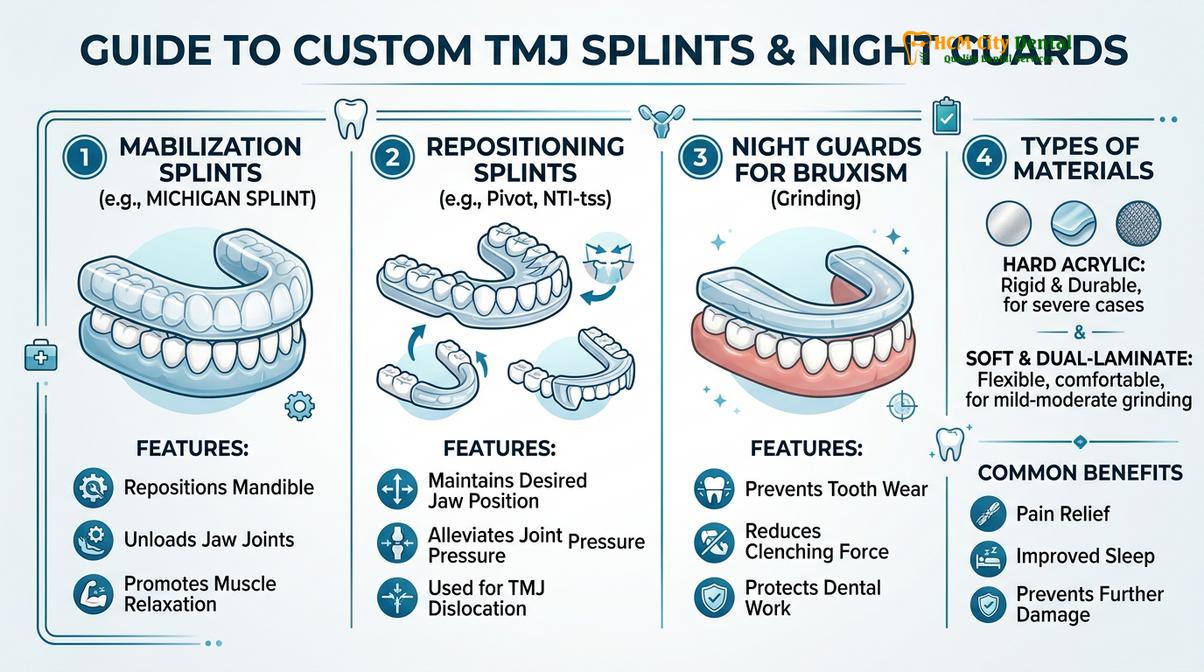
The cornerstone of conservative TMD management is the fabrication of a custom intraoral appliance. Depending on the specific diagnosis, the specialist will prescribe a specific type of device. For patients suffering from severe nocturnal bruxism and generalized muscle pain, custom nightguards and stabilization appliances are the gold standard. These devices provide a flat, even surface for the opposing teeth to glide against, removing the proprioceptive feedback that triggers grinding and allowing the condyle to seat in a physiologically relaxed position.
The material choice is critical. While some patients inquire about softer materials, clinical evidence strongly supports the use of rigid acrylic. When comparing hard vs soft night guards, soft guards can inadvertently stimulate a chewing reflex, exacerbating muscle fatigue. For specific cases involving severe clenching without joint disc displacement, an anterior bite plane, such as the NTI device for TMJ, may be utilized to disocclude the posterior teeth entirely, drastically reducing the contractile force of the masseter muscles. Understanding the distinction between an occlusal splint vs night guard is vital, as an incorrectly prescribed appliance can worsen the condition.
Phase 3: Adjunctive Pharmacological and Minimally Invasive Therapies
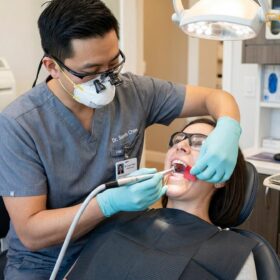
When splint therapy alone is insufficient to break the cycle of chronic muscle spasm, adjunctive therapies are introduced. Targeted muscle relaxant injections, such as masseter Botox for TMJ, are frequently integrated into the treatment plan. By precisely injecting Botulinum toxin into the hypertrophic masseter and temporalis muscles, the neuromuscular transmission is temporarily blocked, providing profound relief from pain and allowing the inflamed joint capsule to heal[4]. For patients with internal derangement of the joint (such as a displaced disc without reduction), minimally invasive procedures like arthrocentesis may be performed to wash out inflammatory cytokines and inject lubricating hyaluronic acid directly into the joint space[5].
When to Seek Professional TMJ Treatment & Important Notes
Clinical Warning: Avoid Soft OTC Splints for TMD
Using soft, over-the-counter boil-and-bite mouthguards can worsen TMJ disorders. The spongy texture often encourages increased nocturnal clenching, leading to greater muscle fatigue and joint compression. Always consult a specialist for a hard, custom-calibrated acrylic splint if you experience jaw pain.
Recognizing the early warning signs of temporomandibular joint dysfunction can prevent irreversible damage to the articular disc and surrounding dentition.
Patients should seek immediate professional evaluation if they experience chronic jaw pain, frequent morning headaches, unexplained facial fatigue, or a sudden inability to open or close their mouth fully (lockjaw). Additionally, loud clicking or grating sounds in the joint accompanied by pain are strong indicators of internal derangement that require clinical imaging. Parents should also monitor for early signs of jaw issues in younger family members, as detailed in our clinical guide on pediatric bruxism in Vietnam, to intercept developmental occlusal problems early.
When selecting a clinic abroad, it is crucial to ensure the facility adheres to strict medical standards. Top-tier dental centers in Vietnam operate in compliance with the rigorous guidelines set forth by the Vietnam Odonto-Stomatology Association (VOSA) and the Ministry of Health. These regulatory bodies ensure that all imported dental materials, sterilization protocols, and clinical workflows meet or exceed international safety benchmarks, providing international patients with complete peace of mind during their treatment.
Guarantee and Follow-up Care Protocols for Australian Patients
Reputable international clinics implement rigorous post-treatment monitoring, utilizing digital records and remote consultations to ensure the long-term success of occlusal therapies.
A primary concern for patients traveling abroad for medical care is the management of post-treatment complications and the logistics of ongoing maintenance. High-quality dental providers in Vietnam understand these concerns and have developed robust protocols specifically tailored for international patients. The continuity of care does not end when the patient boards their flight back to Sydney or Melbourne; rather, it transitions into a structured phase of remote monitoring and collaborative local care.
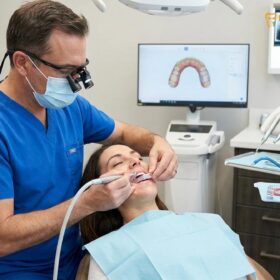
Because TMJ splints require periodic bite adjustments as the jaw muscles relax and the bite settles, Vietnamese clinics provide patients with comprehensive digital records, including their CBCT scans, intraoral STL files, and detailed clinical notes. This allows any qualified dentist in Australia to easily take over the routine maintenance of the appliance. The materials used—such as standard PMMA—are universally recognized, meaning an Australian dentist can adjust the splint using standard articulating paper and acrylic burs without any compatibility issues.
“Structured remote monitoring and collaborative local care bridge the geographical gap, ensuring that international patients receive continuous, high-quality support for their neuromuscular therapies long after they return home.”
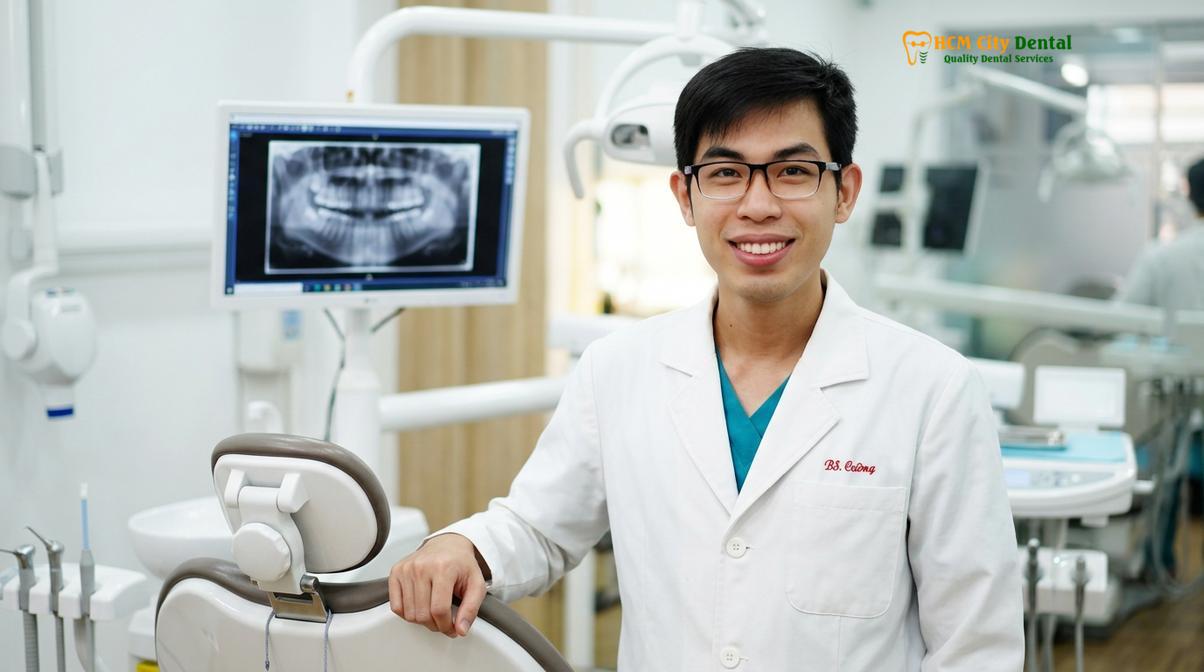
Dr. Nguyen Van Cuong, a leading specialist at HCMC Dental Clinic, emphasizes that successful TMJ therapy relies on precise diagnostics and patient compliance. Dr. Cuong and his clinical team utilize advanced digital workflows to ensure every custom appliance meets strict international standards, providing lasting relief for complex neuromuscular conditions. By combining world-class clinical expertise with transparent, affordable pricing, patients can finally access the comprehensive care they need to restore their quality of life.
For detailed information on diagnostics and custom splint therapy options, visit our comprehensive TMJ & Jaw Pain Treatment Ho Chi Minh City guidelines.
References
- Journal of the American Dental Association. Occlusal splint therapy for temporomandibular disorders: a clinical review. (2020).
- Journal of Oral Rehabilitation. Efficacy of Michigan repositioning splints in TMD patients. (2019).
- Journal of Prosthetic Dentistry. Computerized occlusal analysis and bite mapping in TMJ therapy. (2021).
- Clinical Oral Investigations. Masseter Botox injections for chronic jaw pain and bruxism. (2018).
- International Journal of Oral and Maxillofacial Surgery. TMJ arthrocentesis and hyaluronic acid injections. (2022).
If you are struggling with chronic jaw pain and are seeking an affordable, high-quality alternative to domestic private dental fees, contact HCMC Dental Clinic today. Our internationally trained specialists in Ho Chi Minh City are ready to provide you with a comprehensive evaluation and a customized treatment plan designed to restore your comfort and oral health.