An NTI device for TMJ in Vietnam is a specialized, custom-fitted anterior bite plane designed to suppress intense jaw clenching and alleviate temporomandibular joint pain. By preventing posterior teeth from touching, it reduces muscle tension, offering significant relief for patients suffering from chronic migraines and severe bruxism.
Clinical Summary:
The Nociceptive Trigeminal Inhibition Tension Suppression System (NTI-tss) represents a highly targeted approach to managing temporomandibular joint (TMJ) disorders and chronic tension headaches. Unlike traditional full-arch nightguards that provide a surface for patients to clench against, the NTI device fits exclusively over the anterior teeth. This unique design exploits a natural neurological reflex to drastically reduce the contraction intensity of the temporalis and masseter muscles. By preventing the posterior molars from making contact, the device minimizes joint strain and protects the teeth from the destructive forces of nocturnal bruxism. Clinical fabrication requires precise calibration to ensure safety, prevent aspiration, and avoid occlusal shifting, making professional oversight essential for long-term therapeutic success.
Key Takeaways:
- The NTI device is a specialized anterior bite plane that fits only over the front teeth.
- It utilizes a neurological reflex to reduce jaw clenching intensity by up to 70%.
- By preventing posterior tooth contact, it effectively decompresses the temporomandibular joint.
- Strict clinical monitoring is required to prevent complications such as posterior open bite.
- It is highly effective for patients suffering from clenching-induced migraines and tension headaches.
What is the NTI-tss Device? Mechanism of Action
The NTI-tss is an advanced anterior bite plane that utilizes nociceptive trigeminal tension suppression to drastically reduce the intensity of jaw clenching and protect the temporomandibular joint.
The Nociceptive Trigeminal Inhibition Tension Suppression System, commonly referred to as the NTI-tss, is a specialized oral appliance utilized in comprehensive temporomandibular joint therapy. To understand its mechanism of action, one must first examine the pathophysiology of nocturnal bruxism and the biomechanics of the human jaw. During sleep, many individuals engage in parafunctional habits—specifically, intense clenching and grinding of the teeth. This continuous isometric contraction of the elevating musculature, primarily the masseter and temporalis muscles, places immense strain on the temporomandibular joint (TMJ) and the surrounding neurovascular structures.
Traditional full-arch splints, while effective at protecting tooth enamel from wear, often inadvertently provide a broad, flat surface that patients can continue to clench against with maximum force. The NTI device fundamentally alters this dynamic. It is a small, custom-fabricated acrylic resin appliance that fits snugly over either the maxillary (upper) or mandibular (lower) central incisors. Its primary function is to serve as an anterior bite plane, ensuring that when the jaw closes, the only point of contact is between the device and the opposing front teeth.
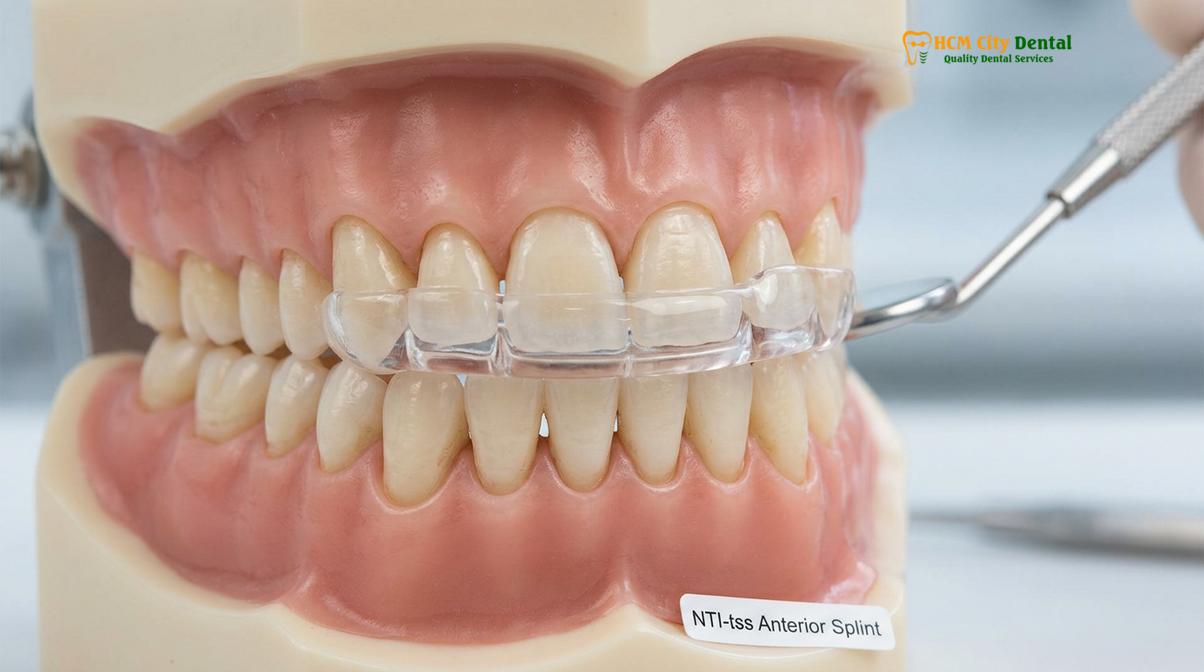
This single point of anterior contact is the catalyst for the device’s efficacy. When pressure is applied exclusively to the incisors, it triggers a protective neurological reflex mediated by the trigeminal nerve. This phenomenon, known clinically as nociceptive trigeminal tension suppression, automatically signals the brain to inhibit the contraction of the elevator muscles[1]. Because the brain perceives the concentrated pressure on the front teeth as a potential threat to their structural integrity, it reflexively limits the bite force. Clinical studies indicate that this reflex can reduce clenching intensity by up to 70%, transforming a destructive parafunctional habit into a manageable condition.
Furthermore, by completely discluding (separating) the posterior teeth, the NTI device prevents the lateral pterygoid muscles from engaging in the isometric contractions that typically pull the condyle out of its proper alignment within the articular fossa. This profound reduction in muscle hyperactivity is why the NTI is widely recognized not just as a dental guard, but as a potent therapeutic tool for preventing severe migraines and chronic tension headaches associated with TMJ disorders.
Preventing Anterior Tooth Contact to Decompress Temporalis Muscles
By precisely managing incisal forces, this clenching prevention device triggers a reflex that relaxes the temporalis and masseter muscles, effectively decompressing the temporomandibular joint.
A critical aspect of TMJ pathology involves the overloading of the temporalis muscles, which fan out across the sides of the skull and are heavily involved in the elevation and retraction of the mandible. In a healthy, resting state, the lips are together, and the teeth are slightly apart. However, during nocturnal clenching events, the temporalis muscles are in a state of persistent, high-intensity contraction. This sustained tension not only causes localized muscle fatigue and pain but also refers pain throughout the head, manifesting as severe tension headaches or migraines.
The design of the NTI device specifically addresses this by altering the occlusal scheme. While the device itself rests on the anterior teeth, its clinical purpose is to prevent the broad, harmful anterior and posterior tooth contacts that facilitate maximum muscle contraction. When a patient wears a standard flat-plane splint, the posterior teeth can still exert force, allowing the temporalis to fire at full capacity. The NTI, acting as a highly calibrated clenching prevention device, ensures that the posterior teeth remain completely out of contact[2].
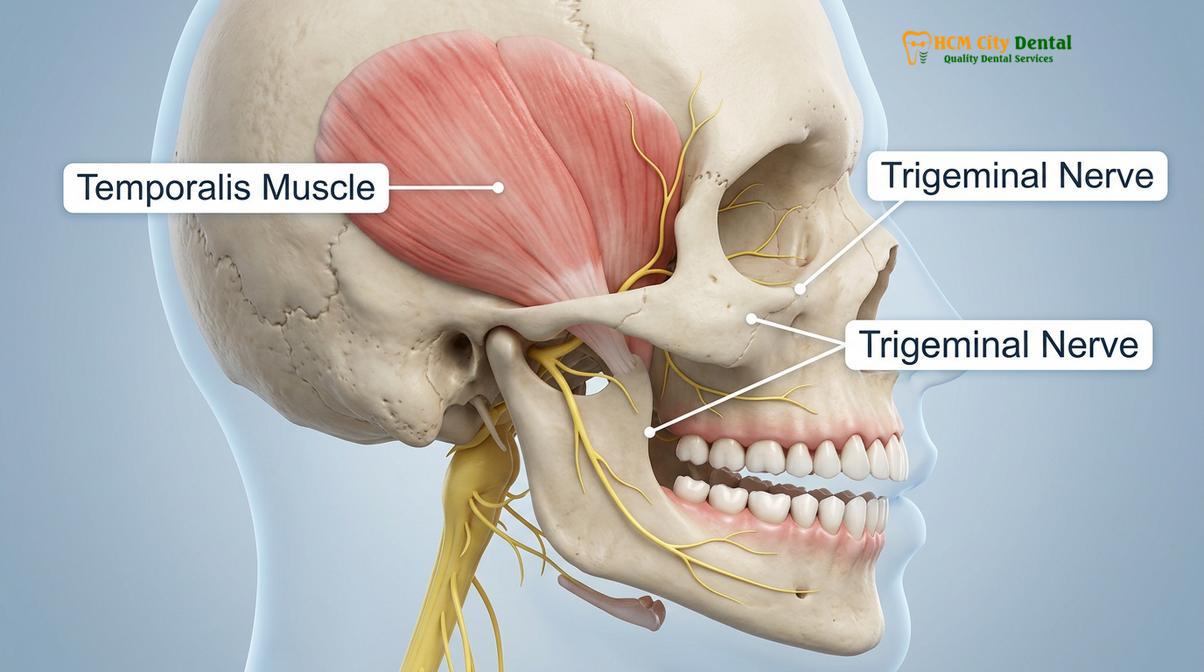
“The true therapeutic value of anterior guidance in splint therapy lies not merely in protecting the enamel, but in its profound ability to neurologically downregulate the elevator muscles, thereby allowing the temporomandibular joint to decompress naturally during sleep.”
When the posterior teeth are discluded, the biomechanical leverage required for maximum clenching is neutralized. The jaw acts as a Class III lever; the closer the resistance (the bite point) is to the fulcrum (the TMJ), the greater the force that can be generated. By moving the only point of contact to the very front of the mouth (the incisors), the mechanical advantage is lost. The temporalis muscles simply cannot contract with the same destructive force when the posterior support is removed.
This forced reduction in muscle activity leads to the decompression of the TMJ. Without the constant upward and backward pull of the hyperactive musculature, the condyle can rest in a more physiological, anterior-superior position within the glenoid fossa. This decompression allows for the reduction of localized inflammation, the restoration of normal synovial fluid circulation within the joint space, and the alleviation of pressure on the highly innervated retrodiscal tissues.
Clinical Safety: Preventing Aspiration and Open Bite Complications
Ensuring patient safety with an NTI appliance requires strict adherence to custom fabrication protocols to prevent nighttime aspiration and mitigate the risk of developing an anterior open bite.
While the therapeutic benefits of the NTI device are substantial, its unique, small-scale design necessitates rigorous clinical oversight to ensure patient safety. Because the appliance only covers a few anterior teeth, it is significantly smaller than custom nocturnal dental guards that cover the entire dental arch. This reduced size introduces specific clinical risks that must be managed by an experienced dental professional.
The most immediate safety concern is the risk of aspiration or swallowing the device during sleep. To completely eliminate this risk, the NTI device must be custom-fabricated and meticulously adjusted to provide secure, snap-in retention. It should never be loose or easily dislodged by the tongue or lateral jaw movements. Over-the-counter or “boil-and-bite” anterior splints are highly discouraged due to their inability to guarantee this level of secure retention[3].
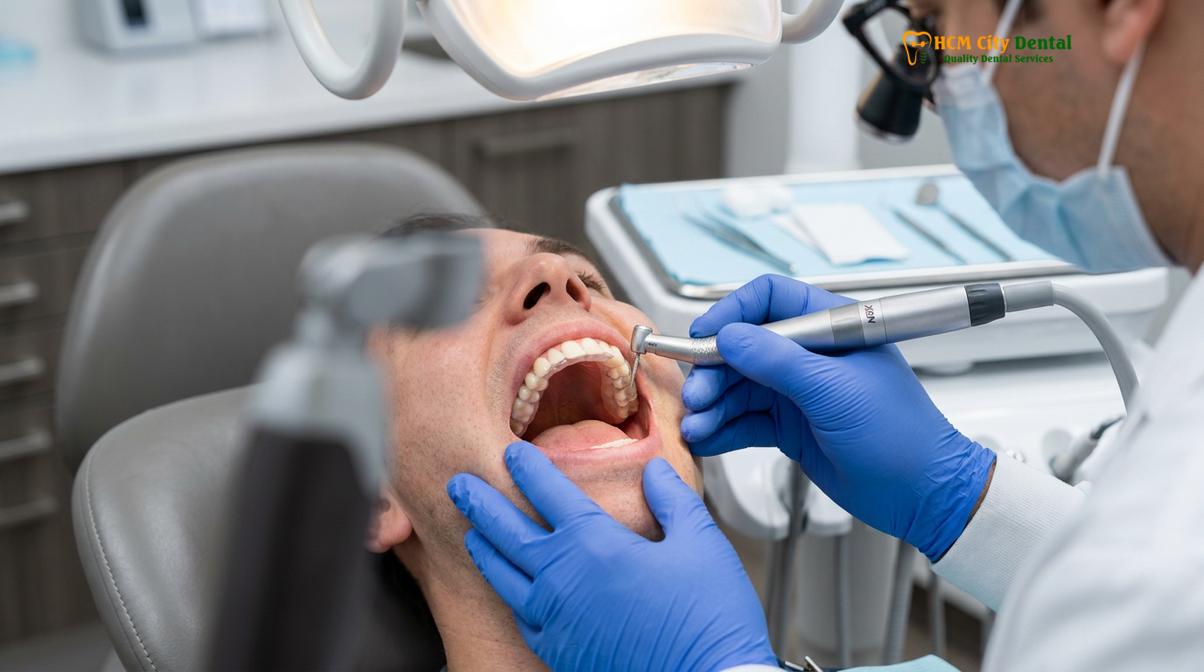
Clinical Warning: The NTI device is strictly indicated for nocturnal use only. Wearing a partial-coverage splint continuously for 24 hours a day can lead to rapid and irreversible shifting of the teeth, requiring extensive orthodontic correction.
The second major clinical complication associated with partial-coverage splints is the potential for occlusal shifting, specifically the development of an anterior open bite. Because the NTI device separates the posterior teeth, prolonged use beyond the prescribed sleeping hours removes the natural occlusal stops that keep the back teeth in their proper vertical position. If worn excessively, the posterior teeth may supra-erupt (move downwards or upwards out of the gums) in an attempt to find contact. When the patient removes the device, their back teeth will touch prematurely, and their front teeth will no longer meet—a condition known as an open bite.
To prevent this, Dr. Nguyen Van Cuong emphasizes a strict protocol of nocturnal-only wear and mandates regular follow-up appointments. During these check-ups, the dentist evaluates the patient’s occlusion to ensure no unwanted tooth movement has occurred. The device itself is also inspected for signs of excessive wear or loss of retention, ensuring that the nociceptive trigeminal tension suppression remains effective without compromising the patient’s overall dental alignment.
Candidate Selection: Who Benefits Most from an NTI Device?
Ideal candidates for this specialized therapy are patients experiencing severe, clenching-induced migraines, chronic tension headaches, and specific temporomandibular joint disorders without active joint degeneration.
Proper patient selection is the cornerstone of successful TMJ therapy. The NTI device is not a universal solution for all jaw-related ailments; rather, it is a highly specific tool designed for a distinct subset of patients. Determining whether a patient is an appropriate candidate requires a comprehensive clinical examination, including a review of their medical history, an assessment of their occlusal dynamics, and an evaluation of their muscular and joint health.
The ideal candidate for an NTI device is a patient whose primary parafunctional habit is intense, static clenching rather than broad, lateral grinding. These patients typically present with severe morning headaches, chronic migraines, hypertrophied (enlarged) masseter muscles, and generalized facial tension. Because their pain is primarily muscular in origin—driven by the hyperactivity of the elevator muscles—they respond exceptionally well to the muscle-relaxing effects of an anterior bite plane[4].
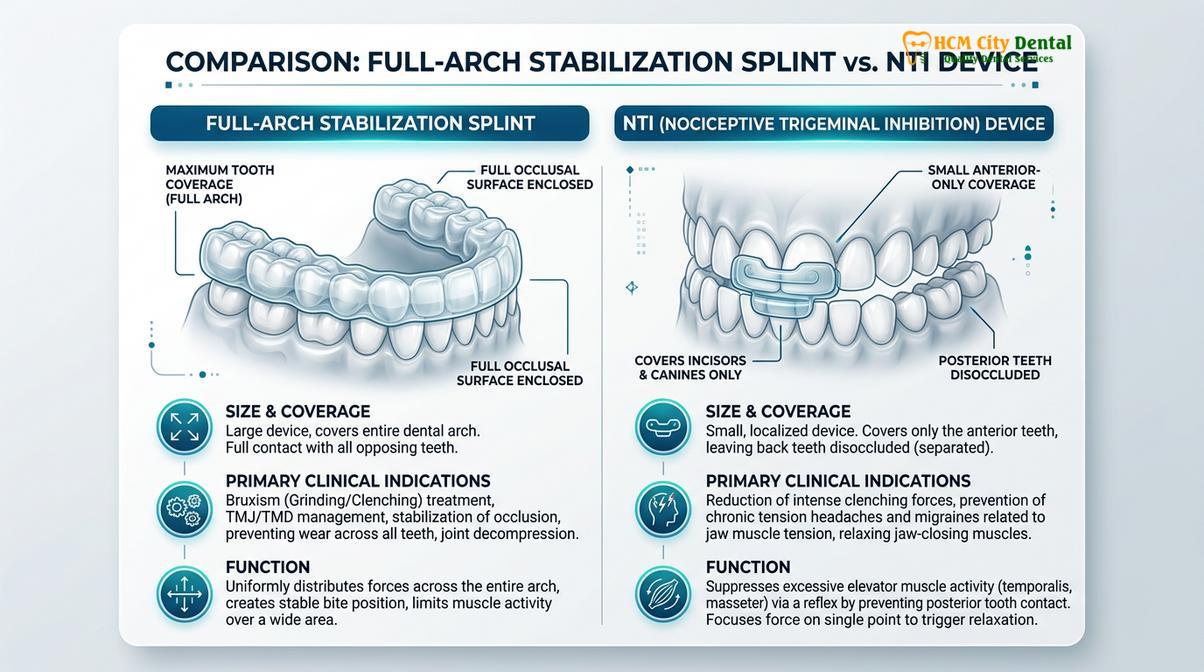
Conversely, the NTI device may be contraindicated for certain individuals. Patients with severe, active periodontal disease or significant mobility in their anterior teeth are not suitable candidates, as the device concentrates all biting forces onto the incisors, which could exacerbate tooth mobility. Additionally, patients with advanced, degenerative joint disease (such as severe osteoarthritis of the TMJ) or those whose TMJ issues are primarily intracapsular (e.g., a permanently displaced articular disc without reduction) may require different modalities of specialized TMJ disorder management.
| Appliance Type | Primary Indication | Mechanism of Action | Best Suited For |
|---|---|---|---|
| NTI-tss Device | Severe Clenching & Migraines | Anterior point contact, triggers muscle relaxation reflex. | Static clenchers, chronic tension headache sufferers. |
| Stabilization Splint | Heavy Lateral Grinding | Provides a flat, even surface for all teeth to contact. | Severe bruxers, patients needing joint stabilization. |
| Soft Nightguard | Mild Bruxism | Cushions the teeth against minor occlusal forces. | Patients with minimal symptoms seeking enamel protection. |
Clinical Case Review: A 34-year-old patient visited HCMC Dental Clinic in Ho Chi Minh City complaining of debilitating morning migraines and severe jaw stiffness that traditional soft guards failed to resolve. Following a comprehensive occlusal analysis, the patient was fitted with a custom NTI device. Within two weeks of nocturnal use, the patient reported an 80% reduction in migraine frequency and a complete resolution of morning jaw fatigue, demonstrating the profound efficacy of targeted muscle decompression.
The Clinical Workflow for NTI Device Fabrication in Vietnam
The process of acquiring a custom NTI appliance involves precise digital impressions, bite registration, and meticulous chairside adjustments to ensure optimal therapeutic efficacy and safety.
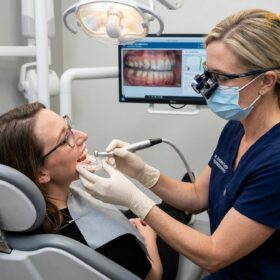
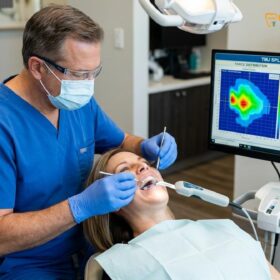
The fabrication and fitting of an NTI device is a precise clinical procedure that demands exactitude to ensure both efficacy and patient safety. At leading practices like HCMC Dental Clinic, the workflow begins with a thorough diagnostic phase. This includes a detailed palpation of the muscles of mastication, an evaluation of the TMJ’s range of motion, and often, computerized occlusal analysis to map the patient’s bite forces and identify premature contacts.
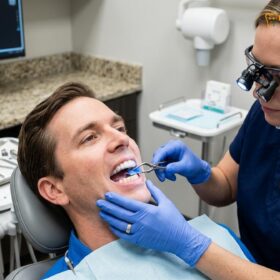
Once the patient is deemed a suitable candidate, the physical fabrication process commences. High-resolution digital impressions or highly accurate polyvinyl siloxane (PVS) impressions are taken of the patient’s upper and lower arches. A precise bite registration is also captured to record the exact relationship between the maxilla and mandible. These records are then sent to a specialized dental laboratory where the acrylic device is custom-molded to fit perfectly over the designated anterior teeth.
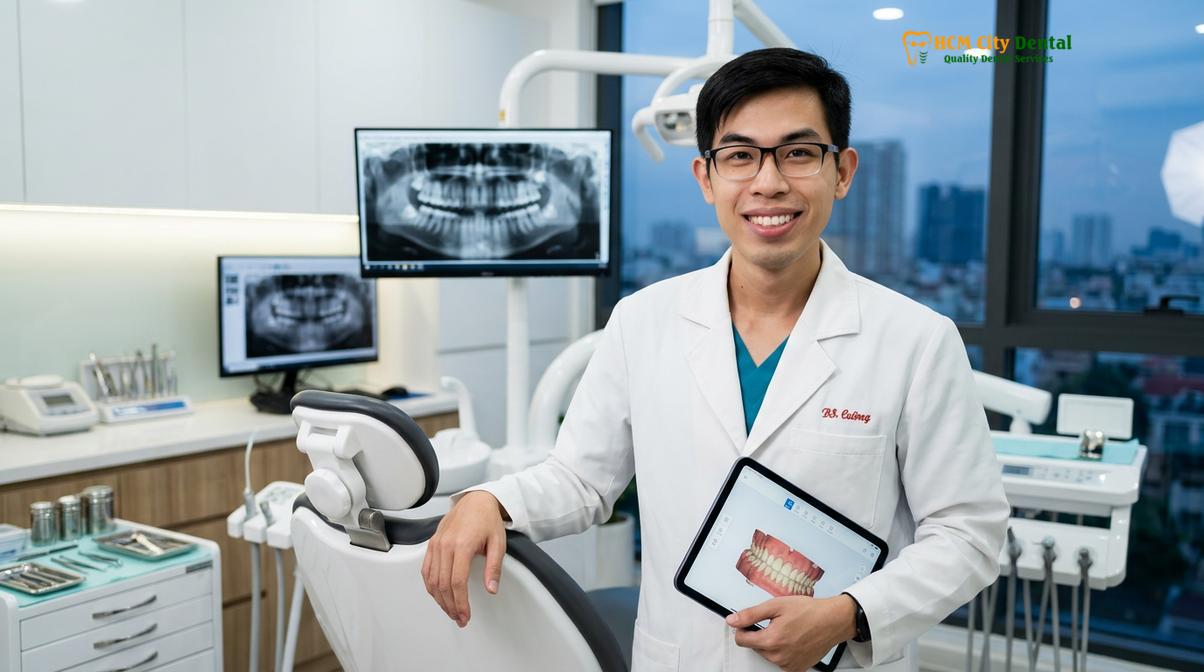
“The success of an NTI appliance is entirely dependent on the precision of its chairside calibration. A device that is even a fraction of a millimeter off in its occlusal contact can fail to trigger the necessary neurological suppression, rendering the therapy ineffective.”
The most critical phase of the workflow is the delivery and chairside calibration. Dr. Nguyen Van Cuong notes that the device must be meticulously adjusted using articulating paper to ensure that the opposing teeth strike the bite plane evenly and simultaneously. The retention must be tested to guarantee the device “snaps” securely into place, eliminating any risk of nighttime dislodgement. Finally, the patient is instructed on proper insertion, removal, and cleaning protocols, and a follow-up schedule is established to monitor the ongoing success of this protective sleep splint therapy[5].
When to See a Doctor for TMJ and Migraine Symptoms
While occasional jaw tension or a mild morning headache can be common, persistent or severe symptoms warrant immediate professional evaluation. You should seek a consultation with a dental specialist if you experience any of the following warning signs:
- Chronic Morning Headaches: Waking up frequently with dull, aching pain in the temples or severe migraines.
- Limited Range of Motion: Difficulty opening your mouth fully, or experiencing a “locking” sensation in the jaw joint.
- Radiating Pain: Pain that originates in the jaw but radiates down the neck, into the shoulders, or behind the eyes.
- Audible Joint Noises: Loud clicking, popping, or grating sounds (crepitus) when chewing or speaking, especially if accompanied by pain.
- Visible Tooth Wear: Noticeable flattening, chipping, or fracturing of the teeth, indicating severe nocturnal bruxism.
Early intervention is crucial in managing temporomandibular joint disorders. A professional diagnostic evaluation can determine the root cause of your symptoms and establish whether a specialized clenching prevention device or an alternative therapeutic approach is necessary to restore your oral health and quality of life.
Frequently Asked Questions
How does an NTI device prevent migraines?
An NTI device prevents migraines by suppressing the intensity of jaw clenching during sleep. By providing a single point of contact on the front teeth, it triggers a neurological reflex that relaxes the temporalis muscles, significantly reducing the muscular tension and nerve irritation that often trigger severe migraine headaches. This decompression allows the neurovascular structures around the jaw and temples to recover overnight.
Can an NTI appliance cause my back teeth to not touch?
Yes, if worn improperly or for extended periods beyond sleep, an NTI appliance can cause posterior open bite. Because it only covers the front teeth, continuous 24/7 wear allows the back teeth to supra-erupt (shift downwards or upwards), which is why it must only be worn as prescribed during sleep. Regular dental monitoring is essential to ensure your bite remains stable throughout the therapy.
How much does an NTI device cost in Vietnam?
Currently, the cost of a custom NTI device in Vietnam ranges from 3,000,000 VND to 8,000,000 VND, depending on the clinic and material specifications. This fee typically includes the comprehensive clinical examination, digital impressions, custom laboratory fabrication, and necessary chairside calibration adjustments to ensure a safe and precise fit. Advanced diagnostic imaging, if required, may incur additional costs.
Is the NTI-tss comfortable to wear while sleeping?
The NTI-tss is generally considered highly comfortable due to its minimal footprint inside the mouth. Unlike full-arch nightguards that cover all teeth, this small device only fits over the front incisors, making it less intrusive, reducing the gag reflex, and allowing for easier breathing and speaking during nighttime use. Most patients adapt to wearing it within just a few nights.
How long does a custom NTI device typically last?
A custom-fabricated NTI device typically lasts between two to five years, depending on the severity of the patient’s bruxism and proper maintenance. Patients with extreme clenching forces may wear down the acrylic faster, requiring more frequent replacements. Regular dental check-ups are essential to monitor the appliance’s structural integrity and ensure it continues to provide optimal therapeutic benefits.
References
- Journal of the American Dental Association. Occlusal splint therapy for temporomandibular disorders: a clinical review. (2020).
- Journal of Oral Rehabilitation. Efficacy of anterior bite planes in TMD patients. (2019).
- Journal of Prosthetic Dentistry. Computerized occlusal analysis and bite mapping in TMJ therapy. (2021).
- Clinical Oral Investigations. Neurological suppression of the temporalis muscle via anterior guidance. (2018).
- International Journal of Oral and Maxillofacial Surgery. Complications of partial coverage occlusal splints. (2022).