Periodontal disease and diabetes share a proven bidirectional relationship. Uncontrolled blood sugar impairs the immune system, increasing the risk of severe gum infections. Conversely, chronic periodontal inflammation induces systemic insulin resistance, making it significantly harder for diabetic patients to maintain stable blood glucose levels.
Clinical Summary:
The connection between periodontal disease and diabetes is a well-documented two-way street in modern medicine. Diabetes exacerbates periodontal tissue destruction by altering immune responses, restricting microvascular blood flow, and increasing the accumulation of advanced glycation end-products (AGEs) in the gingiva. Simultaneously, the systemic inflammation originating from infected periodontal pockets elevates inflammatory cytokines in the bloodstream, which directly worsens insulin resistance and elevates HbA1c levels. Clinical intervention, particularly non-surgical scaling and root planing, has been scientifically shown to not only halt oral bone loss but also significantly improve overall glycemic control in diabetic patients.
Key Takeaways:
- Diabetes increases the risk of developing severe periodontitis by approximately threefold compared to non-diabetics.
- Active gum infections release inflammatory cytokines that enter the bloodstream and worsen systemic insulin resistance.
- Non-surgical periodontal therapy (deep cleaning) can reduce HbA1c levels by an average of 0.4 percent.
- Elevated blood sugar impairs neutrophil function, severely reducing the body’s ability to fight off oral bacterial pathogens.
- Regular dental cleanings every three to four months are a critical component of comprehensive diabetes management.
The Bidirectional Link: Diabetes and Gum Health
Diabetes and periodontitis are deeply interconnected; high blood sugar accelerates gum tissue destruction, while chronic gum inflammation worsens systemic insulin resistance and elevates HbA1c levels.
For decades, the medical and dental communities viewed the relationship between diabetes and oral health as a one-way street, categorizing periodontal disease simply as a complication of diabetes. However, extensive epidemiological research and clinical studies have fundamentally shifted this paradigm. Today, it is universally recognized that periodontal disease and diabetes share a profound, bidirectional relationship. This means that not only does diabetes increase the severity and progression of gum disease, but the presence of active gum disease also makes diabetes significantly more difficult to control[1].
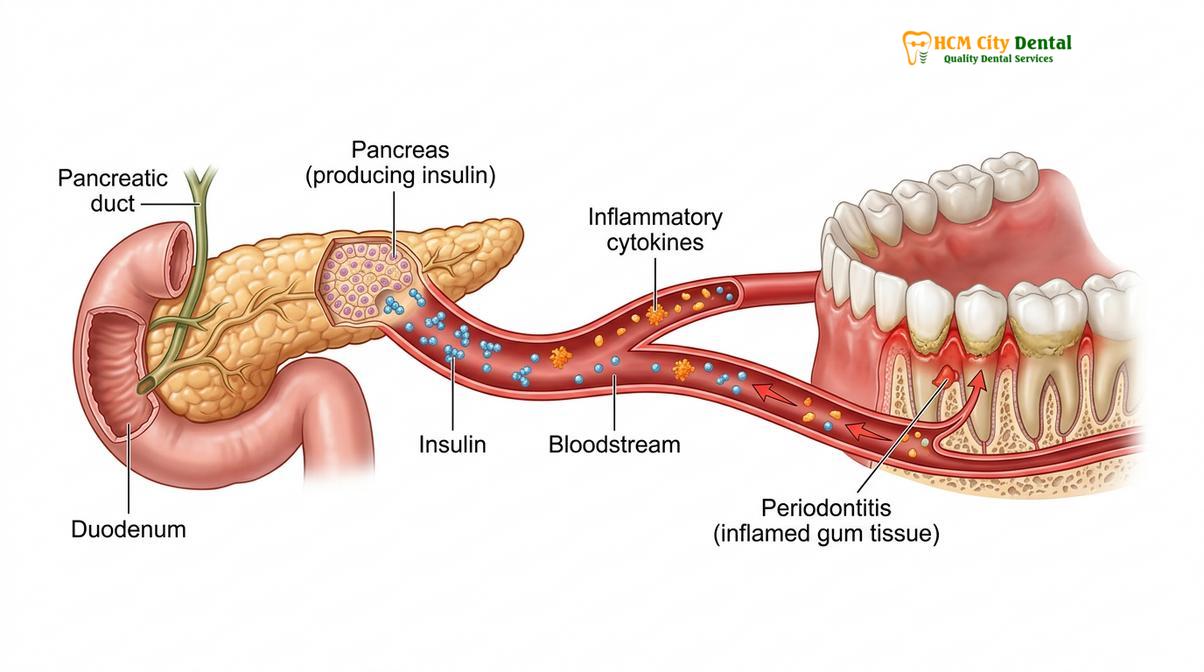
To understand this complex interplay, we must look at how the body functions as an integrated systemic unit. The mouth is not isolated from the rest of the body. When a patient develops periodontitis, the bacterial biofilm that accumulates below the gumline triggers a chronic, low-grade inflammatory response. In a healthy individual, the immune system attempts to wall off this infection. However, in a patient with diabetes, the immune response is fundamentally altered. Hyperglycemia (high blood sugar) creates an environment where bacteria thrive, while simultaneously crippling the body’s defense mechanisms. This creates a perfect storm for rapid periodontal destruction.
According to Dr. Nguyen Van Cuong, a leading specialist in periodontal care, understanding this bidirectional link is the cornerstone of effective treatment. “We can no longer treat the mouth in isolation,” Dr. Cuong explains. “When a diabetic patient sits in the dental chair with severe bone loss and deep periodontal pockets, we are not just looking at a risk of tooth loss; we are looking at an active source of systemic inflammation that is actively fighting against their endocrinologist’s efforts to stabilize their blood sugar.”
This systemic perspective is why modern dental clinics emphasize comprehensive evaluations. A patient seeking routine general dentistry who presents with unexplained, aggressive gum disease is often referred for a medical evaluation to rule out undiagnosed diabetes. Conversely, physicians are increasingly referring their diabetic patients for comprehensive gum treatment protocols as a standard part of their metabolic management plan. The goal is to break the vicious cycle where high blood sugar feeds oral bacteria, and oral bacteria fuel systemic insulin resistance.
Why Diabetics are More Prone to Severe Periodontitis
Diabetic patients experience compromised immune responses and restricted microvascular blood flow, making their gingival tissues highly susceptible to aggressive bacterial attacks and rapid alveolar bone loss.
The increased susceptibility of diabetic patients to severe periodontitis is rooted in profound cellular and vascular changes caused by chronic hyperglycemia. When blood glucose levels remain elevated over prolonged periods, the body’s innate immune system—specifically the function of polymorphonuclear leukocytes (neutrophils)—is severely impaired. Neutrophils are the first responders of the immune system, responsible for migrating to the site of infection (chemotaxis) and engulfing bacteria (phagocytosis). In diabetic patients, both chemotaxis and phagocytosis are defective. This means that when plaque bacteria accumulate along the gumline, the body’s primary defense mechanism is too slow to respond and too weak to neutralize the threat effectively[2].
Furthermore, diabetes induces a state of hyper-inflammation. While the neutrophils are sluggish, other immune cells called macrophages become hyper-responsive. When these macrophages encounter the lipopolysaccharides (LPS) present on the cell walls of gram-negative oral bacteria, they release massive amounts of pro-inflammatory cytokines, such as Interleukin-1 beta (IL-1β) and Tumor Necrosis Factor-alpha (TNF-α). This exaggerated inflammatory response does more harm than good; it triggers the activation of osteoclasts, the cells responsible for breaking down bone tissue. Consequently, the alveolar bone that supports the teeth is rapidly destroyed, leading to increased tooth mobility and elevating the overall diabetic gum infection risk.
“The pathophysiology of diabetic periodontitis is characterized by an exaggerated host inflammatory response coupled with impaired tissue repair mechanisms, leading to accelerated attachment loss and alveolar bone resorption.”
Another critical factor is diabetic microangiopathy—the thickening of the basement membranes of small blood vessels (capillaries) throughout the body, including those in the gingiva. This vascular thickening restricts the flow of oxygen and essential nutrients to the gum tissues and impairs the removal of metabolic waste products. As a result, the gingival tissues become hypoxic (oxygen-deprived) and highly vulnerable to infection. Even minor irritations can lead to localized swollen gums around a tooth, which can quickly escalate into a deep periodontal abscess if left untreated.
Finally, the high glucose concentration in the saliva and gingival crevicular fluid of diabetic patients provides an abundant food source for pathogenic bacteria. Species such as Porphyromonas gingivalis and Treponema denticola thrive in this glucose-rich environment, multiplying rapidly and shifting the oral microbiome from a state of health to a state of aggressive disease. This combination of impaired immunity, exaggerated inflammation, restricted blood flow, and a bacteria-friendly environment explains why diabetes is one of the leading diabetes and tooth loss causes worldwide.
How Gum Infection Elevates HbA1c and Blood Sugar Levels
Chronic bacterial infection in periodontitis releases inflammatory mediators into the bloodstream, which directly interfere with insulin receptors and drive up systemic blood glucose levels.
While it is easy to understand how high blood sugar damages the gums, the reverse pathway—how infected gums raise blood sugar—is a fascinating study in systemic immunology. Periodontitis is not merely a localized infection; it is a chronic, ulcerated wound. In a patient with severe periodontitis, the total surface area of the ulcerated pocket lining (the tissue facing the tooth root) can be as large as the palm of an adult hand. This massive, hidden wound is constantly bathed in highly virulent gram-negative bacteria.
Every time a patient with severe periodontitis chews food or brushes their teeth, bacteria and their toxic byproducts (endotoxins) are forced into the bloodstream, a phenomenon known as transient bacteremia. Once in the systemic circulation, these endotoxins trigger the liver to produce acute-phase proteins, most notably C-reactive protein (CRP). Simultaneously, the localized inflammation in the gums spills pro-inflammatory cytokines (TNF-α, IL-6) into the systemic circulation[3].
These circulating inflammatory markers have a direct and detrimental effect on insulin metabolism. TNF-α, in particular, is known to interfere with the phosphorylation of the insulin receptor substrate (IRS-1) in skeletal muscle and adipose (fat) tissue. Under normal circumstances, insulin binds to its receptor, triggering a cascade that allows glucose to enter the cell. However, when TNF-α interferes with this receptor, the cell becomes “deaf” to the insulin signal. This state is known as insulin resistance. Because the cells cannot absorb glucose efficiently, the glucose remains trapped in the bloodstream, leading to elevated fasting blood sugar and a higher HbA1c percentage.
| Periodontal Status | Systemic Inflammatory Load | Impact on Insulin Resistance | Typical Effect on HbA1c |
|---|---|---|---|
| Healthy Gums | Minimal / Baseline | None | Stable / Easier to manage |
| Mild Gingivitis | Low | Slight increase | Minor fluctuations |
| Moderate Periodontitis | Moderate (Elevated CRP, IL-6) | Noticeable resistance | Elevation of 0.2% – 0.4% |
| Severe Periodontitis | High (Constant bacteremia) | Severe resistance | Elevation of 0.5% or higher |
For patients struggling with managing blood sugar periodontitis, this systemic inflammatory burden is a major roadblock. Endocrinologists often find that despite increasing insulin dosages or prescribing stronger oral hypoglycemic agents, the patient’s HbA1c remains stubbornly high. In many of these cases, the missing piece of the puzzle is an undiagnosed oral infection. Symptoms such as persistent bad breath linked to gum disease or bleeding upon brushing are clinical red flags that the oral cavity is contributing to the patient’s systemic metabolic dysfunction.
The Role of Advanced Glycation End-products (AGEs)
Hyperglycemia triggers the formation of AGEs, which bind to cellular receptors in the gums, triggering massive inflammatory responses and accelerating the breakdown of collagen.
To truly grasp the molecular destruction that occurs in the diabetic periodontium, one must understand the role of Advanced Glycation End-products (AGEs). AGEs are complex, irreversible compounds formed when excess glucose molecules in the bloodstream attach themselves to proteins or lipids without the aid of enzymes—a process known as non-enzymatic glycation. In a patient with poorly controlled diabetes, the chronic state of hyperglycemia leads to a massive accumulation of AGEs throughout the body’s tissues, including the gingiva and the periodontal ligament.
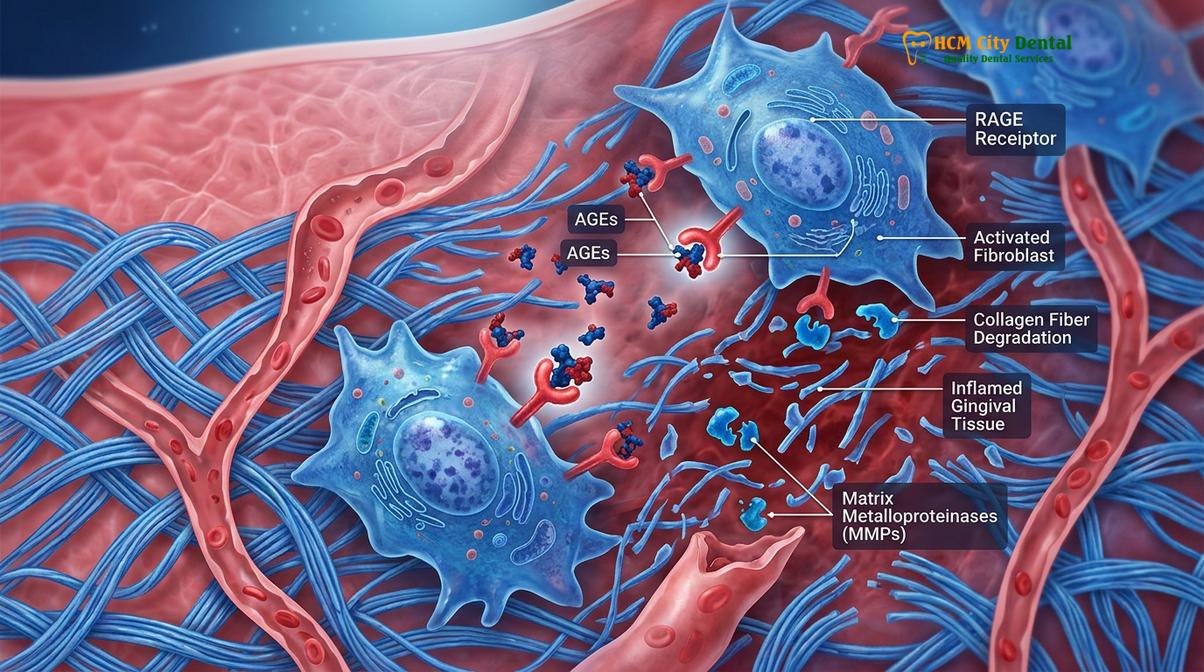
The periodontal tissues are rich in collagen, the primary structural protein that holds the gums tightly against the teeth and anchors the tooth roots to the jawbone. When AGEs accumulate in the periodontal tissues, they cross-link with these collagen fibers. This cross-linking alters the structural integrity of the collagen, making it less soluble, stiffer, and highly resistant to normal tissue turnover and repair. As a result, the gums lose their resilience and become highly susceptible to mechanical damage and bacterial invasion. In some clinical presentations, vascular changes and tissue necrosis associated with severe AGE accumulation can even manifest as changes in gingival pigmentation or black gums, signaling profound tissue distress.
However, the physical alteration of collagen is only half the problem. The more destructive mechanism involves the interaction between AGEs and their specific cellular receptors, known as RAGE (Receptor for Advanced Glycation End-products). RAGE is found on the surface of various cells in the periodontium, including endothelial cells, monocytes, and fibroblasts. When AGEs bind to RAGE, it triggers a massive intracellular signaling cascade that results in oxidative stress and the overproduction of reactive oxygen species (ROS)[4].
This AGE-RAGE interaction acts as a biological switch that turns on the production of destructive enzymes called matrix metalloproteinases (MMPs). MMPs literally digest the collagen matrix of the gums and the periodontal ligament. Simultaneously, the AGE-RAGE axis stimulates osteoclast activity, accelerating the resorption of the alveolar bone. This molecular cascade explains why periodontal disease progresses so much faster and is so much more destructive in diabetic patients compared to healthy individuals. The tissues are essentially being broken down from the inside out by the body’s own altered biochemistry.
How Deep Cleaning (SRP) Improves Diabetic Blood Sugar Control
Mechanical removal of subgingival plaque and calculus through scaling and root planing significantly reduces oral inflammation, subsequently lowering systemic HbA1c levels by approximately 0.4 percent.
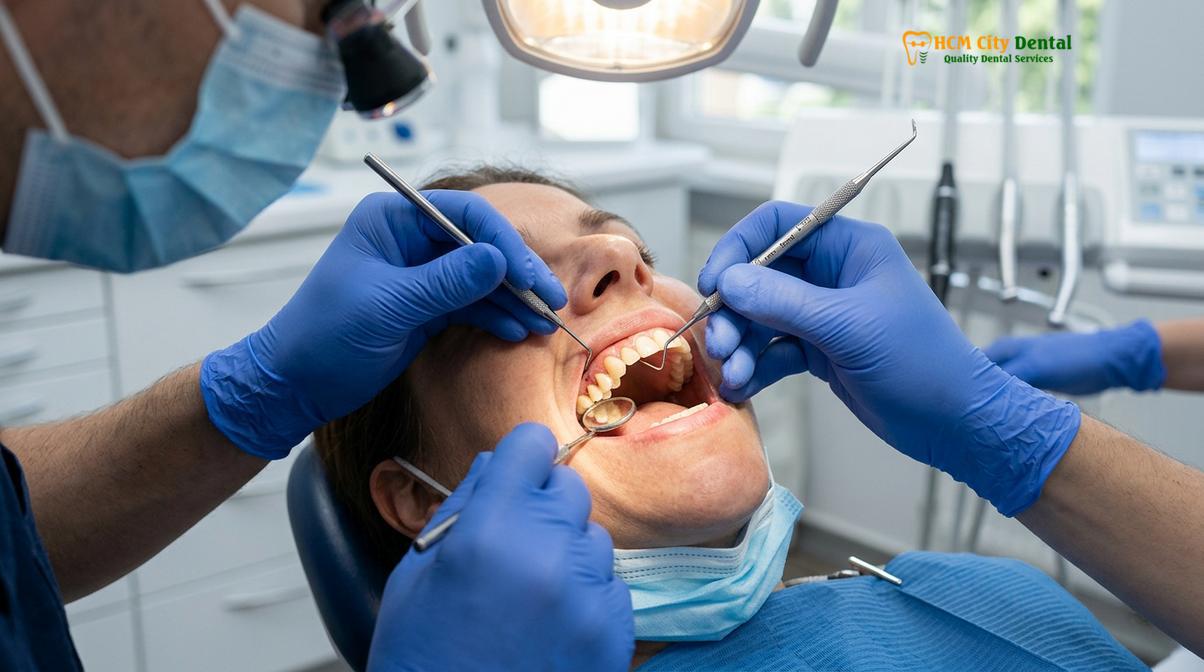
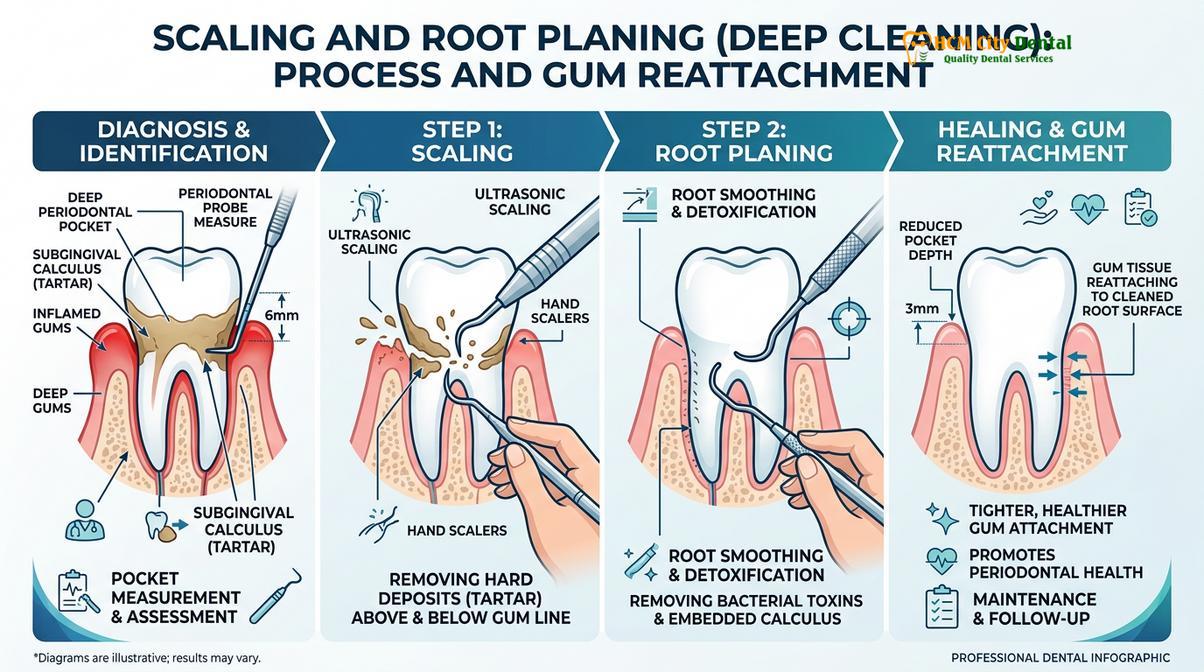
Given the profound impact that periodontal inflammation has on systemic insulin resistance, treating the gum infection is not just a dental necessity; it is a critical medical intervention. The gold standard for treating active periodontal disease is a non-surgical procedure known as scaling and root planing (SRP), commonly referred to as a professional deep cleaning. This procedure is fundamentally different from a routine prophylaxis (regular cleaning), which only removes plaque and tartar from above the gumline.
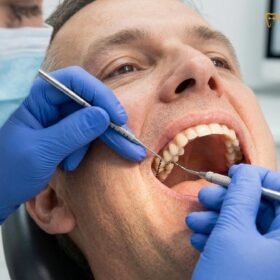
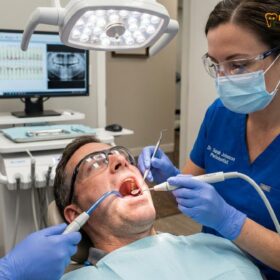
During scaling and root planing, the dental professional uses specialized ultrasonic instruments and hand curettes to meticulously remove bacterial biofilm, endotoxins, and hardened calculus from deep within the periodontal pockets, extending all the way down to the base of the tooth root. The “planing” aspect involves smoothing the rough surfaces of the cementum (the outer layer of the root), making it more difficult for bacteria to reattach and allowing the inflamed gingival tissues to heal and re-adapt tightly to the tooth structure.
Clinical Case Review: Systemic Improvement Post-SRP
A 55-year-old male patient with Type 2 Diabetes presented to HCMC Dental Clinic in Ho Chi Minh City with severe generalized periodontitis, tooth mobility, and an HbA1c of 8.2% despite strict medication adherence. Dr. Nguyen Van Cuong performed comprehensive scaling and root planing over two visits, supplemented with localized antimicrobial therapy. At the three-month medical follow-up, the patient’s periodontal pockets had reduced from 6mm to 3mm, bleeding on probing was eliminated, and remarkably, his HbA1c had dropped to 7.6% without any changes to his diabetic medication regimen. This case highlights the profound systemic benefits of eliminating subgingival bacterial loads.
The systemic benefits of SRP are well-documented in clinical literature. By physically removing the source of the chronic infection, the massive ulcerated wound within the periodontal pockets begins to heal. As the tissue heals, the transient bacteremia ceases, and the production of pro-inflammatory cytokines (TNF-α, IL-6) and C-reactive protein drops dramatically. With the inflammatory burden lifted, the body’s cells regain their sensitivity to insulin. Numerous meta-analyses have demonstrated that effective non-surgical periodontal therapy can result in an average reduction in HbA1c of 0.36% to 0.40% after three to four months[5]. In the realm of endocrinology, a 0.4% reduction in HbA1c is considered highly clinically significant, equivalent to the effect of adding a second pharmacological drug to a patient’s diabetes management plan.
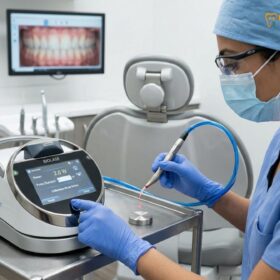
In cases where traditional SRP is insufficient to eradicate deeply embedded bacteria, modern clinics may employ advanced laser gum treatment. Dental lasers, such as diode or Nd:YAG lasers, can selectively target and vaporize diseased, inflamed tissue within the pocket while leaving healthy tissue intact. The laser energy also provides profound bactericidal effects, penetrating the dentinal tubules to destroy pathogens that mechanical instruments cannot reach. For diabetic patients, whose healing capacities are already compromised, the minimally invasive nature of laser therapy offers a significant advantage, promoting faster tissue regeneration with less post-operative discomfort.
Specialized Oral Care Recommendations for Diabetics
Effective diabetic dental care requires strict home hygiene, frequent professional cleanings every three months, and close coordination between the patient’s endocrinologist and dental care provider.
Managing periodontal health in the presence of diabetes requires a proactive, highly disciplined approach. Because the diabetic immune system is compromised and the inflammatory response is exaggerated, diabetic patients cannot rely on the standard “brush twice a day and visit the dentist twice a year” protocol. A specialized diabetic dental care guide must be implemented to maintain the delicate balance of the oral microbiome and prevent the rapid recurrence of disease.
First and foremost is the frequency of professional periodontal maintenance. After a diabetic patient has undergone initial therapy (such as scaling and root planing), they must be placed on a strict three-to-four-month recall schedule. Clinical studies show that it takes approximately 90 to 120 days for pathogenic bacteria to repopulate a periodontal pocket to destructive levels. By intervening every three months, the dental hygienist disrupts this bacterial biofilm before it can trigger the inflammatory cascade that leads to bone loss and systemic insulin resistance.
“For the diabetic patient, periodontal maintenance is not elective; it is a mandatory therapeutic intervention required to sustain both oral stability and systemic glycemic control.”
At home, meticulous plaque control is non-negotiable. Diabetic patients should use power toothbrushes equipped with pressure sensors to ensure thorough plaque removal without traumatizing the fragile gingival tissues. Interdental cleaning is equally critical, as periodontal disease almost always originates between the teeth where standard toothbrush bristles cannot reach. Water flossers and properly sized interdental brushes are often more effective than traditional string floss for patients with existing attachment loss and open embrasure spaces.
Furthermore, the use of adjunctive chemical plaque control is highly recommended. Antimicrobial mouthrinses containing essential oils, cetylpyridinium chloride (CPC), or chlorhexidine gluconate (prescribed for short-term use during acute flare-ups) can significantly reduce the overall bacterial load in the mouth. In cases where non-surgical therapy and strict home care fail to stabilize the disease, surgical gum flap procedures may be necessary to access deep root surfaces, reshape damaged bone, and eliminate deep pockets that the patient cannot keep clean.
When to See a Doctor
Because periodontal disease is often painless in its early stages, diabetic patients must be highly vigilant and proactive regarding their oral health. You should schedule an immediate clinical evaluation if you experience any of the following warning signs:
- Gums that bleed easily when brushing, flossing, or eating hard foods.
- Gums that appear red, swollen, or are pulling away from the teeth (recession).
- Persistent bad breath or a metallic taste in the mouth that does not improve with brushing.
- Pus or purulent exudate visible between the gums and teeth when pressure is applied.
- Teeth that feel loose, are shifting position, or a change in the way your teeth fit together when you bite.
Important Clinical Considerations for Diabetic Patients
While treating gum disease is essential, the timing and approach must be carefully managed based on your current glycemic control. If your fasting blood glucose is highly elevated or your HbA1c is above 9%, elective invasive dental procedures (including deep cleanings and extractions) may be contraindicated due to the severe risk of post-operative infection and delayed wound healing. In such cases, your dentist will work closely with your physician to stabilize your blood sugar before proceeding with comprehensive periodontal therapy. Always provide your dental team with your most recent HbA1c results and a complete list of your current medications.

At HCMC Dental Clinic, our specialists are highly experienced in managing the complex oral health needs of medically compromised patients. If you have been diagnosed with diabetes, do not wait for pain or tooth mobility to seek care. Early diagnosis and intervention are the keys to preserving your natural dentition and supporting your overall metabolic health. Contact our clinic in Ho Chi Minh City to schedule a comprehensive periodontal evaluation and establish a personalized maintenance protocol.
Frequently Asked Questions
Why do diabetics get gum disease more easily?
Diabetics are more susceptible to gum disease because elevated blood sugar impairs white blood cell function and reduces blood flow to the gums. This compromised immune response allows oral bacteria to multiply rapidly. Furthermore, the high glucose levels in saliva provide an ideal food source for these bacteria, leading to severe inflammation and accelerated destruction of the periodontal tissues supporting the teeth.
Can treating gum disease lower my blood sugar?
Yes, treating active gum disease can significantly improve blood sugar control. By removing the source of chronic oral inflammation through professional deep cleaning, systemic inflammatory markers decrease. This reduction in systemic inflammation subsequently improves the body’s insulin sensitivity, allowing cells to utilize glucose more effectively, which can lower HbA1c levels by an average of 0.4 percent.
What HbA1c level is safe for dental cleanings?
An HbA1c level below 7% is generally considered optimal and safe for all routine and surgical dental procedures. Patients with an HbA1c between 7% and 8% can safely undergo non-surgical cleanings and minor treatments. However, those with levels above 9% are at a high risk for severe infections and delayed healing, and may require medical stabilization before elective invasive treatments are performed.
How often should diabetics see a dentist?
Diabetic patients should ideally visit the dentist for professional cleanings and periodontal evaluations every three to four months. Because diabetes accelerates plaque buildup and exaggerates the body’s inflammatory responses, this frequent recall interval is necessary to disrupt bacterial colonies before they can cause irreversible bone loss and trigger systemic insulin resistance.
Is bleeding gums a symptom of undiagnosed diabetes?
While bleeding gums are primarily a sign of gingivitis or periodontitis, persistent and severe gum bleeding despite good oral hygiene can be an early warning sign of undiagnosed diabetes. The systemic immune suppression and vascular changes caused by chronically high blood sugar often manifest first as exaggerated gingival inflammation, prompting dentists to recommend medical blood glucose screening.
References
- Journal of Periodontology. The bidirectional relationship between diabetes and periodontal disease. (2020).
- American Diabetes Association. Standards of Medical Care in Diabetes: Comprehensive Medical Evaluation. (2022).
- Clinical Oral Investigations. Impact of non-surgical periodontal therapy on glycemic control in type 2 diabetes. (2019).
- Journal of Clinical Endocrinology & Metabolism. Advanced glycation end-products and their receptors in periodontal inflammation. (2021).
- International Dental Journal. Global guidelines for the management of periodontal health in diabetic patients. (2018).