Full mouth disinfection is an advanced periodontal treatment designed to eradicate gum disease-causing bacteria from all oral niches within 24 hours. By combining comprehensive scaling and root planing with potent antiseptics, this protocol prevents cross-contamination between treated and untreated areas, promoting rapid gingival healing and stabilizing periodontal health.
Clinical Summary:
Full-mouth disinfection (FMD) represents a paradigm shift in the management of moderate to severe periodontitis. Unlike traditional therapies that space treatments over several weeks, the FMD protocol mandates the completion of full-mouth mechanical debridement—scaling and root planing—within a strict 24-hour timeframe. This mechanical clearance is immediately followed by rigorous chemical disinfection using antimicrobial agents, predominantly chlorhexidine, applied to all intraoral niches including periodontal pockets, the tongue dorsum, and the tonsillar areas. The primary clinical objective is to prevent the translocation of periodontal pathogens from untreated reservoirs to newly instrumented sites. Extensive clinical data indicates that this accelerated, comprehensive approach yields significant reductions in probing depths, enhances clinical attachment levels, and provides a highly efficient pathway to stabilizing the oral microbiome for long-term dental health.
Key Takeaways:
- FMD completes all mechanical scaling and root planing within a consecutive 24-hour period.
- The protocol utilizes potent chemical agents to disinfect the entire oral ecosystem, not just the teeth.
- Simultaneous treatment prevents pathogenic bacteria from migrating from untreated to treated pockets.
- Chlorhexidine is the gold standard antiseptic used for tongue brushing, mouth rinsing, and subgingival irrigation.
- Clinical outcomes often show faster initial healing and superior short-term pocket depth reduction compared to staged therapy.
What is Full-Mouth Disinfection (FMD) in Periodontics?
Full-mouth disinfection (FMD) is an intensive, single-stage periodontal therapy that combines mechanical debridement of all teeth with chemical antimicrobial agents within a 24-hour window to eliminate periodontal pathogens globally.
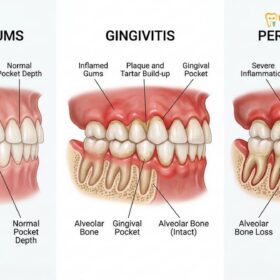
Periodontal disease is fundamentally a bacterial infection that triggers a destructive inflammatory response within the supporting structures of the teeth. Historically, the standard of care for managing this condition has been non-surgical mechanical debridement, commonly known as scaling and root planing. However, the oral cavity is not a series of isolated compartments; it is a continuous, dynamic ecosystem. Recognizing this biological reality, the concept of full mouth disinfection was introduced to address the limitations of treating the mouth in fragmented stages[1].
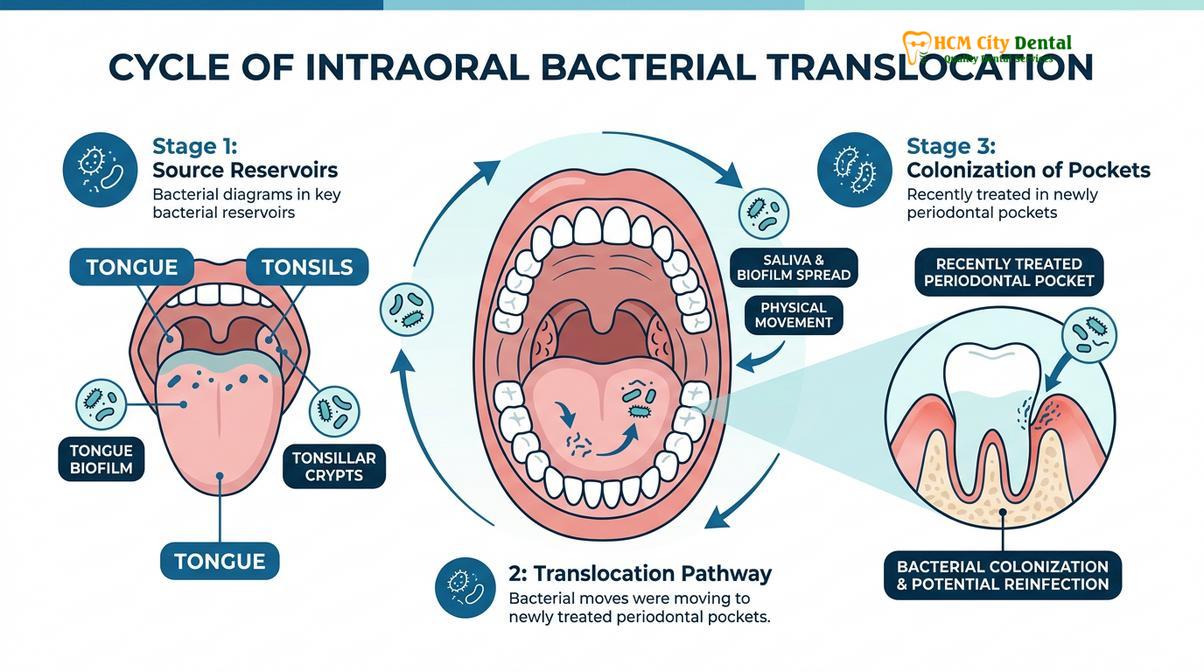
The core philosophy behind this advanced protocol is the total and immediate eradication of the pathogenic bacterial load. When a patient undergoes an FMD periodontitis treatment, the clinician does not merely focus on the subgingival calculus attached to the root surfaces. Instead, the treatment encompasses the entire oral environment. The tongue, the tonsillar crypts, the buccal mucosa, and the saliva itself act as reservoirs for virulent periodontal pathogens such as Porphyromonas gingivalis and Aggregatibacter actinomycetemcomitans. If these reservoirs are not addressed simultaneously with the mechanical cleaning of the teeth, the risk of immediate reinfection remains high.
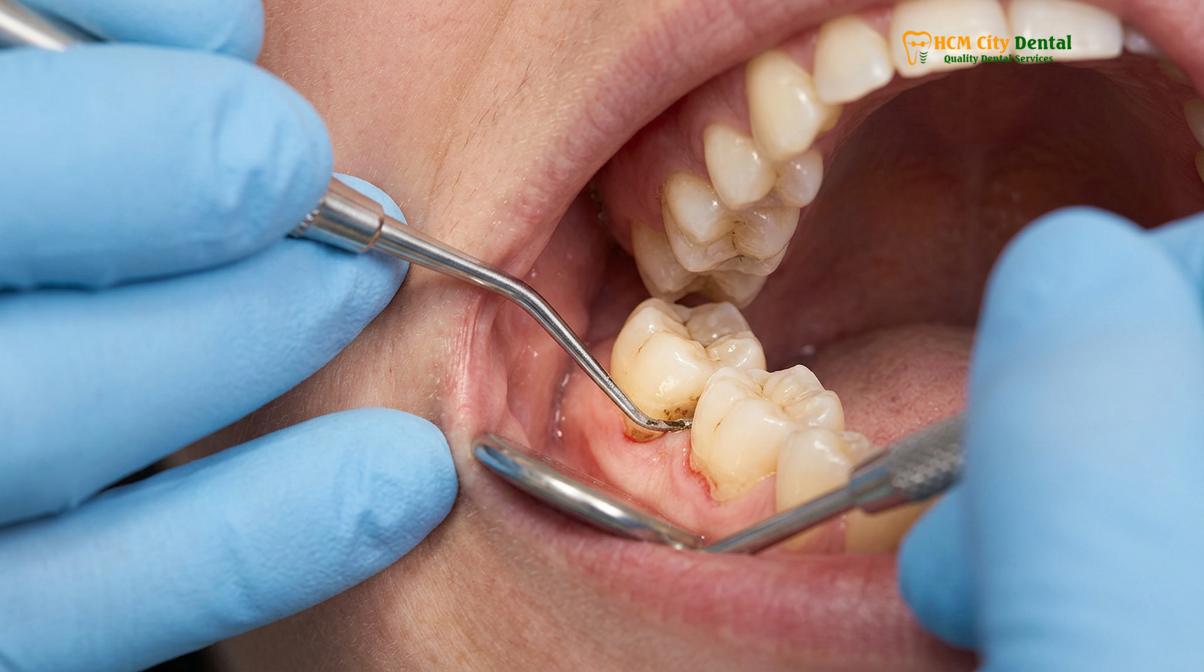
To execute this comprehensive strategy, the clinician employs a dual-action approach. First, meticulous mechanical instrumentation is performed to disrupt the organized bacterial biofilms (dental plaque) and remove calcified deposits (tartar) from the root surfaces. This step is critical because chemical agents cannot effectively penetrate thick, mature calculus. Once the physical barriers are removed, the second phase—chemical disinfection—is initiated. This involves the extensive use of antimicrobial agents to flush out the newly cleaned pockets and sanitize the surrounding soft tissues. This synergistic combination of physical removal and chemical suppression is what defines the efficacy of the FMD protocol.
In the broader context of General Dentistry, the shift towards full-mouth protocols reflects a deeper understanding of oral microbiology. It acknowledges that localized treatments are often insufficient for generalized infections. By treating the entire mouth as a single infectious unit, clinicians can achieve a more profound and lasting alteration of the oral microbiome, shifting it from a disease-associated state to one compatible with periodontal health and stability.
The One-Stage Protocol vs Traditional Quadrant Scaling
While traditional scaling treats the mouth in four separate sessions over several weeks, the one-stage protocol completes all mechanical and chemical debridement within 24 hours to prevent bacterial translocation.
For decades, the conventional approach to non-surgical periodontal therapy has been Quadrant Scaling and Root Planing (QSRP). In this traditional model, the mouth is divided into four quadrants (upper right, upper left, lower right, lower left). The patient typically attends four separate appointments, spaced one to two weeks apart, with the clinician thoroughly cleaning one quadrant per visit. While this method is logistically manageable and minimizes the duration of individual appointments, it presents a significant microbiological flaw: the potential for cross-contamination.
During the weeks it takes to complete traditional quadrant scaling, the newly cleaned and healing pockets in the first treated quadrant are continuously exposed to the heavily infected saliva and bacteria originating from the remaining, untreated quadrants. This continuous exposure can lead to the rapid recolonization of the treated sites by aggressive periodontal pathogens, potentially compromising the healing process and the overall success of the therapy[2]. To mitigate this risk, the one stage full mouth disinfection protocol was developed.
The one-stage approach condenses the entire mechanical debridement process into a single day, or two consecutive days within a strict 24-hour window. By eliminating the time gap between treating different areas of the mouth, the clinician effectively removes the source of cross-contamination. The entire oral cavity is simultaneously cleared of calculus and biofilm, and immediately subjected to rigorous chemical disinfection. This rapid, comprehensive clearance provides the immune system with a unique opportunity to heal the gingival tissues without the constant burden of migrating bacteria.

To clearly understand the clinical distinctions between these two methodologies, consider the following comparative analysis:
| Clinical Parameter | Traditional Quadrant Scaling (QSRP) | One-Stage Full-Mouth Disinfection (FMD) |
|---|---|---|
| Timeframe | 4 to 6 weeks (multiple separate visits). | Completed within a strict 24-hour window. |
| Risk of Cross-Infection | High; untreated quadrants can reinfect treated areas. | Minimal; all reservoirs are treated simultaneously. |
| Chemical Adjuncts | Often limited to localized irrigation if used at all. | Mandatory full-mouth chemical disinfection (tongue, tonsils, pockets). |
| Patient Compliance | Requires commitment to multiple appointments over weeks. | Requires endurance for 1-2 long, intensive sessions. |
| Systemic Impact | Gradual reduction in systemic inflammatory burden. | Rapid, acute drop in overall bacterial and inflammatory load. |
Choosing between these protocols requires careful clinical judgment. While the one-stage approach offers distinct microbiological advantages, it is physically demanding for both the patient and the clinician. It requires profound local anesthesia across multiple areas of the mouth simultaneously and a high level of patient tolerance. However, for patients seeking rapid stabilization of their periodontal condition, or those traveling for specialized care, the condensed timeframe of the one-stage protocol is highly advantageous. For a deeper understanding of the mechanical aspects of these treatments, patients can review the clinical guide on deep cleaning and root planing.
How FMD Prevents Bacterial Re-infection and Transmission
By simultaneously treating all periodontal pockets and disinfecting intraoral niches like the tongue and tonsils, FMD effectively halts the migration of pathogenic bacteria from untreated sites to newly cleaned areas.
The human mouth is a complex, interconnected habitat harboring over 700 distinct species of bacteria. In a state of periodontal health, these microorganisms exist in a symbiotic balance. However, in the presence of periodontitis, this balance is disrupted, leading to a dysbiotic state dominated by anaerobic, gram-negative pathogens. These bacteria do not simply reside within the deep periodontal pockets; they are highly mobile and capable of colonizing various surfaces throughout the oral cavity.
The concept of intraoral translocation is central to understanding the necessity of full mouth disinfection. When a clinician scales a single tooth or a single quadrant, the local bacterial load is drastically reduced. However, the tongue dorsum, with its rough, papillated surface, acts as a massive sponge for bacteria. Similarly, the tonsillar crypts and the mucosal surfaces of the cheeks harbor significant populations of periodontal pathogens. Through the natural actions of speaking, swallowing, and salivary flow, bacteria from these untreated reservoirs are continuously shed into the saliva and transported to the newly cleaned periodontal pockets[3].
“The oral cavity functions as a single, continuous ecosystem. Attempting to eradicate a generalized periodontal infection by treating isolated segments over prolonged periods ignores the fundamental biological reality of bacterial translocation and salivary cross-contamination.”
If these pathogens are allowed to recolonize the treated pockets before the gingival tissues have had a chance to heal and reattach to the root surface, the disease process is quickly re-established. This phenomenon explains why some patients experience recurrent inflammation and persistent pocket depths despite undergoing traditional scaling and root planing. The FMD periodontitis treatment directly addresses this vulnerability by implementing a “scorched earth” approach to the pathogenic biofilm.
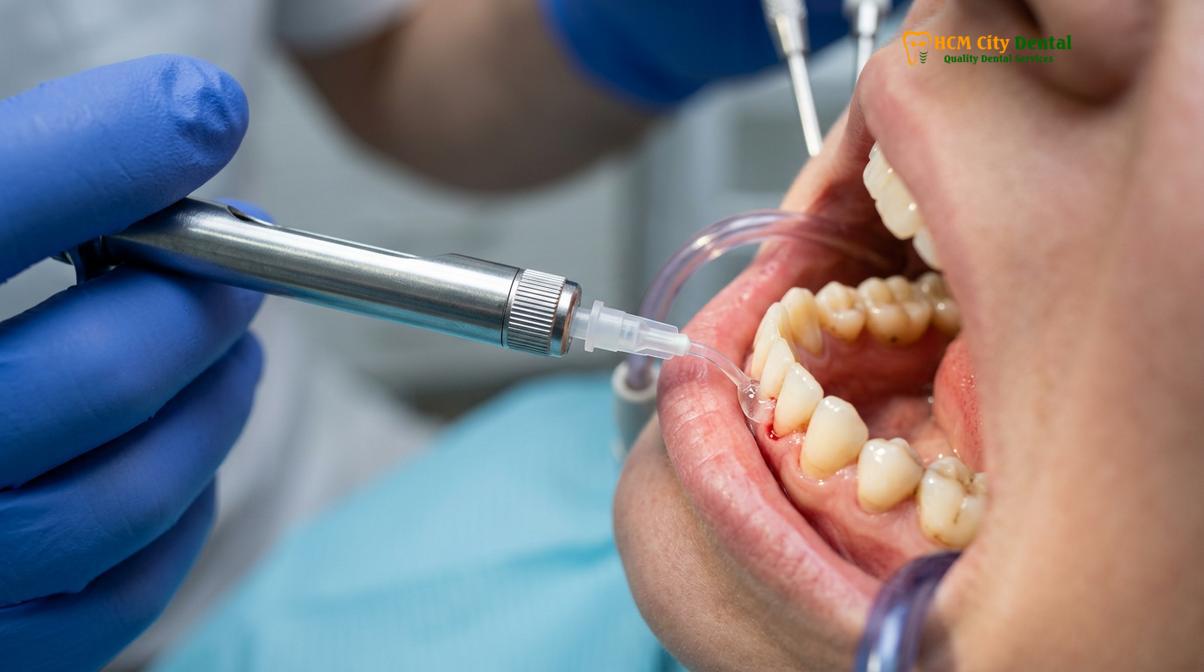
By completing the mechanical debridement within 24 hours and immediately following it with an intensive antiseptic gum pocket treatment, the clinician effectively resets the oral microbiome. The simultaneous application of antimicrobial agents to the tongue, tonsils, and all periodontal pockets drastically suppresses the total bacterial population. This creates a critical window of opportunity—a period of several days to weeks where the pathogenic load is too low to cause disease, allowing the host’s immune system to facilitate tissue repair, reduce inflammation, and promote the reattachment of the gums to the teeth. This comprehensive eradication strategy is also highly effective in resolving secondary symptoms of severe gum disease, such as the persistent halitosis detailed in the clinical guide on the bad breath and gum disease connection.
Clinical Steps of the Full-Mouth Disinfection Process
The clinical workflow involves comprehensive mechanical scaling, tongue brushing with antiseptic gel, subgingival irrigation of all pockets, and prescribed antimicrobial mouth rinses to ensure complete bacterial eradication.
The successful execution of a full mouth disinfection protocol requires meticulous planning, precise clinical skills, and strict adherence to a standardized workflow. The procedure is physically and technically demanding, necessitating a highly organized approach by the dental team. At specialized centers like HCMC Dental Clinic in Ho Chi Minh City, the protocol is carefully tailored to the individual patient’s diagnostic profile, ensuring maximum efficacy and patient comfort.
The clinical workflow typically proceeds through the following highly structured phases:
1. Comprehensive Diagnostic Mapping
Before any instrumentation begins, the clinician performs a detailed periodontal charting. This involves measuring the depth of every periodontal pocket, assessing clinical attachment loss, noting areas of bleeding on probing, and evaluating tooth mobility. High-resolution radiographs are analyzed to determine the extent of alveolar bone loss and to identify subgingival calculus deposits. This comprehensive map guides the clinician during the intensive debridement phase, ensuring no infected site is overlooked.
2. Profound Local Anesthesia
Because the entire mouth will be instrumented within a short timeframe, achieving profound and sustained local anesthesia is paramount. The clinician will systematically anesthetize the necessary quadrants, often utilizing advanced techniques to ensure complete patient comfort while managing the total dosage of anesthetic agents safely.
3. Intensive Mechanical Debridement
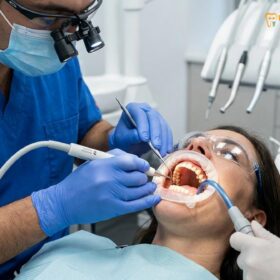
This is the core physical component of the therapy. The clinician utilizes a combination of ultrasonic scalers and specialized hand instruments (such as Gracey curettes) to meticulously remove plaque biofilms, calculus, and contaminated cementum from the root surfaces of every tooth. The ultrasonic instruments use high-frequency vibrations and water cavitation to flush out debris and disrupt bacterial cell walls, while the hand instruments provide the tactile feedback necessary to ensure the root surfaces are perfectly smooth and biologically acceptable for tissue reattachment.
Clinical Warning: The success of full mouth disinfection relies heavily on the thoroughness of the mechanical debridement. If subgingival calculus is left behind, the chemical disinfection phase will be ineffective, as antiseptics cannot penetrate calcified deposits to reach the underlying bacteria.
4. Comprehensive Chemical Disinfection
Immediately following the mechanical clearance, the chemical phase begins. This is what truly distinguishes FMD from standard full-mouth scaling. The protocol involves:
- Tongue Disinfection: The dorsum of the tongue is vigorously brushed with a 1% chlorhexidine gel for at least one minute to eradicate bacterial reservoirs trapped in the papillae.
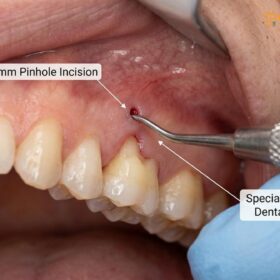
- Subgingival Irrigation: Every periodontal pocket is thoroughly irrigated with a 1% chlorhexidine gel or a 0.2% chlorhexidine solution using a blunt-tipped syringe. This ensures the antiseptic reaches the very base of the pockets, neutralizing any remaining planktonic bacteria.
- Oral Rinsing: The patient is instructed to rinse with a 0.2% chlorhexidine mouthwash, ensuring the solution reaches the tonsillar areas and buccal mucosa.
5. Post-Operative Antimicrobial Regimen
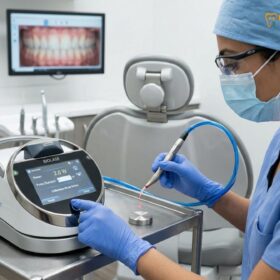
The disinfection process does not end in the dental chair. The patient is prescribed a strict at-home regimen, typically involving the use of a 0.2% chlorhexidine mouthwash twice daily for two weeks. This sustained chemical suppression is vital for preventing recolonization during the critical initial healing phase. In cases where the tissue response is inadequate or the disease is exceptionally aggressive, the clinician may evaluate the need for further surgical interventions, such as gum flap surgery, or advanced adjunctive therapies like laser gum treatment.
The Role of Chlorhexidine and Antiseptics in FMD
Chlorhexidine acts as the primary chemical agent in FMD, providing broad-spectrum antimicrobial action and substantivity that suppresses bacterial recolonization on dental and mucosal surfaces for hours after application.
The efficacy of the full mouth disinfection protocol is inextricably linked to the pharmacological properties of the antimicrobial agents used. While mechanical debridement removes the bulk of the infection, it is physically impossible to eliminate every single bacterium from the microscopic irregularities of the root surface and the surrounding soft tissues. Therefore, a potent chemical adjunct is required to achieve true disinfection.
Chlorhexidine digluconate (CHX) is universally recognized as the gold standard antiseptic in periodontology. Its superiority lies not only in its broad-spectrum bactericidal and bacteriostatic properties but, more importantly, in its unique characteristic known as “substantivity.” Substantivity refers to the ability of an active agent to bind to tissue surfaces and be released slowly over an extended period. When applied during the chlorhexidine disinfection gums protocol, the cationic (positively charged) chlorhexidine molecules bind strongly to the negatively charged surfaces of the tooth enamel, dentin, cementum, and the oral mucosa[4].
Once bound, the chlorhexidine is gradually released into the oral environment over 12 to 24 hours. This prolonged release creates a sustained antimicrobial field that actively prevents bacteria from adhering to the teeth and multiplying. At high concentrations, chlorhexidine causes the bacterial cell cytoplasm to congeal, leading to immediate cell death. At lower, sustained concentrations, it disrupts the bacterial cell membrane, causing the leakage of intracellular components and inhibiting reproduction.
During the FMD procedure, chlorhexidine is utilized in multiple formats to maximize its reach. A viscous 1% gel is often used for subgingival irrigation because it remains within the periodontal pocket longer than a liquid solution. The gel is also used for brushing the tongue, ensuring deep penetration into the papillae. Liquid 0.2% solutions are used for full-mouth rinsing and gargling to address the tonsillar crypts and general mucosal surfaces.
While chlorhexidine is highly effective, clinicians must manage its known side effects, which include temporary alteration of taste sensation and the potential for extrinsic brown staining of the teeth and tongue. These side effects are generally considered an acceptable trade-off for the profound microbiological control achieved during the critical healing phase. In cases where patients exhibit severe gingival inflammation or localized acute infections, understanding the role of these antiseptics is crucial, as detailed in the guide on managing swollen gums around a tooth.
Science-Based Efficacy: What Clinical Studies Say
Extensive clinical research demonstrates that full-mouth disinfection yields significant reductions in probing depths, greater clinical attachment gains, and prolonged suppression of periodontal pathogens compared to conventional staged therapies.
Since its introduction in the 1990s, the full mouth disinfection protocol has been the subject of rigorous scientific scrutiny. Numerous randomized controlled trials and longitudinal clinical studies have been conducted to evaluate its efficacy compared to traditional quadrant scaling. The consensus within the periodontal literature strongly supports the clinical benefits of the one-stage approach, particularly in the management of severe and aggressive forms of periodontitis.
Clinical studies consistently report that patients undergoing FMD experience statistically significant improvements in key periodontal parameters. The most notable improvements are observed in the reduction of periodontal pocket depths and the gain in clinical attachment levels. By eliminating the entire bacterial load simultaneously, the gingival tissues exhibit a more rapid and robust healing response. The reduction in systemic inflammatory markers is also more pronounced following a one-stage full-mouth intervention compared to staged therapy[5].
“Evidence-based dentistry confirms that the rapid eradication of the intraoral bacterial load through one-stage full-mouth disinfection significantly alters the subgingival microbiome, delaying the recolonization of highly virulent pathogens and facilitating superior clinical attachment gains in deep periodontal pockets.”
Microbiological analyses further validate the FMD approach. Studies tracking the composition of the subgingival plaque following treatment demonstrate that FMD results in a more profound and sustained suppression of key periodontal pathogens, such as spirochetes and motile rods. The eradication of these bacteria from the tongue and tonsils prevents the rapid reinfection of the treated pockets, allowing the establishment of a healthier, host-compatible microbiome.
Dr. Nguyen Van Cuong, a leading specialist in periodontal therapies, emphasizes the importance of evidence-based protocols. “When we evaluate complex cases of advanced periodontitis, the literature clearly guides us toward comprehensive, simultaneous eradication strategies,” notes Dr. Cuong. “The one-stage protocol, when executed with precision, provides our patients with the most biologically sound environment for tissue regeneration and long-term stability.” This evidence-based approach is particularly relevant when addressing severe aesthetic and pathological concerns, such as those discussed in the clinical overview of black gums and clinical treatments.
When to See a Doctor for Periodontal Evaluation
Periodontal disease is often described as a “silent” condition because it can progress significantly without causing severe pain. However, recognizing the early warning signs is critical for preventing irreversible damage to the jawbone and the eventual loss of teeth. If you experience any symptoms of gingival inflammation or structural instability, a comprehensive clinical evaluation is imperative.
You should schedule an immediate consultation with a dental professional if you notice persistent bleeding when brushing or flossing, as healthy gums do not bleed. Other critical indicators include gums that are red, swollen, or tender to the touch; gums that appear to be pulling away from the teeth (recession); persistent bad breath or a metallic taste in the mouth; and any noticeable loosening or shifting of the teeth. Furthermore, if you have a history of cardiovascular disease or diabetes, proactive periodontal management is essential due to the established systemic links between oral infections and overall health.
Clinical Case Review: A 48-year-old patient presented to HCMC Dental Clinic in Ho Chi Minh City with severe generalized periodontitis, characterized by deep 7mm pockets, spontaneous bleeding, and significant tooth mobility. Traditional staged treatments had previously failed to stabilize the condition. Under the care of Dr. Nguyen Van Cuong, the patient underwent a comprehensive one-stage full-mouth disinfection protocol. By completing the mechanical debridement and intensive chlorhexidine therapy within 24 hours, the cycle of reinfection was broken. At the 3-month re-evaluation, pocket depths had reduced to a manageable 3-4mm, bleeding on probing was eliminated, and tissue firmness was fully restored, successfully avoiding the need for invasive flap surgery.
During your consultation, the clinician will perform a thorough periodontal charting, utilizing specialized probes to measure pocket depths and digital radiographs to assess bone levels. Based on these precise diagnostics, a personalized treatment plan—which may include a one-stage full-mouth disinfection—will be formulated to address your specific clinical needs. Early intervention is the most effective strategy for preserving your natural dentition and restoring optimal oral health.
Frequently Asked Questions
What is full mouth disinfection?
Full mouth disinfection is an intensive periodontal treatment that combines complete mechanical scaling and root planing of all teeth with chemical antimicrobial agents within a 24-hour period. This comprehensive approach aims to eradicate periodontal pathogens from all oral niches simultaneously, preventing cross-contamination and promoting rapid gingival healing. By treating the entire mouth as a single ecosystem, the protocol ensures that bacteria from untreated areas do not migrate to newly cleaned pockets.
Is one-stage FMD better than quadrant scaling?
One-stage FMD is highly advantageous because it prevents bacteria from untreated areas from migrating to newly cleaned pockets. While traditional quadrant scaling is effective, completing the therapy within 24 hours minimizes the risk of intraoral bacterial translocation, often resulting in superior short-term clinical attachment gains and reduced pocket depths. However, the choice between the two depends on the patient’s specific diagnosis, tolerance for long appointments, and the clinician’s assessment of the disease severity.
How long does full-mouth disinfection take?
The clinical procedure typically requires two extended appointments scheduled within a consecutive 24-hour window. Each session may last between one to two hours depending on the severity of the periodontal disease, the number of teeth involved, and the complexity of the required mechanical debridement and chemical irrigation. Patients must be prepared for intensive treatment sessions, but the condensed timeframe means the entire active phase of therapy is completed rapidly.
Does FMD cause temporary taste changes?
Yes, temporary taste alteration is a common and harmless side effect primarily caused by the intensive use of chlorhexidine mouthwashes and gels. Patients may experience a metallic taste or reduced taste sensation, which completely resolves within a few days after the prescribed chemical disinfection regimen is completed. The clinical benefits of eradicating the periodontal infection far outweigh this temporary inconvenience.
Who benefits most from full mouth disinfection?
Patients diagnosed with moderate to severe generalized periodontitis, aggressive bacterial gum infections, or those who have not responded well to traditional staged scaling benefit the most. It is also highly recommended for individuals requiring rapid stabilization of periodontal health prior to complex restorative or implant procedures. A thorough clinical evaluation by a periodontist is necessary to determine if this intensive protocol is the most appropriate intervention for your specific condition.
References
- Journal of Clinical Periodontology. The rationale and efficacy of one-stage full-mouth disinfection. (2020).
- Periodontology 2000. Antimicrobial protocols in the management of severe periodontitis. (2019).
- International Journal of Dental Hygiene. Chlorhexidine substantivity and its role in periodontal therapy. (2021).
- Journal of Periodontal Research. Bacterial translocation and cross-infection in the oral cavity. (2018).
- Clinical Oral Investigations. Long-term clinical outcomes of full-mouth scaling versus quadrant therapy. (2022).
For pricing, booking, and a free clinical assessment, visit our Gum Disease Treatment service page at HCMC Dental Clinic in Ho Chi Minh City.