Yes, gum disease can be completely reversed, but only in its earliest stage, known as gingivitis. Once the infection progresses into periodontitis and destroys the underlying jawbone, the damage becomes permanent. However, advanced stages can be clinically managed to halt further destruction and preserve your natural teeth.
Clinical Summary:
The reversibility of gum disease depends entirely on the clinical stage of the infection. Gingivitis, characterized by superficial inflammation and bleeding without structural damage, is 100% reversible through professional dental prophylaxis and rigorous home care. Conversely, periodontitis involves the irreversible destruction of the alveolar bone and periodontal ligaments. While the lost bone cannot naturally regenerate, advanced periodontal therapies—such as scaling and root planing, laser disinfection, and osseous surgery—can successfully arrest the disease process. By eradicating deep bacterial pockets and establishing a healthy oral environment, patients can maintain their natural dentition for a lifetime. Early diagnosis and intervention remain the most critical factors in preventing permanent structural loss.
Key Takeaways:
- Gingivitis is fully reversible because the infection is confined to the soft gum tissue without affecting the bone.
- Periodontitis causes permanent bone loss, meaning the disease can only be halted and managed, not truly cured.
- Professional deep cleaning (scaling and root planing) is the gold standard for stabilizing moderate gum disease.
- Daily brushing and flossing are preventative measures but cannot remove hardened tartar once it forms below the gum line.
- Systemic health conditions, such as diabetes, can accelerate gum disease progression and complicate recovery.
Reversibility of Gum Disease: The Crucial Boundary
The boundary between reversible and irreversible gum disease lies at the jawbone; gingivitis affects only soft tissue and is fully curable, whereas periodontitis involves permanent bone loss.
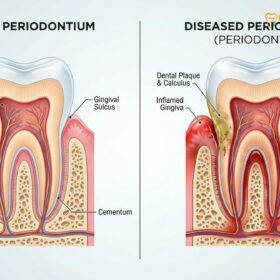
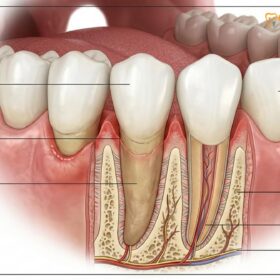
To understand whether gum disease can be reversed, one must first understand the complex anatomy of the periodontium—the specialized tissues that surround and support the teeth. The periodontium consists of four main components: the gingiva (gums), the periodontal ligament, the cementum (root surface), and the alveolar bone (jawbone). The health of these structures dictates the stability of your teeth. When bacterial plaque accumulates along the gum line, it triggers an immune response. The nature and depth of this immune response determine whether the resulting damage is temporary or permanent[1].
The crucial boundary in periodontal health is the crest of the alveolar bone. When plaque bacteria irritate the superficial gingival tissues, the body responds with localized inflammation. Blood vessels dilate, causing the gums to appear red, swollen, and prone to bleeding. This stage is known as gingivitis. Because the inflammatory process has not yet breached the connective tissue attachment or reached the underlying bone, the structural foundation of the tooth remains completely intact. If the bacterial irritant is removed at this stage, the soft tissues will heal, reattach firmly to the tooth surface, and return to a state of complete health. This is why gingivitis is classified as a fully reversible condition.
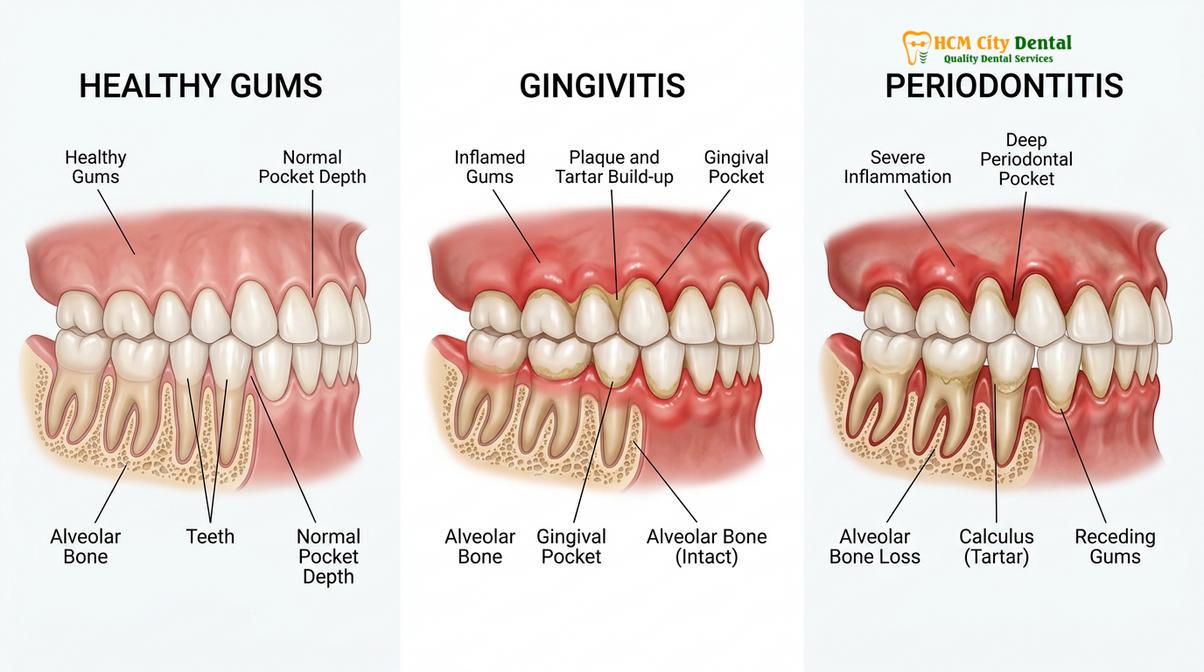
However, if the bacterial biofilm is allowed to mature and calcify into calculus (tartar), the infection migrates subgingivally (below the gum line). The bacterial composition shifts from predominantly aerobic (oxygen-dependent) organisms to highly aggressive anaerobic bacteria. These pathogens release toxins that not only directly damage the tissue but also hyper-stimulate the host’s immune system. In a misguided attempt to isolate the infection, the body’s immune cells begin to break down the very bone and connective tissue holding the teeth in place. This marks the transition from gingivitis to periodontitis.
“The transition from gingivitis to periodontitis represents a point of no return in dental anatomy. Once the alveolar bone is resorbed by the body’s inflammatory response, the architectural support of the tooth is permanently altered, shifting the clinical goal from a complete cure to long-term disease management.”
Once the alveolar bone is destroyed, it does not naturally regenerate. The periodontal ligaments that anchor the tooth root to the bone are severed, creating deep spaces known as periodontal pockets. These pockets become anaerobic breeding grounds for further bacterial colonization, creating a vicious cycle of infection and bone loss. Therefore, while the active infection in periodontitis can be successfully eradicated and the disease progression halted, the anatomical damage is irreversible without highly specialized surgical interventions like bone grafting. Understanding this boundary is paramount for patients seeking to protect their oral health through General Dentistry and routine preventative care.
How to Reverse Gingivitis (Early-Stage Gum Disease)
Reversing gingivitis requires a combination of professional dental cleanings to remove hardened calculus and a strict daily regimen of brushing and flossing to eliminate bacterial plaque.
Reversing gingivitis is a highly predictable clinical process, provided the patient is compliant with both professional recommendations and home care routines. Because gingivitis is entirely plaque-induced, the primary objective is the complete mechanical removal of the bacterial biofilm and any calcified deposits (tartar) that harbor these pathogens. The reversing gingivitis steps begin in the dental chair and continue in the patient’s bathroom.
The first and most critical step is a professional dental prophylaxis (cleaning). Even with meticulous brushing, it is nearly impossible to remove all plaque, especially in hard-to-reach interproximal areas (between the teeth) and along the posterior molars. Over time, missed plaque absorbs minerals from saliva and hardens into calculus. Calculus cannot be removed by a toothbrush or dental floss; it requires professional instrumentation. A dental hygienist or dentist will use ultrasonic scalers, which utilize high-frequency vibrations and water irrigation, to shatter and flush away these hardened deposits. Hand instruments, such as curettes and scalers, are then used to fine-tune the cleaning, ensuring the tooth surfaces are completely smooth and free of irritants[2].
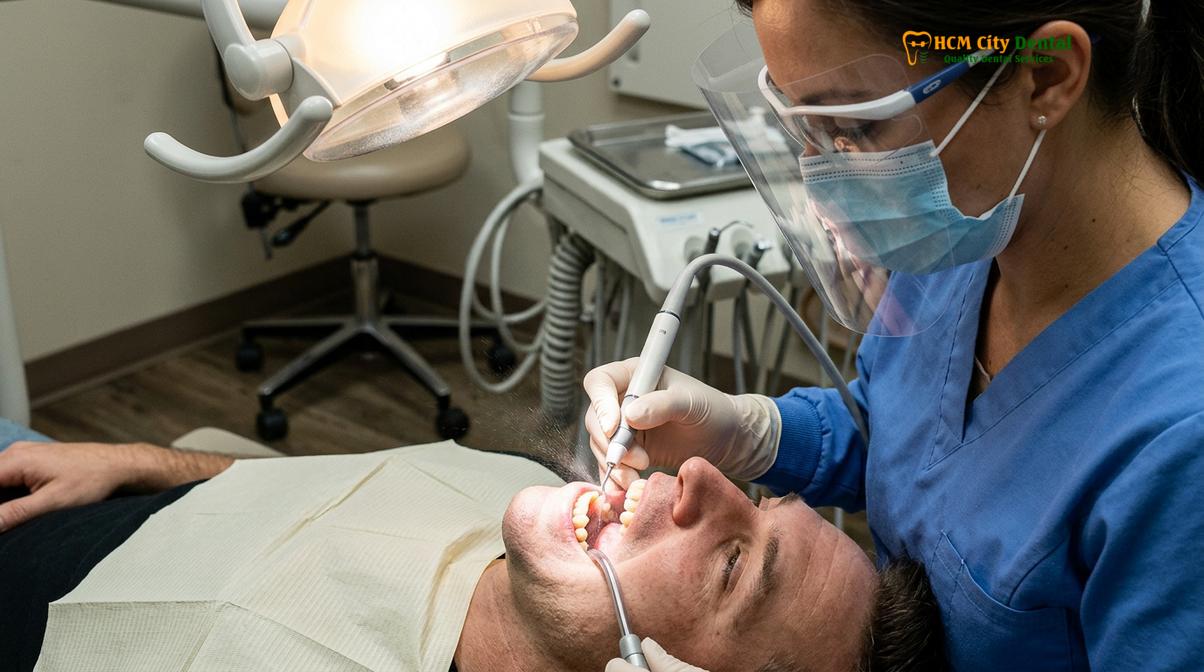
Once the calculus is removed, the gums are no longer subjected to constant bacterial irritation. However, the soft tissues require time to heal. This is where the patient’s daily oral hygiene regimen becomes the deciding factor in successful reversal. The clinical protocol for reversing gingivitis includes:
- Modified Bass Brushing Technique: Angling the toothbrush bristles at a 45-degree angle toward the gum line to sweep plaque out of the shallow gingival sulcus. Brushing must be performed twice daily for a full two minutes.
- Interdental Cleaning: Flossing daily is non-negotiable. Dental floss physically disrupts the bacterial colonies forming between the teeth where a toothbrush cannot reach. Water flossers can also be an excellent adjunct for flushing out loose debris.
- Antimicrobial Rinses: In some cases, a dentist may recommend a short-term course of an antimicrobial mouthwash containing chlorhexidine gluconate or essential oils to help reduce the overall bacterial load in the mouth while the gums heal.
When these steps are followed diligently, the clinical signs of gingivitis—redness, swelling, and bleeding—typically subside within 10 to 14 days. The gums will regain their stippled, pale pink appearance and will tightly adapt to the necks of the teeth. It is important to note that gingivitis can easily recur if oral hygiene habits slip, making continuous maintenance essential for long-term periodontal health.
Why Periodontitis Cannot Be Truly Reversed, only Managed
Periodontitis causes irreversible destruction of the alveolar bone and periodontal ligaments, meaning the lost structural support cannot naturally grow back, though the active infection can be stopped.
A common misconception among patients is the belief that they can cure periodontitis at home using natural remedies or aggressive brushing. From a clinical standpoint, this is biologically impossible. To understand why periodontitis is irreversible, we must examine the microscopic damage that occurs during the disease process. When periodontitis is active, the bacterial toxins and the host’s hyperactive immune response trigger the activation of osteoclasts—specialized cells that break down bone tissue. As the alveolar bone resorbs, the physical foundation of the tooth is permanently lowered.
Simultaneously, the periodontal ligaments, which act as shock absorbers connecting the tooth root to the bone, are destroyed. As the tissue detaches, a periodontal pocket forms. A healthy gingival sulcus is typically 1 to 3 millimeters deep, which can be easily cleaned with a toothbrush and floss. In periodontitis, these pockets deepen to 4, 5, 6, or even 10 millimeters. Oxygen cannot penetrate these deep pockets, creating an ideal environment for highly destructive anaerobic bacteria to thrive and multiply. No toothbrush bristle, dental floss, or over-the-counter mouthwash can reach the base of a deep periodontal pocket to clean it effectively.
Clinical Warning: Ignoring bleeding gums or attempting to treat deep periodontal pockets with home remedies allows the infection to silently destroy the jawbone. Unmanaged periodontitis is the leading cause of adult tooth loss and has been strongly linked to systemic conditions like cardiovascular disease and uncontrolled diabetes.
Because the lost bone and severed ligaments do not spontaneously regenerate, the architectural damage is permanent. The clinical objective shifts from “curing” the disease to “arresting” or “managing” it. The goal of periodontal therapy is to thoroughly debride the root surfaces, eliminate the bacterial infection, and reduce the depth of the periodontal pockets so they can be maintained through professional care and home hygiene. If the disease is successfully arrested, the bone loss will stop, the gums will become firm and healthy again, and the teeth can be retained for a lifetime. However, the patient will always have a reduced periodontium—meaning they will have less bone support than they originally did.
This reality underscores the importance of early intervention. Waiting until teeth become loose or shift out of position means that extensive, irreversible damage has already occurred. Regular periodontal probing during routine dental exams is the only way to detect periodontitis in its early, asymptomatic stages before significant bone loss takes place.
Clinical Treatments that Stabilize and Stop Bone Loss
Advanced periodontal therapy focuses on eradicating deep bacterial pockets through scaling and root planing, laser disinfection, or surgical interventions to halt disease progression.
When a patient is diagnosed with periodontitis, standard dental cleanings are no longer sufficient. The infection resides deep beneath the gum line, requiring specialized periodontal therapies to access, clean, and disinfect the root surfaces. The specific treatment modality depends on the severity of the disease, the depth of the pockets, and the patient’s overall health profile. At HCMC Dental Clinic in Ho Chi Minh City, comprehensive periodontal management is tailored to halt bone loss and restore oral stability.
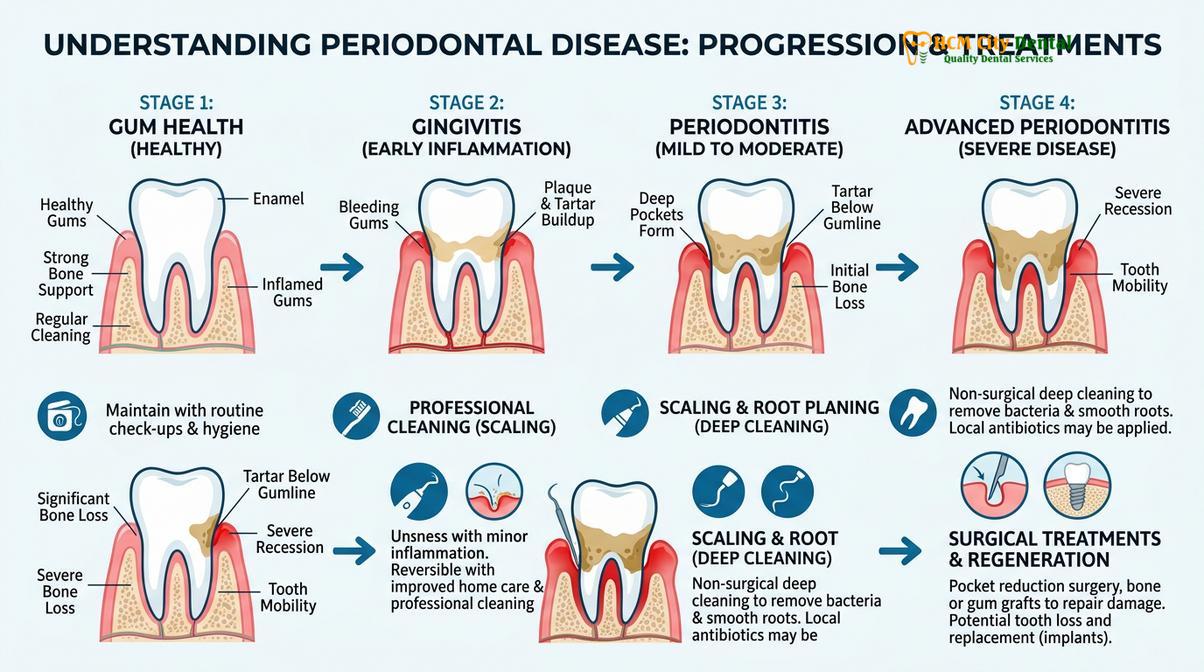
The foundational treatment for periodontitis is Scaling and Root Planing (SRP), commonly referred to as a deep cleaning. This non-surgical procedure is typically performed under local anesthesia to ensure patient comfort. During the scaling phase, the clinician uses ultrasonic and hand instruments to meticulously remove plaque, calculus, and bacterial toxins from the crown and root surfaces, reaching all the way to the bottom of the periodontal pocket. The root planing phase involves smoothing the rough cementum on the tooth root. A smooth root surface makes it difficult for bacteria to re-adhere and provides a clean environment for the gum tissue to heal and reattach to the tooth. For a detailed understanding of this procedure, patients can review the clinical guide on Deep Cleaning Teeth.
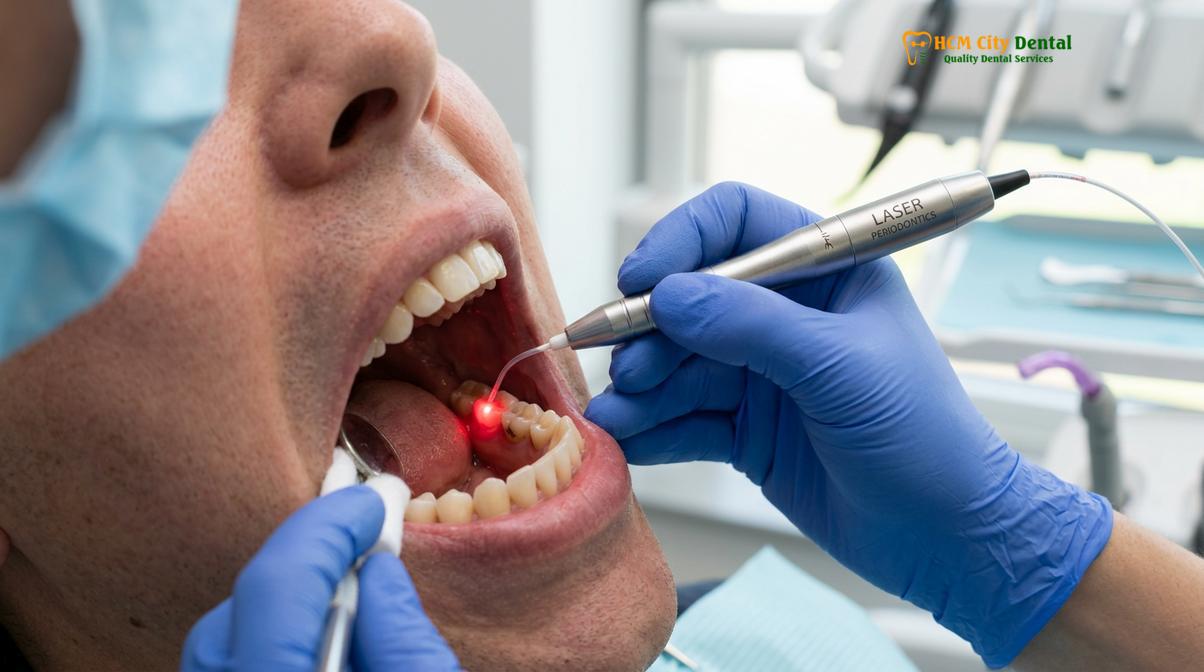
In modern periodontal therapy, SRP is frequently augmented with Laser Gum Treatment. Utilizing specialized dental lasers, such as diode or Nd:YAG lasers, the clinician can selectively target and vaporize diseased, infected tissue lining the periodontal pocket while leaving healthy tissue unharmed. The laser energy also penetrates the surrounding tissues to eradicate deeply embedded bacteria and biostimulate the area, promoting faster healing and reducing post-operative discomfort. This minimally invasive approach has shown high efficacy in reducing pocket depths and stabilizing bone levels[3]. More information on this advanced modality can be found in our overview of Laser Gum Treatment.
Clinical Case Example: A 45-year-old patient presented to HCMC Dental Clinic in Ho Chi Minh City with generalized moderate periodontitis, exhibiting 5-6mm pocket depths and persistent bleeding. Dr. Nguyen Van Cuong developed a treatment plan consisting of full-mouth scaling and root planing combined with diode laser bacterial reduction. After 6 weeks of healing and improved home care, the patient’s pocket depths reduced to a manageable 3-4mm, bleeding ceased entirely, and the progression of bone loss was successfully halted.
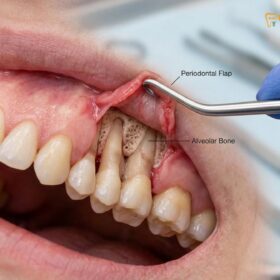
For advanced cases where periodontal pockets remain deep (typically >6mm) despite non-surgical therapy, surgical intervention may be necessary. Osseous Surgery (Gum Flap Surgery) involves gently folding back the gum tissue to provide direct visual access to the tooth roots and underlying bone. The roots are thoroughly debrided, and any irregular, cratered bone caused by the infection is recontoured to eliminate hiding places for bacteria. The gums are then sutured back into place, often at a lower level, to reduce the pocket depth and make the area accessible for daily cleaning. Patients facing advanced disease can explore the specifics of Gum Flap Surgery to understand the surgical workflow[4].
Natural and Home Care Steps that Support Healing
While natural remedies cannot cure advanced disease, meticulous home care, antimicrobial rinses, and lifestyle modifications are essential adjuncts to professional therapy for maintaining gum health.
Patients frequently search for ways to heal gum disease permanently using natural or at-home methods. It is crucial to reiterate that while home care cannot reverse periodontitis or remove subgingival calculus, it is the absolute cornerstone of maintaining the results achieved through professional clinical treatments. Without excellent daily hygiene, periodontal disease will inevitably relapse.
Effective home care for a periodontal patient goes beyond standard brushing. Because periodontitis often results in gum recession and larger spaces between the teeth (embrasures), traditional dental floss may not be sufficient to clean these concave root surfaces. Interdental brushes (such as TePe brushes) are highly recommended. These small, cylindrical brushes are designed to fit snugly between the teeth, physically sweeping away plaque from areas that floss might bridge over. Sizing is critical; the brush should fit with slight resistance but without causing trauma to the tissue.
Antimicrobial mouthwashes also play a supportive role. While over-the-counter cosmetic mouthwashes merely mask odors, therapeutic rinses containing essential oils (like eucalyptol, menthol, and thymol) or cetylpyridinium chloride (CPC) can help reduce the bacterial load in the saliva and slow the accumulation of new plaque. However, patients must understand that mouthwash cannot penetrate deep periodontal pockets and is strictly an adjunct to mechanical cleaning, not a replacement for it. Chronic halitosis is often a primary indicator of active infection; addressing the bacterial source is the only effective treatment, as detailed in our guide on the Bad Breath Gum Disease Connection.
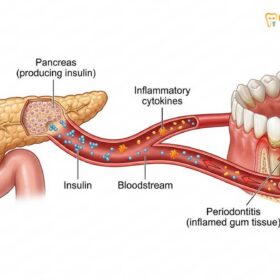
Lifestyle modifications are equally critical for supporting periodontal healing. Smoking is one of the most significant risk factors for the development and progression of gum disease. Nicotine constricts blood vessels, reducing blood flow to the gums. This not only masks the early warning sign of bleeding but also impairs the immune system’s ability to fight off the infection and severely delays tissue healing after clinical treatment. Furthermore, systemic conditions, particularly uncontrolled diabetes, have a bidirectional relationship with periodontitis. High blood sugar levels impair immune function and increase inflammation, making the gums more susceptible to infection. Conversely, severe gum disease can make it more difficult for diabetic patients to control their blood sugar levels[5]. Managing these systemic factors is a vital component of comprehensive periodontal care.
Signs Your Gums are Successfully Recovering
Successful recovery is marked by the cessation of bleeding during brushing, a return to a firm, pale pink appearance, and a reduction in clinical pocket depths.
After undergoing periodontal therapy and implementing a rigorous home care routine, patients naturally want to know if their efforts are working. The clinical signs of periodontal recovery are distinct and measurable. The most immediate and noticeable improvement for the patient is the cessation of bleeding. Healthy gums do not bleed. If you can brush vigorously and floss deeply without seeing pink in the sink, it is a strong indicator that the acute inflammation has been resolved.
Visually, recovering gums will undergo a transformation. Actively diseased gums appear swollen, glossy, and dark red or purplish due to engorged blood vessels. As the tissue heals, it will shrink, become firm to the touch, and return to a pale pink color (though natural pigmentation varies among individuals). The surface of the gums may also regain a stippled texture, resembling the skin of an orange, which is a classic sign of periodontal health.
From a clinical perspective, the true measure of success is determined during a follow-up periodontal evaluation. The dentist or hygienist will use a periodontal probe to remeasure the pocket depths around each tooth. A successful outcome is characterized by a significant reduction in pocket depths—ideally returning to the maintainable range of 1 to 3 millimeters. This reduction occurs because the swelling subsides and the gum tissue forms a tighter, healthier attachment to the clean root surface.
| Clinical Marker | Active Periodontal Disease | Recovering / Stable Gums |
|---|---|---|
| Bleeding on Probing (BOP) | Profuse bleeding upon light touch or brushing | No bleeding during brushing, flossing, or clinical probing |
| Tissue Appearance | Red, swollen, glossy, and easily traumatized | Pale pink, firm, tightly adapted to the tooth, stippled texture |
| Pocket Depths | 4mm to 10+mm (indicating attachment loss) | 1mm to 3mm (or stable, non-bleeding deeper pockets) |
| Tooth Mobility | Teeth may feel loose or shift position | Teeth stabilize as inflammation resolves and ligaments heal |
| Breath Odor | Persistent halitosis or metallic taste | Neutral breath, absence of foul taste |
Patients often ask about reversing gum recession after treatment. It is important to clarify that while the gums will become healthier and tighter, tissue that has receded down the root surface due to bone loss will not naturally grow back up. The recession may even appear slightly more pronounced immediately after treatment as the swelling goes down. If the exposed roots cause severe sensitivity or aesthetic concerns, surgical gum grafting may be required to cover the exposed areas once the disease is fully stabilized.
When to See a Doctor
Gum disease is often called a “silent disease” because it can progress significantly before causing noticeable pain. However, certain clinical red flags require immediate professional evaluation. You should schedule a dental appointment if you experience persistent bleeding when brushing or flossing, chronic bad breath that does not improve with mouthwash, or gums that are visibly pulling away from your teeth. More severe symptoms, such as teeth feeling loose, changes in the way your bite fits together, or the presence of pus (purulent discharge) between the teeth and gums, indicate an advanced, active infection that threatens the survival of your teeth. If you notice localized, painful swelling, you may be developing a periodontal abscess, which requires urgent care as detailed in our guide on Swollen Gums Around Tooth.
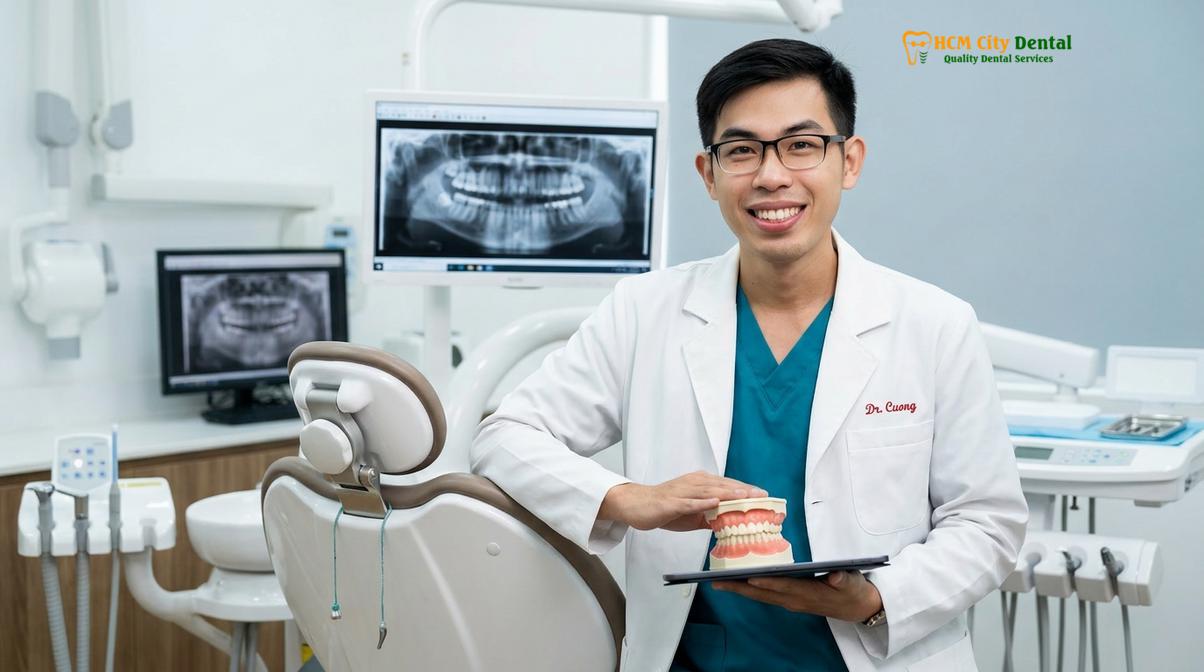
“Early detection is the most powerful tool we have in periodontics. Waiting for pain to occur often means the disease has already caused irreversible bone loss. Routine probing and radiographic evaluation allow us to intercept the infection while it is still highly manageable.”
At HCMC Dental Clinic in Ho Chi Minh City, Dr. Nguyen Van Cuong and our team of specialists utilize advanced diagnostics to accurately stage periodontal disease and develop personalized, evidence-based treatment plans. If you are experiencing any signs of gum inflammation, early intervention can mean the difference between a simple cleaning and complex surgical therapy. We encourage you to visit our Gum Treatment hub to learn more about our comprehensive approach to periodontal health and to schedule a clinical consultation.
Frequently Asked Questions
Can you reverse periodontitis at home?
No, you cannot reverse periodontitis at home. Once bone loss occurs, professional dental intervention is required to clean deep pockets and halt the disease. Home care alone cannot reach the deep bacterial colonies beneath the gum line, making professional scaling and root planing essential for stabilizing the condition. While excellent home hygiene is mandatory to maintain the results after treatment, it is biologically impossible to cure advanced periodontal disease without clinical debridement.
How long does it take to reverse gingivitis?
Gingivitis typically takes 10 to 14 days to reverse with proper professional cleaning and strict daily oral hygiene. Once the hardened calculus is removed by a dentist, consistent brushing and flossing will allow the inflamed soft tissues to heal, reattach, and return to a healthy, firm state. However, this timeline depends entirely on the patient’s compliance with their daily home care routine; if plaque is allowed to accumulate again, the inflammation will rapidly return.
Can bone loss from gum disease grow back?
No, bone loss caused by periodontal disease does not naturally grow back. However, specialized bone grafting procedures and guided tissue regeneration can rebuild some of the lost structural support. Without surgical intervention, the primary goal of treatment is to halt further bone destruction and preserve the remaining jawbone. By eradicating the active infection, the bone levels can be stabilized, preventing further tooth mobility and eventual tooth loss.
Are loose teeth from gum disease reversible?
Loose teeth can sometimes be stabilized if the underlying infection is treated promptly and splinting techniques are applied, but severe mobility often requires extraction. By eradicating the bacterial infection and allowing the periodontal ligaments to heal, minor tooth mobility can significantly improve over time. In cases where the bone loss is too extensive to support the tooth, extraction followed by implant placement may be the most predictable clinical solution.
What happens if gum disease is left untreated?
Left untreated, gum disease progresses to severe periodontitis, leading to extensive jawbone destruction, tooth loss, and an increased risk of systemic health issues. The chronic inflammation can enter the bloodstream, potentially exacerbating conditions such as cardiovascular disease, uncontrolled diabetes, and respiratory infections. The continuous presence of aggressive oral pathogens places a significant burden on the body’s immune system, making comprehensive periodontal treatment vital for overall health.
References
- Journal of Periodontology. Pathogenesis of periodontal disease and the host immune response. (2021).
- American Dental Association (ADA). Clinical guidelines on non-surgical periodontal therapy and scaling. (2020).
- International Journal of Periodontics & Restorative Dentistry. Efficacy of laser-assisted periodontal therapy. (2019).
- Journal of Clinical Periodontology. Long-term outcomes of osseous surgery and guided tissue regeneration. (2022).
- British Dental Journal. The systemic link between chronic periodontitis and cardiovascular health. (2018).