Dental insurance typically covers gum disease treatments when they are deemed medically necessary to halt infection and prevent tooth loss. Coverage ranges from routine preventive cleanings to advanced surgical interventions, depending entirely on the clinically diagnosed severity of your condition and specific policy limitations[1].
Clinical Summary:
Periodontal disease requires progressive clinical intervention, and dental insurance policies structure their coverage based on the severity of the bacterial infection and resulting tissue destruction. While routine prophylaxis is often fully covered under preventive benefits, active periodontal therapies—such as scaling and root planing (SRP) or osseous surgery—usually receive partial coverage, typically ranging from 50% to 80%. Successful insurance reimbursement relies heavily on precise clinical documentation, including full-mouth periodontal charting, diagnostic radiographs demonstrating alveolar bone loss, and comprehensive medical narratives. International patients seeking care abroad can often utilize their global health policies, provided they submit standardized English medical reports and itemized invoices that clearly justify the medical necessity of the procedures performed.
Key Takeaways:
- Insurance providers strictly differentiate between preventive prophylaxis and active periodontal therapy based on clinical diagnostics.
- Diagnostic evidence, including probing depths exceeding 4mm and radiographic bone loss, is mandatory for claim approval.
- Scaling and root planing (SRP) is typically billed per quadrant and is subject to strict frequency limitations.
- Advanced surgical procedures require pre-authorization and detailed clinical narratives to prove medical necessity.
- International insurance claims require standardized documentation, including itemized receipts and translated clinical notes.
How Insurance Providers View Periodontal Treatments
Insurance companies classify periodontal treatments as essential medical interventions rather than cosmetic procedures, requiring objective clinical data like probing depths and radiographs to authorize coverage.
Understanding how insurance companies evaluate and categorize periodontal care is the first step in maximizing your benefits. Unlike elective cosmetic procedures, treatments for gum disease are viewed through a strict medical lens. Insurance adjudicators rely on standardized diagnostic criteria to determine whether a proposed treatment is medically necessary to preserve the dentition and prevent systemic complications. This evaluation process is heavily dependent on the clinical data provided by your attending dentist or periodontist.
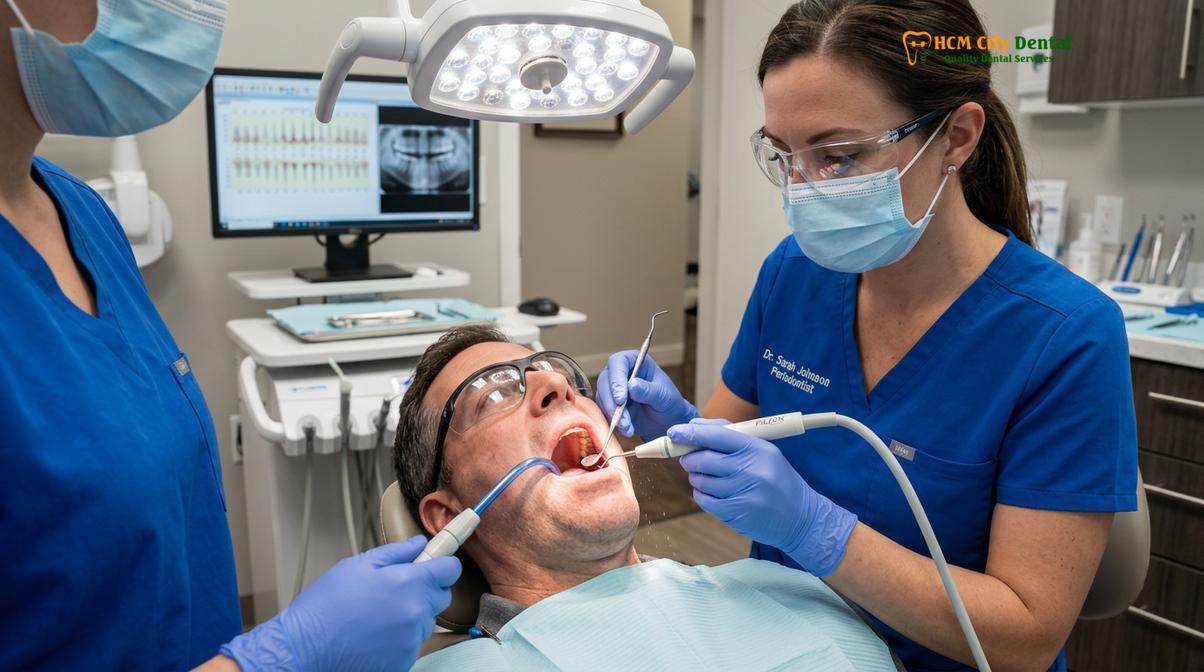
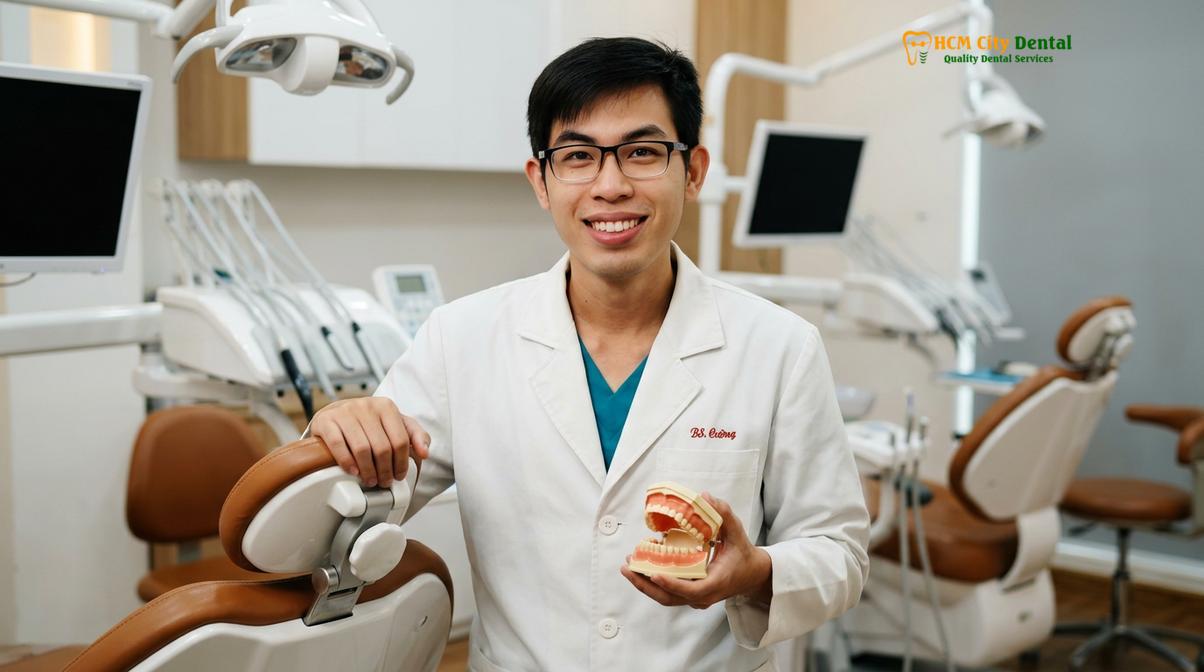
Dr. Nguyen Van Cuong, a leading specialist at HCMC Dental Clinic, emphasizes the importance of precise documentation for international patients. He notes that insurance companies do not approve treatments based on a simple diagnosis code alone, but require a complete clinical picture. By providing detailed periodontal charting and high-resolution radiographs, his clinical team bridges the gap between clinical necessity and insurance approval, ensuring patients receive the benefits they are entitled to.
Diagnostic Criteria for Claim Approval
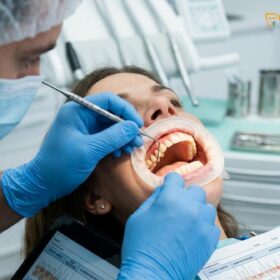
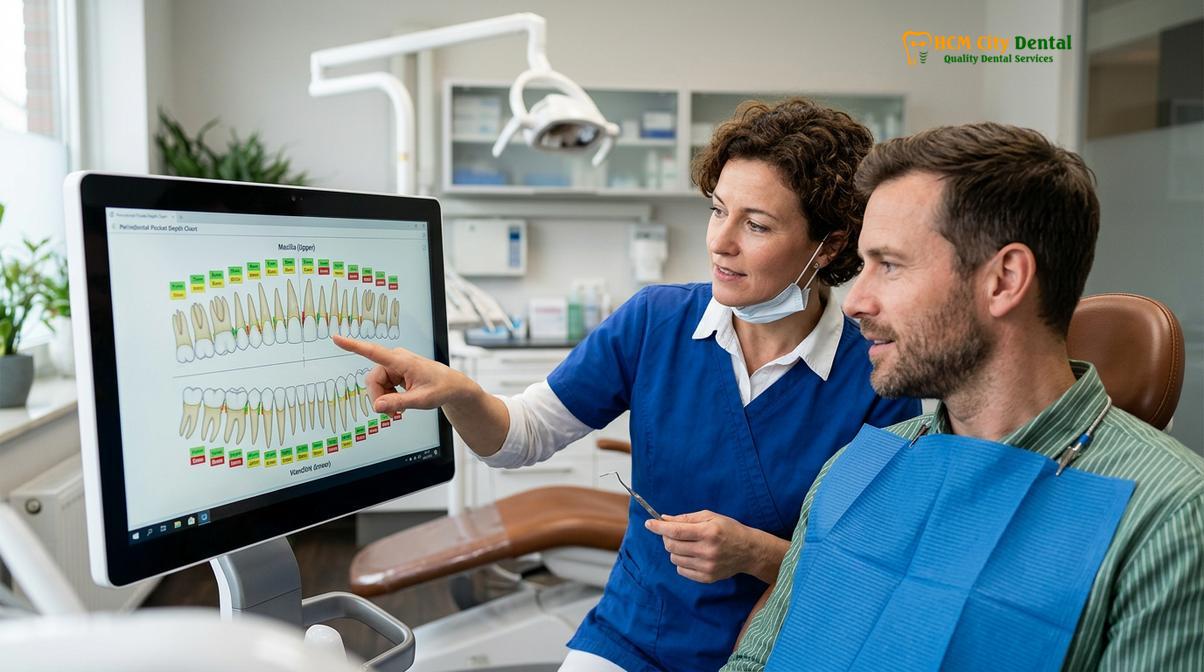
To approve a claim for active periodontal therapy, insurance companies typically look for specific clinical markers. The most critical of these is the periodontal probing depth. During a comprehensive examination, a clinician uses a periodontal probe to measure the depth of the sulcus (the space between the tooth and the gum) at six distinct points around each tooth. Healthy gums typically have probing depths of 1 to 3 millimeters. Depths of 4 millimeters or greater, especially when accompanied by bleeding on probing (BOP), indicate active disease and the presence of periodontal pockets.
Preventive Care vs Active Gum Disease Coverage
Preventive coverage focuses on maintaining healthy tissues through routine cleanings, whereas active coverage addresses existing infections requiring therapeutic intervention and deeper mechanical debridement.
Dental insurance plans clearly delineate between preventive care and active periodontal therapy. This distinction is crucial because it dictates the percentage of the procedure that the insurance company will cover, as well as the frequency with which the procedure can be performed. Navigating these categories requires an understanding of the clinical differences between maintaining health and treating disease within the scope of general dentistry.
“The clinical objective of prophylaxis is the preservation of periodontal health in a disease-free environment. Once irreversible attachment loss has occurred, the patient must be transitioned to active therapeutic protocols to manage the chronic infection.”
Gingivitis vs. Periodontitis Classification
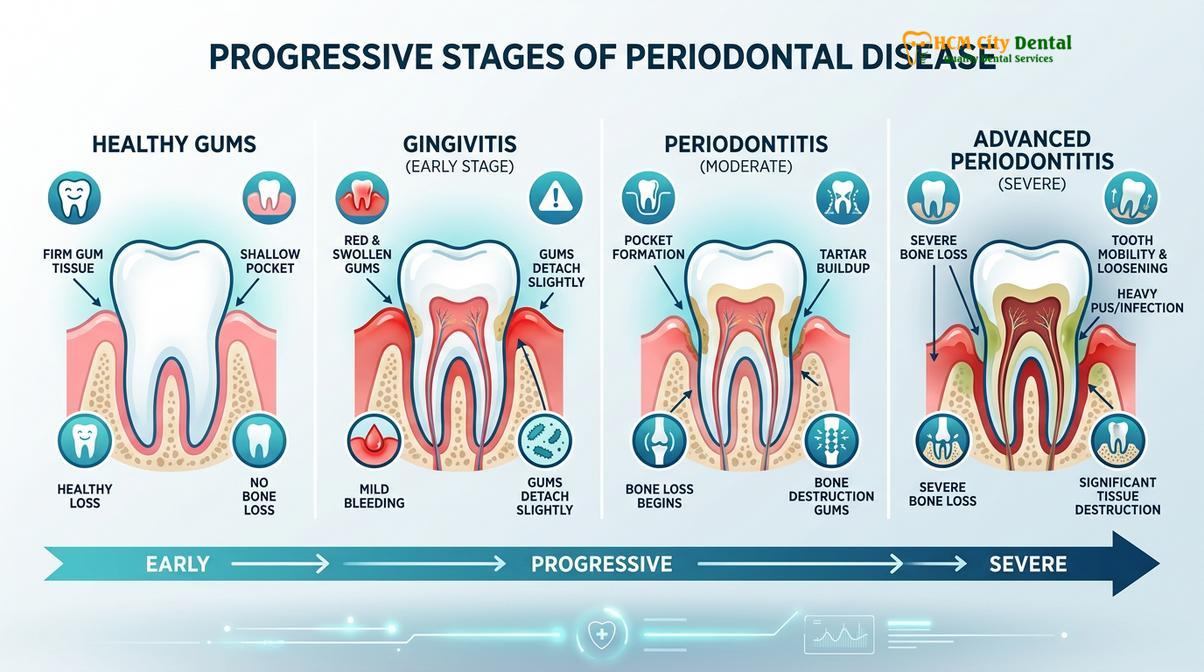
The transition from preventive coverage to active therapy coverage hinges on the diagnosis of gingivitis versus periodontitis. Gingivitis is an inflammation of the gums caused by plaque accumulation. It is characterized by red, swollen gums that may bleed easily, but crucially, it does not involve the loss of bone or connective tissue attachment. Because gingivitis is reversible with professional cleaning and improved home care, it is usually managed under preventive benefits. Patients experiencing swollen gums around a tooth or bad breath linked to gum disease often fall into this category initially.
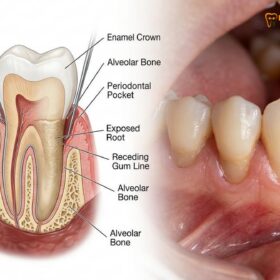
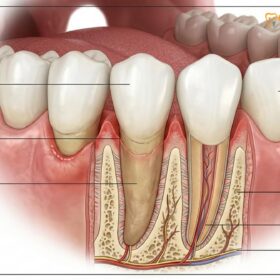
Periodontitis, on the other hand, is an irreversible condition characterized by the destruction of the alveolar bone and periodontal ligament. Once a patient is diagnosed with periodontitis, they require active therapy, which falls under basic or major restorative benefits rather than preventive care. These treatments are typically covered at a lower percentage (often 50% to 80%) and are subject to deductibles and annual maximums. The transition to active care requires a comprehensive periodontal evaluation and updated charting to satisfy insurance requirements[2].
Coverage for Deep Cleanings (SRP) and Maintenance
Scaling and root planing is the gold standard non-surgical treatment for active periodontitis, typically covered at 80% by most dental plans when supported by diagnostic evidence.
Deep cleaning teeth, commonly referred to as scaling and root planing (SRP), is the foundational non-surgical therapy for treating active periodontal disease. Because it is a therapeutic intervention rather than a preventive measure, insurance companies scrutinize claims for SRP closely. Understanding the clinical workflow and the associated billing limitations is essential for securing coverage.
Clinical Workflow of Scaling and Root Planing
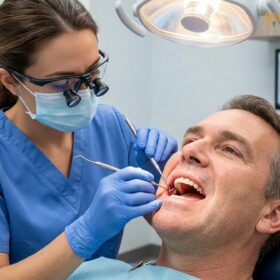
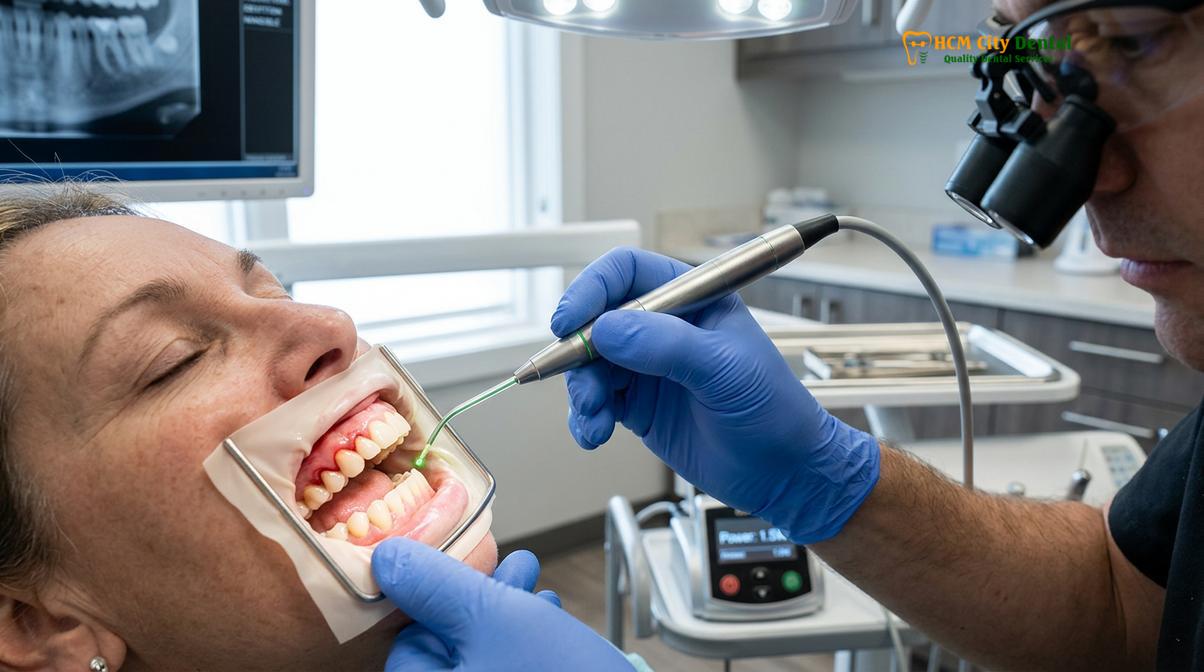
SRP is a meticulous procedure that involves the mechanical debridement of plaque, calculus, and bacterial toxins from the tooth surfaces both above and below the gumline. The “scaling” portion removes the calcified deposits, while “root planing” smooths the root surfaces to discourage further bacterial adherence and facilitate the reattachment of the gum tissue to the tooth. Due to the depth of the cleaning, local anesthesia is almost always required to ensure patient comfort. In modern practices, this mechanical debridement is often supplemented with laser gum treatment to enhance bacterial reduction and promote faster healing.
Quadrant-Based Billing Limitations
Insurance companies typically process SRP claims on a per-quadrant basis (upper right, upper left, lower right, lower left). To qualify for coverage, a quadrant must generally exhibit at least four teeth with probing depths of 4mm or greater and radiographic evidence of bone loss[3]. Furthermore, many insurance plans impose strict limitations on how many quadrants can be treated in a single visit.
| Procedure Type | Clinical Indication | Typical Insurance Coverage | Standard Frequency Limits |
|---|---|---|---|
| Prophylaxis (Standard Cleaning) | Healthy gums or reversible gingivitis; no bone loss. | 100% (Preventive) | Twice per calendar year (every 6 months). |
| Scaling & Root Planing (SRP) | Active periodontitis; pockets ≥ 4mm; radiographic bone loss. | 80% (Basic Restorative) | Once per quadrant every 24-36 months. |
| Periodontal Maintenance | Post-SRP management; chronic periodontitis control. | 80% – 100% (Varies by plan) | Up to 4 times per year (every 3-4 months). |
Surgical Coverage: Grafts, Flap Surgery, and Bone Regeneration
Advanced periodontal surgeries are categorized as major procedures, often covered at 50% and requiring strict pre-authorization to verify the extent of tissue and bone destruction.
When non-surgical therapies like SRP fail to arrest the progression of periodontal disease, surgical intervention becomes necessary. These advanced procedures are designed to reduce deep pockets, regenerate lost bone, and restore the functional anatomy of the periodontium. Because these are complex, high-cost procedures, insurance companies classify them as major services, subjecting them to rigorous review and lower coverage percentages.
Osseous and Flap Surgery Justifications
Pocket reduction surgery, also known as gum flap surgery, is indicated when deep periodontal pockets persist despite thorough non-surgical debridement. During this procedure, the periodontist gently folds back the gum tissue to gain direct access to the tooth roots and underlying bone. The roots are meticulously cleaned, and the irregular, disease-damaged bone is recontoured to eliminate areas where bacteria can hide. Insurance companies typically require extensive documentation, including post-SRP charting showing refractory pockets, to approve this major surgical code[4].
Clinical Case Study: Securing Surgical Pre-Authorization
A 45-year-old expatriate patient presented to HCMC Dental Clinic in Ho Chi Minh City with severe, localized periodontitis in the lower right quadrant. Despite previous SRP therapy, probing depths remained at 7mm with active suppuration. The clinical team recommended osseous flap surgery to arrest the bone loss. To secure insurance coverage, the clinic submitted a comprehensive pre-authorization request. This included the initial and post-SRP periodontal charts, high-resolution periapical radiographs demonstrating vertical bone defects, and a detailed clinical narrative explaining the failure of non-surgical therapy. Because the documentation clearly established medical necessity, the patient’s international insurance approved the major surgical procedure at the maximum allowable benefit.
Claiming Out-of-Country Care: International Insurance Guidelines
Successfully claiming periodontal treatments abroad requires standardized English documentation, precise dental coding, and clear evidence of medical necessity.
Navigating cross-border dental claims requires adherence to strict documentation standards. Many global health policies offer out-of-network benefits that can be utilized for periodontal care abroad. To ensure smooth reimbursement, clinics must provide itemized invoices with recognized dental codes and comprehensive English medical narratives.
The Vietnam Odonto-Stomatology Association (VOSA) provides clinical guidelines that align with international standards, ensuring that treatments performed locally meet the rigorous evidence-based criteria expected by global insurance carriers[5]. When seeking care overseas, it is vital to confirm that your chosen provider understands these international documentation requirements.
“Standardized clinical documentation, including pre-operative radiographs and detailed periodontal probing charts, is universally recognized as the primary mechanism for validating the medical necessity of cross-border periodontal claims.”
Documentation Checklist: English Medical Reports and Invoices
A complete documentation package is the deciding factor between an approved international claim and a frustrating denial.
When submitting a claim for periodontal treatment received abroad, the burden of proof lies with the patient and the treating clinic. Insurance adjudicators cannot physically examine the patient, so they rely entirely on the provided paperwork. A standard receipt is rarely sufficient for complex periodontal therapies.
Important Note on Claim Submissions: Never submit a claim with only a basic credit card receipt. International insurance providers require an itemized invoice detailing each specific procedure code, the corresponding tooth or quadrant treated, and the individual cost, accompanied by a signed English medical report.
A comprehensive claim package should include:
- Itemized Invoice: Clearly listing recognized international dental codes (such as CDT codes) for each procedure.
- English Medical Narrative: A detailed report signed by the attending periodontist explaining the diagnosis, the medical necessity of the treatment, and the prognosis.
- Periodontal Charting: Full-mouth probing depths recorded before and after treatment.
- Diagnostic Radiographs: High-resolution X-rays clearly showing alveolar bone levels.
When to Consult a Periodontist
Early intervention is key to maximizing your insurance benefits and avoiding complex, costly surgical procedures.
Recognizing the early warning signs of gum disease is crucial for both your oral health and your insurance utilization. You should schedule a periodontal evaluation if you notice persistent bleeding when brushing, receding gum lines, or changes in how your teeth fit together. Early intervention often allows for non-surgical treatments that are more readily covered by basic insurance benefits.
Delaying care until severe bone loss occurs usually necessitates complex surgical procedures, which are subject to stricter pre-authorization requirements and higher out-of-pocket costs. If you are concerned about black gums or other unusual tissue changes, a professional assessment can determine the appropriate therapeutic or cosmetic approach, ensuring you receive the right care at the right time.
Frequently Asked Questions
Does travel insurance cover gum disease treatment?
Travel insurance typically only covers emergency dental care for acute pain or trauma, not chronic conditions like gum disease. Routine periodontal treatments, scaling, or elective surgeries are almost universally excluded from standard travel policies. You must rely on comprehensive global health or specific dental insurance for these procedures.
Will my home health insurance cover dental care in Vietnam?
Your home health insurance may cover dental care in Vietnam if you hold a global or international policy with out-of-network overseas benefits. Domestic-only plans usually do not provide coverage abroad. It is crucial to verify your specific policy’s geographic coverage limits and out-of-network reimbursement rates before commencing treatment.
How do I submit a claim for periodontal treatment abroad?
To submit a claim for periodontal treatment abroad, you must collect an itemized invoice, a detailed medical report in English, and diagnostic evidence like X-rays and periodontal charts. You then submit these documents along with your insurer’s specific claim form through their online portal or via mail for reimbursement processing.
What documents does HCMC Dental provide for insurance?
HCMC Dental Clinic provides a complete, standardized documentation package designed for international insurance claims. This includes an itemized receipt with recognized dental codes, a comprehensive English medical narrative signed by the attending specialist, pre- and post-treatment radiographs, and detailed periodontal probing charts to substantiate the medical necessity of the care.
Is deep cleaning considered cosmetic by insurance?
No, deep cleaning (scaling and root planing) is never considered a cosmetic procedure by insurance providers; it is classified as a medically necessary therapeutic treatment. Because it addresses active bacterial infection and prevents bone loss, insurance companies typically cover it under basic restorative or periodontal benefits when supported by proper diagnostic charting.
References
- Journal of Periodontology. Parameters of Care: Periodontal Disease Management and Clinical Workflows.
- American Dental Association. CDT Coding Guidelines and Insurance Adjudication for Periodontal Therapy.
- International Journal of Health Insurance. Cross-border Dental Claim Protocols and Reimbursement Models.
- Clinical Advances in Periodontics. Efficacy of Scaling and Root Planing in Non-Surgical Periodontal Therapy.
- Vietnam Odonto-Stomatology Association (VOSA). National Clinical Guidelines on Periodontal Disease Management and Insurance Protocols.
If you need assistance navigating your international dental insurance coverage for periodontal therapy, contact HCMC Dental Clinic in Ho Chi Minh City. Our dedicated international patient coordinators will help you prepare the necessary clinical documentation to maximize your out-of-network benefits.
For pricing, booking, and a free clinical assessment, visit our Gum Disease Treatment service page at HCMC Dental Clinic in Ho Chi Minh City.