Choosing between periodontal treatment Vietnam vs Thailand depends heavily on your budget, clinical needs, and travel preferences. Both countries offer world-class clinical standards for gum disease management. However, Vietnam typically provides a significant cost advantage for scaling, root planing, and complex gum surgeries while maintaining equivalent technological and clinical excellence.
Clinical Summary:
Periodontal disease requires precise, stage-appropriate intervention, ranging from non-surgical scaling and root planing to advanced osseous surgery and laser therapy. For international patients comparing periodontal treatment Vietnam vs Thailand, both destinations feature internationally accredited facilities and highly trained periodontists. Thailand boasts a longer-established medical tourism infrastructure with luxury hospital settings. Conversely, Vietnam has rapidly emerged as the premier destination for value-driven, high-quality dental care, utilizing identical digital workflows, CBCT imaging, and modern laser protocols at significantly lower price points. Clinical outcomes in both nations rely heavily on selecting a reputable clinic with stringent sterilization protocols and specialized periodontal expertise rather than simply choosing a geographic location.
Key Takeaways:
- Vietnam offers a substantial cost reduction on comprehensive periodontal therapies compared to Thailand.
- Both countries utilize advanced diagnostic tools, including 3D CBCT scanning and digital periodontal probing charts.
- Non-surgical treatments and surgical interventions are widely available in major cities like Bangkok and Ho Chi Minh City.
- English proficiency among top-tier dental specialists in both nations is excellent, ensuring clear clinical communication.
- Successful periodontal management requires ongoing maintenance; international patients must plan for proper aftercare and follow-up visits.
Vietnam and Thailand: Leaders in Southeast Asian Dental Tourism
Vietnam and Thailand dominate the Southeast Asian dental tourism market by offering internationally accredited periodontal care, advanced clinical technology, and highly skilled specialists at a fraction of Western costs.
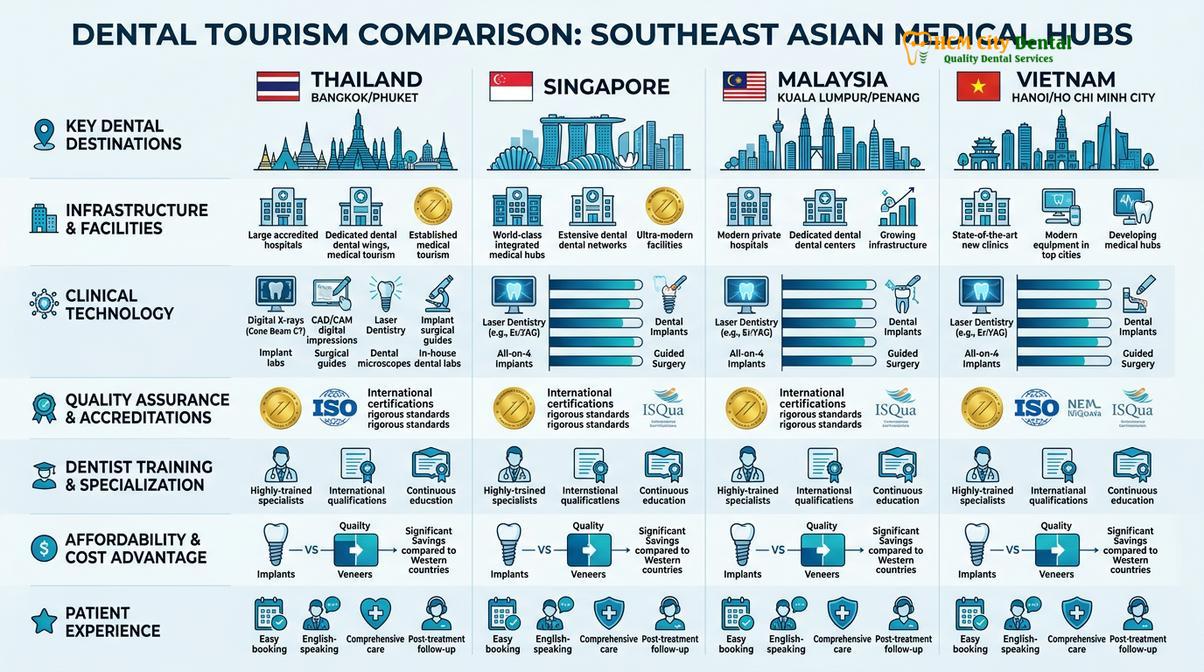
The landscape of global healthcare has shifted dramatically, with Southeast Asia emerging as a powerhouse for specialized medical and dental care. When evaluating general dentistry and specialized periodontal care, international patients consistently narrow their choices down to two primary hubs. The debate surrounding dental tourism Thailand vs Vietnam is rooted in the exceptional value and high clinical standards both nations provide. Historically, Thailand pioneered the medical tourism industry, establishing massive, hospital-like dental centers in Bangkok and Phuket that cater almost exclusively to international clientele. These facilities are renowned for their luxury amenities, seamless patient coordination, and comprehensive multidisciplinary care.
However, Vietnam has experienced a rapid and aggressive modernization of its dental infrastructure. Cities like Ho Chi Minh City (Saigon) and Hanoi have seen a surge in boutique, highly specialized dental clinics that rival the best in the world. Vietnamese dental professionals have heavily invested in the latest diagnostic and therapeutic technologies, including Cone Beam Computed Tomography (CBCT), digital intraoral scanners, and advanced soft-tissue lasers. Aligned with the World Health Organization’s assessments of severe periodontitis burdens[4], top-tier clinics in Vietnam adhere strictly to international infection control guidelines and modern periodontal protocols established by the Vietnam Ministry of Health[6]. This technological parity means that the clinical capabilities in Vietnam are now virtually indistinguishable from those in Thailand, but often come with a significantly lower price tag due to differences in local economic factors and operational overhead.
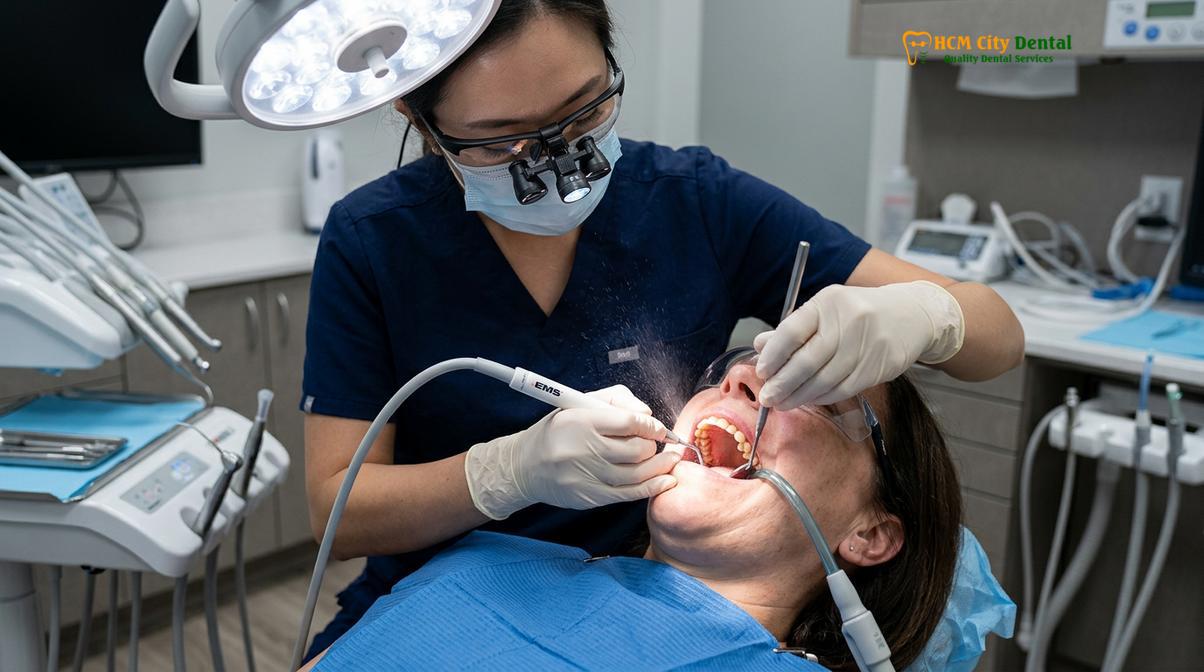
The choice between these two nations often comes down to the type of experience the patient desires. Thailand offers a highly polished, resort-like medical experience, often integrated with broader vacation packages. Vietnam, on the other hand, appeals to patients who are highly focused on maximizing their clinical value—obtaining the absolute highest standard of care, utilizing premium materials and technologies, while keeping overall treatment costs highly efficient. Both nations have successfully positioned themselves as premier destinations for gum health, drawing thousands of patients annually from Australia, the United States, and Europe.
Cost Comparison: Deep Cleaning and Gum Surgery Prices
Periodontal procedures in Vietnam are generally more affordable than in Thailand, offering substantial savings on deep cleaning, flap surgery, and laser gum treatments without compromising clinical quality.
The primary driver for international patients seeking dental care abroad is cost, and the financial differences between Western countries and Southeast Asia are staggering. However, when comparing the deep cleaning cost Bangkok vs Saigon, distinct economic tiers emerge within the region itself. Periodontal treatment encompasses a wide spectrum of procedures, ranging from preventative maintenance to complex surgical interventions, and the pricing structures reflect this complexity.
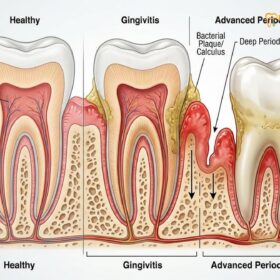
Non-surgical periodontal therapy, primarily scaling and root planing (often referred to as a “deep cleaning”), is the first line of defense against active periodontitis. This procedure involves the meticulous removal of bacterial plaque and hardened calculus from beneath the gumline, smoothing the root surfaces to prevent further bacterial adherence and allow the gingival tissue to reattach[1]. In Western nations, this can cost several hundred dollars per quadrant. In Thailand, a full-mouth scaling and root planing represents a significant saving, but in Vietnam, the exact same procedure, utilizing the same ultrasonic scalers and hand curettes, generally costs even less. This represents a significant baseline saving for patients requiring foundational disease control.
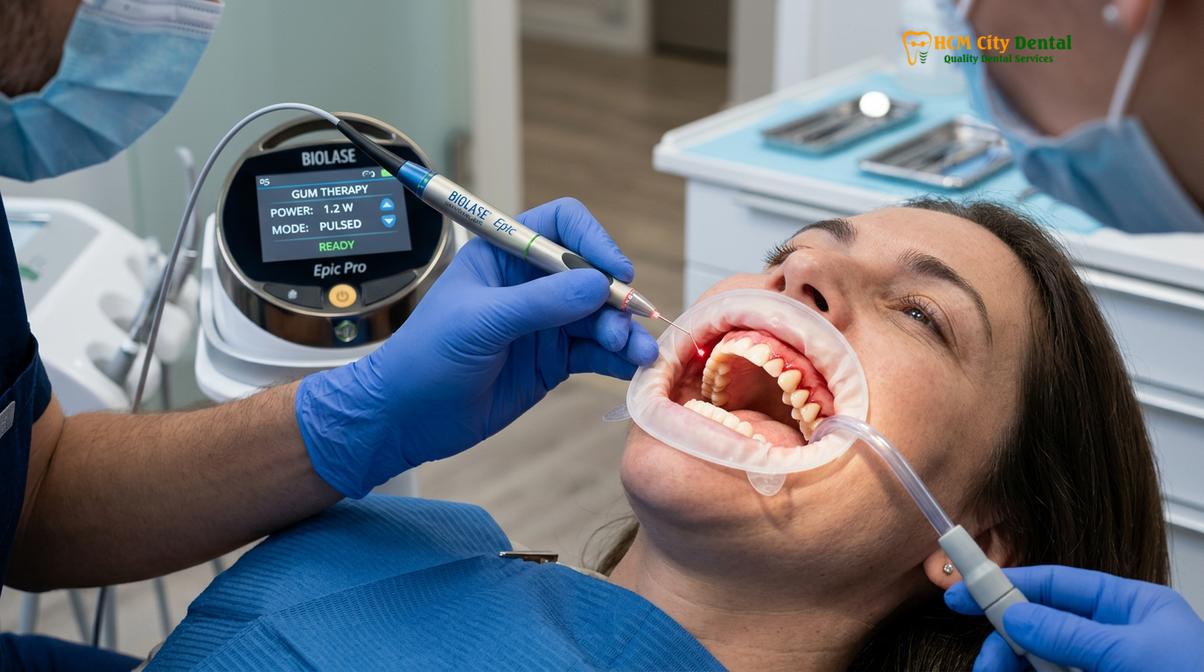
When the disease has progressed to moderate or severe periodontitis, surgical intervention becomes necessary. Gum flap surgery (osseous surgery) involves reflecting the gum tissue to provide direct visual access to the tooth roots and underlying bone. The roots are thoroughly debrided, and irregular bone defects caused by the infection are recontoured to eliminate areas where bacteria can hide[2]. For a patient requiring full-mouth surgical intervention, the savings in Vietnam compared to Thailand can easily cover the cost of flights and accommodation.
“The cost-efficiency of periodontal care in Vietnam does not stem from a reduction in material quality or clinical expertise, but rather from lower domestic operational costs and a highly competitive local healthcare market that prioritizes accessible excellence.”
Advanced modalities, such as laser gum treatment, are also widely available in both countries. Laser therapy utilizes specific wavelengths of light to selectively target and vaporize diseased, inflamed tissue while leaving healthy tissue intact. It also provides excellent hemostasis and significant bactericidal effects within the periodontal pocket[3]. While Thai clinics may charge a premium for laser-assisted therapies due to their luxury positioning, Vietnamese clinics frequently integrate laser protocols into their standard periodontal surgical fees or offer them at a highly competitive standalone rate, further enhancing the value proposition for international patients.
Comparing Clinical Standards and Dentist Training
Both nations boast highly trained periodontists with international credentials, but clinical outcomes depend on the specific clinic’s adherence to global sterilization protocols and investment in modern diagnostic technology.
A common concern among international patients is whether the lower costs in Southeast Asia equate to lower clinical standards. The reality is that the top echelon of dental clinics in both Thailand and Vietnam operate at a level that frequently exceeds the average suburban clinic in Western countries. The key to a successful outcome lies in distinguishing between a general dentist performing basic cleanings and a specialized periodontist managing complex disease.
Dr. Nguyen Van Cuong, a leading specialist at HCMC Dental Clinic, frequently notes that international patients are increasingly seeking comprehensive periodontal rehabilitation rather than just cosmetic fixes. He emphasizes that placing restorations on a foundation of untreated periodontal disease often leads to clinical failure. Under his guidance, the clinical team prioritizes foundational gum therapies—from deep scaling to guided tissue regeneration—before any restorative work begins.
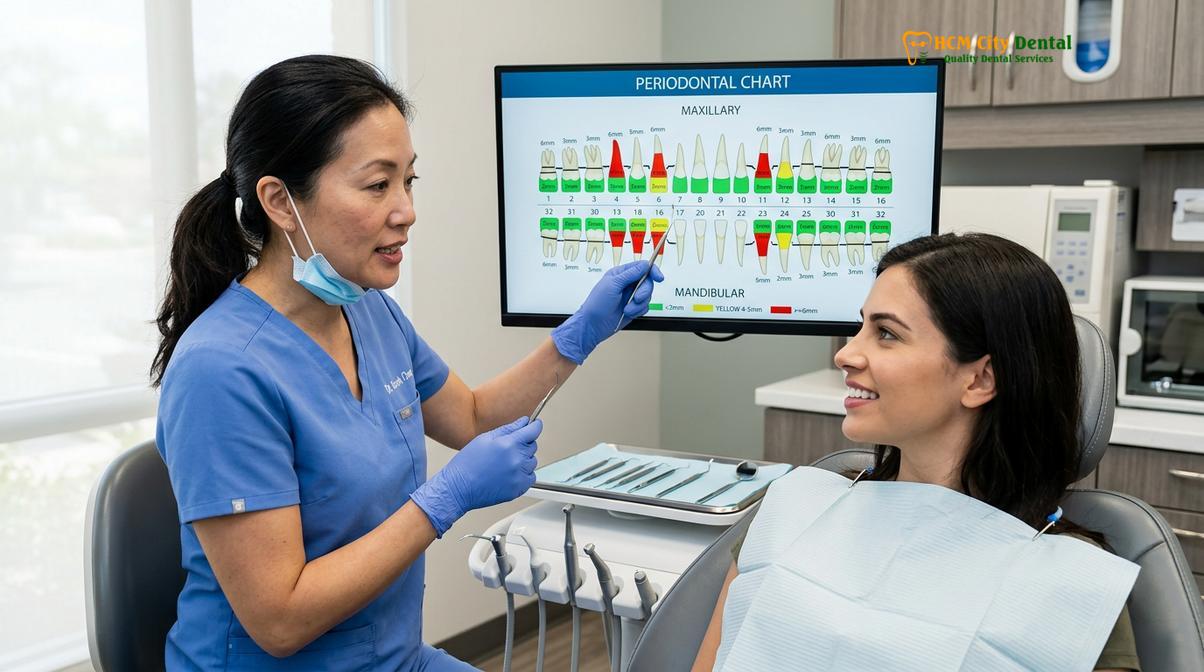
Diagnostic technology is a critical differentiator in modern periodontal care. Accurate diagnosis relies on comprehensive clinical probing and high-resolution radiographic imaging. Both Thai and Vietnamese top-tier clinics utilize 3D Cone Beam Computed Tomography (CBCT) to assess the exact architecture of the alveolar bone. This three-dimensional view is crucial for diagnosing furcation involvements and planning guided tissue regeneration or bone grafting procedures. The integration of digital workflows is standard practice in the leading clinics of both nations.
Clinical Case Example:
A 55-year-old international patient presented to HCMC Dental Clinic in Ho Chi Minh City with severe, generalized periodontitis, characterized by significant tooth mobility and deep periodontal pockets. Rather than immediately extracting the teeth, the clinical team utilized a comprehensive approach involving 3D CBCT diagnostics, targeted ultrasonic scaling, and localized laser-assisted pocket therapy. Over an intensive treatment period, the acute inflammation was resolved, and the patient was placed on a strict maintenance protocol. By choosing Vietnam, the patient received advanced, specialist-level care that preserved their natural dentition at a fraction of the cost quoted in their home country.
Summary Table: Pros and Cons of Each Destination
Evaluating the specific advantages and potential drawbacks of each country can help international patients make an informed decision regarding their periodontal care.
To simplify the decision-making process, the following table outlines the primary differences between seeking periodontal treatment in Vietnam versus Thailand. Both destinations offer exceptional care, but their respective strengths cater to different patient priorities.
| Feature | Vietnam (e.g., Ho Chi Minh City) | Thailand (e.g., Bangkok) |
|---|---|---|
| Overall Cost | Highly affordable; significant savings on complex surgeries and laser treatments. | Moderate to high; more expensive than Vietnam but still cheaper than Western countries. |
| Clinical Technology | World-class; widespread use of CBCT, digital scanners, and diode lasers. | World-class; established infrastructure with advanced hospital-grade equipment. |
| Clinic Environment | Boutique, highly specialized clinics focused on personalized, high-value care. | Large, resort-style dental hospitals catering to mass medical tourism. |
| English Proficiency | Excellent among specialists and international coordinators in top-tier clinics. | Excellent across all staff levels due to a longer history of medical tourism. |
| Travel & Visas | Streamlined e-visa system allowing extended stays for multi-stage treatments. | Visa exemptions for many Western countries, ideal for shorter visits. |
Language and Communication: English Proficiency in Clinics
Top-tier dental clinics in both Thailand and Vietnam employ fluent English-speaking specialists and dedicated international patient coordinators to ensure accurate clinical communication and seamless treatment planning.
Effective communication is the cornerstone of successful medical treatment. In periodontal therapy, the patient must fully understand their diagnosis, the proposed treatment plan, the associated risks, and the critical importance of at-home oral hygiene maintenance. Miscommunication regarding post-operative care or the nature of the disease can lead to treatment failure and disease relapse.
Thailand has a long-standing advantage in general English proficiency within its hospitality and medical tourism sectors. Major dental hospitals in Bangkok are structured to cater specifically to foreigners, with multi-lingual staff, dedicated translation departments, and international patient lounges. The clinical staff, from the receptionists to the lead surgeons, are generally highly proficient in English, ensuring a smooth and comfortable experience for Western patients.
Vietnam has rapidly closed this gap. While general English proficiency in the broader population may be lower than in Thailand, the specialized medical and dental sectors in major urban centers like Ho Chi Minh City are highly internationalized. Clinics that target dental tourists mandate high levels of English fluency for their clinical staff. Furthermore, because many of the top specialists have trained abroad, they are entirely comfortable discussing complex medical terminology, treatment options, and prognoses in English.
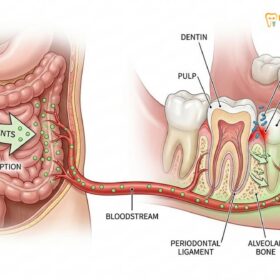
Clear communication is particularly vital when discussing the systemic implications of periodontal disease. Conditions such as chronic bad breath (halitosis) are often direct symptoms of underlying periodontal infections. A skilled, English-speaking periodontist will take the time to explain the microbiology of the disease, how bacterial toxins enter the bloodstream, and how periodontal health is intrinsically linked to systemic conditions like cardiovascular disease and diabetes. This level of detailed, patient-centric education is a hallmark of the best clinics in both Vietnam and Thailand.
Travel Logistics: Flights, Visas, and Local Transportation
Thailand and Vietnam offer excellent international flight connectivity and streamlined visa processes, making travel straightforward for Western patients seeking extensive periodontal rehabilitation.
When planning a medical trip, the logistics of travel, accommodation, and local navigation play a significant role in the overall experience and cost. Both Thailand and Vietnam are major international travel hubs, but they offer slightly different logistical experiences for the dental tourist. Studies in travel medicine highlight that patient safety and clinical outcomes in Southeast Asia are highly favorable when patients select accredited, specialized facilities and plan their travel logistics carefully[5].
Flight connectivity to both destinations is excellent. Bangkok’s Suvarnabhumi Airport is one of the busiest aviation hubs in the world, offering direct flights from major cities across Europe, Australia, and the Middle East. Ho Chi Minh City’s Tan Son Nhat International Airport also boasts extensive international connectivity, particularly strong routes from Australia, East Asia, and increasingly, direct or single-stop flights from Europe and the US. The flight durations and costs to either destination are generally comparable.
“Thoroughly researching visa requirements and local transportation options ensures that international patients can focus entirely on their periodontal recovery rather than logistical stress.”
Visa requirements are an important consideration. Thailand provides visa exemptions for many Western countries for short stays, which is convenient for minor procedures. Vietnam offers a streamlined e-visa system granting extended entry, which is highly beneficial for patients requiring multi-stage periodontal surgeries or extended healing periods before restorative work can commence.
When to Seek Professional Periodontal Care
Recognizing the early warning signs of gum disease is crucial for preventing irreversible bone loss and avoiding the need for complex surgical interventions.
Important Clinical Note: Periodontal disease is progressive. Delaying treatment allows bacteria to destroy the bone supporting your teeth. If you experience persistent bleeding, pain, or loose teeth, seek immediate evaluation from a qualified periodontist.
Many patients delay seeking treatment because early-stage periodontal disease (gingivitis) is often painless. However, ignoring the initial symptoms allows the bacterial infection to progress deeper into the supporting bone. International patients should consider scheduling a comprehensive periodontal evaluation if they experience persistent bleeding when brushing or flossing, chronic bad breath, or noticeable gum recession.
More severe symptoms require immediate specialist attention. If you notice swollen gums around a tooth, localized pain, or pus discharging from the gumline, this indicates an active, acute infection that could lead to rapid tooth loss. Additionally, changes in gum pigmentation, such as the sudden appearance of black gums accompanied by inflammation, should be evaluated by a periodontist to rule out aggressive forms of periodontal disease or other underlying pathologies. Early intervention not only improves the clinical prognosis but also significantly reduces the overall cost and complexity of treatment.
If you are considering periodontal treatment in Southeast Asia, HCMC Dental Clinic in Ho Chi Minh City offers world-class specialist care tailored to international patients. Our dedicated team utilizes the latest diagnostic and therapeutic technologies to ensure optimal clinical outcomes. Contact HCMC Dental Clinic today to schedule your comprehensive periodontal consultation.
References
- Journal of Clinical Periodontology. Efficacy of non-surgical periodontal therapy and scaling protocols.
- International Journal of Periodontics & Restorative Dentistry. Clinical outcomes of osseous surgery and guided tissue regeneration.
- Journal of the American Dental Association. Laser applications in periodontal therapy and clinical attachment levels.
- World Health Organization. Global oral health status report: comprehensive burden of severe periodontitis.
- Journal of Travel Medicine. Medical and dental tourism in Southeast Asia: patient safety and clinical outcomes.
- Vietnam Ministry of Health (MOH). National guidelines on periodontal disease management and infection control.
For pricing, booking, and a free clinical assessment, visit our Gum Disease Treatment service page at HCMC Dental Clinic in Ho Chi Minh City.