Biological dentistry in Vietnam costs approximately 60% to 70% less than in Western countries, with comprehensive treatments like safe amalgam removal or zirconia implants ranging from $100 to $1,500. This affordability stems from lower operational overhead, allowing patients to access premium biocompatible materials and strict clinical safety protocols at a fraction of the standard international price.
Clinical Summary:
The financial landscape of biological dentistry often presents a significant barrier for patients in North America and Australia seeking non-toxic, biocompatible oral care. Vietnam has emerged as a premier destination for these specialized services, offering rigorous adherence to international standards—such as the Safe Mercury Amalgam Removal Technique (SMART) and the use of metal-free zirconia implants—at highly competitive rates. By leveraging lower domestic operational costs and direct laboratory partnerships, top-tier clinics provide advanced treatments including ozone therapy and Platelet-Rich Fibrin (PRF) tissue regeneration. Patients engaging in dental tourism can achieve profound systemic health benefits and extensive oral restorations while navigating a highly cost-effective, transparent clinical environment.
Key Takeaways:
- Biological dental procedures in Vietnam offer substantial savings compared to US and Australian clinics.
- Clinics strictly adhere to international safety standards for amalgam removal and infection control.
- Premium biocompatible materials, such as 100% ceramic zirconia implants, are sourced from globally recognized manufacturers.
- Direct booking via platforms like WhatsApp eliminates third-party agency fees, maximizing patient savings.
- Comprehensive documentation is provided to facilitate out-of-network insurance claims for international patients.
The Cost of Biological Care in Western Countries
Western biological dentistry carries high premiums due to specialized equipment, stringent environmental disposal regulations for toxic materials, and the exclusive use of biocompatible ceramics.
Understanding the pricing dynamics of holistic dental care requires an examination of the rigorous clinical protocols involved. In the United States, Canada, and Australia, biological dentistry is often viewed as a premium specialty. Practitioners must invest heavily in advanced technology and continuous education to maintain compliance with international holistic standards. This specialized approach fundamentally alters the cost structure of a dental practice.
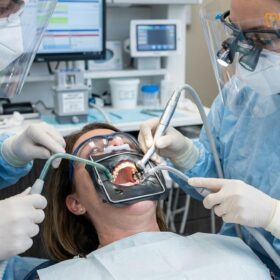
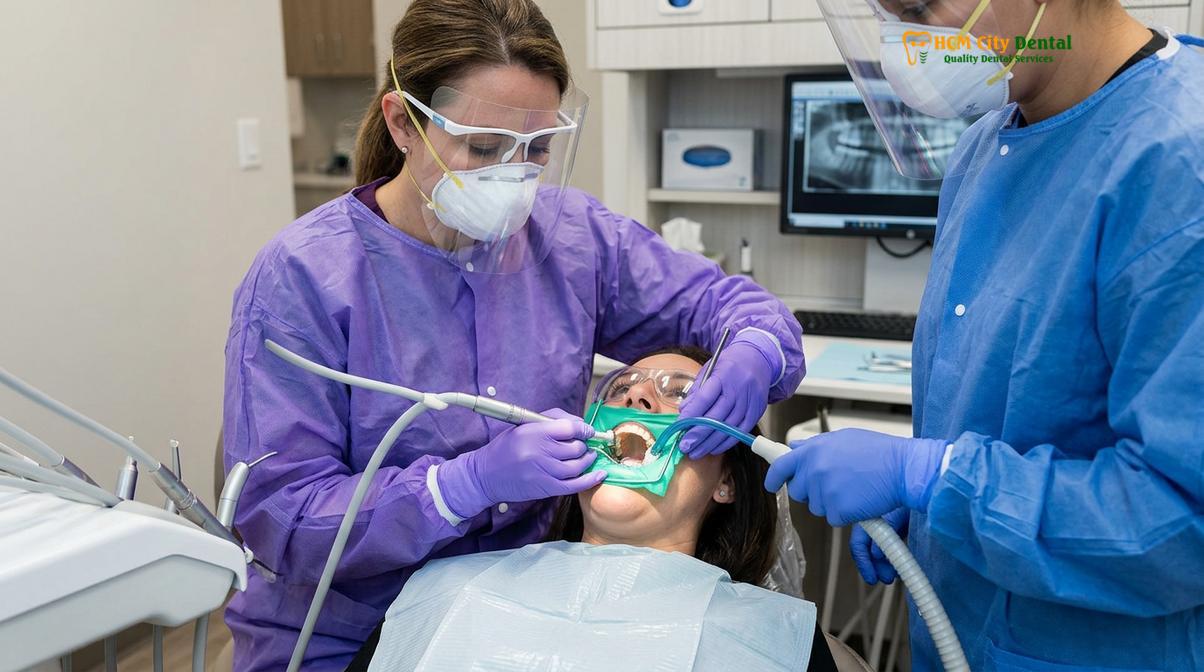
One of the primary drivers of high costs in Western countries is the strict adherence to the Safe Mercury Amalgam Removal Technique (SMART)[2]. When a patient requires the extraction of old silver fillings, the clinic cannot simply drill them out. The process requires a highly controlled environment to help prevent mercury vapor inhalation and particulate ingestion. Clinics must utilize specialized high-volume air filtration systems, alternative oxygen supplies for the patient, non-latex dental dams, and specific amalgam separators to ensure environmental compliance before wastewater enters the municipal system. The overhead for maintaining this equipment, coupled with the hazardous waste disposal fees mandated by local environmental protection agencies, significantly inflates the cost of a single filling replacement.
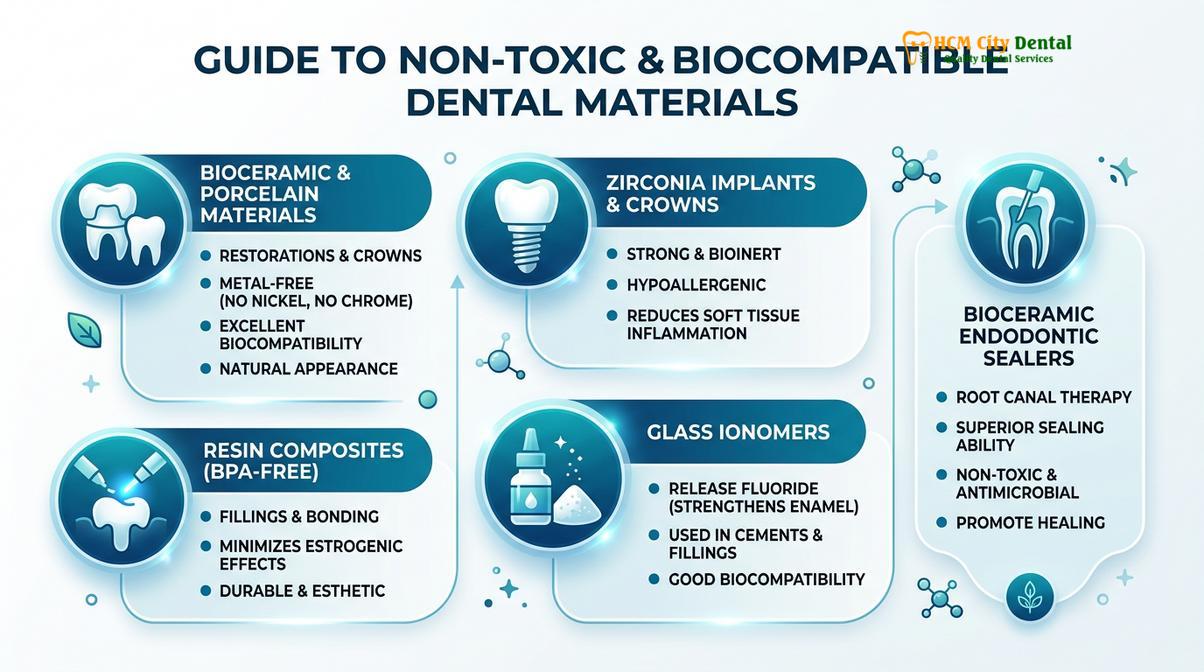
Furthermore, biological dentists exclusively utilize biocompatible, non-toxic materials. Traditional dentistry often relies on cheaper metal alloys or standard composite resins that may contain Bisphenol A (BPA) or other endocrine-disrupting chemicals. In contrast, holistic practitioners utilize advanced ceramics, BPA-free composites, and safe alternatives to traditional fluoride. The procurement of these premium materials from specialized manufacturers adds a substantial margin to the baseline cost of restorative procedures.
Advanced adjunctive therapies also contribute to the financial burden. Biological clinics frequently integrate medical-grade ozone therapy to manage infections and stimulate healing without relying heavily on broad-spectrum antibiotics[3]. The generation of pure medical ozone requires specialized, costly generators. While these techniques offer excellent clinical outcomes, the equipment and time required drive up the hourly operational cost of the clinic, a cost that is inevitably passed on to the patient.
Cost Comparison Table: Vietnam vs. USA & Australia (USD/VND)
Patients can expect to save thousands of dollars on holistic procedures in Vietnam, with zirconia implants and safe amalgam removal priced at a fraction of Western clinic fees.
When analyzing the financial benefits of seeking treatment abroad, a direct comparison of specific procedures reveals the profound economic advantage of the Vietnamese healthcare market. Growing concerns over titanium allergy and metal hypersensitivity[5] have driven the demand for highly biocompatible zirconium dioxide dental implants[1]. While these materials are expensive globally, the overall procedure cost is much lower in Southeast Asia.
It is important to note that these figures represent average estimates and can fluctuate based on the complexity of the individual clinical case and the specific materials selected. However, the proportional savings remain consistent across the spectrum of advanced biological dental care.
| Biological Dental Procedure | Estimated Cost USA (USD) | Estimated Cost Australia (AUD) | Estimated Cost Vietnam (USD) | Estimated Cost Vietnam (VND) |
|---|---|---|---|---|
| SMART Amalgam Removal (Per Tooth) | $350 – $600 | $400 – $700 | $80 – $150 | ~2,000,000 – 3,800,000 |
| BPA-Free Biocompatible Filling | $250 – $450 | $300 – $500 | $50 – $90 | ~1,250,000 – 2,250,000 |
| Zirconia (Metal-Free) Dental Implant | $4,500 – $6,000 | $5,000 – $7,000 | $1,200 – $1,800 | ~30,000,000 – 45,000,000 |
| Ozone Therapy (Per Session) | $100 – $250 | $120 – $300 | $30 – $60 | ~750,000 – 1,500,000 |
| PRF Bone Grafting (Per Site) | $600 – $1,200 | $800 – $1,500 | $150 – $300 | ~3,800,000 – 7,500,000 |
| Full Arch Zirconia Restoration | $25,000 – $35,000 | $30,000 – $45,000 | $7,000 – $12,000 | ~175,000,000 – 300,000,000 |
The data clearly demonstrates that for patients requiring multiple amalgam removals or complex implantology, the financial barrier is significantly lowered. A patient needing four SMART amalgam removals and two zirconia implants might face a bill exceeding $12,000 in the United States. In Vietnam, the identical clinical protocol, utilizing the same globally recognized material brands, would cost approximately $3,000. This dramatic reduction in out-of-pocket expenses is the primary catalyst for the surge in medical tourism to the region.
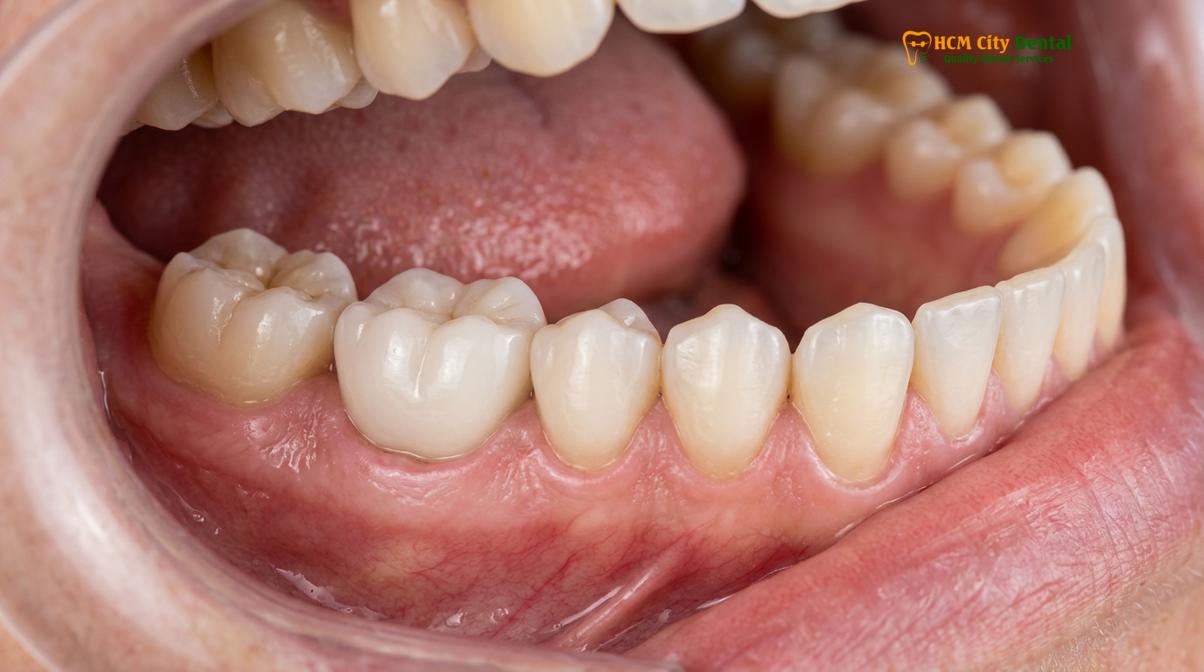
Why Sourcing Premium Biocompatible Materials Costs Less in Vietnam
Lower operational overhead and direct partnerships with international dental laboratories allow Vietnamese clinics to offer premium, non-toxic materials at significantly reduced prices.
A common misconception among international patients is that lower costs equate to inferior materials. In the realm of biological dentistry, this assumption is clinically inaccurate. Reputable clinics in Vietnam utilize the exact same premium materials—such as Swiss-milled zirconia and German-engineered biocompatible composites—as their Western counterparts. The cost differential is entirely a function of macroeconomics and streamlined supply chains.
The operational overhead of running a state-of-the-art medical facility in Vietnam is a fraction of what it is in major Western cities. Commercial real estate leasing, administrative staffing, and utility costs are substantially lower. More importantly, the cost of medical malpractice insurance, which places a massive financial burden on US healthcare providers, is significantly more manageable in Southeast Asia. These reduced fixed costs allow clinics to maintain healthy profit margins without artificially inflating the price of the physical materials used in treatments.
“The integrity of biological dentistry relies entirely on the purity of the materials we introduce into the human body. By optimizing our operational efficiency, we ensure that financial constraints never force a compromise on biocompatibility or clinical excellence.”
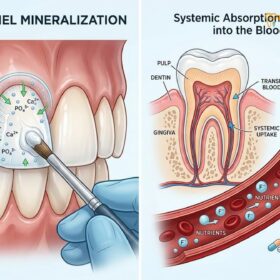
Furthermore, leading clinics have established direct, high-volume purchasing agreements with international dental laboratories and material manufacturers. By bypassing regional distributors and importing materials directly, they eliminate intermediary markups. For example, when sourcing materials for hydroxyapatite remineralization protocols or high-grade ceramic blocks for CAD/CAM milling, the clinic pays the global wholesale price and passes those savings directly to the patient.
The use of Platelet-Rich Fibrin (PRF) for bone grafting and surgical recovery[4] involves drawing the patient’s blood and processing it in a specialized centrifuge during the procedure. Because the clinical labor and facility costs are lower in Vietnam, advanced biological techniques like PRF can be offered as standard adjunctive therapies rather than expensive premium add-ons.
Important Clinical Considerations for International Patients
Traveling for dental care requires careful planning, comprehensive diagnostics, and an understanding of post-operative healing timelines.
While the financial benefits are compelling, international patients must prioritize clinical safety and proper treatment sequencing. Biological dentistry often involves complex procedures such as the surgical debridement of jawbone cavitations or full-mouth amalgam removal. These interventions require adequate healing time before a patient is cleared for international air travel. Changes in cabin pressure can affect recent surgical sites, making it imperative to follow the specific post-operative guidelines provided by your treating physician.
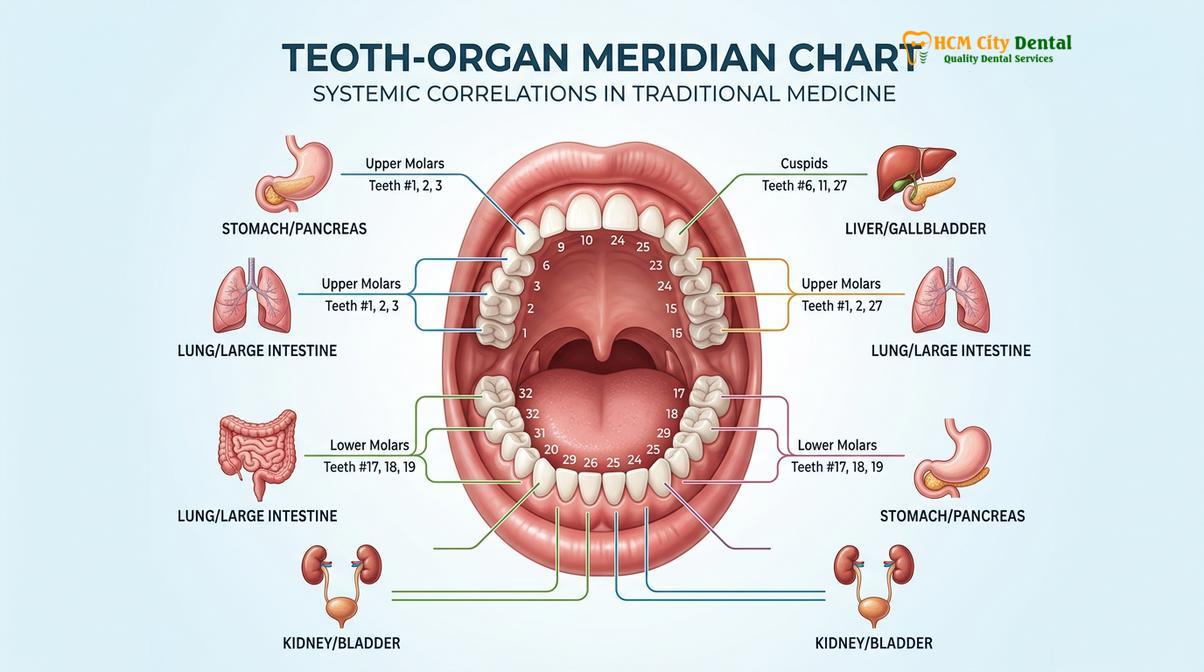
Knowing when to seek immediate clinical evaluation is vital for international patients. You should consult a biological dentist promptly if you experience severe localized pain, persistent swelling after an extraction, or systemic symptoms of metal toxicity linked to failing restorations. Addressing the TMJ posture connection and ensuring proper bite alignment during major restorative work is also critical to prevent long-term muscular discomfort.
Important Clinical Note: Always ensure your chosen facility strictly follows the Vietnam Ministry of Health (MOH) sterilization protocols[6] before undergoing invasive biological procedures. Verifying these standards helps prevent cross-contamination and ensures a safe healing environment.
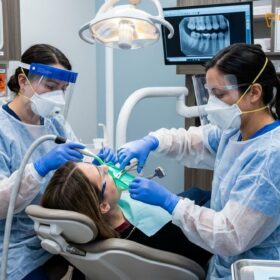
Patients should also ensure that their chosen facility adheres to strict infection control guidelines. Reputable clinics will transparently share their sterilization protocols and material certifications upon request. It is highly recommended to schedule a virtual consultation prior to booking flights, allowing the clinical team to review 3D CBCT scans and formulate a realistic timeline that accommodates both the surgical phase and the necessary recovery period.
Save 40% on Biological Treatments via WhatsApp Bookings
Bypassing medical tourism agencies and booking directly with the clinic via WhatsApp eliminates third-party commissions, maximizing your treatment savings.
The traditional model of medical tourism often involved third-party agencies that acted as intermediaries between the patient and the foreign clinic. While these agencies provided logistical support, they typically charged substantial commission fees. Today, the landscape has evolved, and savvy patients are leveraging direct communication channels to secure the best possible pricing.
Booking directly with a clinic via secure messaging platforms like WhatsApp has become the industry standard for international patients. This direct line of communication allows for immediate, transparent dialogue regarding treatment options, clinical protocols, and pricing. By eliminating the middleman, patients can access the clinic’s baseline fee schedule.
“Direct communication fosters a relationship built on clinical transparency and trust, ensuring that the patient is fully informed and comfortable with the proposed biological approach prior to their arrival.”
The direct booking process is highly streamlined. Patients typically initiate contact by sending a brief description of their dental history and their goals for biological treatment. The clinic’s international coordination team responds promptly, guiding the patient through the process of securely transmitting digital records to formulate a preliminary treatment plan.
Dental Tourism Savings Matrix: Travel Expenses vs. Treatment Savings
Even when factoring in international flights and premium accommodation, the net savings for extensive biological dental restorations in Vietnam remain overwhelmingly positive.
When evaluating the true cost of dental tourism, patients must conduct a comprehensive cost-benefit analysis that includes all travel-related expenses. The financial viability of traveling for healthcare depends heavily on the scope of the required treatment. For a single minor filling, the cost of a flight may negate the savings. However, for patients requiring extensive biological interventions, the mathematics heavily favor the journey.
Clinical Case Example:
A 45-year-old patient traveled from Sydney to HCMC Dental Clinic in Ho Chi Minh City presenting with systemic fatigue and suspected metal hypersensitivity. The treatment plan required the SMART removal of six large amalgam restorations, the surgical debridement of two jawbone cavitations, and the placement of two zirconia implants utilizing advanced tissue regeneration using PRF. The quoted cost in Australia exceeded $22,000 AUD. The total cost at the clinic in Vietnam was approximately $6,500 USD. Even after factoring in a 14-day stay in a luxury serviced apartment and round-trip airfare, the patient saved over $10,000 while receiving uncompromising biological care.
This matrix demonstrates that dental tourism is not merely about finding the cheapest option; it is about maximizing the value of healthcare expenditure. Patients are reallocating funds that would otherwise be absorbed by inflated Western medical costs toward premium, biocompatible treatments and a restorative travel experience.
Securing Insurance and VAT Invoices for Western Reimbursements
Reputable Vietnamese clinics provide comprehensive, internationally recognized billing documentation, including itemized VAT invoices and translated clinical notes for out-of-network insurance claims.
A critical component of the financial strategy for international patients involves leveraging their existing private health insurance. While domestic insurance policies rarely cover the entirety of biological treatments, many offer partial reimbursement for out-of-network or international care, particularly for major restorative procedures like crowns, extractions, or implants. Navigating this process requires meticulous documentation from the treating clinic.
To successfully process a claim, Western insurance providers demand specific, standardized paperwork. Top-tier clinics in Vietnam are well-versed in these requirements. Upon completion of the treatment, the clinic’s administrative team will generate a comprehensive dossier. This includes an official Value Added Tax (VAT) invoice, which serves as the legal proof of payment required by international financial institutions and tax authorities.
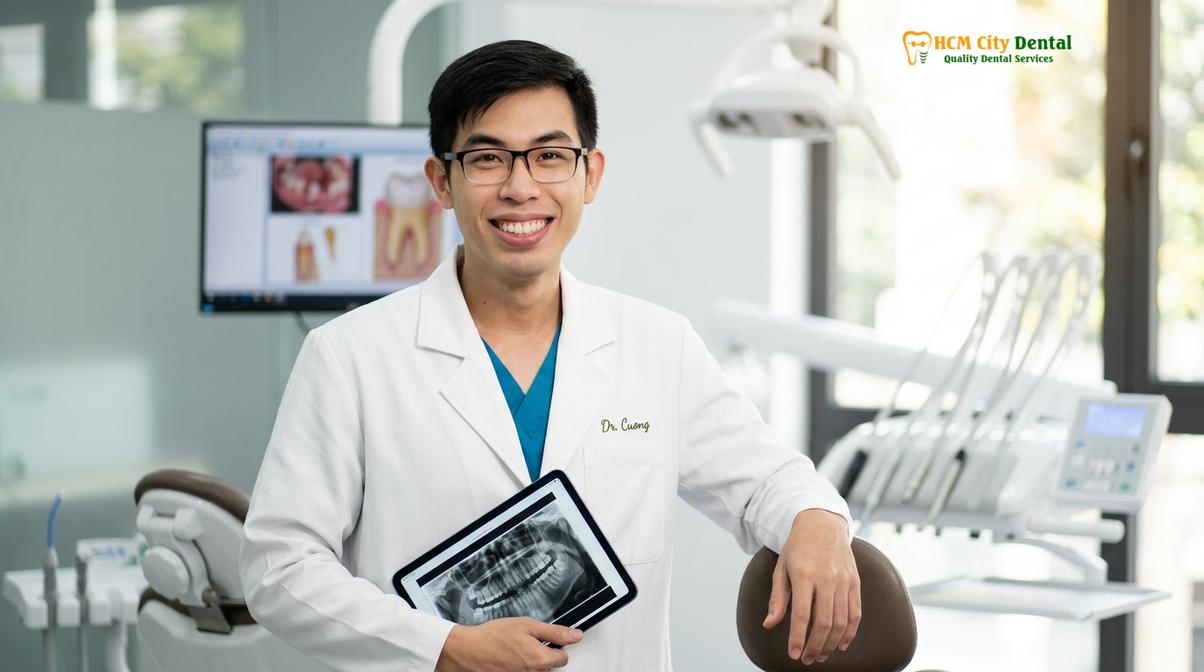
Under the clinical guidance of Dr. Nguyen Van Cuong, the team prioritizes biocompatible materials and minimally invasive techniques. Dr. Cuong ensures that every international patient receives a customized treatment plan, integrating holistic principles with advanced restorative procedures to support long-term oral and systemic health. This meticulous approach extends to the administrative support provided for international insurance claims, ensuring patients receive the necessary documentation for their holistic gum disease treatment and other biological therapies.
Furthermore, the invoice must be highly itemized. Insurance companies do not accept generic billing codes. The clinic will provide documentation that aligns with international standards, often utilizing the Current Dental Terminology (CDT) codes recognized by North American insurers, alongside detailed clinical notes translated into English. This level of administrative support is crucial for patients seeking to maximize their financial return on biological dental investments.
For comprehensive general dentistry and biological care, contact HCMC Dental Clinic in Ho Chi Minh City to schedule your consultation and begin your journey toward optimal oral health.
References
- Journal of Oral and Maxillofacial Surgery. Biocompatibility of zirconium dioxide dental implants.
- International Journal of Oral and Maxillofacial Surgery. Safe Mercury Amalgam Removal Technique (SMART) protocol guidelines.
- British Dental Journal. Ozone therapy in restorative dentistry: a clinical review.
- Journal of the American Dental Association. Platelet-rich fibrin (PRF) in oral surgery and bone grafting.
- Clinical Oral Investigations. Titanium allergy and metal hypersensitivity in dental implantology.
- Vietnam Ministry of Health (MOH). National Guidelines on Infection Control in Odonto-Stomatology Facilities.
For pricing, booking, and a free clinical assessment, visit our Biological Dentistry service page at HCMC Dental Clinic in Ho Chi Minh City.