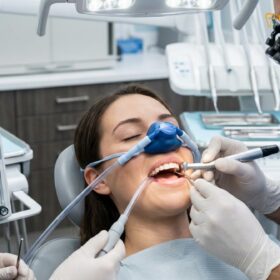
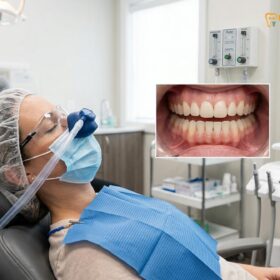
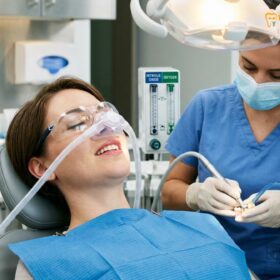
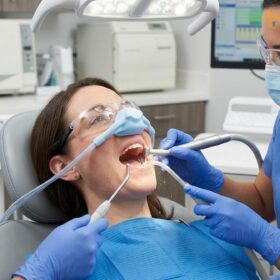
Navigating the complexities of dental sedation pregnancy breastfeeding requires a delicate balance between managing maternal oral health and ensuring absolute safety for the developing fetus or nursing infant. While routine local anesthesia is widely considered safe, systemic dental sedation is generally contraindicated for elective procedures during gestation and requires careful pharmacokinetic timing during lactation.
Clinical Summary:
The administration of systemic sedatives during pregnancy and lactation presents unique pharmacological challenges. Elective dental sedation—including intravenous and oral conscious sedation—is typically deferred until postpartum due to teratogenic risks and potential fetal respiratory depression. The second trimester remains the safest window for necessary dental interventions using standard local anesthetics. For nursing mothers, the transfer of sedatives into breast milk depends on the drug’s lipid solubility, protein binding, and half-life. Modern clinical consensus indicates that breastfeeding can safely resume once the mother is fully alert following the administration of short-acting sedatives, while nitrous oxide poses virtually no risk to the nursing infant due to its rapid pulmonary elimination.
Key Takeaways:
- Elective systemic dental sedation is contraindicated during all trimesters of pregnancy.
- Local anesthetics, such as lidocaine with epinephrine, are safe and highly effective for pregnant patients.
- The second trimester is the optimal period for performing necessary dental treatments.
- Nitrous oxide is rapidly eliminated and is considered safe for breastfeeding mothers immediately after the procedure.
- Mothers receiving oral or IV sedation should wait until they are fully awake and alert before resuming breastfeeding.
- Multidisciplinary consultation between the dentist and obstetrician is mandatory for emergency sedation cases.
Dental Sedation Safety During Pregnancy by Trimester
Dental sedation safety fluctuates significantly across trimesters, with the second trimester being the safest window for necessary treatments, while the first and third trimesters present elevated risks for fetal development and maternal complications.
The physiological adaptations that occur during pregnancy profoundly alter maternal pharmacokinetics and pharmacodynamics. These changes include increased cardiac output, expanded plasma volume, decreased functional residual capacity in the lungs, and altered hepatic enzyme activity. Consequently, the way a pregnant patient metabolizes and excretes dental sedation options is vastly different from a non-pregnant individual. Understanding these physiological shifts is paramount when evaluating pregnant dental sedation safety across the three distinct trimesters of gestation[1].
The First Trimester: Organogenesis and Teratogenic Risks
The first trimester (weeks 1 through 12) is the critical period of fetal organogenesis—the phase where the foundational structures of the fetus’s organs and central nervous system are actively forming. During this highly sensitive window, the introduction of systemic pharmacological agents, including oral and intravenous sedatives, carries the highest risk of teratogenicity (causing congenital malformations) and spontaneous abortion.
Because many sedative medications cross the placental barrier, their use is strictly contraindicated for elective dental procedures during this time. Even the use of nitrous oxide (laughing gas) is highly controversial and generally avoided in the first trimester. Prolonged exposure to nitrous oxide has been shown to inhibit methionine synthase, an enzyme crucial for DNA synthesis and vitamin B12 metabolism, which theoretically poses a risk to rapidly dividing fetal cells[2]. Therefore, unless a patient presents with a life-threatening dental emergency, such as severe facial cellulitis or trauma, all forms of systemic sedation are deferred.
The Second Trimester: The Optimal Treatment Window
Spanning weeks 13 through 27, the second trimester is universally recognized by obstetricians and dental professionals as the safest period to perform necessary dental work. By this stage, fetal organogenesis is largely complete, significantly reducing the risk of drug-induced congenital anomalies. Furthermore, the mother has typically overcome the nausea and vomiting characteristic of early pregnancy, and the uterus has not yet enlarged enough to cause severe physical discomfort or vascular compression while lying in the dental chair.
While elective systemic sedation remains generally unadvised, this is the ideal time to address active dental infections, perform necessary extractions, or complete restorative work using safe local anesthetics. If a patient experiences severe dental anxiety pregnancy symptoms during this trimester, non-pharmacological behavioral management techniques are prioritized. In rare, severe emergencies where sedation is unavoidable, it is performed under strict multidisciplinary supervision, utilizing the lowest effective dose of short-acting agents[1].
The Third Trimester: Hemodynamic Challenges and Preterm Labor
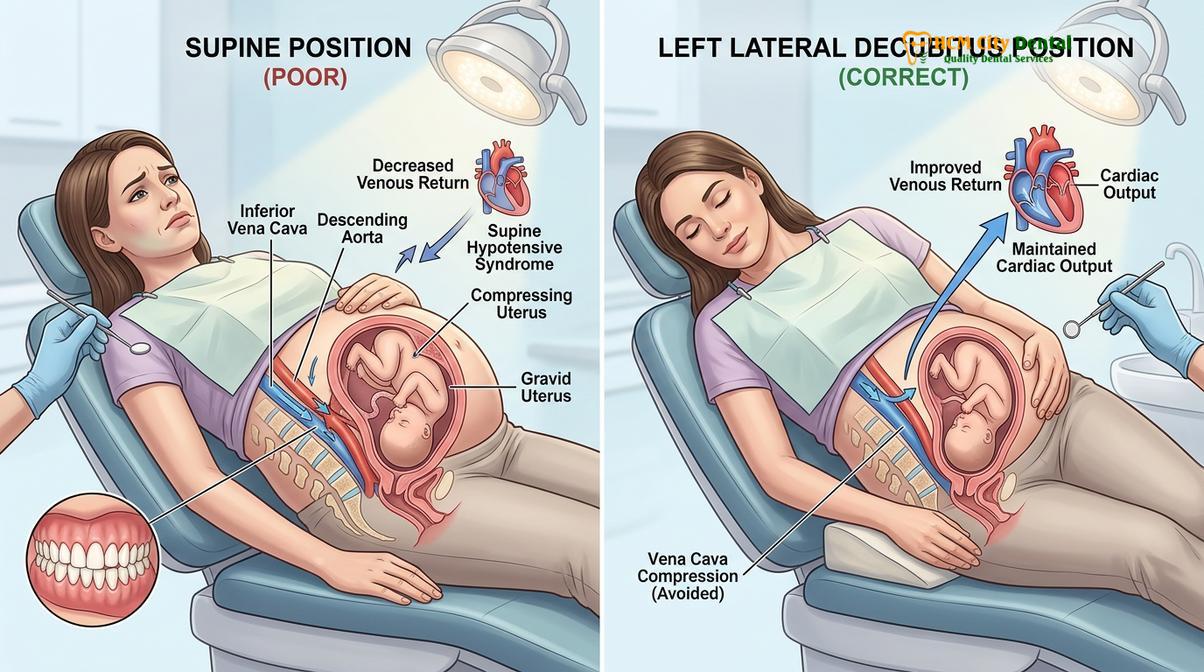
The third trimester (week 28 until birth) introduces significant mechanical and hemodynamic challenges. As the fetus grows, the enlarged uterus can compress the inferior vena cava when the mother lies flat on her back in the dental chair. This compression reduces venous return to the heart, leading to supine hypotensive syndrome—characterized by a sudden drop in maternal blood pressure, dizziness, nausea, and potentially compromised placental blood flow.
To mitigate this risk, pregnant patients in their third trimester must be positioned in a semi-reclined state with a wedge placed under their right hip to tilt the uterus to the left (left lateral decubitus position). Beyond positioning challenges, the administration of systemic sedatives during the late third trimester carries the risk of inducing premature labor or causing central nervous system depression in the newborn if delivery occurs shortly after administration. Consequently, routine dental care is often postponed until after delivery, and emergency care focuses on pain relief and infection control using local anesthesia[2].
Which Sedation Methods Are Contraindicated?
Most systemic sedation methods, including intravenous propofol and oral benzodiazepines, are contraindicated during pregnancy due to their ability to cross the placenta and potentially cause fetal respiratory depression or developmental anomalies.
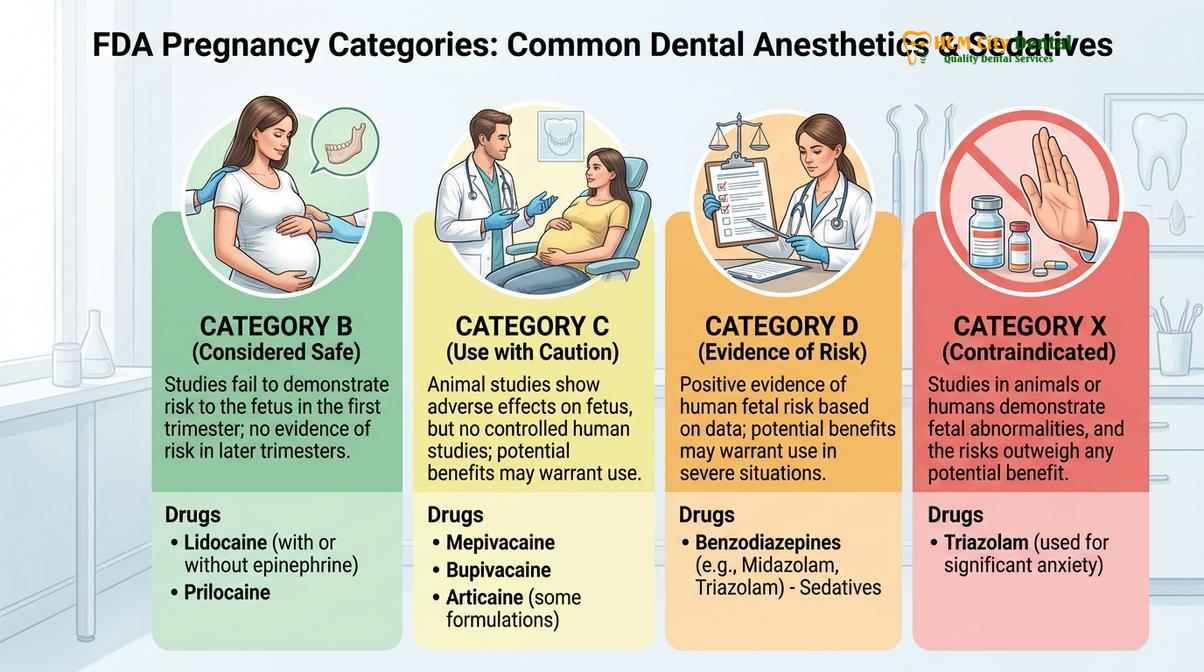
When evaluating the safety of pharmacological agents in pregnant patients, clinicians historically relied on the FDA Pregnancy Risk Categories (A, B, C, D, and X). Although the FDA has transitioned to the more descriptive Pregnancy and Lactation Labeling Rule (PLLR), the legacy categories still provide a useful framework for understanding the relative risks of various sedatives and anesthetics.
Intravenous (IV) Sedation
Intravenous conscious sedation, which typically utilizes agents such as midazolam, propofol, or fentanyl, is generally contraindicated for elective dental procedures during pregnancy. These medications are highly lipophilic, allowing them to rapidly cross the placental barrier and enter the fetal circulation.
Midazolam, a common benzodiazepine used in IV sedation, is known to cause central nervous system depression in the fetus. If administered near term, it can result in “floppy infant syndrome,” characterized by hypotonia, lethargy, and respiratory depression in the newborn. Propofol, while having a rapid onset and clearance in the mother, can also cause maternal hypotension, which subsequently reduces uteroplacental perfusion and compromises fetal oxygenation. Therefore, IV sedation is reserved strictly for severe maxillofacial emergencies where the risk of maternal systemic infection outweighs the pharmacological risks to the fetus[3].
Clinical Warning: Elective oral and intravenous sedation must be strictly avoided during all stages of pregnancy. Patients must inform their dental provider of their pregnancy status, even if they are only in the earliest weeks of gestation, to prevent accidental exposure to teratogenic medications.
Oral Conscious Sedation
Oral sedation relies heavily on benzodiazepines, such as diazepam (Valium), lorazepam (Ativan), and triazolam (Halcion). These medications are classified as having definitive risks during pregnancy. Early studies suggested a potential link between first-trimester diazepam exposure and an increased risk of oral clefts (cleft lip and palate), though modern data suggests the absolute risk is relatively low. Nevertheless, due to the potential for fetal dependency, withdrawal symptoms, and respiratory depression, oral sedation dentistry protocols dictate that these medications should not be prescribed to pregnant patients for routine dental anxiety management[1].
Nitrous Oxide (Laughing Gas)
The use of nitrous oxide during pregnancy remains a subject of clinical debate. While it is not metabolized by the body and is rapidly exhaled, its mechanism of action involves the oxidation of the cobalt ion in vitamin B12, which temporarily inactivates the enzyme methionine synthase. This enzyme is vital for folate metabolism and DNA synthesis.
Because of this interference, nitrous oxide is strictly avoided during the first trimester. In the second and third trimesters, if a patient requires an emergency procedure and cannot tolerate it under local anesthesia alone, nitrous oxide may occasionally be used. However, strict protocols must be followed: it must be administered concurrently with at least 50% oxygen, the duration of exposure must be kept to an absolute minimum (typically under 30 minutes), and the dental operatory must be equipped with an active scavenging system to minimize ambient gas exposure[4].
| Medication Type | Common Agents | Pregnancy Safety Profile | Clinical Recommendation |
|---|---|---|---|
| Local Anesthesia | Lidocaine, Prilocaine | Generally Safe (Category B) | First-line choice for pain management; safe in all trimesters. |
| Local Anesthesia | Bupivacaine, Mepivacaine | Use with Caution (Category C) | Used only if benefits outweigh risks; Lidocaine is preferred. |
| Inhalation Sedation | Nitrous Oxide | Controversial | Avoid in 1st trimester; use with >50% O2 for short durations if essential. |
| Oral Sedation | Diazepam, Triazolam | Contraindicated (Category D/X) | Strictly avoid for elective procedures due to fetal risks. |
| IV Sedation | Midazolam, Propofol | Contraindicated | Reserved strictly for severe, life-threatening maxillofacial emergencies. |
Safe Alternatives for Anxious Pregnant Patients
For pregnant patients experiencing dental anxiety, safe alternatives include the use of profound local anesthesia, comprehensive behavioral management techniques, and a supportive, communicative clinical environment.
Managing dental anxiety pregnancy cases requires a paradigm shift from pharmacological intervention to psychological and behavioral support. Because systemic sedatives are off the table for elective care, dental professionals must employ alternative strategies to ensure the patient remains comfortable, relaxed, and hemodynamically stable throughout the procedure.
The Safety of Local Anesthesia
The cornerstone of safe dental care during pregnancy is profound local anesthesia. Lidocaine, the most commonly used dental anesthetic, is considered highly safe during pregnancy. It does not produce systemic sedation and has a well-documented safety profile regarding fetal development.
A common concern among expectant mothers is the inclusion of epinephrine (adrenaline) in local anesthetic cartridges. Epinephrine is a vasoconstrictor used to prolong the numbing effect and reduce bleeding. At the low concentrations used in dentistry (typically 1:100,000 or 1:200,000), the amount of epinephrine administered is negligible compared to the endogenous adrenaline the mother’s body would naturally release if she were to experience severe pain or stress during an unanesthetized procedure. Therefore, using local anesthesia with epinephrine is not only safe but highly recommended to prevent stress-induced complications[2].
Behavioral and Psychological Management
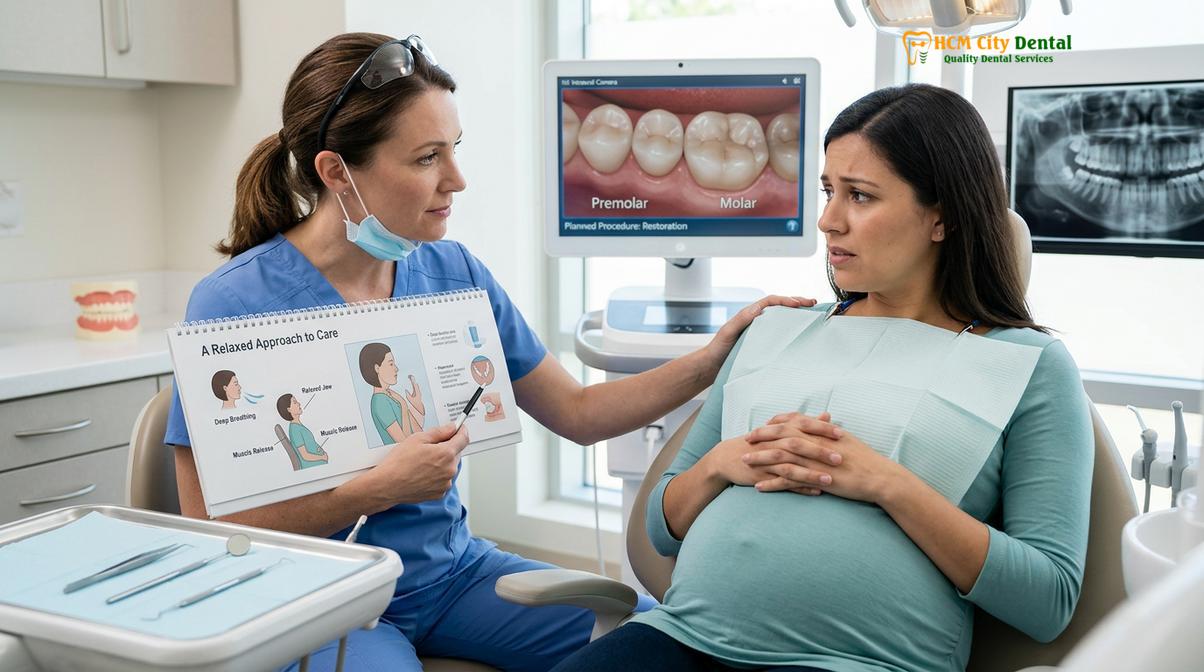
Without the aid of sedatives, clinicians rely heavily on behavioral management to mitigate anxiety. Techniques such as “Tell-Show-Do,” where the dentist explains the procedure, demonstrates the instruments, and then performs the action, help demystify the process and reduce fear of the unknown.
Patients are encouraged to utilize deep breathing exercises, progressive muscle relaxation, and distraction techniques, such as listening to calming music or podcasts through noise-canceling headphones. Establishing a clear signal—such as raising a hand—allows the patient to pause the procedure at any time, granting them a crucial sense of control over their environment. Before the appointment, patients can even take a dental anxiety scale test to help the clinical team understand the severity of their fear and tailor the approach accordingly.
“In our practice, managing the expectant mother involves treating both the physical symptoms and the emotional apprehension. By ensuring profound local anesthesia and maintaining constant, empathetic communication, we can safely guide patients through necessary procedures without exposing the fetus to the risks of systemic sedation.”
— Dr. Nguyen Van Cuong, Clinical Director
For patients requiring general dentistry procedures, breaking the treatment down into shorter, more manageable appointments can also prevent physical fatigue and reduce the time spent in the dental chair, further enhancing maternal comfort.
Dental Sedation While Breastfeeding
Dental sedation while breastfeeding is generally safe, provided that mothers wait until they are fully awake and alert before nursing, as most modern sedatives have short half-lives and transfer into breast milk in clinically insignificant amounts.
The postpartum period brings a different set of pharmacological considerations. When evaluating breastfeeding dental anesthesia and sedation, the primary concern shifts from teratogenicity to the transfer of drugs into human milk and their potential effect on the nursing infant. The extent to which a medication enters breast milk depends on its molecular weight, lipid solubility, protein binding affinity, and maternal plasma concentration.
Pharmacokinetics in Lactation
The alveolar cells of the mammary glands act as a semi-permeable barrier. Drugs that are highly lipid-soluble and have low molecular weights tend to pass into breast milk more easily. However, the actual dose that the infant receives—known as the Relative Infant Dose (RID)—is usually a tiny fraction of the maternal dose. For most dental sedatives, the RID falls well below the 10% threshold considered safe for nursing infants[5].
Nitrous Oxide and Breastfeeding
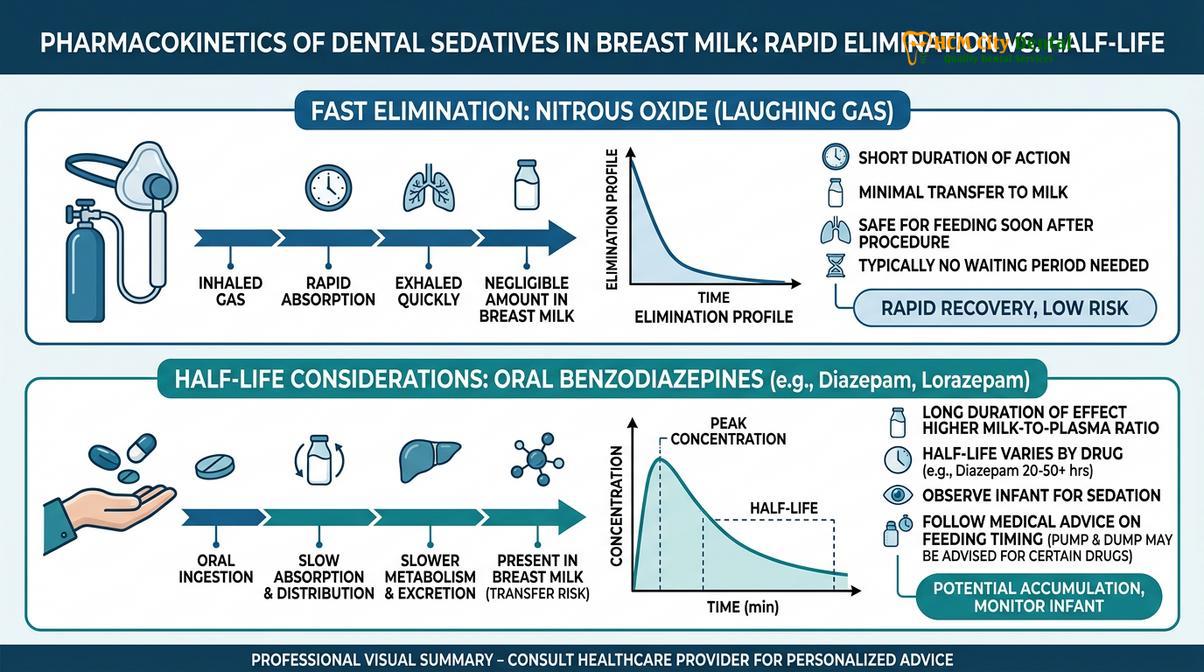
Nitrous oxide is exceptionally safe for breastfeeding mothers. Because it is an insoluble gas, it does not bind to proteins or lipids in the blood. The moment the administration of nitrous oxide ceases and the patient breathes 100% oxygen, the gas is rapidly expelled from the body through the lungs. Within minutes, the maternal blood levels of nitrous oxide drop to zero. Consequently, there is virtually no transfer of the gas into breast milk, and mothers can safely nurse their infants immediately after the dental appointment concludes[4].
Oral and Intravenous Sedation in Nursing Mothers
The use of oral benzodiazepines (like midazolam or triazolam) and intravenous agents (like propofol) requires slightly more caution, but they are not absolute contraindications for nursing mothers. Propofol, for instance, is highly lipophilic and does enter breast milk, but it has an extremely short half-life and is rapidly cleared from the maternal bloodstream. Furthermore, any trace amounts ingested by the infant undergo first-pass metabolism in the infant’s liver, rendering the drug inactive before it can affect the central nervous system.
Historically, mothers were advised to “pump and dump” their breast milk for 24 hours following sedation. However, modern evidence-based guidelines from pharmacological and pediatric authorities suggest this is largely unnecessary for single-dose procedural sedation. The current clinical consensus is that once the mother has recovered sufficiently from the sedation to be fully awake, alert, and capable of safely holding her infant, it is safe to resume breastfeeding[5].
Clinical Case Study: Managing a Nursing Mother’s Extraction
A 32-year-old patient presented to HCMC Dental Clinic in Ho Chi Minh City requiring the urgent surgical extraction of an impacted, infected wisdom tooth. She was currently breastfeeding her 4-month-old infant and suffered from severe dental phobia. After a thorough consultation, the clinical team opted for intravenous conscious sedation using a low dose of midazolam and propofol. The patient was advised to nurse her infant immediately before the appointment. Following the successful 45-minute procedure, she rested in the recovery suite. Two hours later, once she was fully alert, ambulatory, and exhibiting no signs of drowsiness, she was cleared to safely resume her normal breastfeeding schedule without the need to discard any milk.
It is also worth noting that local anesthetics, such as lidocaine and bupivacaine, are highly protein-bound and have poor oral bioavailability. They are considered entirely safe for breastfeeding mothers, and no interruption of nursing is required following standard local anesthesia.
When Emergency Dental Sedation Is Necessary
In cases of severe maxillofacial trauma or spreading odontogenic infections during pregnancy, emergency dental sedation may be necessary and is performed under strict multidisciplinary collaboration between the dental surgeon and the obstetrician.
While the general rule is to avoid systemic sedation during pregnancy, clinical reality occasionally presents scenarios where the risk of withholding treatment far outweighs the pharmacological risks of sedation. Severe, spreading odontogenic infections (such as Ludwig’s angina), facial cellulitis, or significant maxillofacial trauma can lead to maternal sepsis, severe pain, and systemic inflammation—all of which pose a direct and immediate threat to fetal viability.
The Multidisciplinary Approach
In these critical situations, a multidisciplinary approach is mandatory. The dental surgeon must consult directly with the patient’s obstetrician to evaluate the maternal-fetal risk profile. If surgical intervention is required and the patient cannot tolerate the procedure under local anesthesia due to severe infection (which can neutralize local anesthetics) or extreme dental anxiety symptoms, a carefully tailored sedation protocol is developed.
This protocol typically involves treatment in a hospital setting or a highly equipped surgical suite. Continuous fetal monitoring may be employed if the patient is in the third trimester. The anesthesia team will select drugs with the shortest half-lives and administer the lowest effective doses to achieve the necessary level of sedation while maintaining maternal respiratory drive and hemodynamic stability[6].
“When faced with a severe maternal infection, our primary duty is to stabilize the mother, as fetal distress is an inevitable consequence of maternal sepsis. In these rare emergency cases, coordinated care with obstetric specialists ensures that any required sedation is administered with the utmost precision and safety.”
— Dr. Nguyen Van Cuong
Post-operative care in these scenarios also requires careful selection of analgesics and antibiotics. While acetaminophen is generally safe for pain management, NSAIDs like ibuprofen are typically avoided in the third trimester due to the risk of premature closure of the fetal ductus arteriosus. Penicillin and cephalosporin antibiotics are generally considered safe for managing the underlying infection.
When to See a Doctor
Maintaining optimal oral health during pregnancy and lactation is crucial for both maternal well-being and infant health. Hormonal fluctuations during pregnancy can increase the risk of gingivitis and periodontal disease, making regular dental check-ups essential. You should seek immediate clinical evaluation if you experience any of the following red flags:
- Severe, throbbing tooth pain that disrupts sleep or daily activities.
- Visible swelling in the gums, face, or neck, which may indicate a spreading infection.
- Bleeding gums that do not resolve with standard oral hygiene practices.
- A broken or fractured tooth resulting from trauma.
- Signs of systemic illness, such as a fever or chills, accompanying dental pain.
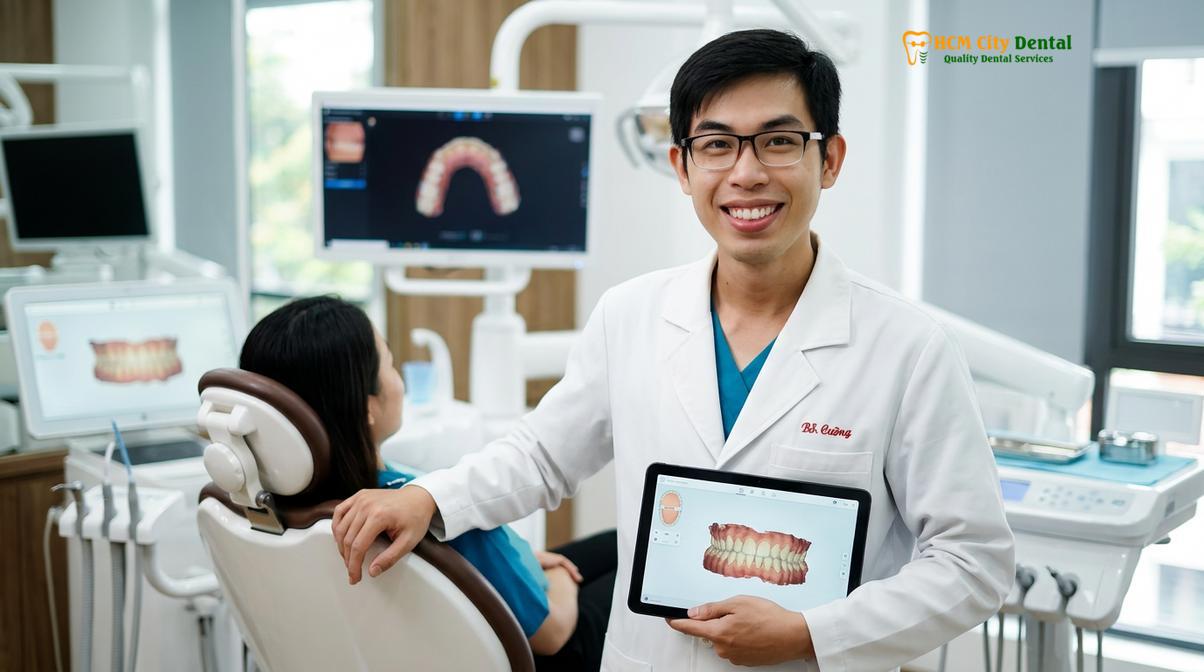
If you are pregnant or breastfeeding and require dental care, do not let fear delay your treatment. At HCMC Dental Clinic in Ho Chi Minh City, our experienced clinical team is dedicated to providing safe, compassionate, and evidence-based care tailored to the unique physiological needs of expectant and nursing mothers. We encourage you to schedule a consultation to discuss your specific situation, explore safe pain management options, and learn more about how to overcome dental fear safely during this critical time in your life.
Frequently Asked Questions
Can I receive dental sedation while pregnant?
Elective dental sedation is generally contraindicated during pregnancy due to potential risks to fetal development. However, local anesthesia is perfectly safe, and in severe dental emergencies, specific sedation protocols may be utilized under strict obstetric guidance to prevent maternal systemic infection. Routine procedures requiring sedation should be postponed until after delivery.
Is nitrous oxide safe during pregnancy?
Nitrous oxide is highly controversial and generally avoided during the first trimester due to its potential interference with DNA synthesis. If absolutely necessary for an emergency procedure in the second or third trimester, it must be administered with at least 50% oxygen and for the shortest duration possible, utilizing proper scavenging systems.
When is the safest trimester for dental sedation?
The second trimester is universally considered the safest window for any necessary dental procedures, including those requiring mild intervention. During this period, fetal organogenesis is complete, and the mother is at a lower risk for supine hypotensive syndrome compared to the third trimester, making it the optimal time for essential care.
Can dental sedation medications pass into breast milk?
Yes, most systemic sedative medications can pass into breast milk in varying trace amounts. However, drugs like nitrous oxide are eliminated rapidly from the bloodstream, and modern guidelines suggest that mothers can safely resume breastfeeding once they are fully awake and alert after receiving short-acting sedatives, without the need to “pump and dump.”
What should I tell my dentist if I am pregnant?
You must inform your dentist about your exact week of gestation, any high-risk pregnancy factors, and all prenatal vitamins or medications you are currently taking. This critical information allows the clinical team to adjust treatment plans, select safe anesthetics, avoid contraindicated medications, and coordinate care with your obstetrician if necessary.
References
- Journal of the American Dental Association. Safety of local anesthesia and sedation during pregnancy. (2022).
- American College of Obstetricians and Gynecologists. Oral health care during pregnancy and through the lifespan. (2021).
- Journal of Human Lactation. Transfer of sedative and anesthetic drugs into human milk. (2020).
- British Dental Journal. Nitrous oxide inhalation sedation in dentistry: a review of safety. (2019).
- International Journal of Obstetric Anesthesia. Pharmacokinetics of midazolam and propofol in lactating women. (2023).
- Clinical Oral Investigations. Managing dental anxiety in pregnant and breastfeeding patients. (2018).
For pricing, booking, and a free clinical assessment, visit our Sedation Dentistry service page at HCMC Dental Clinic in Ho Chi Minh City.