The sedation dentistry cost in Vietnam typically ranges from $20 for minimal nitrous oxide inhalation to $150–$300 per hour for deep intravenous (IV) sedation. These highly competitive rates allow international patients to access safe, anxiety-free dental care administered by board-certified anesthesiologists at a fraction of standard Western medical prices.
Clinical Summary:
Dental sedation in Vietnam offers a highly regulated, cost-effective solution for patients experiencing dental anxiety or undergoing complex oral surgeries. The pricing structure is transparent, categorized by the modality of sedation: minimal inhalation (nitrous oxide), moderate oral sedation, and deep intravenous (IV) anesthesia. Clinical protocols dictate that IV sedation requires a dedicated anesthesiologist, continuous vital sign monitoring, and specialized equipment, which forms the bulk of the procedural fee. Despite the rigorous safety standards mirroring international guidelines, the overall financial burden remains significantly lower than in countries like Australia or the United States. This affordability is driven by lower operational overhead and integrated clinical care models, ensuring that patients receive premium, anxiety-free dental treatments without compromising on medical safety or clinical efficacy.
Key Takeaways:
- Nitrous oxide (laughing gas) is the most affordable sedation option, ideal for managing mild to moderate clinical anxiety.
- Intravenous (IV) sedation requires the presence of a certified medical anesthesiologist and continuous multiparameter monitoring.
- Anesthesia fees are strictly billed as supplementary services, separate from the core dental treatment costs.
- International patients can frequently save up to 70% on specialized anesthesia fees compared to Western dental clinics.
- Comprehensive pre-anesthesia medical evaluations and airway assessments are mandatory for all IV sedation cases to ensure patient safety.
Overview of Dental Sedation Pricing in Vietnam
Dental sedation pricing in Vietnam is systematically structured around the specific pharmacological method utilized, the total duration of the procedure, and the required clinical personnel.
The landscape of dental tourism has evolved significantly, with Vietnam emerging as a premier destination for complex oral rehabilitations. A major factor driving this trend is the highly accessible sedation dentistry cost in Vietnam. For patients requiring extensive surgical interventions—such as full-arch implant placements, impacted wisdom tooth extractions, or complex bone grafting—the ability to undergo these procedures while completely relaxed is paramount. In Western healthcare systems, the addition of clinical anesthesia can often double the total treatment invoice. However, in Ho Chi Minh City, the integration of specialized anesthesiology within modern dental practices allows for a much more streamlined and cost-effective patient experience.[1]
When evaluating the saigon sleep dentistry price, it is essential to understand that the cost is a direct reflection of the clinical resources deployed. Minimal sedation techniques, which can be safely administered by a certified dentist, carry very low overhead. Conversely, deep sedation requires a multidisciplinary approach. At leading institutions like HCMC Dental Clinic, the protocol mandates that a separate, board-certified medical anesthesiologist manages the patient’s airway and hemodynamics while the dental surgeon focuses entirely on the operative field. This dual-provider model is the gold standard for patient safety, yet it remains highly affordable due to the regional economic structure.
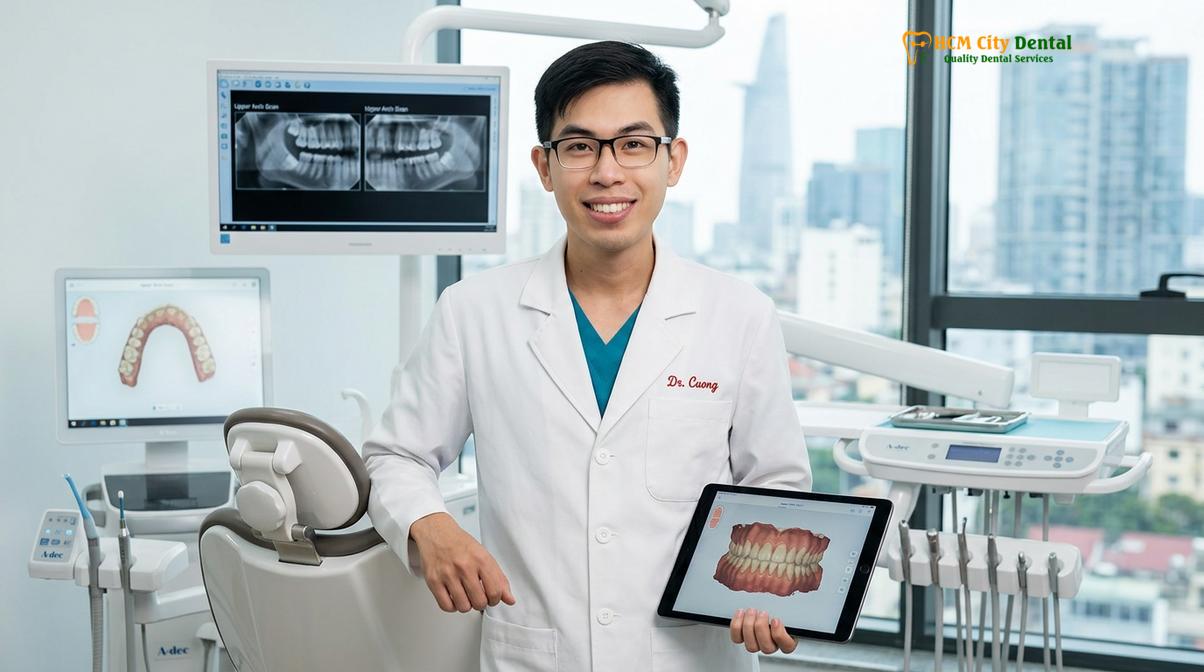
Dr. Nguyen Van Cuong, a leading expert in complex oral surgery, emphasizes that financial constraints should never be a barrier to anxiety-free care. “Our goal is to provide a clinical environment where patients do not have to choose between their comfort and their budget,” notes Dr. Cuong. “By maintaining in-house anesthesiology teams, we significantly reduce the logistical costs typically associated with hospital-based sedation.” This philosophy is deeply embedded in the comprehensive general dentistry services offered throughout the region, ensuring that even routine procedures can be performed under optimal comfort levels.
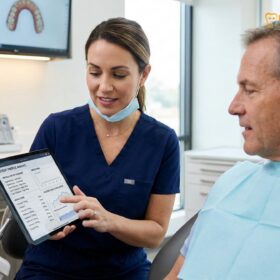
Furthermore, the pricing models are highly transparent. Patients receive detailed treatment plans that separate the surgical fees from the anesthesia costs. This clarity allows international visitors to accurately calculate their potential savings before booking their flights. For individuals who suffer from severe dental phobia, understanding these costs upfront is often the first step in overcoming their avoidance of necessary medical care. Clinics routinely utilize clinical dental anxiety scale assessments to determine the most appropriate and cost-effective level of sedation for each unique patient profile.[2]
Sedation Price List: Nitrous Oxide, Oral Pill, and IV Setup
The cost of dental sedation varies significantly by modality: inhalation sedation is highly affordable, while IV sedation incurs higher fees due to the necessity of an anesthesiologist.
To fully comprehend the financial aspects of anxiety management in dentistry, one must examine the specific pharmacological modalities available. Each level of sedation requires different medications, monitoring equipment, and professional expertise, all of which dictate the final price point.
Minimal Sedation: Nitrous Oxide (Laughing Gas)
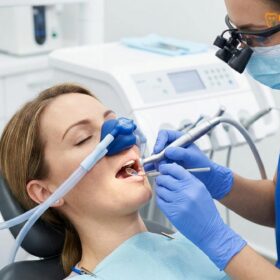
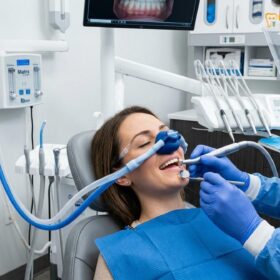
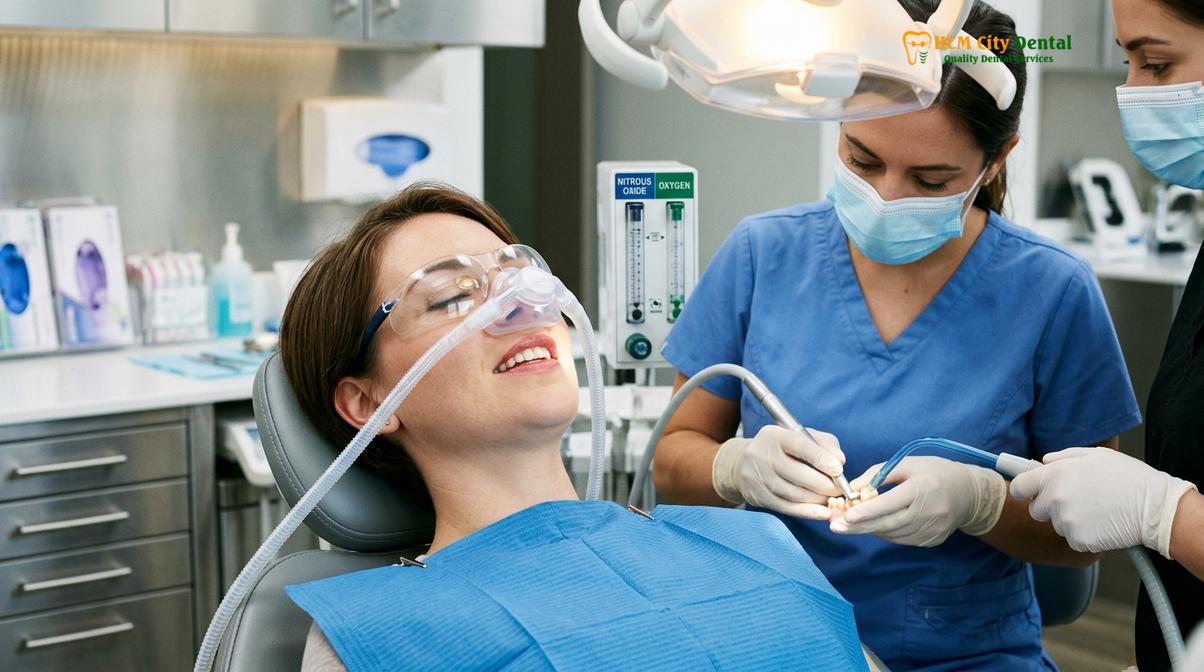
Nitrous oxide combined with oxygen is the most common and cost-effective form of minimal sedation. Administered via a nasal hood, it induces a state of mild euphoria and relaxation while allowing the patient to remain fully conscious and responsive. The laughing gas price dentist saigon typically ranges from $20 to $50 per session, depending on the duration of the appointment. Because the gas is rapidly eliminated from the pulmonary system once the mask is removed, patients recover within minutes and can safely navigate their day without a prolonged recovery period. This makes it an exceptionally efficient option for routine cleanings or simple restorations.[3]
Moderate Sedation: Oral Pharmacotherapy
Oral sedation involves the administration of prescription medications, typically from the benzodiazepine family (such as Triazolam, Diazepam, or Lorazepam), taken approximately one hour prior to the procedure. This method depresses the central nervous system, significantly reducing anxiety and often inducing a mild amnesic effect, meaning the patient may remember very little of the procedure. The cost for oral sedation is generally quite low, often ranging from $10 to $30 for the medication itself. However, because the onset and depth of sedation are less predictable than intravenous methods, it requires careful patient selection based on strict oral sedation dentistry protocols.
Deep Sedation: Intravenous (IV) Anesthesia
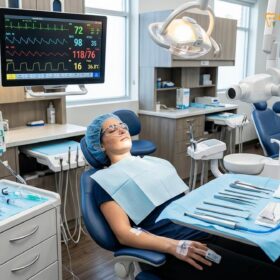
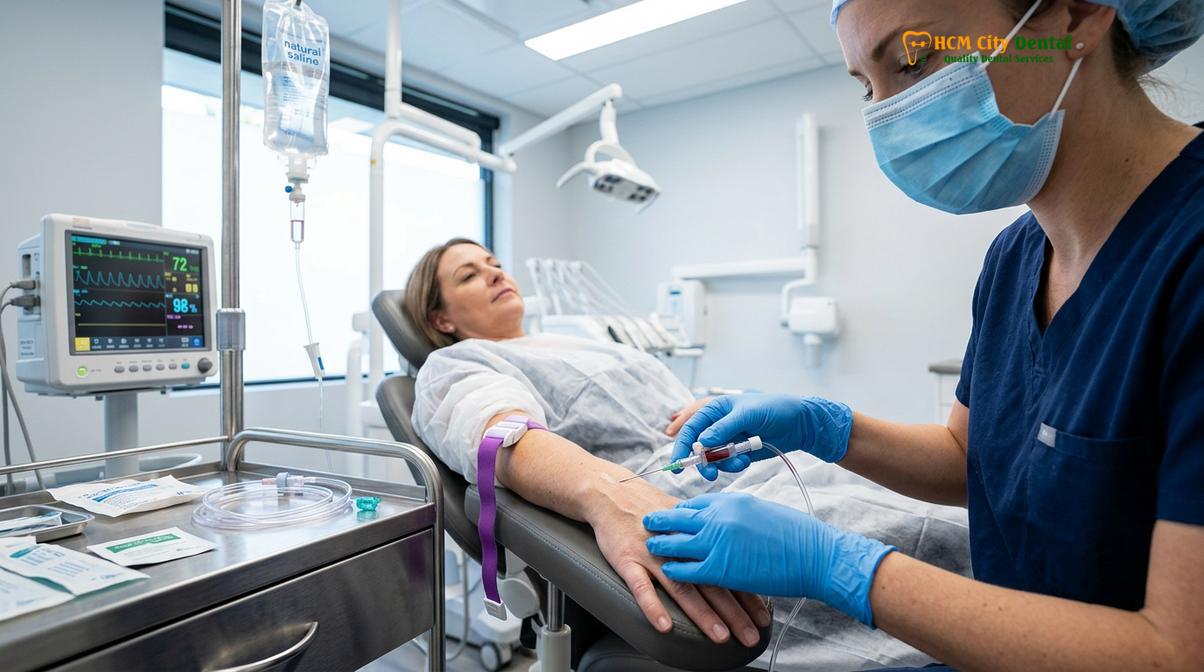
Intravenous sedation is the most profound level of conscious sedation available in an outpatient dental setting. Medications such as Propofol, Midazolam, and Fentanyl are titrated directly into the bloodstream, allowing for immediate onset and precise control over the depth of anesthesia. The iv sedation cost dentist HCMC generally ranges from $150 to $300 per hour. This higher fee is entirely justified by the clinical requirements: it mandates the continuous presence of a medical anesthesiologist, advanced multiparameter monitoring (including capnography and continuous electrocardiography), and access to a dedicated recovery suite.[4]
| Sedation Modality | Clinical Indication | Estimated Cost (USD) | Required Clinical Personnel |
|---|---|---|---|
| Nitrous Oxide (Inhalation) | Mild anxiety, routine procedures, pediatric care | $20 – $50 per session | Certified Dental Practitioner |
| Oral Sedation (Pill) | Moderate anxiety, longer restorative sessions | $10 – $30 per dose | Certified Dental Practitioner |
| Intravenous (IV) Sedation | Severe phobia, complex oral surgery, implants | $150 – $300 per hour | Board-Certified Anesthesiologist |
The Cost Structure of IV Anesthesia (Scheduling & Procedure)
Intravenous anesthesia costs encompass the pre-operative medical clearance, the anesthesiologist’s hourly clinical fee, and the specialized monitoring equipment utilized during surgery.
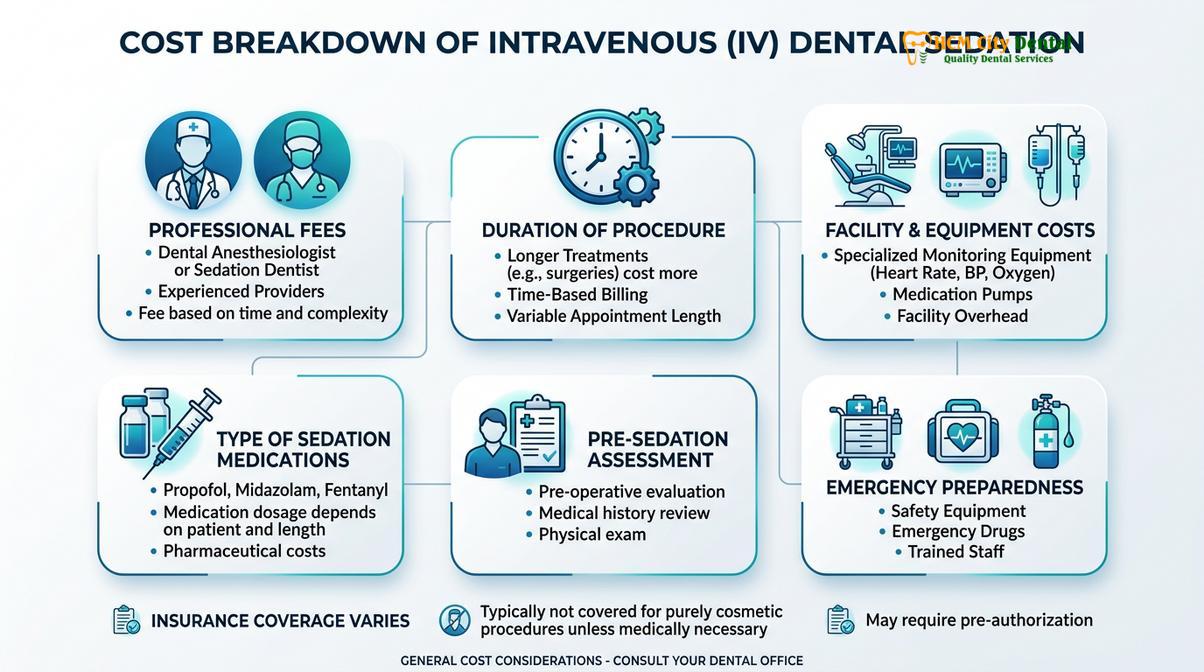
When patients review their treatment plans and see the hourly rate for IV sedation, it is crucial to understand the comprehensive clinical infrastructure that this fee supports. The cost of the actual pharmacological agents (the sedatives and analgesics) represents only a small fraction of the total expense. The primary cost driver is the specialized human capital and the rigorous safety protocols required to administer deep sedation safely in an outpatient dental environment.
The process begins long before the patient sits in the dental chair. A thorough pre-anesthesia medical evaluation is mandatory. This involves assessing the patient’s American Society of Anesthesiologists (ASA) physical status classification, reviewing their complete medical history, evaluating their airway anatomy (often using the Mallampati scoring system), and confirming their fasting (NPO) status. This meticulous preparation is vital for mitigating risks and ensuring that the patient is a suitable candidate for outpatient anesthesia. By accurately distinguishing between severe dental phobia and general anxiety, the clinical team can tailor the anesthetic plan to the patient’s specific physiological needs.
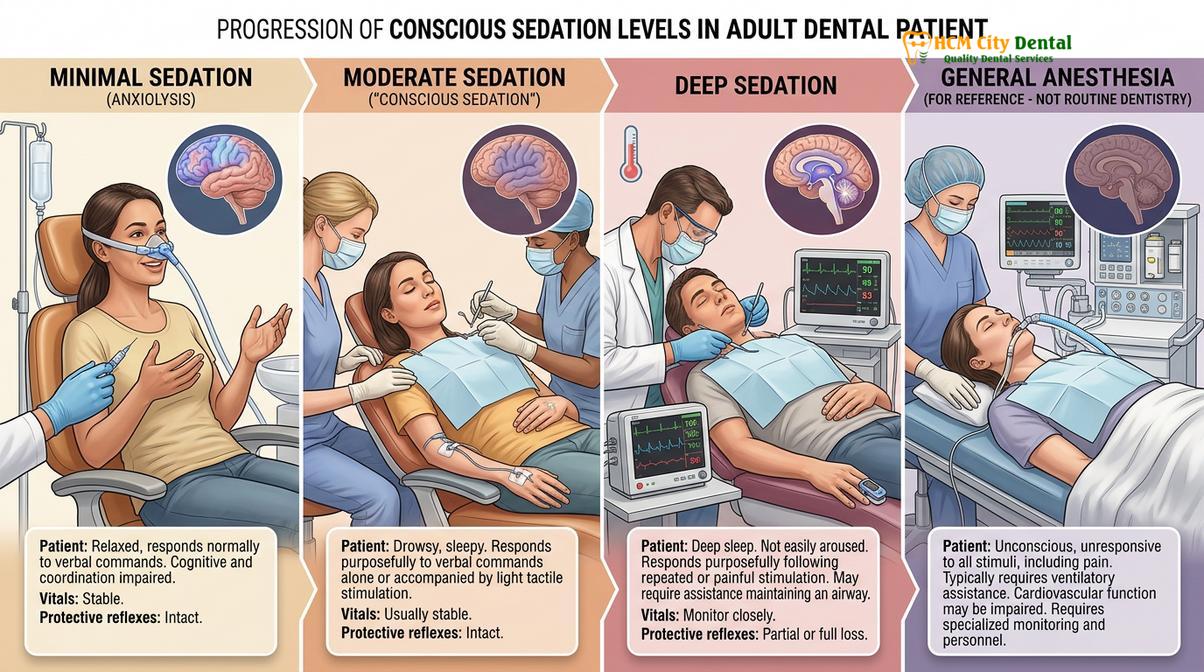
During the procedure, the anesthesiologist’s sole responsibility is the continuous monitoring and management of the patient’s vital signs. This requires sophisticated medical equipment that must be maintained, calibrated, and regularly updated. Standard monitoring includes continuous pulse oximetry (measuring blood oxygen saturation), non-invasive blood pressure cycling, electrocardiography (ECG) to monitor cardiac rhythm, and capnography (measuring end-tidal carbon dioxide) to ensure adequate ventilation. The hourly fee for IV sedation directly subsidizes the maintenance of this life-saving equipment and the expertise of the physician operating it.[5]
Furthermore, the cost structure includes the immediate post-operative phase. After the dental surgeon completes the procedure, the patient is transitioned to a dedicated recovery suite. Here, they are monitored by trained nursing staff until they meet strict clinical discharge criteria (such as the Aldrete score), ensuring they are fully alert, hemodynamically stable, and capable of returning to their accommodation safely. This comprehensive continuum of care is what makes the specialized specialized sedation dentistry services in Vietnam both highly safe and exceptionally valuable.
Comparing Anesthesia Costs: Vietnam vs. Western Countries
Patients traveling to Vietnam can expect to pay approximately 70% to 80% less for dental sedation compared to standard clinical rates in the US, UK, or Australia.
The stark contrast in healthcare pricing between Southeast Asia and Western nations is the primary catalyst for the booming dental tourism industry. When analyzing the cheap sedation dentistry vietnam offers, it is imperative to look at the macroeconomic factors that influence medical billing. In the United States or Australia, the cost of IV sedation can easily exceed $800 to $1,200 for a two-hour surgical appointment. In Ho Chi Minh City, the exact same pharmacological protocols, administered by equally qualified medical professionals using identical monitoring technology, typically cost between $300 and $600 for the same duration.
This massive price discrepancy is not indicative of lower quality care. Instead, it reflects the lower cost of living, significantly reduced administrative overhead, and vastly different medical malpractice insurance environments. In Western countries, a substantial portion of any medical fee is allocated to covering exorbitant liability insurance premiums and the complex administrative bureaucracy required to process multi-tiered insurance claims. Vietnamese dental hospitals operate with much leaner administrative structures, allowing them to pass these operational savings directly to the patient.
“The globalization of healthcare has demonstrated that high-fidelity clinical outcomes are not exclusively tied to high-cost geographic regions. Standardized protocols in outpatient anesthesia, when strictly adhered to, yield equivalent safety profiles regardless of the economic environment in which they are practiced.”
Additionally, the integrated clinic model prevalent in Vietnam contributes to cost efficiency. In many Western settings, a patient might need to visit a separate surgical center or hospital to receive deep IV sedation, incurring substantial facility fees on top of the professional fees. Premium clinics in Vietnam are designed as comprehensive dental hospitals, featuring in-house surgical suites equipped to hospital standards. This eliminates external facility fees entirely. For patients researching strategies to overcome dental fear, the realization that they can access top-tier, hospital-grade sedation without the crippling financial burden is often a major relief.
How Core Dental Discounts (-40%) Make Sedation Highly Affordable
Many clinics offer bundled treatment packages where significant discounts on core dental procedures offset the supplementary costs of specialized sedation.
When planning extensive dental work abroad, patients must look at the total aggregate cost of the treatment plan rather than isolating individual line items. While the hourly rate for an anesthesiologist is a fixed clinical cost, the overall financial impact of adding sedation is often neutralized by the substantial discounts available on the core dental procedures themselves. High-volume, premium dental centers frequently offer promotional pricing or bundled packages for major rehabilitations, such as All-on-4 implant systems, full-mouth porcelain crowns, or extensive periodontal surgeries.
For instance, if a patient requires four dental implants, the cost per implant in Vietnam might be 40% to 60% lower than in their home country. The thousands of dollars saved on the surgical placement and the prosthetic crowns more than cover the $300 to $500 required for a few hours of IV sedation. In essence, the sedation pays for itself through the macro-level savings achieved by choosing dental tourism. This economic reality allows patients to upgrade their comfort level without exceeding their original budget.
Clinical Case Study: Full-Mouth Rehabilitation Economics
A 55-year-old patient from Melbourne traveled to HCMC Dental Clinic in Ho Chi Minh City for bilateral sinus lifts and the placement of six dental implants. Suffering from severe dental phobia, the patient required 3.5 hours of continuous IV sedation. The total anesthesia fee was approximately $550. However, the savings on the bone grafting materials and premium titanium implants compared to Australian quotes exceeded $12,000. The patient received world-class, pain-free surgical care while still realizing a net saving of over 65% on the total treatment plan.
Furthermore, undergoing complex procedures under IV sedation is highly efficient. Because the patient is completely still and cooperative, the dental surgeon can work faster and more precisely. Procedures that might take three separate appointments under local anesthesia (due to patient fatigue or anxiety) can often be consolidated into a single, longer surgical session under IV sedation. This consolidation reduces the number of required visits, minimizing travel expenses, accommodation costs, and time away from work, further enhancing the overall affordability of the treatment.
Payment Methods and Submitting Claims for Insurance
Clinics in Vietnam accept various international payment methods and provide detailed medical invoices with standardized billing codes for overseas insurance reimbursement.
Navigating the financial logistics of international medical care is a common concern for prospective patients. Fortunately, modern dental hospitals in Vietnam are fully equipped to handle international transactions seamlessly. Most major clinics accept a wide variety of payment methods, including major credit cards (Visa, MasterCard, American Express), direct international bank transfers, and cash payments in major currencies (USD, AUD, EUR, or VND). It is advisable for patients to notify their banking institutions prior to travel to prevent any security holds on large overseas transactions.
For patients who hold international health or dental insurance policies, securing reimbursement for treatments performed abroad is often possible, though it requires meticulous documentation. While Vietnamese clinics typically do not bill foreign insurance companies directly (operating on a pay-and-claim basis), they are highly experienced in providing the necessary paperwork. Upon completion of the treatment, the clinic’s administrative team will generate a comprehensive “superbill.” This document includes an itemized breakdown of all services rendered, translated into English, and annotated with internationally recognized dental billing codes (such as CDT codes for procedures and anesthesia).
When submitting a claim for sedation, it is important to note that many insurance providers require a narrative report justifying the medical necessity of the anesthesia. For example, if IV sedation was utilized for the surgical extraction of four bony impacted wisdom teeth, the insurance company is more likely to reimburse the cost than if the sedation was used for a routine cleaning. The clinical team can provide the necessary surgical notes and radiographic evidence to support the claim. This level of administrative support is particularly beneficial when managing pediatric dental anxiety, where insurance providers often have specific criteria for covering general anesthesia or deep sedation in minors.
When to Consult a Clinical Specialist for Sedation
While dental sedation is overwhelmingly safe when administered by qualified professionals, it is not universally appropriate for every patient. The decision to utilize moderate or deep anesthesia must be based on a rigorous clinical assessment rather than patient preference alone. It is imperative to consult with the clinical team and the anesthesiologist well in advance of the scheduled procedure to determine candidacy.
Certain systemic health conditions require careful consideration and potential modification of the anesthetic protocol. Patients with severe chronic obstructive pulmonary disease (COPD), uncontrolled hypertension, significant cardiovascular disease, or a history of adverse reactions to anesthesia must undergo a comprehensive medical clearance. In some cases, the anesthesiologist may require recent blood work, an ECG, or a consultation note from the patient’s primary care physician or cardiologist before proceeding. Additionally, anatomical factors, such as a high body mass index (BMI) or a history of obstructive sleep apnea (OSA), can complicate airway management and must be evaluated during the pre-operative assessment.
Important Clinical Considerations
Full transparency regarding your medical history is non-negotiable. Patients must disclose all current medications, including over-the-counter supplements, herbal remedies, and recreational substances, as these can severely interact with anesthetic agents. Failure to provide an accurate medical history can lead to life-threatening respiratory or cardiovascular complications during sedation. Always adhere strictly to the pre-operative fasting (NPO) guidelines provided by your anesthesiologist to prevent pulmonary aspiration.
If you experience severe physiological responses to the dental environment—such as panic attacks, tachycardia, or uncontrollable gag reflexes—it is crucial to communicate these issues during your initial consultation. By recognizing physiological dental anxiety symptoms early, the clinical team at HCMC Dental Clinic can design a customized pharmacological approach that ensures your safety, comfort, and the successful completion of your dental rehabilitation.
Frequently Asked Questions
How much does sedation dentistry cost in Vietnam?
The cost of sedation dentistry in Vietnam ranges from $20 to $50 for nitrous oxide, while intravenous (IV) sedation typically costs between $150 and $300 per hour. These fees are highly competitive and depend strictly on the pharmacological method and the required clinical personnel. Minimal sedation is highly affordable, whereas deep sedation requires the continuous presence of a board-certified anesthesiologist, which accounts for the higher hourly rate.
Why is dental sedation cheaper in Vietnam compared to Australia?
Dental sedation is cheaper in Vietnam primarily due to lower operational overhead, reduced administrative costs, and lower malpractice insurance premiums. Despite the lower price point, top-tier clinics maintain strict adherence to international medical protocols and utilize the same advanced monitoring equipment. The economic structure of the region allows clinics to offer hospital-grade anesthesiology services without the inflated facility fees common in Western healthcare systems.
Does the sedation fee include the dental treatment?
No, the sedation fee does not include the cost of the core dental treatment. Anesthesia and sedation are billed as supplementary clinical services based on the time and resources required, completely separate from the fees for procedures like implants or extractions. Patients will receive a transparent, itemized treatment plan that clearly delineates the surgical costs from the hourly anesthesiology fees.
Is there a consultation fee for anesthesiologist scheduling?
Most premium dental clinics in Vietnam include the pre-anesthesia medical evaluation within the overall IV sedation hourly rate. However, if a patient requires extensive independent medical clearance from a cardiologist or pulmonologist prior to scheduling, external consultation fees may apply. The in-house assessment, which includes reviewing medical history and airway evaluation, is typically integrated into the surgical planning process.
Can I get a discount if I need IV sedation for multiple sessions?
Yes, many clinics offer structured treatment plans where the hourly rate for IV sedation may be reduced for subsequent sessions. Comprehensive surgical packages often bundle the anesthesia costs, providing a more predictable and affordable financial outline for complex, multi-visit rehabilitations. Discussing your complete treatment timeline with the financial coordinator can help optimize the overall costs of your care.
References
- Journal of Oral and Maxillofacial Surgery. Patient safety in dental sedation and anesthesia. (2021).
- International Journal of Oral and Maxillofacial Surgery. Intravenous conscious sedation protocols for complex oral surgery. (2020).
- British Dental Journal. Nitrous oxide inhalation sedation in dentistry: a review of safety. (2019).
- Journal of the American Dental Association. Patient satisfaction and anxiety levels under conscious sedation. (2022).
- Clinical Oral Investigations. Safety and recovery profiles of conscious sedation vs general anesthesia. (2018).
For pricing, booking, and a free clinical assessment, visit our Sedation Dentistry service page at HCMC Dental Clinic in Ho Chi Minh City.