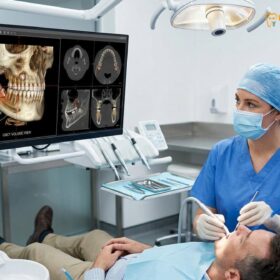
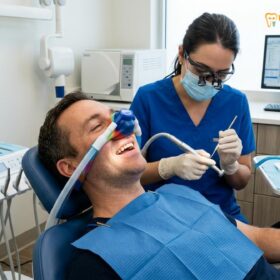
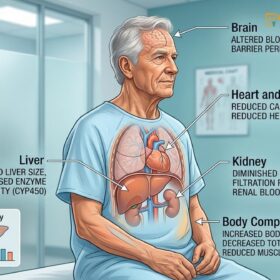
Proper sedation dentistry preparation involves strict fasting, adjusting daily medications under clinical guidance, wearing loose clothing, and securing a responsible adult escort. Following these pre-operative protocols ensures your airway remains safe, the sedative medications work predictably, and your recovery is smooth and complication-free.
Clinical Summary:
Preparing for dental sedation requires a highly coordinated approach between the patient and the dental anesthesiology team. The primary clinical objectives are to prevent pulmonary aspiration, ensure stable hemodynamics, and facilitate a stress-free environment for complex dental care. Key protocols include adhering to the 6-to-8 hour fasting rule for solid foods, managing chronic medications (especially antihypertensives and hypoglycemics) exactly as directed by your clinician, and arranging reliable post-operative transportation. Dr. Nguyen Van Cuong emphasizes that thorough preparation directly correlates with a safer, more predictable sedation experience. Patients must disclose their complete medical history, including over-the-counter supplements, to avoid adverse drug interactions. By meticulously following these evidence-based guidelines, patients can safely undergo extensive procedures without experiencing the severe symptoms of dental anxiety.
Key Takeaways:
- Fast from all solid foods and opaque liquids for 6 to 8 hours prior to your appointment to eliminate aspiration risks.
- Clear liquids, such as water or plain apple juice, may typically be consumed up to 2 hours before the procedure.
- Continue taking essential blood pressure or cardiovascular medications with a small sip of water unless explicitly instructed otherwise.
- Wear loose-fitting, short-sleeved clothing to allow the clinical team unobstructed access for intravenous lines and vital sign monitors.
- A responsible adult companion must be present at the clinic to drive you home and monitor your initial 24-hour recovery period.
Crucial Steps to Prepare for a Safe Sedation Session
Preparing for a safe sedation session requires a comprehensive medical evaluation, strict adherence to fasting protocols, and organizing post-operative care to ensure optimal physiological stability during your dental procedure.
The foundation of a successful and safe dental procedure under sedation lies entirely in the meticulous preparation phase. Whether you are undergoing minimal nitrous oxide inhalation, moderate oral sedation protocols, or deep intravenous (IV) sedation, the physiological demands placed on your body require specific preemptive measures. The primary goal of preparing for dental anesthesia is to create an optimal physiological baseline, ensuring that your cardiovascular and respiratory systems respond predictably to the sedative agents administered by your dental team.
When a patient is sedated, the central nervous system is depressed to induce a state of deep relaxation and amnesia. While this is highly effective for managing pain and fear, it also blunts the body’s natural protective reflexes. Consequently, the clinical team must rely on strict preoperative protocols to mitigate any potential risks, such as airway obstruction, hypoxia, or adverse pharmacological interactions[1]. At HCMC Dental Clinic in Ho Chi Minh City, our clinical protocols are designed to guide patients step-by-step through this preparation phase, ensuring that no detail is overlooked.
The preparation timeline typically begins several days before the actual appointment. During the initial consultation, a comprehensive review of your medical history is conducted. This is the time to be entirely transparent about your health status, lifestyle habits, and any previous experiences with anesthesia. Patients who suffer from severe dental fear often find that understanding the rigorous safety protocols helps alleviate their apprehension, serving as one of the most effective strategies to overcome dental fear.
“Patient safety in sedation dentistry is not achieved by chance; it is the direct result of rigorous preoperative preparation, transparent medical history reporting, and strict adherence to clinical fasting guidelines.”
Furthermore, preparing for sedation involves logistical planning. Because the medications used induce significant cognitive and motor impairment that outlasts the dental procedure itself, patients cannot simply drive themselves home or return to work. Organizing your personal schedule, arranging for childcare if necessary, and preparing a comfortable recovery space at home are all crucial steps that contribute to a seamless and stress-free surgical experience.
The 6-to-8 Hour Fasting Rule: Eating and Drinking Limits
The 6-to-8 hour fasting rule mandates that patients consume no solid foods before sedation to empty the stomach, thereby preventing the life-threatening risk of pulmonary aspiration while protective airway reflexes are diminished.
One of the most critical and non-negotiable aspects of sedation dentistry preparation is adherence to the preoperative fasting guidelines. The physiological rationale behind these dental sedation fasting rules is the prevention of pulmonary aspiration. Under normal circumstances, if stomach contents regurgitate into the esophagus, the body’s natural gag and cough reflexes prevent this acidic material from entering the trachea and lungs. However, sedative medications significantly depress these protective reflexes and relax the lower esophageal sphincter.
If a patient vomits or regurgitates while sedated with a full stomach, the gastric contents can easily be inhaled into the lungs. This leads to a severe and potentially fatal condition known as aspiration pneumonitis (Mendelson’s syndrome), characterized by intense chemical burns to the lung tissue, severe hypoxia, and acute respiratory distress[2]. To entirely eliminate this risk, the stomach must be empty before any sedative medications are administered.
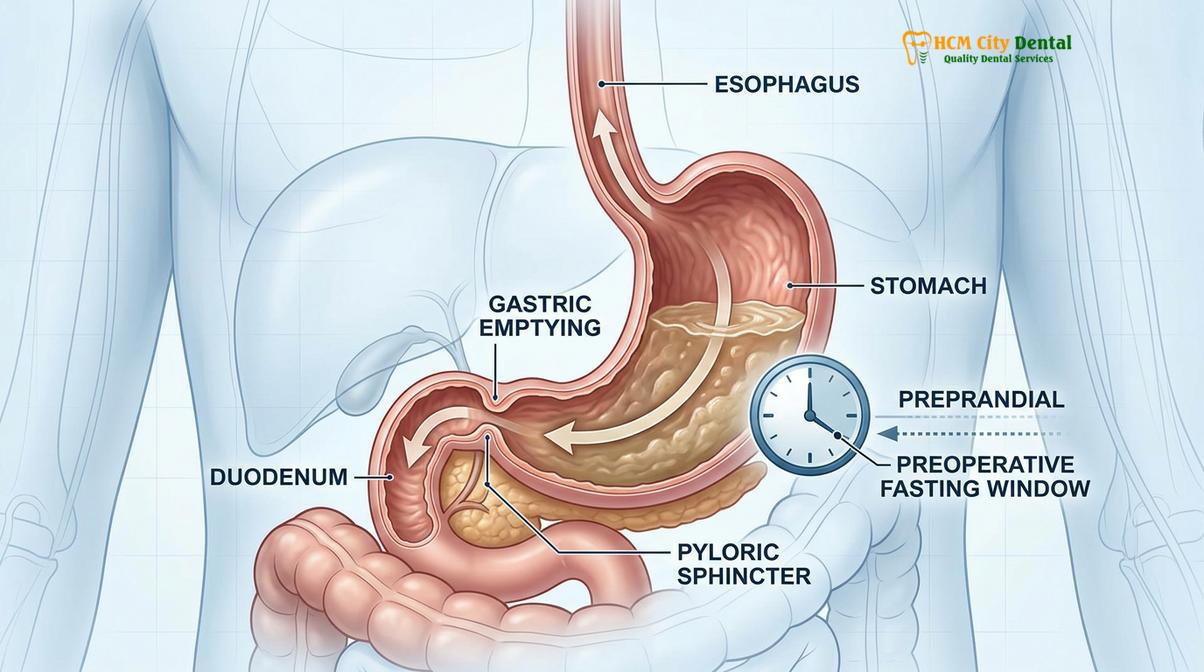
The American Society of Anesthesiologists (ASA) provides clear, evidence-based guidelines regarding preoperative fasting. These guidelines differentiate between various types of oral intake based on their gastric emptying times. Solid foods, particularly those high in fat or protein, require significantly more time to digest and pass from the stomach into the small intestine compared to clear liquids.
| Type of Intake | Examples | Minimum Fasting Time |
|---|---|---|
| Clear Liquids | Water, plain apple juice, black coffee/tea (no milk) | 2 Hours |
| Breast Milk | Expressed or direct breast milk (for pediatric patients) | 4 Hours |
| Non-Human Milk / Formula | Cow’s milk, soy milk, infant formula | 6 Hours |
| Light Meals | Dry toast, clear broth, crackers | 6 Hours |
| Heavy / Fatty Meals | Fried foods, meat, cheese, heavy carbohydrates | 8 Hours |
It is crucial to understand the clinical definition of a “clear liquid.” A liquid is considered clear if you can read newsprint through it. Water, clear sports drinks, and apple juice without pulp fall into this category. Conversely, orange juice with pulp, milk, cream in your coffee, and protein shakes are treated by the digestive system as solid foods because they leave particulate matter in the stomach and stimulate gastric acid secretion. Consuming these opaque liquids requires the full 6-to-8 hour fasting period.
Patients often ask if they can chew gum or suck on hard candies during the fasting period. Clinically, this is strongly discouraged. Chewing gum stimulates the production of saliva and gastric juices, which increases the volume and acidity of stomach contents, thereby increasing the risk of aspiration complications. If you accidentally violate the fasting protocols, you must inform your dental team immediately. For your safety, the procedure will be canceled and rescheduled; there are no exceptions to this rule in responsible clinical practice.
Managing Your Daily Medications: Heart, Pressure, and Diabetes
Patients must coordinate with their dentist to adjust daily medications, ensuring critical heart and blood pressure drugs are taken while carefully managing diabetes medications to prevent dangerous intraoperative hypoglycemia.
A vital component of pre op sedation guidelines involves the careful management of your chronic daily medications. Because sedation alters your hemodynamics—often lowering blood pressure and heart rate—the interaction between your prescribed drugs and the dental sedatives must be meticulously planned. You should never independently decide to stop or continue a medication without explicit instructions from your dental anesthesiologist or primary care physician.
Cardiovascular medications, particularly antihypertensives (blood pressure medications) such as beta-blockers, ACE inhibitors, and calcium channel blockers, are generally continued on the morning of the surgery. Maintaining stable blood pressure is crucial during dental procedures. If a patient skips their blood pressure medication due to fasting, the stress of the impending procedure combined with missed medication can lead to severe preoperative hypertension, potentially resulting in the cancellation of the surgery. These essential medications should be taken at their regular time with a very small sip of water (no more than 30-50 ml)[3].
Conversely, medications used to manage diabetes mellitus require strict adjustment. Because you will be fasting for 6 to 8 hours, your caloric intake will be zero. If you take your standard dose of insulin or oral hypoglycemic agents (such as sulfonylureas) while fasting, you are at a high risk of developing severe intraoperative hypoglycemia (dangerously low blood sugar). Hypoglycemia under sedation is particularly dangerous because the classic warning signs—such as sweating, tremors, and confusion—are masked by the sedative drugs.
Clinical Warning: Diabetic patients must consult their prescribing physician regarding insulin and oral hypoglycemic dosage adjustments prior to fasting for sedation. Never administer a full dose of rapid-acting insulin on an empty stomach before a dental procedure, as this can induce life-threatening hypoglycemic shock.
Patients taking blood thinners (anticoagulants or antiplatelets like Warfarin, Plavix, or NOACs) present a different clinical scenario. The decision to alter these medications depends more on the surgical nature of the dental procedure (e.g., complex extractions or implant placement) rather than the sedation itself. In many modern comprehensive sedation dentistry protocols, blood thinners are continued to prevent thrombotic events, utilizing local hemostatic measures to control bleeding. However, this requires a personalized risk assessment and often a consultation with your cardiologist.
Furthermore, patients must disclose all over-the-counter medications, herbal supplements, and recreational drug use. Supplements such as St. John’s Wort, Ginkgo Biloba, and high-dose Vitamin E can interfere with sedative metabolism or increase bleeding risks. The use of recreational substances, particularly marijuana or central nervous system depressants, can drastically alter your tolerance to clinical sedatives, leading to unpredictable and potentially dangerous anesthetic responses.
What to Wear: Loose Clothing and Short Sleeves Advice
Wearing loose, comfortable clothing with short sleeves is essential for sedation appointments, as it allows the clinical team unobstructed access to place intravenous lines and monitor vital signs accurately.
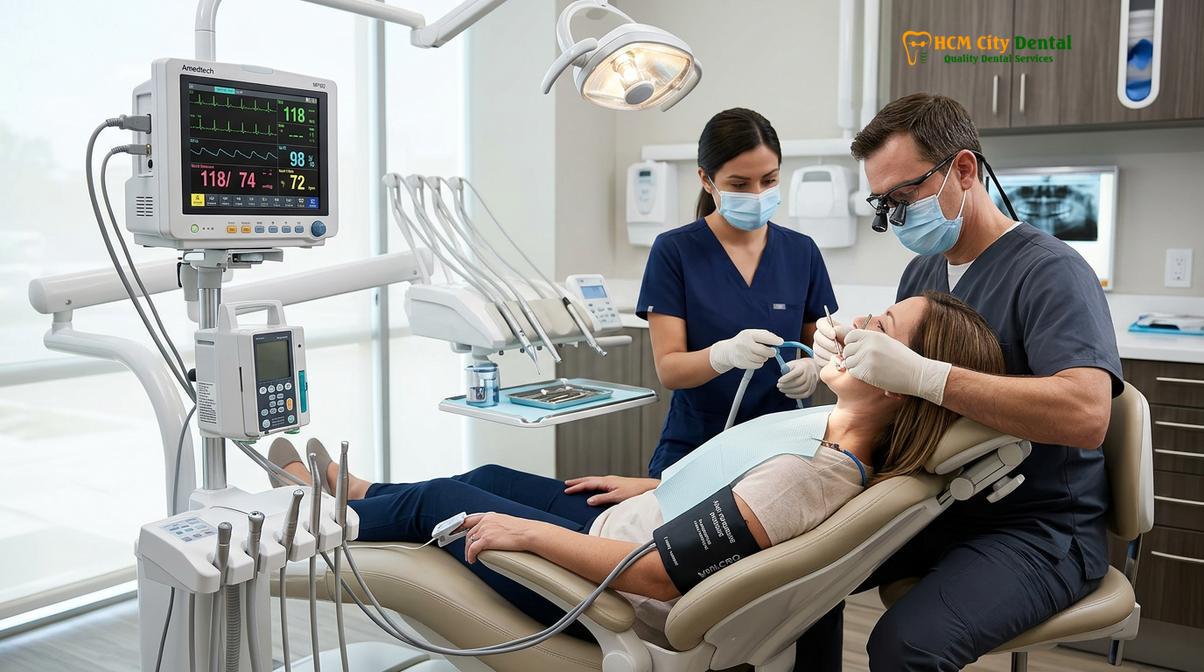
While it may seem like a minor detail, knowing what to wear to sedation appointment is a critical logistical aspect of your preparation. The clothing you choose directly impacts the clinical team’s ability to monitor your vital signs and administer medications safely. During any form of moderate to deep sedation, continuous physiological monitoring is mandatory. This includes tracking your blood pressure, heart rate, oxygen saturation, and sometimes your electrocardiogram (ECG) rhythm.
Patients must wear short-sleeved shirts or tops with sleeves that can be easily and loosely rolled up past the shoulder. This is necessary for two primary reasons. First, if you are receiving IV sedation, the anesthesiologist needs clear access to the veins in your antecubital fossa (the inner crease of your elbow) or the dorsum (back) of your hand to establish the intravenous line. Second, a blood pressure cuff (sphygmomanometer) must be placed on your upper arm. For accurate readings, the cuff must be placed directly against the skin or over very thin fabric; thick sweaters or tight sleeves will compress the arm and yield inaccurate hemodynamic data[4].
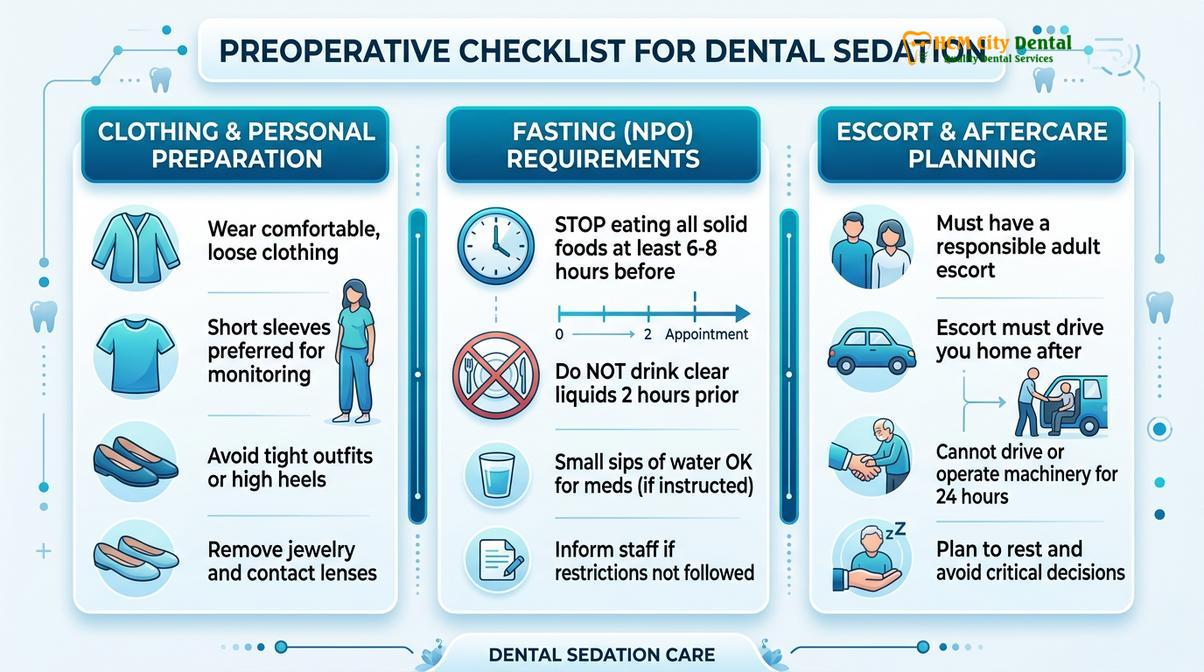
In addition to short sleeves, clothing should be loose-fitting and comfortable around the neck and waist. Tight collars or ties can restrict venous return from the head and neck, while tight belts can restrict diaphragmatic movement, making breathing less efficient while you are sedated. Comfortable sweatpants, loose trousers, and flat, stable shoes (like sneakers) are highly recommended. High heels or restrictive footwear pose a fall risk when you are recovering and your balance is impaired.
Furthermore, patients must remove all nail polish, acrylic nails, and gel manicures from at least two fingers (preferably the index or middle fingers). The pulse oximeter, a device that clips onto your finger to measure the oxygen saturation of your blood, relies on passing infrared light through your nail bed. Dark or opaque nail polish blocks this light transmission, preventing the clinical team from accurately monitoring your respiratory status. Similarly, all jewelry, particularly facial and tongue piercings, must be removed prior to the appointment to prevent interference with airway management tools and dental instruments.
Arranging Your Escort: Mandatory Companion Rules
A responsible adult companion is legally and medically required to escort you home and monitor your recovery for 24 hours, as sedatives severely impair motor skills, memory, and judgment.
One of the most stringent rules in outpatient sedation dentistry is the requirement for a responsible adult escort. This is not merely a recommendation; it is a strict medical and legal mandate. The pharmacological agents used in dental sedation, such as benzodiazepines (e.g., Midazolam) and hypnotics (e.g., Propofol), have profound effects on the central nervous system that persist long after you feel “awake.”
These medications induce anterograde amnesia (the inability to form new memories) and significantly delay reaction times. Even if you are able to walk and converse normally upon discharge, your cognitive function, spatial awareness, and judgment remain severely compromised. Therefore, it is strictly forbidden for a patient to drive a vehicle, operate heavy machinery, or make important legal or financial decisions for at least 24 hours following the administration of sedation.
Clinical Protocol Example: A patient undergoing complex implant surgery at HCMC Dental Clinic in Ho Chi Minh City arrived via a rideshare app without an escort. Despite the patient’s willingness to proceed, clinical protocols dictated that the IV sedation could not be administered until a verified family member arrived to take responsibility for the patient’s post-operative transportation and home monitoring, ensuring absolute patient safety.
Your designated companion must be a responsible adult (over the age of 18) who is capable of understanding the post-operative instructions provided by the dental team. This individual must physically come into the clinic to receive these instructions and escort you to the vehicle. You cannot simply call a taxi or a rideshare service (like Uber or Grab) to take you home alone. The driver of a commercial vehicle is not a designated medical escort and cannot take responsibility for your well-being if you experience a post-operative complication, such as nausea or dizziness, during the ride home.
Once home, your companion should ideally remain with you for the first 12 to 24 hours. Their role is to ensure you rest comfortably, assist you with walking to the bathroom to prevent falls, and monitor you for any unusual symptoms, such as excessive bleeding or difficulty breathing. They will also be responsible for ensuring you take your prescribed post-operative pain medications and antibiotics at the correct intervals, as your memory of the instructions may be clouded by the residual effects of the sedatives.
Pre-Op Medical Clearances: What to Bring to the Clinic
Bringing comprehensive medical records, a list of current medications, and any required specialist clearances to your appointment ensures the anesthesiology team can safely tailor the sedation protocol to your specific health profile.
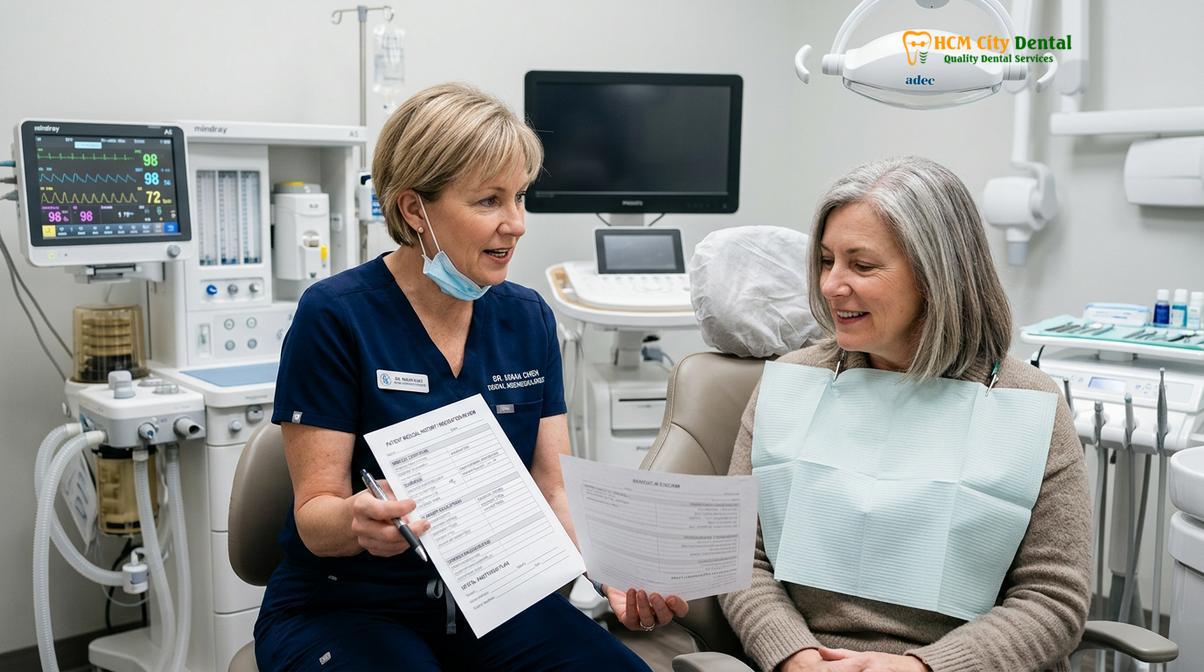
For many patients, particularly those with complex medical histories or chronic systemic diseases, preparing for sedation requires obtaining a formal medical clearance from their primary care physician or a medical specialist (such as a cardiologist or pulmonologist). The purpose of this clearance is not simply to get a “permission slip” for dental work, but to ensure that your underlying medical conditions are optimally managed and stable enough to withstand the physiological stress of surgery and anesthesia.
Dental anesthesiologists utilize the ASA Physical Status Classification System to assess a patient’s fitness for outpatient sedation. Patients classified as ASA I (normal healthy patient) or ASA II (patient with mild systemic disease, such as well-controlled hypertension or asthma) are generally excellent candidates for in-office sedation. However, patients classified as ASA III (patient with severe systemic disease, such as a recent history of myocardial infarction, poorly controlled diabetes, or severe COPD) require careful multidisciplinary evaluation[5].
If your dentist requests a medical clearance, you must bring this documentation to your pre-operative appointment. The clearance letter should detail your current diagnoses, the stability of your conditions, a complete list of your prescribed medications, and any specific recommendations the specialist has regarding anesthesia or perioperative care. Dr. Nguyen Van Cuong notes that having this detailed medical communication is essential for distinguishing between manageable clinical differences between dental phobia and anxiety and genuine physiological contraindications to sedation.
“Comprehensive medical documentation allows the dental anesthesiology team to anticipate potential intraoperative complications and tailor the pharmacological approach to the patient’s unique physiological landscape.”
On the day of your procedure, ensure you bring your photo identification, dental insurance information, and the physical copies of any signed consent forms. Additionally, bring a printed list of all your current medications, including dosages and the times you take them. Having this information readily available prevents any last-minute confusion and allows the clinical team to proceed with the sedation protocol confidently and safely.
When to Contact Your Doctor Before Sedation
While thorough preparation minimizes risks, certain acute changes in your health status require immediate communication with your dental clinic prior to your sedation appointment. You should contact your dentist to potentially reschedule your procedure if you develop symptoms of an upper respiratory tract infection, such as a severe cold, productive cough, sore throat, or nasal congestion. Respiratory infections increase airway reactivity, significantly elevating the risk of laryngospasm (a sudden spasm of the vocal cords that blocks breathing) during sedation.
Additionally, you must notify your clinical team if you experience a sudden change in your chronic health conditions, such as unexplained chest pain, severe asthma exacerbations, or uncontrolled blood sugar spikes. Female patients must inform the dentist immediately if they suspect they might be pregnant, as many sedative medications and nitrous oxide are contraindicated during pregnancy due to potential teratogenic effects on fetal development.
Please note that the guidelines provided in this article are for general educational purposes and do not replace individualized diagnostic advice. Every patient’s physiological profile is unique. A comprehensive clinical examination and consultation with your dental provider are mandatory to determine your specific candidacy for sedation and to establish a personalized preoperative protocol.
Frequently Asked Questions
Why must I fast before dental IV sedation?
Fasting before dental IV sedation is mandatory to empty your stomach and prevent pulmonary aspiration, a severe complication where stomach contents enter the lungs. When sedated, your natural protective airway reflexes, such as coughing and swallowing, are significantly diminished. Adhering to strict fasting guidelines ensures your airway remains clear and safe throughout the entire dental procedure, preventing life-threatening respiratory emergencies.
Can I drink water on the morning of my sedation appointment?
Yes, you may typically consume small amounts of clear liquids, such as water or plain apple juice, up to two hours before your sedation appointment. However, you must strictly avoid opaque liquids like milk, cream, or orange juice with pulp, as these are treated as solid foods by your digestive system and delay gastric emptying. Always follow the specific timeline provided by your anesthesiologist.
What happens if I forget to fast before dental sedation?
If you forget to fast and consume solid food or non-clear liquids within the restricted timeframe, your dental sedation appointment must be canceled and rescheduled. Proceeding with sedation on a full stomach poses a life-threatening risk of aspiration pneumonitis. Patient safety is the highest priority, and clinical protocols strictly prohibit administering sedatives without proper fasting, regardless of the procedure’s urgency.
Should I take my regular medications before being sedated?
You should continue taking most of your regular daily medications, particularly those for blood pressure and heart conditions, with a small sip of water unless your dentist instructs otherwise. However, medications for diabetes, such as insulin or oral hypoglycemics, usually require dosage adjustments since you will be fasting, preventing dangerous drops in blood sugar during the procedure. Always consult your doctor for a personalized medication plan.
Why do I need a companion to take me home after sedation?
A responsible adult companion is legally and medically required because sedative medications severely impair your motor skills, judgment, memory, and reaction times for up to 24 hours. Even if you feel alert after the procedure, residual cognitive impairment makes it entirely unsafe for you to drive, operate machinery, or navigate public transportation independently. Your companion ensures you reach home safely and monitors your initial recovery.
References
- Journal of the American Dental Association. Guidelines for the Use of Sedation and General Anesthesia by Dentists. (2016).
- Anesthesia Progress. Preoperative Fasting Guidelines for Pediatric and Adult Dental Patients. (2019).
- Journal of Oral and Maxillofacial Surgery. Management of Diabetic Patients During Outpatient Sedation. (2020).
- British Dental Journal. Patient Monitoring and Safety Protocols in Conscious Sedation. (2021).
- Clinical Oral Investigations. Post-operative Recovery and Discharge Criteria Following Intravenous Sedation. (2022).
For more information on preparing for your procedure or to schedule a consultation regarding general dentistry procedures, please contact the clinical team at HCMC Dental Clinic.
For pricing, booking, and a free clinical assessment, visit our Sedation Dentistry service page at HCMC Dental Clinic in Ho Chi Minh City.