A severe sedation gag reflex can make routine dental care nearly impossible, but pharmacological sedation effectively suppresses this involuntary response. By utilizing nitrous oxide or intravenous (IV) sedation, dentists can depress the central nervous system pathways responsible for the pharyngeal reflex, ensuring a comfortable, uninterrupted clinical experience.
Clinical Summary:
The gag reflex is a natural protective mechanism that can become hyperactive due to tactile stimulation and psychological anxiety during dental procedures. Traditional management techniques, such as topical anesthetics, often fail to address the central neurological triggers of this reflex. Pharmacological interventions, specifically Sedation Dentistry, offer a highly predictable solution. Nitrous oxide provides mild central nervous system depression and anxiolysis, reducing throat sensitivity for mild to moderate cases. For patients with an extreme reflex, intravenous (IV) sedation deeply suppresses the pharyngeal response, allowing complex diagnostics and treatments to proceed safely. Modern clinics combine these sedation protocols with digital impression technology to minimize physical triggers, ensuring comprehensive care for patients who previously avoided the dentist.
Key Takeaways:
- The gag reflex is mediated by cranial nerves and is heavily influenced by psychological stress and anticipation.
- Topical numbing sprays only affect superficial tissues and cannot suppress the central nervous system triggers of gagging.
- Nitrous oxide (laughing gas) alters sensory perception and reduces tactile sensitivity in the soft palate.
- IV sedation bypasses conscious awareness, providing the most effective suppression of a hyperactive gag reflex.
- Digital intraoral scanners replace bulky traditional impression putty, removing a major physical trigger for gagging.
- Professional clinical assessment is necessary to determine the safest and most effective sedation protocol for each patient.
The Physiology of the Gag Reflex and Dental Avoidance
The gag reflex is an involuntary neuromuscular defense mechanism mediated by cranial nerves, often exacerbated by psychological stress and dental anxiety.
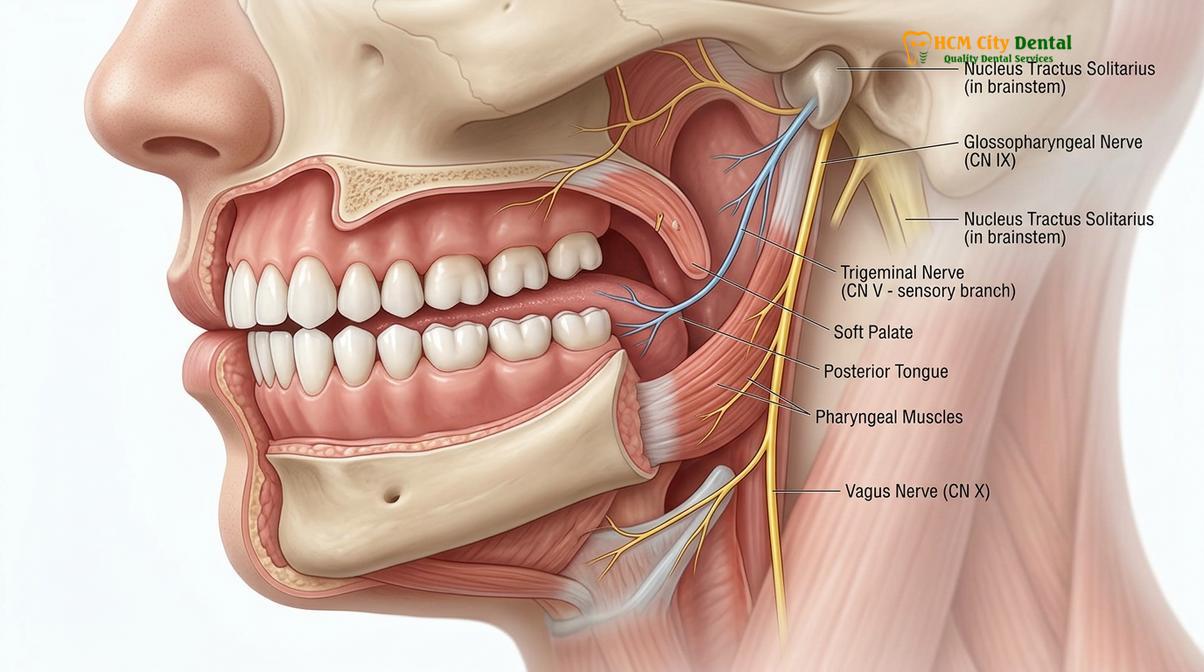
To understand why a sedation gag reflex protocol is necessary, it is essential to examine the underlying physiology of the pharyngeal reflex. The gag reflex is an evolutionary defense mechanism designed to prevent foreign objects from entering the airway and causing choking. When a stimulus touches the posterior wall of the pharynx, the base of the tongue, the tonsillar pillars, or the soft palate, it triggers a rapid, involuntary neuromuscular response. This response involves a complex interplay between the sensory and motor pathways of the central nervous system [1].
The afferent (sensory) limb of the reflex is primarily mediated by the glossopharyngeal nerve (Cranial Nerve IX). When dental instruments, mirrors, or impression materials contact the sensitive tissues of the posterior oral cavity, the glossopharyngeal nerve transmits these tactile signals to the medulla oblongata in the brainstem. The brainstem then processes this information and immediately fires an efferent (motor) response via the vagus nerve (Cranial Nerve X). This motor signal causes the sudden, spasmodic contraction of the pharyngeal and palatal muscles, resulting in the physical act of gagging.
While this reflex is entirely normal, its sensitivity varies drastically among individuals. For some, the threshold for triggering the reflex is exceptionally low. This hypersensitivity is rarely purely physical; it is deeply intertwined with psychological factors. Patients suffering from a dental phobia hyperactive gag often experience a vicious cycle: the fear of gagging induces severe anxiety, and this heightened state of sympathetic nervous system arousal actually lowers the neurological threshold required to trigger the reflex [2]. The brain becomes hyper-vigilant, interpreting even the most benign stimuli—such as a small dental mirror or the pooling of saliva—as a critical threat to the airway.
This physiological and psychological feedback loop frequently leads to dental avoidance. Patients with a severe gag reflex may postpone routine cleanings, diagnostic X-rays, and necessary restorative work for years, ultimately leading to complex oral health deterioration. Recognizing that the gag reflex is a legitimate medical condition rather than a lack of willpower is the first step in providing effective, compassionate General Dentistry care.
“The hyperactive gag reflex is not merely a physical barrier; it is a complex neuro-psychological response. Effective management requires addressing both the tactile triggers in the oral cavity and the central anxiety amplifying the reflex.”
Why Traditional Numbing Sprays and Techniques Often Fail
Topical anesthetics only numb the superficial mucosa and cannot suppress the central neurological triggers or psychological anxiety that drive a hyperactive gag reflex.
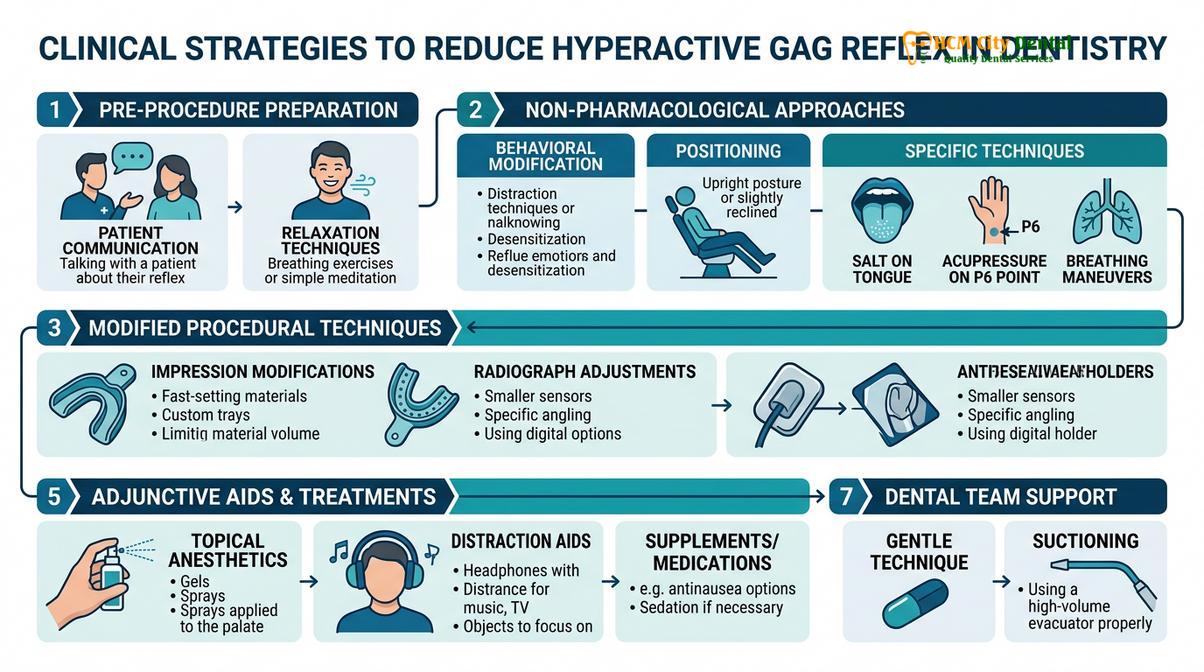
Historically, dentists have attempted to manage the gag reflex using a variety of conservative techniques. These include applying topical anesthetic sprays (such as benzocaine or lidocaine) to the back of the throat, instructing the patient to breathe deeply through their nose, placing salt on the tip of the tongue, or using distraction techniques. While these methods can be helpful for patients with a mild, purely tactile reflex, they are notoriously insufficient for those with a severe or anxiety-driven response.
The primary limitation of topical numbing sprays is their mechanism of action. These sprays work by temporarily blocking the sodium channels in the superficial mucosal tissues, preventing the localized transmission of pain and touch signals. However, they do not penetrate deeply enough to block the robust sensory receptors of the glossopharyngeal nerve entirely. Furthermore, the sensation of a numb throat can paradoxically induce panic in some patients, as it creates a false sensation of airway obstruction or an inability to swallow, thereby triggering the very gag reflex the spray was intended to prevent.
Clinical Warning: Relying solely on willpower or superficial numbing sprays for a severe gag reflex can lead to sudden patient movement during delicate procedures, increasing the risk of accidental tissue injury or aspiration of dental materials.
More importantly, traditional techniques fail to address the central nervous system component of the reflex. Because a hyperactive gag reflex is heavily modulated by the brain’s emotional and fear centers (the amygdala and hippocampus), local anesthetics do nothing to calm the mind. If a patient is actively anticipating the sensation of gagging, their brain will override the localized numbing effect. This is why patients seeking gagging at the dentist help often report that despite their throat feeling completely numb, they still experience violent pharyngeal spasms the moment an instrument enters their mouth. To truly control the reflex, clinical intervention must target the central nervous system to raise the reflex threshold and eliminate anticipatory anxiety.
How Nitrous Oxide Relaxes the Soft Palate and Throat Reflexes
Nitrous oxide inhalation mildly depresses the central nervous system, reducing tactile sensitivity in the throat and alleviating the anxiety that amplifies the gag reflex.
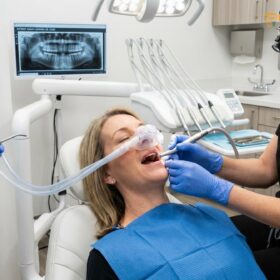
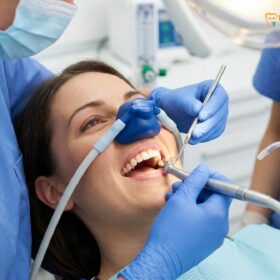
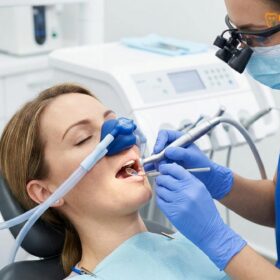
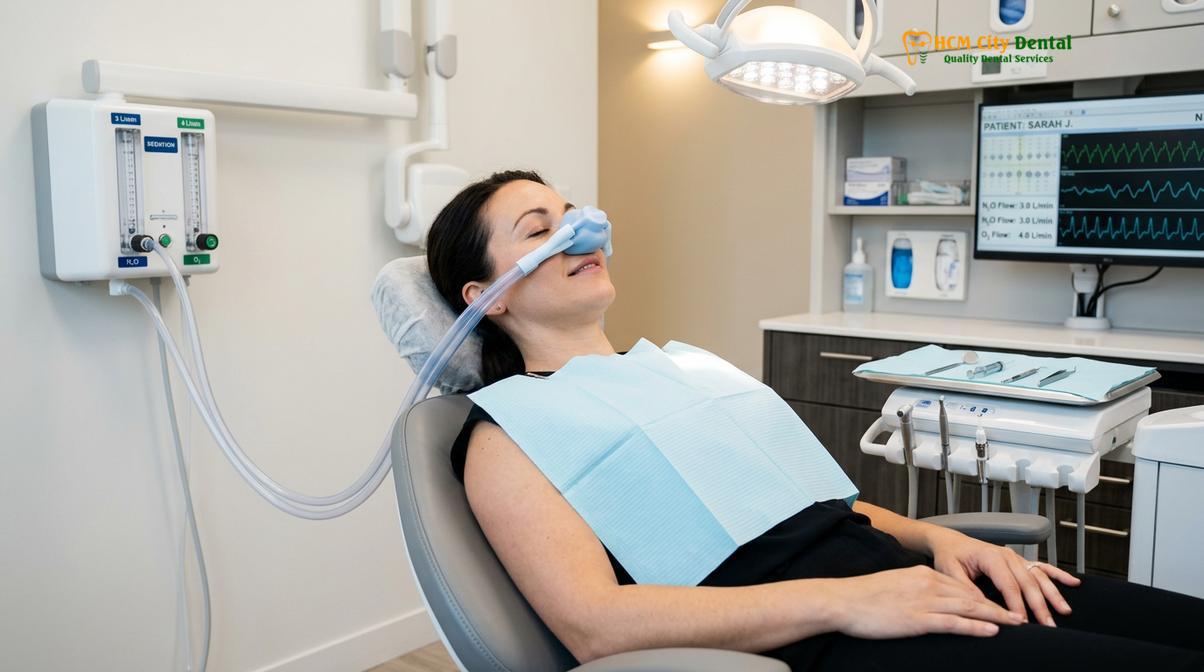
For patients with a moderate gag reflex, inhalation sedation using nitrous oxide (commonly known as laughing gas) is a highly effective, non-invasive pharmacological intervention. Nitrous oxide is a colorless, sweet-smelling gas that is administered continuously through a small nasal hood throughout the dental procedure. It is mixed with pure oxygen, allowing the dentist to precisely titrate the concentration based on the patient’s real-time physiological response.
The efficacy of nitrous oxide in managing the gag reflex lies in its dual mechanism of action. First, it acts as a mild central nervous system depressant. By interacting with various neurotransmitter receptors in the brain, including GABA and NMDA receptors, nitrous oxide induces a state of profound relaxation and euphoria. This anxiolytic (anti-anxiety) effect is crucial; by calming the mind and reducing sympathetic nervous system arousal, the brain’s hyper-vigilance is deactivated. Consequently, the neurological threshold required to trigger the pharyngeal reflex is significantly elevated [3].
Secondly, nitrous oxide possesses mild analgesic properties that alter sensory perception. Patients experiencing nitrous oxide throat sensitivity reduction often describe a feeling of detachment or a floating sensation. The tactile signals sent by the glossopharyngeal nerve when an instrument touches the soft palate are still transmitted, but the brain interprets them differently. The stimulus is no longer perceived as a threatening intrusion requiring an immediate motor response. Instead, the patient remains conscious, able to follow instructions, and capable of maintaining their own airway, but the involuntary urge to gag is profoundly suppressed.
One of the primary clinical advantages of nitrous oxide is its rapid onset and elimination. The sedative effects begin within minutes of inhalation, and once the procedure is complete, the patient is placed on 100% oxygen for a few minutes to flush the gas from their system. This allows the patient to recover immediately and drive themselves home, making it an exceptionally convenient option for managing dental anxiety in younger patients and busy adults alike.
IV Sedation (Twilight Anesthesia): The Ultimate Solution for Extreme Gaggers
Intravenous sedation bypasses conscious awareness and deeply suppresses the pharyngeal reflex, allowing complex dental procedures to be performed without patient distress.
While nitrous oxide is excellent for mild to moderate cases, it may not be sufficient for patients with an extreme, intractable gag reflex. For these individuals, the mere thought of a dental instrument approaching their mouth can trigger violent spasms. In such clinical scenarios, intravenous (IV) sedation, often referred to as twilight anesthesia, is the gold standard of care. Utilizing iv sedation for gag reflex management ensures that even the most sensitive patients can receive comprehensive dental treatment safely and comfortably.
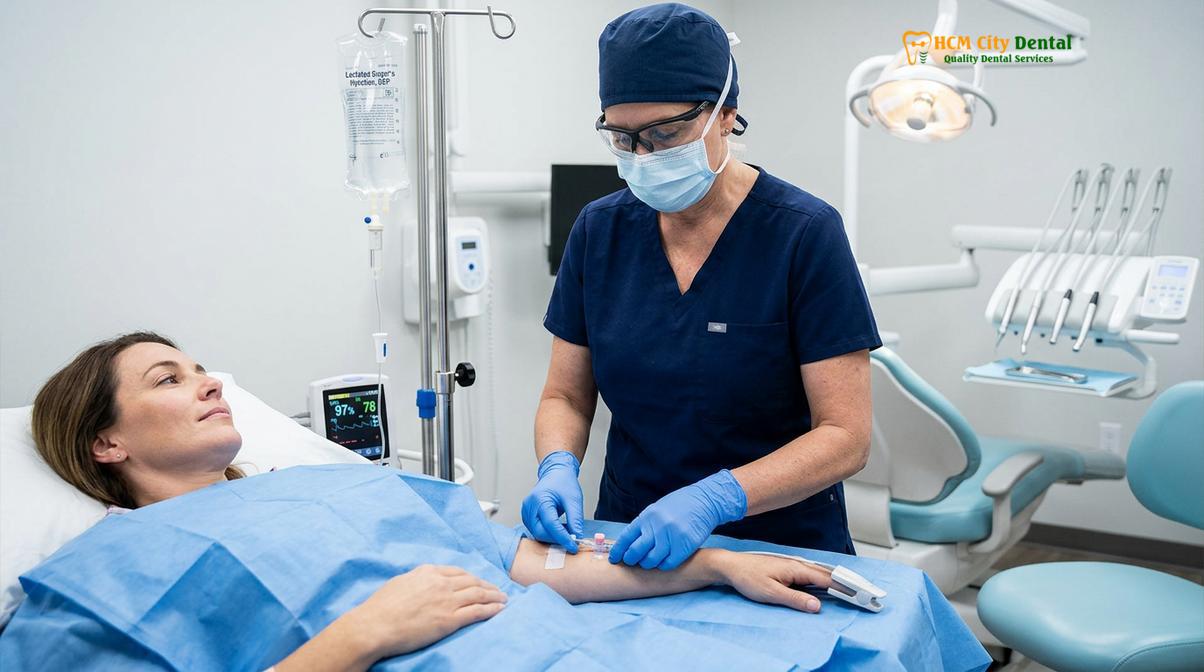
IV sedation involves the direct administration of sedative medications—typically benzodiazepines like Midazolam, sometimes combined with Propofol or Dexmedetomidine—into the patient’s bloodstream. This route of administration allows for a rapid onset of action and enables the anesthesiologist or specially trained dentist to precisely control the depth of sedation. Unlike general anesthesia, where the patient is completely unconscious and requires mechanical ventilation, IV sedation maintains the patient in a state of depressed consciousness. The patient breathes independently and can respond to physical stimulation or verbal commands, but they are in a state of deep, tranquil unawareness [4].
The pharmacological suppression of the gag reflex under IV sedation is profound. The medications act directly on the central nervous system to heavily depress the reflex pathways in the brainstem. The sensory signals from the oral cavity are effectively blocked from triggering the motor response of the vagus nerve. Furthermore, medications like Midazolam provide a powerful anterograde amnesic effect. This means that the patient will have little to no memory of the procedure, the sounds of the clinic, or any sensations in their mouth. By erasing the memory of the event, IV sedation breaks the psychological cycle of fear and anticipation, making future dental visits progressively easier.
| Sedation Method | Mechanism of Action | Gag Reflex Suppression Level | Ideal Patient Profile |
|---|---|---|---|
| Topical Anesthetics | Blocks superficial mucosal sodium channels. | Low (Does not address CNS triggers). | Mild, purely tactile reflex without anxiety. |
| Nitrous Oxide (Inhalation) | Mild CNS depression and anxiolysis. | Moderate to High. | Moderate reflex driven by anticipation and mild anxiety. |
| Oral Conscious Sedation | Enteral absorption of benzodiazepines. | Moderate to High. | High anxiety, moderate reflex, longer procedures. |
| Intravenous (IV) Sedation | Direct systemic CNS depression and amnesia. | Very High (Profound suppression). | Severe, intractable gag reflex, severe phobia, complex surgery. |
The administration of IV sedation requires rigorous clinical protocols. Patients must undergo a thorough preoperative medical evaluation to assess their airway anatomy, cardiovascular health, and any potential contraindications. During the procedure, continuous physiological monitoring is mandatory, including pulse oximetry (to measure blood oxygen levels), capnography (to monitor exhaled carbon dioxide), electrocardiography (ECG), and non-invasive blood pressure tracking. This meticulous oversight ensures that the patient remains safely within the desired therapeutic window of sedation.
Improving Comfort During Diagnostics and Dental Impressions
Modern digital intraoral scanners eliminate the need for bulky impression materials, significantly reducing the physical triggers that provoke gagging during diagnostics.
One of the most notorious triggers for a hyperactive gag reflex is the traditional dental impression process. Historically, creating a mold of the teeth required filling a large, bulky metal or plastic tray with a viscous alginate or polyvinyl siloxane (PVS) putty and pressing it firmly against the dental arches. As the material set, it often extruded backward toward the soft palate and the base of the tongue. The combination of the bulky tray, the tactile sensation of the cold putty, and the fear of the material dripping down the throat created a perfect storm for triggering the pharyngeal reflex.
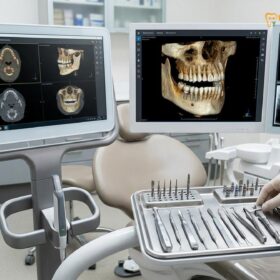
Fortunately, advancements in digital dentistry have revolutionized this workflow, offering a massive relief for patients prone to gagging. Modern clinics now utilize digital intraoral scanners to capture highly accurate 3D topographies of the teeth and gums. These devices use optical triangulation and confocal microscopy to record thousands of images per second, stitching them together into a precise digital model [5].
The clinical benefits of digital scanning for gag reflex management are substantial. The scanning wand is small, roughly the size of an electric toothbrush head, and it only needs to hover slightly above the teeth. It does not require sustained pressure against the sensitive tissues of the palate. Furthermore, the scanning process can be paused instantly at the first sign of patient discomfort. If the patient feels the urge to gag, the clinician simply removes the wand, allows the patient to swallow and recover, and then resumes scanning exactly where they left off. There is no messy material to clean up, and no need to restart the entire process from scratch.
Clinical Case Example:
A 45-year-old patient visited HCMC Dental Clinic in Ho Chi Minh City requiring a full-arch bridge but had avoided treatment for a decade due to a severe gag reflex. Traditional impressions were impossible. By utilizing a combination of nitrous oxide sedation to lower baseline anxiety and a digital intraoral scanner for diagnostics, the clinical team successfully captured the necessary 3D models in under five minutes without triggering a single gag response. The patient proceeded with restorative treatment under IV sedation, achieving full oral rehabilitation.
When traditional impressions are absolutely unavoidable (such as for certain complex removable prosthetics), clinicians employ specific modifications to minimize the reflex. These include using fast-setting impression materials to reduce the time the tray is in the mouth, seating the patient in an upright position to prevent gravity from pulling the material backward, and utilizing oral sedation protocols prior to the appointment to ensure the patient arrives in a relaxed state.
Compassionate, Patient-Paced Care at HCMC Dental Clinic
A personalized, empathetic approach combined with advanced sedation protocols ensures that patients with severe gag reflexes receive safe, stress-free dental care.
Overcoming a severe gag reflex requires more than just advanced pharmacology and technology; it requires a foundation of trust and compassionate care. At HCMC Dental Clinic, the clinical philosophy centers on acknowledging the patient’s fears and validating their experiences. A hyperactive gag reflex is treated as a physiological challenge to be managed medically, not a behavioral issue to be disciplined.
The journey begins with a comprehensive, stress-free consultation. Dr. Nguyen Van Cuong emphasizes the importance of open communication, allowing patients to express their specific triggers and past negative experiences without judgment. During this initial phase, the clinical team may utilize clinical anxiety assessments to objectively measure the patient’s fear levels and tailor the sedation approach accordingly. No instruments are placed in the mouth during this discussion unless the patient explicitly consents and feels ready.
“The most powerful tool in managing a severe gag reflex is giving the patient control. When a patient knows they can stop the procedure at any moment by simply raising their hand, their baseline anxiety drops significantly, which in turn raises their gag threshold.”
Dr. Nguyen Van Cuong and the specialized anesthesiology team collaborate to design a personalized sedation plan. Whether the protocol involves mild nitrous oxide for a routine cleaning or deep IV sedation for complex oral surgery, the environment is meticulously controlled to promote tranquility. The treatment rooms in Ho Chi Minh City are designed to be calming, with noise-canceling headphones and soothing visual distractions available. By combining state-of-the-art sedation techniques with an unwavering commitment to patient-paced care, the clinic ensures that even the most apprehensive individuals can achieve optimal oral health without the distress of a hyperactive gag reflex.
When to Consult a Dental Professional
It is crucial to recognize when a gag reflex transitions from a mild annoyance to a significant barrier to healthcare. You should seek a consultation with a dental professional experienced in sedation if you experience any of the following:
- You have delayed or canceled routine dental cleanings and exams for multiple years due to the fear of gagging.
- The mere thought of a dental instrument, toothbrush, or mirror entering your mouth triggers nausea, panic, or physical spasms.
- You are currently experiencing dental pain, bleeding gums, or visible decay but feel paralyzed by the anticipation of the gag reflex.
- Previous attempts at dental treatment were aborted midway because traditional numbing techniques failed to control your pharyngeal response.
- You suffer from underlying medical conditions, such as severe acid reflux or chronic sinus issues, which exacerbate your throat sensitivity.
A specialized clinical assessment will help determine the root cause of your reflex—whether it is primarily tactile, anatomical, or psychological. Based on this evaluation, the dental team can recommend the safest and most effective sedation modality, allowing you to receive necessary care without trauma. Do not let embarrassment or fear prevent you from seeking help; modern sedation dentistry is specifically designed to accommodate and overcome these exact challenges.
Frequently Asked Questions
Why do I gag so easily at the dentist?
You gag easily at the dentist due to a highly sensitive pharyngeal reflex, often amplified by psychological stress and dental anxiety. When tactile instruments touch the posterior tongue or soft palate, the glossopharyngeal nerve triggers an involuntary protective spasm to prevent perceived choking. Clinical anxiety significantly lowers the threshold for this reflex, making routine procedures feel overwhelming. Additionally, anatomical factors such as an elongated soft palate or enlarged tonsils can increase physical sensitivity. By recognizing the symptoms of dental anxiety, clinicians can implement strategies to calm the nervous system and raise the reflex threshold.
Can laughing gas stop you from gagging at the dentist?
Yes, laughing gas can significantly reduce the gag reflex by mildly depressing the central nervous system and alleviating anxiety. Nitrous oxide alters your sensory perception, making the soft palate and throat less sensitive to tactile stimulation. While it may not completely eliminate the reflex in severe cases, it provides enough relaxation for most patients to tolerate routine dental care comfortably. The gas is inhaled continuously through a nasal mask, and its effects can be precisely adjusted by the dentist throughout the procedure, ensuring optimal comfort and immediate recovery once the gas is turned off.
Does IV sedation eliminate the gag reflex?
IV sedation profoundly suppresses the gag reflex by placing the patient in a state of deep relaxation and altered consciousness. By utilizing intravenous medications, the central nervous system’s response to oral stimuli is bypassed, effectively preventing the pharyngeal spasms. This makes it the most predictable and effective solution for patients with an extreme or hyperactive gag reflex. Under IV sedation, you will remain breathing on your own but will be entirely unaware of the dental work being performed, and the amnesic properties of the medication ensure you will have little to no memory of the appointment.
How do dentists take impressions for people with bad gag reflexes?
Dentists now use digital intraoral scanners to take impressions for patients with severe gag reflexes, eliminating the need for bulky, liquid putty. A small, wand-like camera captures 3D images of the teeth without touching the sensitive soft palate or allowing material to drip down the throat. If traditional impressions are absolutely necessary, fast-setting materials and localized numbing techniques are utilized. The clinician may also position you upright and instruct you to breathe deeply through your nose, minimizing the sensation of material moving toward the back of the airway.
What can I do at home to prepare for a dental visit if I gag easily?
To prepare for a dental visit, practice deep nasal breathing exercises and desensitization techniques, such as gently brushing your tongue slightly further back each day. Inform your dental clinic about your reflex beforehand so they can prepare appropriate sedation options. Avoiding heavy meals before your appointment and listening to calming music can also help lower the baseline anxiety that triggers gagging. Exploring strategies to overcome dental fear can empower you to approach the appointment with a calmer mindset, which naturally reduces the hyper-reactivity of the pharyngeal reflex.
References
- Journal of Oral and Maxillofacial Surgery. Management of the hyperactive gag reflex in dental practice. (2021).
- International Journal of Dentistry. The efficacy of intravenous sedation in patients with severe dental phobia and gagging. (2020).
- British Dental Journal. Nitrous oxide inhalation sedation: physiological effects on the pharyngeal reflex. (2019).
- Journal of the American Dental Association. Digital impression techniques and patient comfort in prosthodontics. (2022).
- Clinical Oral Investigations. Pharmacological interventions for exaggerated gag reflex during dental treatment. (2018).
For pricing, booking, and a free clinical assessment, visit our Sedation Dentistry service page at HCMC Dental Clinic in Ho Chi Minh City.