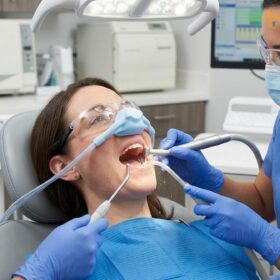
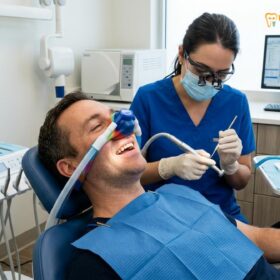
Undergoing sedation for multiple procedures allows patients to complete extensive dental work in a single, comfortable visit. By utilizing advanced intravenous or oral sedatives, dentists can safely combine extractions, restorations, and cleanings while minimizing patient anxiety, reducing total appointments, and ensuring optimal clinical outcomes.
Clinical Summary:
Consolidating dental treatments through sedation multiple procedures is a highly effective clinical strategy for patients requiring extensive care. This approach utilizes controlled pharmacological agents—primarily intravenous (IV) sedation—to maintain patient comfort and physiological stability during prolonged sessions. By combining surgeries, restorations, and periodontal therapies into one visit, clinicians can minimize cumulative anesthetic exposure, reduce the number of recovery phases, and overcome severe dental anxiety. Comprehensive preoperative evaluation and continuous vital sign monitoring are mandatory to ensure patient safety during these extended appointments. This methodology not only streamlines the restorative process but also significantly enhances the overall patient experience by transforming complex rehabilitations into manageable, single-day events.
Key Takeaways:
- Intravenous sedation enables the safe completion of extensive dental work in a single, consolidated appointment.
- Combining treatments reduces overall recovery time and minimizes cumulative stress on the patient.
- Continuous physiological monitoring is required to maintain safety during multi-hour dental sessions.
- Thorough preoperative medical screening determines a patient’s candidacy for prolonged sedation.
- This approach is particularly beneficial for dental tourists seeking efficient, high-quality care within a limited timeframe.
The Concept of Single-Session Comprehensive Dentistry
Single-session comprehensive dentistry utilizes advanced sedation to safely perform extensive restorative and surgical work in one appointment, drastically reducing the need for multiple visits.
Historically, complex dental rehabilitations required a fragmented approach. A patient might visit an oral surgeon for extractions, wait several weeks for healing, visit an endodontist for root canal therapy, and finally see a prosthodontist for crowns and bridges. This traditional multi-appointment methodology, while effective, often leads to patient fatigue, prolonged anxiety, and significant disruptions to daily life. The modern paradigm of single-session comprehensive dentistry fundamentally changes this workflow. By integrating advanced pharmacological protocols, clinicians can now perform sedation dentistry to consolidate these disparate phases into one highly orchestrated appointment.
The core philosophy behind this approach is the minimization of cumulative physiological and psychological trauma. Every time a patient sits in the dental chair, they experience a baseline level of stress. For individuals struggling with the clinical differences between dental phobia vs anxiety, facing six separate appointments can be an insurmountable barrier to care. By opting to complete dental work one day, the patient only has to overcome their apprehension once. They arrive at the clinic, receive the sedative medication, and wake up with their treatment plan fully executed.
Furthermore, this consolidated approach allows the dental team to work with unparalleled efficiency. Without the need to repeatedly numb the patient, place rubber dams, and manage the psychological comfort of an awake individual, the clinician can focus entirely on the technical precision of the procedures. The oral environment is optimized for continuous work, allowing for seamless transitions between quadrant scaling, cavity preparations, and surgical interventions. This level of efficiency is heavily reliant on the predictable and profound relaxation provided by modern sedative agents [1].
Why IV Sedation is Key to Consolidating Multiple Procedures
Intravenous sedation provides profound, adjustable relaxation and amnesia, making it the optimal pharmacological choice for safely managing multi-hour dental appointments.
While local anesthesia is the cornerstone of pain management in dentistry, it is often insufficient for multi-hour appointments. Keeping the jaw open for three to four hours causes significant muscular fatigue, and the psychological endurance required to tolerate the sounds and vibrations of dental instruments eventually wanes. This is where intravenous (IV) sedation becomes indispensable. Unlike lighter forms of relaxation, IV sedation delivers medication directly into the bloodstream, allowing the anesthesiologist to titrate the dosage in real-time based on the patient’s physiological responses and the specific demands of the surgical phase [2].
The pharmacological agents typically utilized—such as Midazolam, Propofol, or Fentanyl—offer a triad of benefits: profound anxiolysis (anxiety reduction), analgesia (pain relief), and anterograde amnesia. The amnesic effect is particularly valuable for patients undergoing sleep dentistry full mouth reconstruction, as they will have little to no memory of the sights, sounds, or duration of the procedure. If a patient begins to show signs of discomfort or if a particularly invasive part of the procedure is commencing, the clinician can instantly deepen the sedation level. Conversely, as the appointment nears completion, the sedation can be lightened to facilitate a smooth and rapid recovery.
“The ability to precisely control the depth of sedation via the intravenous route is what makes comprehensive, multi-hour dentistry possible. It transforms a potentially grueling endurance test into a peaceful, resting state for the patient, allowing the clinical team to perform complex rehabilitations with maximum precision.”
— Dr. Nguyen Van Cuong
To understand why IV sedation is preferred for extensive cases, it is helpful to compare it with other modalities. While an oral sedation dentistry guide might recommend pill-based sedatives for moderate anxiety, oral medications have a delayed onset and cannot be easily adjusted once administered. If a procedure takes longer than expected, an oral sedative may wear off prematurely.
| Sedation Modality | Onset Time | Adjustability During Procedure | Ideal Duration of Treatment | Amnesic Effect |
|---|---|---|---|---|
| Intravenous (IV) Sedation | 1-2 minutes | Highly adjustable (real-time titration) | 2 to 6 hours | Profound |
| Oral Conscious Sedation | 45-60 minutes | Poor (fixed dosage) | 1 to 3 hours | Moderate to High |
| Nitrous Oxide (Inhalation) | 3-5 minutes | Moderate (gas ratio adjustment) | Under 2 hours | Minimal |
| Local Anesthesia Only | 5-10 minutes | N/A (pain control only, no sedation) | Under 1.5 hours | None |
For patients requiring multiple fillings under sedation alongside more complex surgical interventions, the real-time adjustability of IV sedation ensures that the patient remains in a state of optimal comfort from the first injection to the final polish [3].
What Procedures Can Be Combined? (Cleanings, Fillings, Surgeries)
Clinicians can strategically sequence extractions, implant placements, root canals, and multiple restorations during a single sedated session to maximize efficiency and healing.
One of the most common questions patients ask is exactly which treatments can be consolidated. The answer encompasses nearly the entire spectrum of general dentistry and oral surgery. However, the success of combining these procedures relies heavily on strategic clinical sequencing. Dentists must carefully plan the order of operations to maintain a sterile working environment and ensure that the completion of one procedure does not compromise the next.
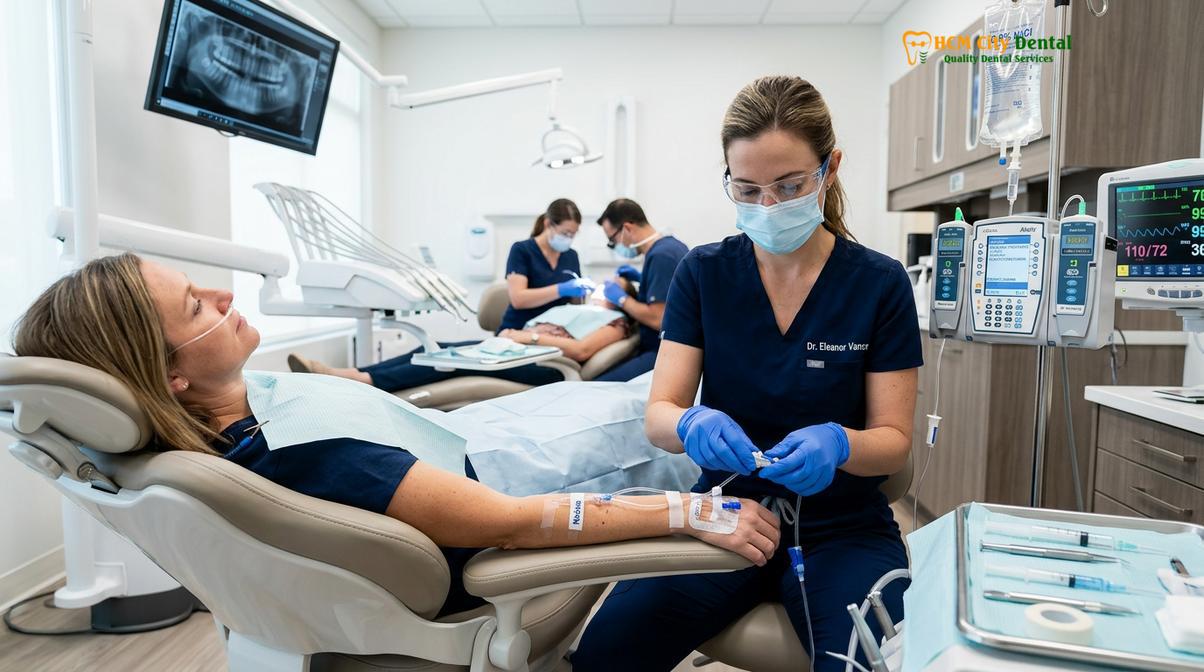
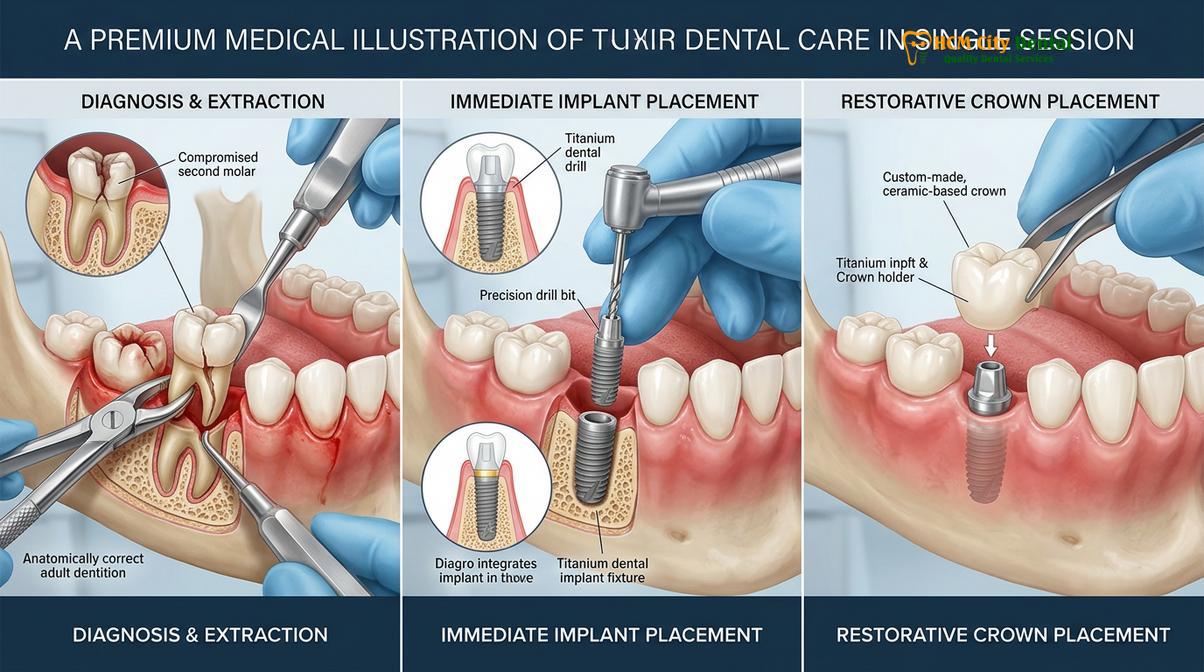
Typically, a multi-procedure session follows a specific hierarchy of invasiveness. The clinical workflow often begins with the most complex or surgically demanding tasks. For example, if a patient requires the extraction of impacted wisdom teeth or the placement of dental implants, these procedures are performed first while the patient is at their deepest level of sedation and the surgical field is pristine. Once the surgical phase is complete and hemostasis (bleeding control) is achieved, the clinician transitions to endodontic therapies, such as root canals.
Following the endodontic phase, the restorative phase begins. This is where the clinician addresses multiple fillings under sedation, prepares teeth for crowns, or bonds veneers. Because the patient is sedated, the dentist can work on multiple quadrants of the mouth simultaneously. Instead of numbing the upper right quadrant on Monday and the lower left quadrant on Thursday, the entire mouth is addressed in one continuous flow. Finally, the session often concludes with prophylactic care, such as deep scaling and root planing, ensuring that the newly restored teeth are situated in healthy, inflammation-free gingival tissues.
Clinical Case Example: Comprehensive Rehabilitation
A 45-year-old patient presented to HCMC Dental Clinic in Ho Chi Minh City with severe dental anxiety, generalized periodontitis, three non-restorable teeth, and multiple carious lesions. Utilizing IV sedation, the clinical team executed a comprehensive treatment plan in a single 4-hour session. The workflow included the extraction of the three failing teeth, immediate placement of three titanium implants, deep periodontal scaling across all four quadrants, and the placement of six composite restorations. By consolidating the treatment, the patient avoided six separate appointments and experienced only one unified recovery period.
This level of consolidation is what defines all in one visit dental care. It is not merely about doing things faster; it is about doing things smarter, utilizing the window of sedation to achieve comprehensive oral health rehabilitation without subjecting the patient to repeated psychological stress [4].
Safety Limitations: How Much Dental Work is Safe in One Session?
While highly efficient, prolonged sedation requires strict adherence to maximum dosage limits, airway management protocols, and comprehensive physiological monitoring to prevent complications.
Despite the immense benefits of consolidating treatments, there are strict physiological and pharmacological limitations that dictate how much dental work can safely be performed in a single session. Patient safety is the absolute priority, and pushing beyond established clinical boundaries can lead to severe complications. The primary limiting factor is rarely the sedative medication itself, but rather the local anesthetics used to block nociception (pain signals) at the tissue level.
Even when a patient is deeply sedated, local anesthetics like Lidocaine or Articaine must be injected into the gums to prevent the body from reacting to surgical stimuli. Every local anesthetic has a Maximum Recommended Dose (MRD) based on the patient’s body weight. If a dentist attempts to treat too many areas of the mouth simultaneously, they risk exceeding the MRD, which can lead to local anesthetic systemic toxicity (LAST)—a potentially life-threatening condition affecting the central nervous and cardiovascular systems. Therefore, the treatment plan must be carefully calculated to ensure that the total volume of local anesthetic remains well within safe therapeutic margins.
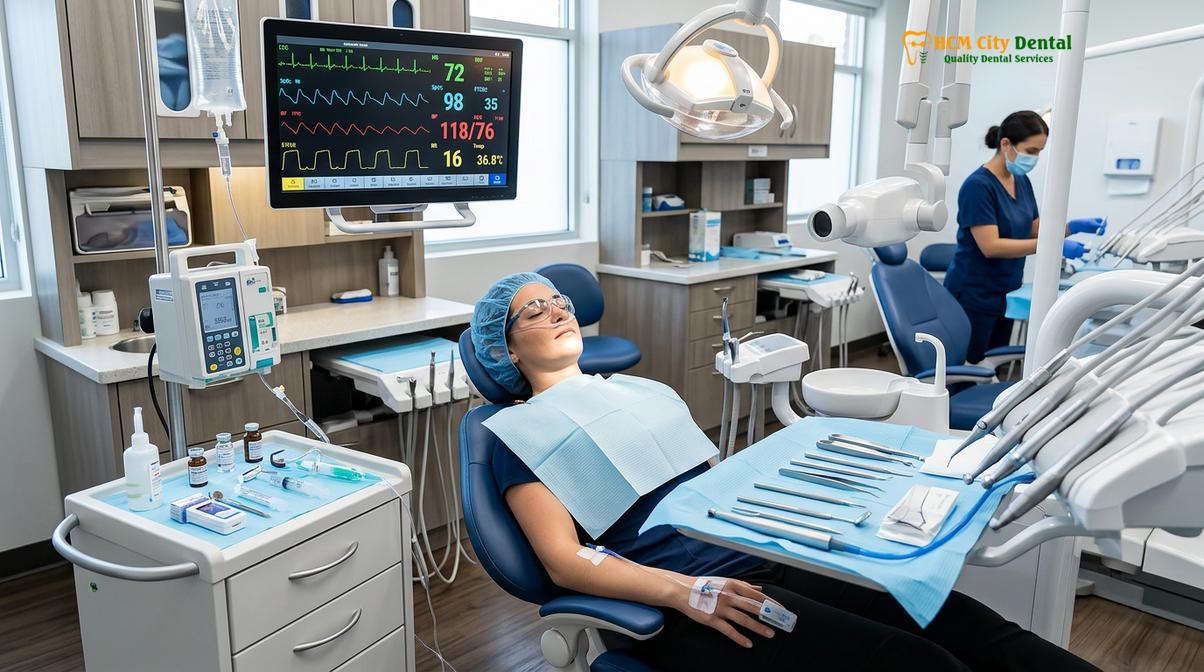
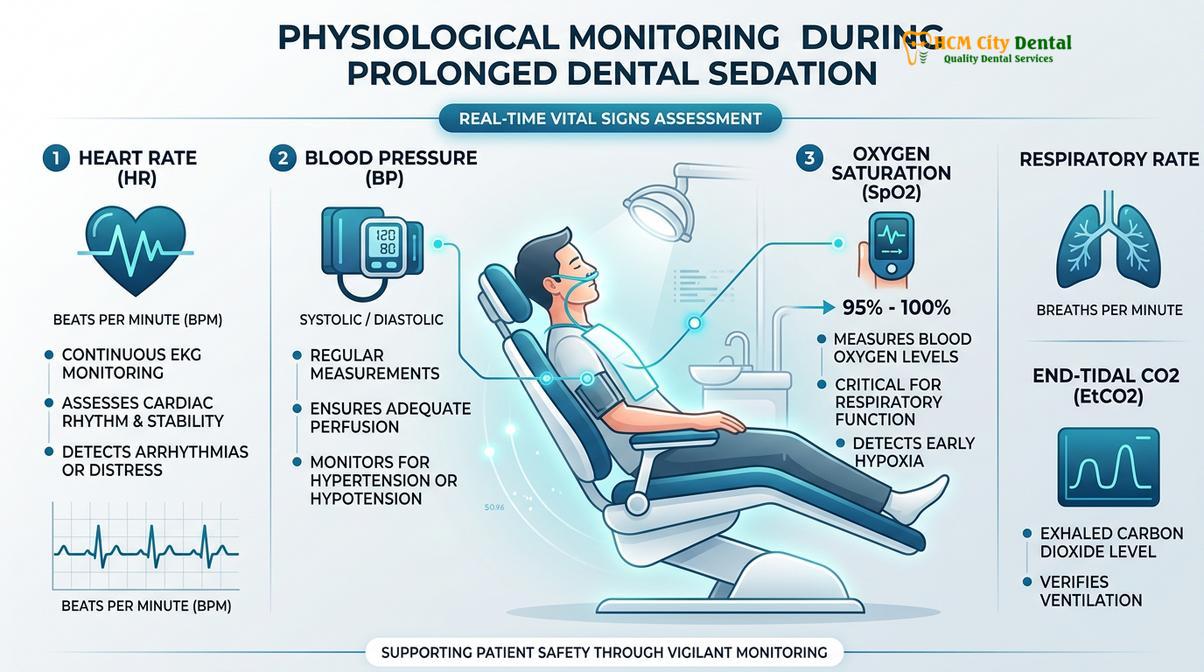
Another critical limitation is airway management. During prolonged sedation, the muscles of the throat relax, which can compromise the airway, especially in patients with obstructive sleep apnea or high body mass indices. The dental team must continuously monitor oxygen saturation (SpO2), end-tidal carbon dioxide (capnography), heart rate, and blood pressure. If a procedure extends beyond four to six hours, the risk of airway fatigue and fluid imbalance increases. For patients who score highly on a dental anxiety scale test, the desire to “get it all done at once” must be balanced against these physiological realities.
Important Clinical Considerations
Not all patients are candidates for multi-hour sedation sessions. Individuals with severe systemic conditions, such as uncontrolled hypertension, advanced chronic obstructive pulmonary disease (COPD), or recent myocardial infarctions, may require their treatments to be staged over multiple shorter appointments. A comprehensive preoperative medical clearance is mandatory to assess individual risk factors.
Dr. Nguyen Van Cuong emphasizes that the decision to consolidate procedures is always based on a rigorous preoperative assessment. The clinical team must evaluate the patient’s overall health, the complexity of the required procedures, and the anticipated duration of the surgery to formulate a safe, customized treatment roadmap [5].
Benefits for Dental Tourists: Saving Travel Days in Vietnam
Consolidating treatments under sedation allows international patients to complete complex dental rehabilitations efficiently, maximizing their recovery time and minimizing travel disruptions.
For international patients and expatriates, time is often the most critical factor when seeking medical care abroad. Dental tourism has grown exponentially, with patients traveling to destinations like Vietnam for high-quality, cost-effective care. However, traditional multi-appointment dentistry is fundamentally incompatible with a short travel itinerary. This is where the strategy of sedation multiple procedures becomes a game-changer for international visitors.
By opting for comprehensive single-session dentistry, a dental tourist can arrive in the country, undergo a thorough consultation and 3D imaging on their first day, and have their entire surgical and restorative treatment completed under sedation on the second day. This drastically reduces the number of days they must spend commuting to and from the clinic. Instead of spending a two-week vacation entirely focused on dental appointments, the patient can dedicate the majority of their trip to resting, recovering, and enjoying their surroundings.
Furthermore, consolidating the treatment into one session means the patient only has to manage one postoperative recovery phase. Managing swelling, dietary restrictions, and medication schedules is significantly easier when it only happens once. For families traveling together, understanding dental anxiety causes and symptoms and utilizing sedation can turn a highly stressful medical trip into a smooth, manageable experience. The efficiency of this model allows clinics to provide world-class rehabilitative care without demanding an unrealistic time commitment from the traveling patient.
Planning Your Custom Multi-Procedure Day at HCMC Dental
A successful multi-procedure sedation day requires meticulous preoperative planning, including 3D imaging, medical clearance, and a customized chronological treatment roadmap.
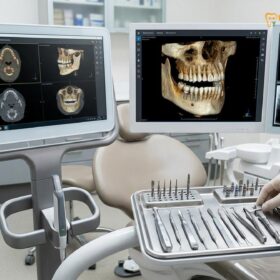
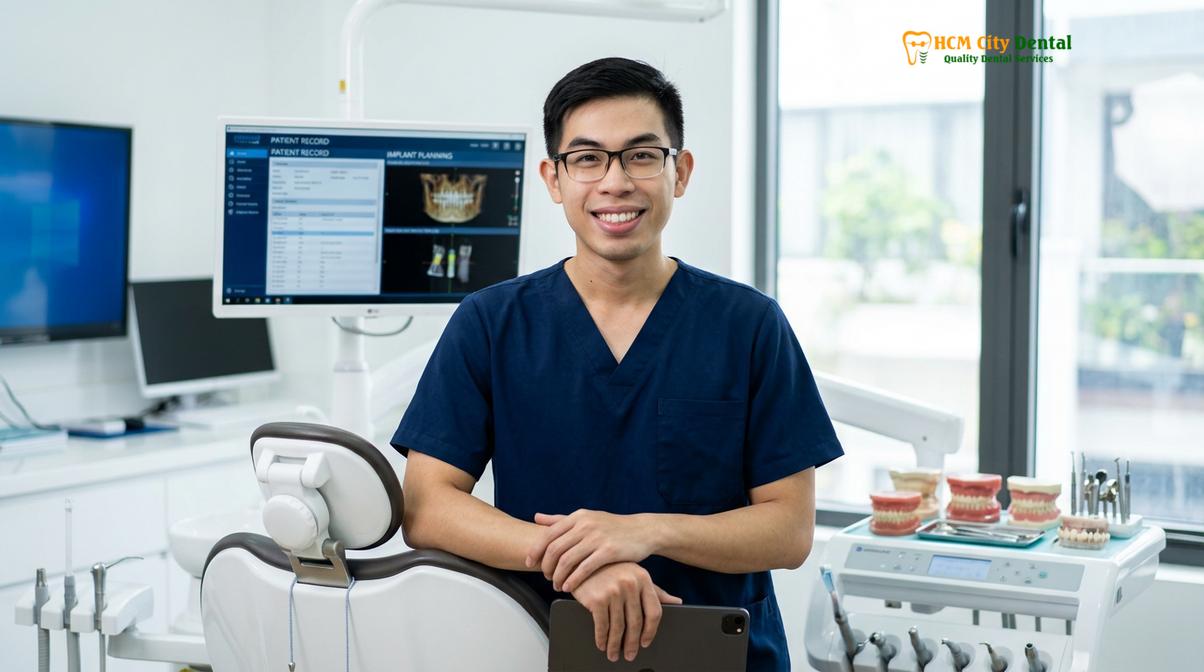
Executing a flawless multi-procedure sedation session requires extensive behind-the-scenes preparation. At HCMC Dental Clinic, the process begins long before the patient sits in the surgical chair. The first step is a comprehensive diagnostic consultation. During this visit, the clinical team utilizes Cone Beam Computed Tomography (CBCT) to capture high-definition 3D images of the patient’s maxillofacial structures. This imaging allows the specialists to map out the exact location of nerves, sinus cavities, and bone density, ensuring that surgical interventions like implant placements are planned with sub-millimeter accuracy.
Following the diagnostic phase, the patient undergoes a thorough medical screening. The anesthesiologist reviews the patient’s medical history, current medications, and any previous experiences with anesthesia. If necessary, blood work or a consultation with the patient’s primary care physician may be requested to ensure they are fit for prolonged sedation. Once medical clearance is obtained, the multidisciplinary team—often consisting of an oral surgeon, an endodontist, and a restorative dentist—collaborates to design the chronological workflow of the appointment.
Patients are provided with strict preoperative instructions, including fasting protocols (NPO) to prevent aspiration risks during sedation. They are also advised on how to overcome dental fear in the days leading up to the procedure, ensuring they arrive at the clinic in a calm and prepared state of mind. On the day of the procedure, the patient is escorted to a private, monitoring-equipped suite where the anesthesiologist initiates the sedation, and the carefully orchestrated treatment plan is set into motion.
When to See a Doctor
Consult a dental professional if you require extensive restorative work, suffer from severe dental anxiety, or have a sensitive gag reflex that prevents traditional treatment.
You should schedule a consultation for multi-procedure sedation dentistry if you have neglected your oral health for years due to severe dental phobia and now require extensive rehabilitative work. It is also highly recommended for individuals who have a hyperactive gag reflex, a history of difficulty achieving profound numbness with local anesthetics alone, or physical conditions that make it painful to sit still in a dental chair for extended periods.
Furthermore, if you are facing a complex treatment plan that involves multiple specialists—such as needing extractions, root canals, and crowns—discussing the possibility of consolidating these treatments under sedation can save you significant time and emotional distress. Always ensure that you seek consultation at a facility equipped with advanced physiological monitoring and staffed by credentialed dental anesthesiologists to guarantee the highest standards of clinical safety.
Frequently Asked Questions
Can you get all your dental work done in one day under sedation?
Yes, many patients can complete their entire treatment plan in a single day under sedation, depending on their medical health and the complexity of the procedures. A thorough clinical evaluation is required to determine if consolidating your specific treatments into one session is safe and viable. Extensive cases may still require a follow-up visit for the placement of final permanent prosthetics after the initial healing phase.
How many cavities can be filled under sedation in one visit?
Clinicians can often restore all present cavities across multiple quadrants during a single sedation visit. The primary limiting factor is not the sedation itself, but the maximum safe dosage of local anesthetic required to numb the various areas of the mouth. Your dentist will calculate this dosage based on your body weight to ensure complete safety while maximizing the number of restorations completed.
Is it safe to be under IV dental sedation for 3 to 4 hours?
Yes, it is generally safe to remain under intravenous conscious sedation for three to four hours when continuously monitored by a qualified dental anesthesiologist. Advanced monitoring equipment tracks vital signs to ensure physiological stability throughout the duration of the extended appointment. Patient selection is critical, and a thorough medical history review is conducted prior to approval.
Does combining procedures under sedation save money?
Combining treatments can be highly cost-effective by reducing the number of separate facility fees, sedation setup costs, and time taken off from work. While the single-day cost is higher, the cumulative expense of fragmented appointments is often significantly reduced. Additionally, addressing all dental issues promptly prevents minor decay from progressing into more expensive complications like root canals or extractions.
What is the recovery like after a full-day dental session?
Recovery involves resting for the remainder of the day as the sedative medications gradually leave your system. Patients typically experience a consolidated healing period, meaning they only undergo one phase of swelling and discomfort rather than multiple recovery cycles over several months. You will need a responsible adult to drive you home and monitor you for the first 24 hours post-sedation.
References
- Journal of Oral and Maxillofacial Surgery. Patient safety in dental sedation and anesthesia. (2021).
- International Journal of Oral and Maxillofacial Surgery. Intravenous conscious sedation protocols for complex oral surgery. (2020).
- British Dental Journal. Nitrous oxide inhalation sedation in dentistry: a review of safety. (2019).
- Journal of the American Dental Association. Patient satisfaction and anxiety levels under conscious sedation. (2022).
- Clinical Oral Investigations. Safety and recovery profiles of conscious sedation vs general anesthesia. (2018).
For pricing, booking, and a free clinical assessment, visit our Sedation Dentistry service page at HCMC Dental Clinic in Ho Chi Minh City.