Flying after wisdom tooth extraction is generally considered safe once the initial blood clot stabilizes, which typically occurs 48 to 72 hours post-surgery. However, the unique environment of an aircraft cabin introduces specific physiological challenges that can exacerbate swelling, trigger discomfort, and potentially disrupt the healing process. Patients are strongly advised to consult their oral surgeon to ensure the extraction site is adequately secure before boarding a flight, as premature air travel can lead to painful complications and delayed recovery.
Clinical Summary:
Air travel shortly after oral surgery presents distinct physiological hurdles primarily driven by barometric pressure fluctuations and low cabin humidity. Following the removal of a wisdom tooth, the body relies on a fragile fibrin blood clot to seal the socket, protect exposed alveolar bone, and initiate tissue regeneration. Ascending to cruising altitude causes trapped gases within the body—particularly in the maxillary sinuses—to expand, which can exert mechanical stress on recent upper jaw extractions. Furthermore, the arid environment of an aircraft cabin accelerates dehydration, potentially compromising mucosal healing. Clinical consensus strongly advises delaying air travel for at least 48 to 72 hours following simple extractions, and up to a full week for complex surgical impactions. This waiting period helps mitigate the risks of secondary hemorrhage, severe barodontalgia (pressure-induced dental pain), and alveolar osteitis (dry socket). Comprehensive pre-flight evaluation and proactive in-flight pain management remain essential for a safe journey.
Key Takeaways:
- Wait at least 48 to 72 hours after a routine extraction before flying to allow the blood clot to stabilize.
- Complex surgical removals, especially those involving bone impaction or sinus proximity, may require a 5 to 7-day waiting period.
- Cabin pressure changes can expand trapped gases, increasing the risk of sinus discomfort and clot disruption.
- Low cabin humidity accelerates dehydration; maintaining oral moisture is critical to help prevent dry socket.
- Always carry sterile gauze, prescribed analgesics, and a cold compress in your carry-on luggage for immediate access.
The Risk of Flying Too Soon After Dental Surgery
Boarding a flight prematurely can disrupt the fragile blood clot, potentially leading to delayed healing, secondary bleeding, and severe pain due to the physiological stress of travel.
The immediate aftermath of a Tooth Extraction initiates a complex cascade of biological healing. Within the first 24 hours, the body focuses on hemostasis—stopping the bleeding by forming a robust blood clot composed of platelets and a fibrin network. This clot acts as a biological bandage, sealing the socket, protecting the underlying alveolar bone, and shielding sensitive nerve endings from the external environment. When patients ask if they can fly immediately after surgery, the clinical answer hinges entirely on the stability of this critical clot, as barometric shifts can easily disturb recent oral surgical wounds [1].
Flying too soon introduces multiple risk factors that can compromise this delicate healing phase. The physical exertion associated with navigating airports—hauling heavy luggage, rushing to gates, and managing travel anxiety—naturally elevates heart rate and blood pressure. This systemic cardiovascular response increases hydrostatic pressure within the maxillofacial blood vessels. If the clot has not fully organized and adhered to the socket walls, this increased pressure can easily dislodge it or cause the fragile capillaries to rupture, resulting in secondary hemorrhaging mid-flight.
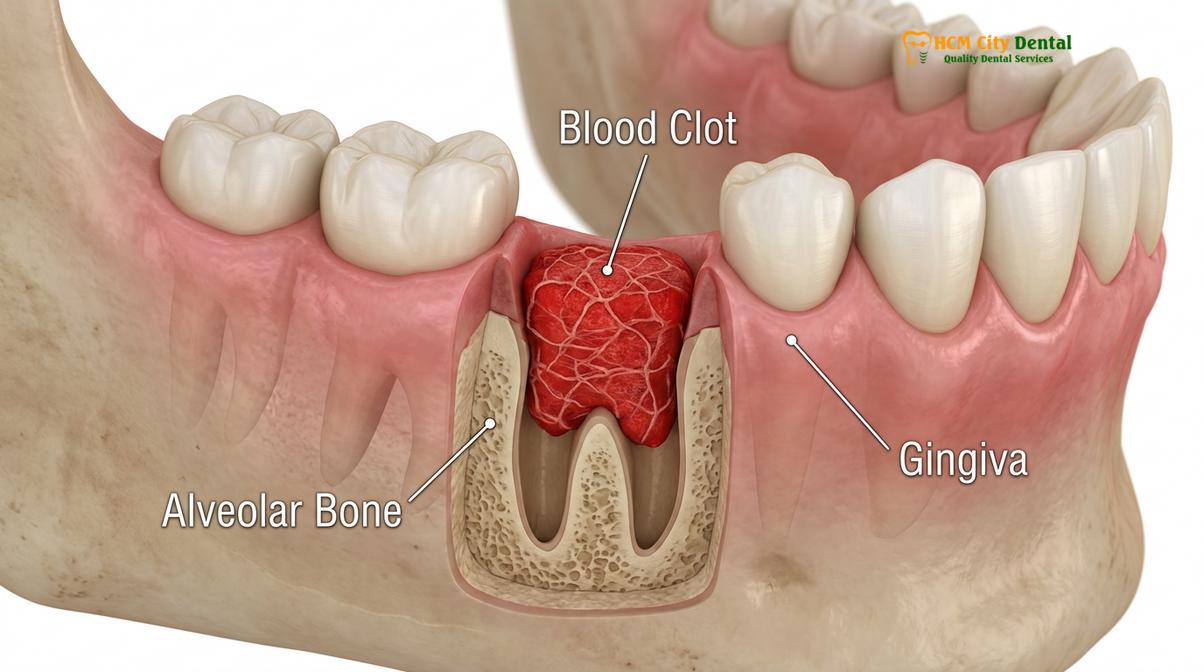
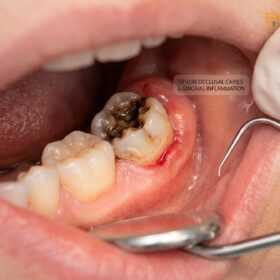
Furthermore, the risk of developing alveolar osteitis, commonly known as dry socket, is significantly amplified if the clot is lost during travel. Dry socket is a highly painful condition where the bone and nerves are left exposed to air, food, and fluids. The pain is often described as a deep, radiating ache that extends to the ear or neck and is highly resistant to standard over-the-counter analgesics. Studies on traveling patients highlight that the incidence of alveolar osteitis increases when post-operative care routines are disrupted by transit [3]. Managing a dry socket at 35,000 feet without access to a dentist for palliative dressing placement is a distressing scenario that oral surgeons aim to prevent through careful scheduling.
“The first 48 hours post-extraction are the most critical for fibrin network stabilization. Subjecting a fresh surgical wound to the cardiovascular stress of travel and the barometric shifts of aviation before this network matures drastically increases the incidence of post-operative complications.”
In addition to bleeding and dry socket risks, the inflammatory response typically peaks between 48 and 72 hours post-surgery. During this window, localized swelling (edema) and tissue stiffness are at their maximum. Confining oneself to an upright, pressurized cabin seat during peak inflammation can exacerbate discomfort, making the journey exceptionally unpleasant. Therefore, allowing the body sufficient time to transition from the acute inflammatory phase to the proliferative healing phase is a fundamental principle of post-operative travel safety (see also our flying after dental sedation guide).
How Cabin Pressure Affects Extraction Sockets and Sinuses
Fluctuations in cabin altitude create barometric stress that can expand trapped gases in the sinuses, potentially disturbing healing extraction sites and causing severe pressure-induced pain.
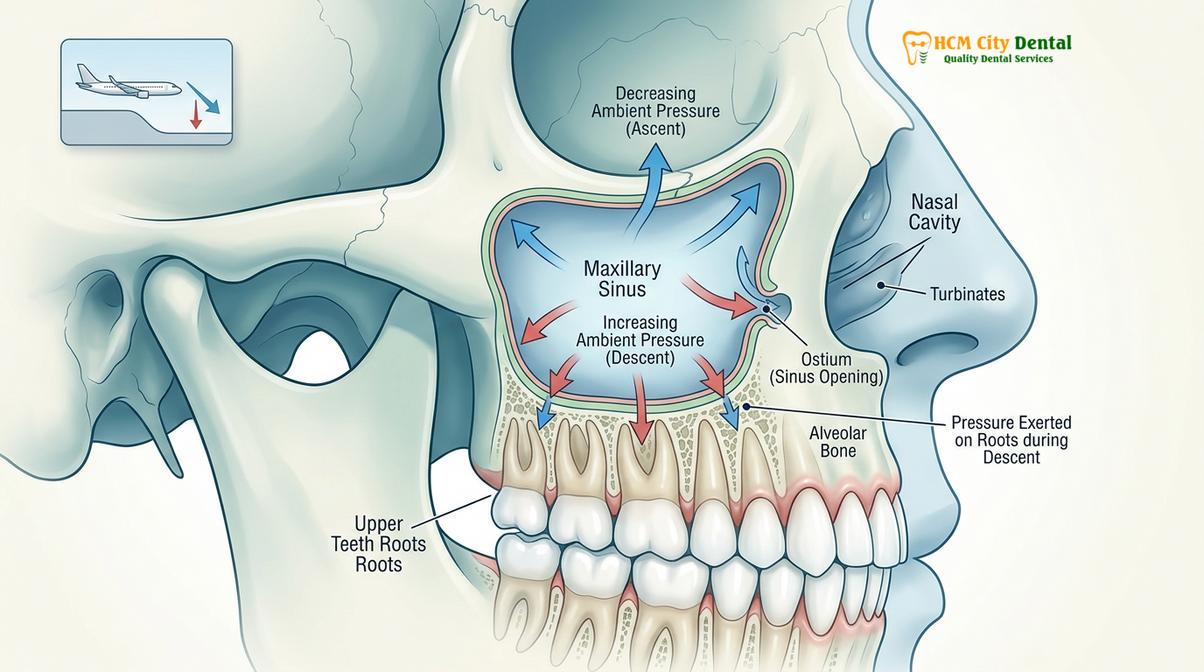
To understand the impact of air travel on dental surgery, one must consider the physics of aviation. Commercial aircraft cabins are pressurized to simulate an altitude of approximately 6,000 to 8,000 feet above sea level. According to Boyle’s Law, as ambient pressure decreases during ascent, the volume of a gas expands. Conversely, during descent, as pressure increases, gas volume contracts. This physiological phenomenon is the primary driver behind barodontalgia—tooth or jaw pain caused by changes in barometric pressure, a well-documented issue in aviation dentistry [2].
The anatomy of the upper jaw (maxilla) makes it particularly susceptible to these pressure changes. The roots of the upper wisdom teeth often sit in close proximity to, or even protrude into, the maxillary sinus cavity—a hollow, air-filled space lined by the Schneiderian membrane. When an upper wisdom tooth is extracted, the bone separating the socket from the sinus is extremely thin. In some cases, the extraction may create a microscopic or macroscopic communication between the oral cavity and the sinus, leading to specific maxillary sinus complications [4].
During a flight, the expanding air within the maxillary sinus exerts downward pressure on the surgical site. If the extraction wound is fresh, this mechanical stress can stretch the sutured gum tissue, provoke deep aching pain, and in severe cases, push the stabilizing blood clot out of the socket. Patients who have undergone upper molar extractions or concurrent sinus lift procedures are generally advised to observe a longer grounding period to ensure the sinus floor has adequately sealed.
Beyond barometric pressure, the environmental conditions inside an aircraft cabin pose secondary threats to oral healing. Cabin air is notoriously dry, often dropping below 20% humidity. This arid environment rapidly desiccates the mucous membranes of the mouth. Saliva plays a crucial role in oral immunity, containing antibacterial enzymes and maintaining a moist environment conducive to tissue repair. Dehydration thickens saliva, reducing its protective efficacy and increasing the bacterial load around the surgical site. Consequently, maintaining rigorous hydration with still water is imperative to counteract the desiccating effects of cabin air and support optimal healing.
Flight Safety Rules: How Long Should You Wait?
The recommended waiting period before flying ranges from 48 hours for simple extractions to over a week for complex surgical impactions involving bone removal.
Determining exactly when it is safe to fly requires a personalized assessment of the surgical complexity, the patient’s overall health, and the specific anatomical position of the extracted teeth. There is no universal timeline; rather, oral surgeons categorize the waiting period based on the invasiveness of the procedure. For older adults, healing may take slightly longer, making resources like a Wisdom Teeth Removal at 30 & 40: Clinical Guide highly relevant for travel planning.
Simple Extractions: A simple extraction involves a fully erupted tooth that can be elevated and removed without making incisions into the gum tissue or removing surrounding bone. Because the trauma to the surrounding tissues is minimal, the blood clot forms and stabilizes relatively quickly. For these routine procedures, patients are generally cleared to fly after 48 to 72 hours, provided there is no active bleeding and pain is well-controlled with mild analgesics.
Surgical Extractions (Soft Tissue Impaction): When a wisdom tooth is partially covered by gum tissue, the surgeon must create a small flap to access and remove the tooth. This requires sutures to reposition the tissue. The inflammatory response is more pronounced, and swelling is expected. Patients undergoing soft tissue impactions should wait a minimum of 72 hours to 5 days before flying to ensure the sutures hold and the peak swelling phase has passed.
Complex Surgical Extractions (Partial or Full Bony Impaction): The most invasive scenario involves a wisdom tooth encased partially or entirely within the jawbone. The surgeon must elevate a full-thickness mucoperiosteal flap, use a specialized drill or ultrasonic device to remove overlying bone, and often section the tooth into pieces for safe removal. This level of surgical trauma triggers significant inflammation, bone remodeling, and a higher risk of post-operative oozing. For bony impactions, a waiting period of 7 to 10 days is strongly recommended before undertaking air travel.
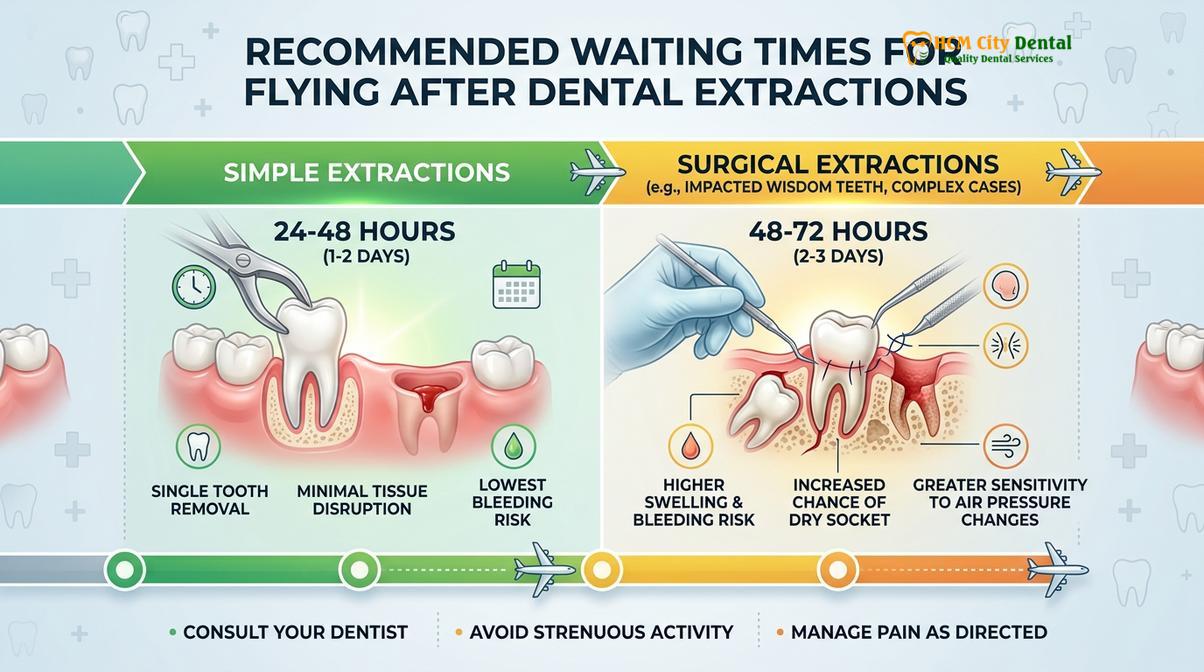
To provide a clear clinical framework, the following table outlines the general travel guidelines based on extraction complexity:
| Procedure Type | Recommended Wait Time | Risk Level for Early Flight | Clinical Rationale |
|---|---|---|---|
| Simple Erupted Extraction | 48 – 72 Hours | Low to Moderate | Minimal tissue trauma; clot stabilizes quickly. Risk of bleeding is low after 48 hours. |
| Soft Tissue Impaction | 3 – 5 Days | Moderate | Requires sutures. Swelling peaks at 48-72 hours. Travel is safer once inflammation subsides. |
| Partial Bony Impaction | 5 – 7 Days | High | Bone removal involved. Higher risk of dry socket and pressure-induced barodontalgia. |
| Full Bony Impaction / Sinus Proximity | 7 – 10 Days | Very High | Significant surgical trauma. High risk of sinus communication and severe pressure pain. |
Managing Swelling, Diet, and Pain on a Flight
Proactive pain management involves timed analgesics, cold therapy, and careful dietary choices to counteract in-flight inflammation and barometric discomfort.
If you have been cleared to fly but are still within the first week of recovery, managing the physiological responses to surgery while airborne requires a strategic approach. The combination of residual surgical inflammation and the stress of travel can amplify pain perception. Effective management relies on understanding the pharmacokinetics of your prescribed medications and utilizing physical therapies to control edema (swelling).
First and foremost, adhere strictly to your analgesic regimen. Non-Steroidal Anti-Inflammatory Drugs (NSAIDs), such as Ibuprofen, are typically the first line of defense because they inhibit inflammatory pathways, directly reducing both pain and swelling at the surgical site. It is crucial to take your medication 30 to 45 minutes before boarding, ensuring peak plasma concentrations are reached before the aircraft begins its ascent and cabin pressure changes occur. Avoid using aspirin unless specifically directed by your doctor, as its strong anticoagulant properties can increase the risk of bleeding. Patients with underlying conditions should also review guidelines on Wisdom Tooth Extraction: Diabetes & Blood Thinners before flying.
Cold therapy is highly effective for managing maxillofacial swelling, particularly during the first 72 hours. While you cannot bring frozen gel packs through airport security, you can bring empty ziplock bags. Once past security or on the plane, ask the flight attendant to fill the bag with ice. Wrap the ice pack in a napkin or thin towel to prevent frostbite, and apply it to the outside of your cheek in intervals of 15 minutes on and 15 minutes off.
Dietary choices mid-flight also significantly impact your comfort and healing. Airplane cabins are dry, so continuous hydration is essential. Sip cool, still water frequently. Avoid carbonated beverages, hot coffee, or tea, as extreme temperatures and carbonation can irritate the wound and dissolve the blood clot. When the meal service arrives, bypass crunchy snacks like pretzels or nuts, which can fracture and lodge debris into the socket. Instead, focus on Foods to Eat After Wisdom Teeth Removal, requesting soft items like yogurt, applesauce, or lukewarm soup, ensuring you chew exclusively on the non-surgical side of your mouth.
What to Pack in Your Carry-on: Post-Op Dental Travel Kit
A well-prepared dental travel kit ensures you have immediate access to hemostatic gauze, prescribed medications, and hydration tools to manage any mid-flight complications.
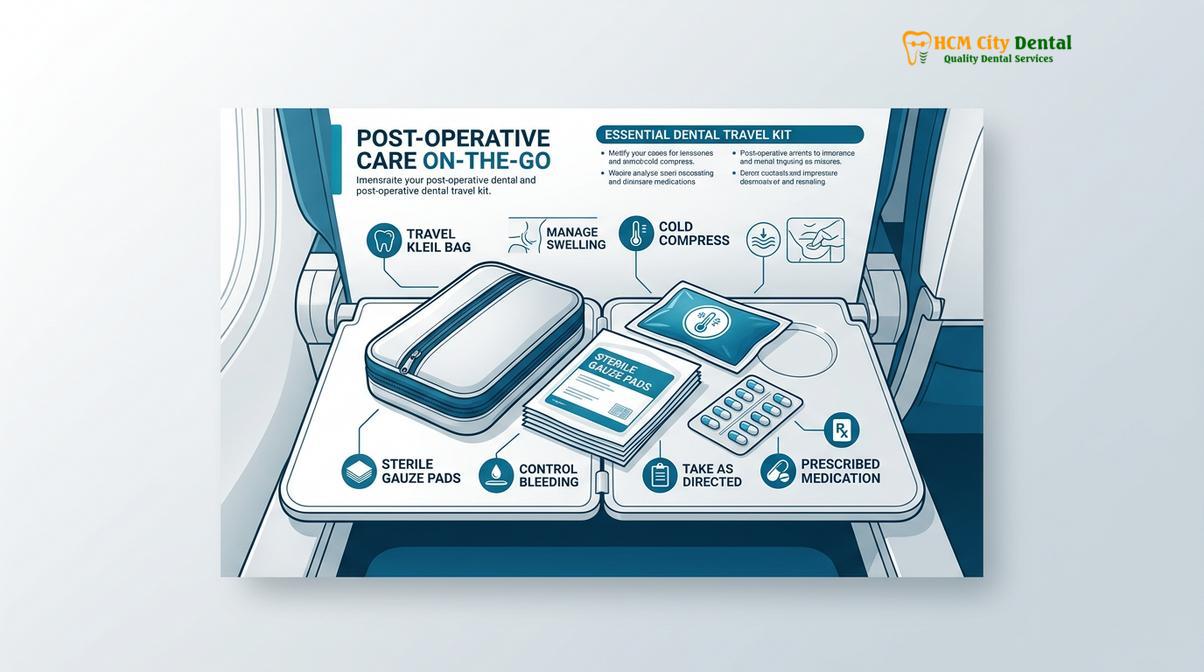
Preparation is the cornerstone of safe travel after oral surgery. Relying on the limited medical supplies available on a commercial aircraft is a risk that can easily be avoided by packing a dedicated post-operative dental travel kit in your carry-on luggage. Checked baggage is inaccessible during the flight and susceptible to loss, so all essential recovery items must remain with you in the cabin.
The most critical item in your kit is sterile, woven gauze. While severe bleeding is rare after the initial 48 hours, the stress of travel or an accidental bump to the jaw can cause the socket to begin oozing. Pack several individually wrapped sterile gauze pads. If bleeding occurs, fold a pad into a tight square, place it directly over the extraction site, and bite down with firm, continuous pressure for 30 to 45 minutes. Avoid the temptation to remove the gauze to check the bleeding, as this disrupts the clotting process.
Your kit must also include all prescribed medications in their original, clearly labeled pharmacy bottles. This includes antibiotics, which must be taken exactly as prescribed to prevent infection, and your pain management medications. Having the original prescription labels prevents delays or confiscation at airport security checkpoints. Additionally, carrying a small, travel-sized bottle of sterile saline can help you Clean Wisdom Tooth Socket areas gently if debris accumulates, though vigorous swishing should be strictly avoided during the flight.
Getting Doctor’s Clearance Before Your Flight from HCMC
Obtaining professional medical clearance ensures your extraction site is stable enough to withstand the physiological stresses of commercial air travel.
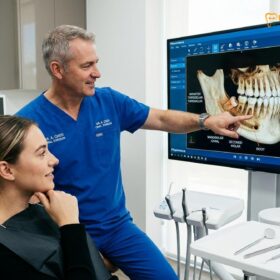
Before heading to the airport, securing a final post-operative evaluation from your oral surgeon is a critical step in travel preparation. This clearance appointment allows the clinician to verify that the blood clot is intact, the sutures are holding securely, and there are no early signs of infection. For international patients receiving care in Vietnam, coordinating this clearance with your flight schedule is an essential part of the treatment plan.
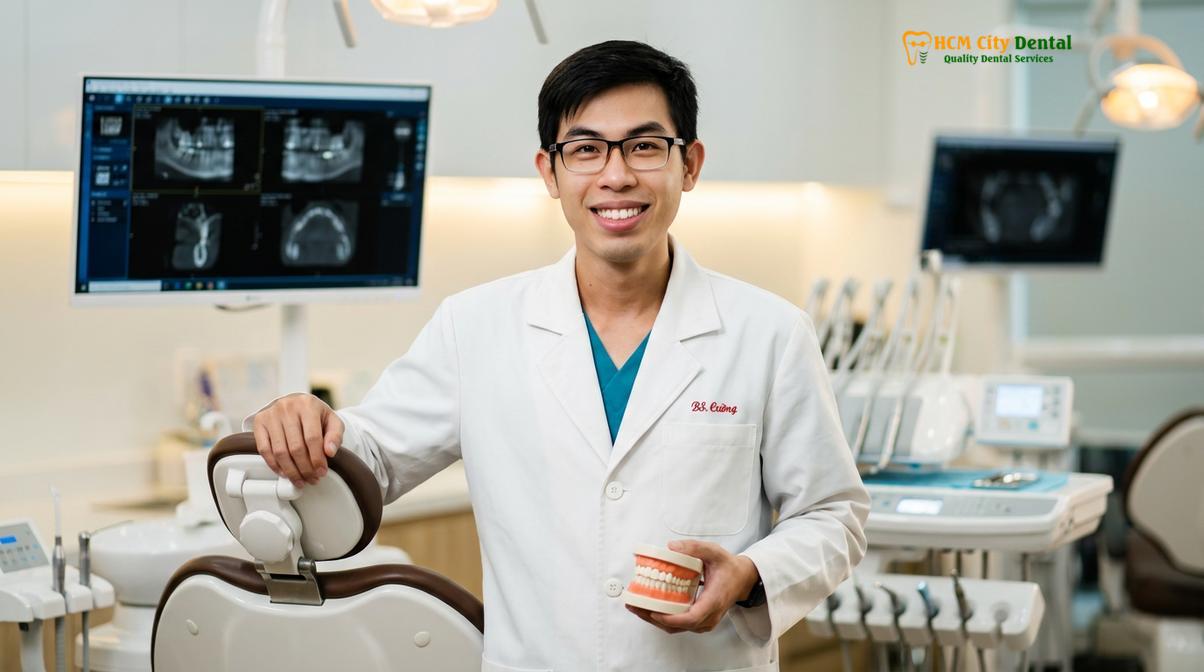
Dr. Nguyen Van Cuong, a leading oral surgeon at HCMC Dental Clinic, emphasizes the importance of personalized recovery timelines. Dr. Cuong routinely utilizes Painless Wisdom Teeth Removal techniques to minimize tissue trauma, which can help expedite travel clearance for international patients. He advises all travelers to ensure their extraction site is fully stabilized before boarding a flight, providing tailored post-operative assessments to guarantee patient safety.
During the clearance exam, the dental team will assess the surgical site against the national guidelines on post-operative maxillofacial care and travel restrictions established by the Vietnam Odonto-Stomatology Association (VOSA) [5]. If the healing is progressing normally, the clinic can provide a brief medical letter detailing the procedure performed, the medications prescribed, and a formal statement clearing you for air travel. This documentation is invaluable if you encounter questions at airport security regarding your medications or if you require medical assistance while abroad.
Case Study: Safe Travel Planning in Ho Chi Minh City
Coordinating complex extractions with international travel schedules requires precise clinical planning to ensure patient safety and comfort.
Patient Profile: Michael, a 34-year-old expatriate, needed two impacted lower wisdom teeth removed before relocating back to his home country.
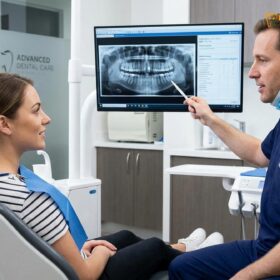
Clinical Presentation: Panoramic X-rays revealed partial bony impactions on both lower third molars. Michael’s flight was initially scheduled just four days after the proposed surgery date.
Treatment & Travel Plan: Michael visited HCMC Dental Clinic in Ho Chi Minh City for a comprehensive consultation. Recognizing the high risk of flying so soon after a bony impaction, the surgical team advised Michael to either expedite the surgery or delay his flight. Michael opted to reschedule his flight to allow a full 8-day recovery window. The extractions were performed successfully. On day 7, Michael returned to HCMC Dental Clinic for a final clearance check. The surgeon confirmed excellent clot stability and provided a medical clearance letter. Michael completed his 14-hour international flight the following day with no bleeding, minimal swelling, and well-controlled comfort.
When to Seek Immediate Medical Attention
Recognizing the warning signs of post-operative complications is vital for travelers, as prompt intervention can prevent severe infections or prolonged pain.
While proper preparation minimizes risks, complications can occasionally arise during or immediately after a flight. It is crucial to monitor your symptoms closely and know when to seek professional dental care upon reaching your destination. Normal post-operative symptoms include mild to moderate swelling, slight jaw stiffness, and manageable discomfort that responds to prescribed analgesics.
“Patients should immediately seek emergency dental care if they experience uncontrolled bleeding that does not stop after 45 minutes of firm gauze pressure, a sudden spike in fever, or rapidly spreading swelling that compromises swallowing or breathing.”
If you develop a throbbing, radiating pain that begins several days after the extraction and is not relieved by pain medication, you may have developed a dry socket. Additionally, if you notice a foul taste or odor coming from the extraction site, or if pus is visible, these are strong indicators of a localized infection. In any of these scenarios, contact a local dental professional immediately rather than waiting for the symptoms to resolve on their own.
Frequently Asked Questions
Can I fly 24 hours after wisdom tooth extraction?
Flying within 24 hours of a wisdom tooth extraction is strongly discouraged due to the high risk of bleeding and clot disruption. During this initial period, the blood clot is highly fragile, and the stress of travel combined with pressure changes can easily trigger secondary hemorrhaging.
Does flying increase the risk of dry socket?
Yes, flying can increase the risk of dry socket if undertaken too soon. The combination of barometric pressure fluctuations, extremely dry cabin air, and travel-induced dehydration can compromise the integrity of the blood clot, potentially exposing the underlying alveolar bone and nerves.
What should I do if my socket starts bleeding on a plane?
If bleeding occurs mid-flight, immediately place a folded sterile gauze pad directly over the extraction site and bite down with firm, continuous pressure for 30 to 45 minutes. Keep your head elevated, avoid talking, and do not rinse your mouth or check the site constantly.
Is it safe to fly after surgical wisdom tooth removal?
It is generally safe to fly 72 hours to one week after surgical wisdom tooth removal, provided your oral surgeon has evaluated the site. Surgical extractions involving bone removal require a longer stabilization period to ensure the wound is secure against pressure changes.
Will airport security stop me for pain medications?
Airport security permits passengers to carry prescription pain medications, provided they are clearly labeled in their original pharmacy containers. It is highly recommended to carry a brief clearance letter or prescription copy from your dentist to facilitate a smooth screening process.
References
- Journal of Oral and Maxillofacial Surgery. Effects of barometric pressure changes on recent oral surgical wounds.
- Aviation, Space, and Environmental Medicine. Barodontalgia and aviation dentistry clinical guidelines.
- British Dental Journal. Incidence and prevention of alveolar osteitis in traveling patients.
- International Journal of Oral and Maxillofacial Surgery. Maxillary sinus complications following third molar extractions.
- Vietnam Odonto-Stomatology Association (VOSA). National guidelines on post-operative maxillofacial care and travel restrictions.
If you are planning an upcoming trip and need expert advice on managing your dental recovery, contact HCMC Dental Clinic in Ho Chi Minh City to schedule a comprehensive pre-flight consultation and ensure your travel plans are safe and comfortable.