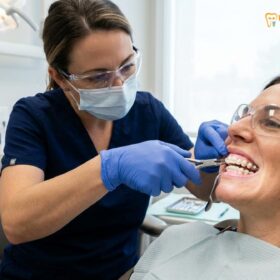
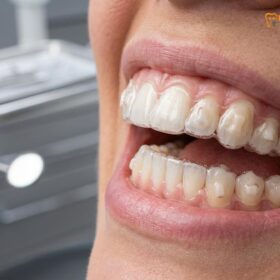
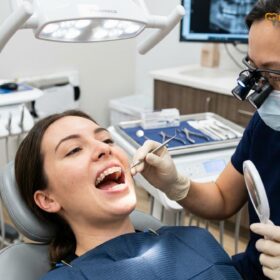
When seeking Dr Cuong dentist custom retainers, patients receive precision-crafted orthodontic appliances designed to help prevent post-treatment relapse. Custom retainers stabilize teeth in their new positions while the surrounding bone and periodontal ligaments adapt, which is a crucial step in maintaining the long-term success of your orthodontic investment.
The transition from active tooth movement to passive retention is arguably the most critical phase of any orthodontic journey. Without a meticulously designed retention protocol, the natural elastic memory of the gingival fibers will often pull the teeth back toward their original misaligned state. By utilizing advanced digital scanning and high-quality biocompatible materials, modern dental professionals can create retainers that offer both exceptional comfort and rigid stability, safeguarding your smile for the future.
Clinical Summary:
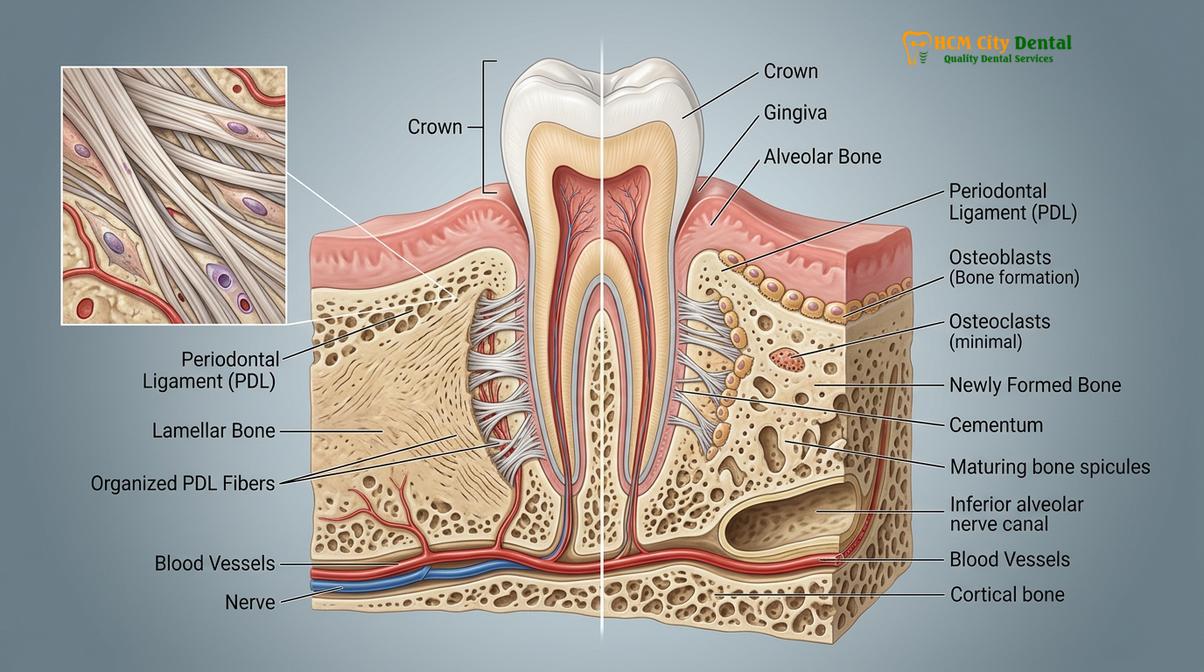
Custom retainers are essential medical devices prescribed immediately following the removal of braces or clear aligners. The retention phase allows the alveolar bone and periodontal ligaments to reorganize and solidify around the newly positioned teeth. A tailored approach utilizing Essix, Hawley, or fixed lingual retainers is based on individual anatomical needs and relapse risks. A professional retainer fitting involves precise intraoral scanning, custom fabrication, and rigorous occlusal adjustments to ensure optimal efficacy. Long-term compliance and proper appliance hygiene are paramount to preventing orthodontic relapse and maintaining periodontal health.
Key Takeaways:
- Custom retainers are necessary to help prevent teeth from shifting back to their original positions after orthodontic treatment.
- The periodontal ligaments require several months to fully reorganize, typically necessitating full-time retainer wear initially.
- Options include clear thermoformed (Essix/Vivera), traditional wire-and-acrylic (Hawley), and bonded lingual wires.
- Digital intraoral scanning provides superior accuracy for retainer fabrication compared to traditional alginate impressions.
- Immediate clinical intervention is recommended if a retainer is lost, broken, or suddenly fits poorly.
The Clinical Importance of Post-Orthodontic Retention
Post-orthodontic retention is clinically vital to stabilize teeth while the alveolar bone and periodontal ligaments remodel, helping to prevent the natural tendency of teeth to relapse into their original malocclusion.
To fully understand the necessity of custom retainers, one must examine the biological mechanisms of tooth movement. During active orthodontic treatment, continuous force is applied to the crowns of the teeth. This force translates down to the roots, compressing the periodontal ligament (PDL) on one side and stretching it on the other. This mechanical stress induces a complex cellular response involving osteoclasts, which resorb bone on the pressure side, and osteoblasts, which deposit new bone on the tension side. This continuous remodeling allows the teeth to move through the jawbone.
However, once the active orthodontic appliances are removed, the teeth are left in a state of transient instability. The newly formed osteoid tissue has not yet fully calcified into mature, dense alveolar bone. Furthermore, the supracrestal gingival fibers—particularly the transseptal fibers that connect adjacent teeth—possess a strong elastic memory. These fibers can take many months to completely reorganize and lose their tendency to pull the teeth back to their pre-treatment positions[1].
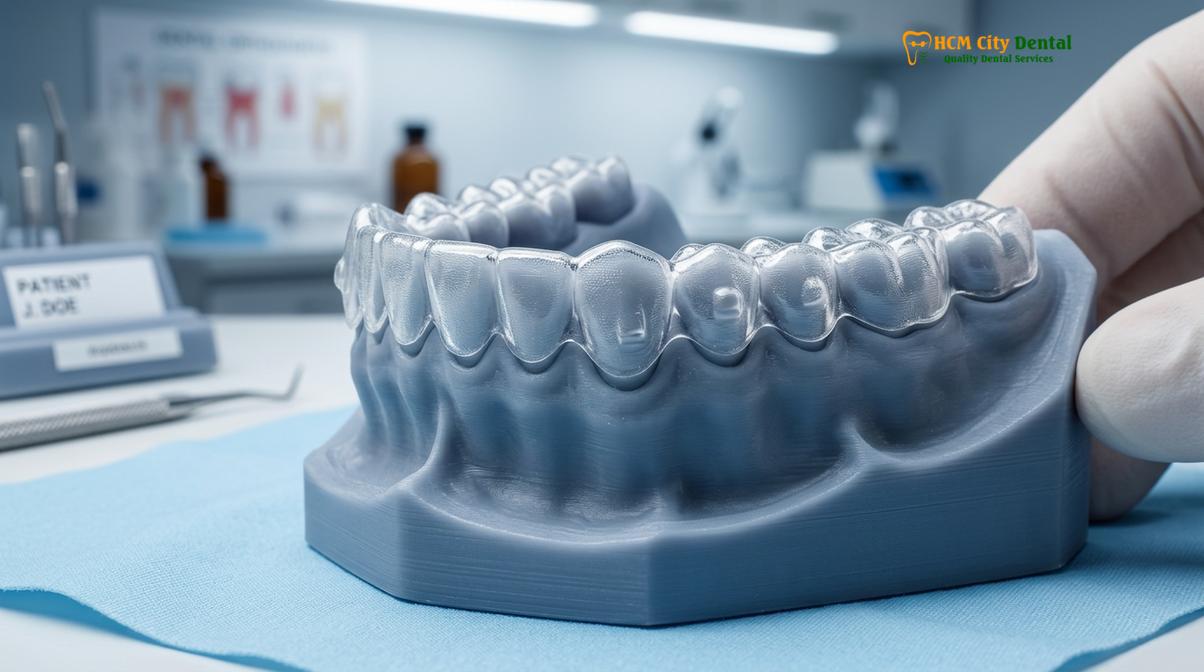
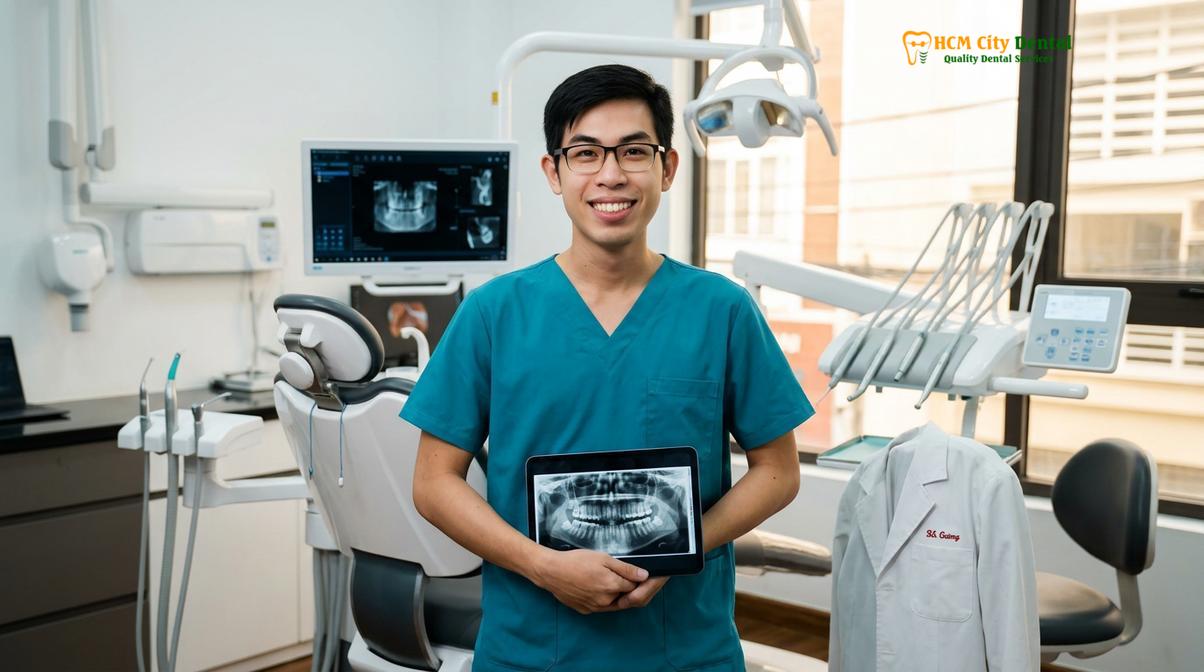
Dr. Nguyen Van Cuong emphasizes that a personalized retention protocol is the cornerstone of lasting orthodontic success. With extensive clinical experience, Dr. Cuong meticulously evaluates each patient’s unique bite dynamics to prescribe the most effective appliance. His comprehensive approach to Orthodontics tại HCMC Dental Clinic ensures that every custom retainer provides optimal stability, comfort, and long-term reliability for the patient.
The retention protocol is highly individualized. While the standard recommendation often involves full-time wear for the first three to six months followed by lifetime nighttime wear, patients with severe initial rotations, significant spacing, or compromised periodontal support may require more stringent, long-term retention strategies. The goal of a professional retention protocol is to provide a seamless transition that protects the patient’s aesthetic and functional results while accommodating their daily lifestyle.
Types of Custom Retainers: Essix, Hawley, and Fixed
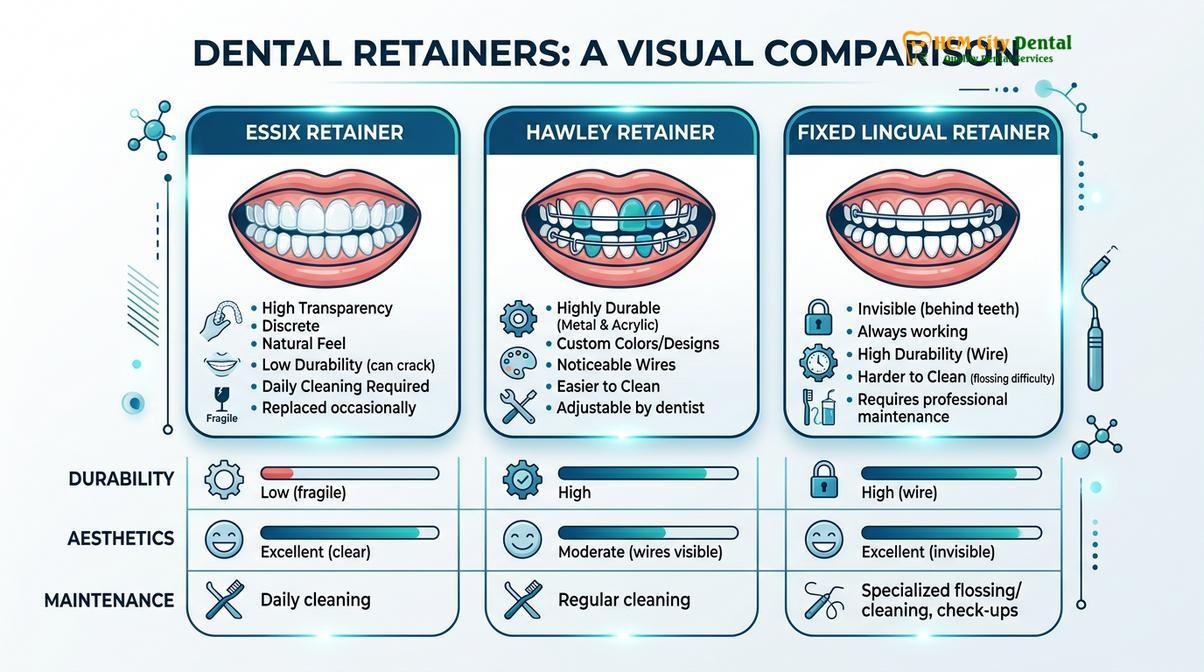
Custom retainers are categorized into clear thermoformed Essix, traditional acrylic-and-wire Hawley, and bonded fixed retainers, each offering distinct clinical advantages based on the patient’s specific retention needs.
The selection of the appropriate retainer type is a critical clinical decision based on the patient’s original malocclusion, oral hygiene habits, and aesthetic preferences. A comprehensive evaluation will typically detail the three primary modalities of retention used in modern dentistry to ensure the best possible outcome for the patient’s specific case.
Essix (Clear Thermoformed) Retainers
Essix retainers are vacuum-formed or pressure-thermoformed appliances made from transparent copolyester or polyurethane materials. They completely encase the clinical crowns of the teeth, providing excellent control over individual tooth positions. Because they are virtually invisible, they are highly favored by adult patients. Furthermore, Essix retainers help prevent the teeth from shifting vertically and horizontally. For a deeper understanding of their lifespan and maintenance, patients often review the Essix Retainer Replacement Cost: Clinical Guide to plan for long-term care.
Hawley Retainers
The Hawley retainer is the traditional standard in orthodontics. It consists of a custom-fitted acrylic palatal or lingual base connected to a stainless steel labial bow that wraps around the anterior teeth, along with various clasps on the posterior teeth for retention. The primary clinical advantage of a Hawley retainer is its durability and adjustability. The orthodontist can actively adjust the labial bow to close minor spaces or refine tooth positions even after braces are removed. When comparing options, understanding Hawley vs Essix Retainer Durability is crucial for patients seeking a long-lasting removable solution[2].
Fixed (Bonded) Retainers
Fixed retainers consist of a custom-adapted, multi-stranded stainless steel or gold-braided wire bonded directly to the lingual (tongue-facing) surfaces of the anterior teeth using dental composite resin. They are most commonly placed on the lower six anterior teeth due to the high risk of relapse in this specific area. Fixed retainers offer the ultimate advantage of compliance independence—they work continuously without requiring the patient to remember to wear them. However, they demand meticulous oral hygiene, as the wire can act as a plaque and calculus trap, potentially leading to gingival inflammation if not cleaned properly.
| Retainer Type | Material Composition | Primary Clinical Advantage | Maintenance Requirement |
|---|---|---|---|
| Essix (Clear) | Thermoformed Copolyester / Polyurethane | High aesthetics, full crown coverage | Requires daily brushing; prone to wear from bruxism |
| Hawley | PMMA Acrylic & Stainless Steel Wire | Highly durable, allows natural occlusal settling | Requires daily brushing; visible wire across front teeth |
| Fixed (Bonded) | Braided Metal Wire & Composite Resin | Compliance-independent, permanent retention | Requires specialized flossing techniques; professional cleanings |
The Professional Retainer Fitting Workflow
A professional retainer fitting involves precise digital intraoral scanning, advanced laboratory fabrication, and meticulous clinical adjustments to ensure the appliance provides passive, accurate retention without causing occlusal trauma.
The efficacy of any retainer is entirely dependent on the accuracy of its fit. A poorly fitting retainer can not only fail to prevent relapse but can actively introduce unwanted orthodontic forces, causing teeth to shift into traumatic occlusal relationships. Therefore, a professional retainer fitting is a highly controlled clinical procedure designed to ensure optimal adaptation to the dental arches.
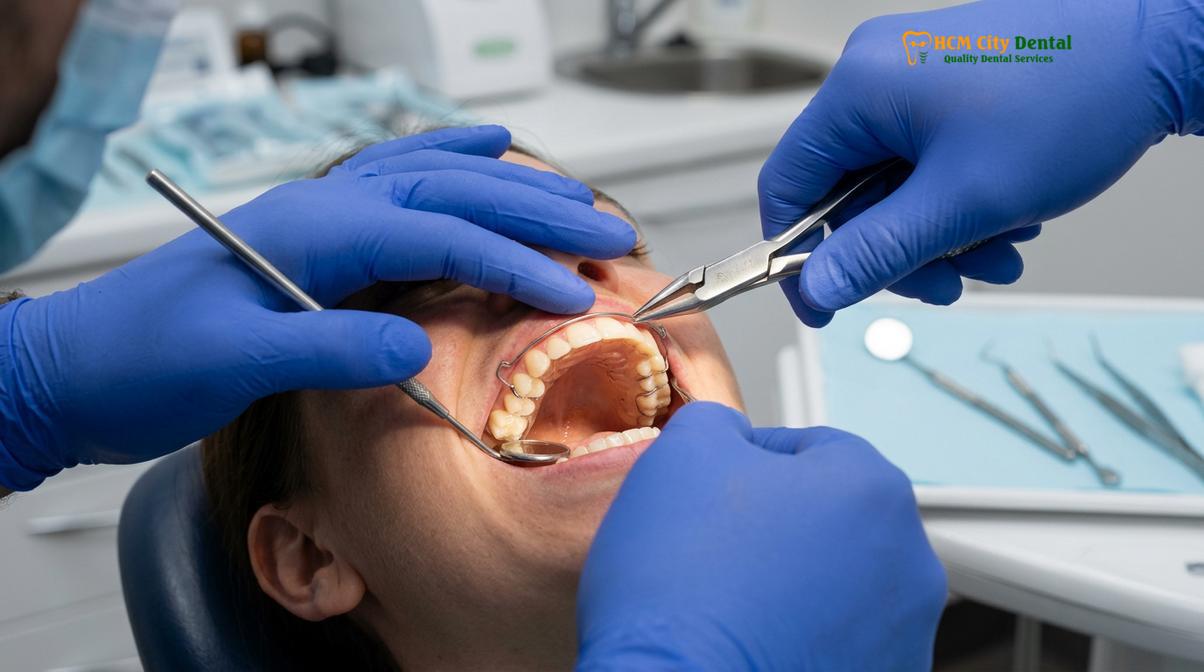
The workflow begins immediately after the removal of orthodontic brackets or the completion of the final aligner stage. In modern practices, traditional alginate impressions have largely been replaced by digital intraoral scanning. Using advanced optical scanners, the dentist captures a highly accurate, high-resolution 3D topographical map of the patient’s dental arches and gingival margins. This digital file is then transmitted to a dental laboratory or an in-house 3D printing suite for immediate processing[3].
“Precision in the retention phase is just as critical as the active treatment phase. Utilizing digital intraoral scanning eliminates the dimensional distortion often seen with traditional impressions, allowing us to fabricate retainers that fit with microscopic accuracy and provide superior stabilization.”
During the delivery appointment, the dentist meticulously evaluates the appliance in the patient’s mouth. For removable retainers, the insertion and removal paths are checked to ensure they are smooth but retentive. The dentist will use articulating paper to check the occlusion if the retainer covers the biting surfaces, ensuring there are no premature contacts that could cause temporomandibular joint (TMJ) discomfort. For fixed retainers, the teeth are isolated, etched, and the wire is passively bonded to the enamel, ensuring no active forces are inadvertently applied during the curing process.
Advanced Retention Solutions: Vivera and Long-Term Care
Advanced retention systems like Vivera utilize proprietary materials and digital workflows to provide superior durability and precise fit, offering a robust solution for long-term orthodontic stability.
As material science in dentistry advances, patients now have access to premium retention options that offer enhanced longevity and performance. One of the most prominent advancements is the Vivera retainer system. Unlike standard Essix retainers, which are often made from single-layer copolyester, Vivera retainers are fabricated from a proprietary, medical-grade polyurethane blend. This material exhibits a significantly higher tensile strength and resistance to cracking, making it particularly beneficial for patients who exhibit mild bruxism during sleep.
Furthermore, the Vivera workflow is entirely digital. The retainers are manufactured directly from the patient’s final digital scan, ensuring an exact adaptation to the tooth morphology. Because they are typically supplied in sets of four, patients have immediate backups available, which drastically reduces the risk of relapse if one retainer is lost or damaged. Patients considering this premium option should review the Invisalign Vivera Retainers Cost & Clinical Guide to understand the long-term value of this investment.
Clinical Case Review: A 24-year-old patient presented to HCMC Dental Clinic in Ho Chi Minh City with concerns about lower incisor crowding that had returned after completing braces elsewhere. The patient admitted to losing their original Essix retainer and failing to replace it. Following a comprehensive evaluation, a short course of clear aligner therapy was utilized to recapture the alignment. Upon completion, a dual-retention strategy was implemented: a bonded lingual wire was placed on the lower anterior teeth for permanent stability, supplemented by a set of Vivera clear retainers for nighttime wear. At the follow-up, the patient exhibited excellent stability and periodontal health.
Long-term care of custom retainers is equally as important as the material they are made from. Removable retainers act as a substrate for bacterial biofilm and calculus accumulation, much like natural teeth. If not cleaned properly, they can harbor cariogenic bacteria and emit foul odors. Patients are instructed to clean their retainers daily using a soft-bristled toothbrush and a mild, non-abrasive liquid soap. Toothpaste should generally be avoided, as its abrasive silica particles can create micro-scratches in the plastic, rendering it cloudy and more susceptible to plaque retention[4].
Managing Retainer Emergencies and Replacements
Retainer emergencies, such as loss, breakage, or debonding of fixed wires, require prompt clinical intervention to help prevent rapid orthodontic relapse and potential damage to the oral tissues.
Despite the best care, retainer emergencies do occur. The most common issues include losing a removable retainer, cracking a clear plastic retainer, or experiencing a debonding of a fixed lingual wire. Because the teeth are in a constant state of dynamic equilibrium, influenced by the forces of the tongue, lips, and chewing, any interruption in retention can lead to shifting. The speed of this relapse varies among individuals but can occur rapidly, particularly in the first year following active treatment.
If a removable retainer is lost, it is imperative not to wait until the next scheduled check-up. Patients must take immediate action to secure a replacement. Delaying this process allows the teeth to drift, which may result in the new retainer not fitting properly or requiring a new phase of active orthodontic correction. For step-by-step instructions on handling this situation, patients should consult the guide on Lost My Retainer: What to Do, Immediate Steps & Replacement Guide.
Clinical Warning: Never attempt to repair a cracked removable retainer or a broken fixed retainer wire with household adhesives. These substances are highly toxic, not biocompatible, and can cause severe chemical burns to the oral mucosa. Furthermore, improper DIY repairs can alter the fit of the appliance, applying uncontrolled forces to the teeth.
A broken fixed retainer presents a unique clinical challenge. If the composite resin bonding fails on one or more teeth, the wire can become distorted. A loose wire not only fails to hold the teeth in place but can also act as an active orthodontic spring, actively pushing a tooth out of alignment. If this occurs, patients should immediately seek professional care to have the wire safely removed, the enamel polished, and a new wire bonded. Detailed protocols for this specific emergency can be found in the Broken Wire on Permanent Retainer: Clinical Repair Guide.
When to Seek Immediate Clinical Attention
Recognizing the signs of a failing retention protocol is essential for maintaining your orthodontic results; any persistent discomfort, visible shifting, or appliance damage warrants an immediate professional evaluation.
While minor tightness after leaving a removable retainer out for a few hours is normal, severe pain upon insertion indicates that the teeth have shifted significantly. Forcing a tight retainer onto shifted teeth can cause damage to the periodontal ligament and even lead to root resorption. If your retainer no longer seats fully or causes intense pressure, you must schedule an appointment with your dentist to assess the degree of relapse and determine if a new appliance or minor retreatment is necessary.
“Patient compliance and vigilant monitoring are the twin pillars of successful retention. We strongly advise patients to inspect their retainers weekly for micro-cracks or signs of wear, and to contact our clinic immediately if they suspect their teeth are shifting despite regular wear.”
Additionally, patients with fixed retainers should be vigilant about their oral hygiene. If you notice persistent bleeding gums, localized swelling, or a buildup of hard calculus around the bonded wire, professional intervention is required. The Vietnam Association of Orthodontists (VAO) guidelines on post-orthodontic retention protocols emphasize the importance of regular professional cleanings to prevent periodontal complications associated with fixed appliances[5]. Ignoring these signs can compromise both the stability of your teeth and your overall gingival health.
References
- Journal of Prosthodontic Research. Orthodontic retainer wear and stability.
- American Journal of Orthodontics. Relapse rates and retention protocols.
- European Journal of Orthodontics. Essix vs Hawley retainers clinical trial.
- Journal of Clinical Orthodontics. Plaque accumulation on fixed retainers.
- Vietnam Association of Orthodontists (VAO). Clinical guidelines on post-orthodontic retention protocols.