The Essix clear retainer price Vietnam typically ranges from $40 to $80 per arch, making it a highly cost-effective solution for post-orthodontic care. These transparent, custom-molded thermoplastic trays prevent teeth from shifting after braces or aligners, offering discreet and reliable retention at a fraction of international costs.
Clinical Summary:
Essix retainers are removable, transparent thermoplastic appliances essential for maintaining orthodontic alignment. In Vietnam, the cost of these retainers is highly competitive, driven by advanced in-house digital workflows like 3D intraoral scanning and vacuum thermoforming. Clinical protocols dictate full-time wear immediately following active treatment, transitioning to nightly wear to prevent physiological relapse. High-quality materials ensure durability, though periodic replacement is necessary due to natural wear and tear and occlusal forces.
Key Takeaways:
- Essix retainers in Vietnam generally cost between $40 and $80 per arch.
- They are fabricated using biocompatible, transparent thermoplastic materials for maximum aesthetics.
- Digital intraoral scanning ensures a precise, comfortable fit without messy traditional impressions.
- Standard clear retainers typically require replacement every one to two years depending on bruxism habits.
- Consistent nightly wear is clinically mandated to prevent long-term orthodontic relapse.
The Clinical Role of Essix Clear Retainers in Orthodontics
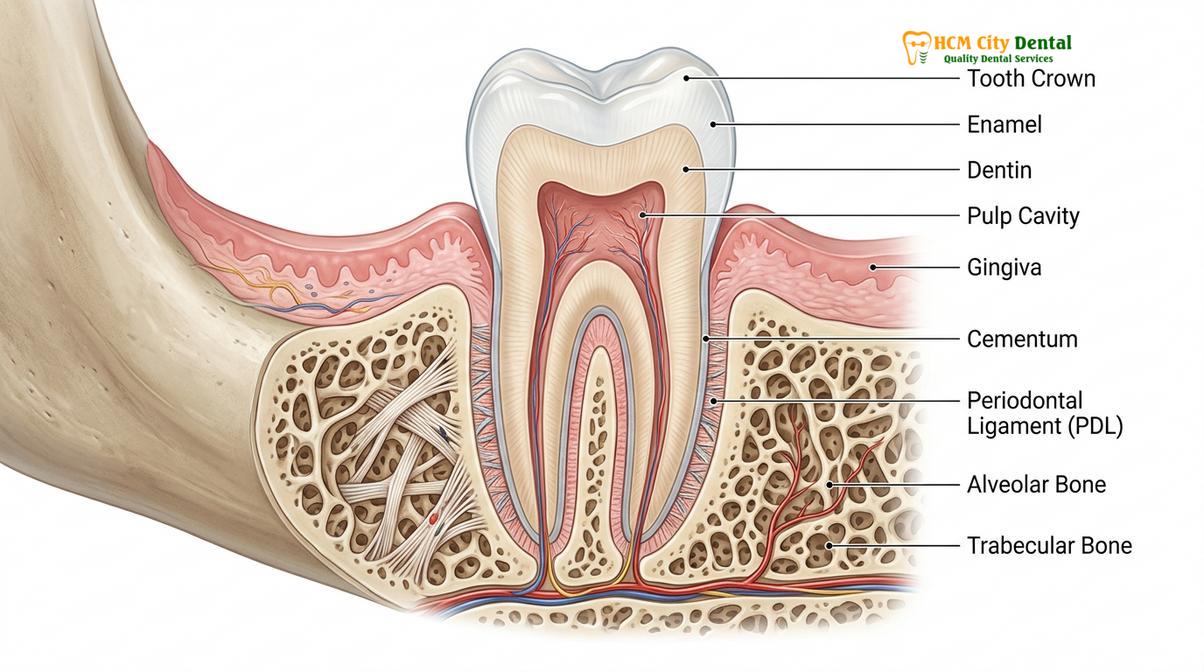
Essix retainers stabilize teeth in their newly corrected positions while the surrounding periodontal ligaments and alveolar bone remodel and solidify.
Following the completion of active Orthodontics, whether through traditional brackets or clear aligners, the teeth remain highly susceptible to shifting. This physiological tendency to return to their original positions is known as orthodontic relapse. The primary culprits behind this movement are the stretched periodontal ligaments and transseptal fibers, which possess a “memory” and require significant time to reorganize around the new tooth positions[1].
Essix retainers, made from durable copolyester or polyurethane materials, encapsulate the entire dental arch. By providing rigid, full-coverage support, they counteract the elastic pull of the gingival fibers. Dr. Nguyen Van Cuong emphasizes that the retention phase is not merely an afterthought but a critical continuation of the orthodontic treatment plan. Without strict adherence to retention protocols, the time and financial investment placed into aligning the teeth can be rapidly compromised.
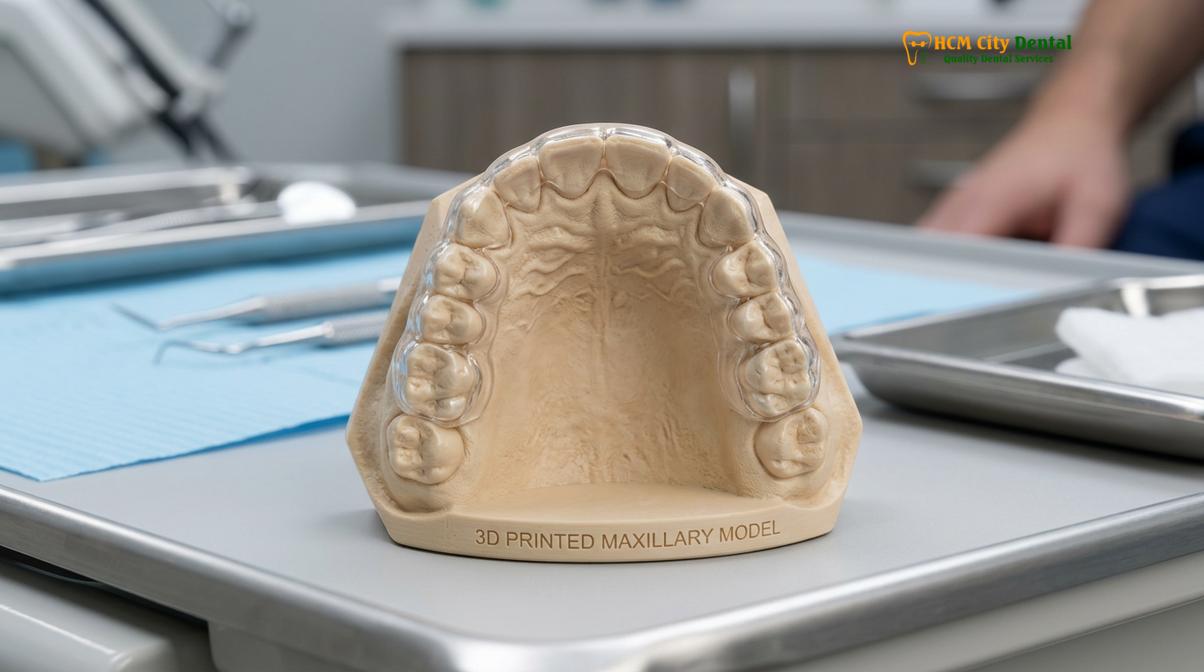
Patients often wonder about the corrective capabilities of these appliances. While their primary function is passive holding, many ask, Can Clear Retainers Move Teeth Back? If a patient experiences minor relapse due to a few days of missed wear, a tight-fitting Essix retainer can sometimes guide the teeth back into their final orthodontic positions. However, they are not designed for active, significant tooth movement like a primary aligner system.
Essix Clear Retainer Price in Vietnam: A Detailed Breakdown
The cost of clear retainers in Vietnam is significantly lower than in Western countries, offering premium digital fabrication at accessible price points.
For international patients and dental tourists, the financial aspect of post-orthodontic care is a major consideration. The clear plastic retainer cost Saigon clinics offer is highly competitive, primarily due to lower operational overhead rather than any compromise in material quality. Clinics utilize the exact same imported thermoplastic sheets (such as Essix ACE® or Zendura) and digital thermoforming equipment found in North America and Europe.
When evaluating the per pair pricing HCMC dental facilities provide, patients will find that purchasing a dual-arch set is often more economical than buying single arches individually. Furthermore, the overall orthodontic retention cost can vary depending on whether the patient opts for standard in-house fabricated retainers or premium branded options like Vivera by Invisalign, which are manufactured internationally and shipped to Vietnam[2].
Below is a clinical estimation of retainer costs in Vietnam based on current standard fee schedules:
| Retainer Type / Service | Estimated Price Range (USD) | Clinical Lifespan |
|---|---|---|
| Standard Essix Retainer (Single Arch) | $40 – $60 | 1 – 2 Years |
| Standard Essix Retainer (Dual Arch / Pair) | $70 – $100 | 1 – 2 Years |
| Vivera Retainers (Set of 4 Pairs) | $400 – $600 | 4 – 8 Years (Total) |
| Digital iTero Scan (If standalone service) | $20 – $30 (Often waived with purchase) | N/A |
It is important to note that these figures represent the appliance cost. Comprehensive retention packages may include follow-up visits to ensure the bite remains stable and the appliance fits without causing undue pressure on the temporomandibular joint (TMJ).
Clinical Workflow: Fabricating and Fitting Your Retainer
The modern fabrication process utilizes 3D intraoral scanning and vacuum thermoforming to create a highly precise, custom-fitting transparent appliance.
The transition from active orthodontics to retention begins with capturing the final alignment of the teeth. Modern clinics have largely abandoned traditional, uncomfortable alginate impressions in favor of digital intraoral scanners. Devices like the iTero or 3Shape TRIOS capture thousands of images per second, creating a flawless 3D topographical map of the patient’s dentition.
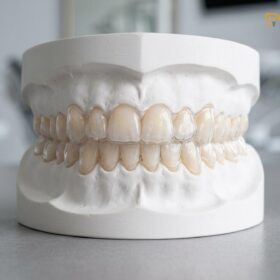
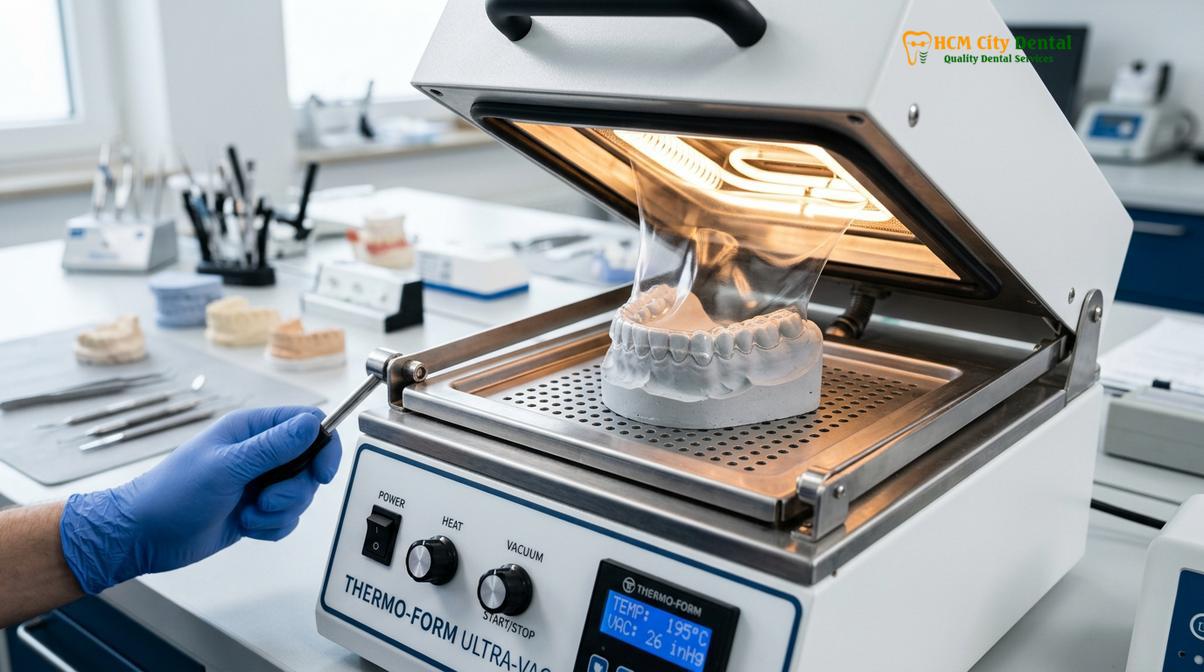
Once the digital model is acquired, it is sent to a 3D printer to create a physical resin replica of the patient’s teeth. The actual Essix retainer is then fabricated using a vacuum thermoforming machine. A sheet of medical-grade thermoplastic is heated until pliable, then vacuum-sealed over the resin model, capturing every micro-detail of the dental anatomy[3]. After cooling, the excess plastic is meticulously trimmed and the edges are polished to prevent gingival irritation.
“The precision of digital scanning combined with pressure-thermoforming ensures an intimate fit that prevents micro-movements of the teeth, which is the cornerstone of successful long-term orthodontic retention.”
During the delivery appointment, the dentist will evaluate the insertion and removal paths. The retainer should snap securely into place. If a patient asks, Why Is My Retainer Tight in the Morning?, it is usually a clinical sign of minor physiological shifting occurring during the day when the retainer is not worn, highlighting the necessity of consistent nightly wear.
Comparing Essix to Hawley and Fixed Retainers
While Essix retainers offer superior aesthetics and full occlusal coverage, Hawley and fixed retainers provide different benefits regarding durability and compliance.
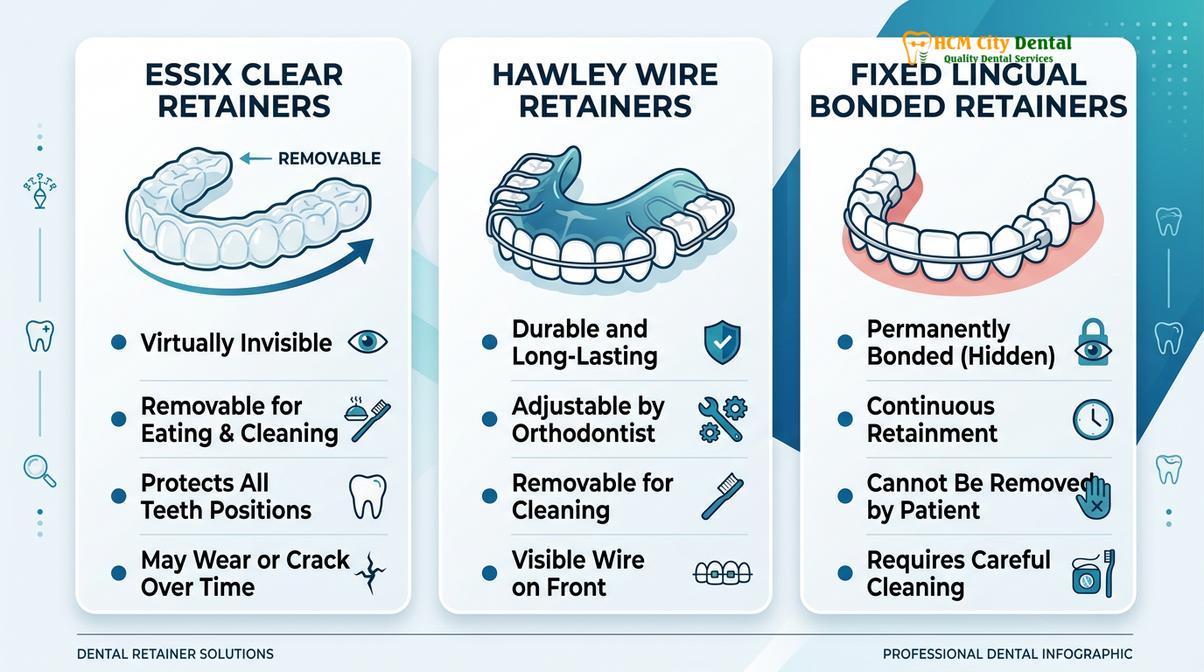
Orthodontic retention is not a one-size-fits-all discipline. While the Essix clear retainer is currently the most popular choice due to its near-invisibility, it is essential to understand how it compares to traditional alternatives. Hawley retainers, constructed from an acrylic palatal base and a visible anterior metal wire, are highly durable and allow the upper and lower teeth to settle into a natural occlusion. They are also adjustable, meaning an orthodontist can tweak the wire to close minor gaps.
Fixed retainers (bonded lingual wires) involve a braided metal wire composite-bonded to the lingual (tongue-facing) surfaces of the anterior teeth, typically from canine to canine. This provides 24/7 retention without relying on patient compliance. However, fixed retainers complicate oral hygiene, requiring specialized flossing techniques to prevent calculus buildup and periodontal inflammation[4]. Many orthodontists recommend a dual approach: a fixed wire on the lower anterior teeth combined with a removable Essix retainer for the upper arch, or an Essix worn over the fixed wire for maximum security.
Clinical Case Study: Transitioning to Retention
A 28-year-old international patient visited HCMC Dental Clinic in Ho Chi Minh City after completing a two-year clear aligner treatment in her home country. She required immediate replacement of a lost retainer to prevent relapse. Utilizing a rapid digital workflow, the clinical team performed a 3D scan and fabricated a dual-arch set of premium Essix retainers within 24 hours. The precise fit immediately stabilized a slight rotation that had begun in her upper lateral incisor, securing her orthodontic investment efficiently and affordably.
For patients who suffer from nocturnal bruxism, standard Essix materials may wear down rapidly. In such cases, discussing the Best Retainer for Teeth Grinding: Clinical Guide with your provider is crucial, as thicker materials or a dedicated occlusal splint may be required to protect both the teeth and the alignment.
Maintenance and Longevity of Clear Plastic Retainers
Proper daily hygiene and careful handling are critical to extending the lifespan of clear retainers and preventing bacterial accumulation.
The longevity of an Essix retainer is heavily dependent on patient care. Because the material is porous at a microscopic level, it can harbor plaque, bacteria, and calcium deposits if not cleaned meticulously. A cloudy or foul-smelling retainer is a clear indication of bacterial colonization, which can lead to dental caries and gingivitis.
Daily maintenance should involve brushing the retainer with a soft-bristled toothbrush and mild, non-abrasive liquid soap. For deeper cleaning, effervescent retainer tablets are highly recommended to dissolve protein biofilms. If you are struggling with odor, consulting a Smelly Clear Retainer Fix: Clinical Guide & Remedies can provide targeted solutions. Similarly, if the plastic begins to discolor due to dietary habits, learning How to Remove Yellow Stains on Clear Retainer safely is essential to maintain its aesthetic appeal.
Clinical Warning: Heat and Abrasives
Never expose your clear retainer to hot water, dishwashers, or leave it in a hot vehicle. Thermoplastic memory will cause the appliance to warp instantly, destroying its custom fit. Additionally, avoid using standard toothpaste to clean the retainer, as the abrasive silica particles will create micro-scratches that harbor bacteria and dull the transparency.
“A retainer is a medical device that sits against your teeth and gums for hours at a time. Treating it with the same hygienic rigor as your natural teeth is non-negotiable for maintaining optimal oral health.”
When the retainer is not in the mouth, it must be kept in a hard, ventilated protective case. Wrapping it in a tissue during meals is the leading cause of accidental loss. For comprehensive protocols, review How to Store Dental Retainer Safely: Clinical Guide to ensure your appliance remains intact and hygienic[5].
When to See a Doctor (Orthodontist)
While retainers are designed for long-term use, they are not permanent. You should schedule a clinical evaluation if you notice any structural damage, such as cracking, splitting, or perforation of the plastic, particularly over the occlusal (biting) surfaces. A compromised retainer cannot provide the rigid support necessary to prevent tooth movement.
Furthermore, if your retainer becomes exceedingly difficult to seat, causes sharp pain upon insertion, or if you visually notice your teeth shifting despite regular wear, professional intervention is required. Dr. Nguyen Van Cuong advises that forcing a severely warped or ill-fitting retainer onto the teeth can cause unintended, damaging orthodontic forces, potentially harming the tooth roots or periodontal ligaments.
For international patients or locals needing prompt replacement, utilizing a dental clinic online booking system ensures you can secure an appointment for a new digital scan before significant relapse occurs. Regular six-month dental check-ups should always include a routine inspection of your retention appliances to verify their ongoing efficacy.
Frequently Asked Questions
How much does an Essix clear retainer cost in Vietnam?
An Essix clear retainer in Vietnam typically costs between $40 and $80 per arch. Prices vary based on the specific thermoplastic material used, the clinic’s digital fabrication technology, and whether you are purchasing a single tray or a multi-set package.
How long do clear plastic retainers usually last?
Standard clear plastic retainers generally last between 12 to 24 months with proper care. Patients who suffer from severe bruxism (teeth grinding) may wear through the thermoplastic material faster, necessitating more frequent replacements to maintain optimal retention.
Can I use hot water to clean my Essix retainer?
No, you must never use hot water to clean an Essix retainer. Thermoplastic materials are highly sensitive to heat and will permanently warp or distort, rendering the appliance completely ineffective for holding your teeth in alignment.
Do I need to wear my clear retainer all day?
Initially, orthodontists usually recommend full-time wear (20-22 hours a day) for the first three to six months. Afterward, most patients can safely transition to nightly wear, though this depends entirely on your specific clinical evaluation.
What should I do if my clear retainer feels very tight?
If your retainer feels excessively tight, it indicates that your teeth have begun to shift. You should wear the appliance full-time until the tightness subsides; if it does not fit at all, consult your orthodontist immediately to prevent further relapse.
References
- Journal of Prosthodontic Research. Orthodontic retainer wear and stability. (2021).
- American Journal of Orthodontics. Relapse rates and retention protocols. (2019).
- European Journal of Orthodontics. Essix vs Hawley retainers clinical trial. (2020).
- Journal of Clinical Orthodontics. Plaque accumulation on fixed retainers. (2022).
- Australian Dental Journal. Patient compliance with dental retainers. (2018).