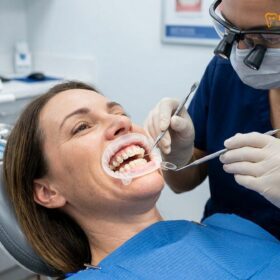
Finding an English speaking dentist for retainer replacement ensures accurate clinical communication and helps prevent orthodontic relapse. Prompt replacement using digital scanning provides a precise fit, stabilizing your teeth and protecting your long-term orthodontic investment without frustrating language barriers.
Clinical Summary:
Orthodontic retention is a lifelong commitment requiring precise appliance fit and consistent patient compliance. When a retainer is lost, warped, or fractured, immediate replacement is critical to prevent mesial drift and periodontal ligament rebound. Utilizing an English-speaking dental team ensures that international patients fully understand their retention protocol, material options—such as Essix, Hawley, Vivera, or fixed bonded wires—and daily maintenance requirements. Advanced digital workflows now allow for rapid, impression-free fabrication, minimizing the window for unwanted tooth movement and ensuring optimal long-term stability.
Key Takeaways:
- Immediate replacement of a compromised retainer is essential to halt orthodontic relapse and stabilize the periodontium.
- Clear communication with an English-speaking clinician ensures accurate material selection and proper fit adjustments.
- Digital intraoral scanning eliminates messy traditional impressions, accelerating the laboratory fabrication process.
- Patients can choose between clear thermoplastic trays, traditional acrylic/wire appliances, or permanent bonded wires based on clinical diagnostics.
- Proper daily maintenance, avoiding heat exposure, and regular professional checkups significantly extend the lifespan of retention appliances.
The Clinical Importance of Prompt Retainer Replacement
Replacing a compromised retainer immediately prevents the periodontal ligaments from pulling teeth back into their pre-orthodontic positions, safeguarding your alignment.
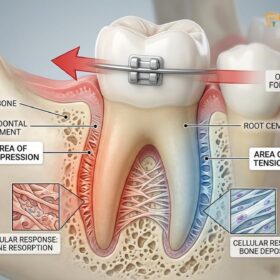
The completion of active orthodontic treatment marks the beginning of the retention phase, which is arguably the most critical period for long-term dental stability. Teeth are housed within the alveolar bone and are supported by the periodontal ligament (PDL), a complex network of connective tissue fibers. After braces or aligners are removed, these supracrestal and transseptal fibers remain stretched and hold a “memory” of the teeth’s original malocclusion. Without the physical barrier of a retainer, these fibers exert continuous tension, attempting to pull the teeth back to their initial, crooked positions[1].
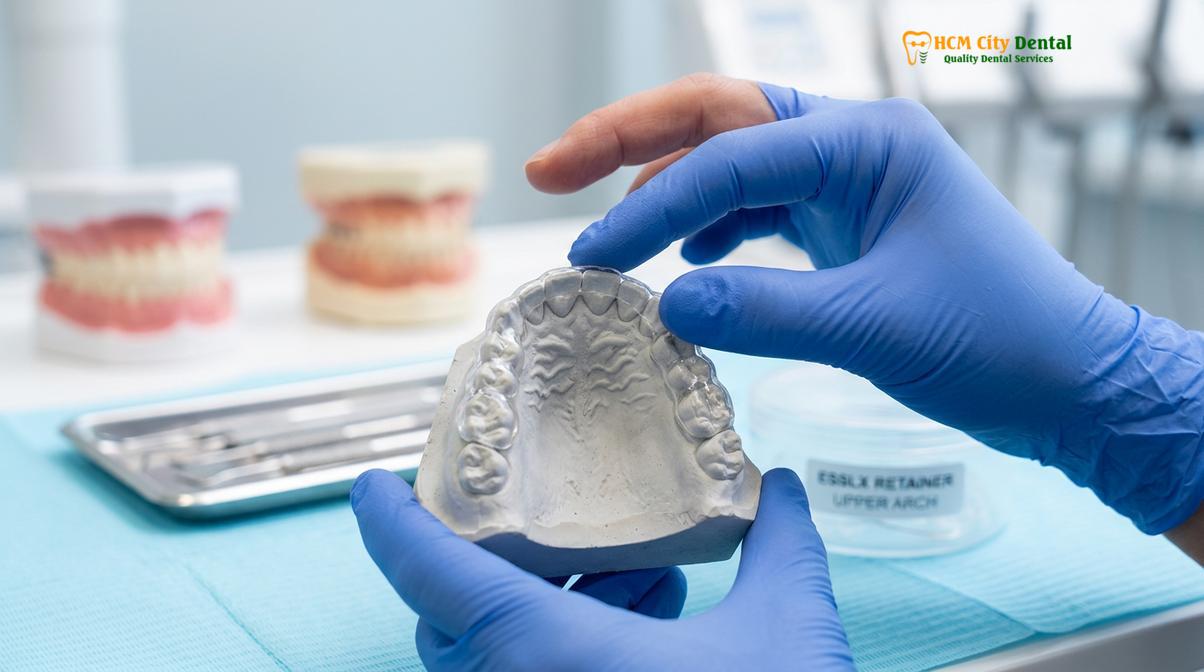
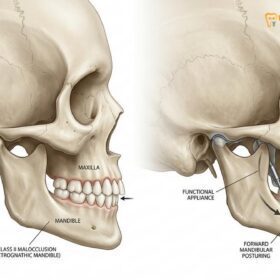
This phenomenon, known as orthodontic relapse, is most aggressive during the first twelve to eighteen months following treatment. However, physiological mesial drift—the natural tendency of teeth to move forward as we age—means that retention is a lifelong requirement. When a retainer is lost, cracked, or simply worn out, the teeth are left vulnerable to these shifting forces. Even a few days without a properly fitting appliance can result in micro-movements that make the old retainer feel uncomfortably tight or prevent it from seating entirely.
“Orthodontic relapse is most aggressive in the first twelve months post-treatment, making continuous retention and immediate appliance replacement non-negotiable for long-term stability.”
For expatriates and international travelers, dealing with a lost appliance can be highly stressful. A clinic that prioritizes clear, fluent dialogue ensures that patients understand the urgency of the situation and the biomechanical risks of delaying treatment. By explaining the physiological reasons behind retention, an English-speaking dentist empowers the patient to make informed, timely decisions regarding their orthodontic care, thereby preventing the need for costly retreatment.
Types of Replacement Retainers Available
Patients can select from clear vacuum-formed trays, traditional acrylic and wire appliances, or permanent bonded wires based on their specific clinical presentation.
Modern dentistry offers several distinct types of retention appliances, each engineered with specific materials and biomechanical properties. The choice of a replacement retainer depends on the patient’s original malocclusion, their daily habits (such as bruxism), and their aesthetic preferences. A comprehensive clinical evaluation is necessary to determine the most appropriate retention strategy[2].
Clear Thermoplastic Retainers (Essix)
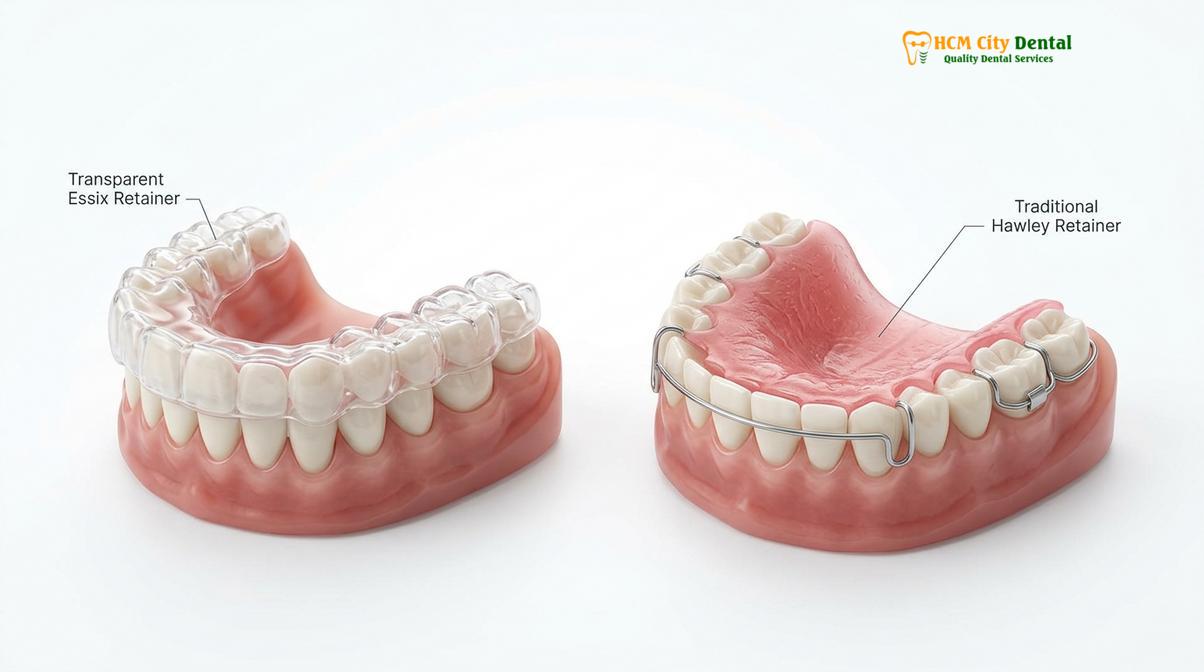
Clear retainers, commonly referred to as Essix retainers, are vacuum-formed or thermoformed from transparent polyurethane or copolyester materials. They completely encase the clinical crowns of the teeth, providing excellent aesthetic appeal and precise control over tooth position. Because they cover the occlusal (biting) surfaces, they also offer a degree of protection against mild nighttime teeth grinding. However, the thermoplastic material is susceptible to wear and tear, typically requiring replacement every one to two years. Patients interested in the financial aspects of this option can review the Essix Retainer Replacement Cost: Clinical Guide | HCMC Dental for detailed insights.
Traditional Hawley Retainers
The Hawley retainer is the classic orthodontic appliance, constructed from a polymethyl methacrylate (PMMA) acrylic base that sits against the palate or lingual mucosa, combined with a heavy-gauge stainless steel labial bow. While less discreet than clear trays, Hawley retainers are incredibly durable and allow the upper and lower teeth to settle into a natural occlusal relationship. Furthermore, the metal wire can be clinically adjusted by the dentist to perform minor tooth movements or tighten the fit over time. For a deeper understanding of material longevity, patients often consult the Hawley vs Essix Retainer Durability: Guide | HCMC Dental.
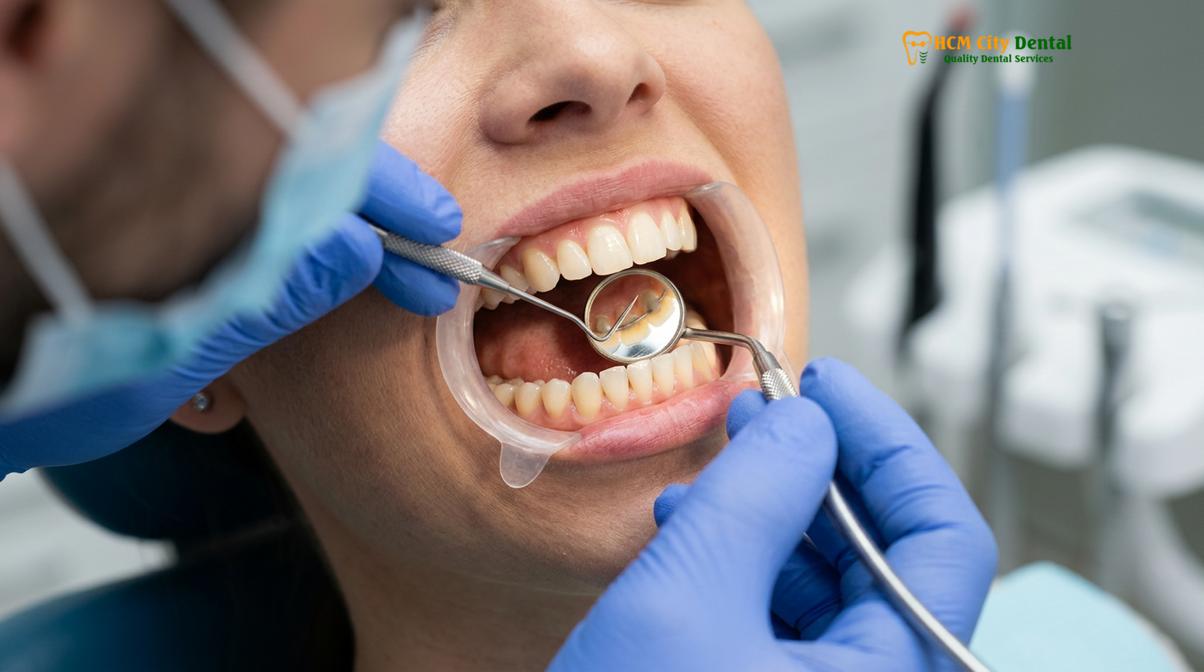
Fixed (Bonded) Retainers
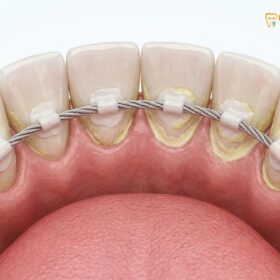
A fixed retainer consists of a multi-stranded braided wire passively adapted and bonded to the lingual (tongue-side) surfaces of the anterior teeth, typically from canine to canine. This appliance provides continuous, 24/7 retention without relying on patient compliance. It is highly effective at preventing the lower incisors from crowding, which is the most common site of orthodontic relapse. However, fixed retainers require meticulous oral hygiene, including the use of floss threaders or interdental brushes, to prevent calculus accumulation and periodontal inflammation[3].
Premium Vivera Retainers
Manufactured by Align Technology, Vivera retainers utilize a proprietary SmartTrack-equivalent material that is significantly stronger and more durable than standard clear plastics. They are typically provided in sets of four, ensuring that the patient always has a backup appliance available if one is lost or damaged. To explore this premium option, patients can read the Invisalign Vivera Retainers Cost & Clinical Guide | HCMC Dental.
| Retainer Type | Material Composition | Average Lifespan | Clinical Advantages | Primary Consideration |
|---|---|---|---|---|
| Essix (Clear) | Thermoplastic Polyurethane | 1 – 2 Years | Highly aesthetic, covers occlusal surfaces | Susceptible to bruxism wear |
| Hawley | Acrylic Base & Stainless Steel Wire | 5 – 10 Years | Highly durable, clinically adjustable | Visible metal wire across teeth |
| Fixed (Bonded) | Braided Lingual Wire & Composite Resin | 5 – 15+ Years | Zero compliance required, invisible | Requires strict interdental hygiene |
| Vivera | Proprietary Premium Thermoplastic | Multiple Years (Set of 4) | Superior strength, built-in backups | Higher initial investment |
Clinical Workflow for Retainer Replacement
The modern replacement process involves a comprehensive bite assessment, digital 3D scanning, precise laboratory fabrication, and a final clinical fitting.
Replacing a retainer is not merely a matter of handing over a new piece of plastic; it is a precise clinical workflow designed to ensure optimal fit and function. When a patient presents to the clinic needing a replacement, the first step is a thorough intraoral examination. The dentist evaluates the current alignment of the teeth, checks for any signs of relapse, and assesses the health of the gingival tissues. If a fixed retainer is present, the integrity of the composite bonding pads is meticulously inspected.
Historically, capturing the shape of the teeth required messy, uncomfortable alginate or polyvinyl siloxane (PVS) impressions. Today, advanced clinics utilize digital intraoral scanners. This technology captures thousands of images per second to create a highly accurate, high-resolution 3D model of the dentition. The digital scan is not only more comfortable for the patient but also eliminates the dimensional distortion associated with traditional impression materials[4].
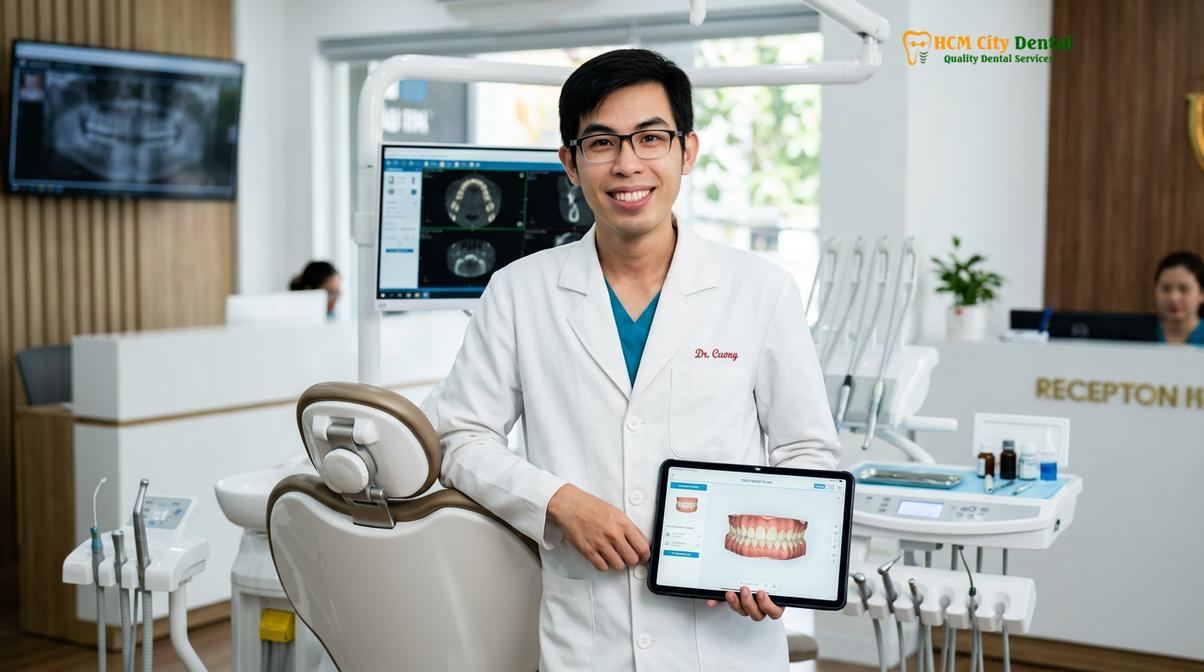
Dr. Nguyen Van Cuong emphasizes that precise digital scanning is fundamental to successful retention and long-term stability. Under his guidance, the clinical team ensures that every replacement appliance meets rigorous standards for fit and durability. By combining advanced technology with clear communication, Dr. Cuong provides comprehensive Orthodontics tại HCMC Dental Clinic care tailored to the unique needs of international patients.
Once the digital model is acquired, it is transmitted to the dental laboratory. For clear retainers, a physical model is 3D printed using stereolithography (SLA) technology, and the thermoplastic sheet is thermoformed over it under high heat and pressure. For Hawley retainers, skilled technicians hand-bend the stainless steel wires and cure the acrylic base to match the exact contours of the patient’s palate. The final step is the clinical delivery and fitting, where the dentist seats the new appliance, checking for uniform retention and ensuring there are no sharp edges impinging on the soft tissues.
Why Expatriates Choose Specialized Dental Care in Vietnam
International patients benefit from clinics that combine advanced digital orthodontics with fluent communication to eliminate healthcare language barriers.
Seeking medical or dental care in a foreign country can be a daunting experience, primarily due to the potential for miscommunication. In dentistry, where precise terminology regarding pain, fit, and treatment options is crucial, language barriers can lead to suboptimal outcomes or heightened patient anxiety. This is why finding an English-speaking provider is a top priority for many international residents and travelers.
A clinic that prioritizes fluent English ensures that the nuances of dental terminology are fully understood. Patients need to comprehend the difference between a passive retainer and an active aligner, the implications of periodontal health on tooth stability, and the exact breakdown of treatment costs. When a dentist can explain complex biomechanical concepts in clear, accessible English, it builds a foundation of trust and ensures informed consent.
Clinical Case Study: Emergency Retainer Replacement
Patient Profile: A 28-year-old expatriate teacher who lost her upper Essix retainer during a weekend trip.
Clinical Presentation: The patient presented to HCMC Dental Clinic in Ho Chi Minh City expressing concern over potential tooth shifting, having been without her appliance for 48 hours.
Treatment Protocol: The clinical team conducted a comprehensive examination and confirmed that no significant relapse had occurred. A digital intraoral scan was performed immediately. The laboratory fabricated a precise, thermoformed clear retainer within 24 hours.
Outcome: The patient received her new appliance the following day. The seamless English communication alleviated her anxiety, and the rapid digital workflow successfully preserved her orthodontic alignment.
Furthermore, international standard clinics in Vietnam often provide comprehensive support services, including transparent pricing, detailed treatment plans, and assistance with international insurance claims. This holistic approach to patient care transforms a potentially stressful dental emergency into a smooth, professional experience. Patients who find themselves in a sudden predicament can refer to the Lost My Retainer: What to Do, Immediate Steps & Replacement Guide for immediate advice.
Managing Orthodontic Emergencies: Broken or Lost Retainers
A lost or fractured retainer is a time-sensitive clinical emergency that requires professional intervention rather than temporary home remedies.
Orthodontic emergencies involving retainers are common but require swift and appropriate action. If a removable retainer is lost, the most critical step is to contact your dental provider immediately to schedule a replacement scan. Delaying this process allows the periodontal ligaments to initiate tooth movement. If a clear retainer develops a small crack but still holds its shape, it may be worn temporarily while awaiting a new one, provided it does not lacerate the oral mucosa.
For patients with fixed retainers, a different set of challenges arises. The composite resin bonding the wire to the tooth can occasionally fail due to biting on hard foods or natural wear. If the wire becomes completely detached from one or more teeth, it can poke the tongue or allow the affected teeth to shift rapidly. In such cases, professional repair is mandatory. Detailed clinical protocols for this scenario can be found in the Broken Wire on Permanent Retainer: Clinical Repair Guide | HCMC Dental.
Clinical Warning: Avoid DIY Repairs
Never attempt to repair a broken clear retainer or a debonded fixed wire using household adhesives like cyanoacrylate (superglue). These chemicals are highly toxic, not biocompatible, and can cause severe chemical burns to the oral mucosa. Furthermore, attempting to bend a distorted Hawley wire yourself can apply incorrect orthodontic forces, leading to rapid and damaging tooth movement.
“Attempting to force a warped or improperly fitting retainer onto the dentition can induce unintended orthodontic forces, potentially causing root resorption or severe bite misalignment.”
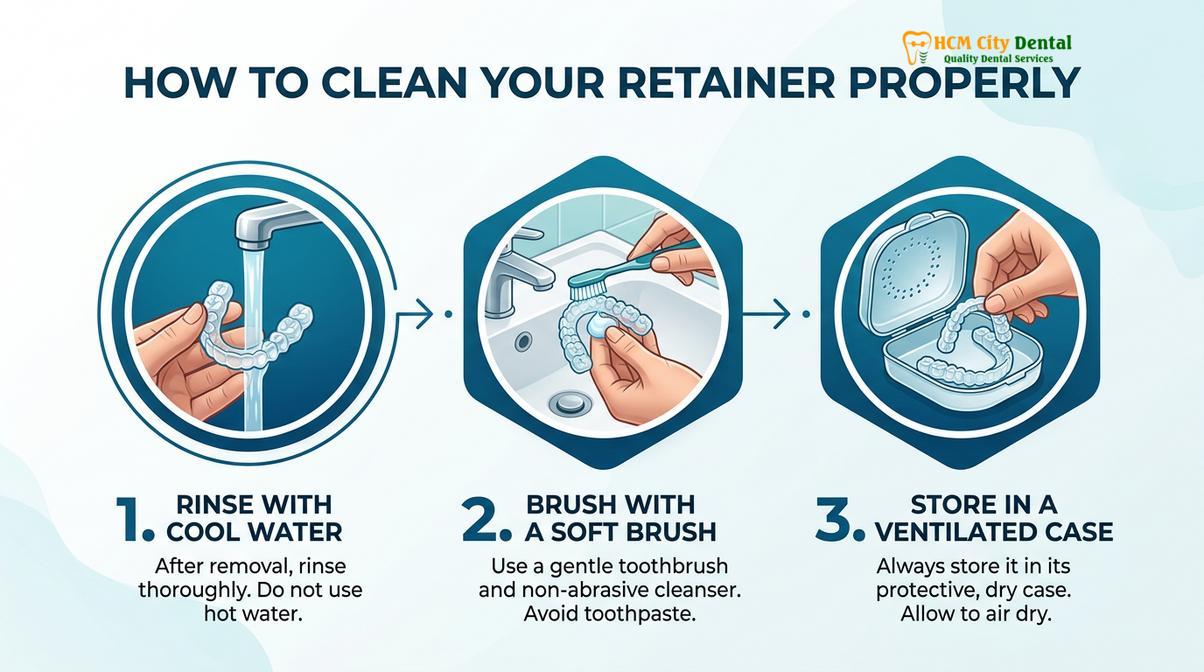
Proper daily maintenance is the best defense against appliance failure. According to guidelines from the Vietnam Association of Orthodontists (VAO), retainers should be cleaned daily using a soft-bristled brush and cool water[5]. Hot water must be strictly avoided, as it will irreversibly warp thermoplastic materials. When not in the mouth, the appliance must be stored in a rigid, ventilated case to protect it from physical damage and pets. For a comprehensive overview of appliance maintenance, patients are encouraged to review the Orthodontic Care Guide: Braces, Retainers & Aligners.
When to See a Doctor
While minor tightness when inserting a retainer after a few hours of non-wear is normal, certain clinical signs indicate the need for immediate professional evaluation. You should schedule an appointment with your English-speaking dentist if you experience any of the following:
- Visible Tooth Shifting: You notice spaces opening between teeth or anterior crowding returning.
- Inability to Seat the Appliance: The retainer no longer fits over the teeth or requires excessive force to push into place.
- Appliance Damage: The clear plastic is cracked, the Hawley wire is bent, or the acrylic base is fractured.
- Fixed Wire Failure: You feel a sharp wire poking your tongue, or you notice that the composite bonding pad has detached from the tooth surface.
- Soft Tissue Irritation: The retainer is causing persistent sores, ulcerations, or bleeding on the gums or palate.
- Severe Pain: Wearing the retainer causes intense, throbbing pain rather than mild, temporary pressure.
If you are experiencing any of these symptoms, prompt clinical intervention can help prevent further complications and ensure your smile remains properly aligned.
References
- Journal of Prosthodontic Research. Orthodontic retainer wear and stability. (2021).
- American Journal of Orthodontics. Relapse rates and retention protocols. (2019).
- European Journal of Orthodontics. Essix vs Hawley retainers clinical trial. (2020).
- Journal of Clinical Orthodontics. Plaque accumulation on fixed retainers. (2022).
- Vietnam Association of Orthodontists (VAO). Guidelines on post-orthodontic retention and appliance maintenance. (2023).
Protect your orthodontic investment with professional, English-speaking care. Contact HCMC Dental Clinic in Ho Chi Minh City today to schedule your retainer replacement or repair consultation.