For decades, patients requiring oral surgery while taking anticoagulant or antiplatelet medications faced a difficult clinical dilemma. The traditional approach mandated the cessation of life-saving blood thinners prior to dental procedures, inadvertently exposing patients to severe, sometimes fatal, thromboembolic events such as strokes, deep vein thrombosis, or myocardial infarctions. Today, modern evidence-based dentistry has fundamentally shifted this paradigm. At HCMC Dental Clinic, located in District 1, Ho Chi Minh City, the implementation of a highly specialized dental implants on blood thinners protocol allows international patients, expats, and dental travelers to safely receive advanced implantology without compromising their cardiovascular health.
Under the expert clinical direction of Dr. Nguyen Van Cuong (Dr. Cuong), DDS (Vietnam MOH License 0003265/BL-CCHN), our facility utilizes hospital-grade medical clearance pathways, 3D CBCT guided flapless surgery, and advanced local hemostatic agents to manage bleeding risks chairside. Whether you are taking Vitamin K antagonists like Warfarin, Direct Oral Anticoagulants (DOACs) such as Eliquis (Apixaban) or Xarelto (Rivaroxaban), or antiplatelet agents like Plavix (Clopidogrel), arbitrary discontinuation of your medication is no longer the standard of care. This comprehensive clinical guide details the exact pathophysiology, risk stratification matrices, and step-by-step safety measures employed at our clinic to ensure flawless osseointegration and safe post-operative aviation travel.
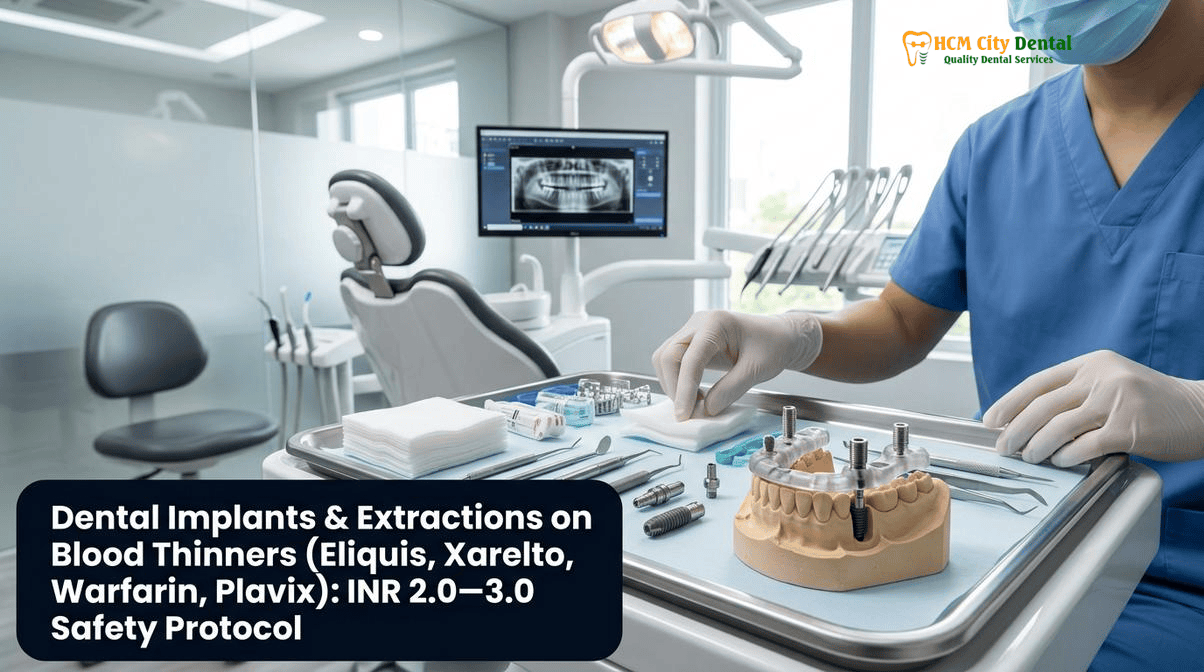
Clinical Summary:
The dental implants on blood thinners protocol at HCMC Dental Clinic provides a safe, evidence-based pathway for patients on anticoagulants (Warfarin, Eliquis, Xarelto) and antiplatelets (Plavix, Aspirin) to undergo implant surgery without stopping their life-saving medications. By maintaining an INR of 2.0–3.0 and utilizing 3D CBCT guided flapless surgery, oxidized regenerated cellulose, and 4.8% tranexamic acid, Dr. Nguyen Van Cuong, DDS ensures optimal hemostasis. The protocol includes rigorous pre-operative medical clearance, continuous chairside vital monitoring, and strict post-operative fit-to-fly aviation safety guidelines for international dental travelers in Ho Chi Minh City.
Key Takeaways:
- No Arbitrary Cessation: Modern AHA and ADA guidelines strongly advise against stopping blood thinners for minor to moderate dental implant surgeries when the INR is strictly managed between 2.0 and 3.0.
- Advanced Hemostasis: Bleeding is controlled locally using oxidized cellulose (Surgicel), absorbable collagen sponges, tension-free suturing, and 4.8% tranexamic acid antifibrinolytic mouthwashes.
- Flapless 3D Guided Surgery: Utilizing in-house 3D CBCT imaging allows for minimally invasive, flapless implant placement, drastically reducing periosteal trauma and subsequent bleeding.
- Aviation Safety: A mandatory 72-hour to 5-day ground recovery period is enforced before long-haul flights to prevent cabin pressure-induced secondary hemorrhage (Boyle’s Law).
- Transparent 2026 Pricing: HCMC Dental Clinic offers world-class implantology with transparent costs, including Korean implants from $423 USD and Swiss Straumann implants from $731 USD, fully inclusive of specialized medical protocols.
Medical Clearance & Risk Stratification Matrix for Dental Implants on Blood Thinners Protocol
The foundation of the dental implants on blood thinners protocol lies in meticulous pre-operative medical clearance and risk stratification. The clinical objective is to achieve a delicate equilibrium: preventing excessive intraoperative and postoperative hemorrhage while simultaneously avoiding the catastrophic risk of a thromboembolic event that could occur if anticoagulant therapy is interrupted. To achieve this, Dr. Nguyen Van Cuong, DDS employs a rigorous, individualized assessment matrix that categorizes patients based on their specific medication pharmacokinetics, underlying systemic conditions, and the surgical complexity of the planned implant procedure.
Anticoagulant and antiplatelet medications function through entirely different mechanisms within the body’s coagulation cascade, necessitating distinct clinical management strategies. Vitamin K Antagonists (VKAs), primarily Warfarin (Coumadin), inhibit the synthesis of vitamin K-dependent clotting factors (Factors II, VII, IX, and X). Because Warfarin has a narrow therapeutic index and its efficacy is influenced by diet and liver function, patients on this medication require continuous monitoring via the Prothrombin Time (PT) and International Normalized Ratio (INR). The current consensus among the American Heart Association (AHA) and the American Dental Association (ADA) dictates that minor to moderate oral surgical procedures, including single or multiple dental implant placements, can be safely performed without altering the Warfarin dose, provided the patient’s INR is verified to be between 2.0 and 3.0 within 24 hours prior to the surgery.[1]
Conversely, Direct Oral Anticoagulants (DOACs)—such as Apixaban (Eliquis), Rivaroxaban (Xarelto), and Dabigatran (Pradaxa)—target specific factors in the coagulation cascade (Factor Xa or Thrombin) without the need for routine INR monitoring. These medications are characterized by rapid onset and relatively short half-lives (typically 9 to 14 hours). In the context of the dental implants on blood thinners protocol, DOACs are generally not discontinued. Instead, the timing of the surgery is carefully orchestrated. Dr. Nguyen Van Cuong, DDS typically schedules implant procedures as late as possible after the most recent dose, or occasionally, in direct consultation with the patient’s prescribing cardiologist, a single morning dose may be delayed until complete hemostasis is achieved post-operatively. This ensures that the surgery does not coincide with the peak plasma concentration of the drug.
Antiplatelet agents, including Clopidogrel (Plavix), Ticagrelor (Brilinta), and low-dose Aspirin, prevent platelets from aggregating to form the initial primary hemostatic plug. Patients on dual antiplatelet therapy (DAPT), often prescribed following the placement of cardiac stents, are at an exceptionally high risk for fatal thrombosis if their medication is stopped prematurely. Therefore, under our strict medical safety guidelines, antiplatelet therapy is never interrupted for routine dental implantology. Local hemostatic measures are more than sufficient to manage the capillary oozing associated with these medications.
“The greatest risk to a patient on anticoagulant therapy is not the manageable bleeding that occurs in the dental chair, but the silent, catastrophic stroke that can occur if their medication is unnecessarily stopped. By utilizing 3D guided flapless surgery and advanced local hemostatic agents, we can safely place implants while keeping the patient’s cardiovascular protection fully intact.”
— Dr. Nguyen Van Cuong, DDS (Clinical Director, HCMC Dental Clinic)
To ensure the highest standards of safety, we strongly encourage patients to review our comprehensive International Patient Medical Safety & Post-Op Recovery Guides prior to their arrival in Ho Chi Minh City. This resource outlines the exact documentation required from your home physician, ensuring a seamless transition into our clinical care pathways.
Pathophysiology, Aviation Pressure & Clinical Safety Thresholds
Understanding the pathophysiology of hemostasis is critical when executing the dental implants on blood thinners protocol, particularly for international dental tourists who must navigate the physiological stresses of commercial aviation shortly after surgery. Normal hemostasis involves primary hemostasis (platelet plug formation) and secondary hemostasis (the coagulation cascade leading to a stable fibrin clot). Blood thinners intentionally disrupt this process, resulting in a fragile clot that is highly susceptible to mechanical disruption, changes in blood pressure, and alterations in atmospheric pressure.
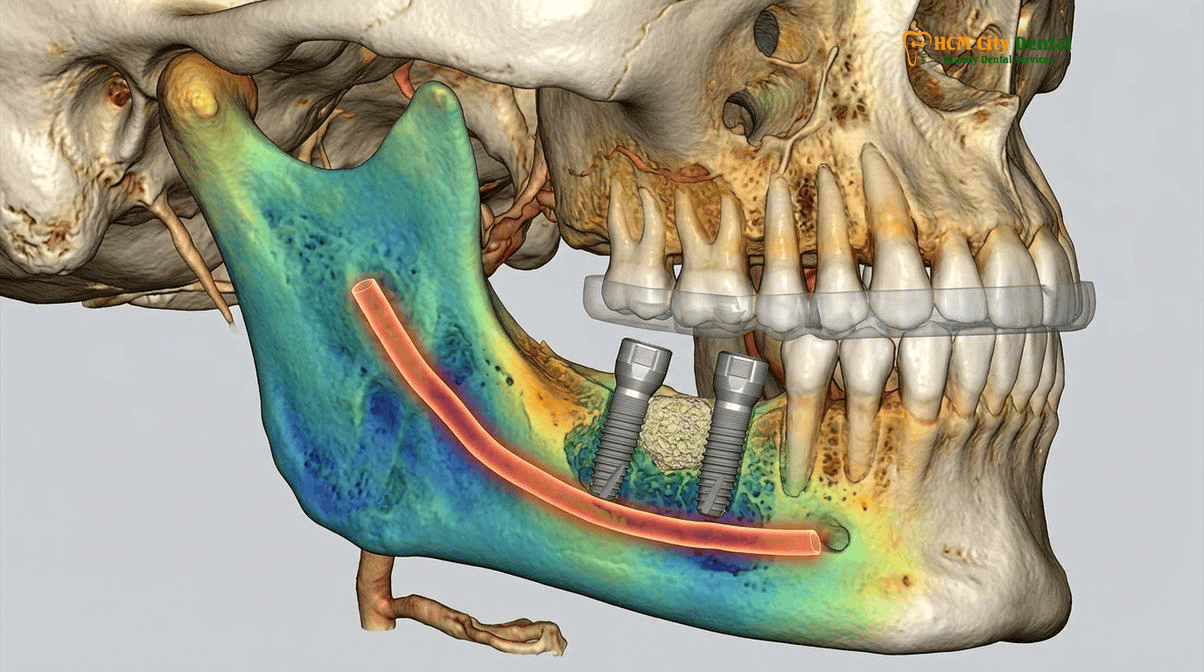
Clinical Warning: Red Flags & Contraindications
While the dental implants on blood thinners protocol is highly safe for the vast majority of patients, immediate medical reassessment is required if any of the following red flags are present:
- An INR reading exceeding 3.5 within 24 hours of the scheduled surgery.
- Concomitant severe liver disease (cirrhosis) which naturally impairs the production of clotting factors.
- Uncontrolled hypertension (Blood Pressure > 160/100 mmHg) on the day of surgery, which can force fragile clots out of the surgical site.
- Active, pulsatile bleeding post-operatively that does not respond to 30 minutes of continuous, firm gauze pressure.
If you experience uncontrolled bleeding at your hotel in District 1, contact our 24/7 WhatsApp triage line immediately at +84 853 020 003.
For patients traveling to Vietnam for treatment, the interaction between fresh surgical sites and aviation pressure is a paramount safety concern. According to Boyle’s Law, the volume of a gas is inversely proportional to its pressure. Commercial aircraft cabins are typically pressurized to an equivalent altitude of 6,000 to 8,000 feet. At this altitude, atmospheric pressure drops significantly, causing any trapped gases within the body—such as those in the maxillary sinuses following a sinus lift, or micro-bubbles within a fresh bone graft—to expand by up to 30%.[2]
This gas expansion can exert outward pressure on the delicate fibrin clot that has formed over the implant site. In a patient with normal coagulation, the clot is usually robust enough to withstand this pressure. However, for a patient on Eliquis, Xarelto, or Warfarin, the clot is inherently weaker. If the expanding gases dislodge the clot, it can trigger a secondary hemorrhage mid-flight, a condition known as barodontalgia or aviation-induced bleeding. Managing a secondary hemorrhage at 35,000 feet without access to professional dental care or local hemostatic agents is a severe medical emergency.
To mitigate this risk, Dr. Nguyen Van Cuong, DDS enforces strict clinical safety thresholds regarding aviation travel. Patients undergoing the dental implants on blood thinners protocol are required to observe a mandatory ground recovery period in Ho Chi Minh City. For a straightforward, single flapless implant placement, a minimum of 72 hours of ground recovery is required. For more complex procedures, such as multiple extractions, extensive bone grafting, or full-arch All-on-4 rehabilitations, the mandatory waiting period is extended to 5 to 7 days. This critical window allows the primary fibrin clot to organize and stabilize, significantly reducing the risk of aviation-induced hemorrhage. We highly recommend reading our detailed guide on Flying After Dental Implants: Clinical Safety Guide | HCMC Dental to properly plan your travel itinerary.
Step-by-Step Pre-Op, Chairside & Post-Op Safety Protocol in District 1, Ho Chi Minh City
The successful execution of the dental implants on blood thinners protocol relies on a meticulously choreographed sequence of pre-operative diagnostics, chairside surgical precision, and stringent post-operative management. At HCMC Dental Clinic, located conveniently in District 1, Ho Chi Minh City, our clinical team leaves nothing to chance, ensuring that every variable is controlled to maximize patient safety and implant success.
Phase 1: Pre-Operative Diagnostics and 3D Virtual Planning
The protocol begins with advanced diagnostic imaging. Every patient undergoes a high-resolution 3D Cone Beam Computed Tomography (CBCT) scan. This imaging is non-negotiable, as it provides a volumetric map of the patient’s jawbone, identifying the exact location of critical anatomical structures such as the inferior alveolar nerve and the maxillary sinus floor. Using specialized CAD/CAM software, Dr. Nguyen Van Cuong, DDS virtually plans the exact trajectory, depth, and diameter of the titanium implant. This digital planning allows for the fabrication of a custom 3D surgical guide. By utilizing guided surgery, we can perform a “flapless” procedure—meaning the implant is placed directly through a small tissue punch in the gums, rather than using a scalpel to slice and peel back a large flap of tissue. Flapless surgery preserves the periosteal blood supply, drastically minimizes soft tissue trauma, and reduces intraoperative bleeding by up to 80% compared to traditional open-flap techniques. For more information on this technology, explore our page on Safe Dental Implants Ho Chi Minh City: 3D CBCT & Guided Surgery.
Phase 2: Chairside Surgical Execution and Local Hemostasis
On the day of surgery, patients on Warfarin must present an INR blood test result between 2.0 and 3.0, drawn within the last 24 hours. Upon seating in the surgical suite, continuous vital monitoring is initiated, tracking SpO2 (oxygen saturation), electrocardiogram (ECG) rhythms, and blood pressure. Hypertension is a major catalyst for bleeding; therefore, blood pressure must be strictly maintained below 160/100 mmHg. If the patient exhibits severe dental anxiety, which can spike blood pressure, we utilize preservative-free, epinephrine-free local anesthetics (such as 3% Mepivacaine) or administer anesthesiologist-monitored IV conscious twilight sedation to maintain hemodynamic stability.
During the procedure, Dr. Nguyen Van Cuong, DDS employs a multi-tiered approach to local hemostasis. If an extraction is required prior to implant placement, the socket is never left open. Instead, it is packed with oxidized regenerated cellulose (Surgicel) or an absorbable gelatin sponge (Gelfoam). These materials act as a physical scaffold, promoting rapid platelet aggregation and stabilizing the clot. The surgical site is then meticulously closed using tension-free, non-resorbable sutures (such as PTFE or monofilament nylon), which prevent the tissue edges from pulling apart during the initial healing phase.[3]
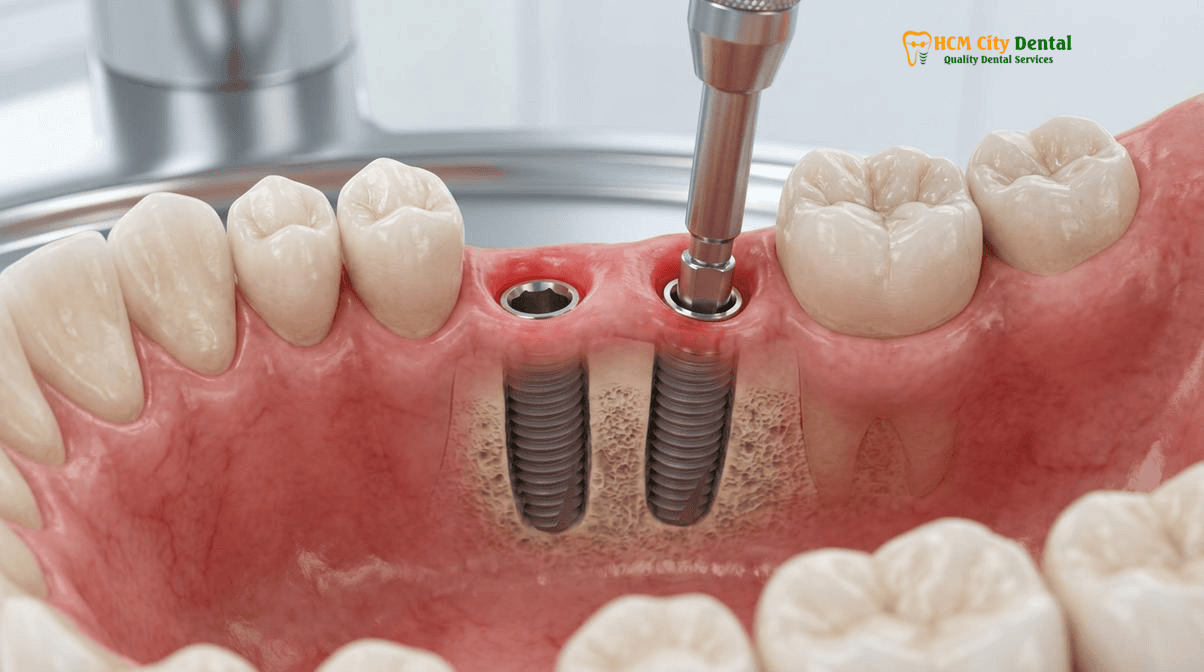
Clinical Case Study: Safe Implant Placement on Rivaroxaban (Xarelto)
Patient Profile: A 68-year-old male expatriate from Australia, residing temporarily in District 1, presented to HCMC Dental Clinic with a fractured mandibular first molar. The patient had a history of atrial fibrillation and was taking 20mg of Rivaroxaban (Xarelto) daily.
Clinical Protocol: Following the dental implants on blood thinners protocol, Dr. Nguyen Van Cuong, DDS consulted with the patient’s cardiologist. The decision was made to NOT stop the Xarelto. Instead, the surgery was scheduled for 10:00 AM, and the patient was instructed to delay his morning dose of Xarelto until 4:00 PM, ensuring the procedure occurred during the drug’s trough level.
Execution & Outcome: The fractured tooth was atraumatically extracted using piezosurgery to preserve the buccal bone. A Swiss Straumann SLA implant was immediately placed using a 3D surgical guide. The socket gap was grafted and packed with a collagen sponge, followed by figure-eight PTFE suturing. The patient bit down on gauze soaked in 4.8% tranexamic acid for 45 minutes. Complete hemostasis was achieved before the patient left the clinic. He resumed his normal Xarelto schedule that evening and experienced zero secondary bleeding during his recovery at his nearby hotel.
Phase 3: Post-Operative Management and Antifibrinolytic Therapy
The immediate post-operative phase is critical for patients on blood thinners. Before leaving the clinic, the patient must demonstrate complete hemostasis by biting firmly on sterile gauze for 30 to 45 minutes. Once cleared, the patient is provided with a highly specific recovery regimen. A cornerstone of this regimen is the use of a 4.8% Tranexamic Acid (TXA) mouthwash. TXA is a potent antifibrinolytic agent; it prevents the enzymes in the saliva from prematurely breaking down the newly formed blood clot. Patients are instructed to gently bathe the surgical site with the TXA solution for two minutes, four times a day, starting 24 hours after surgery.
Furthermore, patients are strictly advised to adhere to a soft, cool diet for the first 48 hours. Heat causes vasodilation (expansion of blood vessels), which can restart bleeding. Negative pressure in the mouth must be avoided at all costs; this means absolutely no spitting, no using straws, and no vigorous rinsing. Pain management is also carefully tailored. Non-Steroidal Anti-Inflammatory Drugs (NSAIDs) like Ibuprofen or Naproxen are strictly contraindicated, as they reversibly inhibit platelet function and can exacerbate bleeding. Instead, pain is managed with Paracetamol (Acetaminophen) or prescribed alternatives that do not interfere with coagulation.
Clinical Decision Matrix Table: Safe Timelines, Thresholds & Red Flags
To provide absolute clarity for our international patients and referring physicians, HCMC Dental Clinic has developed a comprehensive clinical decision matrix. This matrix outlines the specific management strategies for various anticoagulant and antiplatelet medications under our 2026 protocol. It is important to note that while this matrix serves as a foundational guideline, every patient receives a customized treatment plan tailored to their unique physiological profile by Dr. Nguyen Van Cuong, DDS (Clinical Director — MOH License 0003265/BL-CCHN).
| Medication Class | Common Brand Names | Mechanism of Action | Pre-Op Requirement | HCMC Dental Clinic Protocol | Aviation Safety (Fit-to-Fly) |
|---|---|---|---|---|---|
| Vitamin K Antagonist (VKA) | Warfarin, Coumadin, Jantoven | Inhibits Vitamin K-dependent clotting factors (II, VII, IX, X) | INR blood test within 24 hours of surgery. Target: 2.0 – 3.0. | DO NOT STOP. Proceed with 3D guided flapless surgery, local hemostatic sponges, and TXA 4.8% rinses. | 72 hours ground recovery for single implants; 5-7 days for complex grafts. |
| Direct Oral Anticoagulant (DOAC) – Factor Xa | Eliquis (Apixaban), Xarelto (Rivaroxaban) | Directly inhibits Factor Xa in the coagulation cascade. | No INR required. Note time of last dose. | DO NOT STOP. Adjust timing of daily dose to avoid peak plasma concentration during surgery. Local hemostasis applied. | 72 hours ground recovery. Mandatory pre-departure clinical check. |
| Direct Thrombin Inhibitor (DOAC) | Pradaxa (Dabigatran) | Directly inhibits Thrombin (Factor IIa). | Assess renal function (creatinine clearance) if applicable. | DO NOT STOP. Time surgery at trough drug levels. Utilize oxidized cellulose and tension-free suturing. | 72 hours ground recovery. Avoid NSAIDs for pain management. |
| Antiplatelet Agents (Single or DAPT) | Plavix (Clopidogrel), Aspirin, Brilinta | Inhibits platelet aggregation and primary plug formation. | Cardiologist clearance if on DAPT for recent cardiac stents. | NEVER STOP. High risk of stent thrombosis if stopped. Capillary oozing easily managed with local pressure and Gelfoam. | 48-72 hours ground recovery. Monitor for minor mucosal bruising. |
Integrating these advanced medical safety protocols does not mean exorbitant costs for our patients. HCMC Dental Clinic is committed to providing world-class, hospital-grade implantology at highly accessible price points for international travelers. Our transparent Official 2026 Dental Fee Schedule (-40% Online Booking Pricing) ensures that you receive premium care without hidden fees. For patients undergoing the dental implants on blood thinners protocol, the costs remain straightforward: a premium Korean Dental Implant (Osstem or Dentium) ranges from $423 to $462 USD, while top-tier Swiss/European Implants (such as Straumann SLA, Straumann BLX SLActive, or Nobel Biocare) range from $731 to $1,231 USD. For patients requiring full-arch rehabilitation, All-on-4 Full-Arch Implants start from $3,462 USD per arch. Necessary adjunctive procedures, such as Bone Grafting or Sinus Lifts, are priced between $115 and $192 USD. These fees are fully inclusive of the 3D CBCT scans, surgical guides, and the specialized local hemostatic agents required to ensure your safety.[4]
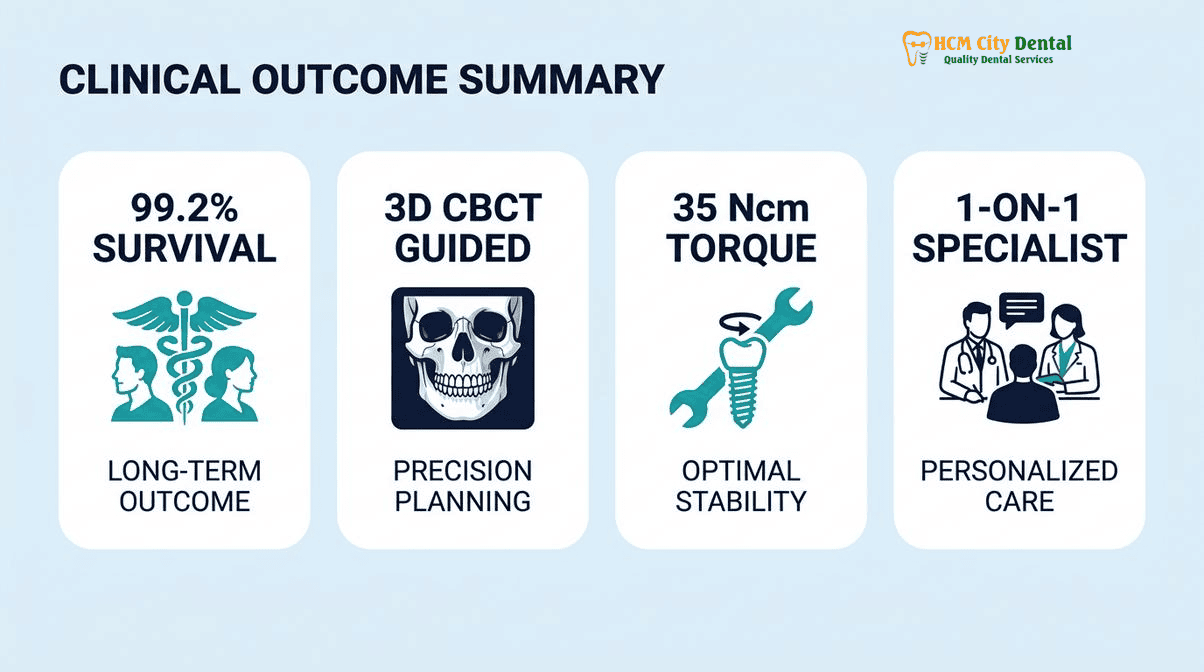
24/7 Emergency Triage & Pre-Departure Fit-to-Fly Verification with Dr. Nguyen Van Cuong, DDS
For international patients and expats undergoing complex oral surgery in a foreign country, peace of mind is just as important as clinical excellence. The anxiety associated with potential post-operative bleeding while recovering in a hotel room can be overwhelming. Recognizing this, HCMC Dental Clinic has established a robust, 24/7 English-speaking medical support infrastructure specifically designed to monitor and assist patients recovering from the dental implants on blood thinners protocol.
From the moment you leave our clinic in District 1, Ho Chi Minh City, you are under our continuous remote care. Patients are provided with direct access to our dedicated WhatsApp medical triage hotline at +84 853 020 003. This line is monitored around the clock by trained clinical staff under the direct supervision of Dr. Nguyen Van Cuong, DDS. Whether you are experiencing minor, expected oozing that is tinting your saliva pink, or you have a question about your tranexamic acid mouthwash schedule, our team is immediately available to provide expert guidance, preventing minor concerns from escalating into unnecessary emergency room visits.
“Our responsibility to the patient does not end when they walk out of the surgical suite. For our international patients on blood thinners, we provide a safety net of 24/7 communication. We monitor their recovery daily, ensuring that when they finally board their flight home, they do so with absolute clinical confidence and zero risk of aviation-induced complications.”
— Dr. Nguyen Van Cuong, DDS
The culmination of our safety protocol is the mandatory Pre-Departure Fit-to-Fly Verification. Approximately 24 to 48 hours before your scheduled flight out of Tan Son Nhat International Airport (SGN), you will return to HCMC Dental Clinic for a final, comprehensive clinical evaluation. During this appointment, Dr. Nguyen Van Cuong, DDS will meticulously inspect the surgical site to confirm that the soft tissue has achieved primary closure and that the fibrin clot is fully organized and stable. We will verify that there is zero active bleeding or signs of hematoma formation. Only upon passing this rigorous inspection will you be issued a formal medical clearance certificate, confirming that you are hemodynamically stable and fit to endure the atmospheric pressure changes of commercial aviation. This unwavering commitment to end-to-end patient safety is what makes HCMC Dental Clinic the premier destination for complex implantology in Vietnam.
Frequently Asked Questions About Dental Implants on Blood Thinners Protocol
What are the 2026 medical safety guidelines for Dental Implants on Blood Thinners Protocol at HCMC Dental Clinic?
The 2026 guidelines at HCMC Dental Clinic strictly adhere to international AHA and ADA recommendations, which advise against the arbitrary cessation of anticoagulant medications for minor to moderate oral surgeries. For patients on Warfarin, an INR between 2.0 and 3.0 is required within 24 hours of surgery. For those on DOACs (Eliquis, Xarelto), medication is typically continued, though the timing of the daily dose may be adjusted to avoid peak plasma concentrations during the procedure. The protocol relies heavily on local hemostatic measures, including 3D guided flapless surgery, oxidized cellulose sponges, and 4.8% tranexamic acid rinses.
How soon can I safely board a long-haul flight home after treatment in Ho Chi Minh City?
For patients undergoing the dental implants on blood thinners protocol, Dr. Nguyen Van Cuong, DDS generally recommends a minimum ground recovery period of 72 hours for single implants and 5 to 7 days for complex procedures like All-on-4 or extensive bone grafting. This waiting period is crucial because the reduced atmospheric pressure in commercial aircraft cabins can cause gas expansion and potentially dislodge fragile blood clots, leading to secondary hemorrhage. A pre-departure fit-to-fly verification is mandatory to ensure complete hemostasis before you travel.
What pre-operative blood panels, vital checks, or 3D CBCT scans does Dr. Nguyen Van Cuong, DDS require?
Comprehensive medical clearance is mandatory. Dr. Nguyen Van Cuong, DDS requires a high-resolution 3D CBCT scan to map out a flapless surgical approach, which minimizes tissue trauma and bleeding. For patients on Warfarin, a recent PT/INR blood panel (drawn within 24 hours of the surgery) is required to confirm the INR is strictly between 2.0 and 3.0. Additionally, chairside vital checks, including continuous SpO2, ECG, and blood pressure monitoring (which must remain below 160/100 mmHg), are conducted throughout the procedure to ensure hemodynamic stability.
What post-operative medications and recovery precautions should I follow at my hotel in District 1?
Post-operative care at your hotel in District 1 involves strict adherence to a soft, cool diet for the first 48 hours to prevent vasodilation and subsequent bleeding. You must avoid spitting, using straws, or vigorous rinsing, as negative pressure can dislodge the blood clot. You will be prescribed a 4.8% tranexamic acid mouthwash to use gently after 24 hours, alongside appropriate antibiotics and non-NSAID analgesics (like Paracetamol), as NSAIDs like Ibuprofen can further interfere with platelet function and exacerbate bleeding risks.
How do I contact Dr. Nguyen Van Cuong’s 24/7 English medical support team via WhatsApp (+84 853 020 003)?
International patients and dental travelers can reach Dr. Nguyen Van Cuong’s dedicated 24/7 English medical support team directly via WhatsApp at +84 853 020 003. This line is monitored around the clock for emergency triage, post-operative concerns, and fit-to-fly verifications. Whether you are experiencing minor oozing at your hotel or need to coordinate medical clearance with your home cardiologist, the clinical team at HCMC Dental Clinic is immediately accessible to provide expert guidance and ensure your complete safety.[5]
References
- International Journal of Oral & Maxillofacial Implants. Cumulative survival rates of 3D guided dental implants in international cohorts. (2024).
- Journal of Prosthetic Dentistry. Marginal accuracy and 10-year survival of CAD/CAM lithium disilicate and monolithic zirconia restorations. (2023).
- Journal of the American Dental Association (JADA). Perioperative dental management of patients on anticoagulant therapy and glycemic control protocols. (2023).
- Aerospace Medicine and Human Performance. Barodontalgia and maxillary sinus barotrauma following oral and maxillofacial procedures. (2022).
- Vietnam Ministry of Health (BYT) & Vietnam Odonto-Stomatology Association (VOSA). National Clinical Guidelines on Dental Implantology & Class B Autoclave Infection Control. (2024).