Experiencing root canal symptoms while traveling—such as severe throbbing pain, facial swelling, or extreme temperature sensitivity—indicates an active dental infection requiring immediate clinical intervention. Ignoring these signs can lead to systemic complications, making prompt evaluation by an English-speaking dentist essential for safe, pain-free travel.
Clinical Summary:
Root canal symptoms while traveling often manifest as spontaneous, radiating jaw pain, localized swelling, and severe sensitivity to hot or cold stimuli. These symptoms indicate pulpal inflammation or necrosis, which can be exacerbated by changes in cabin pressure during flights (barodontalgia). Immediate management involves over-the-counter analgesics, cold compresses, and avoiding temperature extremes. However, definitive treatment requires professional endodontic therapy. Expatriates and tourists in Ho Chi Minh City can access world-class, CE-standard emergency dental care, complete with digital diagnostics and direct billing insurance support, ensuring a rapid return to their travel itinerary without compromising clinical safety.
Key Takeaways:
- Severe, lingering tooth pain and facial swelling are primary indicators of an infected dental pulp requiring urgent care.
- Changes in altitude during air travel can significantly intensify toothaches due to trapped gas expansion (barodontalgia).
- Temporary pain relief involves NSAIDs and cold compresses, but clinical endodontic intervention is mandatory.
- HCMC Dental Clinic offers rapid emergency appointments, utilizing iTero Element 5D scanners for precise diagnostics.
- Direct billing with major international insurers (Allianz, Cigna, Bupa) facilitates seamless, cashless emergency treatments for expats.
The Worst Travel Nightmare: Acute Toothache Abroad
A sudden, severe toothache during a trip usually signals deep pulpal infection or irreversible pulpitis, requiring immediate endodontic evaluation to prevent abscess formation and systemic spread.
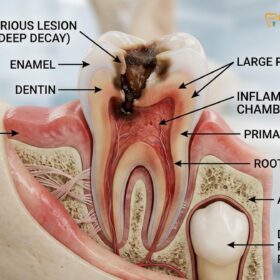
There are few scenarios more distressing than developing severe dental pain while navigating a foreign country. When the innermost layer of the tooth—the pulp, which houses nerves and blood vessels—becomes compromised by deep decay, trauma, or a cracked tooth, the resulting inflammatory response is intense. Because the pulp is encased in rigid dentin and enamel, the inflammatory exudate has nowhere to expand. This creates immense internal pressure, leading to the classic, excruciating pain associated with an infected root canal system[1].
Recognizing the specific clinical signs of pulpal involvement is crucial for travelers. Symptoms rarely resolve on their own and typically escalate without professional intervention. Key indicators include:
- Spontaneous Pain: A throbbing ache that occurs without any stimulus, often worsening when lying down at night.
- Lingering Thermal Sensitivity: Intense pain triggered by hot coffee or cold water that lasts for several minutes after the stimulus is removed.
- Percussion Sensitivity: Sharp pain when biting down or tapping on the affected tooth.
- Gingival Swelling: A localized bump (fistula) on the gums, which may ooze pus, indicating an active abscess.
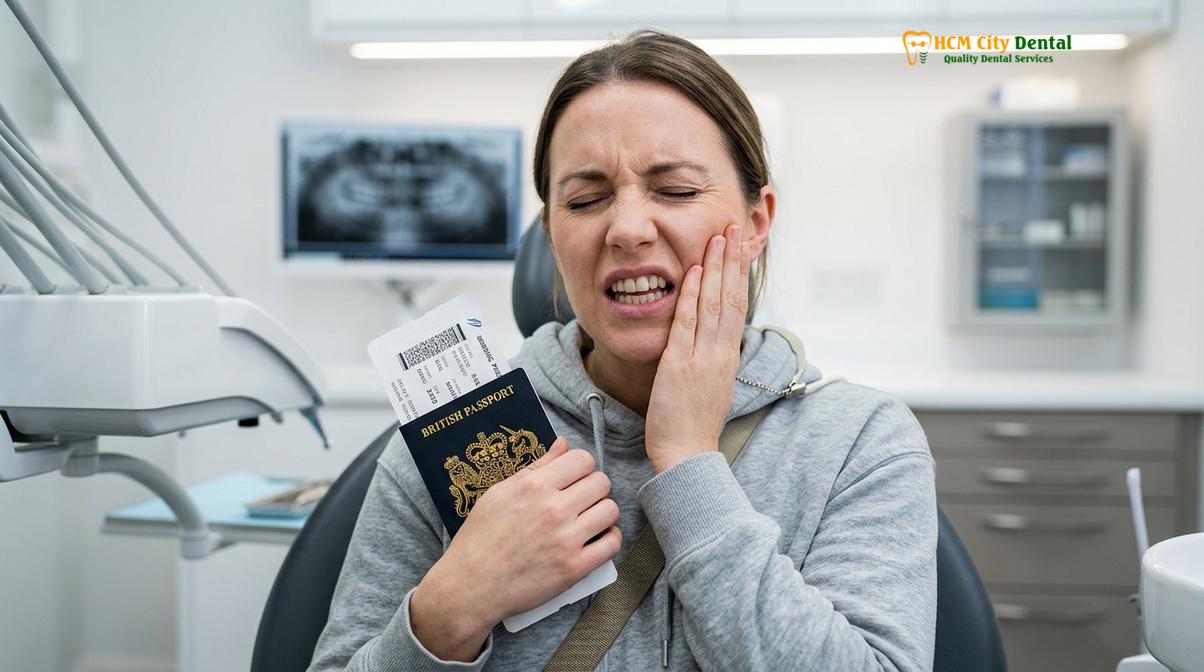
For tourists and the local expat community, finding an emergency root canal HCMC provider becomes the immediate priority. Delaying treatment not only ruins the travel experience but also risks the infection spreading to adjacent fascial spaces. It is a common misconception that antibiotics alone can cure a dental infection; while they may temporarily suppress systemic symptoms, mechanical removal of the necrotic tissue via endodontic therapy is clinically required. Understanding these clinical truths about root canals empowers patients to seek appropriate care rather than relying solely on pharmaceutical band-aids.
Why Air Travel Can Explode Dental Pain (Barodontalgia)
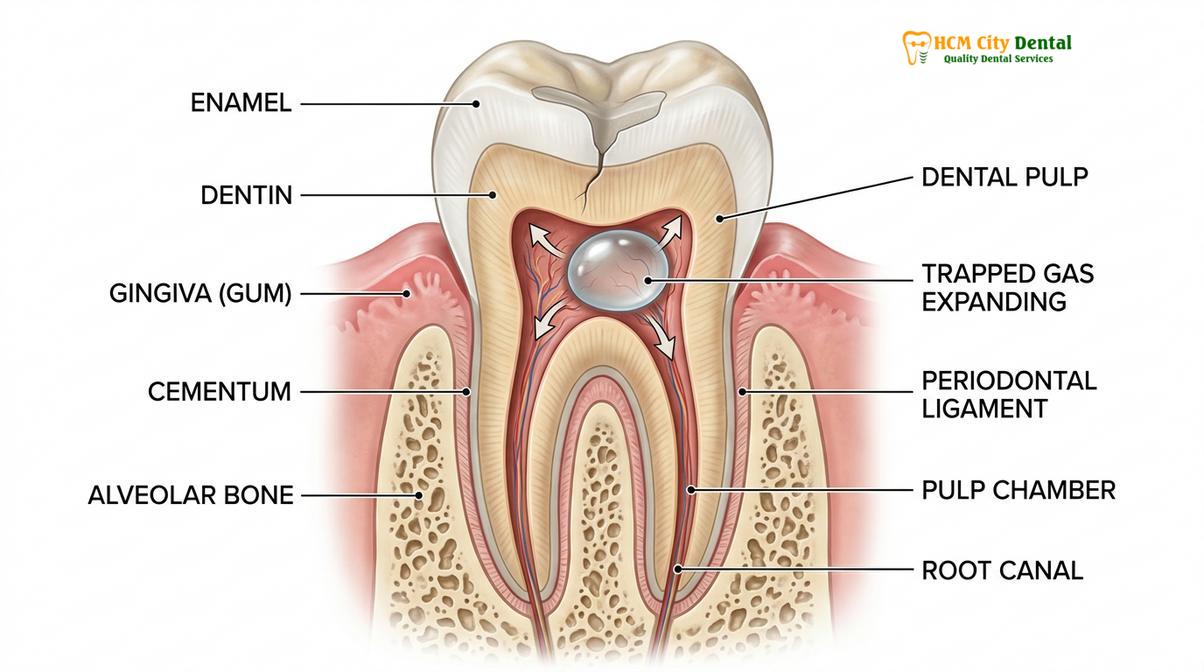
Altitude changes during flights cause trapped gases inside an infected or poorly restored tooth to expand, triggering excruciating pain known as barodontalgia.
One of the most critical considerations for anyone experiencing root canal symptoms while traveling is the impact of air travel. The phenomenon known as barodontalgia—often referred to as “tooth squeeze”—occurs when changes in ambient pressure affect the closed spaces within the body. According to Boyle’s Law, as atmospheric pressure decreases (such as during the ascent of an aircraft), the volume of a gas increases[2].
If a tooth has a necrotic pulp, an active abscess, or a microscopic void beneath an old filling, gases produced by bacterial metabolism are trapped inside. During a flight, the cabin pressure drops, causing these trapped gases to expand. Because the tooth structure is unyielding, the expanding gas compresses the highly innervated pulpal tissue, resulting in sudden, agonizing pain.
“Barodontalgia is a well-documented aerospace pathology. Patients with asymptomatic apical periodontitis or irreversible pulpitis may experience severe, incapacitating pain during flight ascents, necessitating immediate palliative intervention upon landing.”
To ensure toothache flight safety, individuals who suspect they have a deep cavity or an impending root canal issue should seek a dental evaluation before boarding a long-haul flight. If symptoms develop mid-flight, taking an anti-inflammatory medication and avoiding hot beverages (which can further expand gases) are the only immediate coping mechanisms. Upon landing, securing a same-day emergency appointment is essential to decompress the tooth and initiate proper endodontic therapy.
Emergency First Aid: How to Manage Toothache Pain in Saigon
Temporary management of acute dental pain involves alternating NSAIDs, applying cold compresses to reduce swelling, and strictly avoiding hard or temperature-extreme foods until clinical care is secured.
When an acute toothache strikes in the middle of a vacation or business trip, immediate palliative care is necessary to manage the discomfort until you can reach a dental clinic. While these measures do not cure the underlying infection, they can significantly reduce the inflammatory response and make the situation tolerable.
Clinical First Aid Protocol:
- Pharmacological Management: Over-the-counter non-steroidal anti-inflammatory drugs (NSAIDs) like Ibuprofen are highly effective for dental pain because they directly target the inflammatory pathways in the pulp[3]. If medically appropriate, alternating Ibuprofen with Acetaminophen can provide synergistic pain relief.
- Cold Therapy: Apply a cold compress or ice pack wrapped in a towel to the outside of the cheek for 15-minute intervals. This induces localized vasoconstriction, reducing blood flow to the inflamed area and minimizing facial swelling.
- Oral Hygiene: Gently brush and use floss to ensure no food debris is wedged between the teeth, which could exacerbate gingival pressure. Rinse with warm salt water to soothe the soft tissues.
- Dietary Modifications: Avoid chewing on the affected side. Stick to a soft diet and strictly avoid extreme temperatures (very hot or very cold) and high-sugar foods, which can trigger severe sensitivity.
Clinical Warning: Never place an aspirin tablet directly against the gums or the aching tooth. This is a dangerous home remedy that causes severe chemical burns to the oral mucosa (aspirin burn) and does nothing to relieve the internal pulpal pain.
For travelers experiencing high levels of stress due to the pain, finding a clinic that specializes in managing dental anxiety is crucial. Dr. Nguyen Van Cuong emphasizes that safe pain management must be paired with European CE sterilization standards to ensure that emergency interventions do not introduce secondary infections. A calm, professional environment equipped with modern anesthetics can transform a terrifying ordeal into a manageable clinical procedure.
Finding a Trustworthy Dental Clinic in District 1 HCMC
Selecting a reputable clinic in Ho Chi Minh City requires verifying European CE sterilization standards, the availability of digital diagnostics, and fluent multilingual communication for accurate treatment.
Ho Chi Minh City (Saigon) has emerged as a premier destination for dental tourism, offering world-class care at a fraction of Western costs. However, when dealing with an emergency, you need an English speaking dentist Saigon who can accurately diagnose the issue and explain the treatment plan without language barriers.
For expatriates and tourists staying in or near District 1, accessibility is key. A short Grab ride from major hotels and landmarks brings you to facilities that rival top-tier clinics in North America or Europe. When evaluating a clinic for emergency endodontic care, look for the following clinical benchmarks:
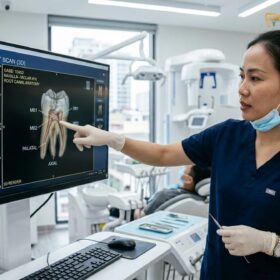
- Intraoral Scanning & Digital Diagnostics: Modern clinics utilize advanced technology like the iTero Element 5D and Medit i700 scanners. These devices provide high-resolution 3D visualization of the tooth structure, which is invaluable for planning restorative treatments like a dental crown or evaluating the need for orthodontic aligners after the emergency is resolved.
- Multilingual Communication & CE Standards: Clear communication is vital for informed consent. Clinics adhering to European CE guidelines ensure rigorous sterilization protocols, utilizing Class B autoclaves to guarantee patient safety.
- Comprehensive Family Care: If you are traveling with children, finding a family dentist equipped for pediatric dentistry is a massive relief. Services like gentle teeth cleaning, dental sealants, and pulpotomies ensure that expat pediatric dentistry needs are met in a welcoming environment.
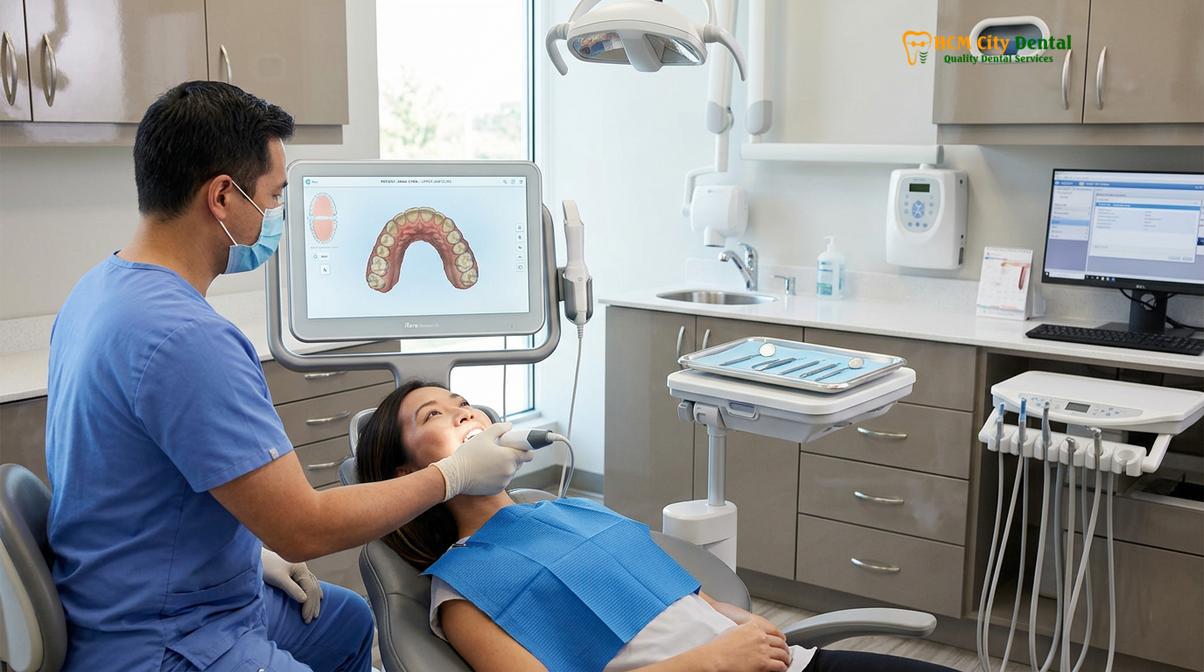
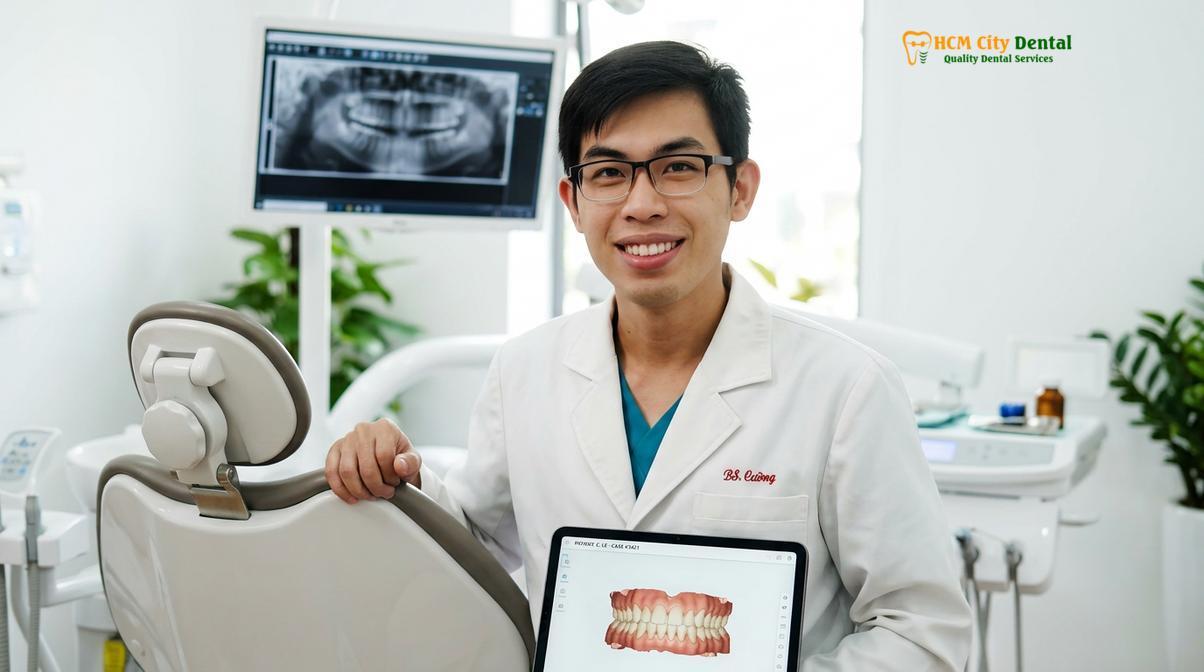
At HCMC Dental Clinic, the integration of digital workflows ensures precise diagnostics. Dr. Cuong frequently notes that utilizing 3D imaging allows the clinical team to map the complex root canal anatomy before the procedure even begins, significantly reducing chair time and improving the predictability of the outcome. Whether you need a simple consultation or complex dental implants, establishing care with a technologically advanced clinic provides peace of mind. You can explore more about their comprehensive approach in their Kiến thức nha khoa (General Dentistry) resources.
What to Expect at an Emergency Dental Appointment in Vietnam
An emergency endodontic visit involves comprehensive 3D imaging, profound local anesthesia, and immediate infection control to relieve pain and stabilize the tooth for future restoration.
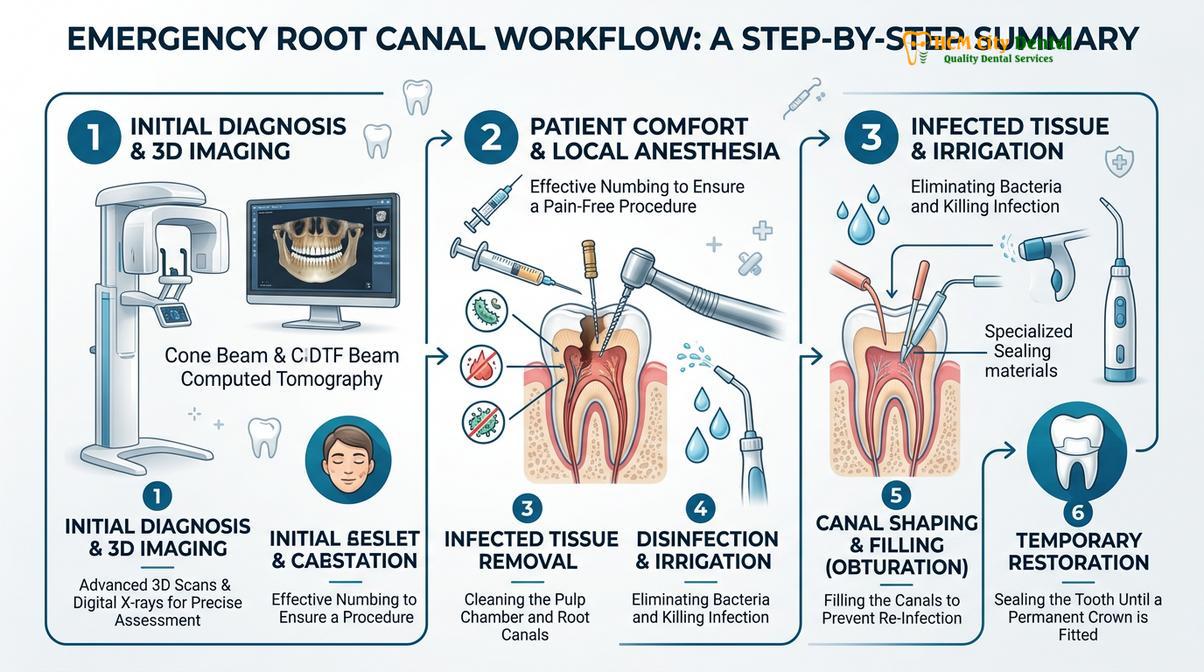
Walking into a dental clinic in a foreign country can be intimidating, but understanding the clinical workflow can alleviate much of that anxiety. When you present with acute root canal symptoms while traveling, the primary goal of the emergency appointment is palliative: to eliminate pain and control the infection.
The appointment typically follows a structured clinical protocol:
- Diagnostic Imaging: High-definition digital X-rays or Cone Beam Computed Tomography (CBCT) are taken to visualize the root apices and assess the extent of the infection or bone loss[4].
- Profound Anesthesia: Local anesthetics are administered to completely numb the tooth and surrounding tissues. Modern techniques ensure that even highly inflamed “hot teeth” can be anesthetized effectively.
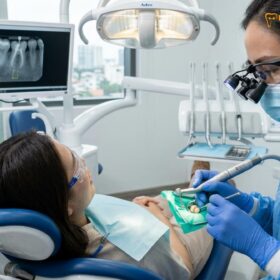
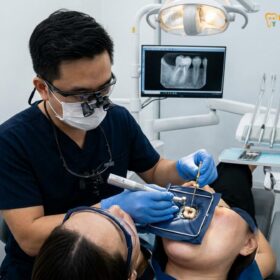
- Isolation and Access: A dental dam (rubber dam) is placed to isolate the tooth, maintaining a sterile environment and preventing the aspiration of fluids. The dentist then creates a small access cavity through the enamel to reach the pulp chamber.
- Extirpation and Debridement: The inflamed or necrotic pulpal tissue is carefully removed using specialized endodontic files. The canals are then irrigated with antimicrobial solutions (like sodium hypochlorite) to disinfect the internal anatomy.
- Medication and Temporization: In an emergency setting, the canals may be dressed with a soothing antibacterial paste (such as calcium hydroxide), and the access hole is sealed with a temporary filling. This relieves the pressure and allows the tooth to settle.
For families traveling together, this is also an opportune time to address other needs. If a child experiences a dental issue, specialized pediatric root canal treatments (pulpotomy or pulpectomy) can save primary teeth and prevent premature space loss.
Understanding the financial aspect is also crucial for travelers. HCMC Dental Clinic offers transparent pricing, including a significant pre-arrival discount for patients who book via WhatsApp.
| Clinical Procedure | Standard Walk-in Fee | WhatsApp Pre-Booking (-40%) |
|---|---|---|
| Family / Pediatric Exam & Consultation | ~$30 (750k VND) | From $18 (450k VND) |
| Scaling & Polishing (Deep Cleaning) | ~$40 (1.0M VND) | From $24 (600k VND) |
| In-Office Laser Teeth Whitening | ~$140 (3.5M VND) | From $84 (2.1M VND) |
| Custom Nightguard (Bruxism) | ~$160 (4.0M VND) | From $96 (2.4M VND) |
| E.max Ceramic Crown / Veneer | ~$320 (8.0M VND) | From $192 (4.8M VND) |
Clinical Case Study: A 34-year-old expatriate presented to HCMC Dental Clinic with severe, spontaneous pain in a lower molar, exacerbated by a recent flight. Digital diagnostics confirmed irreversible pulpitis. The clinical team immediately performed an emergency pulpectomy under local anesthesia, providing instant pain relief. The patient was able to resume their travel itinerary the next day and returned two weeks later for the final obturation and placement of an E.max ceramic crown, backed by a 3-year bonding guarantee.
It is also important to note that endodontic care is highly adaptable. For instance, pregnant travelers experiencing acute pain can safely receive treatment, as outlined in clinical guidelines for root canals during pregnancy, ensuring both maternal comfort and fetal safety.
Navigating Travel Insurance and Claims for Urgent Dental Care
Most comprehensive travel insurance policies cover acute dental pain relief; utilizing a clinic with direct billing partnerships ensures a seamless, cashless experience for expatriates and tourists.
Dealing with a medical emergency abroad is stressful enough without the added burden of navigating complex insurance claims. Fortunately, many premium travel insurance and global health policies include provisions for emergency dental care, specifically treatments required for the immediate relief of acute pain.
When seeking treatment for root canal symptoms while traveling, it is highly advantageous to choose a facility that offers Direct Billing Insurance Partners. Clinics that have established relationships with major international insurers—such as Allianz, Bupa, Cigna, Liberty, Generali, Aetna, and InterGlobal—can process claims directly. This allows expat families and tourists to enjoy cashless checkups and emergency interventions without draining their travel budget[5].
“Direct billing networks in international dental clinics significantly reduce patient anxiety during emergencies. By eliminating out-of-pocket expenses for covered palliative treatments, patients are more likely to seek prompt, necessary care rather than delaying treatment and risking severe systemic infection.”
To ensure a smooth process, always carry your physical or digital insurance card and a form of identification. The clinic’s administrative team will typically contact the insurer to verify coverage limits and obtain a Guarantee of Payment (GOP) before proceeding with major interventions. For a deeper understanding of how to manage these administrative workflows, review this guide on travel insurance dental claims.
When to See a Doctor
Immediate medical or dental evaluation is mandatory if tooth pain is accompanied by systemic symptoms such as fever, difficulty swallowing, or rapidly spreading facial swelling.
While many dental aches can be temporarily managed with analgesics, certain clinical signs indicate a severe, potentially life-threatening progression of the infection. You must seek immediate emergency medical or dental care if you experience any of the following red flag symptoms:
- Fever and Chills: Indicating that the localized dental infection has entered the bloodstream (bacteremia).
- Difficulty Swallowing or Breathing: Swelling that spreads to the floor of the mouth or the neck (Ludwig’s angina) can compromise the airway and requires immediate hospital intervention.
- Severe Facial Cellulitis: Rapidly expanding, warm, and red swelling across the cheek, jaw, or up toward the eye.
- Trismus: An inability to open the mouth fully due to muscle spasms caused by the spreading infection.
Do not wait for your flight home if these symptoms manifest. Prompt clinical evaluation is critical to prevent severe systemic complications.
Frequently Asked Questions
Can I fly with an infected tooth needing a root canal?
Flying with an active dental infection is generally discouraged due to the risk of barodontalgia, where altitude changes cause trapped gases to expand and trigger severe pain. If you must fly, consult a dentist for palliative care and pain management strategies beforehand. A temporary filling and appropriate medications can stabilize the tooth, making the flight significantly more comfortable and reducing the risk of an in-flight emergency.
Does travel insurance cover root canals in Vietnam?
Most comprehensive travel insurance policies cover emergency dental treatments aimed at immediate pain relief, which often includes the initial stages of a root canal. However, definitive restorative work like permanent crowns may require specific dental riders or out-of-pocket payment. It is highly recommended to visit a clinic with direct billing capabilities to streamline the claims process and minimize upfront costs.
How fast can I get a dental appointment in Saigon as a tourist?
Tourists and expatriates can typically secure an emergency dental appointment within 24 hours in Ho Chi Minh City. Reputable clinics prioritize acute pain cases, offering rapid diagnostics and immediate palliative or endodontic intervention to stabilize the tooth. Utilizing communication platforms like WhatsApp can further expedite the booking process and often unlocks pre-arrival discounts.
What are the first signs of a root canal infection while traveling?
Early indicators include lingering sensitivity to hot or cold beverages, spontaneous throbbing pain that worsens at night, and localized swelling or tenderness in the gums. Recognizing these signs early allows for prompt intervention before the infection spreads. Ignoring these initial warnings often leads to more severe pain and complex treatment requirements.
Is it safe to get a root canal in Vietnam as an expat?
Yes, receiving endodontic treatment in Vietnam is highly safe when visiting a clinic that adheres to European CE sterilization standards. Modern facilities utilize advanced digital imaging and specialized endodontists to ensure precise, comfortable, and predictable outcomes. Many clinics cater specifically to the expat community, offering fluent English communication and international clinical protocols.
References
- Journal of Endodontics. Pathophysiology of Barodontalgia during Air Travel. (2021).
- International Dental Journal. Emergency Endodontic Management for International Travelers. (2020).
- American Association of Endodontists. Diagnostic Criteria for Irreversible Pulpitis. (2022).
- Clinical Oral Investigations. Efficacy of Digital Intraoral Scanning in Restorative Dentistry. (2019).
- Journal of Travel Medicine. Dental Emergencies in Expatriate Populations: A Clinical Review. (2018).