Jet dental technology refers to advanced air polishing and water irrigation systems used in modern dentistry to efficiently remove biofilm, extrinsic stains, and calculus. By combining pressurized air, water, and specialized micro-powders, these systems offer a highly effective, minimally invasive alternative to traditional mechanical scraping.
Clinical Summary:
The integration of jet dental technologies—encompassing air polishing systems, subgingival irrigators, and advanced ultrasonic scalers—has revolutionized periodontal prophylaxis and maintenance. Unlike traditional manual instrumentation, which relies heavily on physical scraping, modern dental jets utilize kinetic energy to disrupt bacterial biofilm and eradicate extrinsic stains while preserving the integrity of enamel and cementum. This comprehensive clinical guide explores the biomechanics of air polishing, the essential diagnostic instruments that precede its use, and the standardized workflows employed in contemporary practice. Furthermore, it examines the ergonomic benefits of modern handpieces, the critical role of accurate periodontal charting, and the practice management considerations necessary for implementing these advanced systems. By adopting a soft-touch approach, clinicians can significantly enhance patient comfort, improve clinical outcomes, and support long-term periodontal stability.
Key Takeaways:
- Jet dental systems utilize pressurized air, water, and micro-powders (like glycine or erythritol) for superior biofilm disruption.
- Accurate diagnosis using a periodontal probe and explorer is mandatory before initiating any mechanized scaling or polishing.
- Modern air scalers and electric handpieces provide enhanced ergonomics and efficiency compared to traditional manual curettes.
- Air polishing is exceptionally beneficial for navigating complex oral anatomy, including orthodontic appliances and dental implants.
- Integrating these technologies requires strategic practice management and continuous clinical education to maximize patient outcomes.
The Evolution of Jet Dental Technologies in Prophylaxis
Jet dental technologies have evolved from basic water irrigators to sophisticated air polishing systems that utilize kinetic energy and specialized powders to safely and efficiently debride tooth surfaces.
The landscape of preventive dentistry has undergone a profound transformation over the past few decades. Historically, the removal of dental plaque, calculus, and extrinsic stains relied almost entirely on manual instrumentation. While effective, this approach was often time-consuming, technique-sensitive, and occasionally uncomfortable for the patient. The introduction of the dental jet—initially in the form of home-use water flossers and later as professional in-office air polishing units—marked a paradigm shift in periodontal maintenance[1].
Professional jet dental systems, commonly referred to as air polishers, operate on the principles of kinetic energy. A precisely calibrated mixture of compressed air, water, and an abrasive powder is propelled through a specialized nozzle onto the tooth surface. Early iterations of the dental tooth polisher utilized sodium bicarbonate, which, while highly effective at removing heavy tobacco and coffee stains, was relatively abrasive and contraindicated for use on exposed root surfaces or restorative materials.
Today, the advent of low-abrasive powders, such as glycine and erythritol, has expanded the clinical applications of jet technologies. These micro-fine powders allow clinicians to perform subgingival air polishing, safely disrupting biofilm within periodontal pockets up to 5mm deep without causing trauma to the delicate gingival epithelium or cementum. This transition from aggressive mechanical scraping to a more fluid, kinetic disruption represents the core philosophy of modern, minimally invasive dentistry.
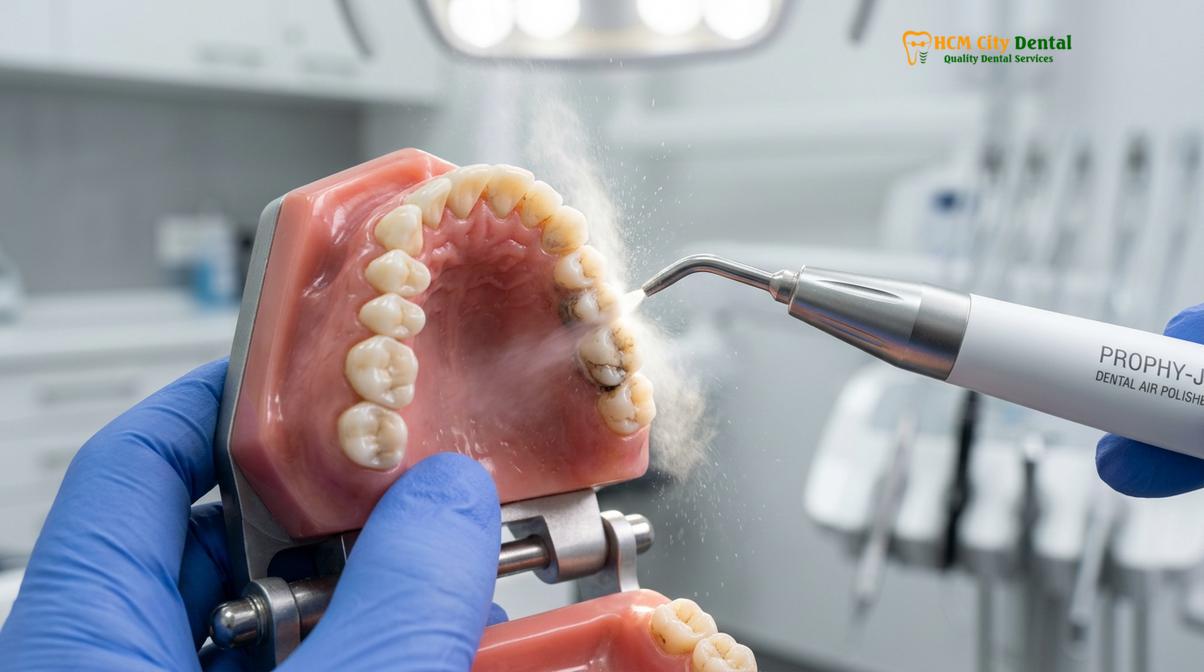
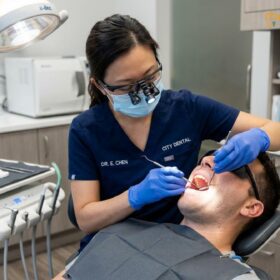
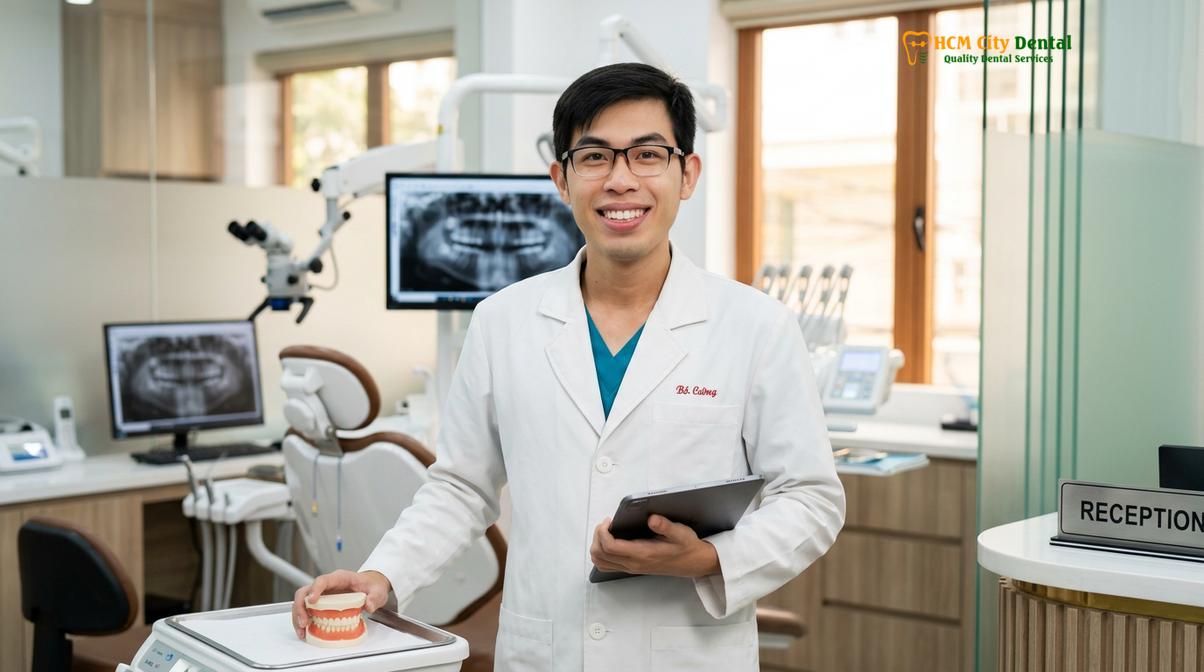
According to Dr. Nguyen Van Cuong, integrating jet dental technologies significantly reduces patient anxiety associated with the scraping sounds and sensations of traditional scaling. “By utilizing advanced air polishing systems, we can achieve a superior level of cleanliness while maintaining a highly comfortable environment for the patient,” notes Dr. Cuong. This commitment to patient comfort is a cornerstone of the comprehensive General Dentistry tại HCMC Dental Clinic.
“The shift from manual debridement to kinetic biofilm disruption using air polishing systems represents one of the most significant advancements in non-surgical periodontal therapy, offering enhanced efficacy and superior patient acceptance.”
Core Diagnostic and Scaling Instruments
Before utilizing jet polishing systems, clinicians must perform a thorough assessment using precise diagnostic tools like probes and explorers, followed by targeted calculus removal using advanced scalers.
While jet dental technologies excel at biofilm and stain removal, they are part of a broader armamentarium. Comprehensive periodontal care begins with meticulous diagnostics. The foundation of this assessment is the dental probe. This slender, calibrated instrument is gently inserted into the gingival sulcus to measure the depth of periodontal pockets, assess clinical attachment loss, and detect bleeding on probing (BOP)[2].
Understanding dental probe markings is critical for accurate charting. Different probes feature specific millimeter demarcations used to assess gingival recession, measure the width of attached gingiva, and evaluate furcation involvement in multi-rooted teeth. Following probing, the clinician utilizes a dental explorer tool. This highly tactile instrument is designed to detect subgingival calculus deposits, evaluate the margins of existing restorations, and identify carious lesions. The fine tip of the explorer transmits vibrations to the clinician’s fingers, providing a tactile map of the root surface.
Once the diagnostic phase is complete, the removal of hard calculus deposits begins. While a traditional curette dental tool remains indispensable for fine root planing and removing tenacious subgingival calculus, mechanized scalers have become the standard for gross debridement. The air scaler dental device, which connects to the dental unit’s air line, generates vibrations in the sonic range. The dental air scaler handpiece is lightweight and operates with an elliptical tip motion, making it highly effective for supragingival scaling.
Alternatively, many modern clinics utilize an electric dental handpiece equipped with piezoelectric or magnetostrictive ultrasonic technology. These devices operate at much higher frequencies and utilize specialized scaler tips dental professionals select based on the specific anatomical challenges of the tooth. The rapid vibration of the tip, combined with the cavitation effect of the cooling water spray, shatters calculus and flushes debris from the pocket. Studies indicate that the ergonomics of these modern handpieces significantly reduce clinician fatigue during prolonged prophylaxis sessions[4].
| Modality | Mechanism of Action | Primary Clinical Application | Patient Sensation |
|---|---|---|---|
| Manual Curette | Physical scraping via sharp cutting edge | Fine root planing, subgingival calculus removal | Tactile pressure, scraping sound |
| Air/Ultrasonic Scaler | High-frequency vibration and cavitation | Gross calculus debridement, biofilm disruption | Vibration, water spray, high-pitched sound |
| Jet Dental (Air Polishing) | Kinetic energy (air, water, powder) | Biofilm removal, extrinsic stain eradication | Gentle spray, mild salty/sweet taste |
Clinical Workflows: From Assessment to Polishing
A standardized clinical workflow, beginning with digital imaging and culminating in air polishing, ensures thorough debridement while maximizing clinical efficiency and patient safety.
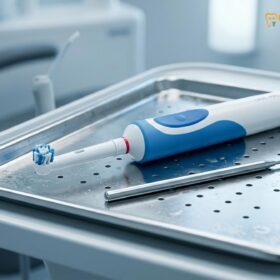
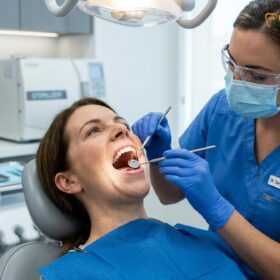
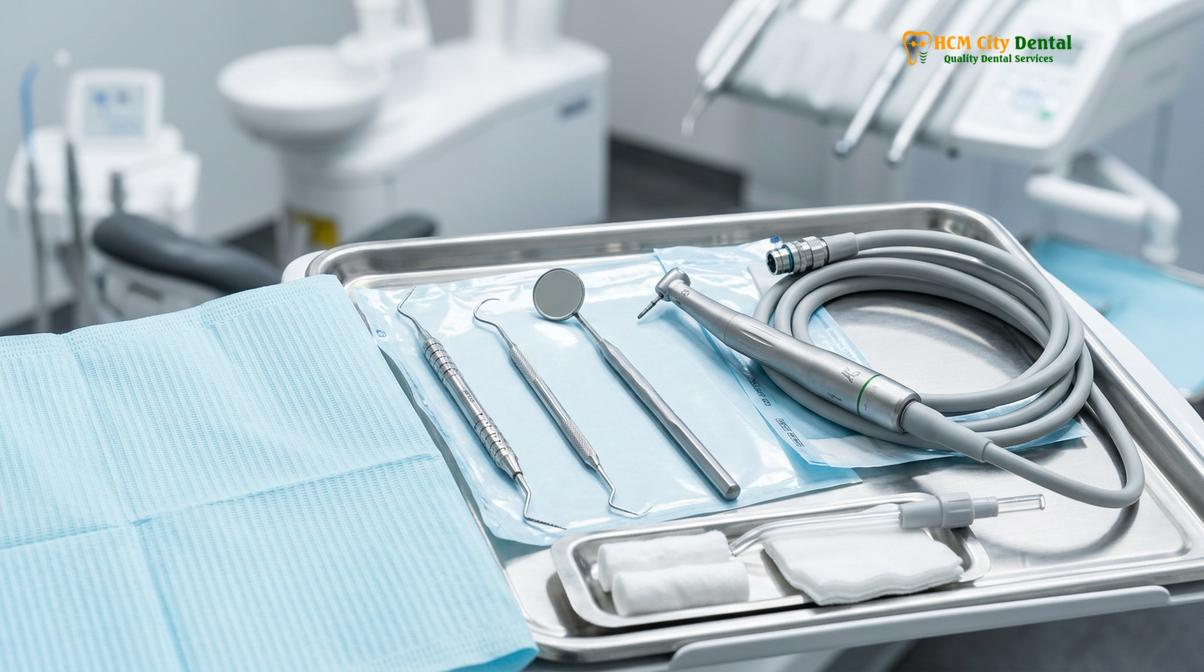
The execution of a professional dental cleaning follows a highly structured workflow to ensure no pathology is overlooked. The process begins before the patient even sits in the chair, with the preparation of the dental tray. A standard prophylaxis tray includes a mouth mirror, explorer, periodontal probe, cotton forceps, gauze, and the necessary scaler tips and polishing pastes or powders.
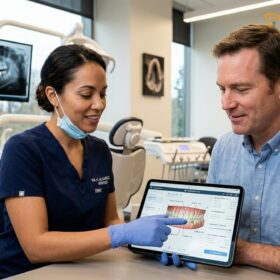
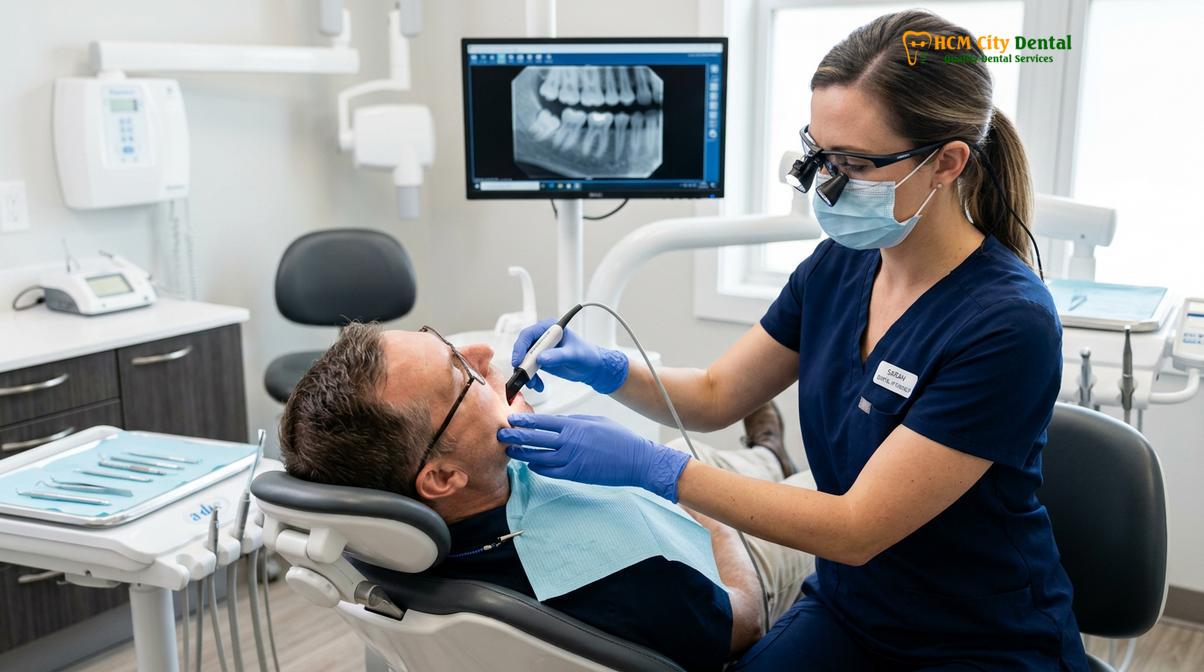
Upon seating the patient, the clinician reviews the medical history and often updates radiographs. Modern radiography utilizes a digital sensor dental device, which captures high-resolution intraoral images with a fraction of the radiation required by traditional film. These images are crucial for identifying interproximal decay, assessing bone levels, and planning wisdom teeth removal if impactions are noted.
The division of labor in the clinic often brings up the topic of the dental hygienist vs dentist. In many jurisdictions, the dental hygienist is the primary provider of preventive and periodontal maintenance therapies, possessing specialized training in instrumentation and oral health education. The dentist performs the comprehensive exam, diagnoses pathology, and executes restorative or surgical interventions. For those interested in advancing their clinical scope, the pathway from dental hygienist to dentist is a rigorous but rewarding journey, requiring a return to dental school to master complex diagnostics and surgical techniques[5].
During the educational phase, whether for hygiene or dental students, dental training models (typodonts) are extensively used. These models simulate the oral cavity, allowing students to practice the precise angulation required for a dental jet nozzle—typically 60 degrees for anterior teeth and 80 degrees for posterior teeth—to maximize cleaning efficacy and prevent complications such as facial emphysema.
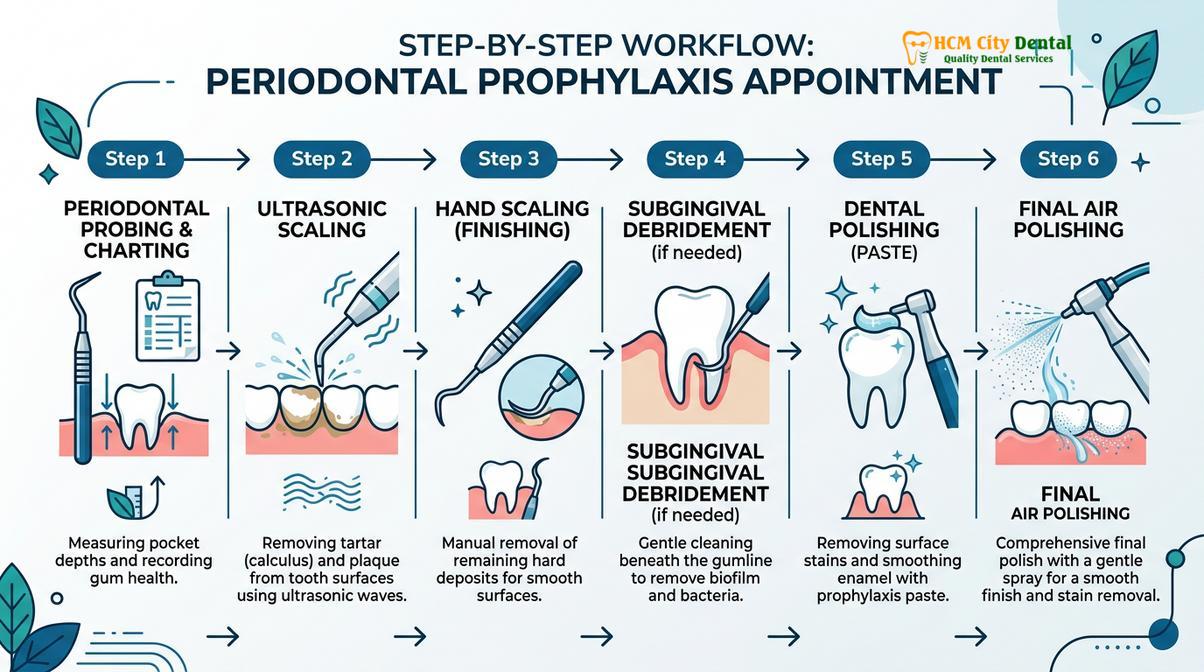
The clinical workflow proceeds from supragingival scaling to subgingival debridement, followed by final polishing. While a dental jet is highly effective for biofilm removal, it cannot replace the tactile feedback of a manual curette when verifying the smoothness of a root surface following deep scaling. This combined approach helps ensure the highest standard of care.
Advanced Applications and Patient Comfort
Jet dental systems are uniquely suited for cleaning complex anatomical structures, such as orthodontic brackets and implants, while providing a comfortable, soft-touch experience.
One of the most significant advantages of jet dental technology is its ability to navigate complex oral architectures where traditional instruments struggle. Orthodontic patients, for example, face immense challenges in maintaining oral hygiene. The various parts of dental braces—including brackets, archwires, elastomeric ties, and bands—create numerous retention areas for plaque. A dental jet effortlessly penetrates these intricate spaces, flushing away debris and preventing the white spot lesions commonly associated with orthodontic treatment. Clinicians often pursue orthodontic courses for general dentists to better understand how to manage the periodontal health of patients undergoing tooth movement.
Similarly, patients with dental implants benefit greatly from air polishing. Traditional metal scalers can scratch the titanium surface of an implant abutment, creating a rough area that attracts bacteria. Using a dental jet with a low-abrasive powder provides a safe, effective method for decontaminating implant surfaces without altering their topography.
Beyond the clinic, patient education regarding home care is vital. While professional jet systems are powerful, daily maintenance is required to sustain periodontal health. Clinicians often recommend adjuncts like a dental floss pick for patients who struggle with traditional string floss, or a rubber tip dental stimulator for massaging the gingiva and recontouring interdental papillae following periodontal therapy. These tools support the daily oral hygiene practices necessary to prevent disease recurrence.
Clinical Case Study: Managing Severe Extrinsic Staining
Patient Profile: A 45-year-old male presented to HCMC Dental Clinic in Ho Chi Minh City with severe extrinsic staining due to heavy coffee consumption and tobacco use, alongside moderate gingivitis.
Clinical Intervention: Traditional scaling was utilized to remove supragingival calculus. Subsequently, a jet dental air polishing system utilizing sodium bicarbonate powder was employed to eradicate the tenacious stains. The procedure was completed efficiently, minimizing chair time.
Outcome: The patient achieved a dramatic improvement in tooth shade and reported high satisfaction with the comfortable, soft touch dental approach. Follow-up instructions included the use of a water irrigator at home to maintain results.
The emphasis on a gentle, minimally invasive approach is what defines modern preventive care. By utilizing advanced technologies, clinicians can manage conditions ranging from simple plaque accumulation to complex cases requiring bleeding gums and gingivitis treatment, all while ensuring the patient remains comfortable and relaxed.
Practice Management: Integrating Jet Systems
Successfully integrating advanced jet dental technologies requires strategic financial planning, staff training, and an understanding of modern dental practice management.
For dental professionals, upgrading clinical equipment is a significant business decision. The integration of advanced air polishing units, piezoelectric scalers, and digital sensors requires capital investment and strategic planning. Practitioners exploring practice ownership often consult resources like a how to buy a dental practice book to understand the nuances of equipment valuation, overhead costs, and return on investment[3].
Understanding how to buy a dental practice involves evaluating the existing technology infrastructure. A clinic equipped with modern jet dental systems and digital radiography is generally valued higher, as these tools increase clinical efficiency, allow for higher patient volume, and improve case acceptance rates. Patients are increasingly seeking out technologically advanced clinics that offer comfortable, efficient care.
“Investing in advanced prophylactic technologies not only elevates the standard of clinical care but also serves as a powerful internal marketing tool, driving patient retention and practice growth through positive word-of-mouth.”
Furthermore, practice management involves navigating the complexities of insurance billing. Preventive services, including prophylaxis and periodontal maintenance, are frequently covered under standard dental policies. Clinic administrators must be adept at coordinating dental and vision benefits, ensuring that patients maximize their coverage for preventive care, which ultimately reduces the need for more invasive and costly procedures like root canal therapy or extractions in the future.
When to Seek Professional Periodontal Care
Recognizing the early signs of periodontal distress is crucial for timely intervention and preventing irreversible damage to the supporting structures of the teeth.
While daily brushing and flossing are foundational, they cannot remove hardened calculus or reach deep periodontal pockets. Patients should seek professional evaluation if they experience persistent bad breath, swollen or bleeding gums, or sudden sensitivity. These symptoms often indicate the presence of subgingival biofilm that requires professional debridement using jet dental technologies or ultrasonic scaling. If left untreated, early gingivitis can progress to periodontitis, leading to bone loss and eventual tooth mobility.
In Vietnam, guidelines supported by the Vietnam Odonto-Stomatology Association (VOSA) and the Ministry of Health recommend that adults undergo a comprehensive dental examination and professional prophylaxis at least twice a year. Patients with a history of periodontal disease, systemic conditions like diabetes, or those undergoing orthodontic treatment may require more frequent maintenance visits. During these appointments, clinicians can also assess for other issues, providing guidance on tooth pain causes and remedies before they escalate into dental emergencies.
Conclusion & Next Steps
The integration of jet dental technologies has fundamentally improved the way dental professionals approach prophylaxis and periodontal maintenance. By combining the kinetic energy of air polishing with the precision of modern diagnostic instruments, clinicians can deliver a standard of care that is both highly effective and exceptionally comfortable for the patient. Whether managing complex orthodontic cases, maintaining dental implants, or simply providing routine preventive care, these advanced systems are indispensable tools in the modern dental practice.
If you are experiencing signs of gum inflammation or are simply due for your routine preventive maintenance, do not delay your care. Schedule your comprehensive evaluation at HCMC Dental Clinic in Ho Chi Minh City today to experience the benefits of advanced jet dental technology and personalized periodontal therapy.
References
- Journal of Periodontology. Efficacy of air polishing in periodontal maintenance therapy.
- International Journal of Dental Hygiene. Comparative analysis of glycine powder air polishing and manual instrumentation.
- Journal of Clinical Dentistry. The role of oral irrigation devices in managing gingival inflammation.
- American Journal of Dentistry. Ergonomics and efficacy of modern dental handpieces in prophylaxis.
- Journal of Dental Education. Transitioning roles in clinical practice: from hygiene to advanced diagnostics.