Dentist reviews and feedback serve as critical indicators of clinical competence, patient safety, and operational efficiency. By analyzing these evaluations, patients can make informed healthcare decisions, while dental professionals utilize this data to refine treatment protocols, enhance pain management, and optimize overall clinical workflows.
Clinical Summary:
In modern evidence-based dentistry, patient feedback extends far beyond simple customer service metrics; it is a vital component of continuous clinical quality improvement. Comprehensive reviews provide actionable data regarding the efficacy of local anesthesia, the precision of prosthodontic margins, and the strictness of infection control protocols. Dental practices that systematically analyze this feedback can identify subtle deficiencies in their clinical workflows, allowing for targeted interventions such as advanced staff training or upgraded diagnostic technology. Ultimately, a robust feedback loop ensures that patient care remains aligned with the highest medical standards, fostering trust and improving long-term oral health outcomes.
Key Takeaways:
- Patient reviews act as a secondary diagnostic tool for evaluating a clinic’s adherence to safety and sterilization protocols.
- Consistent feedback regarding pain management often reflects the practitioner’s proficiency with local anesthetic techniques.
- Effective front-desk triage and communication significantly reduce clinical misunderstandings and patient anxiety.
- Analyzing negative feedback allows clinics to refine complex surgical workflows and post-operative care instructions.
- High practitioner job satisfaction is statistically linked to lower error rates and more comprehensive patient education.
The Clinical Significance of Dentist Reviews and Feedback
Dentist reviews provide essential insights into a practitioner’s clinical precision, adherence to safety protocols, and ability to manage complex oral health conditions effectively.
In the realm of modern healthcare, the evaluation of medical professionals has transitioned from purely peer-reviewed assessments to a more patient-centric model. When analyzing dentist reviews and feedback, it is crucial to understand that these narratives often contain hidden clinical data. A patient praising a “painless extraction” is, in medical terms, validating the dentist’s profound understanding of neuroanatomy, their precise administration of local anesthetics such as articaine or lidocaine, and their atraumatic surgical technique. Conversely, recurring complaints about post-operative discomfort may indicate a need for the clinic to review its tissue management protocols or the clarity of its post-surgical instructions [1].
Dr. Nguyen Van Cuong, a leading practitioner, frequently emphasizes that patient feedback is not merely a metric of customer satisfaction, but a vital clinical diagnostic tool. By systematically reviewing patient experiences, a dental team can identify micro-inefficiencies in their workflows. For instance, if multiple patients report prolonged sensitivity following composite restorations, the clinical team must investigate their bonding protocols, curing light intensity, and isolation techniques to ensure optimal marginal seals and prevent microleakage.
Furthermore, reviews often highlight the efficacy of a clinic’s infection control measures. Patients are increasingly observant of environmental hygiene, instrument sterilization, and the use of personal protective equipment (PPE). Positive feedback regarding a clean and organized operatory directly correlates with a reduced risk of nosocomial infections and cross-contamination. Therefore, when patients share their experiences, they are inadvertently contributing to a broader epidemiological understanding of the clinic’s safety standards. This continuous loop of feedback and clinical adjustment is foundational to maintaining excellence in General Dentistry.
Decoding Dentist Review Sites: What Patients Should Look For
Patients should critically analyze review platforms by identifying consistent patterns related to treatment longevity, diagnostic transparency, and post-operative complication management.
Navigating the multitude of dentist review sites requires a discerning eye, as not all feedback carries equal clinical weight. While comments about waiting room aesthetics or magazine selections are common, they offer little insight into the actual quality of medical care. Instead, prospective patients should focus on reviews that detail specific clinical encounters. For example, when searching for the “best dentist near me reviews,” one should prioritize testimonials that discuss the longevity of dental work, the thoroughness of the initial examination, and the practitioner’s willingness to explain complex diagnoses.
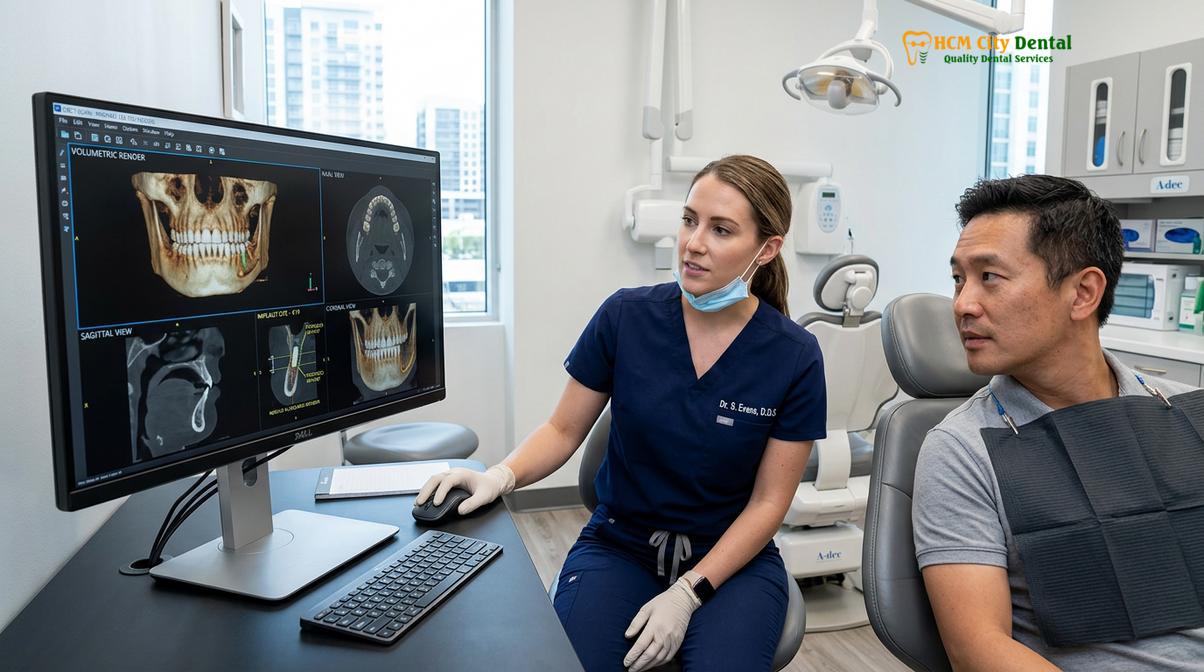
A critical aspect to look for is how the clinic handles complex or invasive procedures. Reviews detailing experiences with impacted third molars, for instance, can reveal much about a surgeon’s competence. Patients should look for mentions of pre-operative 3D CBCT scanning, clear explanations of potential risks (such as inferior alveolar nerve paresthesia), and proactive follow-up care. For a deeper understanding of what constitutes standard care in these scenarios, patients can refer to a comprehensive Best Dentist for Wisdom Teeth Removal Guide.
“The true measure of a dental practice is not found in the absence of complications, but in the clinical transparency and immediate, evidence-based response when unexpected challenges arise during patient care.”
Additionally, it is important to differentiate between subjective dissatisfaction and objective clinical failure. A patient may leave a negative review because a temporary crown dislodged; however, clinically, temporary cements are designed to be weak to allow for easy removal. If the clinic promptly and professionally recements the provisional restoration, this indicates a responsive and responsible medical team. Conversely, repeated reviews citing undiagnosed periodontal disease or failing implants within the first year of placement are significant red flags that warrant caution [2].
The Role of Front-Line Communication and Dental Receptionist Training
Effective front-desk communication and rigorous receptionist training are vital for accurate clinical triage, managing patient expectations, and preventing negative feedback.
The patient’s clinical journey begins long before they sit in the dental chair; it initiates at the front desk. The importance of comprehensive dental receptionist training cannot be overstated, as these professionals are responsible for the initial clinical triage. A well-trained receptionist must possess a foundational understanding of dental terminology to accurately assess the urgency of a patient’s condition. For example, distinguishing between reversible pulpitis (which may wait a few days) and an acute periapical abscess (which requires immediate intervention to prevent systemic infection) is a critical skill that directly impacts patient safety and subsequent reviews.
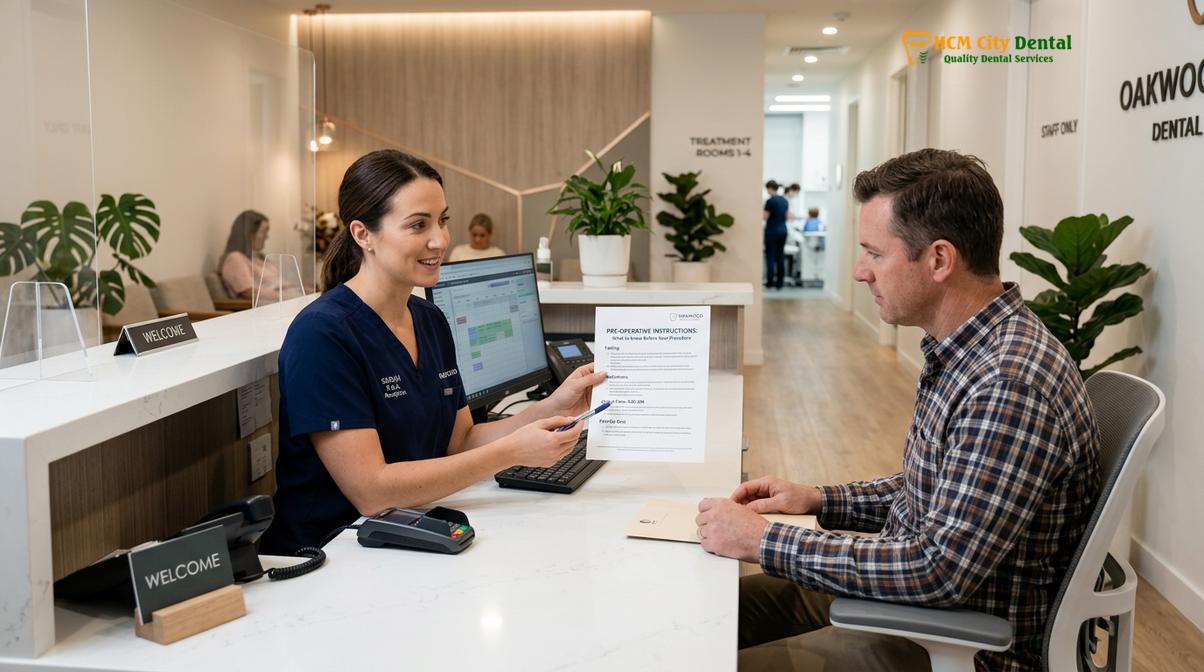
Furthermore, the front desk plays a pivotal role in setting clinical expectations. Misunderstandings regarding treatment timelines, the necessity of multi-visit procedures (such as endodontic therapy or implant osseointegration), and post-operative recovery phases are primary drivers of negative feedback. When a receptionist is adequately trained to reinforce the dentist’s clinical instructions—such as reminding a patient to avoid mastication on a newly placed provisional restoration—the likelihood of iatrogenic damage and subsequent patient frustration is significantly reduced [3].
Anxiety management is another crucial component of front-line communication. Dental phobia is a recognized psychological barrier to care, often leading to delayed treatment and exacerbated clinical conditions. A compassionate, knowledgeable front desk team can mitigate this anxiety by clearly explaining the steps of a Comprehensive Dental Examination Guide, thereby demystifying the process and fostering a sense of security before the patient even meets the clinician.
Clinical Workflows and Their Impact on Patient Satisfaction
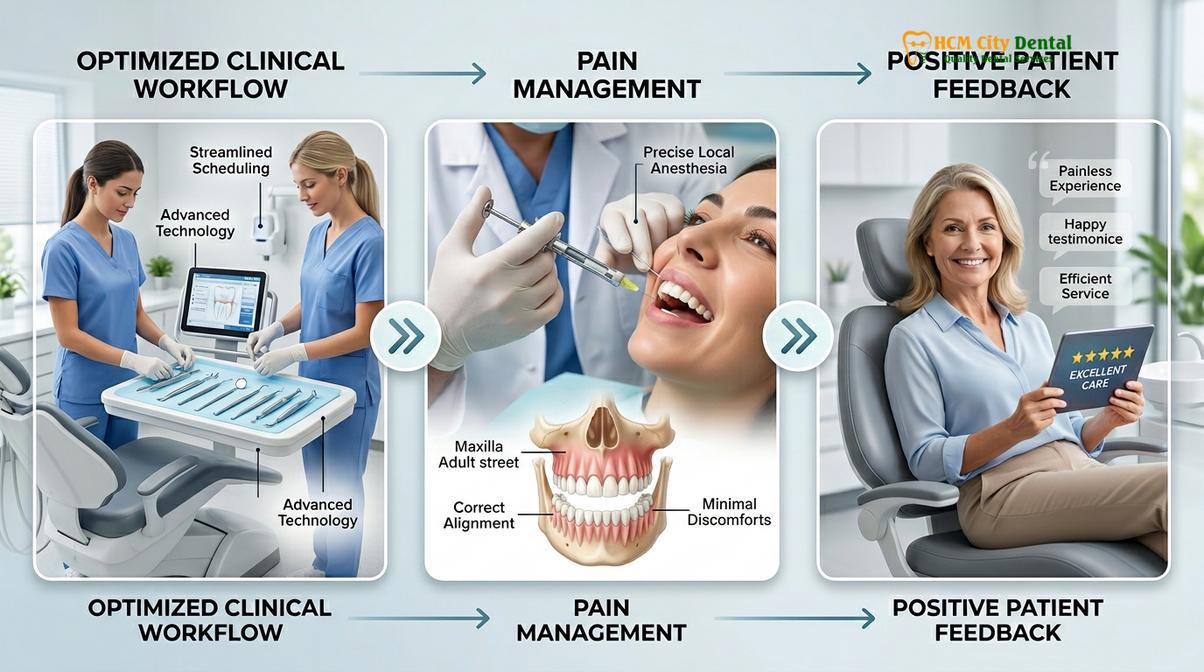
Optimized clinical workflows, including efficient sterilization, precise diagnostics, and effective pain management, directly correlate with high patient satisfaction and positive reviews.
Behind every positive review is a meticulously orchestrated clinical workflow. The seamless transition from diagnosis to treatment requires rigorous adherence to standardized operating procedures (SOPs). One of the most critical workflows impacting patient perception is pain management. This encompasses not only the administration of local anesthesia but also the preemptive management of post-operative inflammation using appropriate pharmacological agents, such as NSAIDs or corticosteroids, based on the patient’s medical history.
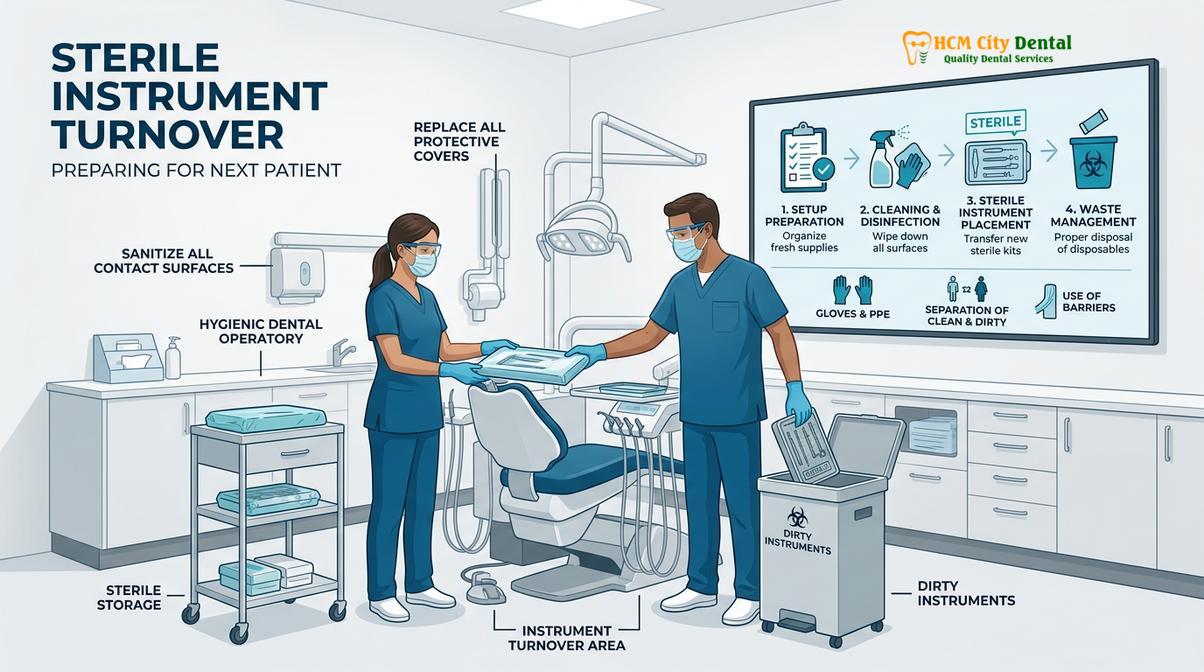
Another vital workflow is the sterilization and operatory turnover process. Patients are highly sensitive to the cleanliness of the clinical environment. A delay in seating a patient is often the result of the team strictly adhering to autoclave cycles and surface disinfection protocols. While this may cause a temporary inconvenience, clinics that transparently communicate that these delays are due to uncompromising safety standards often see this reflected positively in their feedback. Patients appreciate knowing that their health is prioritized over scheduling speed.
| Clinical Workflow Element | Medical Objective | Common Patient Feedback Theme |
|---|---|---|
| Pre-operative CBCT Imaging | Precise anatomical mapping and risk mitigation | “The dentist explained everything clearly using 3D models.” |
| Profound Local Anesthesia | Blockade of nociceptive pain pathways | “The procedure was completely painless and comfortable.” |
| Strict Autoclave Sterilization | Elimination of bloodborne pathogens | “The clinic was spotless and instruments were opened in front of me.” |
| Articulating Paper Occlusal Check | Prevention of premature contacts and TMJ strain | “My new crown feels perfectly natural when I bite down.” |
| Detailed Post-Op Instructions | Prevention of dry socket and secondary infection | “I knew exactly what to expect during my recovery.” |
In the realm of prosthodontics and orthodontics, the workflow involving dental laboratories is equally critical. The precision of impressions—whether traditional elastomeric or digital intraoral scans—dictates the marginal fit of crowns and the efficacy of aligners. Clinics that invest in digital workflows often receive praise for the speed and comfort of the process. For a detailed look at how these precise workflows operate, patients can explore a Clinical Manufacturing Guide to understand the technology behind modern dental appliances.
Reputation Management for Dentists: A Clinical Perspective
Reputation management involves clinically analyzing patient feedback to identify procedural shortcomings, address complications promptly, and continuously elevate the standard of care.
In the digital age, reputation management for dentist professionals is not merely a marketing endeavor; it is an extension of clinical governance. When a negative review is posted, the initial response must be rooted in clinical objectivity rather than defensiveness. A complaint about a “failed filling” requires a retrospective review of the patient’s chart. Was the cavity exceptionally deep, nearing the pulp chamber? Was the tooth isolated properly with a rubber dam to prevent salivary contamination during bonding? By asking these clinical questions, the practice can determine if the failure was due to biological limitations or a procedural error [4].
Addressing negative feedback publicly requires strict adherence to patient confidentiality laws (such as HIPAA in the US, or equivalent local medical privacy regulations). A professional response acknowledges the patient’s concern without disclosing protected health information, offering to resolve the issue through a follow-up clinical evaluation. This approach demonstrates to prospective patients that the clinic is accountable and prioritizes long-term oral health over short-term transactions.
Furthermore, proactive reputation management involves educating patients about the realities of complex procedures. For instance, surgical interventions in the aesthetic zone require meticulous soft tissue management and often involve a healing phase where the aesthetics are temporarily compromised. By setting these expectations early, as detailed in a Facial Aesthetics Dental Surgery Guide, clinics can prevent negative reviews born from a misunderstanding of the biological healing process.
Dentist Job Satisfaction and Its Effect on Patient Care
High dentist job satisfaction reduces clinical burnout, leading to more precise surgical execution, better patient communication, and ultimately, superior patient reviews.
The psychological well-being of the clinical team is a frequently overlooked factor that profoundly impacts patient feedback. Dentist job satisfaction is directly correlated with the quality of care provided. Dentistry is a physically demanding and mentally taxing profession, requiring intense concentration in a microscopic surgical field while simultaneously managing patient anxiety. When practitioners experience burnout, the risk of clinical fatigue increases, which can lead to subtle compromises in treatment quality, such as inadequate margin preparation or rushed patient consultations.
Clinical Warning: Ignoring signs of practitioner burnout or consistently poor patient feedback can lead to a degradation of clinical standards, increasing the risk of procedural errors, misdiagnoses, and severe post-operative complications.
Conversely, a supportive clinical environment that prioritizes ergonomic equipment, adequate scheduling time per procedure, and continuous professional development fosters high job satisfaction. Dentists who are fulfilled in their roles are more likely to engage in comprehensive patient education, taking the time to explain the etiology of dental caries or the biomechanics of malocclusion. This enthusiastic approach to patient care is consistently reflected in glowing reviews, as patients feel valued and respected as active participants in their healthcare journey [5].
Case Study: Transforming Clinical Practice Through Patient Feedback
Analyzing real-world feedback allows clinics to implement targeted clinical adjustments, improving patient comfort and long-term treatment success rates.
To illustrate the tangible impact of patient feedback on clinical operations, consider the implementation of advanced orthodontic protocols. Historically, patients undergoing traditional bracket-and-wire therapy frequently reported discomfort due to wire pokes and mucosal ulcerations. By systematically analyzing this feedback, progressive clinics have adapted their workflows to prioritize patient comfort without compromising biomechanical efficiency.
Clinical Case Study: A 28-year-old patient presented to HCMC Dental Clinic in Ho Chi Minh City seeking orthodontic correction for severe anterior crowding. Initially apprehensive due to negative reviews they had read online regarding the pain of traditional braces, the patient expressed significant anxiety. Dr. Nguyen Van Cuong utilized this feedback to tailor the consultation, utilizing a digital intraoral scanner to demonstrate the precise, low-friction mechanics of modern self-ligating systems. By addressing the specific concerns highlighted in online feedback and adjusting the clinical approach to prioritize soft tissue comfort, the patient experienced a highly successful, minimally painful treatment, subsequently leaving a detailed positive review praising the clinic’s empathetic and technologically advanced approach.
This case exemplifies how feedback drives clinical evolution. The transition from traditional impressions to digital scanning not only improves the accuracy of the orthodontic appliances but also eliminates the gag reflex associated with alginate, directly addressing a common patient complaint. For a deeper dive into these modern techniques, patients can review a Clinical Orthodontic Guide, which explains how patient comfort is engineered into the manufacturing process.
When to Seek a Second Clinical Opinion (When to See a Doctor)
Patients should seek a second clinical opinion if they experience persistent pain, suspect a misdiagnosis, or feel that their current treatment plan lacks transparency.
While reviews are helpful, they should never replace professional medical judgment. There are specific clinical scenarios where a patient must seek a second opinion, regardless of a clinic’s online rating. If a patient experiences persistent, throbbing pain following a restorative procedure that does not subside with over-the-counter analgesics, this may indicate irreversible pulpitis or an occlusal discrepancy requiring immediate professional evaluation.
“A second opinion is a fundamental patient right in healthcare; it ensures diagnostic accuracy and provides the patient with the comprehensive understanding necessary to consent to irreversible dental procedures.”
Furthermore, if a proposed treatment plan seems excessively aggressive—such as the recommendation to extract multiple restorable teeth or the immediate placement of extensive prosthetics without addressing underlying periodontal disease—a second clinical perspective is highly advised. For instance, before committing to irreversible cosmetic procedures, patients should consult resources like a Porcelain Lumineers: Clinical Guide to understand the biological costs and alternative, more conservative treatment modalities.
Ultimately, the best dental care is a collaborative effort between a highly skilled clinical team and an informed patient. By utilizing reviews as a starting point and prioritizing transparent, evidence-based communication, patients can ensure they receive the highest standard of care. If you are experiencing unresolved dental issues or wish to discuss a comprehensive treatment plan, we recommend scheduling a thorough diagnostic evaluation at HCMC Dental Clinic in Ho Chi Minh City to explore your clinical options safely and effectively.
Frequently Asked Questions
How accurately do dentist reviews reflect clinical competence?
Dentist reviews provide a strong secondary indicator of clinical competence, particularly regarding pain management, infection control, and long-term treatment stability. While subjective, consistent patterns in feedback often correlate directly with the precision of a practitioner’s diagnostic and surgical protocols. A single negative review may be an outlier, but a trend of complaints regarding failing restorations or post-operative infections warrants careful consideration.
What should I look for in negative dental feedback?
Patients should look for recurring mentions of post-operative complications, unresolved pain, or poor clinical communication. Isolated complaints about scheduling are less concerning than repeated reports of failing restorations, undiagnosed infections, or a lack of informed consent prior to complex procedures. Evaluating how the clinic responds to these negative reviews also provides insight into their professional accountability.
How does dental receptionist training impact patient reviews?
Comprehensive dental receptionist training ensures accurate clinical triage, clear communication of pre-operative instructions, and effective management of patient anxiety. A well-trained front desk acts as an extension of the clinical team, significantly reducing misunderstandings that frequently lead to negative online feedback. They are essential for setting realistic expectations regarding treatment timelines and recovery.
Can high dentist job satisfaction improve my treatment outcome?
Yes, high dentist job satisfaction directly correlates with improved clinical focus, reduced procedural errors, and enhanced bedside manner. Practitioners experiencing lower burnout rates are statistically more likely to adhere strictly to evidence-based protocols and invest time in comprehensive patient education. A positive clinic environment translates directly to safer, more meticulous patient care.
Why do clinics emphasize reputation management for dentists?
Reputation management for dentists is essential for maintaining patient trust and identifying areas for clinical workflow improvement. By systematically analyzing feedback, dental practices can adjust their pain management strategies, upgrade sterilization protocols, and enhance the overall safety and efficacy of patient care. It is a continuous quality assurance mechanism rather than just a marketing tool.
References
- Journal of the American Dental Association. Patient satisfaction and clinical outcomes in general dentistry. (2021).
- British Dental Journal. The impact of clinical communication on dental anxiety and patient feedback. (2020).
- International Dental Journal. Correlation between dentist job satisfaction and quality of patient care. (2019).
- Journal of Dental Education. Efficacy of front-desk protocols and dental receptionist training on clinic perception. (2022).
- Clinical Oral Investigations. Managing post-operative complications and reputation management in dental practice. (2018).