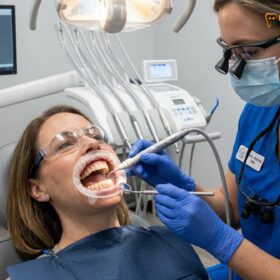
The teeth braces cost depends heavily on the chosen orthodontic method, the clinical complexity of the malocclusion, and the estimated duration of treatment. Traditional metal braces generally offer the most cost-effective solution, while aesthetic options like ceramic brackets, lingual systems, and clear aligners require a higher financial investment due to advanced materials and specialized manufacturing.
Clinical Summary:
Orthodontic treatment requires a personalized financial and clinical assessment to determine the most appropriate intervention. Comprehensive costs encompass diagnostic imaging, the active biomechanical alignment phase, and critical post-treatment retention. While traditional metal brackets remain highly effective and economical, aesthetic options such as ceramic braces and clear aligners command premium pricing due to sophisticated laboratory requirements. Unforeseen clinical events, such as appliance breakages or the need for emergency braces removal, can also impact the overall investment. A thorough evaluation by a qualified dental professional is essential to establish an accurate and transparent treatment estimate.
Key Takeaways:
- Orthodontic pricing is primarily determined by case severity, chosen appliance type, and the total length of active treatment.
- Metal braces provide robust biomechanical control at a generally lower price point compared to aesthetic alternatives.
- Ceramic and lingual braces offer significant aesthetic advantages but require higher material and laboratory costs.
- Comprehensive fees typically include initial diagnostic records, routine clinical adjustments, and the first set of retainers.
- Patients should account for potential supplementary costs, such as replacement retainers or emergency braces removal, when planning their treatment.
Factors Influencing the Cost of Orthodontic Treatment
Orthodontic fees are dictated by the severity of the patient’s malocclusion, the duration of active tooth movement, and the specific biomechanical materials selected for the customized treatment plan.
Understanding the financial investment required for orthodontic care begins with recognizing that no two smiles are identical. The field of Orthodontics is highly individualized, relying on precise biological responses to applied mechanical forces. Consequently, the total expense is rarely a flat fee but rather a calculation based on several critical clinical variables.
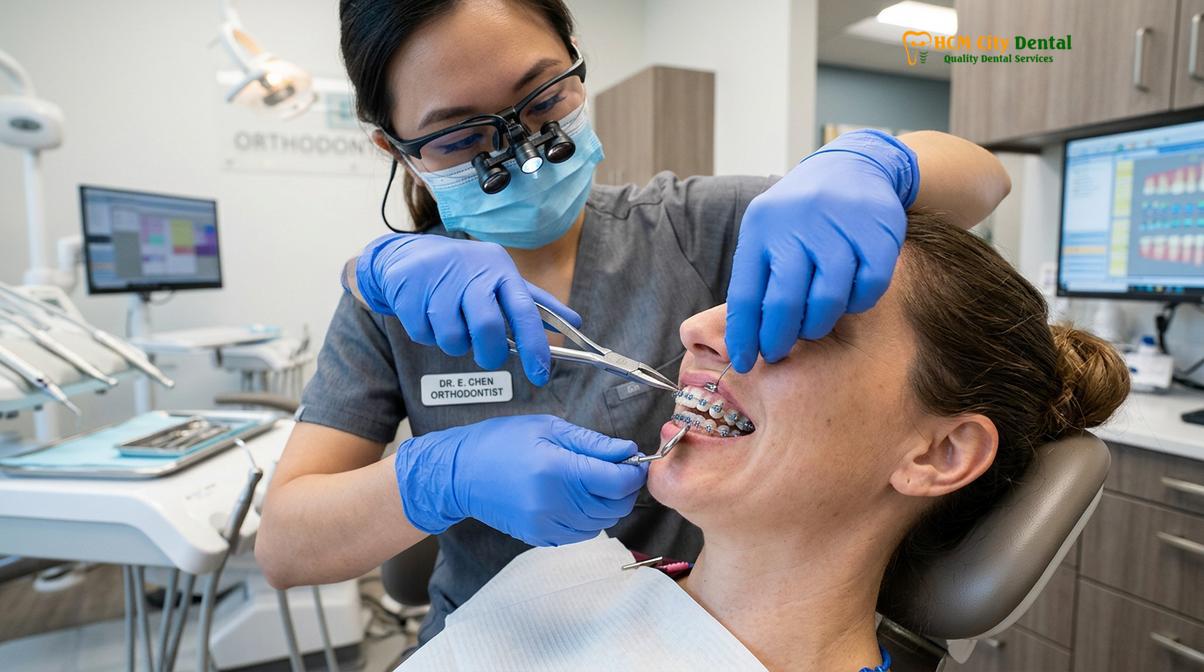
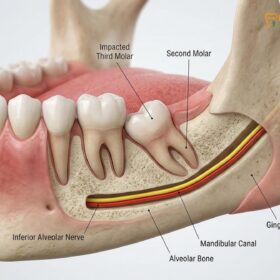
The most significant factor driving the cost is the complexity of the malocclusion. Dental professionals classify bite discrepancies into three primary categories: Class I (crowding or spacing with a normal bite relationship), Class II (overbite or overjet), and Class III (underbite). A mild Class I case involving minor anterior crowding may only require a brief period of alignment, utilizing fewer clinical resources and resulting in a lower overall fee. Conversely, severe Class II or Class III malocclusions often involve skeletal discrepancies that complicate the biomechanical approach. These complex cases may necessitate prolonged treatment times, the use of supplementary appliances like Temporary Anchorage Devices (TADs), or even coordination with orthognathic surgery, all of which substantially increase the required investment[1].
Treatment duration is intrinsically linked to cost. Orthodontic tooth movement relies on the biological processes of bone resorption by osteoclasts and bone deposition by osteoblasts. This cellular remodeling cannot be safely rushed without risking root resorption or periodontal damage. Therefore, a treatment plan estimated to take 24 to 36 months will naturally incur higher costs than a 12-month plan, simply due to the increased number of clinical visits, chair time, and continuous material utilization (such as changing archwires and elastomeric ligatures).
“The financial structure of orthodontic care reflects the extensive clinical oversight required to safely guide dental anatomy through dense alveolar bone. It is an investment not just in aesthetics, but in long-term functional stability and periodontal health.”
Furthermore, the geographic location and the expertise of the clinician play a role in the fee structure. Specialists who have undergone additional years of rigorous orthodontic training often command higher fees than general practitioners offering basic alignment services. When patients seek understanding the financial aspects of orthodontic care, they must consider that they are compensating the provider for their diagnostic acumen, risk management skills, and ability to navigate complex biomechanical challenges safely.
Types of Braces and Their Clinical Pricing Structures
Different orthodontic systems utilize distinct materials and manufacturing processes, resulting in a tiered pricing structure that ranges from economical stainless steel brackets to premium, custom-milled invisible aligners.
The specific appliance chosen to facilitate tooth movement is a primary determinant of the overall expense. Modern orthodontics offers a variety of modalities, each balancing biomechanical efficiency, aesthetic appeal, and material costs. Patients must weigh these factors alongside their clinical needs and personal preferences.
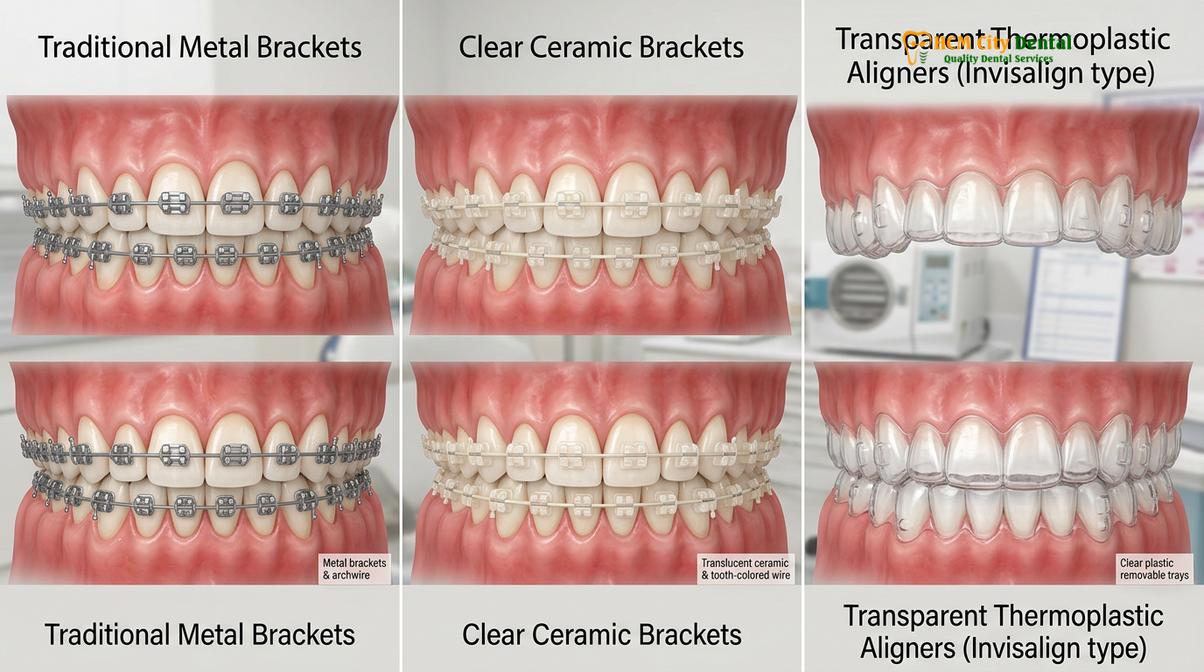
Traditional Metal Braces
Traditional metal braces remain the gold standard for treating a wide spectrum of malocclusions, from simple crowding to highly complex surgical cases. Fabricated from high-grade stainless steel or titanium alloys, these brackets are incredibly durable and resistant to fracture. Because the materials are standardized and mass-produced, metal braces consistently represent the most cost-effective option. They offer clinicians unparalleled control over three-dimensional tooth movement, making them highly efficient. The lower material costs translate directly to a more accessible price point for the patient.
Ceramic (Clear) Braces
For patients seeking a less conspicuous alternative without sacrificing the mechanical control of fixed appliances, ceramic braces are a popular choice. These brackets are manufactured from polycrystalline alumina or similar translucent materials that blend naturally with the tooth enamel. However, the aesthetic advantage comes with clinical and financial trade-offs. Ceramic is inherently more brittle than stainless steel, making the brackets more susceptible to fracture during mastication or clinical adjustments. Additionally, the manufacturing process for high-quality ceramic brackets is more expensive. Consequently, patients can expect a higher fee compared to traditional metal systems.
Lingual Braces
Lingual braces offer the ultimate in fixed appliance aesthetics by placing the brackets and wires on the lingual (tongue-facing) surfaces of the teeth, rendering them virtually invisible from the outside. This system is highly complex. Because the lingual surfaces of teeth are highly irregular compared to the buccal (outer) surfaces, standard brackets cannot be used. Instead, each bracket must be custom-milled or cast specifically for the individual patient’s anatomy using advanced CAD/CAM technology. The archwires are also robotically bent to precise specifications. The immense laboratory fees, combined with the increased clinical chair time required for difficult access and adjustments, make lingual braces one of the most expensive orthodontic options available.
Clear Aligners (e.g., Invisalign)
Clear aligner therapy has revolutionized adult orthodontics. This method utilizes a series of transparent, removable thermoplastic trays to gradually shift teeth into their desired positions. The cost of clear aligners is heavily influenced by the proprietary digital workflow. Treatment begins with a 3D intraoral scan, followed by sophisticated software planning (such as ClinCheck) to map out the entire sequence of movements. The manufacturer then fabricates the custom trays and charges a significant laboratory fee to the treating clinician. When comparing clear aligners with traditional brackets, patients will find that the advanced technology and lab fees often place aligners in a premium pricing tier, similar to or slightly higher than ceramic braces[2].
| Appliance Type | Primary Material | Aesthetic Profile | Biomechanical Control | Relative Cost Tier |
|---|---|---|---|---|
| Traditional Metal | Stainless Steel / Titanium | Highly Visible | Excellent (All case types) | Economical ($) |
| Ceramic Braces | Polycrystalline Alumina | Discreet / Translucent | Very Good (Prone to friction) | Moderate ($$) |
| Clear Aligners | Thermoplastic Polymers | Nearly Invisible | Good (Case dependent) | Premium ($$$) |
| Lingual Braces | Custom Gold/Alloy | Completely Hidden | Excellent (High technique sensitivity) | Highest ($$$$) |
The Clinical Orthodontic Workflow: What Are You Paying For?
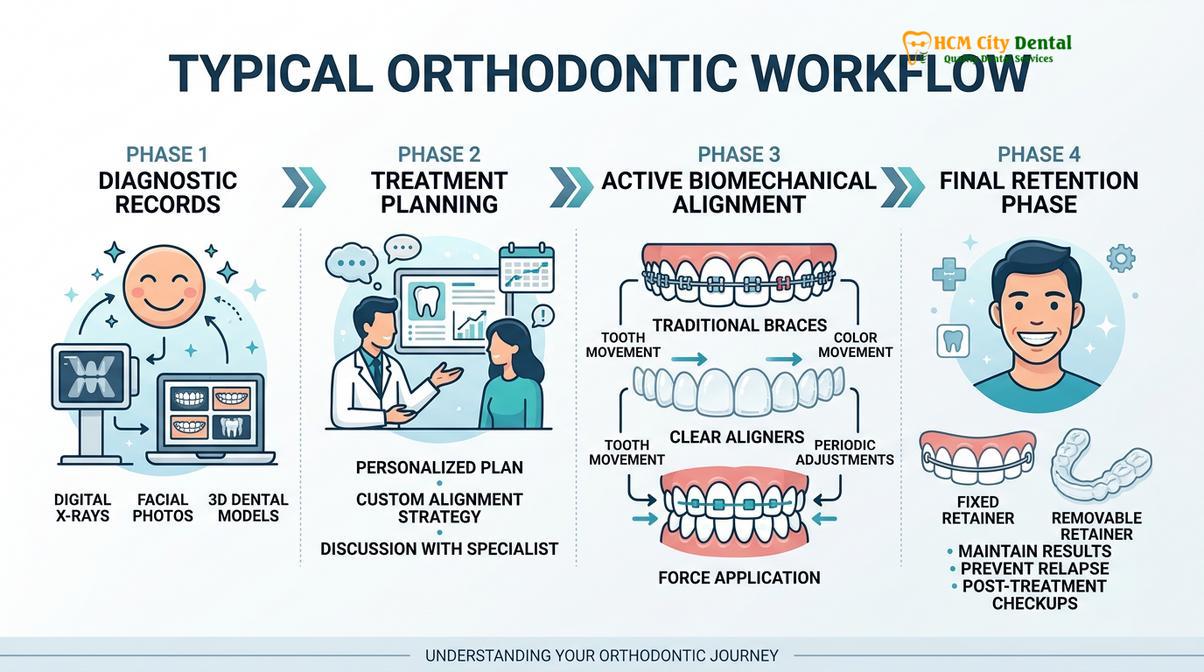
A comprehensive orthodontic fee covers a multi-phase clinical workflow, encompassing precise 3D diagnostics, continuous biomechanical adjustments, and the critical post-treatment retention phase to ensure long-term stability.
When patients receive a quote for orthodontic treatment, it is crucial to understand that the fee encompasses much more than just the physical brackets and wires. It covers a comprehensive, multi-phase medical service designed to safely alter the craniofacial anatomy. According to Dr. Nguyen Van Cuong, a thorough understanding of this workflow helps patients appreciate the value of the investment and the necessity of each clinical step.
Phase 1: Comprehensive Diagnostics and Treatment Planning
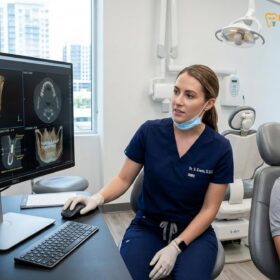
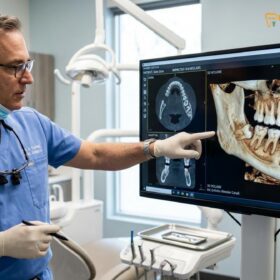
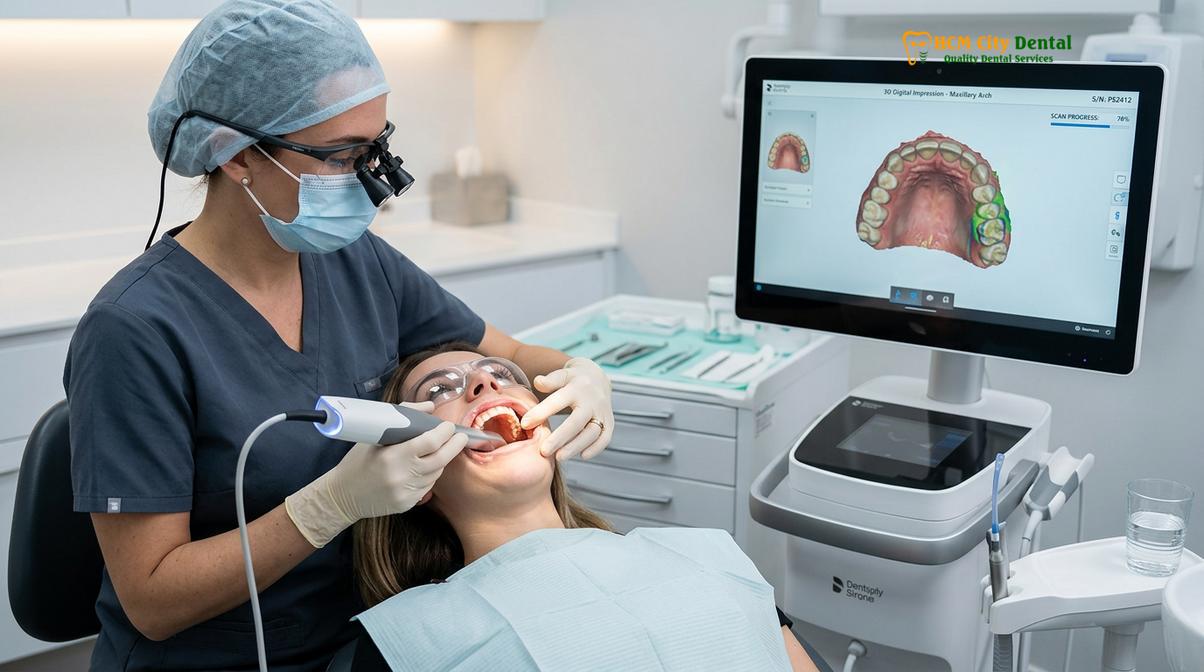
Before a single bracket is placed, a rigorous diagnostic phase must occur. This involves gathering detailed records to assess the health of the teeth, roots, periodontal ligaments, and supporting alveolar bone. Standard diagnostics include panoramic radiographs to evaluate root parallelity and detect any impacted teeth, as well as cephalometric radiographs to analyze the skeletal relationship between the maxilla, mandible, and cranial base. Modern clinics also utilize 3D intraoral scanners to create highly accurate digital models of the dentition, replacing uncomfortable traditional alginate impressions. The clinician then spends considerable time analyzing these records to formulate a precise, step-by-step biomechanical strategy. The cost of these advanced imaging technologies and the doctor’s diagnostic expertise is factored into the initial fee.
Phase 2: The Active Biomechanical Phase
The active phase is where the physical movement of teeth occurs. This involves the initial bonding of brackets or the delivery of the first set of aligners. For fixed appliances, patients will return to the clinic every 4 to 8 weeks for adjustments. During these visits, the clinician evaluates progress and modifies the force vectors. This may involve progressing through a sequence of archwires—starting with highly flexible Nickel-Titanium (NiTi) wires for initial leveling and aligning, and eventually moving to rigid Stainless Steel wires for precise detailing and torque control. The fee covers the continuous use of these clinical materials, the sterilization protocols, and the dedicated chair time required for each adjustment. Patients utilizing self-ligating bracket systems may experience slightly different adjustment intervals, but the principle of continuous clinical oversight remains the same[3].
Clinical Case Overview
A 24-year-old patient presented to HCMC Dental Clinic in Ho Chi Minh City with moderate anterior crowding and a deep bite. Following a comprehensive evaluation by Dr. Nguyen Van Cuong, a treatment plan utilizing traditional metal braces was established. The estimated 18-month timeline required precise archwire sequencing and the use of bite turbos to open the vertical dimension. By adhering strictly to the adjustment schedule and maintaining excellent oral hygiene, the patient completed the active phase on time, avoiding any supplementary costs associated with prolonged treatment or appliance breakages.
Phase 3: Debonding and the Retention Phase
Once the desired occlusal relationship is achieved, the active appliances are carefully removed. However, the biological tendency of teeth is to relapse toward their original positions due to the memory of the periodontal ligament fibers. Therefore, the retention phase is absolutely critical. The comprehensive fee typically includes the fabrication of the first set of retainers. These may be removable Essix (clear plastic) retainers, traditional Hawley retainers (acrylic and wire), or fixed lingual bonded retainers. The cost covers the final impressions, laboratory fabrication, and the initial follow-up visits to ensure the retainers fit correctly and the bite remains stable.
Managing Orthodontic Complications and Unexpected Costs
While comprehensive treatment plans cover routine care, patients must be aware of potential supplementary fees arising from appliance breakages, poor oral hygiene, or unexpected clinical interventions.
Transparency in financial planning requires acknowledging that unexpected clinical events can alter the final cost of treatment. While a standard contract covers the anticipated workflow, patient compliance plays a massive role in avoiding supplementary fees. For instance, frequent consumption of hard, sticky, or crunchy foods can lead to debonded brackets or bent archwires. Each time a bracket breaks, it requires additional chair time to remove the residual adhesive, prepare the enamel, and bond a new bracket. Many clinics allow for one or two minor breakages, but chronic non-compliance often results in additional charges per broken appliance.
In rare instances, severe complications may necessitate an emergency braces removal. This could be due to unexpected adverse biological responses, such as severe root resorption detected on a progress radiograph, acute periodontal breakdown due to poor hygiene, or significant facial trauma. An emergency braces removal is a delicate clinical procedure. The clinician must safely detach the brackets without fracturing the underlying enamel and meticulously polish away the composite resin[4]. Depending on the clinic’s policies and the circumstances surrounding the termination of treatment, this procedure may incur a separate fee, especially if it occurs outside of the planned treatment timeline.
Clinical Caution: Appliance Integrity
Strict adherence to dietary restrictions is paramount during orthodontic treatment. Consuming prohibited foods not only prolongs treatment time by disrupting the applied force vectors but also increases the risk of bracket failure. In cases of severe trauma or acute allergic reactions to metallic components, an emergency braces removal may be clinically indicated to protect the patient’s oral health, potentially resulting in altered treatment goals and unexpected financial adjustments.
Another common source of unexpected expense is the loss or damage of retainers. Because retainers must be worn long-term (often for life) to ensure stability, they are subject to wear and tear. Replacing a lost Essix retainer or repairing a broken bonded retainer involves new impressions and laboratory fees. Patients are encouraged to discuss structured payment options and inquire about the specific costs of replacement retainers during their initial consultation to avoid surprises later on[5].
When to See a Doctor for an Orthodontic Assessment
Determining the right time to seek an orthodontic evaluation is crucial for both clinical outcomes and financial efficiency. The American Association of Orthodontists recommends that children receive their first comprehensive evaluation by the age of 7. At this developmental stage, the first permanent molars and incisors have typically erupted, allowing the clinician to assess the developing skeletal relationship and identify potential issues such as crossbites, severe crowding, or jaw growth discrepancies.
Early intervention, often referred to as Phase 1 orthodontics, can sometimes mitigate the need for more extensive and costly treatments later in life. By utilizing appliances like palatal expanders to guide jaw growth, clinicians can create sufficient space for erupting permanent teeth, potentially avoiding the need for future extractions or complex surgical interventions.
“Proactive orthodontic screening allows us to intercept developing skeletal discrepancies before they fully manifest. Guiding growth early is often more biologically efficient and financially prudent than attempting to correct severe malocclusions in a fully mature adult skeleton.”
However, orthodontics is not exclusively for children and adolescents. Adults of any age can benefit from treatment, provided their periodontal health is stable. Adults experiencing shifting teeth, difficulty chewing, chronic jaw pain, or abnormal wear patterns on their enamel should seek a professional assessment. In some cases, malocclusion can contribute to bruxism (teeth grinding), and aligning the bite may be recommended alongside the use of protective occlusal appliances to preserve the dentition.
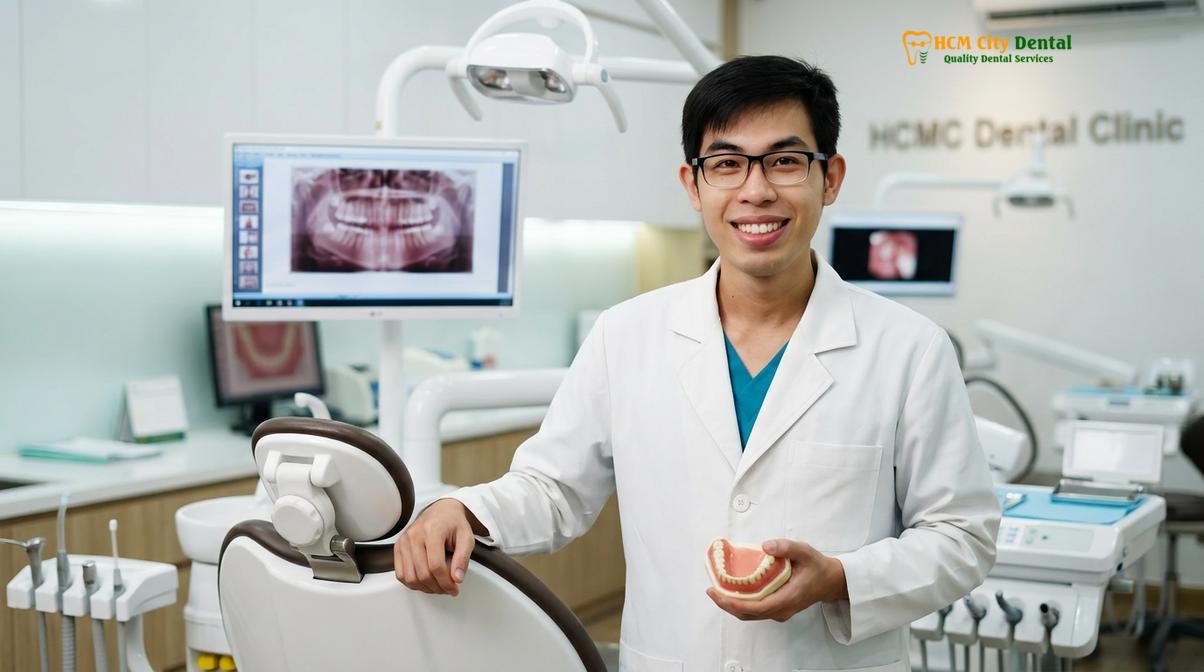
If you are considering improving your functional bite and aesthetic smile, scheduling a consultation is the first step. Dr. Cuong and the team at HCMC Dental Clinic in Ho Chi Minh City provide thorough diagnostic evaluations to present clear, evidence-based treatment options tailored to your specific clinical needs and financial considerations.
Frequently Asked Questions
What is the most cost-effective type of orthodontic treatment?
Traditional metal braces generally remain the most cost-effective orthodontic treatment available today. Because they utilize standard stainless steel brackets and standardized archwires, the material and laboratory costs are significantly lower than those associated with custom-milled lingual braces or proprietary clear aligner systems. They also offer highly efficient biomechanical control, which can sometimes reduce overall treatment time.
Does the severity of my bite issue affect the total price?
Yes, the complexity of your malocclusion directly impacts the overall cost of treatment. Severe crowding, complex bite discrepancies, or skeletal issues require a longer active treatment phase, more frequent clinical adjustments, and potentially supplementary appliances like temporary anchorage devices (TADs), all of which increase the total fee due to the extended clinical oversight required.
Are retainers included in the initial orthodontic fee?
In most comprehensive treatment plans, the first set of post-treatment retainers is included in the initial fee. However, patients should verify this during their consultation, as replacement retainers—whether due to loss, damage, or natural wear over time—will incur additional out-of-pocket expenses for new impressions and laboratory fabrication.
What happens if I need my braces taken off early?
If clinical complications or personal circumstances require early termination of treatment, an emergency braces removal procedure is necessary. This involves carefully debonding the brackets and polishing the enamel to prevent damage, and it may incur a separate clinical fee depending on the clinic’s specific financial policies and the reasons for early removal.
Why are clear aligners often more expensive than traditional braces?
Clear aligners typically carry a higher price point due to the advanced digital workflow and proprietary laboratory fees involved. The process requires sophisticated 3D intraoral scanning, specialized predictive software for treatment planning, and the custom manufacturing of multiple thermoplastic trays specifically tailored to your dental anatomy, all of which add to the baseline cost.
References
- American Journal of Orthodontics and Dentofacial Orthopedics. Biomechanical considerations and material costs in modern orthodontics. (2021).
- Journal of Clinical Orthodontics. Economic analysis of clear aligner therapy versus fixed appliances. (2020).
- European Journal of Orthodontics. The impact of malocclusion severity on treatment duration and clinical resources. (2019).
- International Journal of Dentistry. Enamel preservation protocols during orthodontic debonding procedures. (2022).
- Angle Orthodontist. Long-term stability and financial implications of various retention protocols. (2018).