Navigating an expat insurance claim inlays onlays procedure requires a clear understanding of both clinical necessity and administrative documentation. For expatriates living in or visiting Vietnam, securing coverage for premium indirect restorations involves submitting precise diagnostic evidence, obtaining pre-authorisation, and ensuring all billing documents meet international standards.
Clinical Summary:
Filing a successful expat insurance claim for inlays and onlays depends on demonstrating the medical necessity of conservative indirect restorations over traditional fillings or full crowns. Clinics utilizing digital workflows (iTero or Medit i700 scanners) provide undeniable 3D evidence of structural compromise, such as secondary decay or fractured cusps. By partnering with major insurers (Cigna, Allianz, Bupa), specialized dental centers can facilitate direct billing or provide comprehensive documentation—including English medical reports and VAT invoices—to ensure swift reimbursement. Material selection, such as IPS e.max or Cercon HT Zirconia, combined with strict enamel bonding protocols, ensures long-term biocompatibility and structural integrity, aligning with the preservation philosophy favored by modern dental insurance policies.
Key Takeaways:
- Inlays and onlays are classified as major restorative treatments and often require a pre-authorisation letter before clinical work begins.
- Essential claim documents include an itemized English VAT invoice, a detailed medical report, and pre-operative X-rays.
- Direct billing networks allow expats to minimize upfront costs, while pay-and-claim routes offer flexibility with comprehensive documentation support.
- Digital intraoral scans (iTero/Medit i700) provide precise diagnostic proof to insurance companies, accelerating claim approvals.
- Pre-booking via WhatsApp offers significant cost reductions, making premium CAD/CAM ceramic restorations highly accessible even without full insurance coverage.
Understanding Insurance Coverage for Indirect Restorations
Insurance providers generally cover inlays and onlays under major restorative benefits, recognizing them as medically necessary conservative treatments that preserve natural tooth structure and prevent future tooth loss.
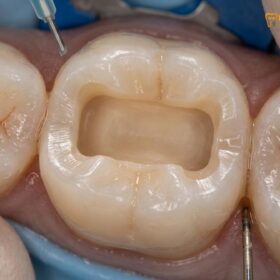
When evaluating an inlays, onlays, and overlays treatment plan, international insurance companies prioritize the “Preservation Philosophy.” This clinical approach emphasizes that indirect restorations are designed to preserve maximum natural tooth structure. Unlike full dental crowns, which require aggressive 360-degree shaving of the healthy enamel and dentin, inlays and onlays only replace the damaged or decayed portions of the tooth. Because this conservative approach reduces the long-term risk of root canal therapy and tooth extraction, many comprehensive expat policies favorably cover these procedures.
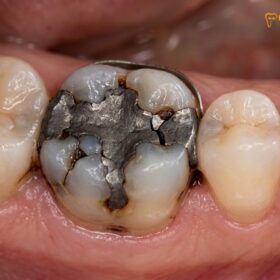
From a clinical perspective, the transition from a direct composite filling to an indirect laboratory-milled restoration is dictated by the size of the cavity outline form and the structural integrity of the remaining cusps. Large direct silver amalgam or composite resin fillings are highly susceptible to polymerization shrinkage during curing, which creates micro-gaps at the margins. Over time, these gaps allow bacterial microleakage, leading to secondary decay detection beneath the old filling. Insurance companies require clinical proof—usually via X-rays and intraoral photographs—that a direct filling is no longer viable due to the width of the isthmus or the loss of a functional cusp.
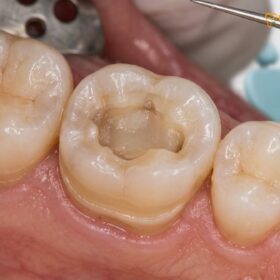
To ensure a successful expat insurance claim inlays onlays vietnam submission, the attending dentist must document the specific clinical concepts utilized. This includes detailing the preparation of chamfer margins, which provide a distinct finish line for the CAD/CAM milling machine to create an exact marginal fit. A precise margin sealing is critical to prevent future secondary decay and is a key indicator of a high-quality, insurable dental procedure. [1]
Major Insurance Partners We Support (Cigna, Allianz, Bupa, etc.)
We actively support expatriates by providing compliant documentation and facilitating direct billing for major global insurance networks, including Cigna, Allianz, Bupa, and Aetna.
Expatriates residing in Ho Chi Minh City often carry international health insurance provided by their multinational employers, international schools, or purchased privately. Navigating direct billing dental insurance hcmc requires a clinic that understands the specific coding and documentation standards of these global providers. Different insurers categorize dental treatments into distinct tiers, usually separating routine care (examinations, cleanings, simple fillings) from major restorative care (inlays, onlays, crowns, bridges, and implants).
For patients requiring Inlays & Onlays to restore vertical dimension of occlusion (VDO) due to severe bruxism, coverage can sometimes be complex, as some insurers classify bruxism-related wear as a general exclusion. However, if the tooth has suffered a distinct fracture or severe decay, the restoration is typically covered. It is crucial to have a clinical team experienced in accurately coding the primary diagnosis to reflect the structural failure of the tooth rather than just mechanical wear.
| Insurance Provider | Typical Coverage Tier for Inlays/Onlays | Pre-Authorisation Requirement | Direct Billing Availability |
|---|---|---|---|
| Cigna Global | Major Restorative (Class III) | Usually required for costs over specific thresholds | Yes, subject to policy network |
| Allianz Care | Complex Dental Treatment | Required for treatment plans exceeding standard limits | Yes, via direct settlement agreements |
| Bupa Global | Major Restorative | Highly recommended to guarantee coverage | Yes, for eligible comprehensive plans |
| Aetna International | Major Restorative Services | Required for indirect restorations | Yes, depending on regional network |
| April International | Dental Prostheses | Required | Pay-and-claim typically preferred; direct billing varies |
Understanding your specific policy’s annual limits, co-insurance percentages, and waiting periods is essential before commencing treatment. Our administrative team routinely assists patients in verifying these details to prevent unexpected out-of-pocket expenses.
Document Checklist for Reimbursement (VAT Invoice, Medical Report)
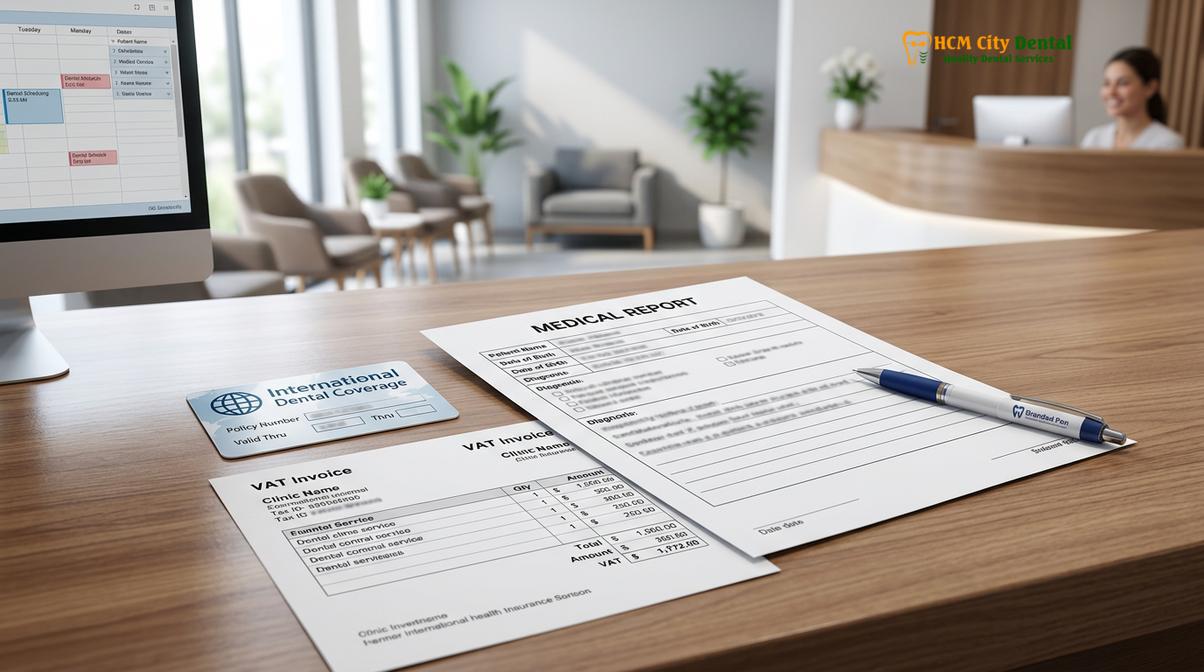
A successful reimbursement claim requires a meticulously prepared dossier, including an itemized English VAT invoice, a comprehensive medical report, and diagnostic imaging.
When you pay upfront and submit a claim to your insurance provider, the speed and success of your claim reimbursement depend entirely on the quality of the documentation provided by your dental clinic. International insurers are highly stringent regarding the evidence required to disburse funds for major restorative work.
The standard document checklist includes:
- Itemized English vat invoice: A standard receipt is insufficient. The invoice must be an official government-recognized VAT invoice (often referred to as a “red invoice” in Vietnam), translated into English, detailing the exact cost of each individual procedure code.
- Comprehensive medical report: This document must be signed and stamped by the attending dentist. It must include the patient’s details, the specific tooth number (using the FDI or Universal numbering system), the surfaces involved (e.g., Mesial-Occlusal-Distal), the primary diagnosis (e.g., fractured cusp, secondary caries), and the exact treatment rendered.
- Diagnostic Imaging: Pre-operative and post-operative periapical X-rays are mandatory. Insurers use these to verify the extent of the decay or the presence of a fracture that justifies the need for an indirect restoration rather than a simple filling.
- Intraoral Photographs: High-resolution images of the tooth before preparation, during preparation, and after the final cementation provide undeniable proof of the clinical necessity and the completion of the work.
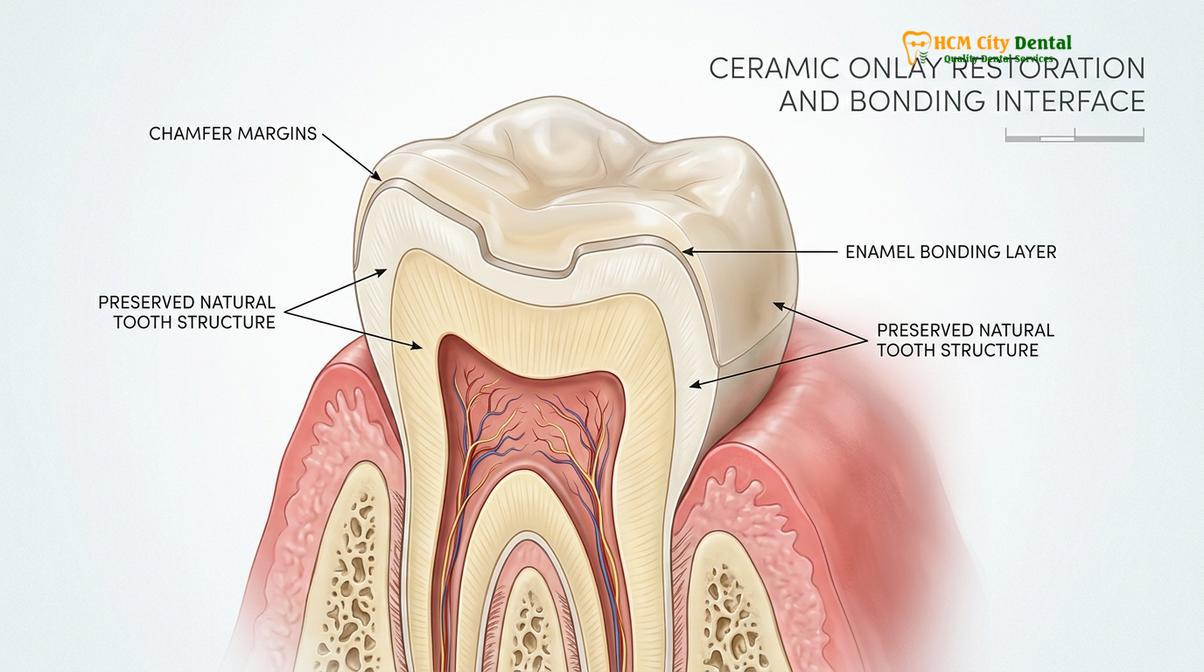
At HCMC Dental Clinic, our administrative staff is trained to compile this exact dossier automatically for our expatriate patients, ensuring that you leave the clinic with a complete digital and physical package ready for immediate upload to your insurer’s portal.
How to Request a Pre-Authorisation Letter
Requesting a pre-authorisation letter involves submitting a detailed clinical treatment plan and diagnostic evidence to your insurer before the procedure begins, guaranteeing your coverage.
For major restorative procedures like inlays, onlays, and partial crowns, most international insurance policies require a pre-authorisation letter (also known as a pre-determination of benefits). This process protects the patient from unexpected claim denials after the financial commitment has been made.
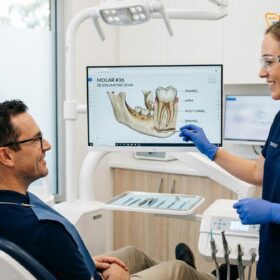
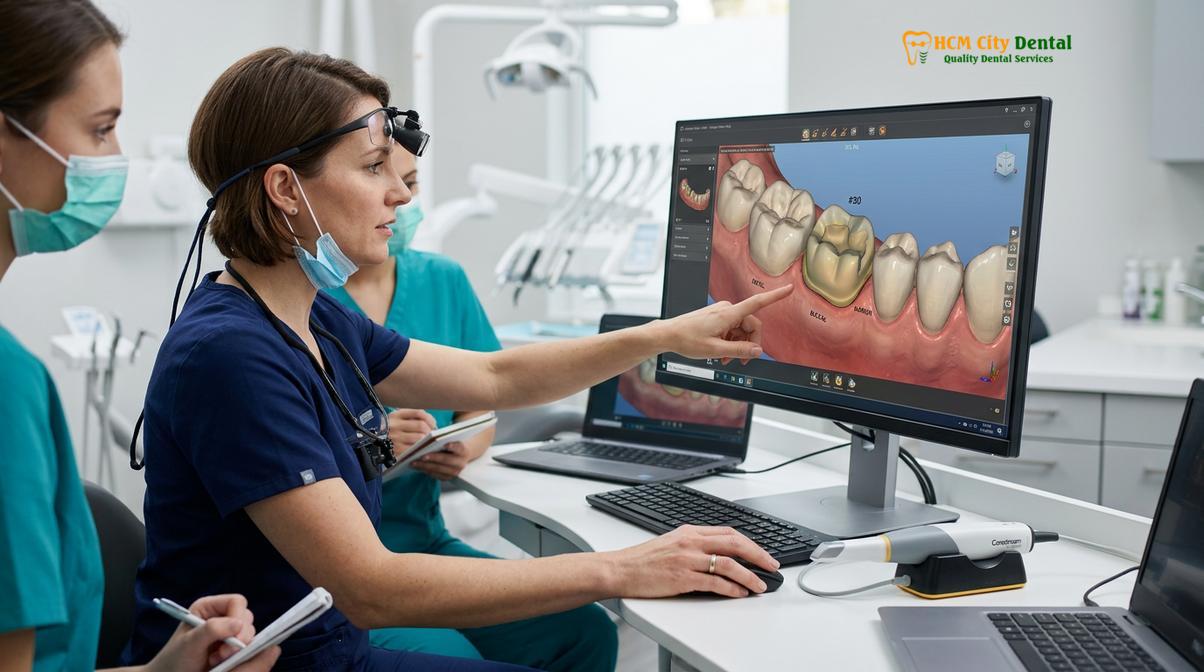
The workflow for obtaining pre-authorisation relies heavily on modern digital dentistry. We utilize advanced iTero and Medit i700 Intraoral Scanners to capture highly accurate 3D digital impressions of your dentition. These digital scans eliminate the need for uncomfortable silicone impressions and provide precise 3D data that can be instantly shared with insurance medical reviewers. The visual clarity of a 3D scan makes it significantly easier to demonstrate why a tooth requires a custom lab-milled restoration to withstand heavy posterior biting forces.
“Digital intraoral scanning has revolutionized the insurance approval process. By providing insurers with a manipulatable 3D model of the patient’s compromised tooth, we remove the ambiguity often associated with traditional 2D X-rays, leading to faster and more predictable pre-authorisation approvals for conservative restorations.”
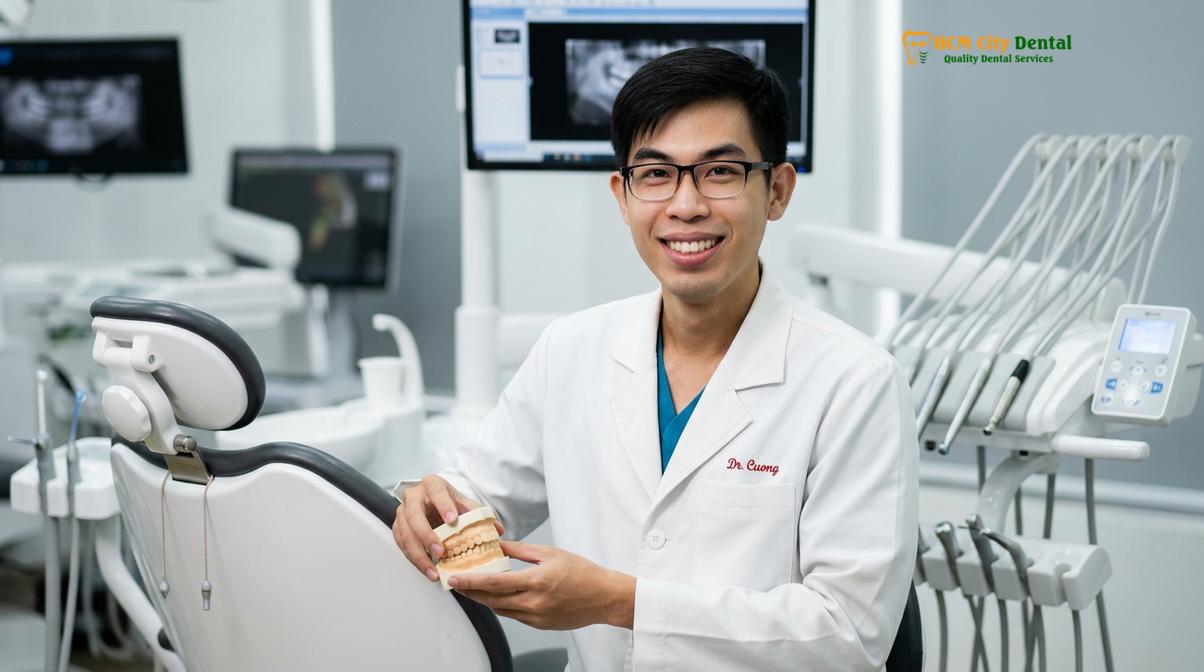
Dr. Nguyen Van Cuong plays a pivotal role in this process. His clinical perspective on conservative restoration material selection and tooth structure preservation is meticulously detailed in the treatment plan narrative. By clearly explaining the biomechanical necessity of the procedure—such as preventing the propagation of a micro-crack or restoring proper bite alignment—Dr. Cuong ensures that the insurance company understands the preventative value of the treatment, which often prevents the need for more expensive root canal therapies in the future. [2]
Direct Billing vs. Pay-and-Claim for Foreigners
Patients can choose between direct billing, where the clinic settles directly with the insurer, or the pay-and-claim route, which often allows patients to take advantage of significant upfront booking discounts.
When managing the financial aspect of your dental care, you generally have two pathways: Direct Billing or Pay-and-Claim.
Direct Billing: If your insurance policy is part of our direct settlement network, our clinic will communicate directly with the insurer. Once the pre-authorisation is approved, you will only be responsible for paying your deductible or co-insurance percentage on the day of treatment. The clinic claims the remaining balance directly from the insurance company. This method is highly convenient and minimizes your immediate out-of-pocket expenditure.
Pay-and-Claim: In this scenario, you pay the clinic in full upon completion of the treatment and subsequently submit the dental insurance claim yourself using the comprehensive dossier we provide. While this requires upfront payment, it often allows patients to access exclusive clinic discounts that are not applicable when using third-party direct billing networks.
Understanding our Pricing Structure is vital for patients weighing these options. We offer a highly transparent fee schedule, and patients who utilize the pay-and-claim method can benefit from our 40% pre-arrival discount for WhatsApp bookings:
- Inlay / Onlay (Lab-made ceramic): Walk-in rate is approximately $385 (10.0M VND). With the WhatsApp pre-booking discount, the cost is From $231 (6.0M VND) (-40%).
- Overlay / Partial Crown: Walk-in rate is approximately $446 (11.6M VND). With the WhatsApp pre-booking discount, the cost is From $269 (7.0M VND) (-40%).
For many expats, paying the discounted rate upfront and claiming the reimbursement later results in a lower overall financial burden, especially if their insurance policy has a high co-pay percentage for major restorative work.
Steps to Claim Overseas Treatment from Your Home Country
Claiming dental treatments performed in Vietnam from an overseas insurer requires ensuring all documents are officially translated, correctly coded, and submitted within the policy’s specified timeframe.
Many patients visiting Ho Chi Minh City are dental tourists or short-term expatriates who maintain health insurance in their home countries (such as Australia, the UK, or the USA). Claiming dental tourist fees overseas is entirely feasible, provided the clinic adheres to international documentation standards.
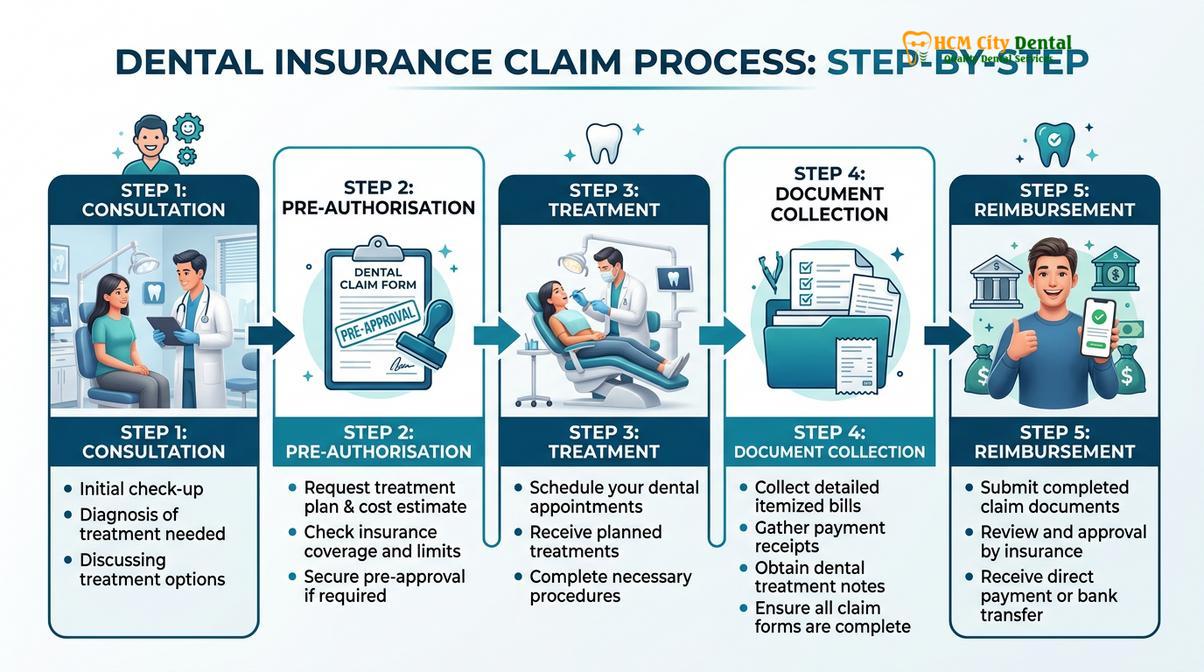
The process involves:
- Initial Consultation & Digital Records: Gathering all baseline data, including panoramic X-rays and iTero scans.
- Treatment Execution: Completing the CAD/CAM milling and resin-adhesive cementation of the ceramic restoration.
- Document Compilation: The clinic prepares the English medical report, itemized invoice, and before/after imaging.
- Portal Submission: The patient uploads the digital dossier to their home country’s insurance portal.
Clinical Case Study: Expat Claiming an e.max Onlay
An Australian expatriate presented to HCMC Dental Clinic in Ho Chi Minh City with a fractured mesio-lingual cusp on tooth #36, previously restored with a large amalgam filling. Dr. Nguyen Van Cuong diagnosed the need for a ceramic onlay to protect the remaining tooth structure. The patient opted for the pay-and-claim route, utilizing the WhatsApp pre-booking discount to reduce the upfront cost to $231. Following the successful bonding of an IPS e.max lithium disilicate onlay, the clinic provided a comprehensive English medical report and VAT invoice. The patient submitted these documents to their Australian private health fund via their mobile app and received an 80% reimbursement of the incurred cost within 14 days, resulting in a minimal final out-of-pocket expense.
Clinical Workflows & Material Selection for Expats
We utilize premium biocompatible materials and advanced CAD/CAM technology to ensure that your indirect restorations meet the highest international standards for durability and aesthetics.
When investing in an inlay, onlay, or overlay, the longevity of the restoration is paramount. Insurance companies track the failure rates of dental work, and frequent replacements are often flagged or denied. Therefore, utilizing a Direct Lab Partnership & CAD/CAM technology is essential. Our direct partnership with a premier HCMC dental laboratory allows for the rapid digital CAD/CAM milling of restorations, ensuring an exact marginal fit that drastically reduces the risk of cement wash-out and secondary decay. [3]
Material Selection is a critical component of the clinical workflow. We exclusively use high-end materials renowned for their strength and aesthetic properties:
- Ivoclar IPS e.max (Lithium Disilicate): The gold standard for the anterior aesthetic zone and premolars. It offers exceptional translucency that mimics natural enamel while providing high flexural strength.
- Dentsply Sirona Cercon HT Zirconia: Utilized for molars subjected to heavy posterior biting forces. Zirconia is virtually indestructible under normal occlusal loads and is ideal for patients with a history of clenching or grinding.
The clinical success of these materials relies heavily on strict enamel bonding protocols. Unlike traditional cements that merely fill the space between the tooth and the crown, modern resin-adhesive cementation creates a micromechanical and chemical bond between the ceramic and the tooth structure. This process involves isolating the tooth, etching the enamel, applying a bonding agent, and using a dual-cure resin cement. Precise occlusal adjustments are then performed to ensure perfect bite alignment, preventing premature contacts that could fracture the ceramic or cause temporomandibular joint (TMJ) discomfort. [4]
Furthermore, these materials boast excellent Biocompatibility. They are 100% metal-free, preventing the gum line irritation, gray discoloration, and allergic reactions sometimes associated with older porcelain-fused-to-metal (PFM) restorations. This aligns perfectly with a holistic dentistry approach, offering a safe and highly predictable outcome for our international patients. [5]
When to See a Doctor (Important Clinical Considerations)
Immediate clinical evaluation is necessary if you experience severe pain, prolonged sensitivity, or visible fractures in an existing filling, as these indicate structural compromise requiring professional intervention.
While inlays and onlays are highly predictable and conservative treatments, they are not suitable for every clinical situation. A thorough clinical examination is required to determine candidacy. If a tooth has insufficient remaining enamel for bonding, or if decay extends deep beneath the gum line, a full coverage crown or crown lengthening procedure may be necessary.
Clinical Warning: If you experience spontaneous, throbbing pain that keeps you awake at night, or extreme sensitivity to hot temperatures that lingers for several minutes, you may be suffering from irreversible pulpitis. In such cases, an inlay or onlay alone will not resolve the issue; root canal therapy will be required prior to placing a final restoration. Delaying treatment can lead to severe infection or dental abscess.
For patients who have completed their treatment and returned to their home country or continued their travels, we provide complete peace of mind with a global warranty and remote WhatsApp checkup support. If you experience any bite imbalances or unusual symptoms after your expat coverage treatment, our clinical team is available for remote consultation to guide you on the next appropriate steps.
Frequently Asked Questions
Does expat insurance cover inlays and onlays?
Yes, most comprehensive expat insurance policies cover inlays and onlays under their ‘major restorative’ or ‘complex dental’ benefits. Coverage typically ranges from 50% to 80% of the total cost, subject to annual limits, waiting periods, and the medical necessity of replacing a large failing filling or restoring a fractured tooth. Pre-authorisation is often required to guarantee this coverage.
Do you provide English VAT invoices and medical reports?
Yes, we provide fully itemized English VAT invoices and detailed medical reports for all restorative procedures. These documents include specific diagnostic codes, tooth numbers, surfaces treated, and a breakdown of clinical fees, ensuring seamless processing for your international claim reimbursement without the need for third-party translation services.
Can you do direct billing with Bupa or Cigna?
Yes, we facilitate direct billing with major international insurers like Bupa, Cigna, and Allianz for eligible policies. If your specific plan includes a direct settlement network for dental care, we will submit the pre-authorisation and invoice directly to the insurer, minimizing your out-of-pocket expenses on the day of your treatment.
How long does insurance reimbursement take?
Insurance reimbursement typically takes between 10 to 28 business days, depending on your provider and the completeness of your submitted documents. Submitting digital intraoral scans, pre-operative X-rays, and a precise clinical diagnosis alongside your claim significantly accelerates the review and approval process by the insurer’s medical board.
What happens if my insurance denies the pre-authorisation for an onlay?
If a pre-authorisation is denied, our clinical team will provide additional diagnostic evidence, such as magnified intraoral photos or detailed narrative reports, to appeal the decision. In cases where coverage is strictly excluded (e.g., due to waiting periods), patients can utilize our direct WhatsApp booking discounts to make the premium ceramic restoration highly affordable out-of-pocket.
References
- Journal of Prosthetic Dentistry. Survival rates of ceramic inlays and onlays: A systematic review. (2021).
- International Journal of Prosthodontics. Digital vs conventional impressions for marginal accuracy of CAD/CAM restorations. (2020).
- Journal of Adhesive Dentistry. Enamel and dentin bonding protocols for lithium disilicate restorations. (2022).
- American Dental Association. Clinical guidelines for conservative indirect restorations and insurance coding. (2019).
- Journal of Esthetic and Restorative Dentistry. Biomechanical behavior of zirconia vs lithium disilicate partial coverage restorations. (2023).