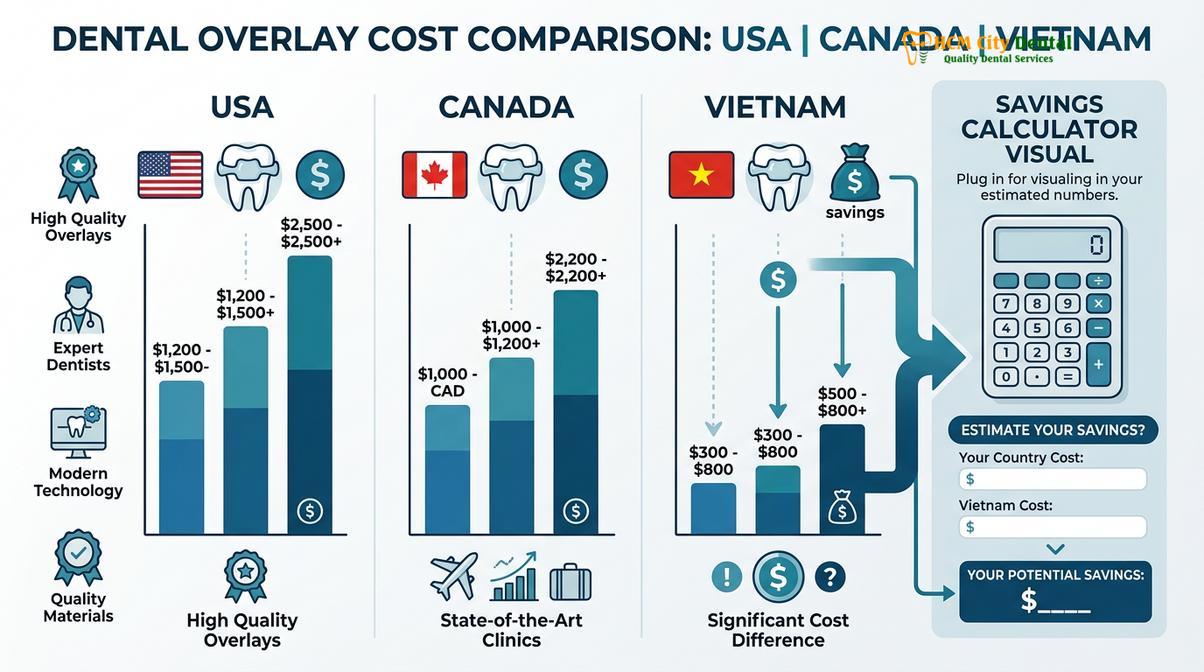
The cost of a dental overlay in the USA typically ranges from $1,200 to $2,000 per tooth. In contrast, patients traveling to Vietnam can receive the exact same premium CAD/CAM ceramic restorations for approximately $269, saving up to 80% while preserving natural tooth structure with world-class clinical precision.
Clinical Summary:
Dental overlays represent a conservative, highly durable alternative to full dental crowns, designed to restore severely damaged posterior teeth while preserving healthy enamel and dentin. The stark contrast in dental overlay cost between North America and Southeast Asia has driven a surge in medical travel. Clinics in Vietnam utilize identical digital workflows—including iTero and Medit i700 intraoral scanners—and mill restorations from globally recognized materials like Ivoclar e.max and Cercon Zirconia. By leveraging lower operational overhead and direct laboratory partnerships, international patients can access elite-level restorative dentistry, complete with strict bonding protocols and global warranties, at a fraction of domestic prices.
Key Takeaways:
- Massive Cost Reduction: US and Canadian patients save 60% to 80% on premium ceramic overlays in Vietnam.
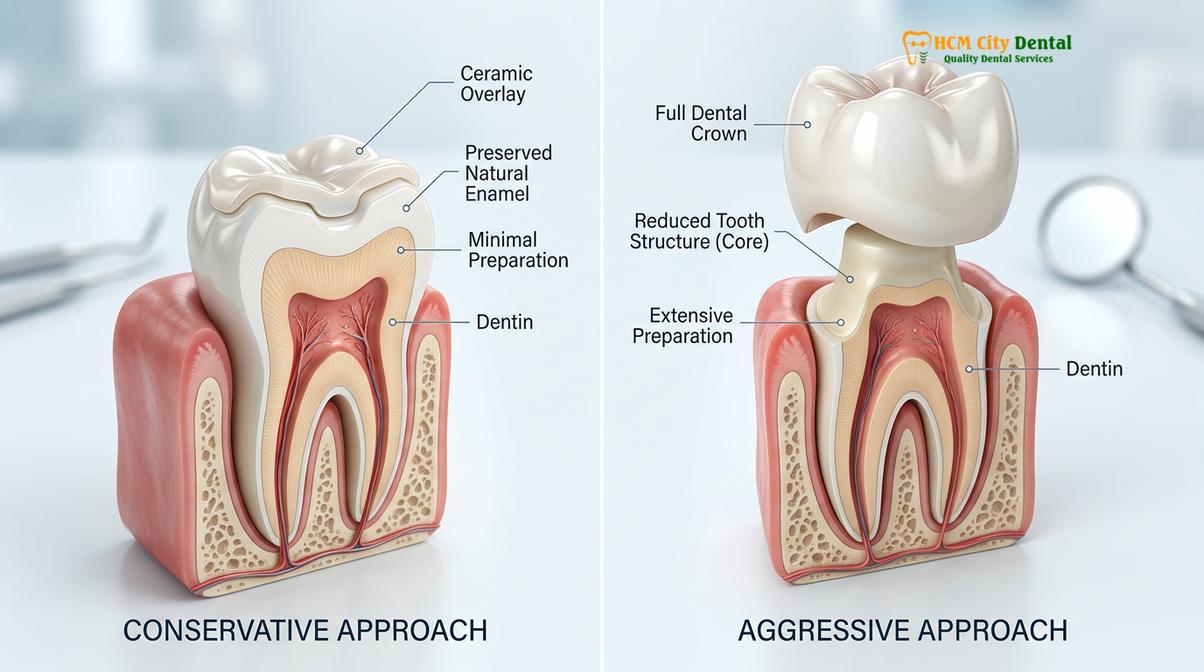
- Conservative Approach: Overlays preserve maximum natural tooth structure, avoiding the aggressive 360-degree shaving required for full crowns.
- Advanced Digital Dentistry: Treatments utilize iTero/Medit i700 scanners and CAD/CAM milling for micron-level marginal fit.
- Premium Materials: Restorations are crafted from genuine imported Ivoclar lithium disilicate and Dentsply Sirona zirconia.
- Express Turnaround: Direct lab partnerships allow for completion in just 3 to 5 days, ideal for international travelers.
The North American Dental Cost Crisis
Patients in North America face exorbitant out-of-pocket expenses for conservative restorations, often pushing them toward aggressive full crowns dictated by insurance limitations rather than clinical necessity.
The landscape of restorative dentistry in the United States and Canada is heavily influenced by high operational overhead, expensive domestic laboratory fees, and complex insurance billing structures. When a patient presents with a large cavity or a fractured cusp, the ideal clinical choice is often an indirect ceramic restoration. However, the high dental overlay cost in North America frequently creates a barrier to optimal care.
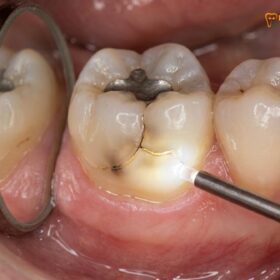
Many dental insurance plans provide inadequate coverage for major restorative work. According to the standard fee guide canada and US insurance schedules, providers often downgrade coverage for inlays and onlays, reimbursing them only at the rate of a large direct amalgam or composite filling. Direct composite resins, while excellent for small cavities, suffer from polymerization shrinkage when used to fill massive structural voids, leading to microleakage, secondary decay, and eventual restoration failure[1].
Faced with high out-of-pocket costs for an overlay, patients are frequently steered toward full dental crowns. While crowns are highly effective, they require the irreversible removal of up to 70% of the tooth’s coronal structure. This aggressive approach contradicts the modern “Preservation Philosophy” of biomimetic dentistry, which advocates for saving as much natural enamel and dentin as possible to maintain the tooth’s vitality and structural integrity[2]. The financial crisis in North American dentistry thus not only impacts the patient’s wallet but can also compromise long-term oral health outcomes by forcing less conservative treatment plans.
Pricing Breakdown: US/Canadian Fees vs. HCMC Dental
By leveraging lower operational overhead and direct laboratory partnerships, clinics in Vietnam offer premium ceramic overlays at a fraction of North American prices without compromising clinical standards.
Understanding the exact financial parameters is crucial for patients considering medical travel. The disparity in pricing is not a reflection of compromised quality, but rather the economic realities of lower commercial real estate costs, reduced administrative burdens, and streamlined supply chains in Southeast Asia. When comparing the overlay cost vietnam vs canada and the US, the savings become immediately apparent, especially for patients requiring multiple restorations.
At HCMC Dental Clinic, the pricing structure is highly transparent, with significant incentives for international patients who coordinate their treatment plans prior to arrival.
| Restoration Type | Average Cost (USA/Canada) | HCMC Dental (Walk-in Price) | HCMC Dental (WhatsApp Pre-booking) |
|---|---|---|---|
| Ceramic Inlay / Onlay | $900 – $1,500 | ~$385 (10.0M VND) | From $231 (6.0M VND) [-40%] |
| Ceramic Overlay / Partial Crown | $1,200 – $2,000 | ~$446 (11.6M VND) | From $269 (7.0M VND) [-40%] |
| Full Zirconia Crown | $1,500 – $2,500 | ~$450 (11.7M VND) | From $270 (7.0M VND) [-40%] |
This structured pricing highlights that a patient can receive a custom, lab-milled partial crown for as little as $269 when utilizing the remote booking discount. This fee is fully inclusive of the clinical preparation, digital scanning, temporary restoration, and final adhesive cementation. There are no hidden fees or unexpected surcharges, providing complete financial predictability for traveling patients.
Quality Standards: Same Global Brands (Ivoclar, Cercon) for Less
International patients receive restorations milled from genuine imported ceramic blocks, utilizing advanced intraoral scanning and digital design for micron-level marginal adaptation.
A common misconception regarding dental travel is that lower costs equate to inferior materials. In reality, elite clinics in Vietnam operate on a globalized supply chain. To achieve predictable, long-lasting clinical outcomes, dentists must rely on scientifically validated materials. Every restoration is milled from an import ceramic block sourced directly from industry-leading manufacturers in Germany, Switzerland, and the USA.
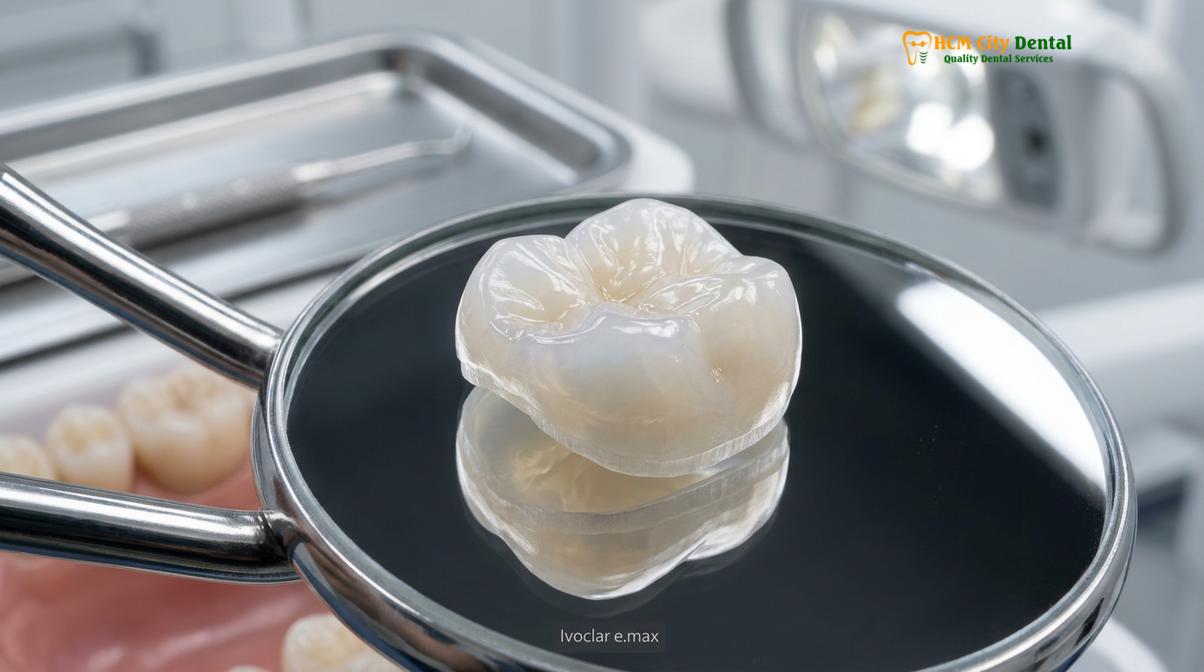
For the anterior aesthetic zone and premolars, clinicians frequently select ivoclar emax (lithium disilicate). This material is celebrated for its exceptional translucency, mimicking the optical properties of natural enamel while providing a flexural strength of over 500 MPa. For heavy posterior biting forces, particularly in patients with a history of clenching, cercon zirconia (Dentsply Sirona) is often the material of choice, offering unparalleled fracture resistance[3].
“The cornerstone of modern restorative dentistry is the preservation philosophy. By utilizing high-strength, biocompatible ceramics, we can replace only the diseased or structurally compromised tissue. This 100% metal-free approach prevents gum line irritation, eliminates allergic reactions, and ensures a seamless integration with the natural tooth.”
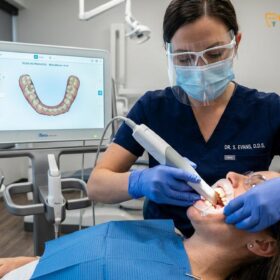
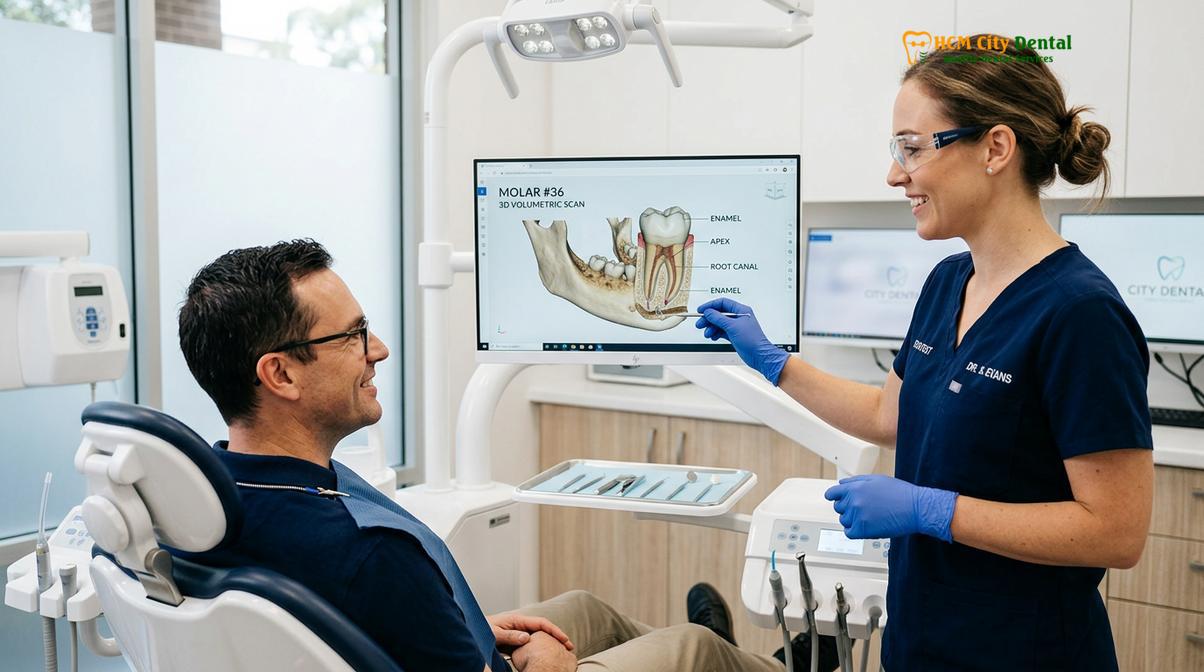
The clinical workflow is entirely digitized. Traditional, uncomfortable silicone impressions have been replaced by advanced intraoral scanners, specifically the iTero and Medit i700 systems. These devices capture highly accurate 3D data of the cavity outline form and chamfer margins. This data is instantly transmitted to a direct lab partner where CAD/CAM (Computer-Aided Design and Computer-Aided Manufacturing) technology mills the restoration. This digital precision ensures an exact marginal fit, which is critical for margin sealing and preventing the ingress of bacteria that causes secondary decay[4].
Furthermore, the cementation process utilizes strict enamel bonding protocols. Unlike traditional crowns that rely on mechanical retention and luting cements, ceramic Inlays & Onlays are chemically bonded to the tooth structure using resin-adhesive cementation. This creates a monoblock effect, reinforcing the remaining tooth structure and restoring its original strength.
Case Study: Single vs. Multiple Molar Restorations
Restoring multiple posterior teeth simultaneously maximizes travel efficiency and financial savings, allowing for comprehensive bite alignment and vertical dimension restoration.
When evaluating the partial crown cost saigon vs usa, the financial and clinical benefits compound significantly when a patient requires multiple restorations. Many adult patients present with a quadrant of failing silver amalgam fillings that are causing micro-fractures in the surrounding enamel.
Clinical Case Review: Comprehensive Posterior Rehabilitation
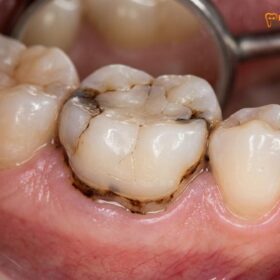
Patient Profile: A 45-year-old patient from Vancouver, Canada, presented with four failing amalgam fillings on the lower right and left molars, accompanied by hairline fractures (cracked tooth syndrome) and signs of nocturnal bruxism.
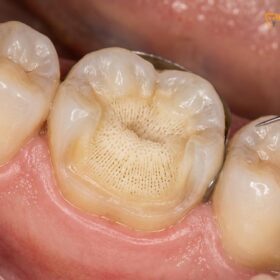
Treatment Plan: Instead of aggressive full crowns, the clinical team recommended four conservative ceramic overlays to protect the fractured cusps while preserving the healthy cervical tooth structure. The treatment also aimed at restoring the vertical dimension of occlusion (VDO) which had been lost due to grinding.
Execution: Utilizing the Medit i700 scanner, the teeth were prepared and scanned in a single session. The CAD/CAM laboratory milled four Cercon HT Zirconia overlays. The restorations were adhesively bonded three days later, requiring precise occlusal adjustments to ensure perfect bite alignment.
Financial Outcome: In Canada, this treatment plan was quoted at $6,800 CAD. At HCMC Dental Clinic, utilizing the WhatsApp pre-booking discount, the total cost for four overlays was approximately $1,076 USD. Even after factoring in premium flights and a week-long hotel stay, the patient achieved substantial net savings.
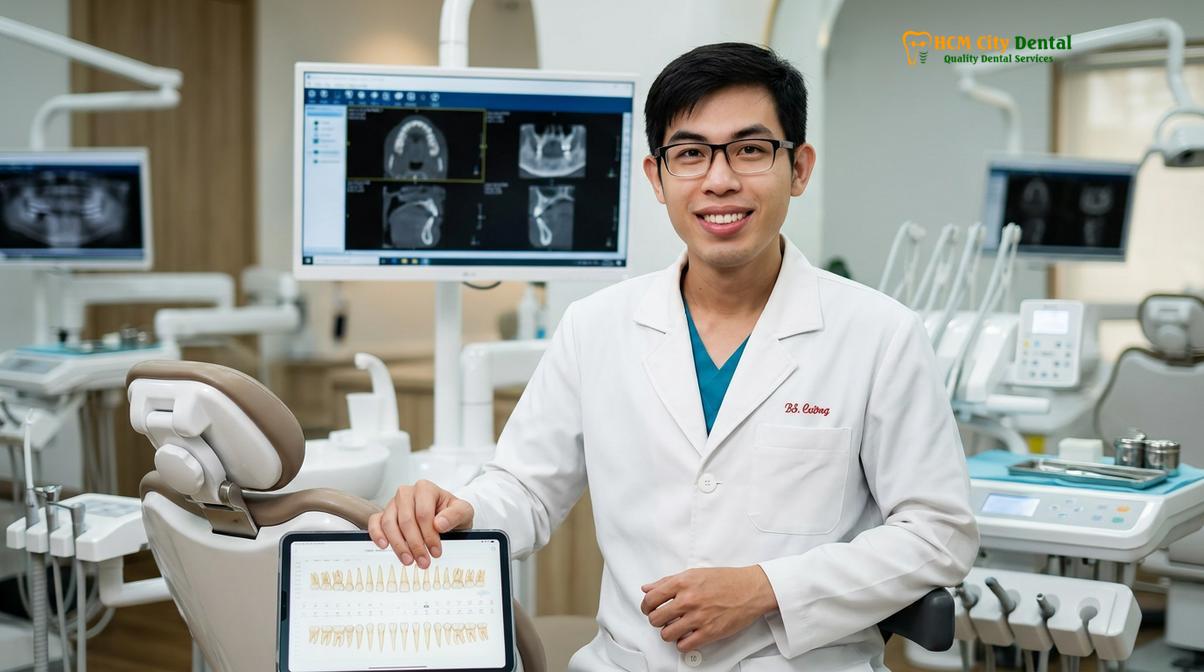
From a clinical perspective on conservative restoration material selection, Dr. Nguyen Van Cuong emphasizes that treating multiple teeth in a single arch allows the prosthodontist to achieve superior occlusal harmony. “When we restore a single tooth, we must conform to the existing, sometimes compromised, bite. When we restore a quadrant, we have the opportunity to correct the bite alignment and distribute occlusal forces evenly, which is vital for bruxism patients,” notes Dr. Cuong.
How to Plan Your Dental Travel from North America
Organizing a medical trip requires a structured approach, beginning with remote diagnostics and culminating in a streamlined, express clinical workflow upon arrival.
Traveling across the globe for medical care may seem daunting, but modern communication tools have streamlined the process into a highly predictable journey. The first step is initiating an online consultation. Patients are encouraged to acquire their recent panoramic X-rays (OPG) and intraoral photographs from their local dentist and forward them via secure email or WhatsApp to the international patient coordination team.
Upon receiving the digital records, the specialists at HCMC Dental Clinic in Ho Chi Minh City conduct a comprehensive case review. They assess the extent of tooth decay, evaluate the viability of overlays after root canal therapy, and formulate a preliminary treatment plan. This plan includes a transparent breakdown of costs, the estimated number of appointments required, and the specific materials to be used.
Once the patient arrives in Vietnam, the clinical workflow is highly optimized for express turnaround:
- Day 1: Comprehensive clinical examination, 3D CBCT scan (if necessary), removal of old fillings/decay, conservative tooth preparation, digital scanning with iTero/Medit, and placement of temporary restorations.
- Day 2-3: The direct laboratory partner utilizes CAD/CAM technology to design and mill the custom ceramic restorations.
- Day 4-5: Final try-in, verification of marginal fit and aesthetics, strict isolation, adhesive bonding protocol, and final occlusal adjustments.
For expatriates and international school staff residing in the region, many top-tier clinics also collaborate with direct billing partners such as Allianz, Bupa, and Cigna, further simplifying the financial administration of the treatment.
Savings Summary for US/Canadian Travellers
Factoring in flights and accommodation, patients requiring two or more ceramic restorations achieve a net positive financial outcome while enjoying a premium healthcare experience.
When utilizing a savings calculator dental travel vietnam, the mathematics strongly favor patients requiring moderate to extensive restorative work. While traveling for a single small filling is not economically viable, the threshold for a net positive return on investment is typically reached when a patient requires two or more overlays or crowns.
Consider a patient needing three ceramic overlays. In the US, the total cost would average $4,500. In Vietnam, the clinical cost drops to approximately $807 (with the 40% pre-booking discount). A round-trip flight from Los Angeles or Toronto to Ho Chi Minh City averages $1,000 to $1,300, and a week in a comfortable boutique hotel costs around $350. The total expenditure for the trip and the medical care is roughly $2,450—resulting in a net dental tourism savings of over $2,000, alongside the experience of exploring a vibrant, culturally rich destination.
“The true value of international dental care is not merely the financial discount, but the ability to access uncompromising, top-tier clinical quality—such as digital scanning and premium imported ceramics—that would otherwise be cost-prohibitive in the patient’s home country.”
Furthermore, patients enjoy complete peace of mind long after they return home. Dr. Cuong and the dedicated international support team provide a global warranty and remote WhatsApp checkup support. If a patient experiences any postoperative sensitivity or requires advice on maintaining their new restorations, expert guidance is immediately accessible, ensuring a continuum of care that transcends borders.
When to See a Doctor (Important Clinical Considerations)
While overlays are highly versatile, proper clinical diagnostics are required to determine if a tooth has sufficient remaining healthy structure to support a partial restoration.
Although the preservation philosophy strongly advocates for inlays, onlays, and overlays, they are not a universal solution for every dental issue. A thorough clinical examination is mandatory to assess candidacy.
Clinical Warning: Contraindications for Overlays
Patients should seek an immediate professional evaluation if they experience severe, lingering pain upon consuming hot or cold foods, or spontaneous throbbing pain. These are classic signs of irreversible pulpitis, which may necessitate endodontic (root canal) therapy prior to any restorative work.
Furthermore, an overlay may be contraindicated if:
- The tooth has suffered catastrophic structural loss, leaving insufficient enamel for reliable adhesive bonding.
- There is deep subgingival decay (decay extending far below the gum line) that prevents proper isolation during the cementation process.
- The tooth exhibits a severe vertical root fracture, which typically requires extraction and implant replacement rather than a cracked tooth repair.
In cases where an overlay is not viable, the clinician will discuss alternative evidence-based treatments, such as a full coverage crown or a dental implant, ensuring that the chosen therapy provides the highest probability of long-term success based on individualized diagnostic data[5].
Frequently Asked Questions
What is the average cost of an overlay in the USA?
The average cost of a dental overlay in the USA ranges from $1,200 to $2,000 per tooth. This price fluctuates based on the geographic location, the dentist’s expertise, and the specific ceramic materials used by the dental laboratory. Because insurance often categorizes overlays as elective or downgrades them to the cost of a basic filling, patients typically bear the majority of this expense out-of-pocket.
How much can I save by getting overlays in Vietnam?
Patients can save between 60% and 80% by getting overlays in Vietnam. With pre-booking discounts, a premium ceramic overlay costs approximately $269, compared to the $1,500 average in North America. When a treatment plan involves multiple teeth, the total savings easily cover the cost of international flights and premium accommodation, resulting in a highly cost-effective medical journey.
Do you use the same materials as US dentists?
Yes, reputable clinics in Vietnam use the exact same globally recognized materials as US dentists. This includes imported ceramic blocks such as Ivoclar IPS e.max lithium disilicate and Dentsply Sirona Cercon HT Zirconia. These materials are selected for their superior biocompatibility, aesthetic translucency, and high flexural strength, ensuring your restoration meets the highest international standards.
How do I send my dental records for a quote?
You can easily send your dental records, including recent panoramic X-rays and intraoral photos, via secure email or WhatsApp. The clinical team will review your digital files to provide a preliminary remote diagnosis and a transparent cost estimate. This online consultation allows you to understand your clinical needs and financial commitment before booking your travel.
Is the procedure for a dental overlay painful?
The procedure is generally highly comfortable and performed under local anesthesia. Because overlays are conservative restorations, less natural tooth structure is removed compared to a full crown. This minimally invasive approach typically results in less trauma to the dental pulp, significantly reducing postoperative sensitivity and allowing for a much faster recovery period.
References
- Journal of Prosthetic Dentistry. Clinical evaluation of CAD/CAM ceramic onlays and overlays. (2021).
- American Dental Association. Guidelines on conservative restorative dentistry and material selection. (2020).
- International Journal of Prosthodontics. Marginal adaptation of lithium disilicate restorations using intraoral scanners. (2022).
- Journal of Esthetic and Restorative Dentistry. Fracture resistance of zirconia partial crowns in posterior teeth. (2019).
- Journal of Dentistry. Polymerization shrinkage in large direct composite restorations vs indirect ceramics. (2023).