When a tooth suffers from moderate to severe decay, structural fracture, or the failure of an old, massive filling, traditional direct composite resins often lack the necessary biomechanical strength to provide a long-term solution. Conversely, preparing the tooth for a full-coverage dental crown requires the aggressive removal of healthy enamel, which many modern conservative dentists strive to avoid. This clinical dilemma is perfectly solved by porcelain inlays and onlays. These indirect ceramic restorations offer a middle ground, providing exceptional durability while preserving the maximum amount of natural tooth structure. However, the most frequent question patients ask before committing to this treatment is regarding its longevity. Porcelain inlays typically last between 10 to 20 years, depending heavily on the specific ceramic material utilized, the patient’s daily oral hygiene habits, and the amount of occlusal bite force applied during mastication. With meticulous clinical placement protocols and dedicated home care, these conservative restorations can provide decades of durable, highly aesthetic function, seamlessly integrating with the natural biomechanics of the human mouth.
Clinical Summary:
Porcelain inlays and onlays are highly durable, conservative dental restorations designed to replace damaged tooth structure without the aggressive reduction required for full coverage crowns. Utilizing advanced CAD/CAM technology and high-strength ceramics like lithium disilicate or zirconia, these restorations offer exceptional marginal fit, biocompatibility, and aesthetic integration. Their long-term clinical success relies heavily on precise enamel bonding protocols, proper occlusal alignment to manage bite forces, and diligent patient maintenance to prevent secondary decay and margin wear. When executed with strict moisture control and modern adhesive dentistry techniques, ceramic inlays represent a superior, long-lasting alternative to traditional large composite fillings, often functioning flawlessly for up to two decades.
Key Takeaways:
- Porcelain inlays generally last 10 to 20 years, significantly outperforming traditional direct composite resin fillings in both wear resistance and structural integrity.
- High-strength restorative materials like IPS e.max (lithium disilicate) and Cercon HT Zirconia maximize durability against heavy posterior chewing forces.
- Digital intraoral scanners and CAD/CAM milling ensure a precise marginal fit, drastically reducing the risk of bacterial microleakage and secondary decay.
- Strict resin-adhesive bonding protocols under rubber dam isolation are essential to prevent recurrent decay and premature adhesive failure.
- Bruxism (chronic teeth grinding) requires careful occlusal adjustments and the daily use of a custom nightguard to prevent catastrophic ceramic fracture.
Average Lifespan of Ceramic Restorations (10-20 Years)
Clinical studies and long-term dental research consistently demonstrate that the average lifespan of ceramic restorations (10-20 years) significantly outpaces that of traditional direct composite resins, offering superior compressive strength and unparalleled wear resistance.
When patients inquire about inlays and onlays, the conversation inevitably centers on their long-term durability and return on investment. Based on extensive clinical data, systematic reviews, and decades of restorative practice, the expected longevity of a well-placed ceramic inlay ranges from a decade to over two decades[1]. This impressive lifespan is not a mere estimate; it is a direct result of the inherent physical properties of modern dental ceramics, which have been engineered to closely mimic the hardness, flexural strength, and thermal expansion coefficients of natural human enamel.
The core philosophy driving modern restorative dentistry is the preservation of healthy tooth structure. Unlike traditional prosthetic approaches that aggressively reduce the tooth circumferentially, inlays and onlays are highly conservative. They are specifically designed to replace only the decayed, weakened, or fractured portion of the tooth. By preserving the maximum amount of natural enamel and dentin—unlike full crowns which require 360-degree shaving—the tooth maintains its natural flexural strength and resilience. This conservative approach significantly reduces the risk of future endodontic complications, such as nerve necrosis, and inherently enhances the overall lifespan of the restoration.
Furthermore, porcelain inlays are highly resistant to the physical and chemical degradation that plagues older restorative materials. For instance, when considering a replacement for failing fillings, patients often discover that old silver amalgam fillings expand and contract dramatically with temperature changes. Over time, this thermal cycling causes micro-fractures in the surrounding natural tooth structure, leading to catastrophic cusp fractures. Similarly, large direct composite fillings are subject to polymerization shrinkage during the light-curing process. This shrinkage can pull the composite material away from the cavity walls, creating microscopic gaps that invite bacterial infiltration. Porcelain inlays, being pre-milled and fully crystallized outside the mouth, exhibit absolutely zero shrinkage upon placement, ensuring a stable, hermetic, and long-lasting seal.
| Restoration Type | Average Lifespan | Primary Material | Clinical Indication |
|---|---|---|---|
| Direct Composite Filling | 5 – 7 Years | Resin-based composite | Small to moderate cavities with intact cusps. |
| Porcelain Inlay | 10 – 20 Years | Lithium Disilicate / Zirconia | Moderate to large decay within the cusps of a tooth. |
| Porcelain Onlay | 10 – 20+ Years | Lithium Disilicate / Zirconia | Extensive damage requiring the replacement of one or more cusps. |
| Full Dental Crown | 10 – 15 Years | Zirconia / PFM / E.max | Severely compromised teeth requiring 360-degree structural coverage. |
As illustrated in the clinical comparison table above, the transition from a direct composite filling to an indirect porcelain restoration represents a significant upgrade in both material science and expected longevity. The choice of restoration must always be dictated by the remaining structural integrity of the tooth, but when indicated, ceramic inlays provide an optimal balance of conservation and durability.
Factors Affecting Longevity: Material, Fit, and Bite Force
The ultimate durability of an inlay depends on selecting high-grade ceramics, achieving a flawless marginal fit through digital scanning, and properly managing occlusal bite forces to prevent structural fatigue over time.
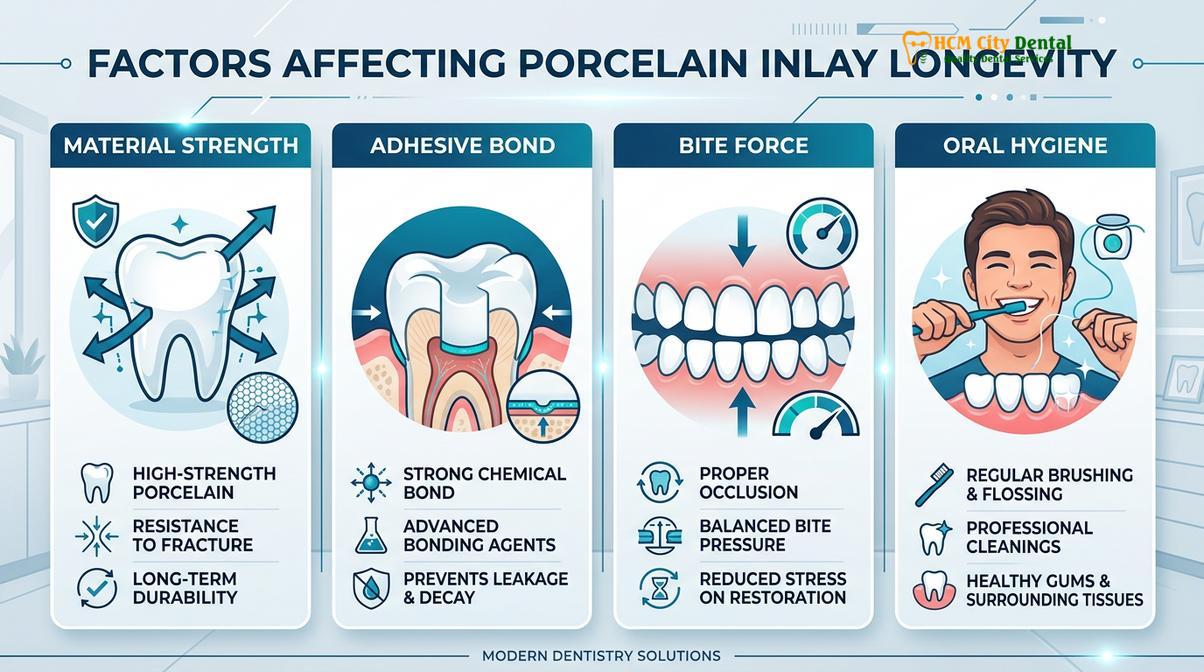
Understanding exactly how long porcelain inlays last requires a deep examination of the specific variables that influence their survival in the harsh, dynamic environment of the oral cavity. The human mouth subjects dental restorations to extreme temperature fluctuations, constant acidic challenges from food and bacteria, and immense mechanical stress during mastication. Therefore, the entire clinical workflow—from initial preparation to final cementation—must be meticulously controlled to ensure maximum restoration lifespan and durability.
Advanced Material Selection: Lithium Disilicate vs. Zirconia
The choice of restorative material is paramount to the success of the treatment. Modern dental clinics utilize high-end materials from industry leaders to ensure optimal clinical outcomes. For restorations in the aesthetic zone or for premolars where visual integration is critical, lithium disilicate (commonly known as IPS e.max) is highly favored. It offers exceptional flexural strength (around 500 MPa) and a natural translucency that blends seamlessly with surrounding enamel. For patients requiring restorations on second molars, where heavy posterior biting forces are concentrated, monolithic zirconia is often the material of choice. Zirconia provides massive flexural strength (often exceeding 1000 MPa), making it highly resistant to fracture under normal and even heavy chewing conditions[2].
Digital Precision and CAD/CAM Milling
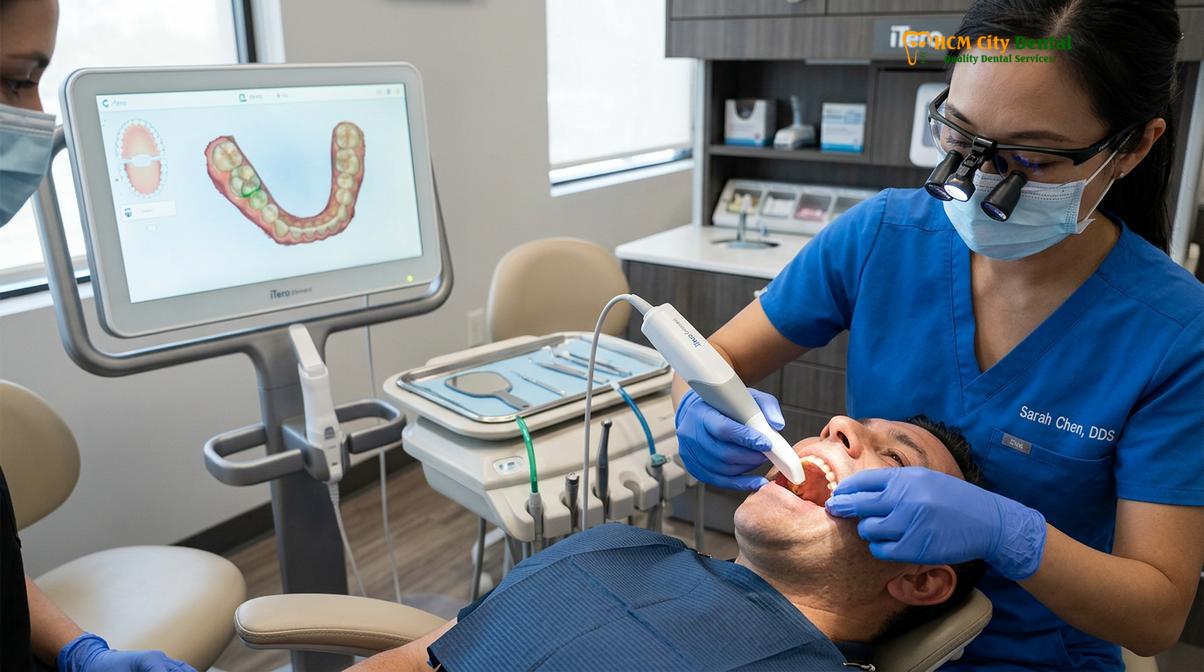
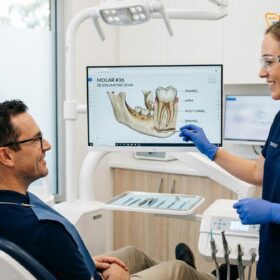
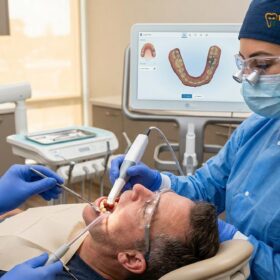
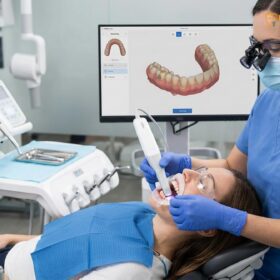
The accuracy of the restoration’s fit directly impacts its longevity. Traditional silicone impression materials are inherently prone to dimensional distortion, tearing upon removal, and significant patient discomfort. Today, the use of advanced intraoral scanners eliminates these variables entirely. These sophisticated devices capture thousands of images per second to create a highly accurate, full-color 3D digital model of the prepared tooth. Through a seamless CAD/CAM (Computer-Aided Design and Computer-Aided Manufacturing) workflow, the restoration is digitally designed with micron-level precision and milled from a solid block of ceramic. This digital process ensures an exact marginal fit, which is absolutely critical for preventing secondary decay and margin wear over the decades[3].
Managing Bite Force and Occlusal Dynamics
Even the strongest, most perfectly milled ceramic can fail prematurely if subjected to improper bite force. During the placement of an inlay or onlay, the clinician must perform precise occlusal adjustments to ensure that the chewing forces are distributed evenly across the long axis of the tooth. Premature contacts—where the new restoration hits the opposing tooth before the rest of the teeth come together—can lead to catastrophic fracture of the ceramic or localized trauma to the periodontal ligament. Proper occlusal management ensures that the restoration functions harmoniously within the patient’s unique bite architecture.
The Role of the Adhesive Bond in Longevity
A secure, chemically integrated resin-adhesive bond seals the restoration margins, preventing bacterial microleakage and ensuring the inlay functions as a unified biomechanical structure with the natural tooth.
The long-term success of porcelain overlays and inlays is not solely dependent on the compressive strength of the ceramic; it is equally, if not more, dependent on the complex chemistry of the cementation process. Adhesive bond failure is one of the primary reasons for premature restoration loss. Unlike traditional metal crowns or amalgam fillings that rely entirely on mechanical retention (friction and undercuts) to stay in place, modern ceramic inlays rely on advanced micromechanical and chemical bonding to integrate directly with the tooth structure.
“The longevity of a ceramic restoration is dictated by the integrity of its marginal seal. By utilizing advanced dual-cure resin cements and strict isolation protocols, we create a monoblock effect where the ceramic and the natural tooth function as a single, unified entity, drastically reducing the risk of microleakage and structural failure.”
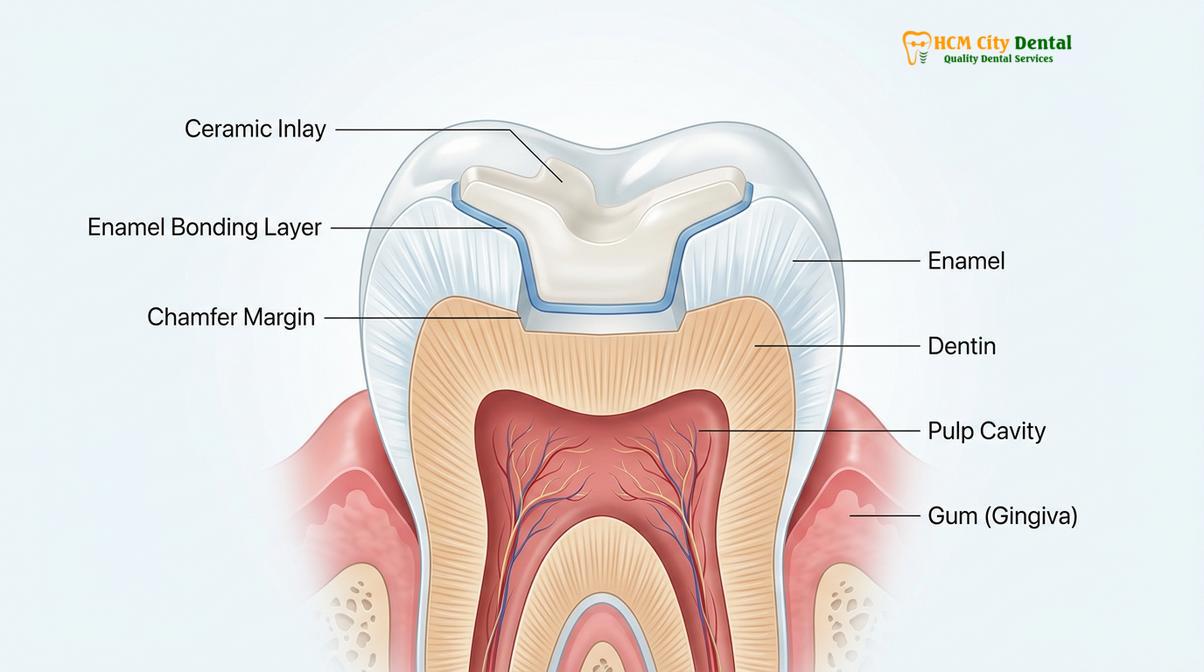
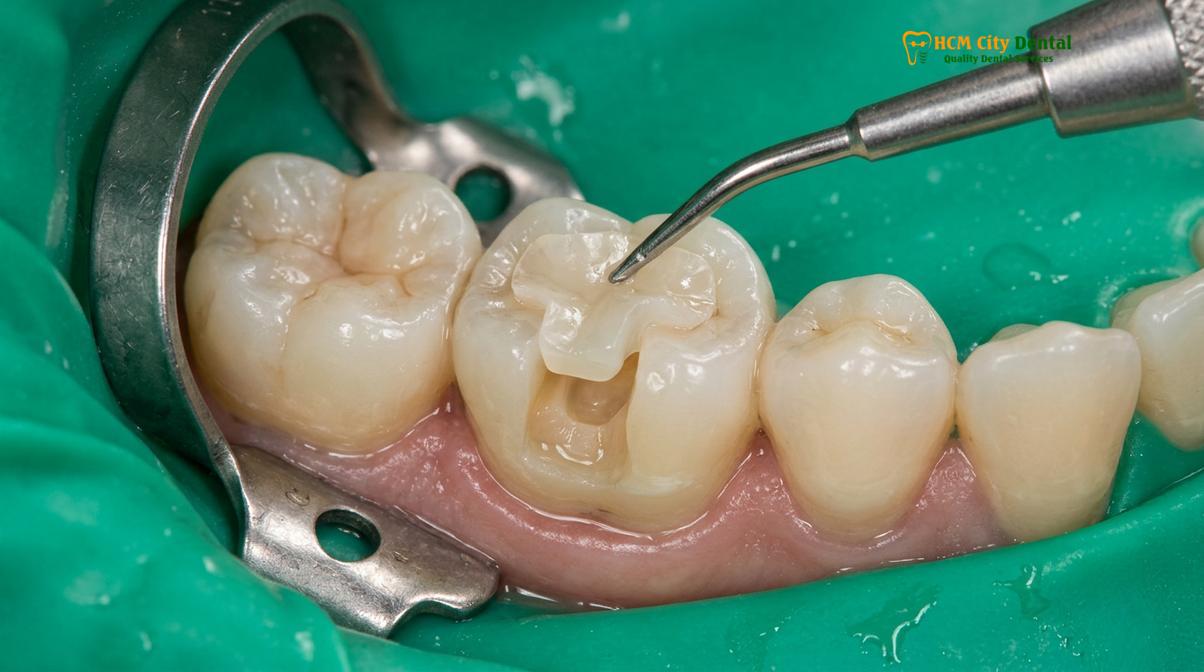
The clinical protocol for enamel and dentin bonding is highly technique-sensitive and requires absolute precision. First, the tooth preparation must feature smooth, flowing cavity outline forms and precise chamfer margins to allow the rigid ceramic to seat passively without internal binding or stress concentrations. During the cementation phase, strict moisture control is mandatory. The use of a rubber dam is often employed because even a microscopic amount of saliva, crevicular fluid, or blood can contaminate the bonding surface, instantly compromising the adhesive layer.
Once the tooth is isolated, the enamel is etched with phosphoric acid to create microscopic pores, while the internal surface of the ceramic is treated with hydrofluoric acid and a silane coupling agent to facilitate chemical adhesion. A dual-cure resin cement is then applied, which bonds the two surfaces together. This meticulous process prevents the polymerization shrinkage gaps associated with large direct fillings, ensuring a hermetic seal that protects the underlying vulnerable dentin from bacterial invasion and thermal sensitivity[4].
How Oral Hygiene Directly Impacts Restoration Lifespan
Diligent daily brushing and flossing are critical to prevent plaque biofilm accumulation at the restoration margins, which is the primary cause of secondary decay and premature adhesive failure.
While high-grade dental ceramics are completely impervious to bacterial decay, the natural tooth structure surrounding the restoration remains highly vulnerable. Oral hygiene maintenance is the single most important patient-controlled factor in determining how to make a dental inlay last longer. If plaque biofilm and hardened calculus are allowed to accumulate along the critical junction where the porcelain meets the natural tooth (the margin), the bacteria will continuously produce lactic acids. These acids rapidly demineralize the enamel and dentin, leading to recurrent decay beneath the restoration.
Recurrent, or secondary, decay undermines the very foundation of the restoration. Even if the porcelain inlay itself remains perfectly intact and structurally sound, the decay will soften the supporting tooth structure, eventually causing the adhesive bond to fail, leading to microleakage, sensitivity, and ultimately, the dislodgement of the restoration. To prevent this cascade of failure, patients must commit to a rigorous, daily home care routine.
Effective maintenance requires brushing at least twice daily with a soft-bristled toothbrush and a low-abrasive, fluoridated toothpaste. Highly abrasive whitening toothpastes should be avoided, as they can scratch the polished surface of the ceramic over time, making it more prone to plaque retention. Furthermore, using dental floss or appropriately sized interdental brushes to clean the proximal surfaces (between the teeth) is non-negotiable. Water flossers can also be an excellent adjunct for flushing out debris from hard-to-reach posterior margins. Finally, moderating the intake of highly acidic foods and sugary beverages will significantly reduce the acid challenges to the marginal seal, further extending the life of the restoration.
Signs Your Inlay or Onlay Needs Replacement
Patients must remain vigilant for clinical symptoms such as localized thermal sensitivity, visible margin discoloration, or a change in bite alignment, which strongly indicate that the restoration is failing and requires immediate clinical evaluation.
Even with the most advanced materials, flawless clinical execution, and meticulous home care, dental restorations may eventually reach the end of their functional lifespan. The oral cavity is an incredibly harsh environment, and decades of mechanical wear and chemical exposure will eventually take their toll. Recognizing the early warning signs of a failing restoration is crucial. Early detection can mean the difference between a simple replacement procedure and the need for far more extensive, invasive treatments, such as conservative restorations following root canal therapy.
Clinical Warning: Ignoring early signs of restoration failure, such as mild thermal sensitivity or a catching sensation when using dental floss, can lead to severe secondary decay. This decay can rapidly progress silently beneath the ceramic to the dental pulp, necessitating invasive endodontic therapy or resulting in irreversible tooth loss.
One of the most common initial signs of failure is a sudden onset of localized sensitivity to hot, cold, or sweet stimuli. This typically indicates that the marginal adhesive seal has been breached, allowing oral fluids and bacteria to irritate the underlying dentin tubules. Another clear indicator is visible margin discoloration; if the once-invisible line between the tooth and the porcelain begins to look brown or black, it is a strong sign of microleakage and recurrent decay.
Additionally, patients should pay close attention to how the tooth feels during mastication. Sharp pain upon chewing, a feeling of looseness, or a sensation that the bite alignment has suddenly shifted can suggest that the ceramic has fractured, or the adhesive bond has partially failed. If dental floss consistently catches, frays, or shreds around the specific tooth, it is a mechanical indicator that the margin has degraded or chipped, creating a plaque trap that requires professional smoothing or complete restoration replacement.
When to See a Dentist: Important Clinical Notes
Routine biannual dental checkups and professional radiographic evaluations are essential for detecting microscopic marginal degradation before it evolves into symptomatic, destructive secondary decay.
Proactive dental care is always superior to reactive treatment. Patients should not wait until they experience severe pain or a catastrophic fracture to seek professional evaluation. Secondary decay detection is a primary focus during routine dental checkups, precisely because this type of decay often begins silently beneath the margins of the restoration, completely hidden from the patient’s view.
“Early detection of marginal degradation is the absolute cornerstone of conservative dentistry. Addressing minor adhesive failures or microscopic chips promptly can prevent the need for invasive endodontic therapy and preserve the natural tooth structure for decades.”
According to the comprehensive restorative guidelines outlined by the Vietnam Ministry of Health (MOH), patients should seek immediate clinical evaluation if they experience sharp pain upon mastication or notice any structural defects in their ceramic restorations[5]. During a routine examination, the dentist will use specialized explorers to tactilely assess the integrity of the margins, ensuring they remain smooth and sealed. Furthermore, high-resolution digital bitewing radiographs are indispensable; they allow the clinician to peer through the tooth structure and verify the internal integrity of the dentin beneath the ceramic, catching recurrent decay long before it reaches the sensitive nerve tissue.
Dr. Cuong’s Tips for Maximum Longevity
Combining a custom-fabricated nightguard for bruxism management with routine professional cleanings is the most effective, clinically proven strategy to protect your ceramic restorations from excessive wear and catastrophic fracture.
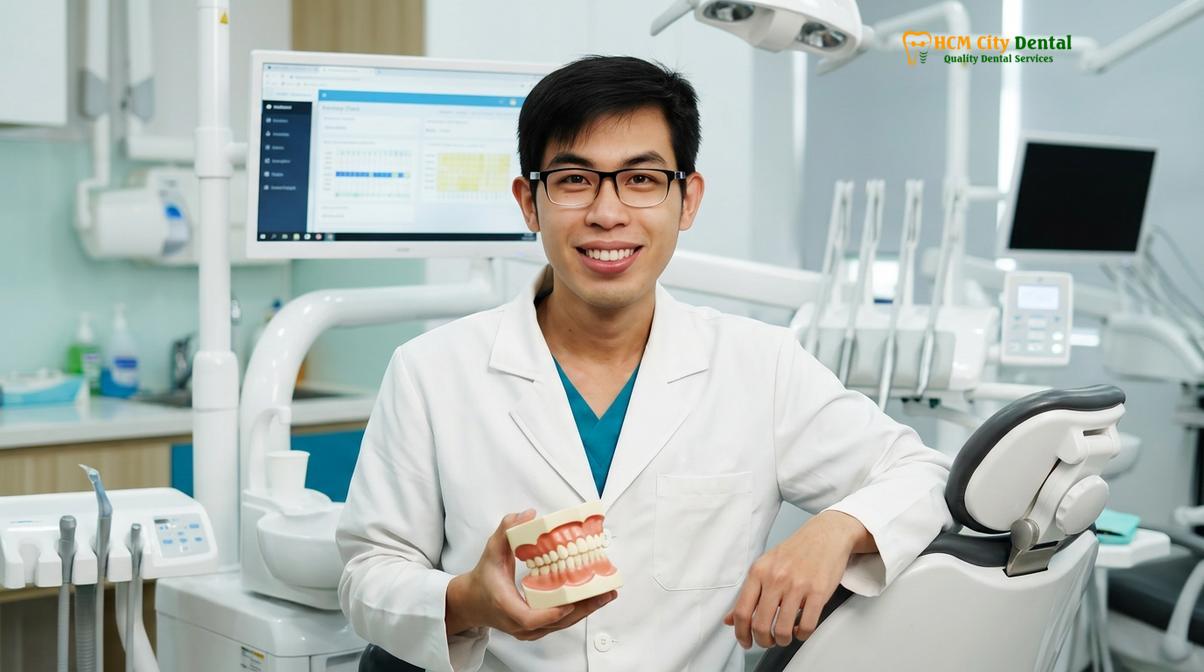
Dr. Nguyen Van Cuong, a highly respected restorative specialist at HCMC Dental Clinic, emphasizes that achieving a truly long-lasting restoration requires a dedicated, ongoing partnership between the clinician and the patient. Dr. Cuong frequently advises his patients that while high-strength ceramics provide an exceptional biomechanical foundation, protecting that financial and biological investment requires proactive, preventive strategies tailored specifically to the individual’s unique oral environment and lifestyle habits.
One of the most critical recommendations for extending the lifespan of any ceramic restoration is the daily use of a custom nightguard for bruxism. Nocturnal grinding and clenching can exert forces on the teeth that are exponentially higher than normal chewing forces. Over time, this immense pressure leads to micro-fractures in the ceramic, accelerated wear of the opposing natural teeth, and eventual restoration failure. A custom-fitted, hard-acrylic nightguard acts as a crucial shock absorber, dissipating these destructive forces and protecting both the delicate ceramic restorations and the temporomandibular joint (TMJ).
Clinical Case Review: HCMC Dental Clinic
A 45-year-old patient presented to our facility at HCMC Dental Clinic in Ho Chi Minh City with a history of failing, massive composite fillings and severe nocturnal bruxism that was causing chronic jaw pain. After a comprehensive digital assessment and 3D scanning, the patient was treated with multiple high-strength zirconia partial crowns to restore structural integrity to the posterior molars. By implementing a strict occlusal adjustment protocol to balance the bite and providing a custom hard-acrylic nightguard for nightly wear, the restorations have shown absolutely zero signs of margin wear, microleakage, or fracture at their five-year follow-up. This case perfectly demonstrates the clinical effectiveness of combining high-strength modern materials with proper biomechanical protection.
Additionally, maintaining a strict schedule of professional dental cleanings and comprehensive examinations every six months is vital. During these preventive visits, the dental hygiene team can professionally remove hardened calculus that cannot be brushed away at home, polish the ceramic margins to prevent future plaque retention, and utilize digital diagnostics to verify the ongoing internal integrity of the tooth structure. By following these clinical guidelines, patients can ensure their porcelain inlays remain functional, beautiful, and secure for decades.
Frequently Asked Questions
Can a porcelain inlay last 20 years?
Yes, a porcelain inlay can last two decades or more with optimal clinical placement and excellent patient compliance. Achieving this longevity requires a precise marginal fit, high-strength ceramic materials, strict adherence to daily oral hygiene, and the use of a protective nightguard if you suffer from bruxism or clenching.
What causes an inlay to fail early?
Early inlay failure is most commonly caused by adhesive bond failure, excessive occlusal bite force, or recurrent decay at the restoration margins. Poor moisture control during the initial cementation process, lack of a protective nightguard for heavy grinders, and high-sugar diets can all significantly accelerate the degradation of the restoration.
How do I know if my inlay is worn out?
Signs that your inlay is worn out include localized sensitivity to hot or cold temperatures, visible margin wear, a feeling of looseness, or pain when applying chewing pressure. If dental floss consistently catches or shreds around the tooth, it may indicate that the marginal seal has degraded and requires clinical evaluation.
Does insurance cover replacement?
Dental insurance typically covers the replacement of a porcelain inlay if it has failed due to clinical reasons such as recurrent decay or structural fracture, provided a certain time period has passed. Most policies require the original restoration to be at least five to seven years old before they will authorize benefits for a replacement.
Are porcelain inlays stronger than composite resin?
Yes, porcelain inlays are significantly stronger and more wear-resistant than direct composite resin fillings. High-grade ceramics like lithium disilicate offer superior compressive strength and do not suffer from the polymerization shrinkage that can cause large composite fillings to leak, making porcelain the preferred choice for restoring large areas of posterior tooth decay.
References
- Journal of Esthetic and Restorative Dentistry. Longevity of ceramic onlays: A systematic review. (2018).
- Journal of Dentistry. Survival Rate of Resin and Ceramic Inlays, Onlays, and Overlays: A Systematic Review and Meta-analysis. (2016).
- International Journal of Prosthodontics. Clinical performance of CAD/CAM monolithic ceramic restorations. (2020).
- Journal of Prosthodontic Research. Flexural strength and marginal adaptation of lithium disilicate and zirconia. (2021).
- Vietnam Ministry of Health (MOH). National Guidelines on Restorative Dentistry and Prosthodontics. (2020).
Ready to restore your smile with durable, conservative ceramic restorations? Contact HCMC Dental Clinic in Ho Chi Minh City today to schedule your comprehensive digital consultation and discover how our advanced inlay and onlay treatments can protect your natural teeth for decades to come.