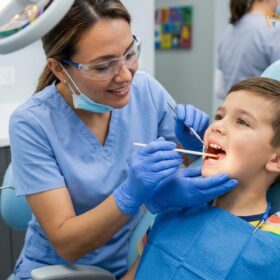
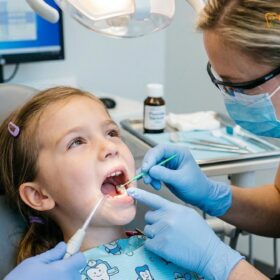
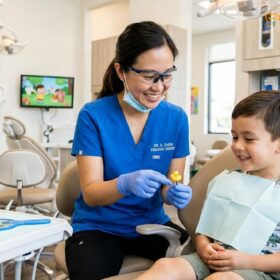
An electric toothbrush for kids is a highly effective, clinically supported tool designed to enhance plaque removal and reduce gingivitis compared to traditional manual brushing. When introduced at the appropriate developmental stage, these advanced dental devices utilize sonic vibrations or rotary oscillations to disrupt bacterial biofilm, supporting optimal pediatric oral hygiene and helping to prevent early childhood caries. Navigating the transition from manual brushing to powered devices requires an understanding of pediatric dental anatomy, motor skill development, and behavioral management techniques to ensure a positive and effective daily routine.
Clinical Summary:
Pediatric dental care requires a strategic, multi-faceted approach to daily plaque control. Transitioning to an electric toothbrush for kids can significantly enhance biofilm disruption, particularly in hard-to-reach posterior molars and interproximal spaces. Clinical evidence supports both sonic and oscillating-rotating technologies for improved efficacy over manual brushing, as these devices compensate for a child’s developing manual dexterity. However, successful implementation relies heavily on parental supervision, the selection of age-appropriate brush heads, and the use of behavioral desensitization techniques. Integrating advanced home care with professional preventative treatments ensures optimal craniofacial development and lifelong oral health. A comprehensive pediatric strategy addresses both mechanical cleaning efficiency and the cultivation of positive functional habits.
Key Takeaways:
- Powered toothbrushes generally remove more plaque and reduce gingival inflammation more effectively than manual brushes in pediatric patients when used correctly.
- The modified Bass method remains the recommended standard for manual brushing and provides a crucial motor skill foundation before transitioning to electric devices.
- Sonic and rotary brushes offer distinct mechanical advantages; rotary brushes excel at physical scrubbing, while sonic brushes utilize fluid dynamics for interproximal cleaning.
- Parental supervision is highly recommended until at least age eight to ensure proper technique, adequate brushing duration, and the prevention of gingival trauma.
- Consistent home care should be paired with routine professional evaluations to monitor dental eruption, airway health, and overall craniofacial development.
Plaque Removal Efficacy Comparison
Clinical observations consistently indicate that electric toothbrushes often outperform manual alternatives in reducing plaque accumulation and gingival inflammation in children. Their automated micro-movements help compensate for the developing motor skills and limited dexterity of pediatric patients.
The primary objective of daily oral hygiene is the mechanical disruption of dental plaque, a complex, sticky bacterial biofilm that adheres tightly to the enamel surface and gingival margins. In pediatric dentistry, achieving effective and consistent plaque control is notoriously challenging. This difficulty arises from a combination of factors: children’s limited manual dexterity, naturally short attention spans, sensory sensitivities, and the complex, evolving anatomy of erupting mixed dentition. When evaluating the clinical efficacy of manual versus powered brushing, the consensus among dental professionals heavily favors electric devices for their enhanced ability to dislodge cariogenic bacteria[1].
Manual brushing requires a highly specific combination of angulation, pressure, and repetitive motion to be truly effective. Children under the age of eight typically lack the fine motor coordination required to execute these precise micro-movements consistently across all four quadrants of the mouth. Consequently, manual brushing often results in inadequate cleaning, particularly along the critical gingival margin and in the deep, convoluted occlusal fissures of primary and permanent molars. These hard-to-reach areas become prime reservoirs for bacterial pathogens responsible for acid production, enamel demineralization, and early childhood caries.
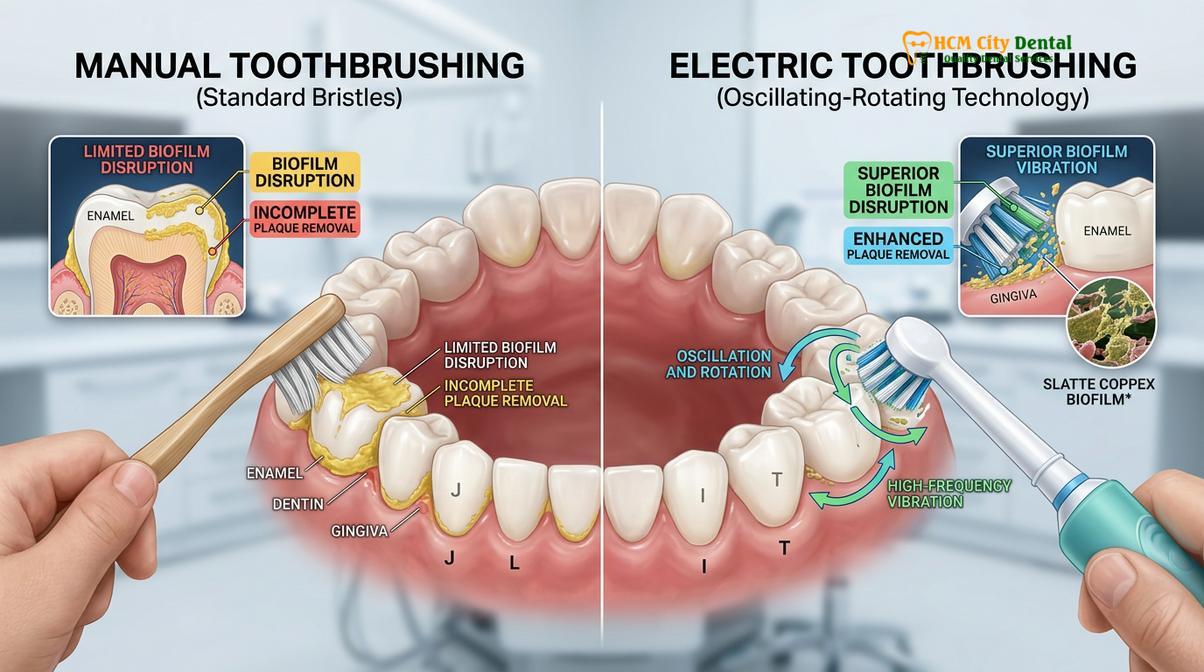
In stark contrast, an electric toothbrush for kids automates the necessary brushing strokes, removing the burden of complex manual manipulation from the child. Whether utilizing oscillating-rotating technology or high-frequency sonic vibrations, these devices deliver thousands to tens of thousands of micro-movements per minute. This rapid mechanical action not only physically scrubs the enamel surface with greater efficiency but also generates secondary fluid dynamics that can penetrate slightly below the gumline and into tight interproximal spaces. The result is a much more comprehensive disruption of the biofilm matrix, which can significantly reduce the risk of decalcification and cavity formation over time.
While an electric brush is an exceptionally powerful tool for home care, it must be paired with professional preventative measures to ensure complete protection. The deep grooves and pits of posterior molars are highly susceptible to decay, regardless of the brushing method or technology used. To address this inherent anatomical vulnerability, combining excellent home hygiene with professional pediatric dental cleaning and fissure sealants provides a robust, multi-layered defense. Resin-based or glass ionomer sealants flow into the microscopic pits and fissures, creating a smooth, easily cleanable surface that physically blocks bacterial colonization and food impaction.
Age-Based Brushing Recommendations & Developmental Milestones
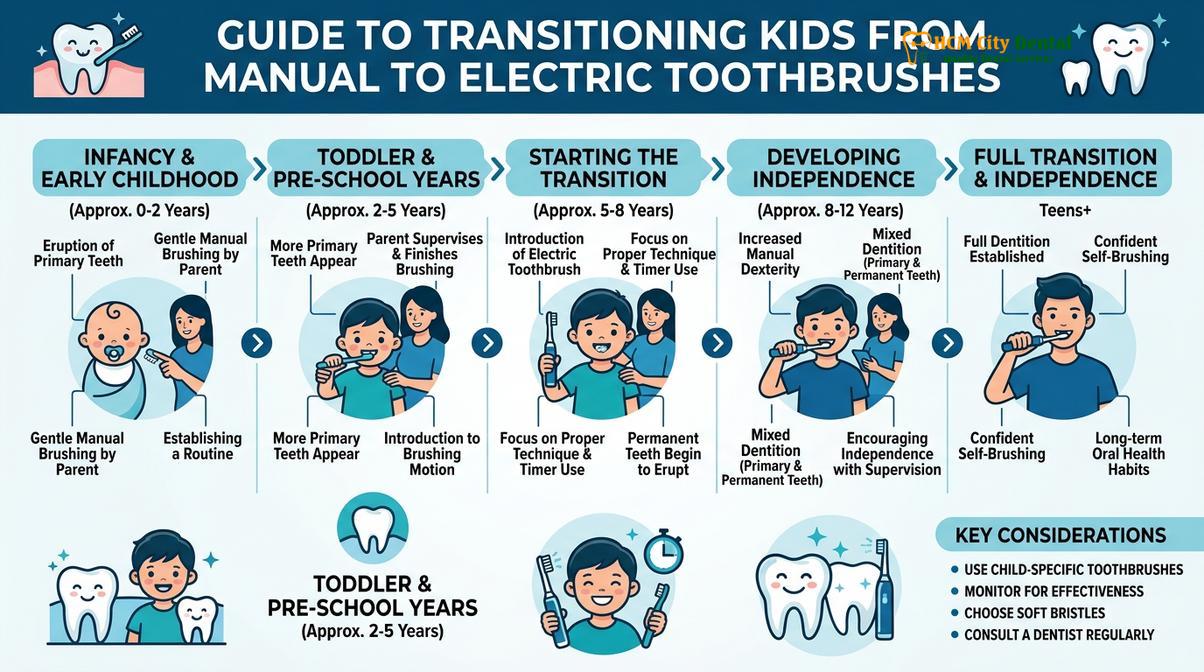
Introducing an electric toothbrush should align carefully with a child’s motor skill development and sensory tolerance, typically starting around age three with active parental assistance. Understanding the dental eruption timeline is critical for selecting the appropriate brush head and technique.
Determining the optimal age for electric toothbrush introduction requires a thorough understanding of pediatric dental anatomy and developmental milestones. The oral cavity undergoes rapid, continuous, and profound changes from infancy through adolescence, necessitating a dynamic and adaptable approach to oral hygiene. The primary dentition consists of twenty teeth, which typically begin erupting around six months of age and are fully present by age three. It is crucial to recognize that these baby teeth possess significantly thinner enamel and proportionally larger pulp chambers compared to permanent teeth, making them exceptionally vulnerable to rapid decay progression and pulpal involvement[2].
During the infant and early toddler stages, oral hygiene should focus primarily on gentle cleaning, habituation, and establishing a positive association with oral care. Before the first tooth even erupts, parents should gently wipe the infant’s gums with a clean, damp gauze pad or a soft silicone finger brush after feedings. Once the first primary incisor appears, a soft-bristled manual toothbrush specifically designed for infants should be introduced. At this early stage, an electric toothbrush is generally unnecessary and may cause sensory overload or fear for the infant. Guidelines from national health authorities, including recommendations aligned with the Vietnam Ministry of Health and the Vietnam Odonto-Stomatology Association (VOSA), emphasize the critical importance of establishing a gentle, manual routine early on to prevent early childhood caries[6].
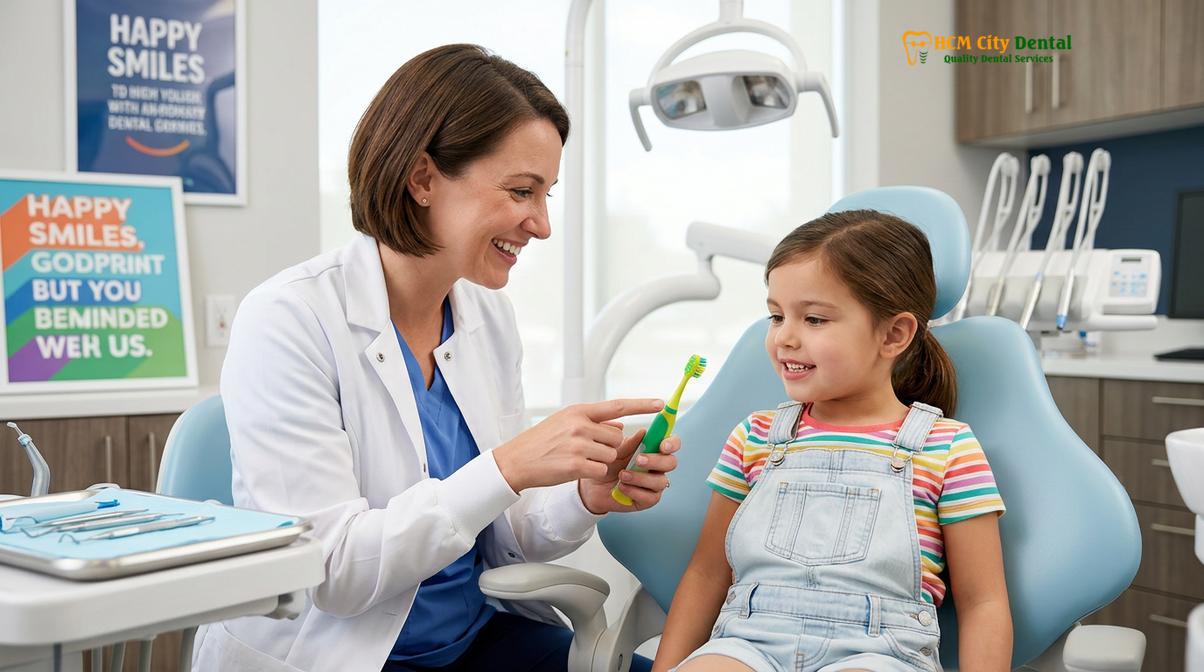
The transition to an electric toothbrush is most appropriate and clinically beneficial around age three, provided the child is receptive to the novel sensation of vibration. At this age, the primary dentition is fully established, and the child is beginning to develop a sense of autonomy and curiosity about self-care routines. However, it is absolutely crucial to emphasize that parental supervision and active, hands-on assistance remain mandatory. Children at this age do not possess the cognitive awareness, spatial understanding, or motor skills to clean all dental surfaces effectively. Parents must physically guide the electric brush, ensuring it reaches the challenging lingual (tongue-facing) surfaces, the distal aspects of the last molars, and the gingival margins.
How to Teach Proper Manual Brushing (Bass Method)
Mastering the Bass technique establishes the foundational motor skills and spatial awareness necessary for effective plaque disruption before upgrading to powered devices. This method specifically focuses on cleaning the critical gingival sulcus.
While electric toothbrushes offer superior mechanical cleaning capabilities, establishing a strong, fundamental foundation in manual brushing techniques is clinically essential. The ability to manipulate a manual brush ensures that a child understands the spatial geography of their own mouth, the concept of brushing duration, and the importance of thoroughness. The most widely recommended manual brushing technique by dental professionals worldwide is the modified Bass method. This technique specifically targets the gingival sulcus—the shallow, V-shaped crevice between the tooth and the free gumline where plaque preferentially accumulates and initiates gingival inflammation[3].
To execute the Bass method correctly, the toothbrush bristles must be placed at a precise 45-degree angle to the gingival margin, pointing toward the roots of the teeth. The user then applies gentle, controlled pressure to slightly insert the ultra-soft bristle tips into the sulcus. This is followed by a short, vibratory, back-and-forth micro-motion for several seconds to dislodge the adherent biofilm. Finally, a sweeping or rolling motion is used to direct the bristles away from the gums, clearing the dislodged bacterial debris toward the occlusal (biting) surface of the tooth.
“Mastering the manual Bass technique provides the essential motor skill foundation and spatial awareness before a child advances to the automated movements of a powered toothbrush.”
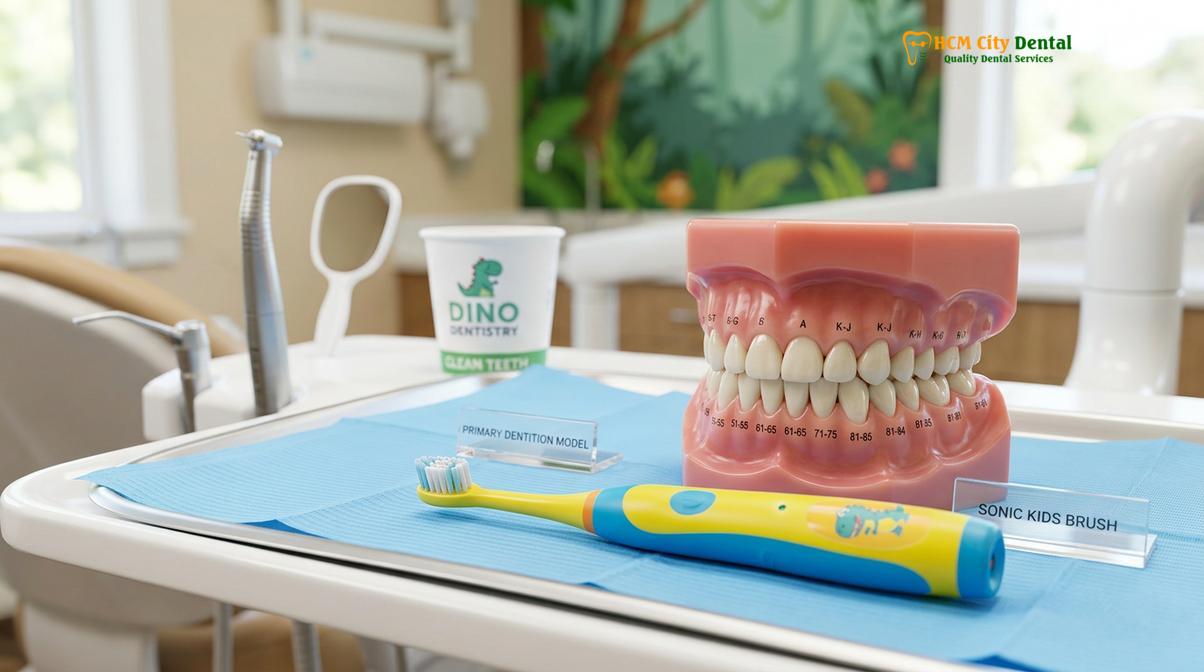
Teaching this complex, multi-step motor sequence to a young child requires immense patience, repetition, and strategic behavioral management. In pediatric dentistry, the “Tell-Show-Do” technique is widely utilized to desensitize children to new procedures, instruments, and sensations. Parents can effectively adapt this proven clinical strategy for home use when teaching brushing techniques. This involves explaining the process simply and positively (Tell), demonstrating it on a dental model, a toy, or themselves (Show), and then gently guiding the child’s hand to help them feel the correct angulation, pressure, and movement (Do).
Rotary vs. Sonic Electric Brushes: A Clinical Comparison
Rotary brushes utilize mechanical oscillation and pulsation to physically scrub teeth, whereas sonic brushes generate high-frequency vibrations that create fluid dynamics to clean interproximal spaces. Both technologies are highly effective for pediatric plaque control.
When selecting an electric toothbrush for kids, parents are often faced with a choice between two primary, clinically proven technologies: oscillating-rotating (rotary) and sonic. Understanding the distinct mechanical differences, advantages, and sensory profiles of these devices is crucial for making an informed decision based on a child’s specific oral health needs, orthodontic status, and sensory preferences.
Oscillating-rotating toothbrushes feature a small, circular brush head that rapidly rotates back and forth in alternating directions, often combined with a pulsating inward-outward movement. This technology relies on direct, physical mechanical contact to break up and sweep away the sticky bacterial biofilm. The compact size of the rotary head is particularly advantageous for pediatric patients, as it allows for precise adaptation to the curved contours of individual small primary teeth. Clinical studies have consistently shown that rotary brushes are exceptionally efficient at reducing gingival inflammation, bleeding upon probing, and removing stubborn, mature plaque deposits[4].
Conversely, sonic toothbrushes utilize an elongated, traditional-looking brush head that vibrates at extremely high frequencies—typically between 24,000 and 40,000 strokes per minute. While the bristles do make physical contact with the enamel to scrub away plaque, the defining characteristic of sonic technology is its generation of fluid dynamics. The intense, high-speed vibration creates microscopic bubbles (cavitation) in the mixture of saliva, water, and fluoridated toothpaste. These microbubbles are propelled with significant acoustic force into interproximal spaces (between the teeth) and slightly subgingivally (below the gumline), disrupting plaque biofilms in microscopic areas where the bristles cannot physically reach.
| Feature | Manual Toothbrush | Oscillating-Rotating (Rotary) | Sonic Toothbrush |
|---|---|---|---|
| Mechanism of Action | User-dependent physical scrubbing (Bass method). | Automated circular oscillation and pulsation. | High-frequency vibration and fluid dynamics. |
| Plaque Removal Efficacy | Moderate; highly dependent on technique and dexterity. | Excellent; superior at removing stubborn, localized plaque. | Excellent; superior at interproximal (between teeth) cleaning. |
| Sensory Profile | Low stimulation; easily tolerated by most children. | Moderate mechanical vibration and mechanical sound. | High-frequency “tickling” sensation and humming sound. |
| Best Suited For | Infants, toddlers, and establishing baseline habits. | Children needing focused cleaning on individual teeth. | Children with braces or those who prefer a sweeping motion. |
Sensory Processing and Behavioral Management
Transitioning to an electric toothbrush can be overwhelming for children with sensory sensitivities. Employing gradual desensitization techniques and positive reinforcement ensures a smooth, tear-free integration into their daily routine.
For many children, particularly those with sensory processing sensitivities or those on the autism spectrum, the introduction of an electric toothbrush can be a highly stimulating and potentially distressing experience. The intense vibrations, the buzzing sound close to the ears, and the novel sensation against the teeth and gums can trigger sensory overload. Therefore, a gradual, empathetic approach to behavioral management is essential.
“Gradual desensitization, starting with the brush turned off and slowly introducing vibration to non-sensitive areas, is key to helping children overcome sensory aversions to powered dental devices.”
Parents should begin by allowing the child to interact with the toothbrush while it is turned off, letting them hold it, inspect the bristles, and practice turning the power button on and off. The next step involves turning the brush on and gently touching the smooth plastic handle to the child’s hand, arm, or cheek, allowing them to acclimate to the vibration in a non-threatening manner. Only when the child is completely comfortable with these steps should the vibrating bristles be introduced to the oral cavity, starting with the less sensitive anterior (front) teeth before progressing to the posterior molars.
Orthodontic Considerations and Airway Health
Establishing a consistent oral hygiene routine is especially critical for children undergoing orthodontic treatment. Furthermore, monitoring functional habits during brushing can reveal underlying issues related to craniofacial development and airway health.
Providing a child with an electric toothbrush is only the first step; cultivating the discipline to use it effectively is paramount, especially when orthodontic appliances are introduced. Children wearing traditional brackets and wires face a significantly higher risk of plaque accumulation, decalcification (white spot lesions), and gingival hyperplasia. The complex architecture of orthodontic hardware creates numerous stagnation areas where food particles and bacteria can easily become trapped. In these scenarios, an electric toothbrush—particularly a sonic model that utilizes fluid dynamics to clean around brackets and under wires—becomes an indispensable tool for maintaining oral health during treatment.
For families residing internationally, finding specialized care is crucial. Exploring options like Braces for Expat Children in Ho Chi Minh City | HCMC Dental ensures that children receive comprehensive orthodontic management tailored to their unique developmental stages. Depending on the severity of the malocclusion, treatment may be divided into distinct phases. Understanding the clinical rationale behind Phase 1 vs Phase 2 Braces Children: Clinical Guide | HCMC Dental can help parents anticipate the hygiene challenges associated with early interceptive appliances versus comprehensive adolescent orthodontics.
Beyond straight teeth, modern pediatric dentistry places a strong emphasis on functional habits and airway health. Chronic mouth breathing, tongue thrusting, and improper swallowing patterns can severely impact craniofacial growth and contribute to sleep-disordered breathing. During routine hygiene instruction, dental professionals often assess these functional aspects. If issues are detected, interventions such as Pediatric Interceptive Orthodontics Myofunctional | HCMC Dental may be recommended to guide proper jaw growth and muscle function. Furthermore, recognizing the signs of compromised breathing is vital, as detailed in the Pediatric Sleep Apnea: Clinical Signs, Diagnosis & Treatment Workflows guide, ensuring that children achieve both a healthy smile and optimal systemic well-being[5].
Encouraging Good Habits
Building a sustainable oral hygiene routine requires more than just the right tools; it demands consistency, positive reinforcement, and making the process engaging for the child.
The most advanced electric toothbrush for kids will only be effective if it is used consistently and correctly. Establishing a predictable daily routine is the cornerstone of pediatric oral health. Children thrive on structure, so brushing should occur at the same times every day—ideally, first thing in the morning after breakfast and as the final step before bedtime. To prevent the routine from feeling like a chore, parents can incorporate elements of gamification and positive reinforcement.
Many modern pediatric electric toothbrushes come equipped with built-in two-minute timers, musical cues, or companion smartphone applications that guide the child through the brushing process. These interactive features help ensure that the child brushes for the clinically recommended duration and dedicates adequate time to each quadrant of the mouth. Additionally, allowing the child to choose their own toothbrush color, character design, or flavor of fluoridated toothpaste can foster a sense of ownership and enthusiasm for their personal care routine. Praise and small, non-food rewards for consistent brushing can further reinforce these positive habits, setting the stage for a lifetime of excellent oral health.
When to Consult a Pediatric Dentist
While home care is the foundation of oral health, professional oversight is necessary to monitor development, address early signs of decay, and provide preventative treatments.
Parents should schedule their child’s first dental visit by their first birthday or within six months of the eruption of the first primary tooth. Early and regular consultations allow the pediatric dentist to monitor craniofacial growth, assess caries risk, and provide personalized guidance on home hygiene practices, including the appropriate time to introduce an electric toothbrush.
Important Note: If your child experiences persistent bleeding gums, complains of tooth sensitivity, or if you notice white, chalky spots or dark discolorations on their teeth, schedule a professional dental evaluation immediately. These can be early indicators of gingivitis or enamel demineralization that require prompt clinical intervention.
Routine professional cleanings are essential to remove hardened calculus (tartar) that cannot be brushed away at home, even with an electric toothbrush. Furthermore, the dentist can apply topical fluoride varnishes to strengthen the enamel and place protective sealants on vulnerable molars, providing a comprehensive defense against early childhood caries.
At HCMC Dental Clinic, our clinical team is dedicated to providing compassionate, evidence-based care for children of all ages. Dr. Nguyen Van Cuong, a highly respected practitioner, emphasizes the importance of early intervention and patient education. By integrating advanced diagnostic tools with a gentle, child-friendly approach, Dr. Cuong and the team ensure that every visit to our Children & Pediatric Dentistry tại HCMC Dental Clinic department is a positive step toward lifelong oral health.
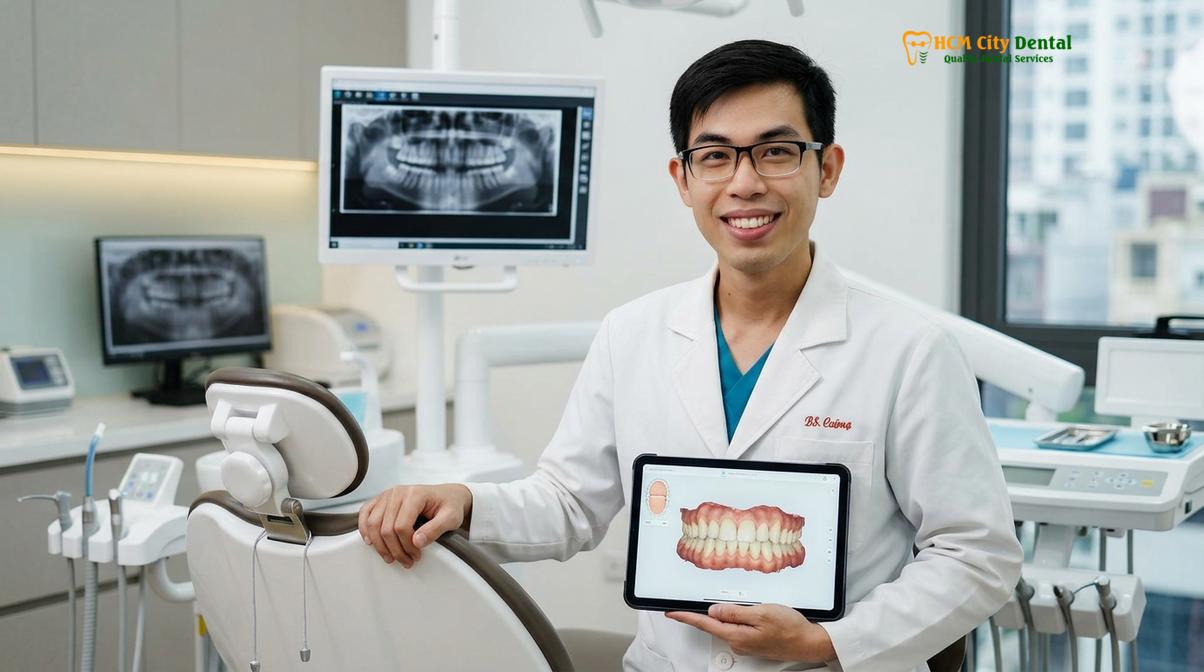
Clinical Case Study: A 6-year-old patient visiting HCMC Dental Clinic in Ho Chi Minh City presented with generalized plaque accumulation and early signs of gingival inflammation, particularly around the erupting first permanent molars. The child struggled with the manual dexterity required for effective brushing. Our pediatric team introduced a sonic electric toothbrush using the Tell-Show-Do technique to overcome mild sensory hesitation. We educated the parents on proper supervision and angulation. At the three-month follow-up, the patient demonstrated a significant reduction in plaque scores and complete resolution of gingival bleeding, highlighting the clinical efficacy of transitioning to a powered device when supported by professional guidance.
Establishing a robust oral hygiene routine early in life is one of the most valuable investments a parent can make in their child’s overall health. If you have questions about selecting the right electric toothbrush for kids, or if it is time to schedule a comprehensive evaluation, we invite you to visit HCMC Dental Clinic in Ho Chi Minh City. Our team can also guide you on the Best Age for Kids First Orthodontic Evaluation | HCMC Dental to ensure your child’s smile develops perfectly.
References
- American Academy of Pediatric Dentistry. Best Practices for Pediatric Oral Hygiene and Plaque Control.
- Journal of Clinical Pediatric Dentistry. Efficacy of Powered vs Manual Toothbrushes in Children.
- International Journal of Paediatric Dentistry. Behavioral Management Techniques in Pediatric Dentistry.
- Journal of Dental Research. Fluid Dynamics of Sonic Toothbrushes in Interproximal Spaces.
- Pediatric Dentistry Journal. Interceptive Orthodontics and Airway Assessment in Growing Children.
- Vietnam Ministry of Health (MOH) & Vietnam Odonto-Stomatology Association (VOSA). National Guidelines on Early Childhood Caries Prevention and Pediatric Oral Health.