A mandibular advancement device (MAD) is a custom-fitted oral appliance designed to treat snoring and mild-to-moderate obstructive sleep apnea. By gently holding the lower jaw forward during sleep, it prevents airway collapse, ensuring continuous oxygen flow and a restful night without the need for a CPAP machine.
Clinical Summary:
Mandibular advancement devices (MADs) offer a highly effective, non-invasive alternative for patients suffering from primary snoring or mild-to-moderate obstructive sleep apnea (OSA), particularly those who are CPAP-intolerant. These custom-fabricated intraoral appliances work by mechanically repositioning the mandible anteriorly, which increases the pharyngeal airway space and prevents soft tissue collapse during sleep. Clinical success relies on precise intraoral digital scanning, careful titration, and collaborative care between sleep physicians—who diagnose the condition via polysomnography—and dental specialists who design and calibrate the appliance to protect the temporomandibular joint (TMJ).
Key Takeaways:
- MADs physically expand the upper airway by holding the lower jaw in a forward position during sleep.
- Dentists fabricate the device, but a formal sleep study evaluated by a sleep physician is required for an OSA diagnosis.
- Custom appliances like the Antisnoring Telescopic and Twinblock Snoring devices offer superior comfort and TMJ protection compared to over-the-counter options.
- Proper titration is essential to maximize the reduction of the Apnea-Hypopnea Index (AHI) while minimizing jaw stiffness.
- MADs are the primary alternative for patients who cannot tolerate continuous positive airway pressure (CPAP) therapy.
The Anatomy of Snoring and Airway Collapse
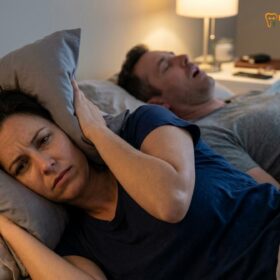
Snoring and obstructive sleep apnea occur when the soft tissues at the back of the throat relax and collapse during sleep, restricting airflow. This anatomical blockage leads to dangerous drops in blood oxygen levels and fragmented sleep cycles.
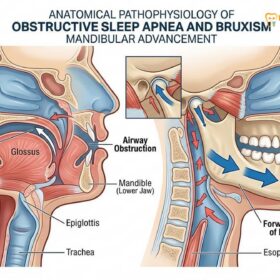
To fully comprehend the therapeutic value of a mandibular advancement device, one must first understand the complex pathophysiology of the human upper airway. During wakefulness, the muscles of the pharynx, soft palate, and tongue base maintain a state of tonicity, keeping the airway patent (open) to allow unobstructed breathing. However, as the body transitions into the deeper stages of sleep, particularly Rapid Eye Movement (REM) sleep, these muscles naturally lose their muscle tone. For individuals with specific anatomical predispositions—such as a narrow pharyngeal space, an enlarged tongue (macroglossia), or excess parapharyngeal fat—this normal muscle relaxation leads to a critical narrowing of the airway.
As the airway narrows, the velocity of the air passing through it increases. According to the Bernoulli principle, this increased velocity creates negative pressure, which causes the relaxed soft tissues of the palate and uvula to vibrate. This vibration is the acoustic phenomenon known as snoring. While primary snoring is often viewed merely as a social nuisance, it is frequently a precursor to a much more severe medical condition: Obstructive Sleep Apnea (OSA)[1].
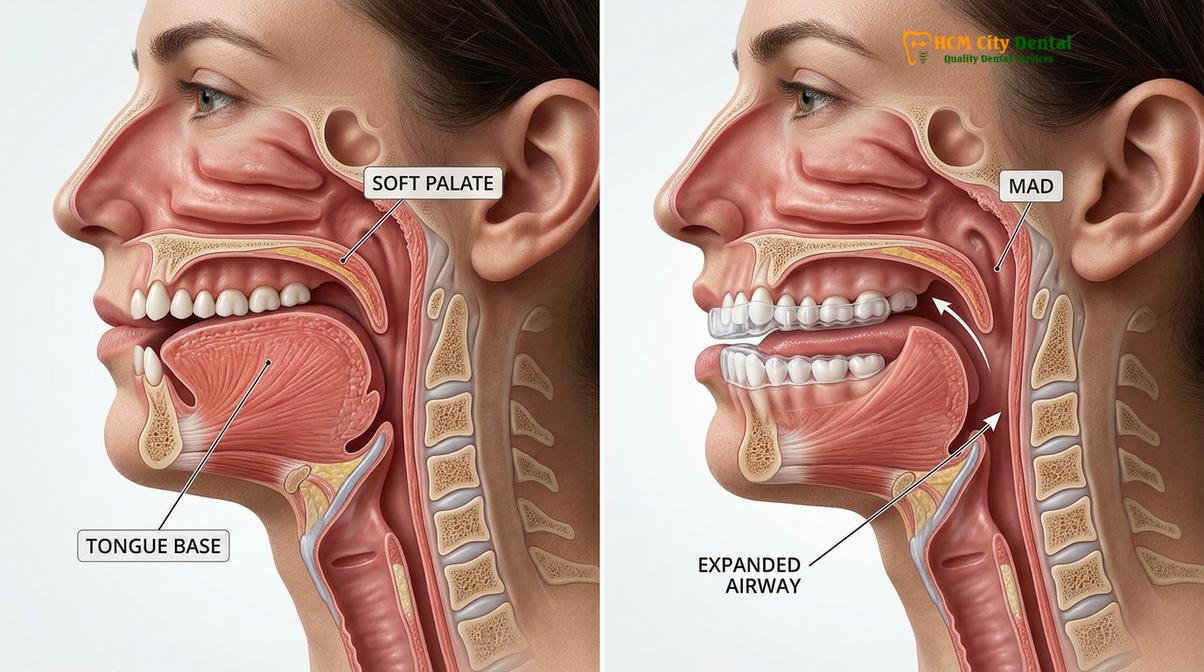
In OSA, the airway does not just narrow; it collapses completely, resulting in an apneic event (a total cessation of breathing for 10 seconds or longer) or a hypopneic event (a partial reduction in airflow resulting in oxygen desaturation). When the brain detects this dangerous drop in blood oxygen levels, it triggers a micro-arousal, forcing the body to wake up just enough to gasp for air and restore muscle tone to the airway. This cycle of airway obstruction, oxygen desaturation, and neurological arousal can occur dozens or even hundreds of times per night, devastating the patient’s sleep architecture.
The severity of this condition is measured by the Apnea-Hypopnea Index (AHI), which calculates the average number of breathing disruptions per hour of sleep. An AHI of 5 to 15 indicates mild OSA, 15 to 30 indicates moderate OSA, and anything above 30 is classified as severe. Chronic, untreated OSA places immense stress on the cardiovascular system, leading to systemic hypertension, an increased risk of arrhythmias, and a higher likelihood of stroke. By addressing the anatomical root cause of the collapse, oral appliance therapy serves as a vital intervention to halt this dangerous physiological cascade.
How an MAD Physically Repositions the Mandible
A mandibular advancement device mechanically shifts the lower jaw forward, which simultaneously pulls the tongue base away from the posterior pharyngeal wall. This structural repositioning effectively keeps the airway open and prevents nocturnal obstruction.
The biomechanical principle behind a mandibular advancement device is elegantly simple yet profoundly effective. The lower jaw (mandible) is connected to the skull via the temporomandibular joint (TMJ) and is heavily integrated with the musculature of the tongue and the floor of the mouth. The genioglossus muscle, which makes up the bulk of the tongue, originates at the inner surface of the mandible. Therefore, any movement of the mandible directly influences the position of the tongue base.
When a patient inserts the MAD before sleep, the device engages both the maxillary (upper) and mandibular (lower) dentition. It forces the mandible into a protruded (forward) position. This jaw repositioning pulls the genioglossus muscle and the attached tongue base anteriorly, physically lifting them away from the posterior wall of the pharynx. Furthermore, this forward movement stretches the palatoglossal and palatopharyngeal arches, which increases the lateral tension on the pharyngeal walls. This added tension makes the airway significantly more rigid and less prone to collapse under the negative pressure of inhalation[2].
“The efficacy of oral appliance therapy lies not just in moving the jaw, but in stabilizing the entire pharyngeal musculature. By altering the vector of the tongue base, we fundamentally change the aerodynamics of the patient’s breathing during sleep.”
However, moving the jaw forward is a delicate clinical procedure that requires expert oversight. Dr. Nguyen Van Cuong, a leading specialist at HCMC Dental Clinic, emphasizes that precise jaw repositioning requires comprehensive TMJ joint checks to ensure the condyle is not over-stressed during the night. If a device forces the jaw too far forward too quickly, it can lead to severe joint inflammation, capsulitis, and muscular spasms in the masseter and temporalis muscles. Therefore, the device must be carefully calibrated to find the “sweet spot”—the exact millimeter of advancement that maximizes airway patency while maintaining absolute joint comfort.
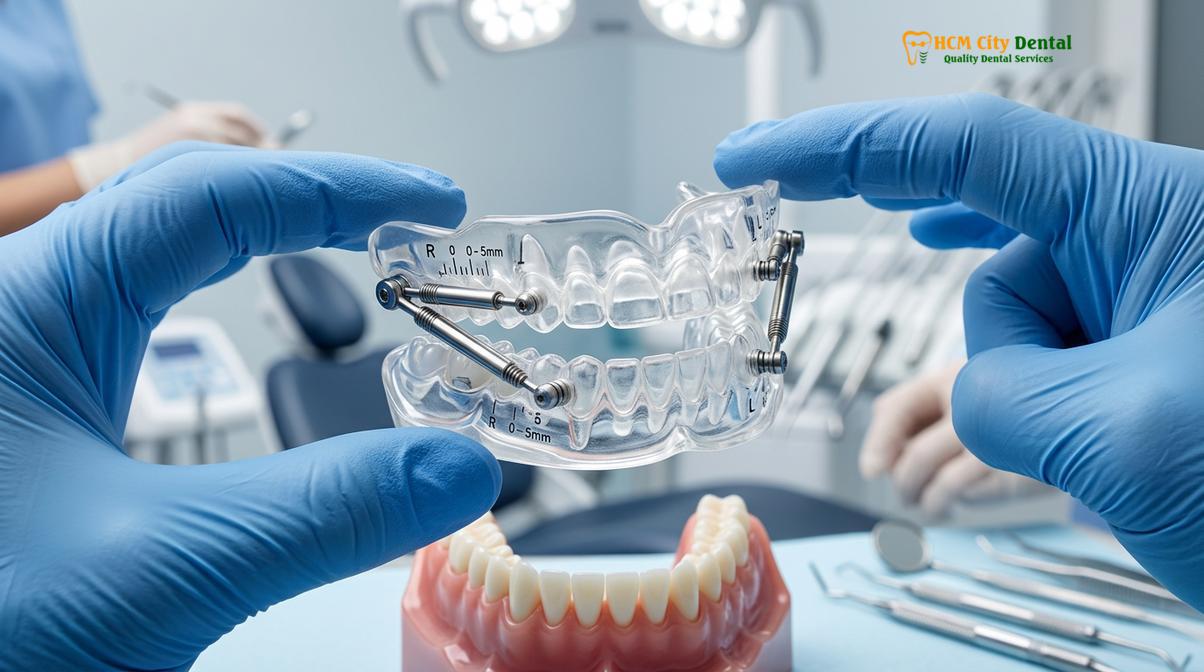
Unlike a tongue retaining device, which relies on a suction bulb to pull the tongue forward and can often cause excessive salivation and tongue tip soreness, an MAD utilizes the stable foundation of the teeth to achieve structural advancement. This makes the MAD significantly more tolerable for long-term nightly use, provided the patient has healthy teeth and gums to support the appliance.
The Biomaterials Used in Custom Sleep Appliances
Modern custom sleep appliances are fabricated from durable, biocompatible acrylics and medical-grade metal alloys. These materials allow for micro-adjustments and lateral movements, ensuring longterm structural integrity and patient comfort.
The success of oral appliance therapy is heavily dependent on the quality of the biomaterials used and the specific mechanical design of the device. Over-the-counter “boil-and-bite” mouthguards are made from cheap thermoplastic materials that are bulky, porous, and lack the rigidity required to hold the jaw in a precise forward position. In contrast, custom-fabricated devices provided by dental professionals are engineered from high-density polymethyl methacrylate (PMMA) or milled from solid blocks of biocompatible resin using CAD/CAM technology. These materials are non-porous, highly resistant to bacterial colonization, and incredibly strong, allowing the device to be manufactured with a very thin profile that does not encroach on the tongue space.
At HCMC Dental Clinic, patients have access to world-class custom sleep apnea appliances designed to meet specific anatomical and functional needs. Two of the most highly regarded clinical designs utilized are the Antisnoring Telescopic device and the Twinblock Snoring device.
The Antisnoring Telescopic Appliance
The Antisnoring Telescopic device utilizes a Herbst-style mechanism. It consists of separate upper and lower acrylic splints connected by bilateral metal telescopic rods (plungers and tubes) located on the outside of the dental arches. The primary clinical advantage of this design is its allowance for a high degree of freedom. Patients can open their mouths slightly, speak, and even drink water while wearing the device. More importantly, the telescopic rods allow for lateral (side-to-side) jaw movement. This is crucial for patients who suffer from nocturnal bruxism (teeth grinding), as it prevents the TMJ from becoming locked in a rigid position, thereby minimizing morning joint stiffness. The Antisnoring Telescopic device is currently priced at 12,000,000 VND (approximately $480 USD with a WhatsApp booking discount).
The Twinblock Snoring Appliance
The Twinblock Snoring device operates on a different biomechanical principle. It is a two-piece appliance featuring prominent acrylic ramps, or bite blocks, typically set at a 70-degree angle. When the patient closes their mouth, the upper and lower blocks interlock, naturally guiding the lower jaw forward into the predetermined protrusive position. Because there are no metal hinges connecting the upper and lower pieces, the Twinblock is exceptionally easy to insert and remove. It is highly effective for patients who tend to sleep with their mouths closed and require a robust, straightforward mechanism to keep the airway open. The Twinblock Snoring device is currently priced at 11,000,000 VND (approximately $440 USD with a WhatsApp booking discount).
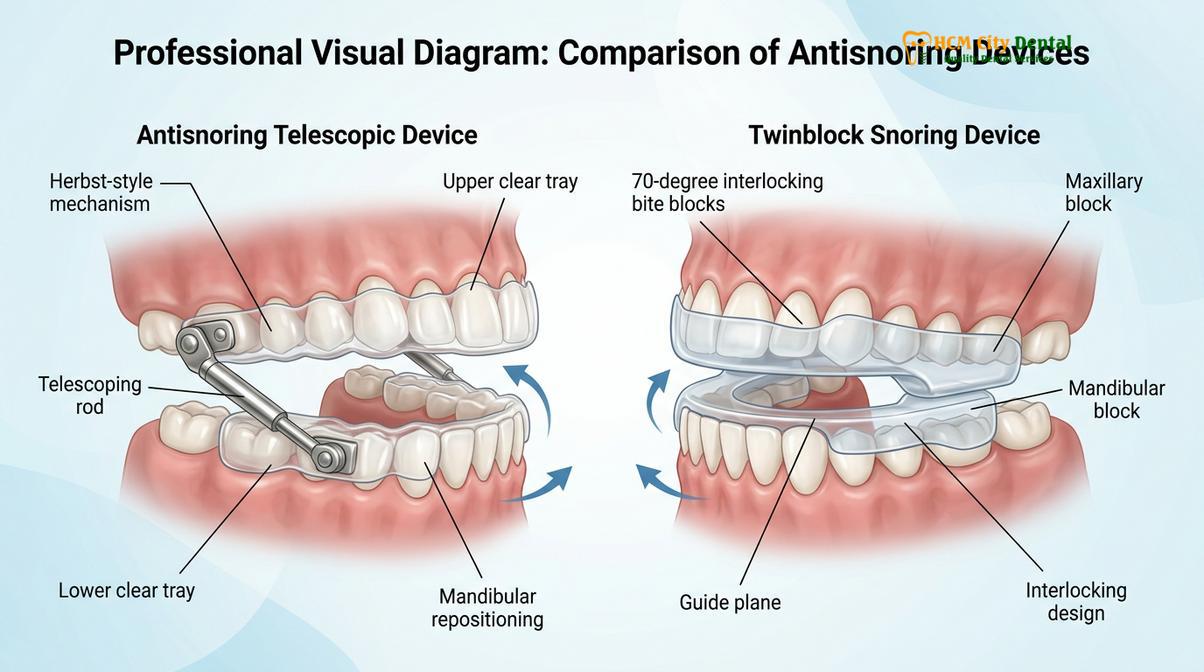
| Feature | Antisnoring Telescopic (Herbst-style) | Twinblock Snoring |
|---|---|---|
| Mechanism | Bilateral metal telescopic rods | Interlocking 70-degree acrylic bite blocks |
| Jaw Mobility | Allows vertical opening and lateral movement | Guides jaw forward upon closure; less lateral freedom |
| Best Suited For | Patients with bruxism or sensitive TMJs | Patients who sleep with mouth closed; simple insertion |
| Estimated Cost | 12,000,000 VND (~$480 USD) | 11,000,000 VND (~$440 USD) |
Clinical Outcomes: Lowering Your AHI Score Naturally
The primary clinical objective of oral appliance therapy is to significantly reduce the Apnea-Hypopnea Index (AHI) and alleviate oxygen desaturation. Successful treatment restores normal sleep architecture and mitigates the cardiovascular risks associated with untreated sleep apnea.
When evaluating the efficacy of a mandibular advancement device, clinical success is not merely defined by the cessation of snoring, but by objective polysomnographic data. The goal is to lower the patient’s AHI to less than 5 events per hour, effectively curing the clinical manifestation of the disease, or to achieve at least a 50% reduction in the baseline AHI for patients with more severe baseline scores. By successfully keeping the airway open, the MAD prevents the intermittent hypoxia that drives the sympathetic nervous system into overdrive, thereby lowering nocturnal blood pressure and reducing the strain on the heart[3].
Achieving these optimal clinical outcomes requires a meticulous process known as titration. Titration is the gradual, step-by-step advancement of the mandible over a period of several weeks or months. When the device is first delivered, it is usually set at a conservative starting position—typically around 50% to 60% of the patient’s maximum protrusive capability. This allows the muscles, ligaments, and the TMJ to adapt to the new posture without acute pain.
Clinical Case Study: Overcoming CPAP Intolerance
A 45-year-old male patient visited HCMC Dental Clinic in Ho Chi Minh City presenting with moderate OSA (AHI of 22) and severe CPAP intolerance due to claustrophobia and mask leaks. After a comprehensive dental examination and TMJ clearance, he was fitted with an Antisnoring Telescopic device. Over a 6-week titration period, the lower jaw was advanced in 0.5mm increments. A follow-up home sleep apnea test (HSAT) revealed his AHI had dropped to 4.2, with complete resolution of daytime fatigue and nocturnal snoring. The patient reported excellent compliance and zero joint pain.
If the patient continues to snore or experience daytime fatigue at the initial setting, the dentist will instruct the patient to advance the device using a small titration key. In devices like the Antisnoring Telescopic, turning the expansion screw pushes the lower jaw forward in micro-increments of 0.25mm. This slow calibration continues until the symptoms are resolved. Once the subjective symptoms (snoring, sleepiness) disappear, the patient is referred back to their sleep physician for a follow-up sleep study with the appliance in place to objectively verify the reduction in AHI.
It is important to note that while Continuous Positive Airway Pressure (CPAP) is highly efficacious at splinting the airway open with pneumatic pressure, its real-world effectiveness is often compromised by poor patient compliance. Many patients find the masks uncomfortable, the hoses restrictive, and the machine noisy. For these CPAP-intolerant patients, the MAD represents a life-changing alternative. Because the oral appliance is small, silent, and requires no electricity, patient compliance rates are significantly higher, often resulting in equivalent or superior long-term health outcomes compared to poorly utilized CPAP therapy.
The Clinical Workflow: From Diagnosis to Titration
Fabricating a highly effective sleep appliance requires a multidisciplinary approach, beginning with a formal medical diagnosis and followed by precise dental calibration. This workflow ensures the device is both therapeutically effective and anatomically safe.
A critical tenet of dental sleep medicine is the strict delineation of diagnostic and therapeutic responsibilities. It is a fundamental medical and legal standard that dentists DO NOT diagnose sleep apnea. Obstructive sleep apnea is a complex medical condition that can only be diagnosed by a board-certified sleep physician following a comprehensive sleep study. This study may be an in-lab Polysomnography (PSG) or a Home Sleep Apnea Test (HSAT). The sleep physician interprets the data—including brain waves, blood oxygen levels, heart rate, and respiratory effort—to determine the exact severity of the OSA and rule out central sleep apnea, which cannot be treated with an oral appliance.
Once the sleep physician determines that the patient is a suitable candidate for oral appliance therapy (typically those with primary snoring, mild-to-moderate OSA, or severe OSA patients who refuse CPAP), they will issue a prescription and refer the patient to a qualified dental specialist. This collaborative, multidisciplinary workflow is essential for patient safety and treatment efficacy[4].
Important Clinical Warning
Never attempt to self-treat suspected obstructive sleep apnea using over-the-counter “boil-and-bite” mouthguards purchased online or at pharmacies. These devices are not FDA-cleared for treating OSA, lack the necessary rigidity to maintain airway patency, and can cause irreversible damage to your bite and temporomandibular joint. Always seek a formal diagnosis from a sleep physician before pursuing oral appliance therapy.
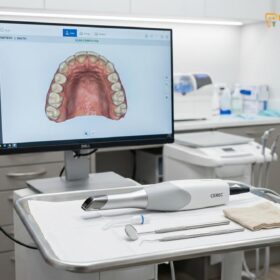
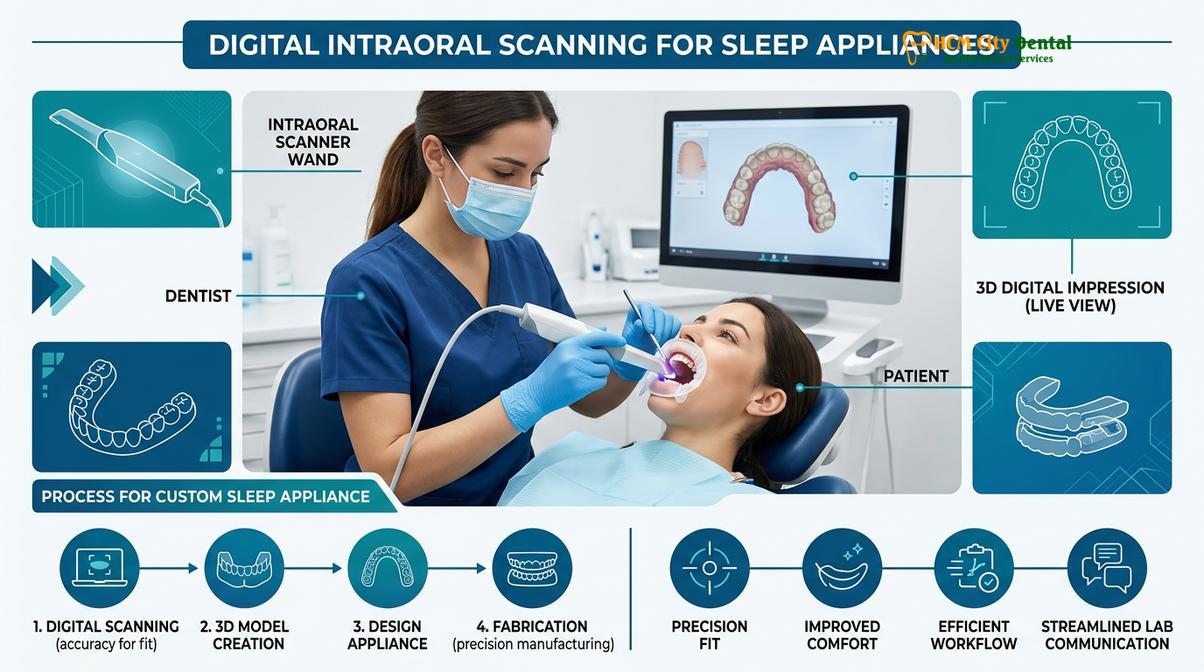
Upon arriving at the dental clinic, the clinical workflow shifts to anatomical assessment and device fabrication. The dentist will conduct a thorough examination of the teeth, periodontium, and TMJ. Because the device anchors to the teeth to pull the jaw forward, the patient must have a sufficient number of healthy teeth and be free of active periodontal disease. According to Dr. Cuong, the integration of intraoral digital scans allows for a frictionless workflow, ensuring the final appliance fits with microscopic precision. Instead of using messy, uncomfortable traditional putty impressions, the dentist uses a high-definition wand scanner to create a perfect 3D digital replica of the patient’s dental arches.
“Digital dentistry has revolutionized dental sleep medicine. By capturing the exact topography of the teeth and the precise protrusive bite registration digitally, we eliminate the distortions inherent in traditional impression materials. This results in an appliance that fits flawlessly on the very first insertion, maximizing patient comfort and compliance.”
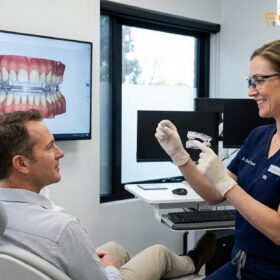
Following the digital scan, the dentist uses a specialized tool called a George Gauge to capture the bite registration. This tool measures the patient’s maximum protrusive range and locks the jaw into the exact starting position prescribed for the appliance fabrication. The digital files and bite registration are then sent to a specialized dental laboratory where the custom MAD is milled or 3D printed. When the patient returns for the fitting, the dentist ensures the appliance seats perfectly, verifies that there is no undue pressure on the gingival tissues, and provides detailed instructions on the titration protocol and daily maintenance[5].
When to See a Doctor
Recognizing the signs of obstructive sleep apnea early can prevent years of chronic fatigue and protect your cardiovascular health. You should schedule a consultation with a sleep physician or a qualified dental sleep medicine specialist if you experience any of the following symptoms:
- Loud, Disruptive Snoring: Snoring that is loud enough to disturb your bed partner, especially if it is punctuated by pauses in breathing, choking, or gasping sounds.
- Excessive Daytime Sleepiness: Feeling chronically exhausted, falling asleep during meetings, or struggling to stay awake while driving, despite seemingly getting a full night’s sleep.
- Morning Headaches: Waking up with frequent headaches, which can be a sign of nocturnal oxygen deprivation and carbon dioxide buildup.
- CPAP Intolerance: If you have already been diagnosed with OSA but cannot tolerate your CPAP machine due to mask discomfort, claustrophobia, or airway dryness, an oral appliance may be the ideal alternative.
- TMJ Pain with Existing Devices: If you are currently using an over-the-counter snoring mouthpiece and are experiencing jaw pain, clicking, or changes in your bite, discontinue use immediately and consult a dental professional.
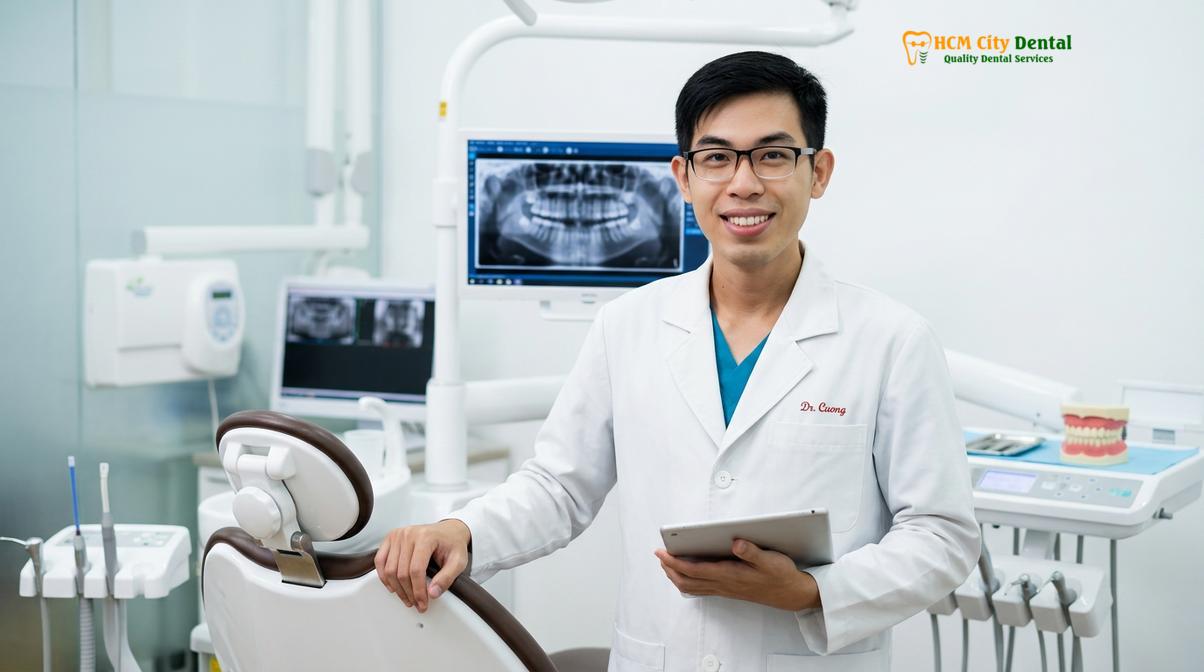
If you suspect you may be suffering from sleep-disordered breathing, or if you are looking for a comfortable alternative to CPAP therapy, the team at HCMC Dental Clinic is ready to assist. Through comprehensive clinical evaluations and collaboration with top sleep physicians, we provide tailored solutions to help you achieve restful, uninterrupted sleep. Contact our clinic in Ho Chi Minh City today to schedule your initial airway and dental assessment.
Frequently Asked Questions
How far forward does the mouthpiece hold my jaw?
The mouthpiece typically holds your jaw forward at 50% to 70% of your maximum protrusive capability. This precise measurement is determined during your clinical bite registration. Over several weeks, the device is gradually titrated in micro-millimeter increments to find the optimal balance between airway expansion and temporomandibular joint comfort.
What is the difference between MAD and TRD?
A mandibular advancement device (MAD) moves the entire lower jaw forward, whereas a tongue retaining device (TRD) uses a suction bulb to pull only the tongue forward. MADs are generally preferred for their stability and comfort, while TRDs are often utilized for patients who lack sufficient dentition to anchor a jaw-repositioning appliance.
Can an MAD treat severe obstructive sleep apnea?
An MAD is not the first-line treatment for severe obstructive sleep apnea, as CPAP therapy remains the gold standard for high AHI scores. However, if a patient with severe OSA is entirely CPAP-intolerant, a sleep physician may prescribe a custom oral appliance as a secondary intervention to reduce the severity of airway obstruction.
How do I clean and maintain my custom sleep appliance?
You should clean your custom sleep appliance daily using a soft-bristled toothbrush, mild antibacterial soap, and cold water. Avoid using hot water, which can warp the medical-grade acrylic. Additionally, soaking the device in a specialized dental appliance cleaner twice a week helps prevent plaque buildup and bacterial colonization.
Will wearing a sleep appliance change my bite permanently?
While minor, temporary bite changes are common immediately upon waking, permanent bite alterations are rare when the device is properly calibrated. Dentists often provide a morning repositioning splint—a small chewable device used for a few minutes after waking—to help the jaw muscles and temporomandibular joint quickly return to their natural resting alignment.
References
- Journal of Dental Sleep Medicine. Mandibular advancement device efficacy and airway dynamics. (2021).
- American Journal of Respiratory and Critical Care Medicine. CPAP vs custom oral appliances in OSA management. (2019).
- Sleep and Breathing. Telescopic Herbst appliance TMJ safety and long-term compliance. (2020).
- Journal of Clinical Sleep Medicine. HSAT diagnostic reliability and multidisciplinary workflows. (2022).
- Journal of Oral Rehabilitation. Titration protocols and bite registration in dental sleep medicine. (2018).