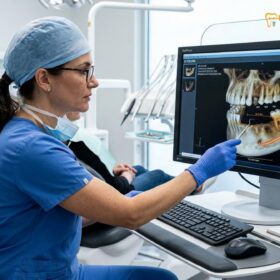
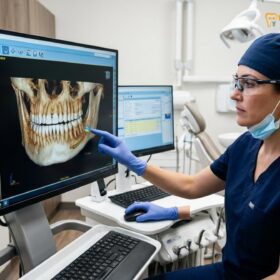
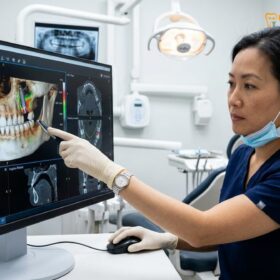
Finding a qualified implant dentist Ho Chi Minh City requires evaluating clinical credentials, diagnostic technology, and surgical expertise. Patients seeking safe, long-lasting dental restorations must prioritize specialists who utilize advanced 3D imaging and computer-guided protocols to ensure precise implant placement and optimal functional outcomes.
Clinical Summary:
Selecting an implant dentist Ho Chi Minh City involves strict verification of medical licenses, specialized surgical training, and the clinic’s diagnostic infrastructure. The standard of care dictates that a registered implantologist saigon must oversee the entire treatment continuum, from initial bone density assessment using dental cbct guided software to the final prosthetic delivery. Doctor led clinical triage ensures that patients receive evidence-based treatment plans rather than commercially driven proposals. Furthermore, evaluating genuine patient testimonials and documented surgical case records provides insight into the clinician’s consistency and complication management. By prioritizing facilities like HCMC Dental Clinic that integrate in-house 3D diagnostics and sterile surgical environments, patients can achieve predictable, high-quality implant outcomes while mitigating surgical risks.
Key Takeaways:
- Verify the surgeon’s specialized implantology credentials and active medical licenses.
- Ensure the clinic utilizes in-house 3D CBCT imaging for precise surgical planning.
- Prioritize direct consultations with the operating surgeon over sales representatives.
- Review documented surgical case records and authentic patient feedback.
- Confirm the use of computer-guided surgical templates for optimal implant positioning.
Critical Credentials: Practice Licenses and Specializations
A qualified implant dentist must hold an active maxillofacial or implantology license issued by the Ministry of Health, supported by advanced postgraduate surgical training. Verifying these credentials ensures the practitioner possesses the anatomical knowledge required for complex bone grafting and implant placement.
The foundation of safe and predictable oral rehabilitation lies in the rigorous academic and clinical training of the operating surgeon. In Vietnam, the regulatory framework mandates that any practitioner performing invasive surgical procedures, such as the placement of Dental Implants, must possess a specific practice license (Chứng chỉ hành nghề) endorsed by the Ministry of Health. This credential differentiates a general dental practitioner from a specialist who has undergone extensive postgraduate education in oral and maxillofacial surgery or periodontics.
When evaluating an implant dentist Ho Chi Minh City, prospective patients must look beyond basic dental degrees. A highly qualified professional will typically hold advanced certifications from recognized domestic or international universities. Furthermore, active membership in esteemed global organizations, such as the International Team for Implantology (ITI) or the International Congress of Oral Implantologists (ICOI), indicates a commitment to continuous medical education and adherence to global standards of care. A registered implantologist saigon is expected to stay abreast of the latest advancements in biomaterials, tissue engineering, and surgical protocols [1].
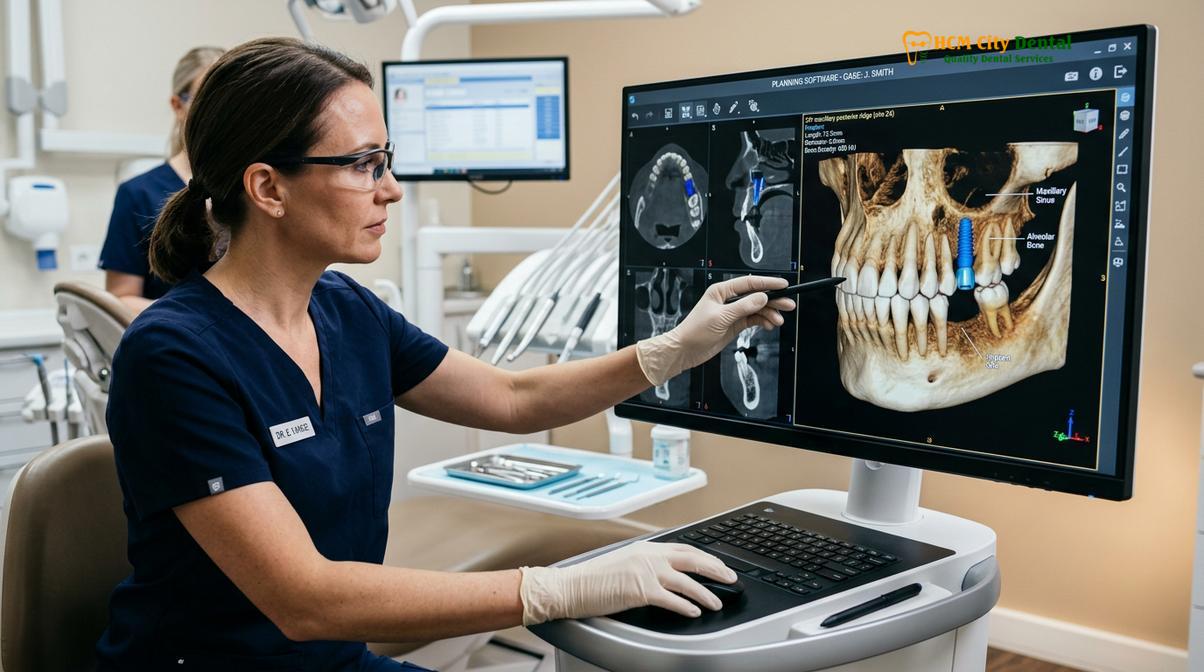
The clinical significance of specialized training becomes evident when managing complex anatomical variations. The maxilla and mandible present unique challenges, including proximity to the inferior alveolar nerve, the mental foramen, and the maxillary sinus floor. A surgeon with specialized credentials possesses the profound anatomical knowledge necessary to navigate these structures safely, minimizing the risk of neurosensory deficits or sinus membrane perforations. They are also adept at managing the biomechanical principles of osseointegration, understanding how factors like bone density, implant macro-geometry, and insertion torque influence primary stability.
Furthermore, specialized training encompasses the critical aspect of soft tissue management. The long-term success and aesthetic outcome of an implant restoration depend heavily on the quality and volume of the peri-implant mucosa. Specialists are trained in advanced mucogingival surgical techniques, such as connective tissue grafting and free gingival grafts, to establish a robust biological seal around the implant collar, thereby preventing peri-implantitis and ensuring sustained functional health.
Choosing Doctor-Led Care over Sales-Rep Consultations
Direct clinical evaluation by the operating surgeon is mandatory to accurately assess bone volume, soft tissue biotype, and systemic health factors. Doctor-led consultations prevent misdiagnosis and ensure treatment plans are based on medical necessity rather than commercial quotas.
In the contemporary landscape of dental tourism and commercialized healthcare, a concerning trend has emerged where initial patient consultations are conducted by treatment coordinators or sales representatives rather than licensed clinicians. This approach fundamentally compromises patient safety and the integrity of the diagnostic process. A robust standard of care demands doctor led clinical triage, where the operating surgeon directly evaluates the patient from the very first interaction.
The diagnostic phase of implant dentistry is highly complex and cannot be delegated to non-medical personnel. A comprehensive evaluation requires a detailed review of the patient’s systemic medical history. Conditions such as uncontrolled diabetes mellitus, osteoporosis, autoimmune disorders, or a history of head and neck radiation therapy can significantly impact bone healing and osseointegration. Furthermore, the use of certain medications, particularly bisphosphonates or anticoagulants, necessitates specific surgical modifications and perioperative management protocols that only a qualified physician can determine [2].
“The ethical imperative of implant dentistry dictates that the clinician responsible for the surgical intervention must also be the primary architect of the diagnostic and treatment planning phase, ensuring that clinical decisions are driven solely by patient anatomy and physiological capacity.”
During a doctor-led consultation, the surgeon performs a meticulous intraoral examination, assessing the periodontal status of remaining teeth, the occlusal scheme, and the available restorative space. They evaluate the soft tissue biotype—whether thick and fibrotic or thin and scalloped—which directly influences the choice of surgical technique and the type of custom prosthetic abutments utilized. This level of clinical nuance is essential for formulating a predictable treatment plan, especially when considering advanced protocols like immediate loading protocols.
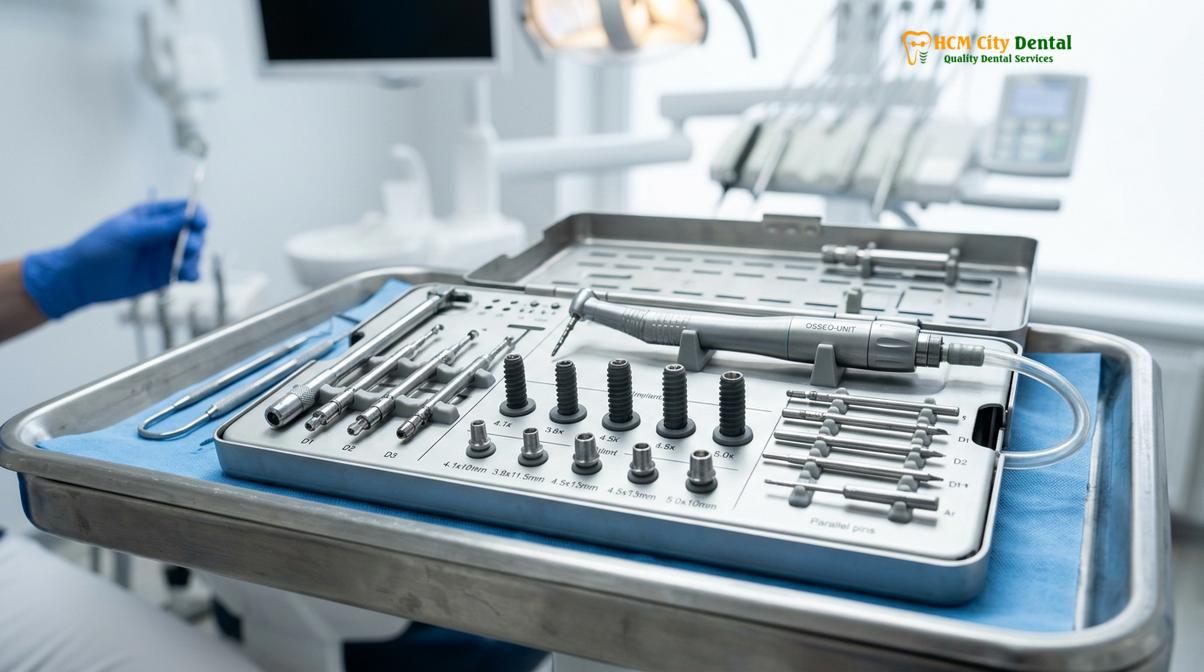
Conversely, consultations driven by sales representatives often focus on standardized packages and financial incentives, potentially overlooking critical anatomical limitations or contraindications. This can lead to over-promising clinical outcomes, inappropriate treatment sequencing, and ultimately, surgical failure. By insisting on direct communication with the implant dentist Ho Chi Minh City, patients ensure that their treatment plan is customized, evidence-based, and aligned with their specific physiological parameters.
Verifying Google Reviews and Real Patient Testimonials
Authentic patient reviews and documented clinical outcomes provide critical insight into a surgeon’s consistency, bedside manner, and ability to manage postoperative complications. Prospective patients should analyze detailed accounts of the surgical experience rather than relying solely on star ratings.
In the digital age, online reviews play a significant role in the decision-making process for patients seeking medical care. However, the proliferation of fabricated or incentivized reviews necessitates a discerning approach when evaluating an implant dentist Ho Chi Minh City. Prospective patients must learn to differentiate between superficial praise and genuine patient testimonials that offer substantive insights into the clinical experience.
Authentic reviews typically contain specific details regarding the patient’s clinical journey. They often mention the exact procedures performed, such as sinus augmentation procedures, ridge splitting, or the placement of multiple fixtures. Genuine testimonials frequently discuss the preoperative consultation process, the clarity of the doctor’s explanations, the level of intraoperative comfort, and the postoperative recovery timeline. Furthermore, authentic reviews often highlight the clinician’s ability to manage dental anxiety and their responsiveness to postoperative concerns [3].
Clinical Warning: Be cautious of clinics with hundreds of five-star reviews that lack specific clinical details, use repetitive phrasing, or focus exclusively on price and clinic aesthetics rather than the surgical outcome and the doctor’s expertise. Fabricated reviews often mask underlying deficiencies in clinical care.
When analyzing feedback, it is crucial to look for consistency in the outcomes reported by patients with complex cases. A surgeon who consistently receives positive feedback for full-arch rehabilitations or severe bone atrophy cases demonstrates a high level of technical proficiency and predictable complication management. Additionally, reviews that mention the specific name of the operating surgeon, rather than just the clinic brand, provide a more reliable indicator of individual clinical competence.
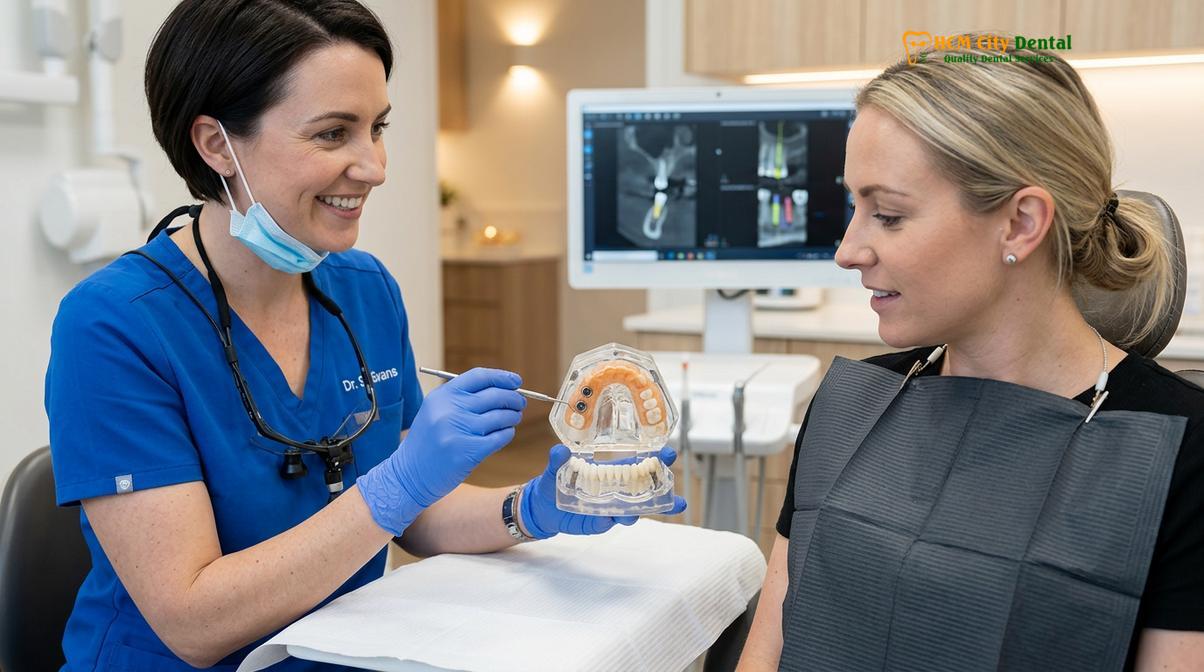
Beyond written reviews, prospective patients should request to see documented surgical case records and before-and-after clinical photography during their consultation. A reputable specialist will maintain a comprehensive portfolio of their work, demonstrating their ability to achieve optimal functional and aesthetic results across a diverse range of anatomical presentations. This transparency is a hallmark of ethical clinical practice and builds essential trust between the doctor and the patient.
Dr. Nguyen Van Cuong: Clinical Background and Surgical Case Records
Dr. Nguyen Van Cuong exemplifies the highest standard of surgical excellence, combining extensive postgraduate training with a meticulously documented portfolio of complex implant rehabilitations. His clinical approach prioritizes minimally invasive techniques and predictable long-term functional stability.
When seeking an elite implant dentist Ho Chi Minh City, the clinical background and documented expertise of the operating surgeon are paramount. Dr. Nguyen Van Cuong represents the pinnacle of specialized dental care, bringing decades of rigorous academic training and hands-on surgical experience to the operatory. His foundational medical education is augmented by advanced postgraduate certifications in oral implantology and maxillofacial surgery, ensuring a profound understanding of craniofacial anatomy and bone physiology.
Dr. Cuong’s surgical philosophy is deeply rooted in evidence-based medicine and minimally invasive protocols. He recognizes that successful implantology extends beyond merely placing a titanium screw into bone; it requires the meticulous management of both hard and soft tissues to create a harmonious and sustainable biological environment. His expertise in autogenous bone grafting, guided bone regeneration (GBR), and complex sinus elevations allows him to rehabilitate patients who have been deemed unsuitable for implants by less experienced practitioners [4].
Clinical Case Review: Severe Maxillary Atrophy
A 62-year-old patient presented to HCMC Dental Clinic with severe posterior maxillary bone resorption following decades of wearing a removable partial denture. Dr. Nguyen Van Cuong conducted a comprehensive 3D CBCT analysis, revealing less than 3mm of residual alveolar bone beneath the sinus floor. The treatment protocol involved a bilateral lateral window sinus lift utilizing a composite graft of xenograft and autogenous bone chips, followed by a 6-month consolidation period. Subsequently, four premium titanium implants were placed with high primary stability. The final restoration provided the patient with fixed, highly aesthetic, and fully functional dentition, demonstrating Dr. Cuong’s capability in managing advanced anatomical deficiencies.
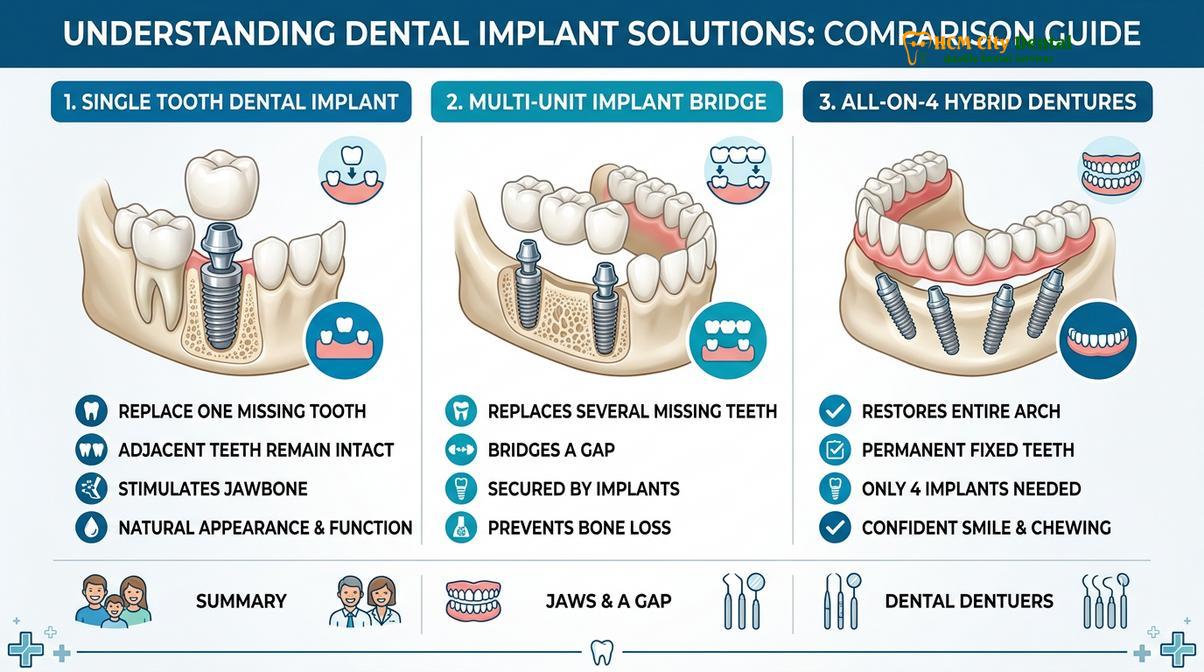
The consistency of Dr. Nguyen Van Cuong’s clinical outcomes is evidenced by his extensive portfolio of documented surgical cases. From single anterior aesthetic zone restorations to full-arch immediate loading protocols, his case records demonstrate a meticulous attention to detail, optimal 3D implant positioning, and exceptional soft tissue integration. By prioritizing biological principles over expedited commercial timelines, Dr. Cuong ensures that his patients receive restorations designed for lifelong durability.
Furthermore, Dr. Cuong’s commitment to patient education and ethical communication sets him apart. He dedicates significant time during consultations to explain the biomechanical rationale behind each proposed treatment phase, ensuring that patients fully comprehend the surgical risks, the expected recovery trajectory, and the necessary postoperative maintenance protocols. This transparent, patient-centric approach is the cornerstone of his clinical practice at HCMC Dental Clinic.
Standard Diagnostics: Verifying In-house CBCT and Guided Software
Comprehensive 3D radiographic imaging and virtual surgical planning are non-negotiable standards for modern implantology. These technologies allow the surgeon to map vital anatomical structures, measure bone density, and fabricate precise surgical guides prior to the actual procedure.
The era of relying solely on two-dimensional panoramic radiographs for implant placement has been superseded by the advent of three-dimensional volumetric imaging. For any reputable implant dentist Ho Chi Minh City, the utilization of in-house Cone Beam Computed Tomography (CBCT) is a mandatory diagnostic standard. CBCT provides an undistorted, cross-sectional view of the maxillofacial skeleton, allowing the surgeon to evaluate bone volume, morphology, and density (measured in Hounsfield units) with sub-millimeter accuracy.
The integration of dental cbct guided software revolutionizes the surgical workflow. By importing the DICOM data from the CBCT scan into specialized planning software, the surgeon can create a virtual model of the patient’s jaw. This allows for the precise digital placement of implant fixtures, optimizing their position relative to the planned prosthetic restoration and vital anatomical landmarks, such as the mandibular canal and the submandibular fossa [5].
“The transition from freehand surgery to computer-guided implantology represents a paradigm shift in patient safety, significantly reducing the incidence of iatrogenic nerve injuries and ensuring biomechanically optimized prosthetic outcomes.”
Once the virtual planning is complete, the software is used to design a stereolithographic surgical guide. This custom-milled or 3D-printed template fits securely over the patient’s remaining teeth or mucosa, featuring precisely angulated metallic sleeves that direct the surgical drills and the implant fixture into the exact pre-planned position. This level of precision is particularly crucial when utilizing ultrasonic surgical instruments in anatomically restricted areas.
| Clinical Parameter | Conventional Freehand Surgery | CBCT-Guided Surgery |
|---|---|---|
| Anatomical Precision | Relies on surgeon’s visual estimation and tactile feedback. | Sub-millimeter accuracy based on 3D virtual planning. |
| Risk of Nerve Injury | Higher risk in cases of severe bone atrophy or altered anatomy. | Significantly minimized due to precise depth and angulation control. |
| Surgical Invasiveness | Often requires extensive flap reflection for visual access. | Facilitates minimally invasive, flapless procedures when indicated. |
| Prosthetic Outcome | Implant position may compromise final crown aesthetics. | Restoration-driven placement ensures optimal biomechanics and aesthetics. |
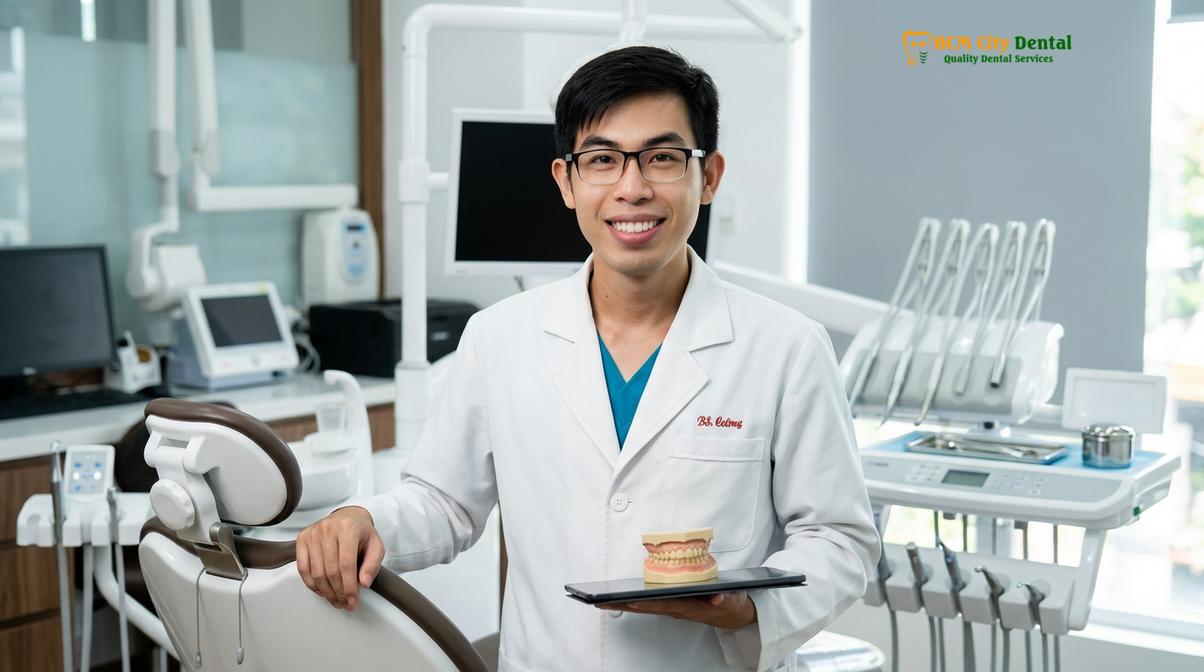
Facilities like HCMC Dental Clinic that invest in in-house CBCT and guided surgery infrastructure demonstrate a profound commitment to clinical excellence and patient safety. By eliminating the guesswork associated with traditional freehand techniques, these advanced diagnostic tools ensure that every surgical intervention is executed with maximum predictability and minimal surgical trauma.
When to Consult an Implant Dentist in Ho Chi Minh City
Determining the appropriate time to seek specialized dental care is crucial for preventing further oral health deterioration. Patients should schedule a comprehensive clinical evaluation with an implant specialist if they are experiencing the loss of one or more natural teeth due to trauma, severe periodontal disease, or advanced carious lesions. Delaying treatment can lead to progressive alveolar bone resorption, shifting of adjacent teeth, and significant occlusal disharmony.
Additionally, individuals currently utilizing conventional removable dentures who suffer from poor retention, mucosal irritation, or diminished masticatory efficiency are prime candidates for consultation. An implant specialist can evaluate the feasibility of transitioning to implant-retained overdentures or fixed full-arch prosthetics, which dramatically improve quality of life and nutritional intake.
It is important to note that while dental implants boast a high success rate, they are not universally applicable. Absolute contraindications may include recent myocardial infarction, active intravenous bisphosphonate therapy, or severe, uncontrolled psychiatric disorders. Relative contraindications, such as heavy tobacco use or poorly controlled diabetes, require careful preoperative optimization and risk assessment. Therefore, a personalized, in-person diagnostic examination at a specialized facility like HCMC Dental Clinic is imperative to determine true clinical candidacy and establish a safe, individualized treatment protocol.
Frequently Asked Questions
Do dentists in Vietnam have malpractice insurance?
Yes, reputable dental professionals and licensed clinics in Vietnam are required to maintain professional liability and malpractice insurance. This coverage is a standard regulatory requirement for medical facilities operating under the Ministry of Health, ensuring that patients are protected in the rare event of clinical complications or unforeseen surgical adverse events. Verifying this coverage is a critical step during the initial consultation.
Can I consult directly with Dr. Cuong in English?
Yes, international patients can consult directly with Dr. Nguyen Van Cuong in fluent English. Direct communication eliminates the need for medical translators, ensuring that complex clinical concepts, surgical risks, and personalized treatment plans are conveyed accurately, allowing patients to make fully informed decisions regarding their oral rehabilitation without the risk of misinterpretation.
What board registrations should a Vietnamese implantologist have?
A qualified practitioner must hold a valid medical practice license (Chứng chỉ hành nghề) issued by the Vietnamese Ministry of Health, specifically endorsed for maxillofacial surgery or implantology. Additionally, advanced postgraduate certifications from recognized universities and active memberships in international organizations like the ITI or ICOI demonstrate a commitment to global clinical standards and continuous education.
How long does the initial implant consultation take?
A comprehensive initial consultation typically requires 45 to 60 minutes. This dedicated time allows the specialist to conduct a thorough clinical examination, acquire and analyze 3D CBCT imaging, review the patient’s systemic medical history, and formulate a precise, evidence-based surgical plan tailored to the individual’s anatomical constraints and aesthetic goals.
Is 3D CBCT imaging safe for dental implant planning?
Yes, modern Cone Beam Computed Tomography (CBCT) is highly safe and utilizes a significantly lower radiation dose compared to conventional medical CT scans. The diagnostic benefits of visualizing critical anatomical structures, such as the inferior alveolar nerve and maxillary sinus, far outweigh the minimal radiation exposure, making it an indispensable tool for safe and predictable implant surgery.
References
- Journal of Oral Implantology. Regulatory frameworks and credentialing in modern implant dentistry. (2021).
- International Journal of Oral and Maxillofacial Surgery. The impact of direct clinician-patient communication on surgical outcomes. (2020).
- Clinical Implant Dentistry and Related Research. Analyzing the validity of patient-reported outcome measures in implantology. (2019).
- Journal of Clinical Periodontology. Long-term marginal bone stability in complex implant rehabilitations. (2022).
- Computer Methods in Biomechanics and Biomedical Engineering. Accuracy of static computer-aided implant surgery utilizing CBCT data. (2018).