For patients comparing the Invisalign cost Vietnam vs Canada, seeking treatment in Ho Chi Minh City offers substantial financial advantages without compromising clinical quality. While Canadian orthodontic clinics typically charge between $6,000 and $9,000 CAD for comprehensive clear aligner therapy, the exact same treatment in Vietnam ranges from $3,000 to $5,500 CAD. This price differential allows international patients to access premium digital orthodontics while managing their healthcare budgets effectively.
Clinical Summary:
Orthodontic treatment utilizing the Invisalign system relies on proprietary SmartTrack polyurethane material and advanced ClinCheck digital software, both of which remain strictly standardized worldwide by Align Technology. The significant price variance between Canadian and Vietnamese dental providers stems entirely from regional operational overhead, not from differences in clinical efficacy or material integrity. Dr. Nguyen Van Cuong emphasizes that successful orthodontic outcomes depend heavily on accurate initial digital impressions, precise attachment placement, and rigorous interproximal reduction (IPR) protocols. Canadian patients traveling to Ho Chi Minh City can access top-tier orthodontic care, complete their initial diagnostics, and receive their custom aligners while benefiting from lower clinical fees, provided they adhere strictly to remote monitoring and structured follow-up protocols.
Key Takeaways:
- Comprehensive clear aligner therapy in Vietnam costs approximately 40% to 60% less than equivalent treatments in major Canadian metropolitan areas.
- Provincial health plans in Canada generally exclude adult orthodontic therapies, leaving patients reliant on private insurance or out-of-pocket funding.
- Initial consultations, 3D digital scanning, and aligner fabrication require a strategic 14 to 21-day stay in Ho Chi Minh City.
- Proper documentation, including specific international dental codes, is essential for claiming reimbursements from Canadian private insurers.
- Advanced remote monitoring technologies allow Vietnamese orthodontists to track Canadian patients’ clinical progress safely and effectively.
Canada Provincial Dental Coverage Limits on Orthodontics
Provincial healthcare systems in Canada strictly classify adult orthodontics as elective procedures, offering zero coverage for clear aligner therapy and shifting the financial burden entirely to the patient.
The landscape of publicly funded healthcare in Canada is highly structured, yet it presents significant limitations regarding specialized dental care. Provincial health insurance plans, such as the Ontario Health Insurance Plan (OHIP) or the Medical Services Plan (MSP) in British Columbia, are designed to cover medically necessary procedures. Unfortunately, adult orthodontic treatments, including clear aligner therapy, are universally classified as elective or cosmetic interventions. This classification remains firm even when malocclusion contributes to functional issues such as temporomandibular joint (TMJ) disorders, chronic masticatory inefficiency, or accelerated periodontal degradation due to severe crowding.
Because provincial plans offer no financial safety net for these therapies, patients are forced to rely on out-of-pocket payments or employer-sponsored dental benefits. However, navigating Canada private orthodontic fees reveals further constraints. Most private insurance policies impose strict lifetime maximums for orthodontic care, frequently capped between $1,500 and $3,000 CAD. Given that the total cost of comprehensive treatment in Canada often exceeds $8,000 CAD, patients are routinely left with substantial out-of-pocket expenses[1]. This financial reality is a primary driver for the rising trend of dental tourism Vancouver Toronto residents are exploring, seeking high-quality alternatives in Southeast Asia.
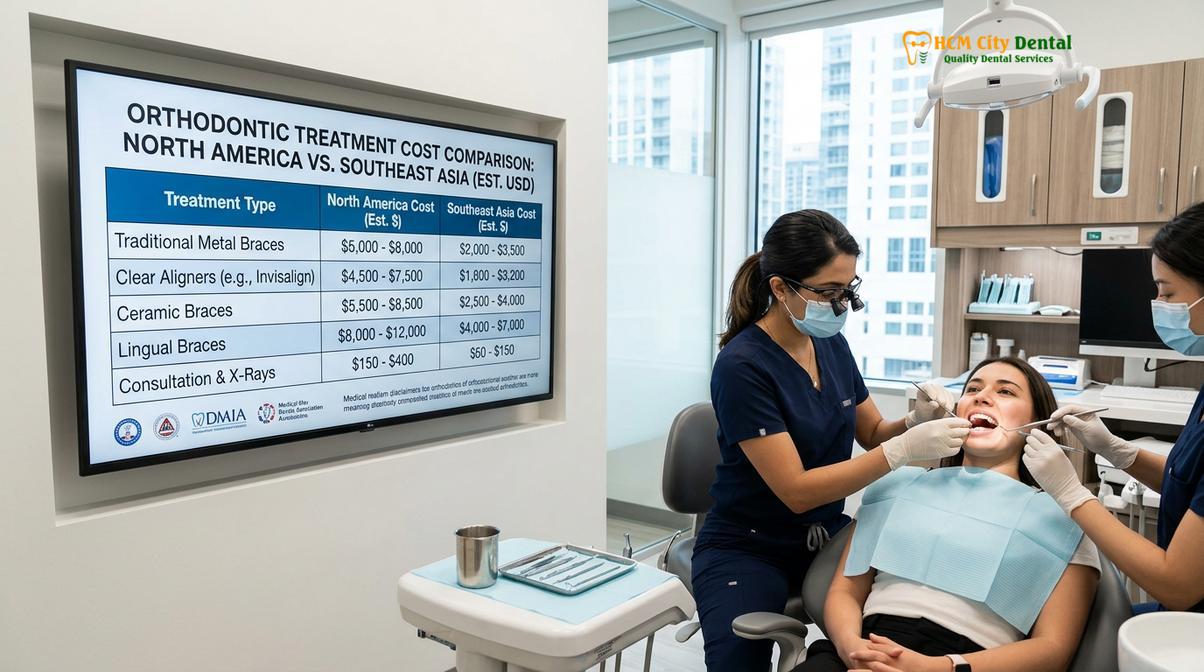
From a clinical perspective, the necessity of orthodontics extends far beyond aesthetic enhancement. Properly aligned dentition facilitates optimal occlusal force distribution, reducing the risk of abfraction lesions and premature enamel wear. Furthermore, resolving severe crowding significantly improves the patient’s ability to maintain interproximal hygiene, thereby lowering the incidence of interdental caries and localized periodontitis. When Canadian patients seek these functional benefits abroad, they are not compromising on the biological imperatives of treatment; rather, they are optimizing their financial resources to achieve necessary structural corrections.
Price Analysis: Toronto and Vancouver vs Ho Chi Minh City
Patients can expect to pay $6,000 to $9,000 CAD in major Canadian cities, compared to $3,000 to $5,500 CAD in Ho Chi Minh City for identical global Invisalign systems.
Understanding the vast discrepancy in orthodontic pricing requires a detailed examination of clinical overhead and international supply chain economics. Align Technology, the manufacturer of Invisalign, operates a centralized global production model. Whether a digital scan is submitted from a clinic in downtown Toronto or a specialized center in Ho Chi Minh City, the data is processed by the same ClinCheck software, and the physical aligners are fabricated in the same international facilities using identical SmartTrack material. Therefore, the base laboratory fee paid by the dentist to Align Technology is relatively consistent worldwide.
The dramatic difference in the final patient fee is entirely attributable to regional operational costs. Dental practices in Vancouver and Toronto face exorbitant commercial real estate leases, high staff remuneration rates, stringent regulatory compliance costs, and significant administrative overhead associated with managing complex insurance billing. In contrast, premium dental facilities in Vietnam operate within a highly favorable economic environment. Lower commercial overhead allows these clinics to offer the exact same orthodontic product at a fraction of the North American price, passing the savings directly to the patient.
To illustrate these financial dynamics, consider the following CAD savings table Saigon comparison, which outlines the estimated costs for various phases of treatment:
| Orthodontic Service / Phase | Estimated Cost in Canada (CAD) | Estimated Cost in Vietnam (CAD) | Clinical Notes |
|---|---|---|---|
| Initial Consultation & 3D Scan | $200 – $400 | $0 – $100 | Often complimentary in Vietnam to facilitate treatment planning. |
| Invisalign Lite (Mild Cases) | $4,500 – $6,000 | $2,500 – $3,500 | Up to 14 aligners; ideal for minor relapse or anterior crowding. |
| Invisalign Comprehensive | $7,000 – $9,500+ | $4,000 – $5,500 | Unlimited aligners within 5 years; required for complex bite correction. |
| Vivera Retainers (Post-Treatment) | $600 – $1,000 | $300 – $500 | Essential for preventing orthodontic relapse after active movement. |
This pricing structure highlights why many international patients find the journey financially viable. Even when factoring in the cost of international flights and premium accommodation, the net savings remain substantial. For patients who have previously researched retainer cost Vietnam vs Canada, the economic advantages of completing the entire active orthodontic phase in Southeast Asia are even more pronounced.
“The globalization of digital dentistry means that the geographical location of the clinic no longer dictates the quality of the orthodontic appliance. As long as the treating clinician possesses the requisite expertise in digital biomechanics and attachment design, patients receive identical therapeutic value regardless of the continent.”
Invisalign Tiers (Go, Lite, Comprehensive) in CAD Values
Invisalign pricing is tiered based on clinical complexity, ranging from Express options for minor aesthetic adjustments to Comprehensive packages for severe malocclusions requiring extensive root torquing.
Clear aligner therapy is not a monolithic treatment; it is highly customized and categorized into specific tiers based on the severity of the patient’s malocclusion and the anticipated duration of active tooth movement. When evaluating the Invisalign cost Canada vs Vietnam, it is crucial to compare identical treatment tiers to ensure an accurate financial assessment. Each tier is engineered to address specific biomechanical challenges, utilizing varying numbers of aligners and refinement phases.
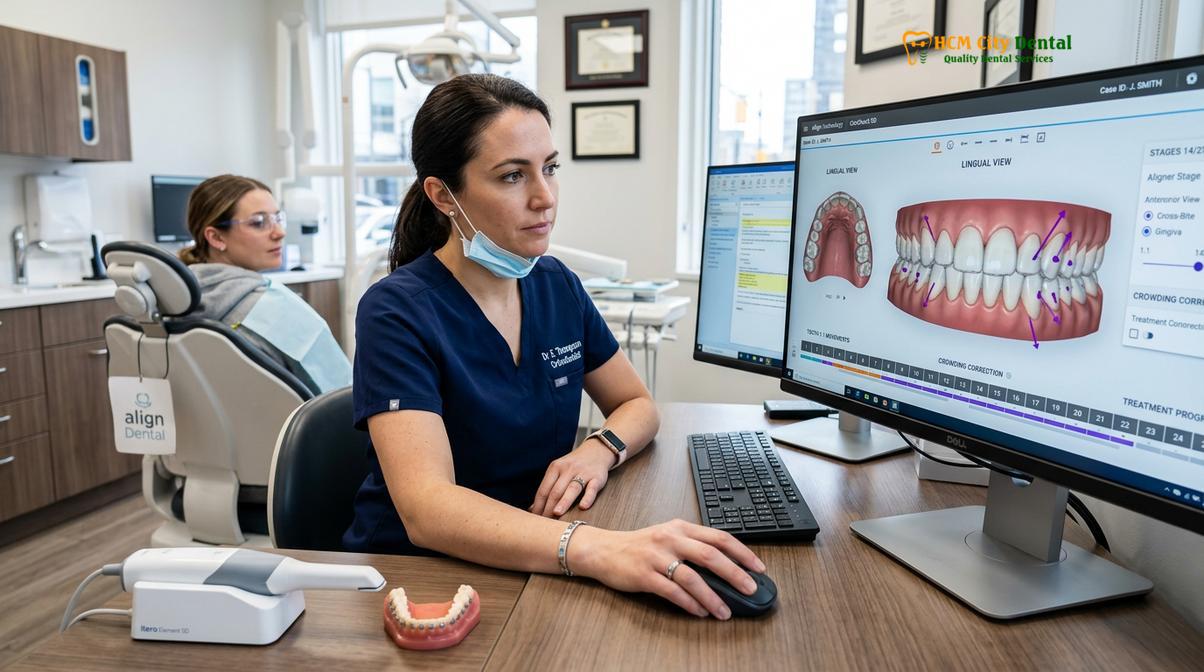
Invisalign Express / Go: This tier is clinically indicated for very mild orthodontic issues, such as slight anterior crowding, minor spacing, or orthodontic relapse in patients who previously wore braces but failed to maintain their retention protocol. Treatment typically involves 7 to 15 stages of aligners and focuses exclusively on the social six (the front teeth). In Canada, this tier often costs between $3,500 and $5,000 CAD. In Vietnam, patients can access this rapid treatment for approximately $1,800 to $2,500 CAD.
Invisalign Lite: Designed for mild to moderate malocclusions, the Lite tier allows for up to 14 initial aligners and includes one refinement phase. It is suitable for patients requiring minor vertical corrections, slight arch expansion, or pre-restorative alignment before receiving veneers. The biomechanical scope is broader than the Express tier but still limited compared to full orthodontics. Canadian fees range from $4,500 to $6,000 CAD, whereas Vietnamese clinics typically charge between $2,500 and $3,500 CAD.
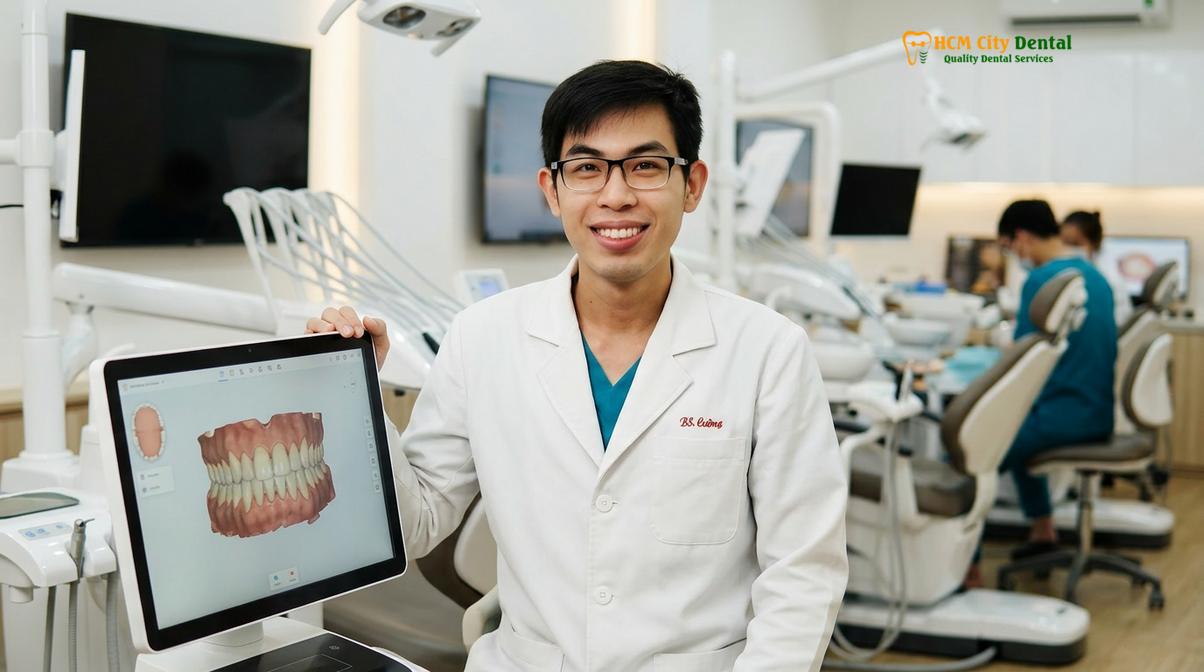
Invisalign Comprehensive: This is the flagship tier, clinically mandated for severe crowding, Class II or Class III malocclusions, deep bites, open bites, and cases requiring significant root torquing or bodily movement of posterior teeth. It provides an unlimited number of aligners and refinement phases within a five-year window. Because it addresses complex skeletal and dental discrepancies, it requires meticulous planning using an advanced HCMC dental scanner to capture precise intraoral topography. In Canada, Comprehensive treatment frequently exceeds $8,000 CAD. At HCMC Dental Clinic, the same comprehensive protocol is delivered for approximately $4,000 to $5,500 CAD[2].
Selecting the appropriate tier is a strictly clinical decision made by the orthodontist following a thorough radiographic and digital assessment. Attempting to treat a complex malocclusion with a restricted tier like Lite will inevitably result in incomplete root movement, occlusal instability, and a high probability of rapid relapse.
Logistical Guide for Canadian Travelers Seeking Braces in Saigon
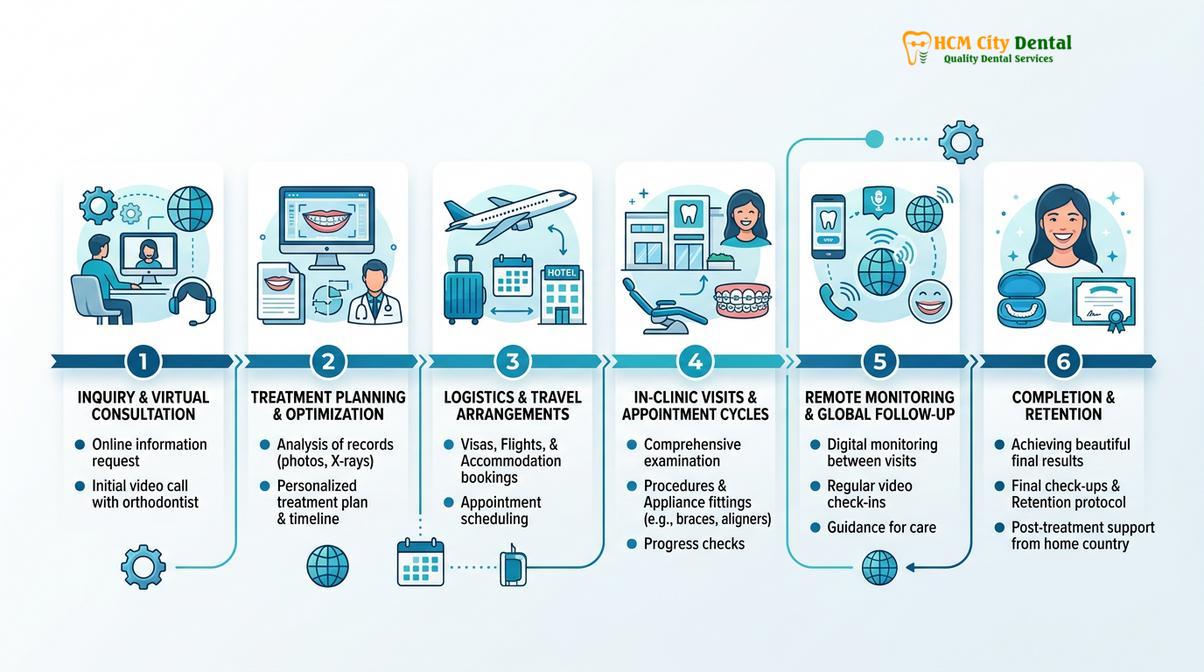
International patients must plan a strategic 14 to 21-day initial stay in Vietnam to complete comprehensive diagnostics, digital scanning, and the clinical bonding of their first aligner sets.
Embarking on international orthodontic treatment requires meticulous logistical planning to ensure clinical success. Unlike traditional fixed appliances that require monthly in-person wire adjustments, clear aligner therapy is uniquely suited for dental tourism due to its reliance on pre-manufactured, patient-removable trays. However, the initial diagnostic and fitting phase is highly technique-sensitive and must be performed in-person by a qualified specialist.
The clinical workflow for a Canadian patient arriving in Ho Chi Minh City begins with a comprehensive diagnostic appointment. This includes a full-mouth periodontal assessment, panoramic and cephalometric radiography, and a highly precise 3D digital impression using an intraoral scanner (such as the iTero system). These digital records are instantly transmitted to Align Technology’s servers. Over the next 48 to 72 hours, the orthodontist manipulates the ClinCheck software to design the exact biomechanical vectors required to move the teeth into their optimal positions.
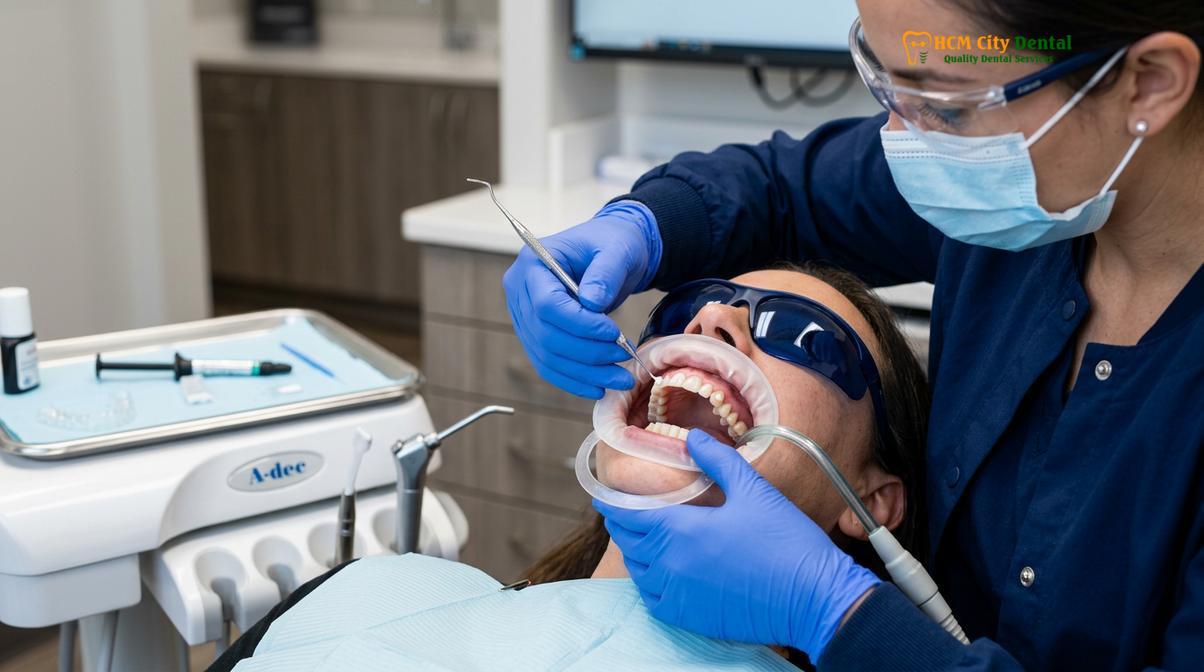
Once the patient reviews and approves the 3D simulation, the aligners are manufactured and shipped to the clinic in Vietnam, a process that typically takes 10 to 14 days. During the final fitting appointment, the dentist will perform any necessary Interproximal Reduction (IPR)—a precise clinical procedure where microscopic amounts of enamel are polished away between crowded teeth to create space for movement. Additionally, tooth-colored composite resin attachments (engagers) are bonded to specific teeth. These attachments act as anchors, allowing the aligners to exert complex directional forces, such as extrusion or rotation, which smooth plastic alone cannot achieve.
Clinical Case Example:
A 34-year-old patient from Vancouver presented to HCMC Dental Clinic with moderate lower anterior crowding and a mild Class II malocclusion. After a comprehensive digital assessment, Dr. Nguyen Van Cuong prescribed Invisalign Comprehensive. The patient stayed in Ho Chi Minh City for 18 days. During this time, digital scans were completed, the ClinCheck was approved, and the initial aligners were delivered along with the placement of 12 composite attachments. The patient returned to Canada with 20 sets of aligners and successfully completed the active phase of treatment via remote digital monitoring, saving over $4,500 CAD compared to local Vancouver estimates.
After returning home, patients must adhere strictly to the prescribed wear schedule (22 hours per day). For those who have experienced issues with previous orthodontic retention, understanding the broken fixed retainer repair process is also crucial, as maintaining the final result is just as important as the active movement phase.
Reimbursement Codes and Documentation for Canadian Insurers
To successfully claim out-of-country orthodontic expenses, Canadian patients must secure itemized receipts featuring recognized international dental codes and detailed clinical narratives.
While provincial healthcare offers no support, many expatriates and traveling professionals possess a Canadian expat dental plan or robust private insurance that covers a portion of orthodontic care. However, Canadian insurance carriers operate under strict documentation requirements. Submitting a generic receipt from an international clinic will almost certainly result in a denied claim. Patients must proactively request specific documentation from their Vietnamese provider to bridge the administrative gap between international clinical practices and Canadian billing standards.
The documentation must be provided entirely in English and clearly delineate the specific procedures performed. Canadian insurers utilize the Canadian Dental Association (CDA) coding system. While international clinics do not use CDA codes directly, they can provide equivalent international diagnostic codes or detailed clinical descriptions that allow the Canadian insurer’s adjudication team to map the treatment accurately. Essential documentation includes:
- A formal letter of medical necessity outlining the diagnosis (e.g., severe crowding, anterior crossbite) and the prescribed treatment plan.
- Itemized breakdown of fees separating diagnostic records (radiographs, 3D scans) from the active orthodontic appliance fee.
- Proof of payment indicating the exact date of service and the currency used (VND or USD), allowing the insurer to calculate the CAD exchange rate accurately.
- Pre-treatment and projected post-treatment digital photographs or ClinCheck summaries.
Important Insurance Consideration: Do not wait until you return to Canada to request itemized documentation. Ensure that your Vietnamese dental provider understands your need for insurance-compliant paperwork during your initial consultation. Retain all original physical receipts and digital copies, as insurers frequently audit out-of-country claims for authenticity.
Patients should also be aware that insurance reimbursements are typically disbursed incrementally over the course of the treatment, rather than as a single lump sum, reflecting the ongoing nature of orthodontic care[3]. For patients managing multiple dental needs, such as a lost retainer replacement, ensuring all procedures are accurately documented is vital for maximizing available benefits.
When to Consult an Orthodontist Before Traveling
Prior to embarking on international clear aligner therapy, patients must undergo a thorough local dental examination to ensure their periodontal health and restorative stability can support active tooth movement.
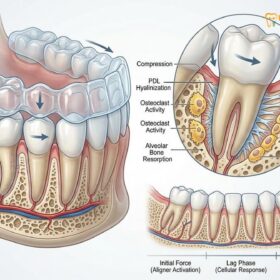
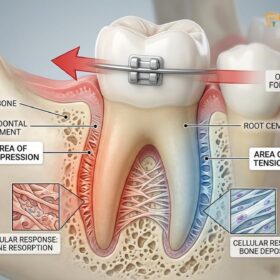
Orthodontic tooth movement is a complex biological process that induces controlled inflammation within the periodontal ligament to facilitate bone remodeling. Applying orthodontic forces to teeth compromised by active periodontal disease or untreated dental caries can lead to catastrophic clinical outcomes, including rapid alveolar bone loss, root resorption, and eventual tooth mobility or loss. Therefore, international dental tourism for orthodontics requires rigorous pre-travel preparation.
Before booking flights to Ho Chi Minh City, patients must consult a local dentist to achieve optimal oral health. All active caries must be excavated and restored, and any signs of gingivitis or periodontitis must be resolved through professional scaling and root planing. Clear aligners fit intimately against the teeth and gingival margins; if a patient develops a cavity requiring a large filling or crown during active orthodontic treatment, the morphology of the tooth will change, rendering the current aligners useless and necessitating a costly mid-course correction and rescanning process[4].
“We strongly advise all international patients to arrive with a clean bill of dental health. Orthodontic forces are safe and effective only when applied to a stable, disease-free periodontium. Attempting to align teeth in the presence of active inflammation is a severe contraindication that compromises the entire treatment protocol,” advises Dr. Nguyen Van Cuong.
Furthermore, patients with severe temporomandibular joint (TMJ) disorders or complex skeletal discrepancies (such as a severe skeletal underbite requiring orthognathic surgery) are generally not ideal candidates for remote clear aligner therapy. These complex cases require frequent, hands-on clinical interventions and multidisciplinary management that cannot be safely executed across international borders[5]. A preliminary consultation, even via telehealth, can help determine if your specific malocclusion is suitable for the international treatment model. Patients comparing retainer cost Vietnam vs Korea or other regional options must prioritize clinical safety above all financial considerations.
Frequently Asked Questions
Clear and concise answers to the most common logistical and clinical questions regarding international clear aligner therapy.
How much can a Canadian patient save on Invisalign in HCMC?
Canadian patients typically save between 40% and 60% on comprehensive Invisalign treatment in Ho Chi Minh City. While Canadian clinics charge up to $9,000 CAD, equivalent treatments in Vietnam range from $3,000 to $5,500 CAD, utilizing the exact same Align Technology materials and digital planning software. These savings are primarily due to lower clinical overhead and operational costs in Southeast Asia.
How long do I need to stay in Vietnam for my initial scans and fitting?
International patients should plan for a 14 to 21-day stay in Vietnam for their initial orthodontic phase. This timeframe accommodates the initial 3D digital scanning, the development and approval of the ClinCheck treatment plan, aligner fabrication by Align Technology, and the clinical bonding of composite attachments before you return home with your aligner sets.
Can I get a detailed dental receipt in English for insurance claims?
Yes, reputable dental clinics in Vietnam provide comprehensive, itemized receipts and clinical narratives in English. These documents include specific diagnostic codes, treatment descriptions, and breakdown of fees, which are essential for submitting out-of-country claims to Canadian private health insurance providers for reimbursement.
How are my teeth monitored once I return to Canada?
Orthodontic progress is monitored remotely using specialized dental applications and digital photo submissions. Patients upload intraoral photos at scheduled intervals, allowing the Vietnamese orthodontic team to evaluate tooth tracking, aligner fit, and gingival health before authorizing the transition to the next set of aligners, ensuring clinical safety from abroad.
What happens if an Invisalign attachment falls off while I am in Canada?
If a composite attachment debonds, you should immediately notify your primary orthodontist in Vietnam. In most cases, treatment can continue safely until your next scheduled visit, or you may be directed to a local Canadian dentist to have the specific attachment rebonded using your provided template, which is a minor and inexpensive procedure.
References
- American Journal of Orthodontics and Dentofacial Orthopedics. Biomechanics of clear aligners and attachment protocols. (2021).
- Journal of Clinical Orthodontics. Efficacy of remote monitoring in clear aligner therapy. (2020).
- International Dental Journal. Global cost analysis of digital orthodontic treatments. (2022).
- Canadian Dental Association. Guidelines on out-of-country dental care and insurance documentation. (2019).
- Journal of Periodontology. Periodontal considerations prior to initiating orthodontic tooth movement. (2021).