Orthodontic spacers, commonly known as separators, are small elastic rings or metal springs placed between posterior teeth to create necessary space before fitting orthodontic bands. While they induce temporary pressure and mild soreness as the teeth begin to shift, this localized discomfort is a normal biological response that is highly manageable and typically subsides within a few days. Understanding how to manage orthodontic spacers separators pain is essential for a smooth start to your treatment journey.
Clinical Summary:
Orthodontic separation is a critical preparatory phase in comprehensive orthodontic treatment. Spacers are strategically inserted into the interproximal contacts of molars to generate approximately 0.15 to 0.20 millimeters of space. This micro-movement allows for the atraumatic seating of stainless steel molar bands, which serve as robust anchors for heavy-force appliances such as palatal expanders, transpalatal arches, or traditional braces. The biological mechanism involves the compression of the periodontal ligament (PDL), leading to transient ischemia and the release of inflammatory mediators. This cascade manifests clinically as a sensation of pressure or mild to moderate pain, peaking at 24 to 48 hours post-insertion. Management protocols emphasize soft diets, modified oral hygiene (avoiding interproximal flossing at the site), and appropriate pharmacological analgesia. Clinical oversight is essential to ensure the separators do not dislodge prematurely or become embedded subgingivally.
Key Takeaways:
- Spacers create essential micro-space (0.15–0.20 mm) between molars to allow for the safe fitting of orthodontic bands.
- The pressure sensation peaks within the first 24 to 48 hours and gradually diminishes as the periodontal ligament adapts.
- Patients must strictly avoid sticky, chewy foods and refrain from flossing the specific contacts where spacers are placed.
- Over-the-counter analgesics and cold therapy are often effective modalities for managing initial separation discomfort.
- Premature loss of a spacer requires prompt clinical evaluation to determine if the necessary space has been achieved.
What are Orthodontic Spacers and Separators?
Orthodontic spacers are temporary devices made of polyurethane elastomer or metal, designed to gently wedge between tightly contacting teeth to create space for future orthodontic appliances.
In the realm of modern orthodontics, the initial phase of treatment often requires the creation of minute spaces between the posterior teeth. This is achieved through the use of temporary orthodontic separators. These devices are fundamentally simple in their design but play a profound biomechanical role in preparing the dentition for complex structural modifications. The human dentition naturally features tight interproximal contacts—areas where adjacent teeth touch each other seamlessly to prevent food impaction and distribute masticatory forces evenly. However, this natural tightness poses a mechanical barrier when an orthodontist needs to encircle a tooth with a metal band.
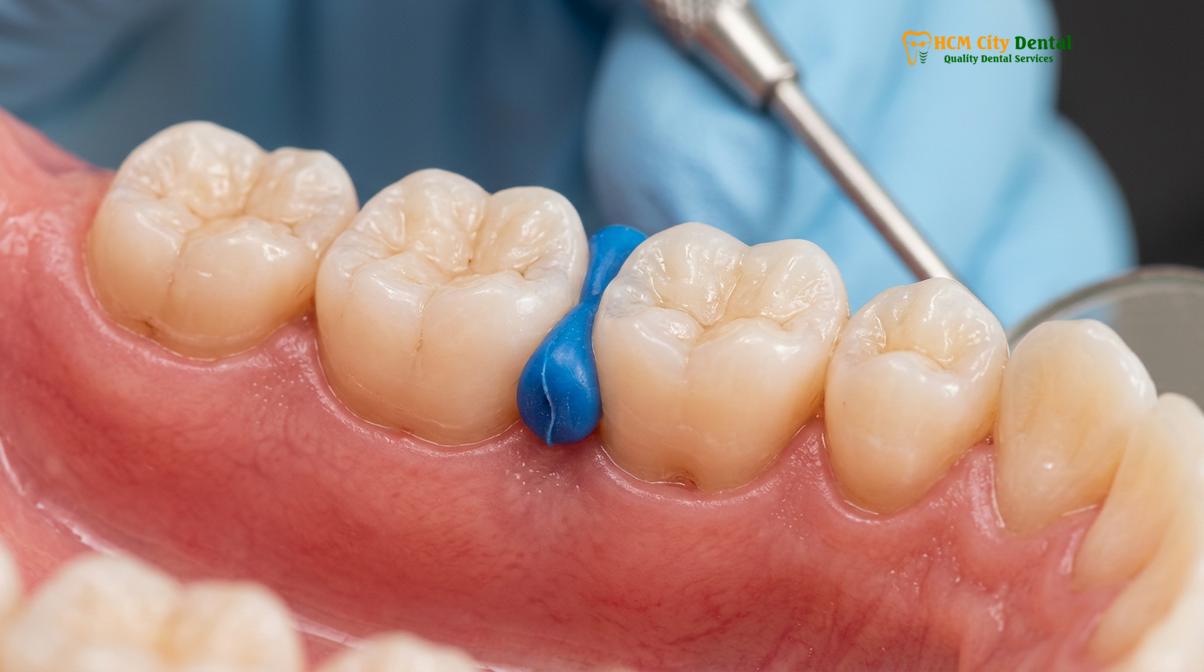
There are two primary classifications of spacers utilized in clinical practice: elastomeric separators and metal spring separators. Elastomeric separators are the most ubiquitous. They resemble miniature, thick rubber bands, typically brightly colored to ensure high visibility against the natural hue of the teeth and gingiva. These elastomeric rings are manufactured from radio-opaque polyurethane materials. The polyurethane material possesses a specific elastic memory. When stretched by the orthodontist using specialized separating pliers or dental floss, the ring becomes thin enough to snap through the tight contact point. Once in place, it attempts to return to its original, thicker shape. The continuous force applied by the spacer compresses the periodontal ligament (PDL), initiating the biomechanical responses necessary for tooth movement [1].
Conversely, metal spring separators are employed in cases where the interproximal contacts are exceptionally tight, or where elastomeric separators have failed to create adequate space. These are typically fabricated from brass wire or nickel-titanium (NiTi) alloys. While elastomeric rings are common, metal spring separators are sometimes employed for exceptionally tight contacts, with studies comparing their efficacy and patient discomfort profiles [2]. Metal separators are actively engaged around the contact point and utilize the spring-back property of the metal to push the teeth apart. While they can be more challenging to insert, they are highly effective and are less likely to be dislodged by masticatory forces or sticky foods compared to their elastomeric counterparts.
Creating Molar Space: Why Bands Need Room to Fit Safely
Molar bands require approximately 0.15 to 0.20 millimeters of interproximal space to be seated safely without causing iatrogenic damage to the surrounding enamel or gingival tissues.
To understand the necessity of dental spacers before braces, one must examine the role of orthodontic molar bands. While many modern orthodontic cases utilize brackets that are bonded directly to the facial or lingual surfaces of the teeth using composite resin, certain clinical scenarios demand a more robust form of anchorage. Molar bands are custom-fitted stainless steel rings that completely encircle the tooth. Because they wrap around the entire circumference, they provide superior mechanical retention and can withstand significantly higher occlusal and orthopedic forces than bonded brackets.
Orthodontic molar bands are indispensable when the treatment plan involves heavy-duty appliances. For instance, rapid palatal expanders (RPEs), which are used to widen a narrow maxillary arch, rely on molar bands to transmit orthopedic forces directly to the midpalatal suture. Similarly, appliances like transpalatal arches, lingual holding arches, or headgear facebows require the structural integrity that only a fully seated molar band can provide. The stainless steel material of the band possesses a finite thickness, and forcing it without optimal interproximal space can lead to iatrogenic effects [4].
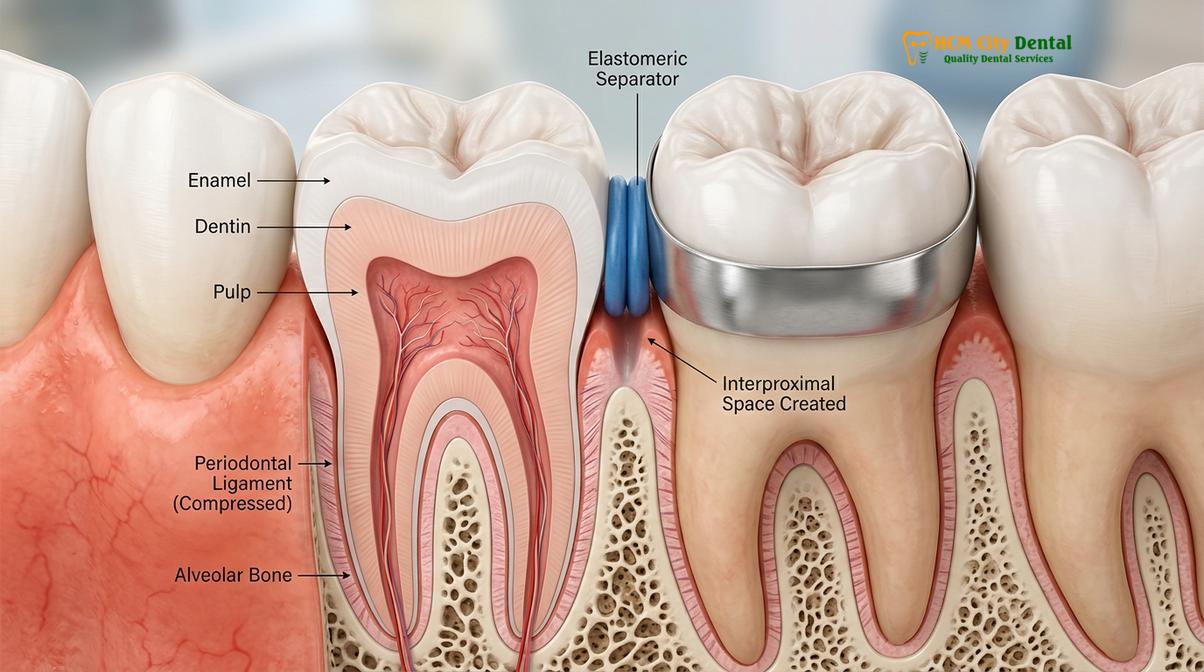
Attempting to force a metal band through a tight, unseparated interproximal contact is clinically contraindicated. Such forceful seating can lead to severe consequences. It can cause micro-fractures in the enamel, lacerate the interdental papilla (the triangular gingival tissue between teeth), and inflict acute trauma on the periodontal ligament. Therefore, the preliminary use of spacers is a non-negotiable step in ensuring a safe, atraumatic, and precise fitting of the bands.
Clinical Case Study: Rapid Palatal Expansion Preparation
A 14-year-old patient presented at HCMC Dental Clinic in Ho Chi Minh City with a severe transverse maxillary deficiency (crossbite). The treatment protocol required a Rapid Palatal Expander (RPE) anchored to the first molars. Due to exceptionally tight interproximal contacts, the clinical team initiated the orthodontic procedure by placing heavy-duty elastomeric separators. The patient was instructed on proper care and returned five days later. The separators had successfully generated 0.20 mm of space, allowing the seamless seating and cementation of the molar bands without any gingival trauma or patient distress, ensuring a stable foundation for the expansion phase.
Soreness and Pain Relief: Managing the Pressure Sensation
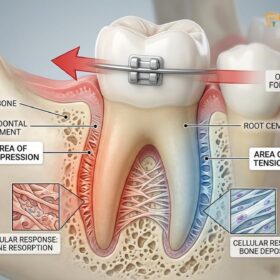
The pressure from spacers induces a mild inflammatory response in the periodontal ligament, leading to localized soreness that typically peaks within 24 to 48 hours before gradually subsiding.
The most common clinical concern reported by patients during this preliminary phase is rubber band separators pain. To effectively manage this discomfort, it is essential to understand its biological origins. When a spacer is inserted, it immediately begins to exert a continuous lateral force. This force compresses the blood vessels within the periodontal ligament on the side toward which the tooth is being pushed. This compression leads to localized ischemia, triggering the release of inflammatory mediators in the gingival crevicular fluid [3].
These biochemical markers serve a dual purpose: they stimulate the cellular activity required for bone remodeling, and they simultaneously lower the firing threshold of the nociceptors (pain receptors) in the PDL. Consequently, the teeth become highly sensitive to any additional pressure, such as the forces exerted during mastication (chewing) or even the simple act of bringing the upper and lower teeth together.
“The initial discomfort experienced with orthodontic separators is often the most noticeable sensation of the entire treatment process. It represents the awakening of the periodontal ligament. We assure our patients that this transient soreness is a positive indicator that the biological mechanisms required for a beautiful smile are actively functioning.”
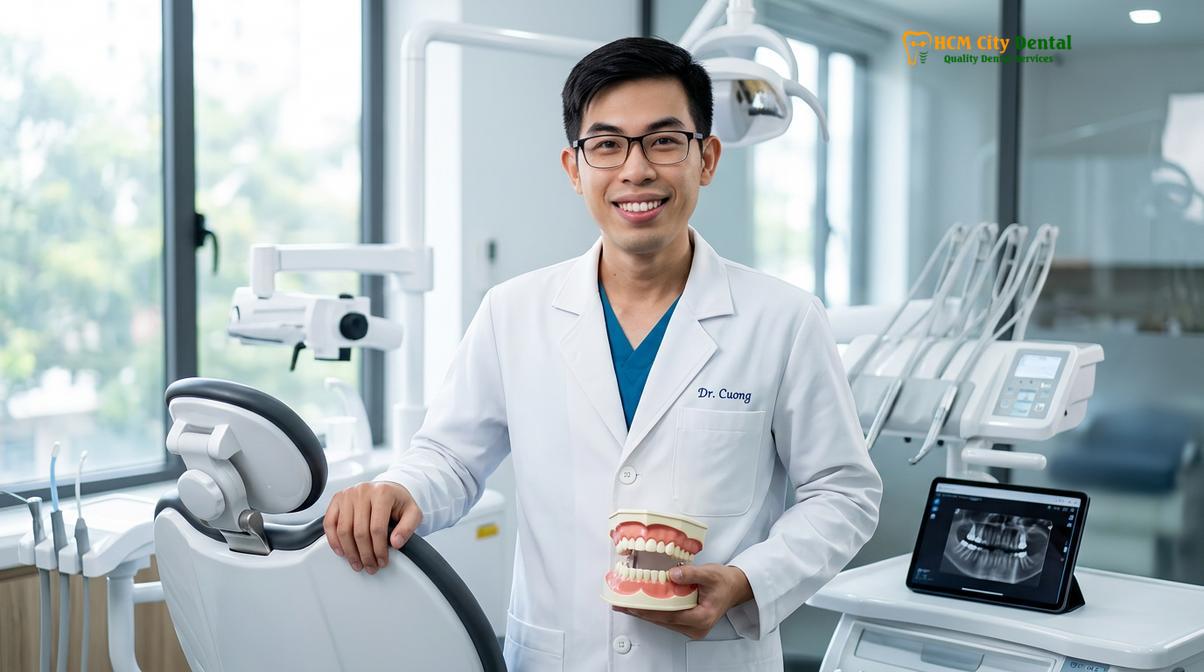
Dr. Nguyen Van Cuong, a leading orthodontic specialist, emphasizes that patient compliance during the separation phase is critical for overall treatment success. Dr. Cuong notes that while initial discomfort is expected, adhering to proper dietary and hygiene guidelines ensures the teeth move safely without damaging the periodontal ligament. His clinical approach prioritizes patient education to minimize anxiety and prevent premature spacer loss.
Pharmacological management of orthodontic pain often involves choosing between NSAIDs and Acetaminophen, depending on the desired balance between pain relief and allowing necessary inflammatory bone remodeling [5]. Over-the-counter analgesics are generally the first line of defense. Non-steroidal anti-inflammatory drugs (NSAIDs), such as Ibuprofen, are highly effective at blocking the cyclooxygenase (COX) pathway, thereby reducing prostaglandin synthesis and alleviating pain. However, because prostaglandins are essential for osteoclastic activity and tooth movement, prolonged use of high-dose NSAIDs can theoretically slow down the orthodontic process. Therefore, Acetaminophen (Paracetamol), which acts centrally and has minimal effect on peripheral inflammation and bone remodeling, is often recommended as the preferred analgesic for orthodontic pain.
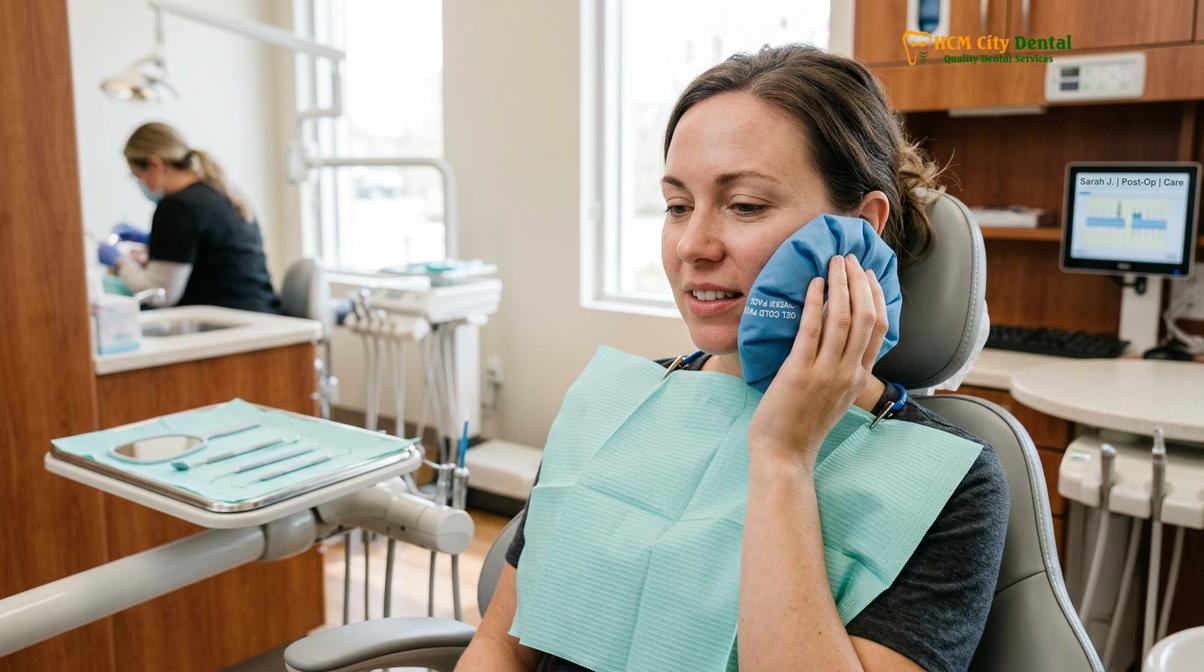
Non-pharmacological strategies are equally important for spacers soreness relief. Cold therapy is highly effective; consuming cold water, ice cream, or holding an ice pack against the cheek can cause local vasoconstriction, reducing inflammation and temporarily numbing the nociceptors. Additionally, gently chewing on a soft, cool teething ring or a specialized orthodontic bite wafer can sometimes provide temporary relief by overriding the pain signals with non-painful pressure sensations.
Diet and Hygiene Rules: Avoiding Sticky Foods and Heavy Flossing
Maintaining spacers requires strict adherence to a soft diet and modified oral hygiene, specifically avoiding sticky foods and refraining from flossing the exact contacts where spacers reside.
The physical presence of spacers between the teeth necessitates immediate, albeit temporary, lifestyle modifications. The primary goal during this one-to-two-week period is to ensure that the separators remain in their precise clinical position until the orthodontist is ready to place the bands. The most significant threat to the retention of these devices is the patient’s diet. Masticatory forces, combined with the adhesive properties of certain foods, can easily overcome the elastic retention of the spacer, pulling it out of the interproximal contact.
Patients must strictly avoid any foods that are sticky, chewy, or highly viscous. Caramels, taffy, chewing gum, gummy candies, and sticky nougats are strictly contraindicated. When a patient bites into these substances, the food adheres to the exposed portion of the elastomeric ring. As the jaw opens, the sticky food acts as an extraction force, easily dislodging the spacer. Furthermore, hard and crunchy foods, such as nuts, hard taco shells, ice cubes, and popcorn kernels, should be avoided. These items require heavy masticatory force, which can exacerbate the soreness in the already sensitized periodontal ligament and potentially push the spacer deeper into the gingival tissue.
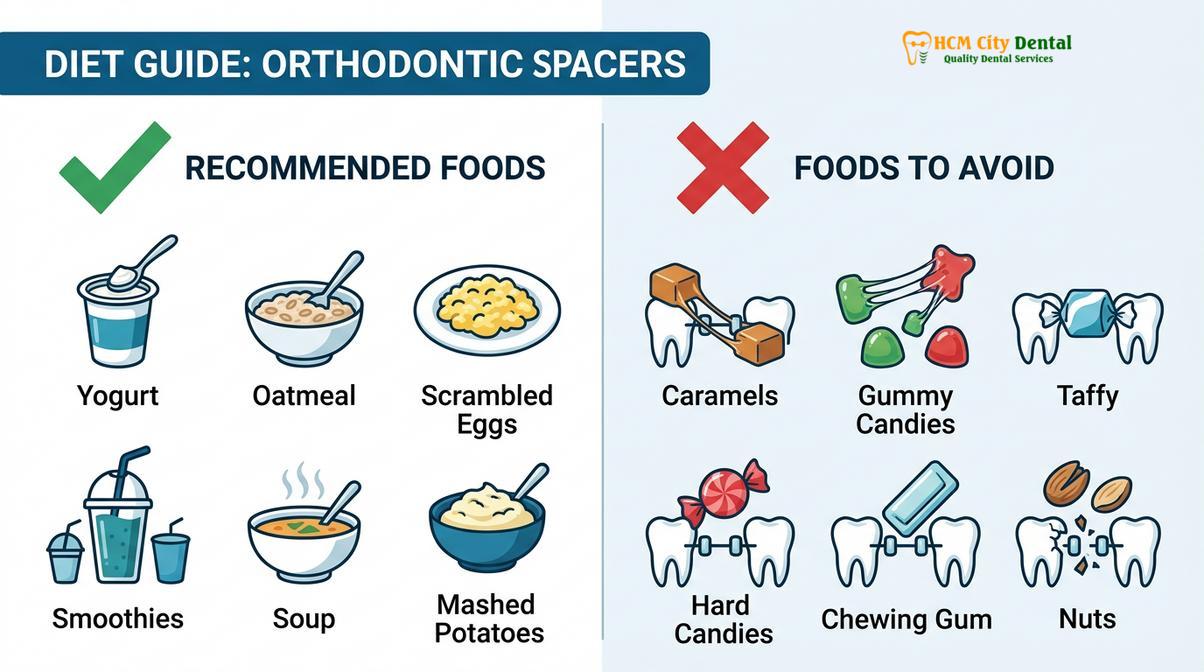
| Food Category | Recommended (Safe for Spacers) | Contraindicated (Avoid Completely) |
|---|---|---|
| Proteins | Scrambled eggs, tofu, flaky fish, slow-cooked shredded meats | Tough steaks, beef jerky, bone-in meats, crunchy fried chicken |
| Carbohydrates | Mashed potatoes, well-cooked pasta, oatmeal, soft bread (no crust) | Hard crusty bread, bagels, pizza crust, hard taco shells |
| Fruits & Veggies | Applesauce, mashed bananas, steamed soft vegetables, smoothies | Raw carrots, whole apples, corn on the cob, celery sticks |
| Snacks & Sweets | Yogurt, pudding, ice cream, soft cheese, protein shakes | Chewing gum, caramels, gummy bears, hard candies, popcorn |
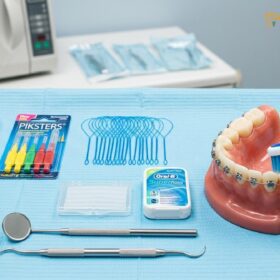
Oral hygiene must also be meticulously adapted. Plaque accumulation around the spacers can lead to rapid gingival inflammation (gingivitis) and localized enamel demineralization. Patients are instructed to brush their teeth normally, using a soft-bristled toothbrush and a fluoride toothpaste. Gentle, circular brushing motions should be used around the molars to ensure the gum line remains clean without aggressively scrubbing the spacers. However, the most critical hygiene rule is the cessation of flossing at the specific contact points where the spacers are located. Passing dental floss through a separated contact will almost certainly hook the spacer and pull it out.
Emergency Actions: What to Do if a Spacer Falls Out Early
If a spacer dislodges prematurely, it is crucial to assess the timeline and contact your clinic, as the required space for banding may not have been fully established.
Despite strict adherence to dietary and hygiene protocols, an orthodontic spacer may occasionally fall out before the scheduled banding appointment. When this occurs, the appropriate course of action depends entirely on when the dislodgement happens. If the spacer falls out within the first 48 to 72 hours after placement, it is highly probable that the necessary 0.15 to 0.20 millimeters of interproximal space has not yet been created. In this scenario, the adjacent teeth will quickly drift back into their original, tight positions due to the elastic memory of the transseptal fibers in the gingiva.
Clinical Warning: Do not attempt to reinsert a lost orthodontic spacer yourself using household tools or standard dental floss. Improper insertion can force the spacer deep into the subgingival space, leading to severe periodontal inflammation, localized infection, and potential damage to the attachment apparatus.
If the spacer is lost early, you must contact your orthodontic clinic immediately to schedule a brief replacement visit. Delaying this replacement can result in the inability to seat the molar bands during your next appointment, thereby prolonging your overall treatment timeline. Much like the urgency required for a broken fixed retainer repair in Vietnam, addressing a lost spacer promptly prevents unwanted dental shifting. Conversely, if the spacer falls out just one or two days prior to your banding appointment, it often indicates that the required space has been successfully achieved, causing the spacer to become loose and fall out naturally. Even in this case, it is advisable to call the clinic to confirm whether an early replacement is needed or if you should simply wait for your scheduled visit.
When to Contact Your Orthodontist: Important Clinical Notes
While minor discomfort and shifting are expected, premature loss of a spacer, severe unmanageable pain, or signs of subgingival embedding require immediate professional evaluation.
Understanding when to seek professional help is a vital part of the separation phase. In alignment with general guidelines supported by the Vietnam Association of Orthodontists (VAO) and the Ministry of Health regarding safe orthodontic practices, patients should monitor their spacers daily. Regular self-assessment ensures that any complications are addressed promptly before they escalate into more significant clinical issues.
“Patient compliance during the spacer phase sets the tone for the entire orthodontic journey. Monitoring the separators and adhering to dietary restrictions are simple yet profound ways patients contribute to their own clinical success.”
You should contact your dental provider if you experience pain that is not alleviated by standard over-the-counter analgesics, as this could indicate an abnormal inflammatory response or a spacer that has slipped beneath the gum line. Additionally, just as you would seek immediate care for a lost retainer replacement in Saigon, a missing spacer requires a quick phone call to your clinic to determine the next steps. For comprehensive care and guidance throughout your braces journey, exploring Orthodontics tại HCMC Dental Clinic can provide you with the resources needed for a successful outcome.
References
- American Journal of Orthodontics and Dentofacial Orthopedics. Biomechanical responses of the periodontal ligament to orthodontic separation. (2021).
- Journal of Clinical Orthodontics. Efficacy and patient discomfort associated with elastomeric versus metal spring separators. (2020).
- European Journal of Orthodontics. Inflammatory mediators in gingival crevicular fluid during initial orthodontic tooth movement. (2019).
- Angle Orthodontist. Iatrogenic effects of orthodontic banding and optimal interproximal space requirements. (2022).
- International Journal of Dentistry. Pharmacological management of orthodontic pain: NSAIDs versus Acetaminophen. (2018).
If you are experiencing severe orthodontic spacers separators pain, have lost a separator prematurely, or wish to learn more about the retainer cost in Vietnam vs Korea for your post-treatment planning, contact HCMC Dental Clinic in Ho Chi Minh City today to schedule a professional consultation.
For pricing, booking, and a free clinical assessment, visit our Dental Braces & Orthodontics service page at HCMC Dental Clinic in Ho Chi Minh City.