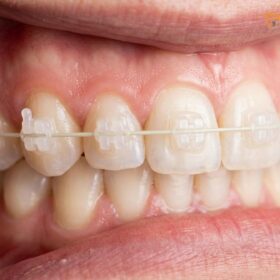
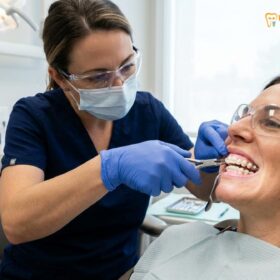
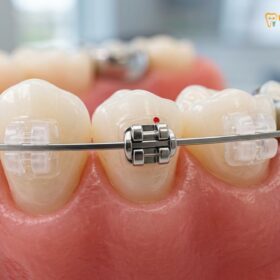
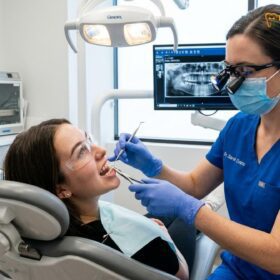
Experiencing discomfort during the first week of braces is a normal physiological response to orthodontic forces. Braces pain relief first week involves a combination of over-the-counter analgesics, soft diets, orthodontic wax, and warm saltwater rinses to manage periodontal inflammation and mucosal irritation effectively.
Clinical Summary:
The initiation of orthodontic treatment introduces continuous mechanical forces to the dentition, triggering an acute inflammatory cascade within the periodontal ligament (PDL). This biological process is essential for bone remodeling and tooth movement but inevitably results in transient soreness, typically peaking between 24 and 48 hours post-insertion. Effective management of this initial discomfort requires a multifaceted clinical approach. Pharmacological interventions, primarily utilizing acetaminophen to avoid inhibiting osteoclastic activity, serve as the first line of defense against deep tissue aching. Concurrently, modifying masticatory habits by adopting a non-chewy, nutrient-dense diet prevents exacerbation of PDL sensitivity. To address soft tissue micro-abrasions caused by brackets and archwires, the strategic application of orthodontic wax and the use of hypertonic saline rinses are highly recommended. By understanding the underlying biomechanics and adhering to evidence-based palliative protocols, patients can navigate the initial adaptation phase with minimal disruption to their daily lives and overall oral health.
Key Takeaways:
- Initial orthodontic discomfort is a biological indicator of active bone remodeling and periodontal ligament adaptation.
- Acetaminophen is generally preferred over NSAIDs to manage soreness without impeding the cellular mechanisms of tooth movement.
- Transitioning to a soft, low-mastication diet prevents additional mechanical stress on highly sensitized teeth.
- Orthodontic wax creates a crucial physical barrier, protecting the delicate oral mucosa from bracket friction.
- Hypertonic saline rinses accelerate the healing of oral micro-abrasions by reducing localized tissue edema.
What Causes Soreness and Discomfort in the First 7 Days?
Soreness in the first week is caused by mechanical pressure compressing the periodontal ligament, which triggers an inflammatory response necessary for bone remodeling and tooth movement.
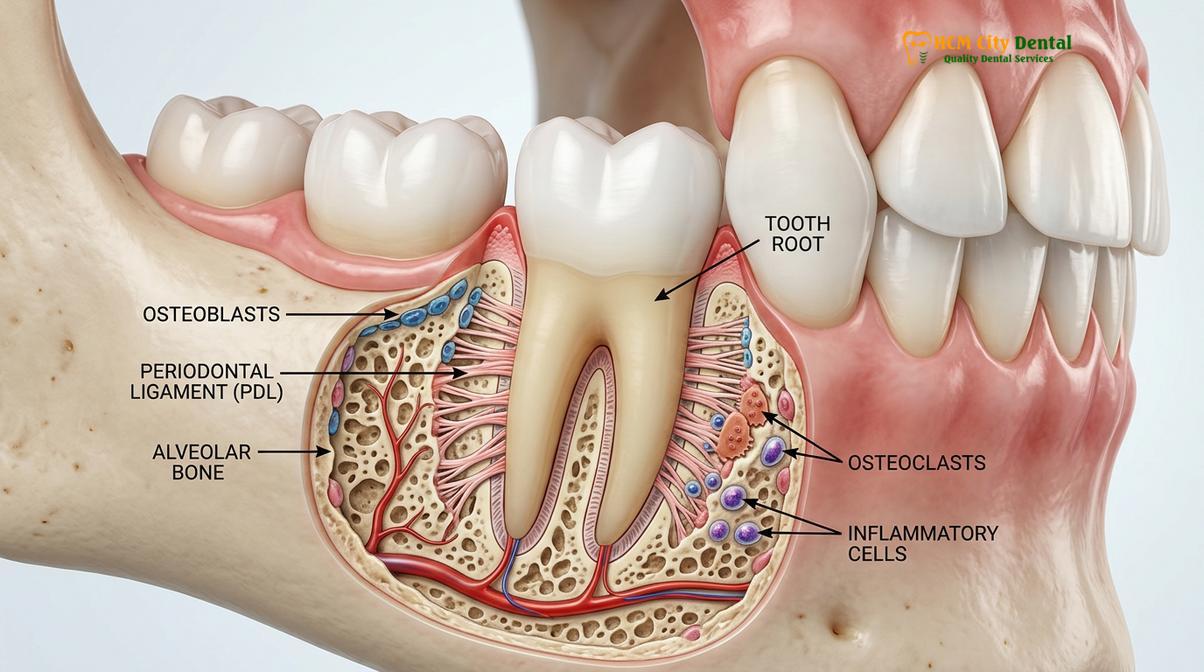
To effectively manage orthodontic pain relief, it is crucial to understand the underlying biological mechanisms that generate discomfort when braces are first applied. The human dentition is not rigidly fused to the jawbone; rather, each tooth is suspended within its bony socket by a complex network of connective tissue known as the periodontal ligament (PDL). When an orthodontist affixes brackets and engages the archwire, continuous mechanical force is introduced to the teeth. This force disrupts the resting equilibrium of the PDL, initiating a profound cellular response.
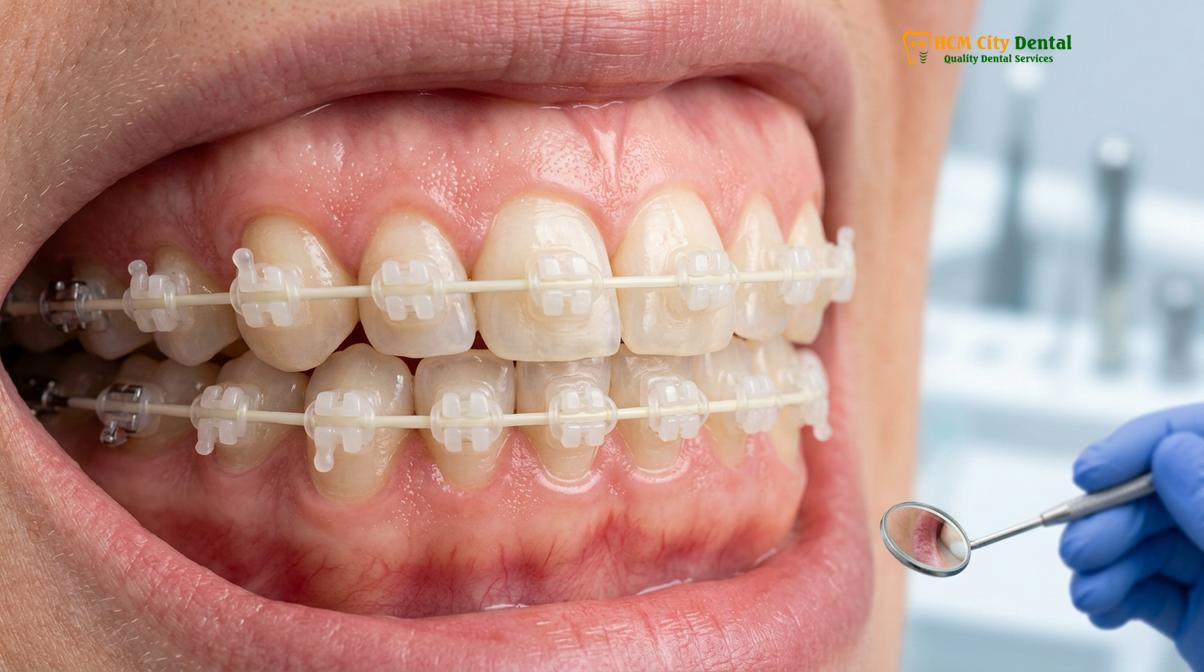
As the archwire attempts to return to its original shape, it pushes or pulls the teeth. On the side of the tooth where pressure is applied, the PDL is compressed, leading to localized ischemia—a temporary restriction in blood flow. This ischemic event triggers the release of inflammatory mediators, including prostaglandins, cytokines, and substance P. These biochemical signals serve a dual purpose: they recruit osteoclasts to clear a path for the moving tooth, and they simultaneously stimulate the sensory nerve endings within the PDL, which the brain interprets as a dull, throbbing ache[1].
Conversely, on the opposite side of the tooth, the PDL is stretched, creating tension. This tension stimulates osteoblasts to deposit new osseous tissue, stabilizing the tooth in its new position. The entire process of bone resorption and deposition is inherently inflammatory[2]. Therefore, the braces adjustment soreness experienced by patients is not a sign of damage, but rather a clinical confirmation that the biological machinery required for orthodontic correction has been successfully activated.
Clinical Pain Relief: Safe Medications and Dosage Guidelines
Over-the-counter analgesics, particularly acetaminophen, are recommended to manage initial orthodontic pain without interfering with the inflammatory process required for tooth movement.
Pharmacological intervention is often the most immediate and effective strategy for managing the acute throbbing associated with newly placed braces. However, the selection of the appropriate analgesic requires careful clinical consideration, as certain medications can inadvertently interfere with the orthodontic process. The two most common classes of over-the-counter pain relievers are non-steroidal anti-inflammatory drugs (NSAIDs), such as ibuprofen, and central-acting analgesics, such as acetaminophen.
From an orthodontic perspective, the inflammatory cascade is not an enemy to be entirely suppressed; it is the very mechanism that allows teeth to move. NSAIDs function by inhibiting the cyclooxygenase (COX) enzymes, thereby reducing the production of prostaglandins. While this effectively diminishes pain and swelling, prostaglandins are also the primary biochemical messengers that stimulate osteoclastic activity. Prolonged or high-dose use of NSAIDs can theoretically slow down the rate of bone resorption, potentially extending the overall duration of the orthodontic treatment[3].
For this reason, many orthodontic professionals recommend acetaminophen as the first-line pharmacological agent for braces pain relief first week. Acetaminophen elevates the pain threshold centrally within the nervous system without significantly inhibiting peripheral prostaglandin synthesis in the periodontal tissues. This allows the patient to achieve systemic comfort while the localized inflammatory remodeling process proceeds unhindered. When utilizing acetaminophen, patients must adhere strictly to the recommended dosage guidelines to prevent hepatotoxicity.
Dietary Changes: A Soft Foods Guide for the First Week
Transitioning to a nutrient-dense, soft food diet minimizes masticatory stress on sensitive teeth and prevents damage to newly placed orthodontic brackets.
The mechanical act of mastication exerts significant vertical and lateral forces on the dentition. Under normal circumstances, the healthy periodontal ligament absorbs and distributes these forces seamlessly. However, during the initial phase of orthodontic treatment, the PDL is already in a state of acute inflammation and heightened sensitivity. Applying additional occlusal pressure through chewing hard or fibrous foods can exacerbate the pain exponentially, transforming a manageable dull ache into sharp, shooting discomfort.
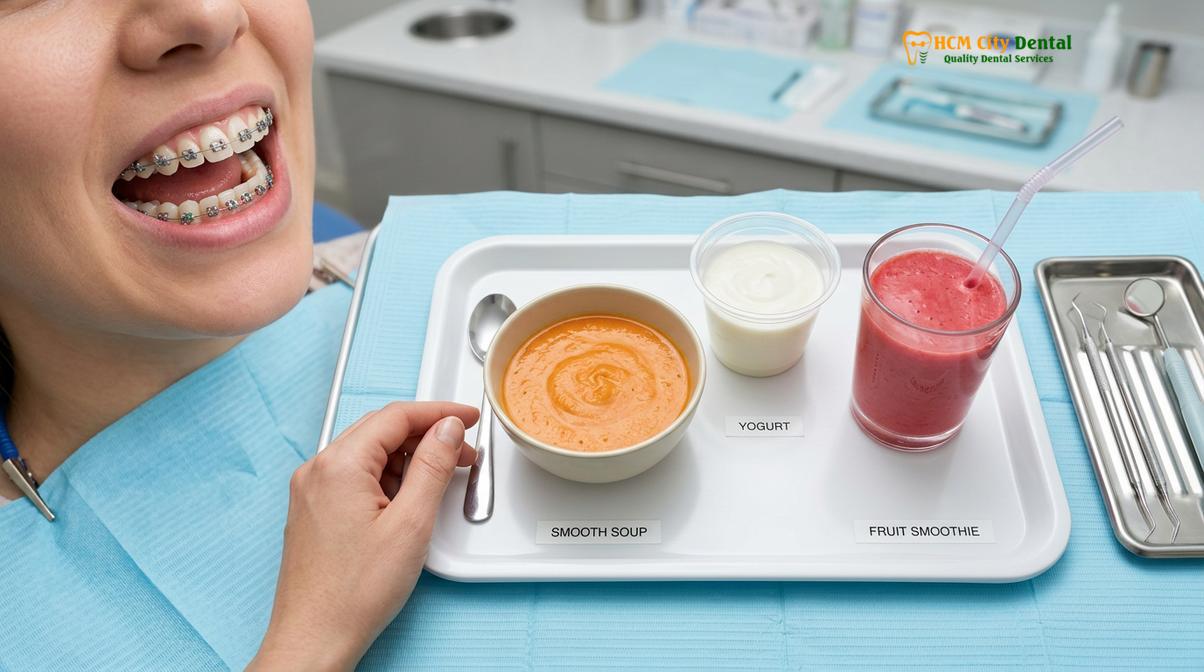
To mitigate this, patients must adopt a strict soft foods diet during the first five to seven days. The goal is to maintain adequate caloric and nutritional intake without requiring the teeth to perform heavy mechanical breakdown. Smoothies, protein shakes, and meal replacement beverages are excellent foundational choices, as they require zero mastication and can be fortified with essential vitamins and minerals[4]. Furthermore, consuming cold liquids can provide a secondary benefit: the low temperature induces localized vasoconstriction in the gingival tissues, temporarily reducing blood flow and alleviating the throbbing sensation.
| Food Category | Recommended Soft Foods (First Week) | Foods to Strictly Avoid |
|---|---|---|
| Proteins | Scrambled eggs, tofu, flaky baked fish, protein shakes | Tough steaks, beef jerky, bone-in meats, nuts |
| Carbohydrates | Mashed potatoes, well-cooked pasta, oatmeal, soft rice | Crusty bread, pizza crust, hard taco shells, popcorn |
| Fruits & Vegetables | Applesauce, mashed bananas, pureed soups, smoothies | Raw carrots, whole apples, corn on the cob |
| Dairy & Snacks | Yogurt, cottage cheese, pudding, ice cream (no nuts) | Sticky candies, chewing gum, hard caramels, ice cubes |
Beyond pain management, dietary modifications are essential for protecting the integrity of the orthodontic hardware. The composite resin used to bond brackets to the enamel is strong but not invincible. Shearing forces generated by biting into hard objects can easily dislodge a bracket. A broken bracket not only halts the progress of tooth movement for that specific tooth but also requires an emergency visit to the clinic for repair, similar to the protocols required for repairing broken fixed retainers. Therefore, adherence to a soft diet is a critical component of both comfort and treatment efficiency.
Cheek and Lip Protection: Harnessing Wax and Saltwater Rinses
Applying orthodontic wax creates a physical barrier against bracket friction, while hypertonic saltwater rinses reduce tissue edema and promote the healing of oral micro-abrasions.
While the teeth themselves are adjusting to the mechanical forces, the soft tissues of the mouth are simultaneously undergoing a period of physical adaptation. The oral mucosa is highly vascular and innervated, making it particularly susceptible to irritation from the sharp edges of metal or ceramic brackets, archwires, and ligatures. During the first week, it is common for patients to develop small, localized aphthous ulcers where the mucosa continuously rubs against the hardware.
“The oral mucosa is remarkably resilient, but it requires a brief period of protection to develop a natural keratinized callus against new orthodontic appliances. Consistent use of wax during the first 72 hours is critical for preventing deep ulcerations.”
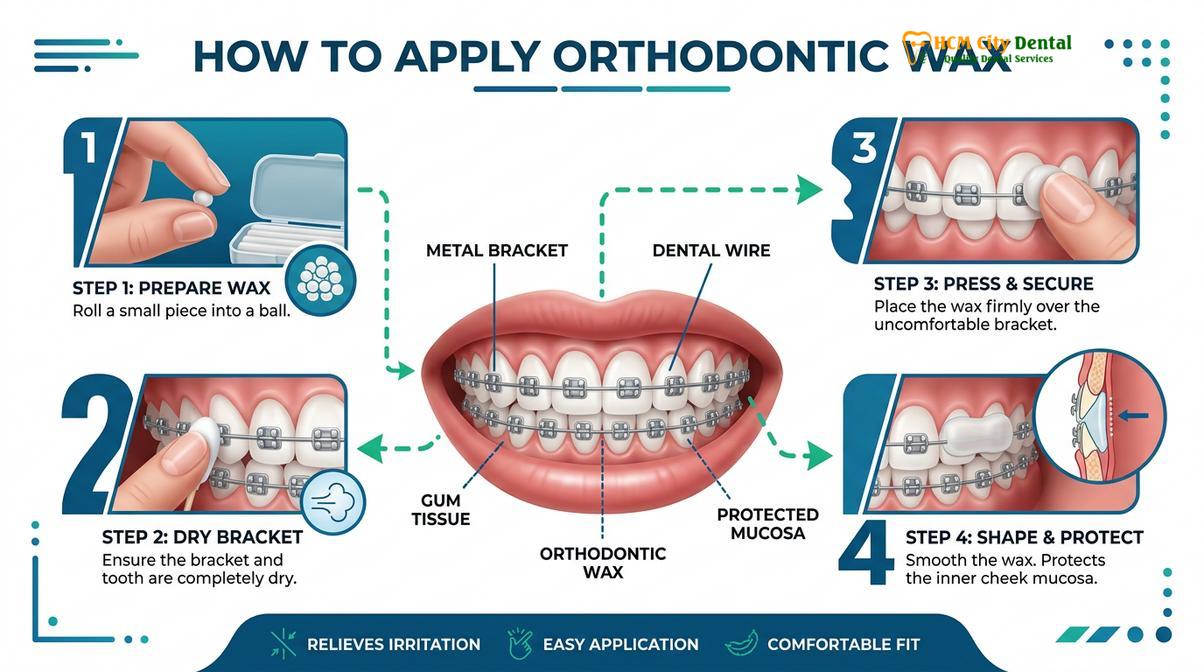
The most effective immediate intervention for this superficial irritation is the application of orthodontic wax. This medical-grade, non-toxic wax is designed to create a smooth, protective barrier over the offending bracket, allowing the traumatized mucosa time to heal. Proper application is key to its efficacy. The patient must first identify the specific bracket causing the irritation. The area should be dried thoroughly using a cotton swab or tissue, as wax will not adhere to a wet surface. A small, pea-sized amount of wax is then rolled between the fingers to soften it before being pressed firmly over the bracket and wire.
Complementing the physical barrier of wax, warm saltwater rinses serve as a powerful biological adjunct for tissue healing. A hypertonic saline solution utilizes the principle of osmosis to draw excess interstitial fluid out of inflamed, edematous tissues. This reduction in swelling directly alleviates tension on the mucosal nerve endings, providing significant pain relief[5]. Furthermore, the saline rinse temporarily increases the pH of the oral cavity, creating an alkaline environment that is hostile to opportunistic bacteria, thereby accelerating the natural wound healing cascade.
The Comfort Curve: How Long Before Your Gums and Teeth Adjust
Orthodontic discomfort typically peaks between 24 and 48 hours after placement and gradually subsides over 5 to 7 days as the periodontal tissues adapt.
Setting accurate clinical expectations is a fundamental aspect of patient care. When patients understand the anticipated timeline of discomfort, their anxiety decreases, which can positively influence their subjective perception of pain. The physiological adaptation to orthodontic forces follows a predictable trajectory, often referred to as the “comfort curve.”
Immediately following the placement of braces, patients usually feel pressure rather than outright pain. The true discomfort typically begins 4 to 6 hours post-appointment as the inflammatory mediators accumulate within the periodontal ligament. The pain generally reaches its peak intensity between 24 and 48 hours. During this window, the cellular activity is at its highest, and the PDL is maximally sensitized. Patients may find it difficult to bite their teeth together, and sleep disturbances are common if analgesics are not utilized appropriately.
Clinical Case Observation: A 24-year-old patient presented to HCMC Dental Clinic in Ho Chi Minh City for comprehensive orthodontic treatment. Following the bonding of upper and lower ceramic brackets, the patient reported a pain score of 7/10 at the 24-hour mark. By strictly adhering to a soft food diet, utilizing acetaminophen, and applying orthodontic wax to the premolar brackets, the patient’s reported discomfort dropped to a 2/10 by day four. By the end of the first week, the patient had fully adapted to the appliances and resumed normal daily activities without the need for further analgesics.
When to Seek Clinical Assistance: Red Flags During the First Week
While soreness is expected, severe radiating pain, significant facial swelling, or broken hardware requires immediate clinical evaluation by an orthodontic professional.
Although the vast majority of first-week symptoms are entirely normal and manageable at home, it is vital to recognize the clinical red flags that warrant professional intervention. According to guidelines aligned with the Vietnam Odonto-Stomatology Association (VOSA), patients should seek immediate clinical evaluation if they experience swelling that extends beyond the immediate gingival margin or if a bracket becomes completely detached[6]. Unmanageable pain that does not respond to maximum doses of over-the-counter analgesics after 48 hours may indicate an excessive application of force or an underlying endodontic issue that requires assessment.
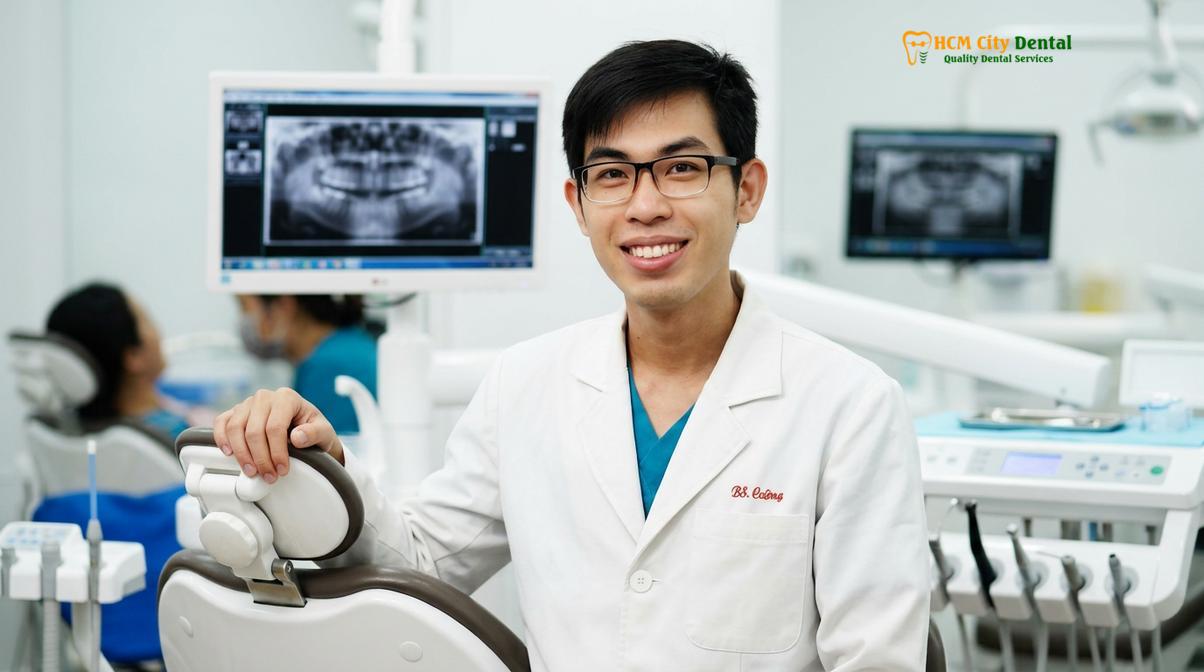
Dr. Nguyen Van Cuong, a leading specialist at HCMC Dental Clinic, emphasizes that while initial soreness is expected, severe or radiating pain is not. Dr. Cuong advises patients to closely monitor their symptoms and maintain open communication with their orthodontic team to ensure the adaptation phase proceeds smoothly, whether they are managing new brackets or seeking a lost retainer replacement in Saigon. Prompt attention to broken wires or loose bands prevents soft tissue lacerations and keeps the treatment timeline on track.
“Patient comfort is a clinical priority. We encourage our patients to reach out if their discomfort feels abnormal. It is always better to perform a quick clinical check than to allow a patient to suffer through preventable pain or hardware complications.”
If a wire slips out of the molar tube and begins poking the back of the cheek, patients should not attempt to cut the wire themselves, as this poses a significant choking hazard. Instead, a large piece of orthodontic wax should be placed over the wire end, and the patient should contact the clinic for a brief adjustment appointment.
References
- American Journal of Orthodontics and Dentofacial Orthopedics. Pain management in orthodontics: A comprehensive review of clinical trials.
- Journal of Dental Research. Biomechanics of tooth movement and the periodontal ligament inflammatory response.
- European Journal of Orthodontics. The efficacy of NSAIDs versus Paracetamol in orthodontic pain control.
- International Journal of Paediatric Dentistry. Dietary modifications and nutritional intake during initial orthodontic therapy.
- Journal of Clinical Periodontology. Mucosal adaptations and the role of hypertonic saline in oral wound healing.
- Vietnam Odonto-Stomatology Association (VOSA). National guidelines on orthodontic patient care and pain management protocols.
If you are experiencing prolonged discomfort or require professional guidance on your orthodontic journey, contact HCMC Dental Clinic in Ho Chi Minh City. Our team is dedicated to providing comprehensive care, from initial bracket placement to advanced orthodontic solutions tailored to your clinical needs.
For pricing, booking, and a free clinical assessment, visit our Dental Braces & Orthodontics service page at HCMC Dental Clinic in Ho Chi Minh City.