A loose braces bracket is a common orthodontic complication that requires prompt professional repair to prevent treatment delays and soft tissue injury. While waiting for your clinical appointment, you can safely secure the mobile bracket with orthodontic wax and transition to a soft diet to protect your archwire and enamel.
Clinical Summary:
A detached orthodontic bracket compromises the precise biomechanical forces required for continuous tooth movement, potentially leading to orthodontic relapse. Immediate stabilization using dental wax mitigates mucosal trauma and prevents archwire distortion. Professional recementation involves a meticulous clinical workflow: removing residual composite resin, preparing the enamel surface via acid etching, and bonding a new or sterilized bracket using light-cured orthodontic adhesive. Patients must avoid DIY adhesives, as cyanoacrylate compounds cause severe tissue toxicity. Timely intervention by a certified orthodontist ensures treatment continuity and preserves the structural integrity of the dental enamel.
Key Takeaways:
- A loose bracket halts tooth movement and can extend your overall orthodontic treatment timeline if ignored.
- Never attempt to reattach a bracket using household glues, as these chemicals are highly toxic to oral tissues.
- Orthodontic wax is the safest and most effective temporary solution to prevent cheek and gum lacerations.
- Save any brackets that fall off completely and bring them to your emergency dental appointment.
- Professional recementation requires specialized dental adhesives and precise enamel preparation to ensure a durable bond.
Why Do Braces Brackets Fall Off or Become Loose?
Brackets typically detach when masticatory forces from hard foods exceed the shear bond strength of the dental adhesive, or due to direct trauma to the mouth.
Orthodontic brackets are engineered to remain securely attached to the enamel surface throughout the duration of your treatment, yet they are intentionally designed to be removable at the end of the process without damaging the tooth structure. This delicate balance relies on the shear bond strength of the composite resin adhesive. When a bracket becomes loose, it indicates that the bond between the enamel, the adhesive, and the bracket base has failed. Understanding the biomechanical and environmental factors that lead to this failure is essential for preventing future occurrences and maintaining the trajectory of your orthodontic progress.
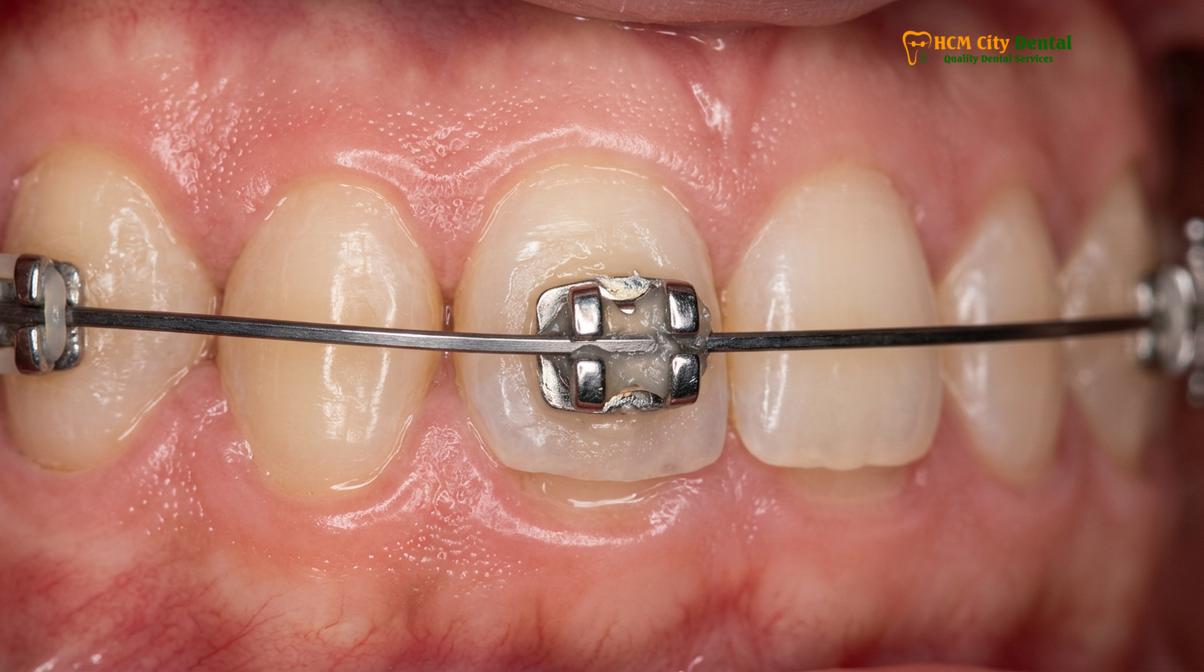
The most frequent cause of a loose bracket is mechanical stress induced by dietary choices. Consuming hard, crunchy, or sticky foods—such as ice, hard candies, nuts, or thick crusts—exerts excessive shearing and tensile forces on the bracket. The orthodontic adhesive is formulated to withstand normal chewing pressures, but sudden, high-impact forces can easily fracture the resin matrix. When a patient requires a broken braces bracket fix, it is almost always traced back to a dietary indiscretion that overwhelmed the adhesive’s structural limits[1].
Beyond diet, direct trauma to the orofacial region is a significant contributing factor. Patients involved in contact sports without the protection of an orthodontic mouthguard are at a high risk of experiencing bracket detachment. A sudden blow to the mouth transfers kinetic energy directly through the lips to the prominent brackets, causing them to shear off the enamel. Additionally, parafunctional habits such as bruxism (teeth grinding), nail-biting, or chewing on pens introduce chronic, repetitive stress to the orthodontic appliances, gradually weakening the adhesive bond over time until failure occurs.
In some cases, the failure is related to the initial bonding protocol. If the enamel surface was contaminated by saliva or gingival crevicular fluid during the acid-etching and adhesive application process, the microscopic mechanical retention is compromised. This typically results in a bracket falling off within the first few days or weeks of treatment. Furthermore, variations in enamel anatomy, such as hypocalcification or the presence of dental restorations (like crowns or large fillings), can reduce the efficacy of standard orthodontic adhesives, necessitating specialized bonding agents to achieve adequate retention.
Safety Check: How to Assess the Bracket and Wire Status
Carefully inspect the affected area using a mirror to determine if the bracket is sliding on the wire, completely detached, or causing the archwire to poke your cheek.
When you first notice a loose bracket, conducting a calm and thorough self-assessment is crucial to determine the immediate risk of soft tissue injury and the appropriate temporary intervention. Begin by washing your hands thoroughly with soap and water to prevent introducing bacteria into the oral cavity. Stand in a well-lit area and use a small mirror to visually inspect the compromised orthodontic appliance. Your primary goal is to evaluate the stability of the bracket and the position of the archwire.
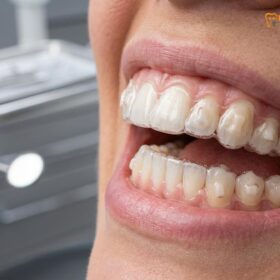
First, check if the bracket is still attached to the archwire. In most traditional braces systems, the bracket is secured to the wire via a small elastic ligature (o-ring) or a thin stainless steel tie. In self-ligating systems, a built-in door mechanism holds the wire. If the bracket has debonded from the tooth but remains tethered to the wire, it will likely slide back and forth or rotate freely. While this is not an immediate medical crisis, the mobile bracket can cause significant frictional irritation to the buccal mucosa (the inner cheek) or the lips[2].
Clinical Warning: If the bracket has completely detached from both the tooth and the archwire, carefully remove it from your mouth immediately to eliminate the risk of accidental aspiration or ingestion. Place the bracket in a clean, sealed container and bring it to your clinical appointment.
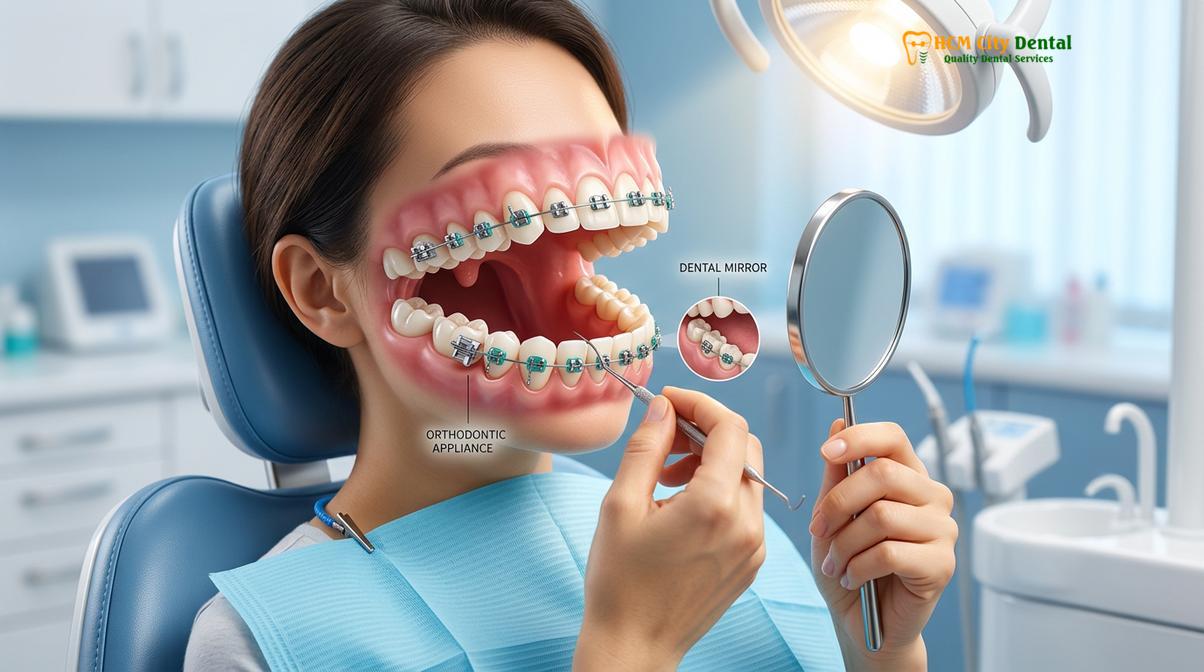
Next, assess the status of the archwire. When a bracket detaches, the segment of the archwire that was previously supported by that bracket may become flexible or displaced. If the loose bracket was located on one of the terminal molars (the very back teeth), the end of the wire might now protrude outward, creating a sharp point that can easily lacerate the sensitive tissues of the cheek or gums. This scenario requires immediate poking archwire relief to prevent painful ulcerations and potential localized infections.
Finally, evaluate the underlying tooth. Gently palpate the tooth with a clean finger to ensure it is not excessively mobile or sensitive to touch, which could indicate underlying trauma to the periodontal ligament rather than just a simple bracket failure. If the tooth feels stable and the only issue is the detached hardware, you can proceed with temporary home management while arranging for professional Emergency Dental Care.
Temporary Relief: Applying Orthodontic Wax to Stop Irritation
Orthodontic wax provides a safe, hydrophobic barrier that stabilizes the loose bracket and protects your oral mucosa from painful friction and lacerations.
Until you can reach a clinic for professional recementation, your primary objective is to manage discomfort and prevent soft tissue trauma. Orthodontic wax is an indispensable tool for any patient undergoing braces treatment. Composed of natural waxes such as paraffin, beeswax, or carnauba, this material is non-toxic, biocompatible, and specifically formulated to adhere to dental hardware in the moist environment of the oral cavity. Proper loose bracket wax application can instantly neutralize sharp edges and stabilize a mobile bracket, providing significant relief.
To apply the wax effectively, you must first prepare the area. Orthodontic wax is highly hydrophobic, meaning it repels water. If you attempt to apply it to a bracket covered in saliva, it will fail to adhere and simply slide off. Use a clean tissue, a cotton swab, or a piece of sterile gauze to gently dry the loose bracket and the adjacent tooth surface. Isolate the area by pulling your cheek or lip away from the teeth and breathing through your mouth for a few seconds to ensure the hardware is completely dry.
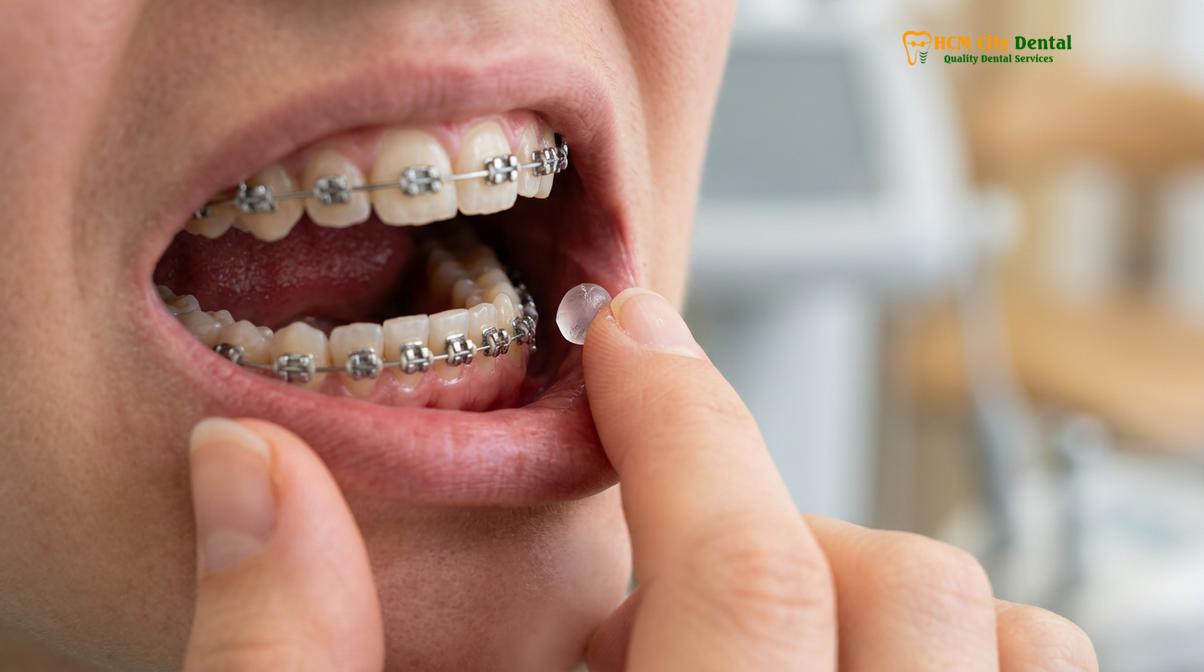
“The application of a physical barrier, such as dental wax, over compromised orthodontic appliances significantly reduces the incidence of traumatic mucosal ulcerations and improves patient comfort during the interim period before professional repair.”
Pinch off a small piece of wax, roughly the size of a green pea. Roll it between your clean thumb and index finger. The natural thermal energy from your skin will soften the wax, making it pliable and easy to mold. Once softened, press the wax directly over the loose bracket and the adjacent archwire. Use your fingers to mold the wax so that it wraps around the hardware, creating a smooth, rounded dome. This physical barrier will prevent the bracket from sliding and shield your inner cheek from the sharp contours of the metal or ceramic[3].
It is important to remember that orthodontic wax is a temporary measure. It will naturally degrade over time, especially when eating or drinking hot liquids. You should remove the wax before brushing your teeth or eating to prevent it from becoming embedded with food particles and bacteria. Reapply a fresh piece of wax as needed. If you accidentally swallow a small amount of dental wax, there is no cause for alarm; it is entirely inert and will pass safely through your digestive system.
What NOT to Do: Dangers of DIY Adhesive and Bracket Removal
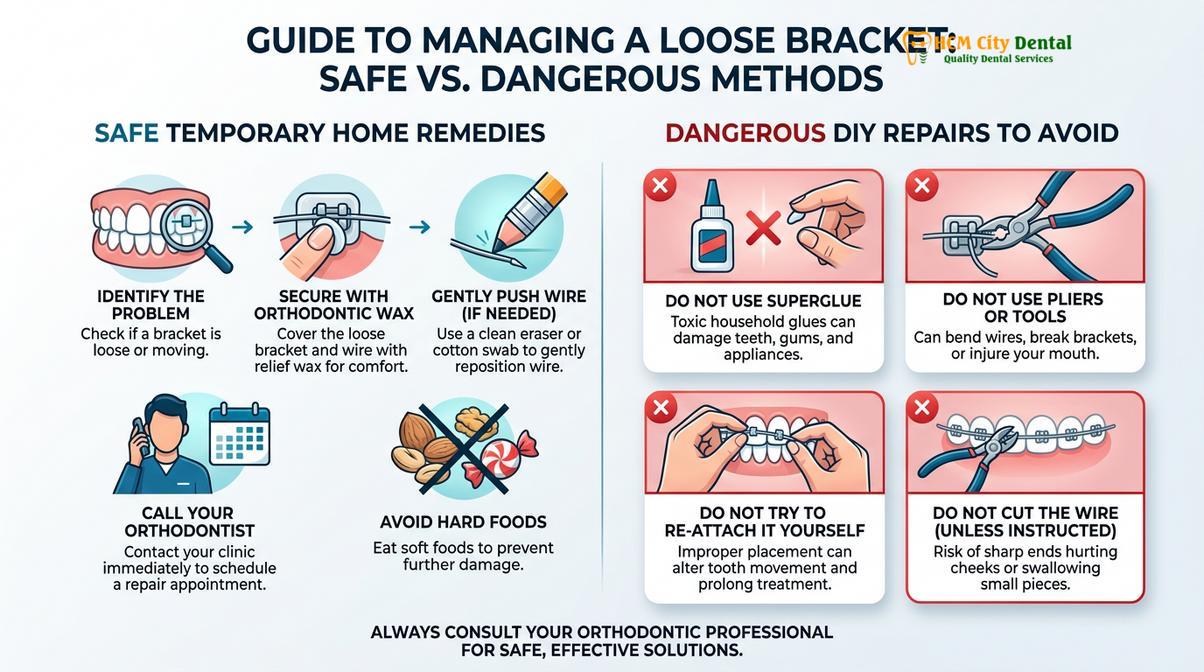
Never use household glues to reattach a bracket or attempt to cut the archwire with unsterilized tools, as this can cause severe tissue damage and enamel fracture.
In the age of internet tutorials, patients may be tempted to attempt a DIY repair to save time or avoid a trip to the clinic. However, orthodontic mechanics and dental bonding are highly precise clinical procedures. Attempting to fix a loose bracket at home using improper materials or tools poses severe risks to your oral health, potentially causing irreversible damage that far exceeds the inconvenience of a detached bracket.
The most dangerous and strictly prohibited action is the use of cyanoacrylate-based household adhesives (commonly known as superglue) to reattach the bracket to the tooth. These industrial adhesives are highly toxic to biological tissues. When applied in the moist environment of the mouth, cyanoacrylate undergoes a rapid exothermic (heat-releasing) reaction that can cause thermal burns to the gingiva and dental pulp. Furthermore, these glues are not designed for the oral cavity; they create a rigid, non-yielding bond that can cause the enamel to fracture or tear away when the orthodontist eventually attempts to remove the bracket[4].
Clinical Case Review: The Risks of DIY Orthodontics
A patient presented to HCMC Dental Clinic in Ho Chi Minh City after attempting to secure a loose bracket using a commercial superglue. Dr. Nguyen Van Cuong conducted a clinical examination and noted severe localized gingival inflammation and chemical burns on the buccal mucosa. The industrial adhesive had seeped into the interproximal spaces, locking the archwire in place and halting all orthodontic movement. Dr. Cuong had to utilize specialized rotary instruments under high magnification to meticulously remove the toxic adhesive without damaging the underlying enamel, a process that significantly delayed the patient’s treatment progress.
Another hazardous DIY practice is attempting to cut a protruding archwire using household nail clippers or wire cutters. Orthodontic archwires are fabricated from advanced metallurgical alloys, such as Nickel-Titanium (NiTi) or high-tensile Stainless Steel. Household tools are not designed to cleanly shear these materials. Attempting to cut the wire can cause it to splinter, leaving microscopic metal shards in the mouth, or cause the wire to snap back violently, potentially lacerating the eye or deep oral tissues. Furthermore, unsterilized tools introduce a high risk of bacterial infection.
If a wire is severely poking and wax is insufficient, the safest temporary measure is to use the clean eraser end of a pencil to gently push the wire flush against the tooth. If this fails, you must seek professional intervention. Never attempt to forcefully pull a bracket off the wire, as this can distort the archwire, altering the carefully calibrated forces applied to your entire dental arch and causing unwanted, unpredictable tooth movements.
Booking an Emergency Repair Appointment at HCMC Dental Clinic
Prompt professional recementation ensures your orthodontic progress remains on schedule and prevents unwanted tooth shifting or prolonged soft tissue discomfort.
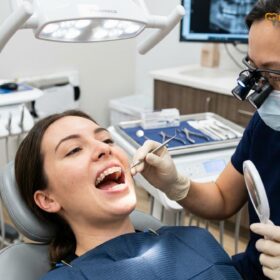
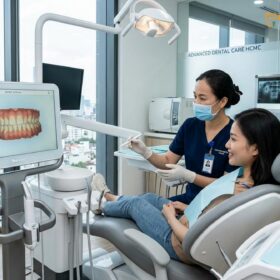
When dealing with a compromised appliance, securing a walk-in orthodontic repair HCMC is the most effective way to protect your investment in your smile. At HCMC Dental Clinic, the clinical protocol for repairing a loose bracket is precise and designed to restore the optimal biomechanical function of your braces. The procedure begins with the safe removal of the detached bracket and the isolation of the affected tooth to maintain a dry, sterile field.
The orthodontist will use a specialized tungsten carbide bur on a slow-speed handpiece to meticulously polish away the residual composite adhesive left on the enamel. This step is critical; if the old adhesive is not completely removed, the new bond will be weak and prone to immediate failure. Once the enamel is clean, the surface is prepared using a 37% phosphoric acid etching gel, which creates microscopic porosities in the enamel to facilitate mechanical retention.
A high-performance orthodontic primer and light-cured composite resin are then applied. The bracket—either a new sterile unit or the original bracket that has been professionally cleaned and micro-etched—is precisely positioned on the tooth using specialized gauges to ensure it aligns perfectly with the prescribed treatment vector. Finally, a high-intensity dental curing light is used to photopolymerize the adhesive, instantly securing the bracket in place.
| Orthodontic Issue | Immediate Home Action | Clinical Repair Required | Impact on Treatment |
|---|---|---|---|
| Loose Bracket (Attached to wire) | Apply orthodontic wax, eat soft foods | Recementation and enamel prep | Halts movement of the specific tooth |
| Detached Bracket (Completely off) | Save bracket in a container | Bonding new/cleaned bracket | Risk of tooth relapse if delayed |
| Protruding Archwire | Push gently with pencil eraser or use wax | Wire trimming or replacement | High risk of mucosal laceration |
| Lost Elastic Ligature (O-ring) | Maintain oral hygiene | Placement of new ligature | Loss of tension on the bracket |
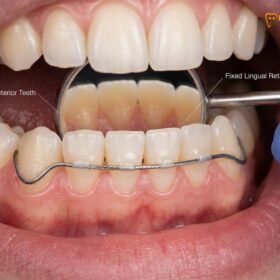
If you are experiencing an orthodontic emergency Saigon, it is imperative to contact the clinic promptly. While a loose bracket may not require a midnight emergency visit, it should be addressed within a few days. Delaying the repair allows the affected tooth to drift out of alignment, potentially adding weeks to your overall treatment time. Whether you need a simple bracket repair, are repairing broken fixed retainers, or require comprehensive orthodontic treatments, professional care ensures your smile remains on track.
When to See a Doctor for Urgent Braces Care
Seek immediate medical attention if you experience severe pain, uncontrolled bleeding, or suspect you have aspirated a broken orthodontic component into your airway.
While most loose brackets are minor inconveniences that can be managed temporarily at home, certain scenarios elevate the situation to a true medical emergency requiring urgent braces care. It is vital to distinguish between standard orthodontic discomfort and signs of severe complications that necessitate immediate intervention by a dental professional or an emergency room physician.
The most critical emergency occurs if a bracket, wire fragment, or elastic band is completely detached and accidentally inhaled (aspirated) rather than swallowed. While swallowed components will safely pass through the gastrointestinal tract, an aspirated component can lodge in the trachea or lungs, causing severe respiratory distress, persistent coughing, wheezing, or a life-threatening airway obstruction. If you suspect aspiration, proceed to the nearest hospital emergency department immediately for radiographic imaging and retrieval.
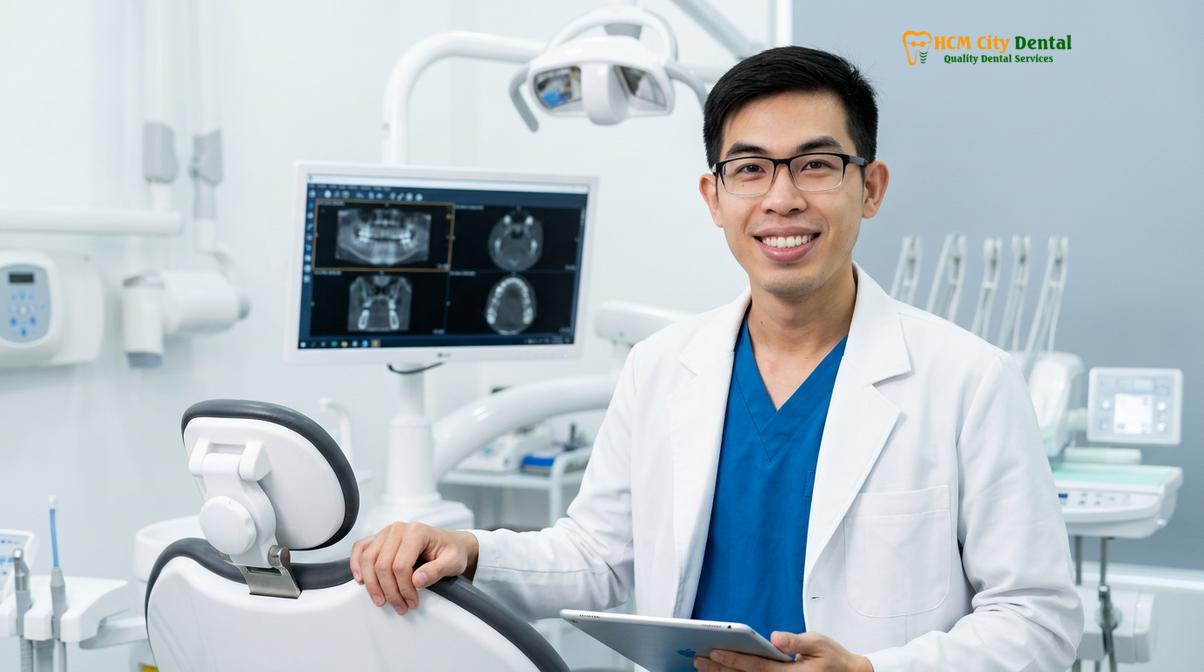
“Patients must remain vigilant regarding the structural integrity of their orthodontic appliances. If a broken wire causes a deep laceration that does not stop bleeding after applying firm pressure, or if there is sudden, severe dental trauma, immediate clinical evaluation is non-negotiable to prevent systemic infection and permanent tissue damage.”
— Dr. Nguyen Van Cuong, HCMC Dental Clinic
Additionally, seek prompt clinical care if a protruding archwire has caused a deep puncture wound or severe ulceration in the buccal mucosa that is bleeding profusely or showing signs of infection (such as swelling, localized heat, or purulent discharge). In cases involving facial trauma—such as a sports injury or a fall—where the braces are smashed into the soft tissues, a comprehensive examination is required to rule out fractured roots, alveolar bone damage, or concussed teeth[5]. For patients managing their care internationally, understanding the logistics of managing orthodontic appliances while traveling or comparative orthodontic maintenance costs can help alleviate the stress of unexpected repairs.
If you are in Ho Chi Minh City and require immediate assistance, do not hesitate to contact our team. From replacing lost retainers in Saigon to complex bracket recementation, timely professional intervention is the cornerstone of safe and effective orthodontic therapy.
Frequently Asked Questions
Is a loose bracket a dental emergency that requires immediate care?
A loose bracket is an urgent orthodontic issue but rarely a life-threatening medical emergency unless the component is aspirated. You should contact your orthodontist within a few days to schedule a repair, as leaving it detached will halt tooth movement and prolong your overall treatment timeline. In the meantime, use orthodontic wax to prevent soft tissue irritation.
How much does it cost to repair a broken bracket in HCMC?
The cost to repair a broken bracket in Ho Chi Minh City typically ranges from 300,000 to 800,000 VND per bracket, depending on the material used. If you are an active patient at the clinic where you started treatment, this repair is often covered under your comprehensive orthodontic warranty. Always confirm pricing with your specific provider.
What if I swallow a braces bracket or elastic band?
Swallowing a small bracket or elastic band is generally harmless, as it will naturally pass through your digestive tract without causing internal injury. However, if you experience coughing, difficulty breathing, or chest pain, seek immediate emergency medical attention, as the component may have been aspirated into your airway.
Can I still eat with a loose bracket?
You can still eat, but you must strictly adhere to a soft-food diet and chew on the opposite side of your mouth to avoid further dislodging the bracket. Avoid any hard, crunchy, or sticky foods that could bend the archwire or cause the loose bracket to detach completely from the wire.
Will a loose bracket delay my overall treatment time?
Yes, a loose bracket can delay your treatment if it is not repaired promptly, as the affected tooth is no longer receiving the necessary biomechanical forces to move. Prolonged detachment allows the tooth to relapse into its previous position, potentially adding weeks or months to your orthodontic plan.
References
- American Journal of Orthodontics and Dentofacial Orthopedics. Shear bond strength of orthodontic brackets and adhesive failure rates. (2021).
- Journal of Clinical Orthodontics. Management of orthodontic emergencies and soft tissue trauma. (2020).
- International Journal of Dentistry. Efficacy of orthodontic wax in preventing mucosal ulcerations. (2019).
- Journal of Oral and Maxillofacial Surgery. Tissue necrosis secondary to cyanoacrylate adhesive application in the oral cavity. (2022).
- British Dental Journal. Clinical protocols for bracket recementation and enamel preservation. (2018).