Navigating expat dental insurance in Vietnam requires understanding policy tiers, pre-authorization workflows, and precise clinical documentation. Most international plans cover routine care and medically necessary procedures, provided the clinic supplies certified English medical records and standardized ADA treatment codes for seamless reimbursement.
Clinical Summary:
Securing medical claim reimbursement for dental care in Vietnam depends heavily on the clinical accuracy of the submitted documentation. International insurance providers require standardized ADA treatment codes, comprehensive diagnostic imaging, and detailed narrative reports to adjudicate claims. Whether undergoing routine prophylaxis, complex periodontal flap surgery, or receiving removable prosthetics, expatriates must ensure their chosen clinic provides certified English medical records. Initiating a pre-authorization dental request before major procedures—such as surgical extractions or prosthodontic rehabilitation—mitigates the risk of unexpected out-of-pocket expenses. Understanding the specific requirements of major insurers like Cigna, Allianz, Luma, and FWD is critical for maximizing policy benefits and ensuring continuous oral health maintenance.
Key Takeaways:
- International dental insurance policies require standardized ADA treatment codes for accurate claim processing.
- Certified English medical records, including detailed periodontal charting and radiographs, are mandatory for reimbursement.
- Pre-authorization is highly recommended for major restorative work, extractions, and prosthodontic treatments.
- Coverage for gum restoration depends on documented clinical attachment loss and radiographic evidence of bone resorption.
- Direct billing availability varies by clinic network status and the specific terms of the expatriate’s insurance policy.
Understanding International Dental Policy Coverage for Gums Restoration
Gum restoration coverage requires clinical proof of periodontal disease, typically documented through comprehensive periodontal charting, probing depths exceeding 4mm, and radiographic evidence of alveolar bone loss.
Periodontal disease is a progressive inflammatory condition that affects the supporting structures of the teeth, including the gingiva, periodontal ligament, and alveolar bone. For expatriates seeking treatment in Vietnam, understanding how international dental insurance policies classify and cover periodontal therapy is crucial. Insurers differentiate strictly between routine prophylactic cleanings—which are generally covered under basic preventative tiers—and therapeutic gum restoration procedures, which fall under basic or major restorative categories depending on the policy’s specific definitions[1].
When a patient presents with gingivitis, the inflammation is confined to the soft tissues without underlying bone loss. This is typically managed with standard prophylaxis. However, when the condition advances to periodontitis, characterized by clinical attachment loss and the formation of deep periodontal pockets, more invasive interventions are required. Treatments such as Scaling and Root Planing (SRP) involve the meticulous removal of subgingival calculus and the smoothing of root surfaces to facilitate tissue reattachment. To secure coverage for SRP, the attending clinician must provide objective diagnostic data. Dr. Nguyen Van Cuong emphasizes that comprehensive periodontal charting is essential for claim approval; insurers routinely deny claims that lack specific probing depth measurements or fail to demonstrate bleeding on probing.
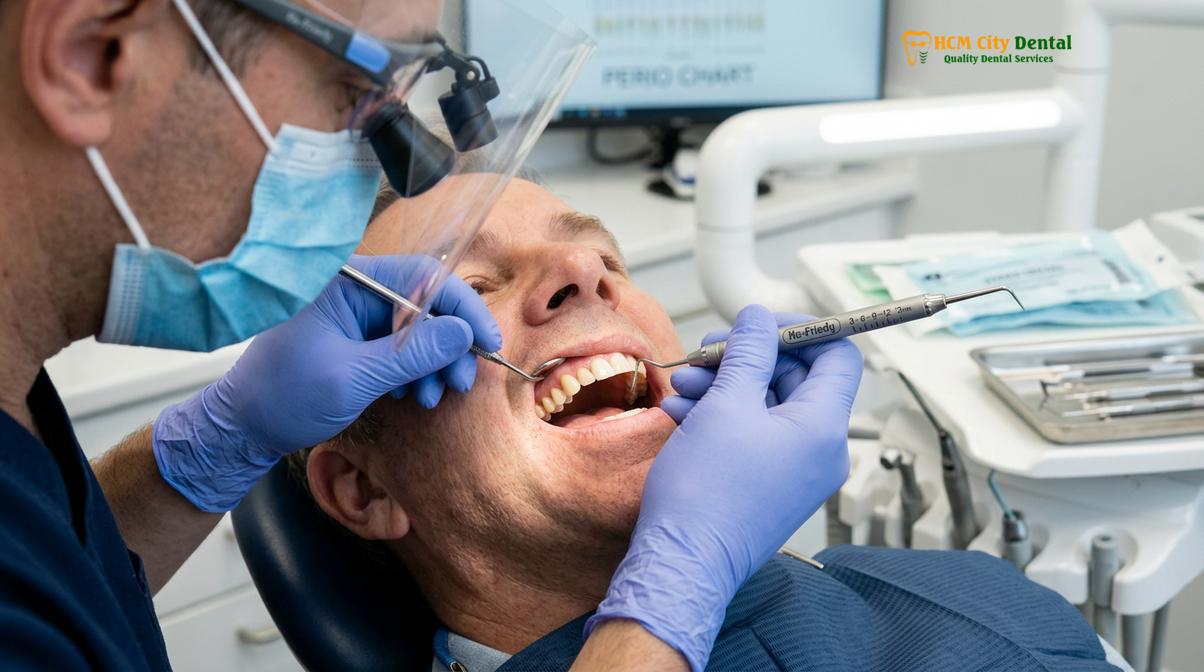
In more advanced cases of periodontitis, non-surgical therapy may be insufficient to arrest disease progression. Osseous surgery, or periodontal flap surgery, may be indicated to access deep root surfaces, remove necrotic tissue, and recontour the damaged alveolar bone. Because these are surgical interventions, international dental insurance providers subject these claims to rigorous medical review. The clinical documentation must clearly articulate the failure of previous non-surgical therapies and include high-resolution periapical or panoramic radiographs demonstrating the extent of vertical or horizontal bone defects. By integrating these advanced periodontal treatments into a broader plan for comprehensive general dentistry, patients can maintain their natural dentition while maximizing their insurance benefits.
Furthermore, many policies impose frequency limitations on periodontal treatments. For instance, SRP may only be covered once every 24 to 36 months per quadrant, and periodontal maintenance cleanings may be restricted to three or four times annually. Expatriates must review their policy documents carefully to understand these temporal limitations. A thorough clinical examination and a well-documented treatment plan are the foundational elements that bridge the gap between necessary medical care and successful insurance adjudication.
Invoicing Requirements: Obtaining Certified English medical records
Successful claim reimbursement hinges on submitting an itemized invoice, certified English medical records, and diagnostic imaging that clearly correlate the patient’s clinical diagnosis with the performed treatments.
The administrative burden of filing an international dental claim often rests on the quality and clarity of the documentation provided by the treating clinic. Dental invoice documentation must transcend a simple receipt of payment; it must serve as a comprehensive medical-legal record of the clinical encounter. Insurance adjudicators, who may be located thousands of miles away, rely entirely on this documentation to verify the medical necessity of the procedures and to ensure that the billed fees align with the policy’s usual, customary, and reasonable (UCR) fee schedules[2].
A standard, compliant dental invoice must include several critical components. First, it must detail the patient’s demographic information and the treating clinician’s credentials, including their medical license number. Second, every procedure must be itemized by the date of service, the specific tooth number (utilizing either the FDI World Dental Federation notation or the Universal Numbering System), and the exact surfaces treated (e.g., Mesial-Occlusal-Distal). Vague descriptions such as “dental filling” or “tooth repair” are universally rejected by international carriers. Instead, the invoice must state “composite resin restoration, three surfaces, tooth #46.”
“The precision of clinical documentation directly dictates the efficiency of the reimbursement process. Ambiguity in medical records is the primary catalyst for claim denials and prolonged adjudication delays in international dental insurance.”
In Vietnam, where the primary language of medical records is Vietnamese, obtaining certified English medical records is a non-negotiable requirement for expatriates. Clinics that cater to the international community, such as HCMC Dental Clinic in Ho Chi Minh City, integrate bilingual documentation into their standard operating procedures. This ensures that the clinical narrative—detailing the patient’s chief complaint, the objective clinical findings, the definitive diagnosis, and the rationale for the chosen treatment—is immediately comprehensible to foreign insurance reviewers.
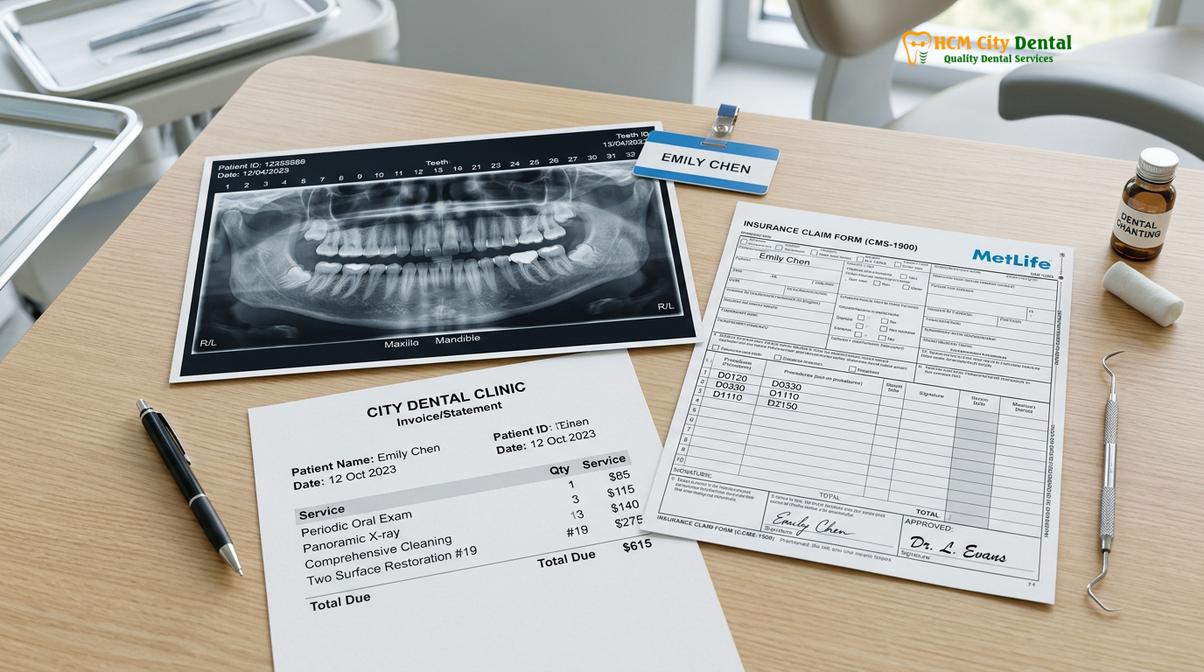
Diagnostic imaging forms the second pillar of required documentation. Pre-operative radiographs are essential to prove the existence of pathology, such as extensive carious lesions, periapical radiolucencies, or impacted teeth. Post-operative radiographs are frequently required for procedures like endodontic therapy (root canals) or implant placement to verify that the treatment was completed to an acceptable clinical standard. When submitting a medical claim reimbursement, these digital images must be clearly labeled with the patient’s name, the date of capture, and the anatomical orientation.
ADA Treatment Codes for Removable Prosthetics: Ensuring Coding Compliance
Accurate application of ADA treatment codes is vital for prosthodontic claims, as insurers use these specific alphanumeric identifiers to determine coverage levels for partial and complete dentures.
Prosthodontic rehabilitation, particularly the fabrication and delivery of removable prostheses, represents a significant clinical and financial investment. For expatriates utilizing international dental insurance, understanding how these treatments are coded is essential. The American Dental Association (ADA) Current Dental Terminology (CDT) code set is the globally recognized standard for reporting dental procedures. Insurers rely on these codes to categorize treatments into preventative, basic restorative, or major restorative tiers, which subsequently dictates the percentage of coverage and applicable deductibles[3].
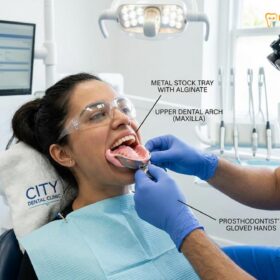
Removable prosthetics are generally classified under major restorative care. The clinical workflow for fabricating custom removable prosthetics involves multiple stages: primary impressions, final impressions with border molding, maxillo-mandibular relationship registration (bite registration), wax try-in, and final delivery. However, insurance billing does not typically itemize these individual clinical steps; instead, a single comprehensive ADA code is used to represent the entire service.
For example, the fabrication of a complete maxillary (upper) denture is coded as D5110, while a complete mandibular (lower) denture is D5120. If a patient requires a removable partial denture, the coding becomes more nuanced based on the materials used. A partial denture with a cast metal framework and resin base is coded as D5213 (maxillary) or D5214 (mandibular). Conversely, a flexible thermoplastic partial denture (such as Valplast) may be coded differently, often requiring a specific narrative to justify its use over a traditional cast framework.
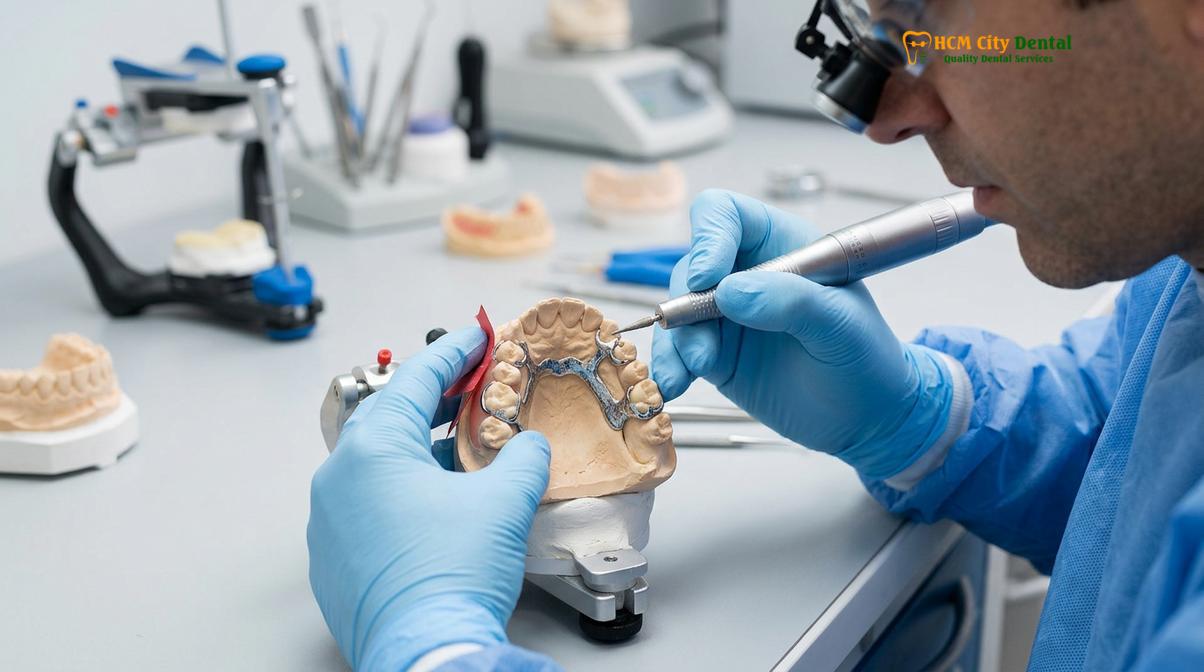
To ensure coding compliance and maximize the likelihood of claim approval, the treating prosthodontist must align the clinical diagnosis with the appropriate ADA code. If a patient is transitioning from a failing dentition to complete edentulism, the use of immediate dentures (D5130/D5140) may be indicated. These prostheses are fabricated prior to the extraction of the remaining teeth and delivered immediately post-surgery, acting as a surgical stent and providing immediate aesthetic and functional restoration. Insurers scrutinize immediate denture claims closely, often requiring detailed pre-operative charting and a clear surgical treatment plan.
| ADA Code | Clinical Description | Typical Insurance Tier | Required Documentation |
|---|---|---|---|
| D5110 / D5120 | Complete Denture (Maxillary / Mandibular) | Major Restorative | Pre-op X-rays, narrative of edentulism |
| D5213 / D5214 | Partial Denture – Cast Metal Framework | Major Restorative | Charting of missing teeth, X-rays |
| D5130 / D5140 | Immediate Denture (Maxillary / Mandibular) | Major Restorative | Extraction treatment plan, surgical narrative |
| D5750 / D5751 | Reline Complete Denture (Laboratory) | Basic / Major Restorative | Date of original prosthesis delivery |
| D5820 / D5821 | Interim Partial Denture (Maxillary / Mandibular) | Basic Restorative | Narrative justifying interim necessity |
Furthermore, the maintenance of prosthetics, such as laboratory relines (D5750/D5751) or tissue conditioning (D5850/D5851), is also governed by specific codes. Insurers typically enforce replacement clauses, stipulating that they will only cover a new prosthesis if the existing one is unserviceable and was delivered more than five to seven years prior. Accurate ADA treatment codes, combined with a robust clinical narrative, are the definitive tools for navigating these complex insurance stipulations.
Pre-Authorization Workflows: Checking Coverages Before Dental Extraction
Initiating a pre-authorization request before surgical extractions ensures that the medical necessity is verified by the insurer, preventing unexpected claim denials and clarifying out-of-pocket patient responsibilities.
Dental extractions range from simple, routine removals of erupted teeth to complex surgical extractions of impacted third molars involving bone removal and tooth sectioning. Because the clinical complexity and associated costs vary significantly, most international dental insurance policies require or strongly recommend a pre-authorization dental review prior to proceeding with non-emergency surgical extractions[4].
The pre-authorization workflow is a formal process wherein the dental clinic submits a proposed treatment plan to the insurance carrier for review before any clinical intervention occurs. This submission must include the specific ADA codes for the proposed extractions (e.g., D7140 for a routine extraction, D7210 for a surgical extraction, or D7240 for a completely bony impacted tooth). Crucially, the submission must be supported by diagnostic evidence, primarily high-quality periapical or panoramic radiographs that clearly demonstrate the pathology necessitating the extraction, such as severe caries, vertical root fractures, or advanced periodontal bone loss.
Clinical Case Study: Pre-Authorization for Surgical Extraction
A 45-year-old expatriate presented to HCMC Dental Clinic in Ho Chi Minh City with a horizontally impacted mandibular third molar causing recurrent pericoronitis and threatening the adjacent second molar. Before scheduling the surgical extraction, the clinic’s administrative team initiated a pre-authorization request with the patient’s international insurer. By submitting the CBCT scan, a detailed clinical narrative, and the specific ADA code (D7240), the insurer approved the procedure within five business days. This proactive workflow confirmed the patient’s 80% coverage under their major surgical tier, allowing the clinical team to proceed with the extraction and subsequent routine oral health maintenance without exposing the patient to unexpected financial liabilities.
According to Dr. Nguyen Van Cuong, initiating a pre-authorization request before complex extractions prevents unexpected out-of-pocket expenses and aligns the patient’s expectations with their policy’s reality. The insurance medical review board evaluates the submitted evidence against their clinical guidelines. If the extraction is deemed medically necessary, they issue a pre-determination of benefits, outlining exactly how much of the fee will be covered, the applicable deductible, and the patient’s co-payment responsibility.
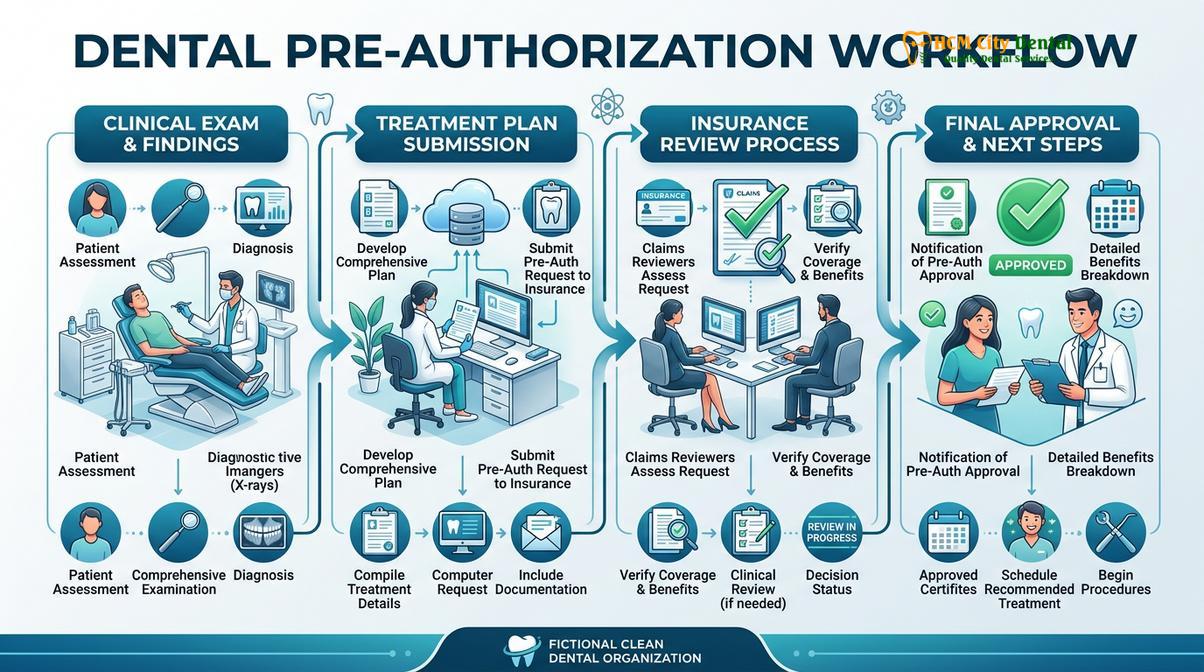
This workflow is equally critical when planning for the replacement of the extracted tooth. If the treatment plan involves replacing the tooth with a dental implant, a bridge, or full arch restorative solutions, the pre-authorization must encompass the entire sequence of care. Insurers often have “missing tooth clauses,” which may exclude coverage for the replacement of a tooth that was extracted prior to the inception of the policy. By securing pre-authorization for both the extraction and the subsequent prosthodontic phase, clinicians and patients can navigate the complex landscape of medical claim reimbursement with confidence and clinical clarity.
Working with Major Providers: Cigna, Allianz, Luma, and FWD in HCMC
Navigating policies from major providers like Cigna, Allianz, Luma, and FWD requires understanding their specific direct billing networks, documentation standards, and annual benefit maximums.
Expatriates residing in Vietnam frequently hold international health insurance policies from major global providers such as Cigna, Allianz, Luma, and FWD. While these policies offer robust coverage, the administrative mechanics of utilizing an Allianz Cigna dental expat policy can vary significantly depending on the specific tier of coverage and the clinic’s network status. Understanding how these providers operate within the local healthcare ecosystem is vital for seamless care delivery.
Direct billing is the most convenient arrangement for patients. In a direct billing network, the dental clinic has an established agreement with the insurance provider. Following the clinical treatment, the clinic submits the invoice and medical records directly to the insurer, and the patient is only responsible for paying their deductible or co-insurance at the time of service. However, direct billing agreements are often restricted to specific policy types or require pre-authorization for any treatment exceeding a certain financial threshold.
Important Clinical Consideration: Out-of-Network Claims
If you receive treatment at a clinic outside your insurer’s direct billing network, you will likely need to operate on a pay-and-claim basis. You must settle the clinical fees upfront and submit the certified English medical records and itemized invoices to your provider for reimbursement. Ensure your policy allows for out-of-network care to avoid claim rejections.
For policies that do not support direct billing at a chosen facility, the pay-and-claim model is utilized. In this scenario, the burden of providing impeccable dental invoice documentation falls heavily on the clinic. Providers like Luma and FWD have strict guidelines regarding the format of these documents. They require clear itemization of ADA treatment codes, precise dates of service, and comprehensive clinical narratives. Clinics experienced in expatriate care, such as HCMC Dental Clinic, are adept at generating these specific document packages, ensuring that the patient’s submission for medical claim reimbursement is processed without unnecessary administrative delays.
Furthermore, patients must be acutely aware of their policy’s annual maximums and waiting periods. Many international dental insurance plans impose a waiting period of six to twelve months for major restorative work, including crowns, bridges, and biofunctional prosthetic systems. Engaging with the clinic’s administrative team to verify these policy details prior to commencing extensive treatment plans is a critical step in responsible patient management.
When to Consult a Dental Professional for Insurance Claims
Immediate consultation is required for acute dental trauma or severe infections, as emergency interventions often bypass standard pre-authorization requirements under specific policy clauses.
While routine check-ups and elective restorative work can be scheduled and pre-authorized at a measured pace, dental emergencies require immediate clinical intervention. Expatriates must understand how their insurance policies handle acute situations, such as severe dental trauma, avulsed (knocked-out) teeth, acute pulpitis causing intractable pain, or spreading odontogenic infections (abscesses). In these scenarios, delaying treatment to wait for a standard pre-authorization dental review is clinically contraindicated and potentially dangerous[5].
Most comprehensive international dental policies include emergency clauses that waive the standard pre-authorization requirements for immediate palliative care. If a patient presents with acute trauma, the primary clinical objective is to stabilize the patient, manage pain, and prevent further tissue damage. Procedures such as emergency pulpotomies, the splinting of mobile teeth, or the incision and drainage of an abscess are typically covered under these emergency provisions.
“In acute dental emergencies, clinical stabilization supersedes administrative protocols. However, the subsequent documentation must rigorously justify the emergency nature of the intervention to satisfy insurance auditors.”
Following the emergency intervention, the clinic must compile a robust medical report detailing the nature of the emergency, the patient’s presenting symptoms, and the immediate treatments rendered. High-quality diagnostic imaging taken at the time of the emergency is crucial evidence. Once the patient is stabilized, any subsequent definitive treatments—such as root canal therapy or the fabrication of prosthetics—will likely revert to the standard pre-authorization workflows.
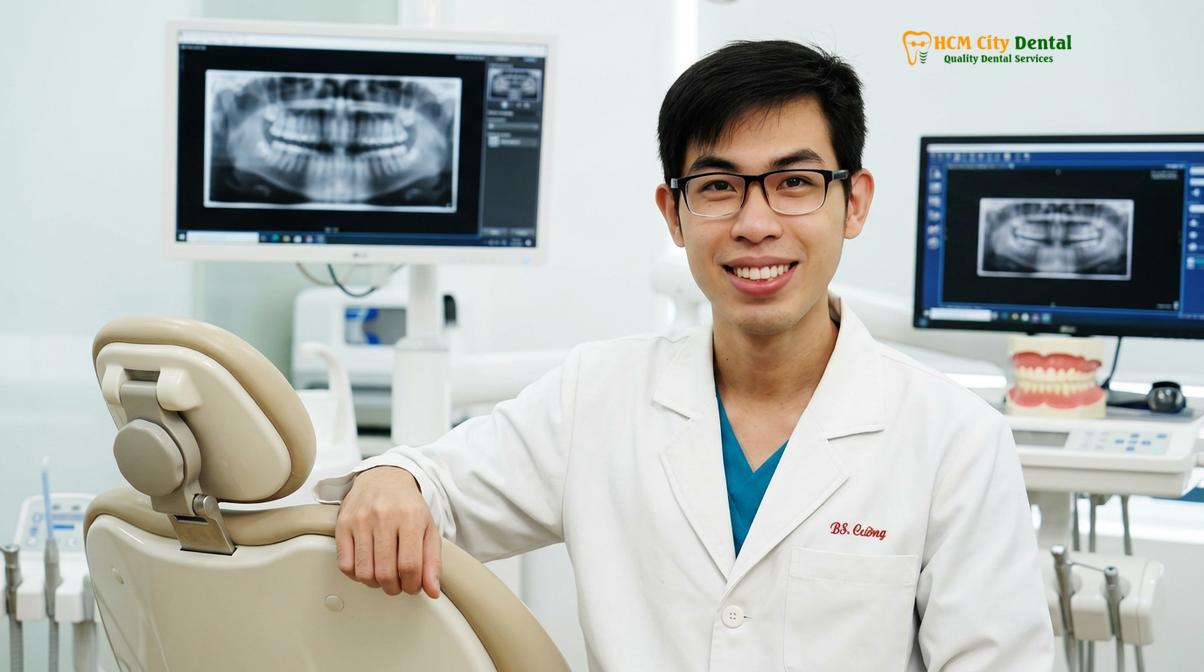
For non-emergency situations, patients should consult a dental professional at the first sign of discomfort or during their preventive dental examinations. Early detection of carious lesions or periodontal inflammation allows for conservative, less costly interventions that are more readily approved by insurance carriers. Proactive clinical management, combined with meticulous administrative documentation, ensures that expatriates in Vietnam receive optimal dental care while fully leveraging their international insurance benefits.
Frequently Asked Questions
Will my international insurance cover BPS dentures in Vietnam?
Coverage for BPS dentures depends on your specific policy’s prosthodontic tier and annual limits. Most comprehensive international plans reimburse a percentage of removable prosthetics if deemed medically necessary due to edentulism. Patients must submit a detailed treatment plan, pre-treatment radiographs, and a clinical narrative justifying the need for biofunctional prosthetic systems over standard acrylic alternatives.
What documents do I need to submit to get reimbursed?
You must submit an itemized invoice, a certified English medical report, pre- and post-operative radiographs, and a completed claim form. The dental invoice documentation must clearly list the specific ADA treatment codes, the treating dentist’s credentials, the dates of service, and the exact tooth numbers or oral quadrants treated during your clinical visits.
Does HCMC Dental offer direct billing for international insurance?
HCMC Dental Clinic provides direct billing services for select international insurance networks, depending on your provider and policy terms. For out-of-network policies, the clinic operates on a pay-and-claim basis, supplying all necessary certified English medical records, diagnostic imaging, and standardized coding required to facilitate your medical claim reimbursement process efficiently.
How long does the pre-authorization dental process take?
The pre-authorization dental process typically takes between three to fourteen business days, depending on the insurance provider’s adjudication protocols. Complex cases involving surgical extractions, implants, or extensive prosthodontic rehabilitation may require additional time if the medical review board requests supplementary diagnostic evidence, such as CBCT scans or detailed periodontal charting.
Are cosmetic procedures covered under standard expat policies?
Standard expat dental policies generally exclude purely cosmetic procedures such as elective teeth whitening or aesthetic veneers. However, if a restorative treatment like a ceramic crown or a composite filling is clinically required to repair structural damage from caries or trauma, it is typically covered under the major or basic restorative benefits of your plan.
References
- Journal of Periodontology. Clinical parameters for insurance adjudication in periodontal therapy. (2021).
- International Dental Journal. Global standardization of dental diagnostic coding and medical records. (2020).
- Journal of Prosthodontic Research. Biomechanical considerations and insurance classifications for removable prosthetics. (2019).
- American Dental Association (ADA). Current Dental Terminology (CDT) and clinical documentation guidelines. (2022).
- Journal of Oral and Maxillofacial Surgery. Evidence-based criteria for pre-authorization of surgical extractions. (2018).