Ultra thin veneers represent one of the most significant advancements in modern cosmetic dentistry, offering patients a transformative smile makeover with unprecedented preservation of their natural tooth structure. These highly advanced, minimally invasive ceramic restorations measure a mere 0.2mm to 0.5mm in thickness—often compared to the delicate profile of a contact lens. Designed to bond directly to the front surface of the teeth with little to absolutely no enamel removal, they provide a highly aesthetic, lifelike transformation while strictly adhering to the principles of biomimetic dentistry. By prioritizing the structural integrity of the natural dentition, these micro-thin shells deliver exceptional cosmetic results without the aggressive drilling associated with traditional restorative techniques.
Clinical Summary:
Ultra-thin veneers represent a paradigm shift in cosmetic dentistry, prioritizing maximum enamel preservation and biomimetic restoration. Utilizing high-strength ceramics, these micro-thin shells can correct mild misalignments, discoloration, and spacing issues. The procedure often requires zero anesthesia and maintains the structural integrity of the tooth, offering a highly conservative approach to modern smile design. By leveraging advanced digital workflows and superior adhesive protocols, clinicians can achieve profound aesthetic enhancements while ensuring long-term functional stability and periodontal health.
Key Takeaways:
- Thickness ranges from 0.2mm (contact-lens thin) to 0.5mm, requiring minimal to zero enamel preparation.
- Fabricated from high-strength ceramics like lithium disilicate for superior durability and lifelike aesthetics.
- Ideal for correcting mild diastemas, slight discoloration, and minor chipping without compromising tooth vitality.
- Digital workflows help ensure precise marginal fit, optimal gingival health, and rapid turnaround times.
- The procedure is virtually painless, often eliminating the need for local anesthesia or temporary restorations.
- Highly dependent on strict case selection; not suitable for severe crowding or heavily darkened teeth.
What are Ultra-Thin and No-Prep Veneers?
Ultra-thin and no-prep veneers are conservative dental restorations that enhance smile aesthetics without the aggressive enamel reduction typically required by traditional crowns or standard veneers.
The evolution of cosmetic dentistry has consistently moved toward more conservative, tissue-sparing techniques. Historically, achieving a significant aesthetic transformation required substantial reduction of the natural tooth structure to accommodate the thickness of traditional porcelain or metal-ceramic restorations. This aggressive approach often led to increased tooth sensitivity and a permanent alteration of the underlying dentin. Today, ultra thin veneers offer a revolutionary alternative. These micro-thin restorations are meticulously crafted to alter tooth shape, size, and color while leaving the underlying enamel largely untouched, thereby preserving the tooth’s natural biomechanical properties.
From a material science perspective, the success of these delicate restorations relies entirely on advanced ceramics. While traditional cosmetic approaches often utilize layered ceramics that require more space, ultra-thin variants frequently employ monolithic lithium disilicate or specialized feldspathic porcelain. These modern materials possess exceptional optical properties that mimic the light-reflecting, light-absorbing, and light-transmitting characteristics of natural human enamel. Because they are so incredibly thin, their optical translucency allows them to blend seamlessly with the natural dentition, creating a restoration that is virtually indistinguishable from a natural tooth[1]. They rely heavily on the color of the underlying tooth to achieve a natural appearance, making them highly effective for patients who already have a relatively light baseline tooth shade but desire structural, morphological, or minor alignment improvements.
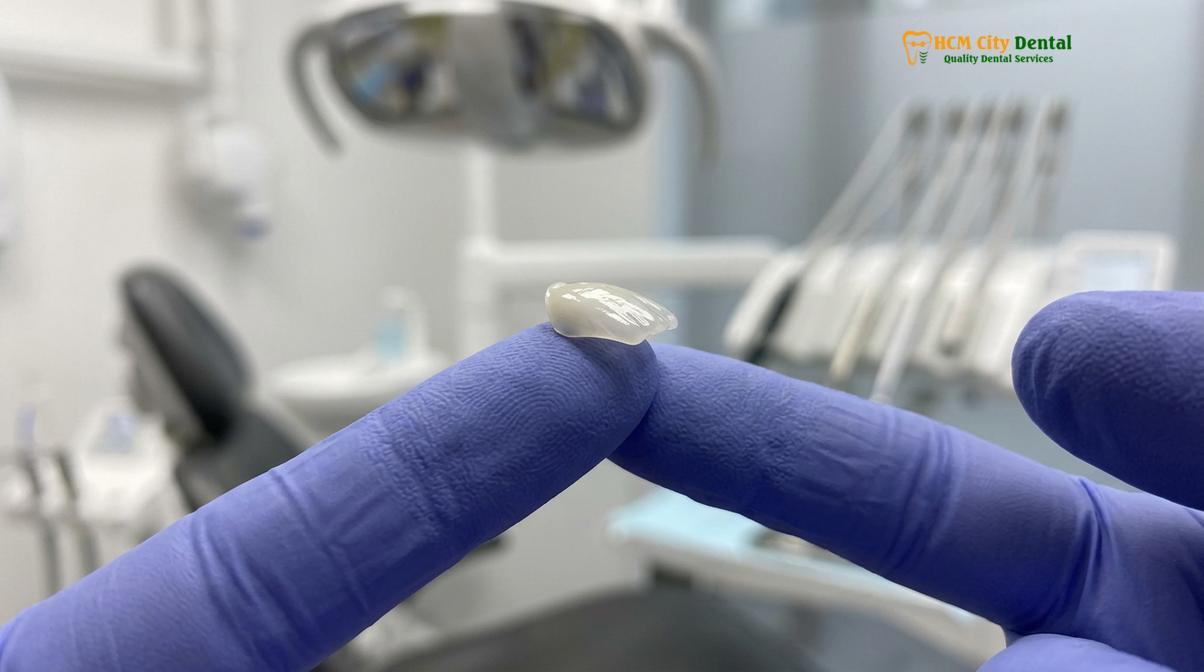
The concept of “no-prep” refers to the complete elimination of the drilling phase. In a true no-prep scenario, the dentist takes a digital impression of the teeth exactly as they are, without utilizing a dental bur to remove any healthy enamel. The master ceramist then designs an ultra thin ceramic shell that fits seamlessly over the existing contours of the tooth. This approach not only eliminates the need for local anesthesia—making it an excellent option for patients with dental anxiety—but also bypasses the need for temporary veneers. The patient experience is significantly more comfortable, streamlined, and free from the post-operative sensitivity that often accompanies traditional tooth preparation.
The Lumineers Technology: 0.2mm Contact-Lens Thin Shells
Lumineers are a specific, highly popular brand of ultra-thin veneers crafted from patented Cerinate porcelain, renowned for their exceptional 0.2mm thinness and high tensile strength.
When discussing ultra-thin restorations, Lumineers are often the most recognized brand name among patients seeking a conservative smile makeover. Developed by DenMat, Lumineers utilize a proprietary porcelain formulation known as Cerinate. This specific material allows the ceramic to be pressed to a thickness comparable to a contact lens—often as thin as 0.2mm. This extreme thinness is achieved through a specialized ceramic ingot pressing technique that aligns the crystalline structure of the porcelain, granting it remarkable durability and resistance to micro-fractures despite its incredibly delicate appearance.
“The advent of 0.2mm ultra-thin ceramics allows prosthodontists to achieve profound aesthetic transformations while strictly adhering to the biomimetic principle of maximum tissue preservation, ensuring the long-term vitality of the underlying tooth.”
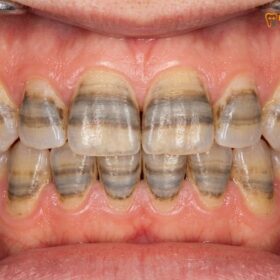
Because they are incredibly thin, Lumineers allow ambient light to pass through them and reflect off the natural dentin and enamel underneath. While this creates a beautifully natural and vital appearance, it also presents a clinical limitation: Lumineers are not always the best choice for masking severely darkened, tetracycline-stained, or heavily discolored teeth. The underlying discoloration may easily show through the thin ceramic layer, resulting in a grayish or unnatural hue. Patients often wonder How Many Veneers Do I Need? (Guide to Planning Your Smile) when considering these ultra-thin options, which largely depends on the width of their natural smile, their aesthetic goals, and the specific teeth that require morphological correction.
Candidate Selection: When is No-Prep Veneer Clinically Possible?
No-prep veneers are clinically viable for patients with microdontia, mild spacing, or slightly lingually positioned teeth where adding volume enhances the arch form.
While the idea of a completely drill-free smile makeover is highly appealing to almost every patient, strict clinical criteria must be met to ensure a successful, aesthetic, and biologically sound outcome. Case selection is arguably the most critical factor in no-prep veneer treatments. If an ultra-thin veneer is placed on a tooth that is already prominent, severely misaligned, or heavily contoured, the added thickness—even at just 0.3mm—can result in an over-contoured, bulky appearance that looks unnatural and compromises periodontal health.
According to the guidelines on conservative aesthetic dental restorations endorsed by the Vietnam Odonto-Stomatology Association (VOSA), preserving the natural tooth structure should always be the primary objective when clinically feasible, provided that the final restoration does not violate the biological width of the gingival tissues[5]. Ideal candidates for no prep veneers include individuals with microdontia (teeth that are naturally too small or peg-shaped), diastemas (gaps or spaces between the teeth), lingual inclination (teeth tilting slightly inward toward the tongue), or mildly worn dentition where restoring lost volume is functionally beneficial.
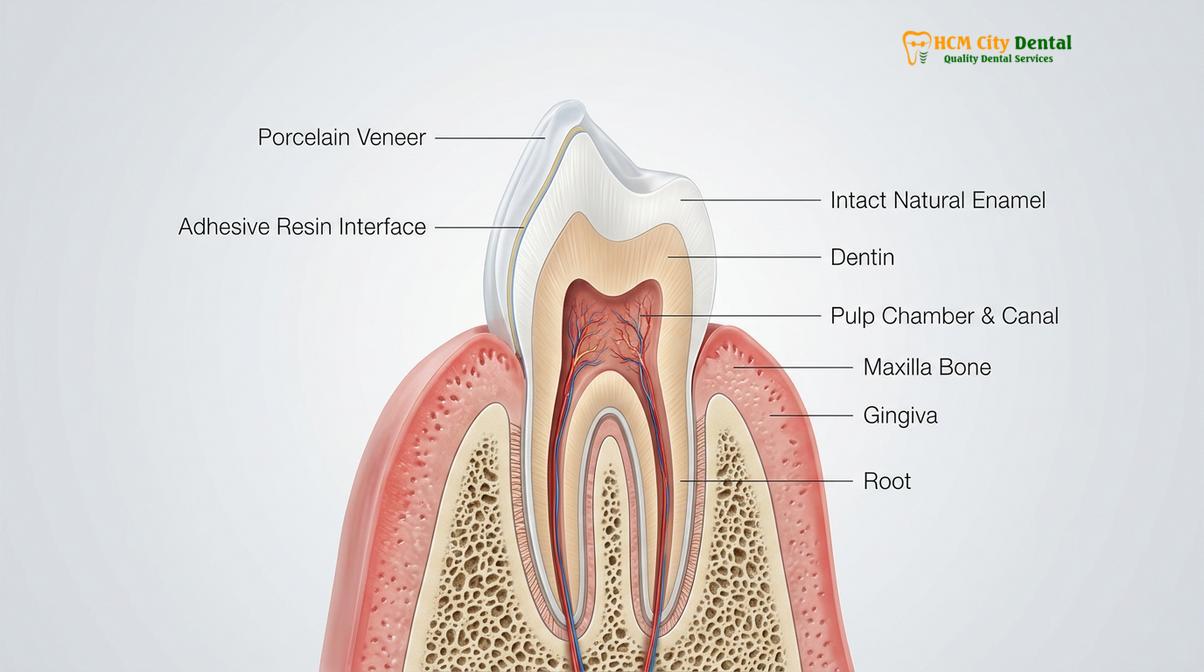
During the comprehensive diagnostic phase, the prosthodontist must carefully evaluate the biological width to ensure the restoration does not impinge on the delicate gingival tissues. Violating this space with an over-contoured restoration can lead to chronic gingival inflammation, bleeding, and eventual bone loss. Furthermore, gingival zenith calibration is performed to ensure the highest point of the gum tissue aligns symmetrically across the arch, creating a harmonious and aesthetically pleasing frame for the new ceramic restorations.
The Reversibility Advantage: Preserving Natural Enamel
Because no-prep veneers bond directly to the un-milled enamel surface, the procedure is theoretically reversible, leaving the underlying natural tooth structurally intact.
One of the most compelling arguments for choosing ultra-thin restorations is the absolute preservation of natural tooth vitality. Enamel is the hardest, most highly mineralized substance in the human body, and once it is removed by a high-speed dental bur, it cannot regenerate. By keeping the enamel entirely intact, the tooth retains its natural structural rigidity, its flexibility under occlusal load, and its protective barrier against thermal sensitivity and bacterial invasion.
This highly conservative approach gives rise to the concept of reversible veneers. If a patient decides later in life that they no longer want the veneers, or if a restoration needs to be removed due to trauma, a skilled dentist can carefully polish away the ceramic and the adhesive bonding resin, revealing the original, undamaged tooth underneath. This is a stark contrast to traditional crowns or aggressive veneers, which commit the tooth to requiring a prosthetic covering permanently. Patients frequently compare these long-term implications when researching Porcelain Veneers vs Porcelain Crowns: Which Is Right for You? | Dr. Cuong.
The secret to the incredible longevity and stability of these restorations lies in the adhesive cementation protocol. Bonding ceramic directly to natural, un-prepped enamel yields the highest bond strength achievable in modern dentistry—significantly higher and more predictable than bonding to the softer, more porous, and moisture-rich dentin layer[2]. During cementation, the enamel is micro-etched with phosphoric acid, while the intaglio (inner) surface of the veneer is treated with hydrofluoric acid and a silane coupling agent. This creates an incredibly strong micromechanical and chemical bond that essentially fuses the ceramic to the tooth.
Prep vs. No-Prep: Key Differences in Aesthetic Outcomes
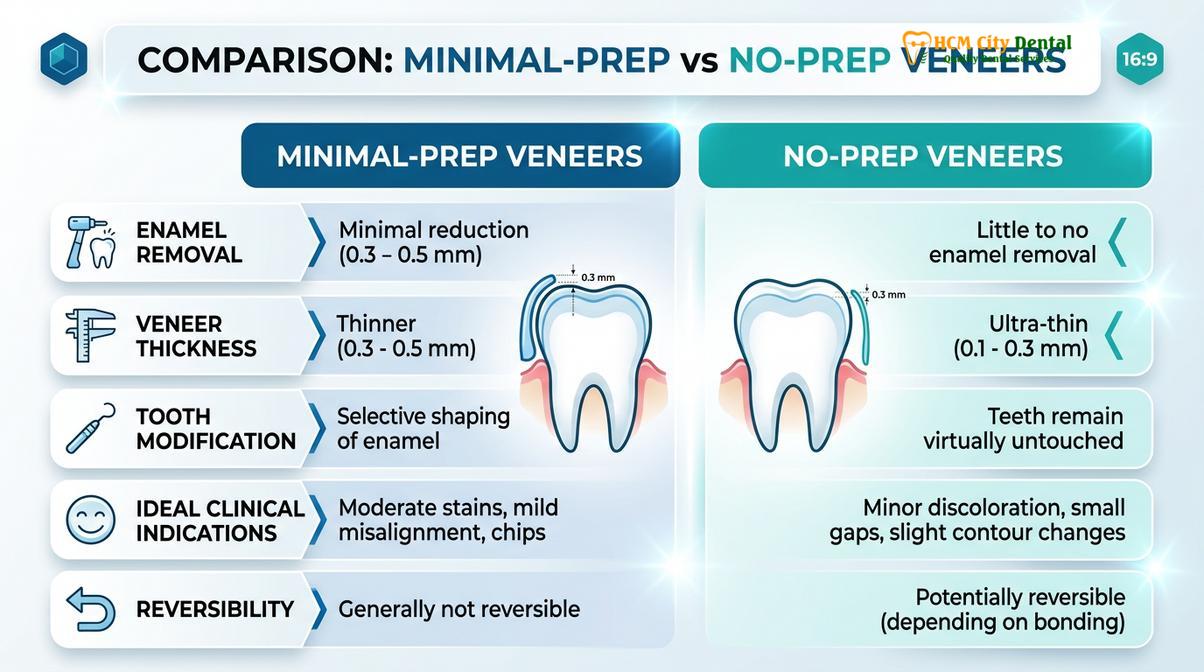
While no-prep veneers preserve enamel, minimal-prep veneers (0.3mm-0.7mm) offer superior control over final tooth contour, emergence profile, and masking of deep discoloration.
Understanding the nuanced distinction between no-prep and minimal-prep is essential for setting realistic aesthetic expectations. While no-prep is the ultimate conservative choice, it is not a universal solution for every cosmetic dilemma. In many cases, a “minimal-prep” approach is required to achieve the best possible cosmetic, functional, and periodontal result.
Minimal preparation involves removing a microscopic layer of enamel, typically between 0.3mm and 0.7mm. This slight reduction provides the master ceramist with the necessary physical room to build the ceramic without adding excess bulk to the tooth. It allows for precise control over the emergence profile—the angle at which the tooth emerges from the gums—ensuring the veneer sits perfectly flush with the gum line. This flush margin is absolutely critical for preventing plaque traps, avoiding chronic gingivitis, and maintaining long-term periodontal health.
| Clinical Feature | No-Prep Veneers (Ultra-Thin) | Minimal-Prep Veneers |
|---|---|---|
| Enamel Removal | Zero to negligible (0.0mm – 0.1mm) | Minimal reduction (0.3mm – 0.7mm) |
| Anesthesia Required | Rarely to never | Sometimes, depending on patient sensitivity |
| Ideal Indications | Microdontia, spacing, lingual inclination | Mild crowding, moderate discoloration, reshaping |
| Reversibility | Highly reversible | Irreversible (enamel is permanently altered) |
| Masking Ability | Poor (highly translucent) | Excellent (allows for opaque masking layers) |
Furthermore, minimal preparation allows the use of materials with a higher flexural strength, or the application of slightly thicker, more opaque ceramics necessary to mask underlying stains[3]. If a patient has a dark, root-canal-treated tooth or severe fluorosis, a 0.2mm translucent shell will simply not suffice; a minimal-prep approach with a masking ceramic core is clinically indicated. Patients exploring different material options and preparation requirements often review Porcelain Veneers vs Composite Veneers: Which Is Right for You? to understand the delicate balance between preparation requirements and aesthetic longevity.
Advanced Clinical Workflow and Material Selection
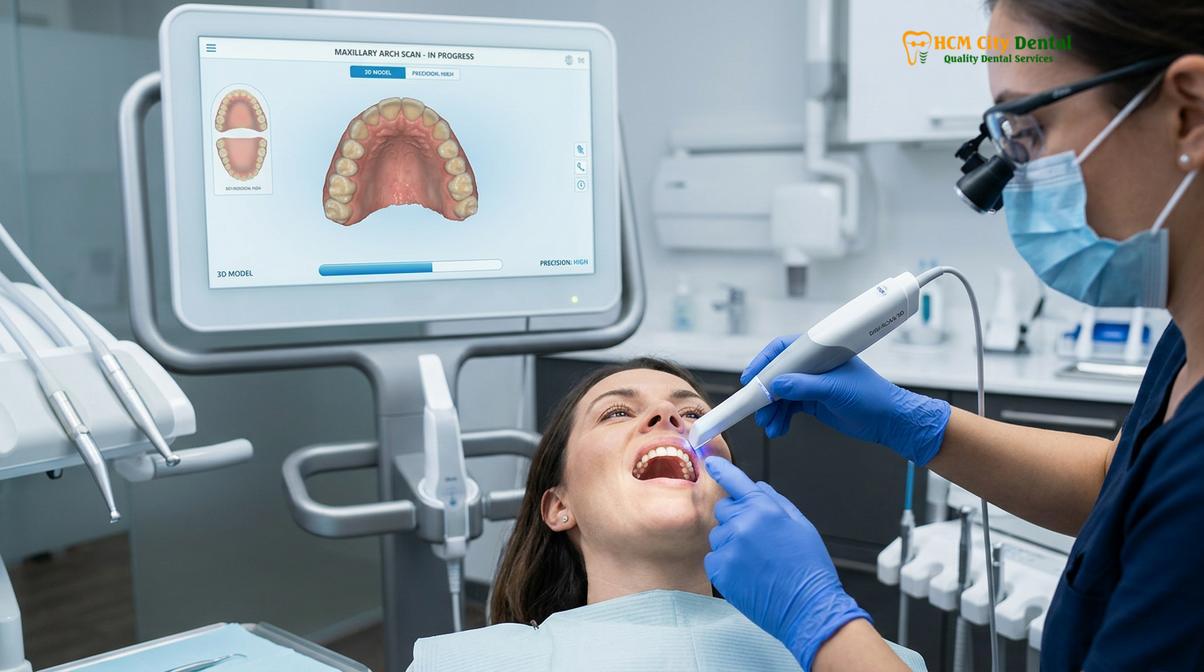
Modern veneer fabrication relies on digital intraoral scanning, 3D smile design, and precision milling to ensure flawless marginal adaptation and lifelike aesthetics.
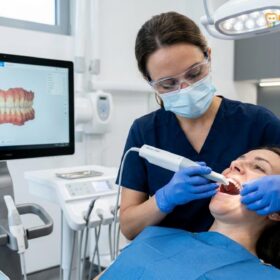
The success of an ultra-thin veneer case is heavily dependent on the technology, precision, and workflow utilized by the clinical team. At modern, high-end dental facilities, traditional, uncomfortable silicone impressions have been entirely replaced by state-of-the-art digital technology. Utilizing advanced intraoral scanners, the dentist captures a highly accurate, 3D topographical map of the patient’s dentition in a matter of minutes. This digital file is instantly transmitted to the dental laboratory, ensuring maximum precision, eliminating distortion errors, and significantly improving patient comfort.
Dr. Nguyen Van Cuong, a leading expert in cosmetic prosthodontics, emphasizes the importance of comprehensive treatment planning when considering ultra-thin restorations. At our practice, Dr. Cuong utilizes advanced 3D facial scanning to ensure that every ceramic shell harmonizes perfectly with the patient’s natural lip dynamics, facial midline, and overall aesthetic proportions. For patients seeking comprehensive insights into conservative treatments, reviewing Alternative for Veneers: 3 Secrets for a Perfect Smile | Dr. Cuong provides valuable context on biomimetic approaches and advanced smile design.
“Digital smile design combined with monolithic lithium disilicate has fundamentally shifted cosmetic dentistry from an aggressive surgical approach to a highly conservative, additive discipline, allowing us to design smiles that are as biologically sound as they are beautiful.”
In cases where the gum line is uneven or asymmetrical, a soft-tissue diode laser may be used for precise gingival sculpting prior to the final digital scanning. This soft-tissue recontouring helps establish perfect symmetry and optimal biological width parameters, ensuring the final veneers look entirely natural and emerge seamlessly from the gingival crest[4].
When to See a Doctor: Important Clinical Considerations
Consulting a qualified prosthodontist is essential to determine if your bite dynamics, enamel thickness, and aesthetic goals align with the strict indications for ultra-thin veneers.
Not every smile is suitable for a no-prep or ultra-thin approach. If you are experiencing chronic tooth sensitivity, severe enamel erosion, active periodontal disease, or if your teeth are significantly misaligned, attempting to place ultra-thin veneers without proper orthodontic preparation or enamel reduction can lead to functional failures and severe periodontal issues. It is crucial to undergo a comprehensive clinical examination, including digital radiographs, periodontal probing, and a thorough bite analysis, before committing to any cosmetic procedure.
Important Clinical Warning: Patients with active periodontal disease, severe bruxism (chronic teeth grinding), or significant structural tooth damage are generally contraindicated for ultra-thin, no-prep veneers. Placing delicate ceramics under heavy occlusal stress without proper bite management can lead to catastrophic material failure, fractures, or debonding. Always seek a comprehensive evaluation from a qualified dental professional.
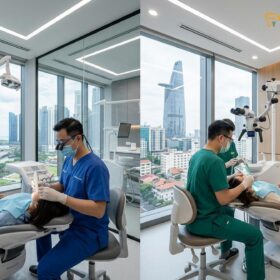
Clinical Case Review: A patient visited HCMC Dental Clinic in Ho Chi Minh City presenting with mild diastemas (spacing) and a strong desire for a brighter, fuller smile without drilling her natural teeth. After a thorough digital assessment and occlusal analysis, the clinical team determined she was an ideal candidate for no-prep E.max veneers. Utilizing a high-resolution digital scanner, ultra-thin shells were designed and fabricated. The restorations were adhesively bonded over her natural enamel, successfully closing the gaps and enhancing the shade to a natural, vibrant tone. The patient reported zero post-operative sensitivity and achieved a flawless, biomimetic result.
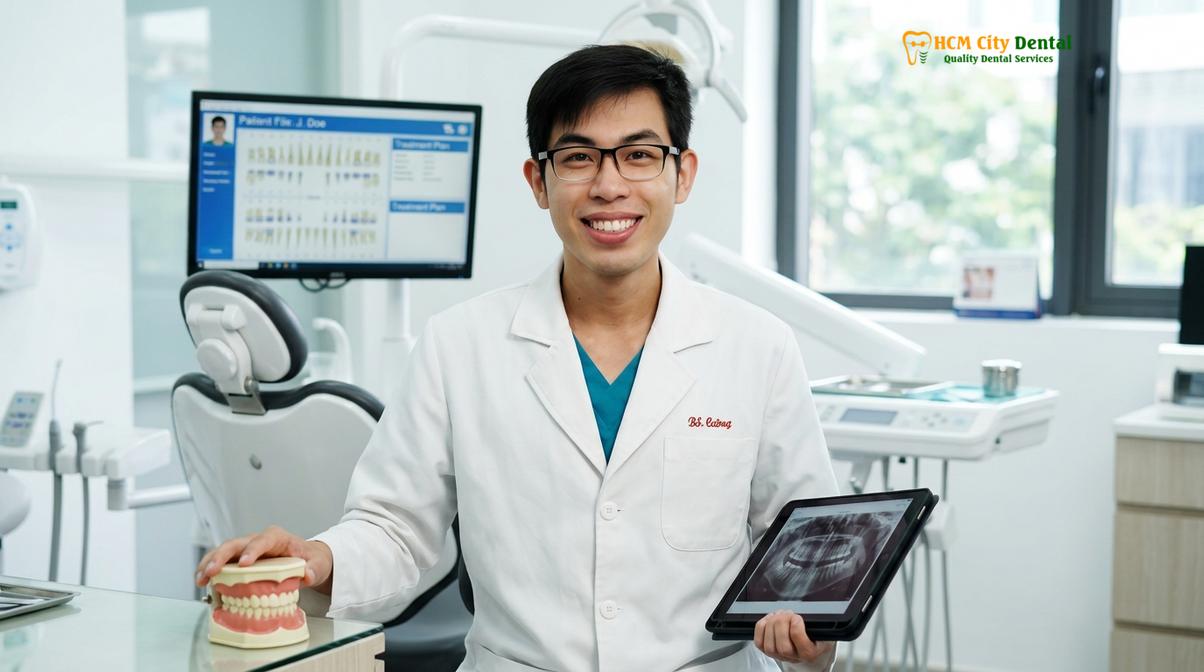
If you are unsure whether your specific dental condition requires a Dental Crown vs Veneer: Which Is Right For You? | Dr. Cuong, scheduling a professional consultation is the best first step. A thorough evaluation will help identify the most conservative, durable, and effective treatment path for your unique dental anatomy.
Maintenance and Longevity of Ultra-Thin Veneers
With meticulous oral hygiene, routine professional cleanings, and proper occlusal protection, ultra-thin veneers can provide a beautiful, functional smile for well over a decade.
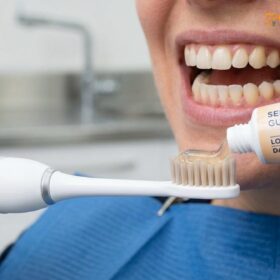
The longevity of ultra-thin veneers is highly dependent on the patient’s commitment to post-operative care and maintenance. While the ceramic material itself is impervious to decay and highly resistant to staining, the underlying natural tooth structure remains vulnerable to cavities, particularly at the margins where the veneer meets the tooth. Therefore, maintaining impeccable oral hygiene is non-negotiable. Patients must brush twice daily using a non-abrasive fluoride toothpaste to avoid scratching the highly polished ceramic surface, and floss daily to remove plaque from the interproximal spaces.
Furthermore, patients who exhibit signs of bruxism or clenching must be fitted with a custom occlusal guard (night guard). While lithium disilicate is incredibly strong, the extreme thinness of these restorations makes them susceptible to fracture under excessive, uncontrolled occlusal forces. Wearing a night guard protects the investment and ensures the ceramics remain intact. Regular dental check-ups every six months are also crucial, allowing the dentist to inspect the integrity of the margins and perform professional polishing. For a deeper dive into the lifespan of these restorations, patients often read How Long Do Porcelain Veneers Last? (Honest Guide).
Cost Considerations and Investment Value
While ultra-thin veneers may carry a premium initial cost due to the specialized materials and master ceramist skills required, their long-term value lies in the preservation of natural tooth structure.
Patients are often surprised to learn that no-prep or ultra-thin veneers can sometimes cost as much, or even slightly more, than traditional veneers, despite requiring less chair time for tooth preparation. The cost is driven by the extreme precision required in the laboratory phase. Fabricating a ceramic shell that is 0.2mm thin, structurally sound, and aesthetically flawless requires the expertise of a master ceramist and the use of premium, proprietary materials.
However, when evaluating the cost, it is essential to consider the long-term biological return on investment. Because the natural enamel is preserved, the tooth is far less likely to require endodontic therapy (root canals) or full coverage crowns in the future. The preservation of tooth vitality translates to fewer complex dental interventions down the line, making ultra-thin veneers a highly cost-effective and biologically sound investment in your long-term oral health.
References
- Journal of Esthetic and Restorative Dentistry. Translucency of lithium disilicate.
- International Journal of Prosthodontics. Enamel preservation and bond strength.
- The Journal of Prosthetic Dentistry. Flexural strength of porcelain restorations.
- Clinical Oral Investigations. Diode laser gingival sculpting parameters.
- Vietnam Odonto-Stomatology Association (VOSA). Guidelines on conservative aesthetic dental restorations.
Ready to transform your smile with ultra-thin, conservative restorations? Contact HCMC Dental Clinic in Ho Chi Minh City today to schedule your comprehensive digital smile consultation and discover if no-prep veneers are the right choice for you. Visit our Porcelain Veneers tại HCMC Dental Clinic page to learn more about our advanced cosmetic treatments and begin your journey toward a flawless, biomimetic smile.