Teeth polishing after scaling is a critical clinical step that smooths the enamel surface, removes residual extrinsic stains, and delays future plaque accumulation. By eliminating microscopic rough patches left behind after tartar removal, polishing ensures optimal gingival healing and long-term periodontal health.
Clinical Summary:
Professional dental prophylaxis is a multi-step procedure designed to eradicate pathogenic biofilm and calcified deposits from the oral cavity. While ultrasonic scaling effectively fractures and removes heavy calculus, it inevitably leaves the tooth surface microscopically rough. Teeth polishing after scaling serves as the essential finishing protocol, utilizing either traditional rubber cups with specialized prophy pastes or advanced air-polishing systems to create a glass-like enamel finish. This smooth surface is biologically crucial, as it significantly inhibits the rapid recolonization of bacteria. Modern clinical workflows, particularly Guided Biofilm Therapy (GBT), prioritize minimally invasive techniques that preserve enamel integrity, protect delicate dental restorations, and promote immediate gingival recovery while delivering superior aesthetic results.
Key Takeaways:
- Polishing smooths microscopic scratches left by scaling, reducing the surface area available for bacterial adhesion.
- Advanced clinics utilize a dual scaler approach, combining piezoelectric and magnetostrictive technologies for customized calculus removal.
- Guided Biofilm Therapy (GBT) using 25μm erythritol powder offers a painless, non-abrasive alternative to traditional rubber cup polishing.
- Post-polishing fluoride application is vital for accelerating enamel remineralization and preventing dentinal hypersensitivity.
- Patients must adhere to specific dietary restrictions for 24 to 48 hours post-treatment to prevent immediate re-staining of the freshly polished enamel.
The Fundamentals of Plaque, Tartar, and Oral Hygiene
Understanding the progression from soft plaque to hardened tartar is essential for preventing plaque-induced gingivitis, bleeding gums, and chronic bad breath.
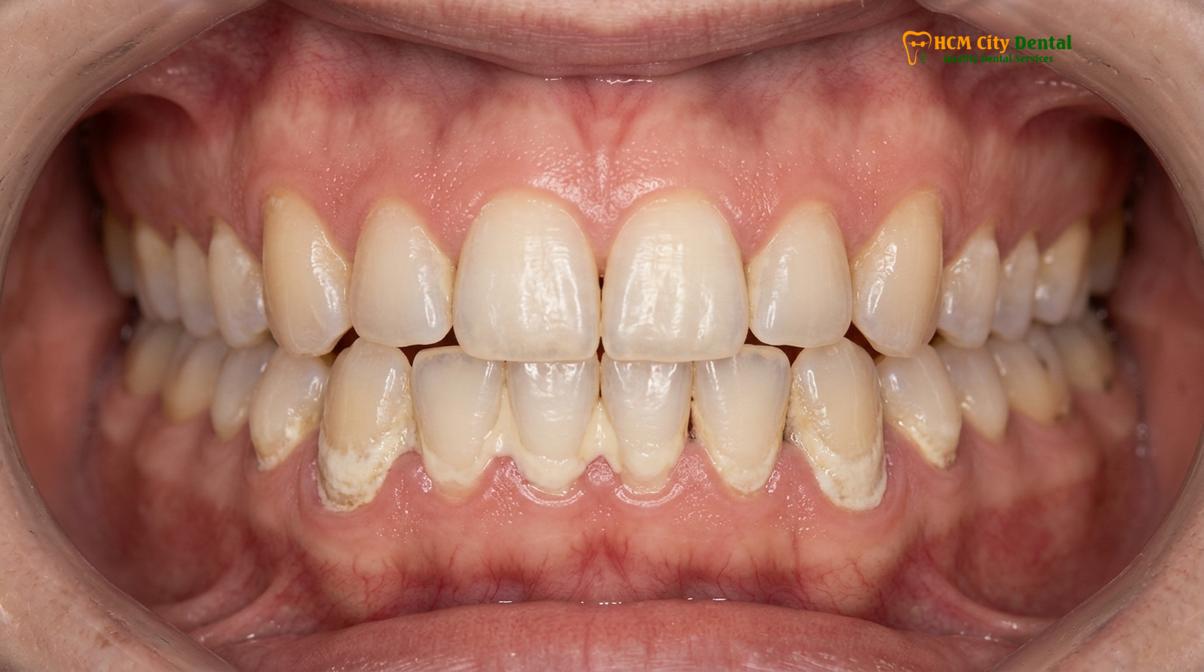
The oral cavity is a complex, dynamic ecosystem hosting hundreds of bacterial species. Within minutes of brushing, a glycoprotein coating derived from saliva, known as the acquired pellicle, forms over the enamel. This pellicle acts as a biological adhesive, allowing primary colonizing bacteria—predominantly Streptococcus mutans—to attach to the tooth surface. As these bacteria multiply, they secrete an extracellular polymeric matrix, creating a sticky, colorless biofilm known as dental plaque. If this plaque is not mechanically disrupted through proper brushing and flossing within 24 to 48 hours, it begins to absorb calcium and phosphate ions from the saliva[1].
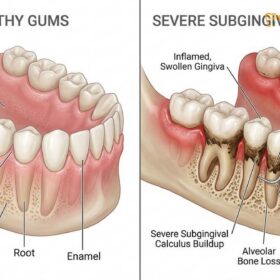
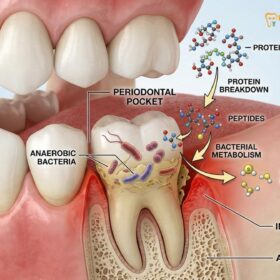
This biochemical mineralization process transforms soft, easily removable plaque into a hardened, porous substance called calculus, or tartar. Once calculus forms, it bonds tightly to the enamel and cementum, making it impossible to remove with a standard toothbrush. The rough, porous surface of tartar acts as an ideal breeding ground for secondary, more pathogenic anaerobic bacteria. These bacteria thrive in the oxygen-depleted environments of the gingival sulcus, releasing endotoxins that trigger a localized immune response.
The body’s inflammatory reaction to these endotoxins results in plaque-induced gingivitis, characterized by red, swollen, and bleeding gums. When patients notice their gums bleeding during routine brushing or flossing, it is a definitive clinical sign of active periodontal inflammation, not merely a result of brushing too hard. Furthermore, the metabolic byproducts of these anaerobic bacteria include volatile sulfur compounds (VSCs), which are the primary etiology of chronic halitosis, or bad breath.
Beyond the biological implications, the porous nature of both plaque and tartar makes them highly susceptible to absorbing chromogenic (stain-causing) compounds from daily habits. Frequent consumption of coffee, black tea, red wine, and the use of tobacco products lead to severe extrinsic teeth staining. To combat this, dental professionals advocate for meticulous home care, specifically recommending the Modified Bass brushing technique. This method involves angling the toothbrush bristles at a 45-degree angle toward the gumline and using short, vibratory strokes to dislodge biofilm from the critical junction where the tooth meets the gingiva.
The Dual Scaler Advantage for Calculus Removal
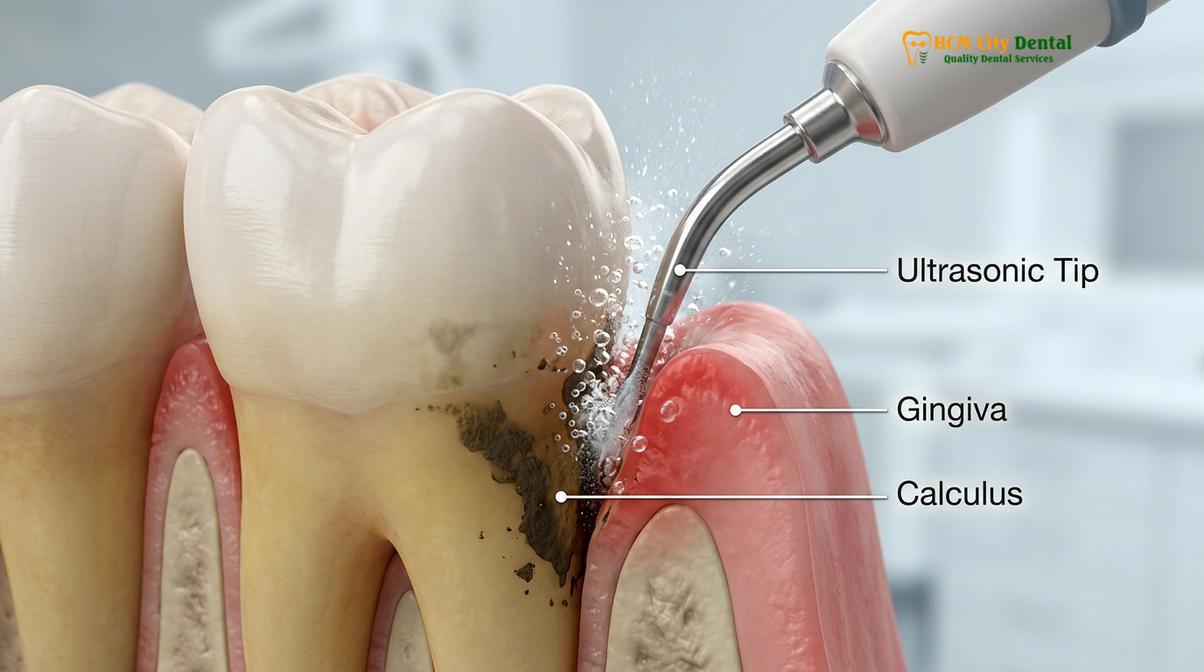
Utilizing both piezoelectric and magnetostrictive ultrasonic scalers allows clinicians to customize the cavitation effect for optimal subgingival calculus eradication and patient comfort.
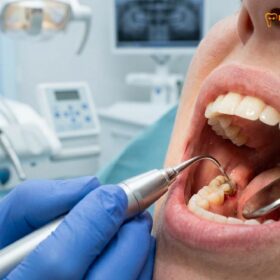
Before teeth polishing can occur, the foundational step of professional prophylaxis is the complete eradication of supragingival and subgingival calculus. Modern dental practices have largely transitioned away from relying solely on manual hand instruments, favoring the efficiency and clinical efficacy of ultrasonic technology. However, not all ultrasonic scalers are identical. At HCMC Dental Clinic, we employ a sophisticated “Dual Scaler Advantage,” utilizing both Piezoelectric and Magnetostrictive systems to tailor the treatment to the specific periodontal pocket depth and sensitivity profile of each patient.
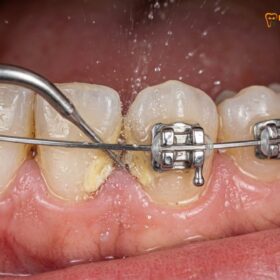
Piezoelectric Scalers (e.g., Acteon/Satelec): These advanced devices utilize ceramic crystals in the handpiece that expand and contract when electrical energy is applied. This creates a precise, linear back-and-forth motion at the instrument tip, operating at high frequencies up to 32 kHz. Because the motion is strictly linear, only the lateral sides of the tip are active. This design generates significantly less heat and requires less water coolant. Clinically, piezoelectric scaling is exceptionally gentle, making it the preferred modality for patients with sensitive teeth, pediatric patients, and those undergoing orthodontic treatment. The linear motion allows for meticulous, tactile control when navigating complex root anatomies.
Magnetostrictive Scalers (e.g., Dentsply Cavitron): In contrast, magnetostrictive technology relies on a stack of metal strips in the handpiece that change dimension under a magnetic field. This produces an elliptical, figure-eight motion at the tip, meaning all surfaces of the instrument—front, back, and sides—are active and vibrating. This multi-directional energy transfer is highly aggressive against calcified deposits, making it ideal for breaking down heavy, tenacious calculus, performing deep subgingival tartar removal, and executing full mouth debridement in cases of advanced periodontitis.
Dr. Nguyen Van Cuong emphasizes the clinical perspective on dental scaling technique: “The selection of ultrasonic power levels and scaler type is not arbitrary. It is a precise clinical decision based on the patient’s periodontal phenotype, the tenacity of the calculus, and the need for enamel preservation safety. By alternating between piezoelectric and magnetostrictive technologies, we achieve maximum calculus disruption with minimal tissue trauma.”
“The true power of ultrasonic scaling lies in the cavitation effect—the formation and implosion of microscopic water bubbles generated by the high-frequency vibration of the scaler tip. This acoustic microstreaming physically ruptures bacterial cell walls, effectively flushing pathogenic biofilm out of deep periodontal pockets.”
This dual approach ensures that whether a patient requires a routine maintenance cleaning or an intensive scaling and root planing (SRP) session, the mechanical debridement is both thorough and biologically respectful of the surrounding soft tissues[2].
Clinical Purpose of Polishing
The primary clinical purpose of polishing is to create a glass-like enamel surface that resists bacterial colonization and removes residual extrinsic stains.
Following the rigorous removal of calculus via ultrasonic and hand instrumentation, the surface of the tooth is left microscopically altered. Even the most carefully executed scaling procedure produces minute scratches and striations on the enamel and exposed root cementum. If left untreated, this increased surface roughness (measured clinically as Ra values) provides an ideal, highly retentive topography for the immediate re-attachment of the acquired pellicle and subsequent bacterial biofilm.
Therefore, teeth polishing after scaling is not merely a cosmetic enhancement; it is a vital preventive medical procedure. The clinical objective is to reduce the surface roughness to a level where bacterial adhesion is significantly hindered. A highly polished, lustrous enamel surface forces bacteria to struggle to gain a foothold, thereby extending the time it takes for pathogenic plaque to accumulate between professional recall visits.
Furthermore, while scaling removes the bulk of calcified deposits, it often leaves behind stubborn extrinsic stains embedded in the microscopic irregularities of the enamel. Polishing effectively lifts these superficial discolorations caused by dietary chromogens, restoring the natural brightness and optical reflectivity of the teeth. This dual action of smoothing the topography and eliminating stains is what gives patients the characteristic “fresh and clean” sensation following a professional prophylaxis appointment.
Prophy Paste Grits
Dental professionals select specific prophy paste grits—ranging from fine to coarse—based on the severity of extrinsic stains and the patient’s enamel health.
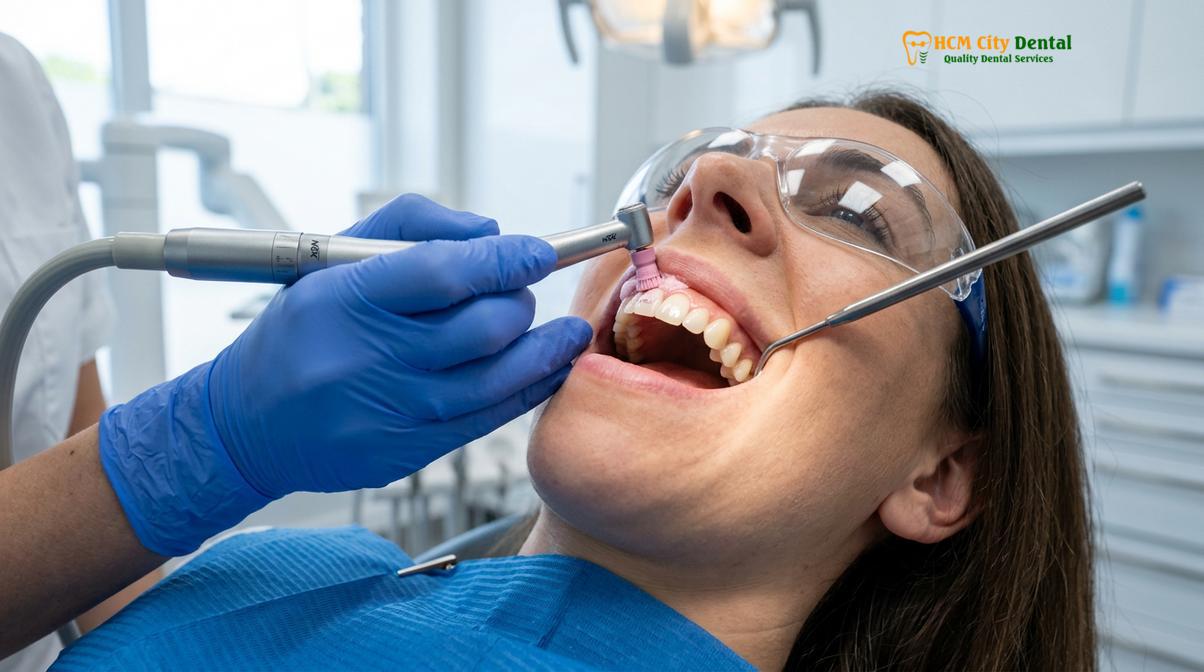
The traditional method of teeth polishing involves the use of a slow-speed rotary handpiece equipped with a soft rubber prophy cup. This cup is filled with a specialized prophylaxis paste, which acts as the abrasive agent. The selection of the appropriate paste is a critical clinical decision, as the goal is to maximize dental polishing paste efficacy while minimizing unnecessary abrasion to the underlying tooth structure.
Prophy pastes are formulated with various abrasive particles, most commonly pumice, perlite, or calcium carbonate, suspended in a binder with flavoring agents and often fluoride. These pastes are categorized by their grit size, which dictates their abrasiveness (Relative Dentin Abrasivity, or RDA):
| Prophy Paste Grit | Particle Size & Abrasivity | Clinical Indications | Contraindications |
|---|---|---|---|
| Fine Grit | Smallest particles, lowest RDA. | Routine polishing, pediatric patients, sensitive enamel, minimal staining. | Ineffective for heavy, tenacious tobacco or coffee stains. |
| Medium Grit | Moderate particle size, standard RDA. | General stain removal, standard adult prophylaxis, moderate plaque accumulation. | Use with caution on exposed root surfaces or severe dentinal hypersensitivity. |
| Coarse Grit | Largest particles, highest RDA. | Heavy extrinsic staining (tobacco, betel nut), severe discoloration. | Should not be used routinely; contraindicated for aesthetic restorations (veneers/crowns) and exposed dentin. |
Modern dental hygiene adheres to the philosophy of “selective polishing.” Rather than indiscriminately applying coarse paste to every tooth, clinicians evaluate each surface individually. Coarse grits are reserved strictly for teeth with heavy, stubborn stains, while fine grits are utilized for the remainder of the dentition to preserve the fluoride-rich outer layer of the enamel. Overuse of coarse pastes can lead to cumulative enamel wear over a patient’s lifetime, underscoring the importance of professional judgment during the polishing phase[3].
Airflow vs. Rubber Cup
While traditional rubber cups use abrasive pastes, modern Airflow technology utilizes low-abrasive powders to safely eradicate biofilm without scratching dental restorations.
The landscape of dental prophylaxis has been revolutionized by the introduction of air-polishing systems, prompting a clinical shift when evaluating prophy cup vs airflow methodologies. While the traditional rubber cup and paste method remains effective for standard stain removal, it has limitations, particularly regarding its inability to reach deep into interproximal spaces (between teeth) and its potential to scratch delicate restorative materials.
Airflow polishing utilizes a precise mixture of compressed air, warm water, and specialized micro-powders to create a powerful yet gentle kinetic spray. This spray effectively blasts away biofilm, early calculus, and heavy stains from all tooth surfaces, including deep pits, fissures, and the tight spaces between crowded teeth where a rubber cup simply cannot reach.
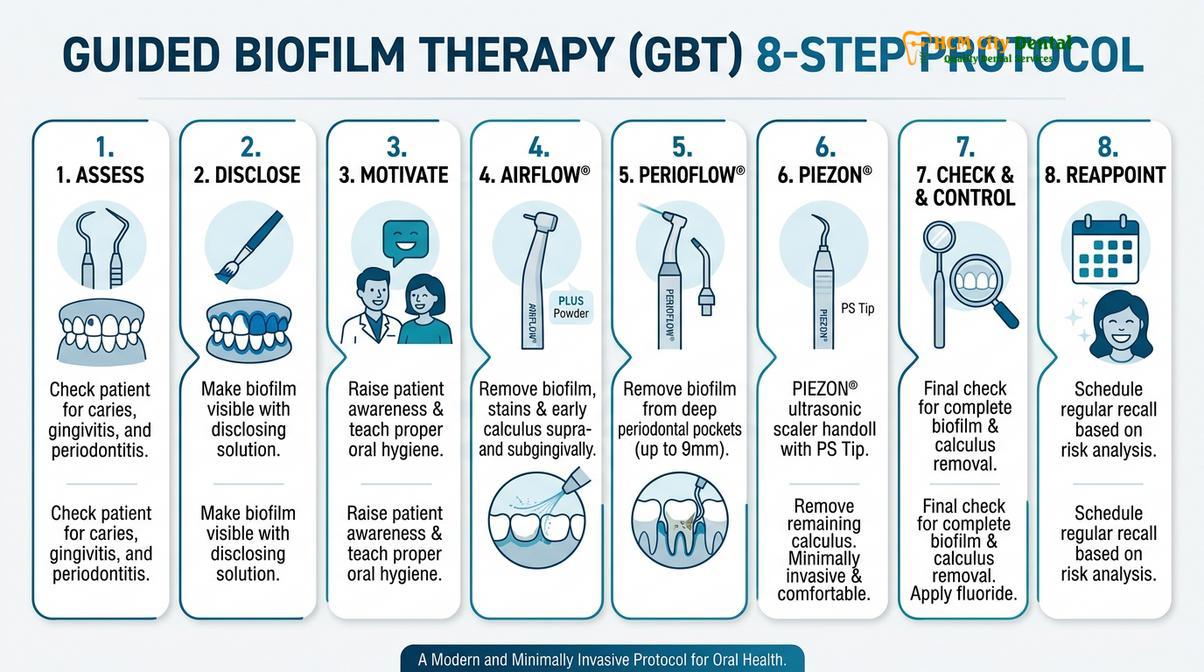
At the forefront of this technology is the Guided Biofilm Therapy (GBT) protocol, developed by Swiss EMS. GBT represents the gold standard in modern periodontal maintenance. The GBT 8-step protocol begins with the application of a disclosing solution, which dyes the invisible plaque biofilm a bright color (usually blue or pink). This visual guide allows the clinician to precisely target the pathogenic bacteria, ensuring 100% biofilm eradication without over-instrumenting clean areas.
The cornerstone of the GBT system is the use of Erythritol powder. Unlike older sodium bicarbonate powders which were highly abrasive and tasted salty, erythritol is a sugar alcohol with a microscopic grain size of just 25μm. This ultra-fine powder is incredibly gentle. It is clinically proven to be safe for use on natural enamel, exposed dentin, soft gingival tissues, orthodontic brackets, and highly aesthetic restorations like porcelain veneers and titanium implants. The erythritol spray not only removes stains but also exerts a biochemical inhibitory effect on bacterial reproduction.
Dr. Cuong frequently oversees the implementation of these advanced systems, noting that GBT protocol verification ensures that patients receive a treatment that is virtually painless. The use of warm water (regulated to exactly 40°C) eliminates the sharp, cold sensitivity often associated with traditional ultrasonic scaling, making the entire cleaning and polishing experience highly comfortable, even for patients with severe dental anxiety[4].
Re-Mineralizing Fluoride
Applying a high-concentration fluoride varnish after polishing accelerates enamel remineralization and significantly reduces post-scaling dentinal hypersensitivity.
The mechanical action of scaling and polishing, while necessary for disease prevention, temporarily strips away the acquired pellicle and the microscopic, fluoride-rich outermost layer of the enamel. This leaves the teeth transiently vulnerable to acid attacks from oral bacteria and can expose microscopic dentinal tubules, leading to acute post-procedural temperature sensitivity.
To counteract this, the immediate application of a professional-grade remineralizing agent is a mandatory clinical step. Enamel remineralization fluoride therapy involves painting a high-concentration fluoride varnish (typically 5% sodium fluoride) directly onto the freshly polished surfaces. Because the tooth is completely free of biofilm and calculus, the enamel prisms are highly receptive to mineral uptake.
The fluoride ions rapidly integrate into the hydroxyapatite structure of the tooth, converting it into fluorapatite. Fluorapatite is significantly harder and more resistant to acidic dissolution than natural enamel. Furthermore, the varnish acts as a physical plug, occluding any open dentinal tubules and providing immediate relief from hypersensitivity.
Clinical Case Observation: A 42-year-old patient visited HCMC Dental Clinic in Ho Chi Minh City presenting with heavy coffee staining and generalized gingivitis. Following a comprehensive ultrasonic scaling and GBT airflow polishing session, the patient’s enamel was completely cleared of extrinsic discoloration. To address the patient’s history of cold sensitivity, a 5% sodium fluoride varnish was applied immediately post-polishing. At the two-week follow-up, the gingival tissues had fully healed (zero bleeding on probing), and the patient reported a complete cessation of thermal sensitivity, demonstrating the profound efficacy of immediate post-polishing remineralization protocols.
Post-Polish Diet Rules
Following specific dietary restrictions for 24 to 48 hours after polishing prevents immediate re-staining and allows the protective pellicle layer to reform.
The immediate post-polishing period is a critical window for maintaining the aesthetic and biological results of the procedure. Because the protective salivary pellicle has been removed, the enamel is highly porous and exceptionally vulnerable to absorbing new pigments. It takes approximately 24 to 48 hours for the pellicle to fully regenerate and for the fluoride varnish to achieve maximum mineral integration.
During this timeframe, patients must adhere to a strict “white diet” to prevent immediate re-staining. Clinicians strongly advise avoiding all highly chromogenic foods and beverages. This includes coffee, black tea, red wine, dark sodas, soy sauce, balsamic vinegar, berries, and spices heavily laden with pigment, such as turmeric and curry. Tobacco use, including smoking and vaping, should be strictly avoided, as the tar and nicotine will rapidly penetrate the unprotected enamel.
Clinical Warning: In addition to avoiding dark-colored foods, patients must strictly avoid highly acidic items such as citrus fruits (lemons, oranges), tomatoes, and carbonated beverages for at least 24 hours post-polishing. Acidic foods can disrupt the fluoride remineralization process, strip away the newly forming pellicle, and trigger severe dentinal hypersensitivity in freshly scaled teeth.
Patients are encouraged to consume neutral, non-staining foods such as chicken, fish, rice, potatoes, dairy products, and clear liquids. Maintaining optimal hydration with plain water also stimulates salivary flow, which naturally aids in the remineralization process and helps wash away residual food particles.
Pricing Structure for Dental Cleaning in Ho Chi Minh City
Transparent pricing for dental prophylaxis ensures patients can select the appropriate level of care, from standard scaling to advanced full mouth debridement.
Understanding the financial investment required for periodontal maintenance is essential for patient planning. The cost of a professional dental cleaning varies based on the clinical complexity of the calculus buildup, the technology utilized, and the specific protocols required to restore gingival health. According to the latest clinic fee schedule, the pricing structure is designed to accommodate various clinical needs:
- Standard Ultrasonic Scaling & Polishing: Designed for routine maintenance and mild plaque accumulation. The estimated cost ranges from 500,000 to 800,000 VND (~$20 to $32 USD). For walk-in patients without prior scheduling, the fee is 800,000 to 1,300,000 VND.
- Airflow Prophylaxis / Guided Biofilm Therapy (GBT): The premium, minimally invasive protocol utilizing Swiss EMS technology and erythritol powder. This is priced between 1,500,000 to 2,000,000 VND (~$60 to $80 USD), with a walk-in rate of 2,500,000 to 3,300,000 VND.
- Scaling & Root Planing (SRP): A deep cleaning therapeutic intervention for active periodontitis, priced per quadrant. The cost is 1,000,000 to 1,500,000 VND (~$40 to $60 USD) per quadrant, or 1,600,000 to 2,500,000 VND for walk-ins.
- Full Mouth Debridement: Required for patients with severe, heavy tartar removal needs that obscure clinical evaluation. This comprehensive session ranges from 2,000,000 to 3,000,000 VND (~$80 to $120 USD), while walk-in rates are 3,300,000 to 5,000,000 VND.
To make advanced periodontal care more accessible, patients who schedule their appointments in advance can take advantage of a -40% WhatsApp booking discount, significantly reducing the out-of-pocket expense for premium treatments like GBT.
When to See a Doctor
Immediate clinical evaluation is necessary if you experience severe pain, prolonged bleeding, or signs of acute periodontal infection following a cleaning procedure.
While teeth scaling and polishing are highly safe, routine procedures, patients must monitor their oral health in the days following the appointment. Mild tenderness and slight gingival bleeding during brushing are normal for 24 to 48 hours, especially if the patient presented with heavy calculus and active gingivitis prior to the cleaning. The tissues require a brief period to heal and reattach to the smooth tooth surface.
However, you should seek immediate clinical evaluation if you experience any of the following warning signs: severe, throbbing pain that is not relieved by over-the-counter analgesics; continuous, heavy bleeding from the gums that does not subside; localized swelling of the facial tissues or jaw; the sudden appearance of purulent discharge (pus) around the gumline; or the onset of a fever. These symptoms may indicate an acute periodontal abscess or a systemic infection requiring prompt antibiotic therapy and professional intervention. Regular recall intervals, typically every six months, are crucial for monitoring these conditions and maintaining long-term stability[5].
Frequently Asked Questions
Does teeth polishing remove enamel?
No, professional teeth polishing does not remove healthy enamel when performed correctly. Modern dental clinics utilize selective polishing techniques and low-abrasive agents, such as fine prophy pastes or erythritol powder, to safely remove extrinsic stains and biofilm without compromising the structural integrity of the tooth. The microscopic amount of surface material removed is clinically insignificant and is rapidly remineralized by saliva and fluoride treatments.
Why is fluoride applied after polishing?
Fluoride is applied after polishing to accelerate enamel remineralization and occlude exposed dentinal tubules. The scaling and polishing process temporarily removes the protective salivary pellicle; a high-concentration fluoride varnish immediately restores mineral balance, strengthens the enamel against acid attacks, and significantly reduces post-procedural tooth sensitivity, ensuring a comfortable recovery.
How long after polishing can I eat?
You should wait at least 30 to 60 minutes before eating or drinking anything after a polishing and fluoride treatment. This waiting period allows the fluoride varnish to fully adhere to the enamel and prevents immediate staining while the protective salivary pellicle begins to naturally reform over the teeth. When you do eat, stick to soft, non-staining foods for the first 24 hours.
Is Guided Biofilm Therapy safe for dental implants and veneers?
Yes, Guided Biofilm Therapy (GBT) is exceptionally safe for all dental restorations, including implants, porcelain veneers, and crowns. The protocol utilizes a highly specialized erythritol powder with a microscopic grain size of 25μm, which effectively eradicates biofilm without scratching delicate titanium surfaces or dulling the finish of aesthetic ceramics, making it the preferred maintenance protocol for complex restorative cases.
Can polishing remove deep intrinsic stains?
No, polishing is only effective at removing extrinsic (surface) stains caused by dietary factors like coffee, tea, wine, or tobacco. Intrinsic stains, which originate from within the tooth structure due to trauma, developmental defects, or medications like tetracycline, cannot be polished away. These deeper discolorations require professional chemical teeth whitening procedures or restorative solutions such as porcelain veneers to correct.
References
- Journal of Clinical Periodontology. Guided Biofilm Therapy clinical efficacy. (2021).
- International Journal of Dental Hygiene. Ultrasonic scaling vs hand scaling. (2020).
- Journal of Periodontology. Scaling and root planing for periodontitis. (2019).
- Clinical Oral Investigations. Erythritol air-polishing powder safety. (2022).
- Journal of the American Dental Association. Professional cleaning recall intervals. (2018).